Automated pathology report generation from Whole Slide Images (WSIs) has attracted increasing attention in digital pathology. However, existing methods are predominantly developed under single-organ settings, overlooking the multi-organ scenarios encountered in clinical practice, where organ types typically follow a long-tailed distribution. To address this gap, we identify two critical biases: (1) visual representation bias, where the encoder favors head-class patterns over tail-class discriminative features, and (2) textual decoding bias, where the decoder overfits to head-class narrative patterns, yielding diagnostically unreliable outputs for tail-class organs. To mitigate these two biases, we propose a novel Prior-anchored multi-Organ pathology report Generation framework (PriOrGen). Specifically, a Visual-Prototype Anchored Bottleneck module leverages the information bottleneck principle with learnable anchor representations to selectively retain diagnostically relevant visual information while filtering out head-biased redundancy. Secondly, a Meta-Report Anchored Bank module constructs an organ-specific meta-report anchored bank and retrieves organ-faithful textual priors to steer the decoder away from head-class narrative patterns. Extensive experiments on a multi- organ pathology dataset demonstrate that our method effectively mitigates long-tail biases and achieves superior report generation performance across both head and tail organ categories compared to state-of-the-art methods.
Few-shot learning is critical in data mining systems where new or long-tail categories appear with only a few labeled examples. We propose MACL, a transductive and model-agnostic contrastive learning framework for robust few-shot classification. MACL contains two branches. The contrastive branch learns margin-aware embeddings through hard-negative mining, boundary-sensitive reweighting, and semi-positive construction. The transductive branch refines class weights by maximizing mutual information over the entire query set with support supervision. A lightweight gradient-based scheme adaptively balances the loss terms, and parameter-efficient tuning with adapters, LoRA, and visual prompts enables scalable adaptation across convolutional and transformer backbones. We construct controlled few-shot evaluations based on miniImageNet and tieredImageNet to assess robustness under spurious correlations, label noise, and open-set queries. Experiments show that MACL and its ViT-based variant consistently outperform strong inductive and transductive baselines in accuracy, calibration, and robustness. Overall, the results suggest that MACL benefits from a tightly coupled contrastive and transductive design in which margin-aware supervised contrastive learning shapes the posteriors optimized by the InfoMax objective under adaptive balancing. This cooperative mechanism goes beyond a simple combination of SupCon, TIM, and gradient reweighting and provides a unified and scalable solution for few-shot learning in practical data mining and knowledge discovery tasks.
Programming knowledge tracing (PKT) aims to evaluate students' mastery of knowledge concepts and predict their future performance based on datasets containing question-answer (code) instances. However, each instance is only labelled with a few knowledge concepts, and lacks all related knowledge concepts, as well as procedural and hierarchical relations among them. This leads to insufficient utilization of programming process information and hinders accurate evaluation of students' programming mastery at a fine granularity from a systematic perspec tive. To address this problem, we propose PKT-KCIHM, a PKT method based on knowledge concept identification and hierarchical modeling. Specifically, we design a Tree-of-Thoughts-inspired self-verifying knowledge concept identification algorithm to recognize the relations of question-to-knowledge concept and answer-to-knowledge concept. Based on above relations, we construct a hierarchical graph for programming courses, and design a dual-dimensional LSTM network to capture students' knowledge states. Finally, we propose a joint loss function that adds a mastery-constrained loss to the knowledge tracing prediction loss. Extensive experimental results on three datasets demonstrate the effectiveness of PKT-KCIHM.
Human activity recognition is a crucial task in healthcare and exercise sciences, with wide-ranging applications for monitoring human health and well-being, disease detection, and prevention. With a multitude of devices that record human activity proliferating people's daily lives in the form of smartwatches, various wearable devices, and cameras, the abundance of data collected has made it possible to apply neural architectures to the problem. This study considers human activity data collected as time series. Recent advancements in deep learning architectures, specifically the Transformer model, have made it possible to classify sequential data with excellent accuracy. This paper presents a human activity recognition system utilizing a combination of the OptiTrack PrimeX 22 motion capture camera and a Transformer-based classifier model.
Introduction: Positron Emission Tomography (PET) is a vital modality for investigating brain related disorders. However, data scarcity especially for novel molecular targets like neuroepigenetic enzymes combined with difficult-to-recruit patient populations limits the development of machine learning (ML) models. Our primary objective is to enhance single-subject classification of neuromolecular imaging data and facilitate biomarker discovery. We demonstrate our approach using histone deacetylase (HDAC) PET/MR imaging in Alcohol Use Disorder (AUD). Methods: We propose Catalysis Training pipeline, a framework that augments real imaging data with high-quality synthetic data generated by a Wasserstein Conditional Generative Adversarial Network (WCGAN). Using [11C]Martinostat PET/MR imaging, we extracted 1-D standardized uptake value ratio (SUVR) tabular features representing HDAC enzyme expression density across eight cingulate subregions. These were used to train and test ML classifiers, including Support Vector Machine (SVM), XGBoost, and Random Forest, under leave-one-out cross-validation. Results: Integrating synthetic data in the training process improved classification accuracy significantly: +26% for XGBoost and Random Forest (from 59% to 85%), and +18% for SVM (from 70% to 88%). Synthetic samples improved model generalizability. Key hemispheric and subregional cingulate HDAC patterns were also identified as potential biomarkers. Conclusion: Our results demonstrate that generative AI can help overcome data scarcity in low-data regime neuroimaging applications. Catalysis Training provides a scalable strategy to enhance ML-driven biomarker discovery and disease classification, especially for rare or difficult-to-study disorders like AUD. Clinically, cingulate HDAC expression measured by [11C]Martinostat PET/MR shows promise as an objective biomarker for AUD, complementing DSM-based diagnosis and informing novel treatment strategies.
Generalized Category Discovery is a significant and complex task that aims to identify both known and undefined novel categories from a set of unlabeled data, leveraging another labeled dataset containing only known categories. The primary challenges stem from model bias induced by pre-training on only known categories and the lack of precise supervision for novel ones, leading to category bias towards known categories and category confusion among different novel categories, which hinders models' ability to identify novel categories effectively. To address these challenges, we propose a novel framework named Self-Debiasing Calibration (SDC). Unlike prior methods that regard model bias towards known categories as an obstacle to novel category identification, SDC provides a novel insight into unleashing the potential of the bias to facilitate novel category learning. Specifically, we utilize the biased pre-trained model to guide the subsequent learning process on unlabeled data. The output of the biased model serves two key purposes. First, it provides an accurate modeling of category bias, which can be utilized to measure the degree of bias and debias the output of the current training model. Second, it offers valuable insights for distinguishing different novel categories by transferring knowledge between similar categories. Based on these insights, SDC dynamically adjusts the output logits of the current training model using the output of the biased model. This approach produces less biased logits to effectively address the issue of category bias towards known categories, and generates more accurate pseudo labels for unlabeled data, thereby mitigating category confusion for novel categories. Experiments on three benchmark datasets show that SDC outperforms SOTA methods, especially in the identification of novel categories.
Large Language Models (LLMs) have shown strong general capabilities in many applications. However, how to make them reliable tools for some specific tasks such as automated short answer grading (ASAG) remains a challenge. We present SteLLA (Structured Grading System Using LLMs with RAG) in which a) Retrieval Augmented Generation (RAG) approach is used to empower LLMs specifically on the ASAG task by extracting structured information from the highly relevant and reliable external knowledge based on the instructor-provided reference answer and rubric, b) an LLM performs a structured and question-answering-based evaluation of student answers to provide analytical grades and feedback. A real-world dataset that contains students' answers in an exam was collected from a college-level Biology course. Experiments show that our proposed system can achieve substantial agreement with the human grader while providing break-down grades and feedback on all the knowledge points examined in the problem. A qualitative and error analysis of the feedback generated by GPT4 shows that GPT4 is good at capturing facts while may be prone to inferring too much implication from the given text in the grading task which provides insights into the usage of LLMs in the ASAG system.
A sentence is composed of linguistically linked units, such as words or phrases. The dependencies between them compose the linguistic structures of a sentence, which indicates the meanings of linguistic units and encodes the syntactic or semantic relationships between them. Therefore, it is important to learn the linguistic structures of a sentence for entity relation extraction or other natural language processing (NLP) tasks. In related works, manual rules or dependency trees are usually adopted to capture the linguistic structures. These methods heavily depend on prior knowledge or external toolkits. In this paper, we introduce a Supervised Graph Autoencoder Network (SGAN) model to automatically learn the linguistic structures of a sentence. Unlike traditional graph neural networks that use a fixed adjacency matrix initialized with prior knowledge, the SGAN model contains a learnable adjacency matrix that is dynamically tuned by a task-relevant learning objective. It can automatically learn linguistic structures from raw input sentences. After being evaluated on seven public datasets, the SGAN achieves state-of-the-art (SOTA) performance, outperforming all compared models. The results show that automatically learned linguistic structures have better performance than manually designed linguistic patterns. It exhibits great potential for supporting entity relation extraction and other NLP tasks.
Despite great success across various multimodal tasks, Large Vision-Language Models (LVLMs) often encounter object hallucinations with generated textual responses being inconsistent with the actual objects in images. We examine different LVLMs and pinpoint that one root cause of object hallucinations lies with deficient attention on discriminative image features. Specifically, LVLMs often predominantly attend to prompt-irrelevant global features instead of prompt-relevant local features, undermining their visual grounding capacity and leading to object hallucinations. We propose Assembly of Global and Local Attention (AGLA), a training-free and plug-and-play approach that mitigates hallucinations by assembling global features for response generation and local features for visual discrimination simultaneously. Specifically, we introduce an image-prompt matching scheme that captures prompt-relevant local features from images, leading to an augmented view of the input image where prompt-relevant content is highlighted while irrelevant distractions are suppressed. Hallucinations can thus be mitigated with a calibrated logit distribution that is from generative global features of the original image and discriminative local features of the augmented image. Extensive experiments show the superiority of AGLA in LVLM hallucination mitigation, demonstrating its wide applicability across both discriminative and generative tasks. Our code is available at https://github.com/Lackel/AGLA.
Deep learning models built upon Transformer architectures have led to substantial advancements in sequential data analysis. Nevertheless, their direct application to video-based tasks, such as Group Activity Recognition (GAR), remains constrained by the quadratic computational complexity and excessive memory requirements of global self-attention, especially when handling long video sequences. To overcome these limitations, we propose SUGAR: A Sequence Unfolding Based Transformer Model for Group Activity Recognition. Our approach introduces a novel sequence unfolding and folding mechanism that partitions long video sequences into overlapping local windows, enabling the model to concentrate attention within compact temporal regions. This local attention design dramatically reduces computational cost and memory footprint while maintaining high recognition accuracy. Within the Bi-Causal framework, SUGAR replaces conventional Transformer blocks, and experimental results on the Volleyball dataset demonstrate that our model achieves state-of-the-art performance, consistently exceeding 93% accuracy, with significantly improved efficiency. In addition, we investigate Lightning Attention 2 as an alternative linear-complexity attention module, identifying practical challenges such as increased memory usage and unstable convergence. To ensure robustness and training stability, we incorporate a dedicated safety mechanism that mitigates these issues. In summary, SUGAR offers a scalable, resource-efficient solution for group activity analysis in videos and exhibits strong potential for broader applications involving lengthy sequential data in computer vision and bioinformatics.
Query Expansion (QE) enriches queries and Document Expansion (DE) enriches documents, and these two techniques are often applied separately. However, such separate application may lead to semantic misalignment between the expanded queries (or documents) and their relevant documents (or queries). To address this serious issue, we propose TCDE, a dual expansion strategy that leverages large language models (LLMs) for topic-centric enrichment on both queries and documents. In TCDE, we design two distinct prompt templates for processing each query and document. On the query side, an LLM is guided to identify distinct sub-topics within each query and generate a focused pseudo-document for each sub-topic. On the document side, an LLM is guided to distill each document into a set of core topic sentences. The resulting outputs are used to expand the original query and document. This topic-centric dual expansion process establishes semantic bridges between queries and their relevant documents, enabling better alignment for downstream retrieval models. Experiments on two challenging benchmarks, TREC Deep Learning and BEIR, demonstrate that TCDE achieves substantial improvements over strong state-of-the-art expansion baselines. In particular, on dense retrieval tasks, it outperforms several state-of-the-art methods, with a relative improvement of 2.8% in NDCG@10 on the SciFact dataset. Experimental results validate the effectiveness of our topic-centric and dual expansion strategy.
Accurately inferring latent orderings from unordered, high-dimensional tabular data is a core challenge in Big Data analytics, spanning domains from biology to finance, healthcare, and recommendation. We present FACT (Fusion-Augmented Causal Mask Transformer), a scalable framework that integrates domain-specific embeddings, gating-based fusion, and causality-inspired attention to infer interpretable trajectories under weak supervision. FACT combines pretrained language model embeddings with raw features, balances them via adaptive gating, and extends causal masking to permutation-invariant Set Transformers to model directional dependencies. To address supervision sparsity, we introduce a hybrid Sinkhorn-margin loss, aligning global orderings while enforcing local consistency. Experiments on biological and non-biological tabular datasets demonstrate that FACT improves ordering accuracy, interpretability, and computational efficiency compared to state-of-the-art baselines. While individual modules are based on established ideas, their integration delivers a practical, generalizable solution for ordering tasks across diverse Big Data applications.
Better model generalization is one key objective in machine learning. Although deep neural networks (DNNs) achieve impressive progress in many real-world applications, there is still a lack of fundamental understanding of why and when a DNN model generalizes well, which may hinder further improvement of DNN models. In this paper, we introduce a novel generalization measure, the Model Activation Ratio ( φ̅ ), which quantifies how broadly patterns and neurons of a DNN represent the training data. By measuring the average number of samples each neuron or pattern processes, φ̅ provides valuable insights into the interplay between memorization and generalization. In addition to quantifying generalization, we propose a training procedure called Progressive Neuron Rebirth (ProNeR), which integrates φ̅ directly into the training process. PRoNeR selectively reinitializes underutilized neurons to promote more balanced activation coverage, guiding the model toward improved generalization. We validate our approach with extensive experiments on several image benchmark datasets, using a variety of DNN architectures. The results show that incorporating φ̅ and PRoNeR leads to consistent and significant improvements in generalization performance.
Chaotic dynamics are ubiquitous in many real-world systems, ranging from biological and industrial processes to climate dynamics and the spread of viruses. These systems are characterized by high sensitivity to initial conditions, making it challenging to predict their future behavior confidently. In this study, we propose a novel deep-learning framework that addresses this challenge by directly exploiting the long-term compounding of local prediction errors during model training, aiming to extend the time horizon for reliable predictions of chaotic systems. Our approach observes the future trajectories of initial errors at a time horizon, modeling the evolution of the loss to that point through the use of two major components: 1) a recurrent architecture (Error Trajectory Tracing) designed to trace the trajectories of predictive errors through phase space, and 2) a training regime, Horizon Forcing, that pushes the model’s focus out to a predetermined time horizon. We validate our method on three classic chaotic systems and six real-world time series prediction tasks with chaotic characteristics. The results show that our approach outperforms the state-of-the-art methods.
Artificial intelligence (AI) has rapidly developed through advancements in computational power and the growth of massive datasets. However, this progress has also heightened challenges in interpreting the "black-box" nature of AI models. To address these concerns, eXplainable AI (XAI) has emerged with a focus on transparency and interpretability to enhance human understanding and trust in AI decision-making processes. In the context of multimodal data fusion and complex reasoning scenarios, the proposal of Multimodal eXplainable AI (MXAI) integrates multiple modalities for prediction and explanation tasks. Meanwhile, the advent of Large Language Models (LLMs) has led to remarkable breakthroughs in natural language processing, yet their complexity has further exacerbated the issue of MXAI. To gain key insights into the development of MXAI methods and provide crucial guidance for building more transparent, fair, and trustworthy AI systems, we review the MXAI methods from a historical perspective and categorize them across four eras: traditional machine learning, deep learning, discriminative foundation models, and generative LLMs. We also review evaluation metrics and datasets used in MXAI research, concluding with a discussion of future challenges and directions. A project related to this review has been created at https://github.com/ShilinSun/mxai_review.
Alcohol use disorder (AUD) is a disorder of clinical and public health significance requiring novel and improved therapeutic solutions. Both environmental and genetic factors play a significant role in its pathophysiology. However, the underlying epigenetic molecular mechanisms that link the gene-environment interaction in AUD remain largely unknown. In this proof-of-concept study, we showed, for the first time, the neuroepigenetic biomarker capability of non-invasive imaging of class I histone deacetylase (HDAC) epigenetic enzymes in the in vivo brain for classifying AUD patients from healthy controls using a machine learning approach in the context of precision diagnosis. Eleven AUD patients and 16 age- and sex-matched healthy controls completed a simultaneous positron emission tomography-magnetic resonance (PET/MR) scan with the HDAC-binding radiotracer [11C]Martinostat. Our results showed lower HDAC expression in the anterior cingulate region in AUD. Furthermore, by applying a genetic algorithm feature selection, we identified five particular brain regions whose combined [11C]Martinostat relative standard uptake value (SUVR) features could reliably classify AUD vs. controls. We validate their promising classification reliability using a support vector machine classifier. These findings inform the potential of in vivo HDAC imaging biomarkers coupled with machine learning tools in the objective diagnosis and molecular translation of AUD that could complement the current diagnostic and statistical manual of mental disorders (DSM)-based intervention to propel precision medicine forward.
An online learning platform has become an important channel for learners to obtain knowledge due to its easy access and rich resources. In order to meet online learners' short-term needs with frequent changes and long-term learning goals during learning process, this paper focuses on user modeling and learning path recommendation, and we propose a new method for learning path recommendation through multi-behavior user modeling and cascading deep Q networks (cDQN-PathRec). Our model uses a knowledge graph-based multi-behavior transformer architecture for users’ state modeling, in which a learner's knowledge background, learning styles, learning settings, and learning preferences are taken into consideration. We use a cascading DQN with a two-level reward function to help an agent converge towards a balanced overall and local optima and to generate a learning path recommendation. Comprehensive experiments on two real-world online learning datasets demonstrate effectiveness of the proposed cDQN-PathRec method.
Knowledge-based Visual Question Answering (KVQA) requires both image and world knowledge to answer questions. Current methods first retrieve knowledge from the image and external knowledge base with the original complex question, then generate answers with Large Language Models (LLMs). However, since the original question contains complex elements that require knowledge from different sources, acquiring different kinds of knowledge in a coupled manner may confuse models and hinder them from retrieving precise knowledge. Furthermore, the “forward-only” answering process fails to explicitly capture the knowledge needs of LLMs, which can further hurt answering quality. To cope with the above limitations, we propose DKA: Disentangled Knowledge Acquisition from LLM feedback, a training-free framework that disentangles knowledge acquisition to avoid confusion and uses LLM's feedback to specify the required knowledge. Specifically, DKA requires LLMs to specify what knowledge they need to answer the question and decompose the original complex question into two simple sub-questions: Image-based sub-question and Knowledge-based sub-question. Then we use the two sub-questions to retrieve knowledge from the image and knowledge base, respectively. In this way, two knowledge acquisition models can focus on the content that corresponds to them and avoid disturbance of irrelevant elements in the original complex question, which can help to provide more precise knowledge and better align the knowledge needs of LLMs to yield correct answers. Experiments on benchmark datasets show that DKA significantly outperforms SOTA models. To facilitate future research, our data and code are available at .
 Wei Ding合作论文数Department of Computer Science, University of Massachusetts Boston;Paul English Applied AI Institute, University of Massachusetts Boston60
 Feng Tian (田锋)合作论文数School of Cyber Science and Engineering, Faculty of Electronic and Information Engineering, Xi'an Jiaotong University19
 Qinghua Zheng (郑庆华)合作论文数Tongji University17
 Wenbin An合作论文数Shaanxi Province Key Laboratory of Big Data Knowledge Engineering, Xi'an Jiaotong University;Faculty of Electronic Information, Xi'an Jiaotong University;SGIT AI Lab16
 Yanping Chen (陈艳平)合作论文数College of Computer Science and Technology, Guizhou University12
 Qianying Wang (王茜莺)合作论文数Lenovo Group12
 Tong Wang (王统)合作论文数Amazon Web Services10Lihu Gu合作论文数9
 Jipeng Qiang (强继朋)合作论文数College of Information Engineering, Yangzhou Univeristy9
 Yan Chen (陈妍)合作论文数School of Electronic and Information Engineering, Xi’an Jiaotong University;School of Cyber Science and Engineering, Xi’an Jiaotong University9
 Wei Li (李伟)合作论文数School of Artificial Intelligence and Computer Science, Jiangnan University9
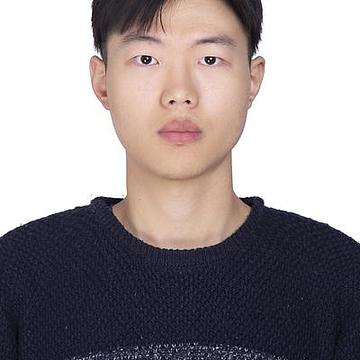 Wenkai Shi (施文楷)合作论文数Xi'an Jiaotong University8
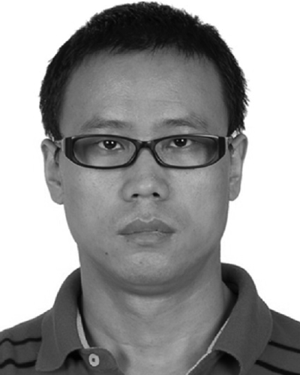 Yaqiang Wu合作论文数8
 Ruizhang Huang (黄瑞章)合作论文数Guizhou University8Nannan Du合作论文数7
 Derry Minyao Ng合作论文数Ningbo Univ, Med Coll, Ningbo, Zhejiang, Peoples R China7
 Kevin Michael Amaral合作论文数7Yongbin Qin (秦永彬)合作论文数College of Computer Science and Technology, Guizhou University7Suzanne G. Leveille合作论文数7Haonan Lin合作论文数6
 Rakesh Verma合作论文数Department of Computer Science, University of Houston;Center for Information Assurance Research and Education, Natural Science and Mathematics College;Hubei University of Technology6
 Xindong Wu (吴信东)合作论文数School of Computer Science and Information Engineering, Hefei University of Technology;Key Laboratory of Knowledge Engineering with Big Data, Ministry of Education of China, Hefei University of Technology6
 Xiaohui Cui (崔晓晖)合作论文数School of Cyber Science and Engineering, Wuhan University;Science Center for Future Foods, Jiangnan University;Jiaxing Institute of Future Food6
 Scott E. Crouter合作论文数College of Education, Health, and Human Sciences, The University of Tennessee, Knoxville6Jiaze Hong合作论文数5
 Zefeng Shen合作论文数5
 Yurun Cai合作论文数Department of Health and Community Systems, University of Pittsburgh School of Nursing5Kang, Tianyu合作论文数Key Lab of Universal Wireless Communications Ministry of Education, Beijing University of Posts and Telecommunications5
 Olga Andreeva合作论文数NVIDIA5
 John Quackenbush合作论文数Department of Biostatistics, Harvard T.H. Chan School of Public Health, Harvard University;Dana-Farber Cancer Institute5
 Daniel Barbará合作论文数Department of Information and Software Engineering, George Mason University5Danyi Mao合作论文数4Chris Bowes合作论文数4Li Zihan合作论文数4
 John Rochford合作论文数Eunice Kennedy Shriver Center, University of Massachusetts Medical School;EasyText.AI;Boston Accessibility Group;University Center for Excellence in Developmental Disabilities;Interdisciplinary Technical Assistance Center on Autism and Developmental Disabilities;Suffolk University4
 Jinlin Chen合作论文数Hong Kong Polytech Univ, Dept Comp, Hong Kong, Peoples R China4
 Kourosh Zarringhalam合作论文数Department of Mathematics, University of Massachusetts Boston4
 Fei Xie (谢飞)合作论文数Hefei Normal University4Shi Ling合作论文数4
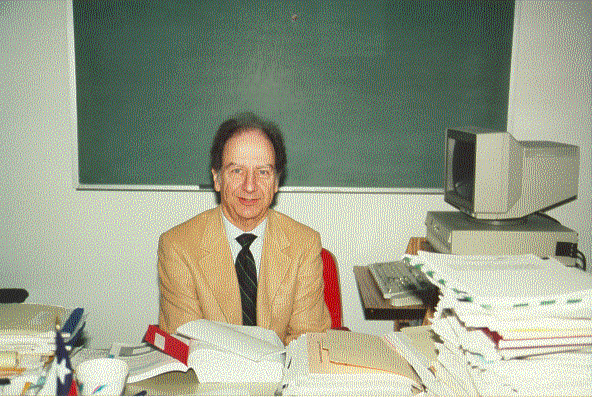 Andre De Korvin合作论文数Department of Computer and Mathematical Sciences
University of Houston-Downtown
4
Andre De Korvin合作论文数Department of Computer and Mathematical Sciences
University of Houston-Downtown
4 Tongjian You合作论文数School of Public Health and Health Professions, State University of New York at Buffalo4
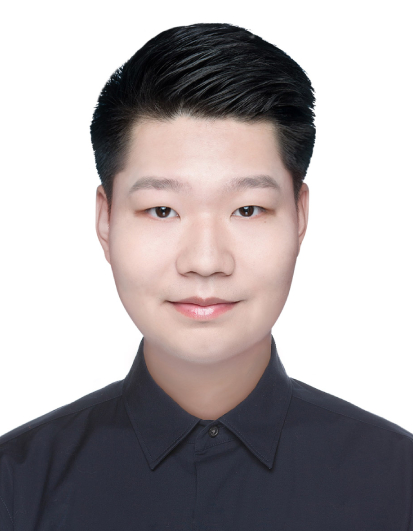 Jiahao Nie (聂嘉豪)合作论文数Nanyang Technological University;TeleAI3Matthew Almeida合作论文数3Walter Garcia合作论文数3Xiaoxiang Fan合作论文数3Feiyan Mao合作论文数3Parikshit Asutosh Khadaroo合作论文数3
 Tewodros Mulugeta Dagnew合作论文数3Tong Yang合作论文数3




