OBJECTIVE:To update, synthesise and provide meta-analytical evidence of the associations between domain-specific physical activity (PA) and mental health and mental ill-health outcomes. DESIGN:Systematic review and multilevel meta-analysis. DATA SOURCES:In March 2024, we systematically searched five databases. ELIGIBILITY CRITERIA:Methods employed replicated those of a previous review in 2017. All studies examining associations between domain-specific PA and specified mental health outcomes were included. RESULTS:372 studies met inclusion criteria and 361 were included in the meta-analysis. Across the 372 studies (combined sample size of 3 323 711), 338 examined leisure-time PA, 54 work-related PA, 72 transport-related PA, 44 household PA, 5 school sport and 8 physical education. Multilevel meta-analyses showed that leisure-time PA (r=0.205, 95% CI 0.157 to 0.253), transport-related PA (r=0.138, 95% CI 0.042 to 0.231) and household PA (r=0.096, 95% CI 0.025 to 0.165) were positively associated with mental health. Leisure-time PA (r=-0.149, 95% CI -0.189 to -0.11) and school sport (r=-0.096, 95% CI -0.115 to -0.077) were inversely associated with mental ill health. However, work-related PA (r=0.134 95% CI 0.069 to 0.199) was positively associated with mental ill health. CONCLUSION:The direction of the association between PA and mental health/mental ill health is dependent on the domain in which PA occurs. Promoting PA for leisure purposes is likely to yield the greatest benefits for both promoting mental health and preventing mental ill health. As such, leisure-time PA should be prioritised in messaging, guidelines and interventions/programmes designed to support mental health through PA. PROSPERO REGISTRATION NUMBER:CRD42024510303.
Goal-setting guidelines traditionally promote the use of specific goals in sport. Although specific goals are linked to increased confidence and motivation, and have been associated with improved performance of athletes, they can lead to detrimental outcomes in some circumstances. There is evidence to suggest nonspecific goals could also be associated with positive outcomes, yet these goals have received less attention in comparison to specific goals. Drawing from the growing literature on nonspecific goals, the purpose of this paper is to present information on nonspecific goals that sport psychology practitioners can utilize when considering these types of goals with athletes.
Supporting performance under pressure is important to many roles in the sporting sector, including Exercise and Sports Science Australia (ESSA) Accredited Sport Scientists and Accredited High Performance Managers. This position statement on behalf of ESSA aims to support practitioners whose responsibilities include facilitating athletes’ performance under pressure. To achieve this aim, we synthesised relevant systematic reviews, and theoretical and empirical publications, regarding supporting performance under pressure in sport. Specifically, we focused on translating the scientific literature regarding the different sources of pressure athletes may experience, how athletes may respond to this pressure, the different strategies that may be used to support performance under pressure and considerations for how performance under pressure may be evaluated. This position statement highlights that pressure can have both facilitative and debilitative effects on athlete performance. Training environments offering implicit learning opportunities and effective utilisation of pressure training can prepare athletes for performing well under pressure. A range of evidence-based psychological strategies can be utilised when performing under pressure, including: (1) pre-performance routines, (2) implicit attentional strategies, (3) psychological skills training and (4) mindfulness-based approaches. Suggestions are provided for how to appropriately select and implement different strategies depending on sport type or context. Drawing on a systems-led approach, performance teams can collectively work together to support athlete performance under pressure in an integrated manner. This position statement concludes with eight overarching recommendations to support performance under pressure. These recommendations are contextually specific to key stakeholder groups, such as the organisation, performance team members and sports researchers.
INTRODUCTION: Goal setting is a core behaviour-change strategy for increasing physical activity. Open goals are a promising approach as they are non-specific and exploratory, such as to “see how many steps you can walk today”. Early work has found that open goals lead to increased movement and positive psychological outcomes (eg enjoyment). However, little is known about how to deliver open goals in ‘real-world’ contexts to increase physical activity. Therefore, this study aimed to synthesise lessons learnt from delivering open goals across a 12-month walking program (‘Open to Move’). METHODS: 213 adults (mean age = 52.3; females = 185) were recruited into Open to Move, a year-long, online, walking-based intervention. Participants were introduced to open goals and invited to attend optional one-to-one fortnightly physical activity counselling sessions with a researcher over six months, alongside weekly surveys measuring psychological outcomes, and daily step-count tracking via mobile app. Following the initial six months, participants were supported to pursue physical activity and goal setting independently for a further six months. Key lessons learnt were generated through reflections from the six data collectors who delivered the program. RESULTS: In 2025, 1,925 one-to-one sessions were delivered to the 213 participants who commenced Open to Move. Key lessons learnt from delivering these sessions were: (1) open goals are not a one-size-fits-all approach; (2) open goals can produce broader lifestyle changes (‘spillover’ effects) beyond the target activity; (3) participants vary in their timeline for adopting open goals; (4) open goals can enable progression to more specific physical activity goals; and (5) open goals are suited to sustainable behaviour change. CONCLUSION: These reflections and lessons learnt are relevant to goal-setting interventions and clinical practice aiming to promote physical activity. By discussing these lessons, this presentation will highlight key implications for practitioners and interventions seeking to adopt open goals.
INTRODUCTION:Military personnel require higher mental toughness to cope with volatile, uncertain, complex, and ambiguous environments. Recruit mental toughness was assessed before and after basic military training (BMT) to determine whether there are differences in mental toughness between recruits allocated to Combat Arms or All Corps, and whether BMT provides a setting conducive to altering recruit mental toughness. MATERIALS AND METHODS:Three hundred and fifteen recruits (males: n = 270, females: n = 45) volunteered to participate in this study. Recruits were grouped according to their allocated Army employment category: Combat Arms or All Corps. The mental toughness questionnaire 48 was administered to recruits in week 1 (Pre) and week 12 (Post) of BMT. Body mass, aerobic fitness, and absolute and relative lower body strength were recorded in week 1 and week 8, aligning with the physical training schedule. RESULTS:On-time completion of training was attained in 79% of all recruits and 21% were classified as off pathway (i.e., delayed or discharged). At Pre, Combat Arms recorded higher predicted VO2max (3.9 mL-1·kg-1·min-1), absolute (37 kgf) and relative (0.5 kgf-1ˑBM-1) isometric mid-thigh pull, and Confidence (Interpersonal) (0.8) values compared with All Corps (p < 0.05). For recruits who completed BMT, there were no between-group differences for changes in mental toughness (p > 0.05). Instead, there was a mean decline in recruit global mental toughness (-5) following BMT, because of declines in dimensions: Commitment (-2.6), Confidence (Abilities) (-1.1), Control (Life) (-0.9) and Control (Emotion) (-0.7) (p < 0.05). CONCLUSIONS:Enlisted Army employment category (Combat Arms or All Corps), initial mental toughness and physical fitness did not influence changes in recruit mental toughness following BMT. Instead, BMT was associated with a mean decline in global mental toughness because of a decrease in several subscales linked to motivation, sense of control, and self-belief.
In this review, we aimed to investigate the rates with which individuals fail versus achieve their goals in physical activity programmes. We conducted a systematic review and meta-analysis of 89 randomised controlled trials (N = 10,219 individuals) identified via a search of APA PsycINFO, MEDLINE, and SPORTDiscus until 5th September 2024. We conducted primary analysis with data from 30 studies with low risk of bias (N = 4,204 individuals), and complementary sensitivity analyses with the remaining studies judged to have some concerns and high risk of bias. Primary analyses found that the majority of participants failed to achieve their goals at each timepoint (range = 57.9%-77.0%), and that rates of achievement declined over time. Sensitivity analyses supported these findings, with the exception that achievement rates during interventions were significantly higher (p < .01) in studies with some concerns and high risk of bias. In studies with low risk of bias, achievement was higher among individuals with cardiac health issues and Type 2 diabetes, and lower when goals were prescribed (rather than self-set or collaboratively-set). These findings highlight the need for programmes to incorporate strategies for maximising achievement and minimising failure to support adoption and maintenance of physical activity.
INTRODUCTION: Youth sport dropout rates are alarmingly high, with organised participation dropping by 50% between ages 10-14 and 15-19. This is concerning given the psychological, social, and physical benefits of youth sport, prompting interest in improving the quality of experience to sustain participation. Goal-setting guidance typically emphasises SMART (e.g., Specific, Measurable, Achievable, Realistic, Timebound) goals focused on specific performance outcomes, yet concerns have emerged about whether these approaches align with the developmental needs and motivations of youth. Olympic and Paralympic athletes are in a unique position to provide perspectives and recommendations for strategies to support the development of youth sport participants. Therefore, this study explored the perspectives of Olympic and Paralympic athletes on appropriate goal-setting practices for youth sport. METHODS: Participants included 14 Olympic and Paralympic athletes (6 female, 8 male; aged 21-52 years). Athletes included multiple gold medallists who collectively won 24 Olympic and Paralympic medals across up to six Games. Semi-structured interviews were conducted by an Olympic athlete (EB), enhancing rapport and elite sport understanding. Data were analysed using reflexive thematic analysis with rigour enhanced through reflexive journaling and critical friends discussions. RESULTS: Four key themes were generated regarding recommendations for goal-setting practices in youth sport: (1) avoid externally imposed outcome-focused goals as the default approach; (2) prioritise goals that foster enjoyment and effort over performance; (3) individualise goal-setting based on athlete characteristics; and (4) adapt goal-setting to contextual factors. Athletes emphasised that rigid adherence to specific performance goals in all circumstances risks undermining enjoyment, creating unsustainable pressure, and potentially contributing to dropout. CONCLUSION: Olympic and Paralympic athletes recommend moving beyond one-size-fits-all approaches to goal-setting in youth sport. These insights challenge traditional guidance and instead advocate for flexible goal-setting that ensures goals are aligned with the varying motivations, needs, and circumstances of young athletes.
BACKGROUND:Goal setting is a core component of return-to-work rehabilitation in Australia. Various treatment guidelines have been developed and are regulated independently by each jurisdiction's workers' compensation authority. However, the extent to which these guidelines are consistent from a goal-setting perspective is unclear. Therefore, this study aimed to review all goal-setting guidelines for health professionals delivering services within workers' compensation schemes in Australia. METHODS:A systematic-narrative review was conducted that searched academic and grey literature databases, web search engines, and workers' compensation authorities' websites, identifying 26 goal-setting guidelines across all Australian states/territories. RESULTS:The analysis indicated that 58% of guidelines involved specific, measurable, achievable, relevant and timed (SMART) goal principles to some extent. Specifically, 35% of guidelines expected health professionals to only set SMART goals, 19% expected goals to include one or more of the SMART principles and 4% included guidance for multiple goal types. The SMART acronym was inconsistently conceptualised in 22% of guidelines that included this approach. Additionally, 42% of guidelines did not specify any goal type. There were also inconsistencies in the extent to which health professionals were expected to adhere to guidelines; recommendations regarding patient involvement in the goal-setting process; the required focus of rehabilitation goals; and their basis in goal-setting research. CONCLUSIONS:This study suggests that goal-setting guidelines for return-to-work rehabilitation in Australia are inconsistent and primarily based on SMART goal principles. These findings highlight potential issues for health professionals supporting injured workers, and indicate that more evidence-based and consistent goal-setting guidance may achieve better outcomes in workers' compensation.
Goal setting is one of the most commonly used strategies for increasing exercise and physical activity, and is a core aspect of the scope of practice for many exercise and health practitioners. Despite its widespread use, recent research has highlighted a need to reconsider traditional practice and re-evaluate the theoretical and empirical basis of goal setting in exercise and physical activity promotion. The issues identified in traditional approaches to goal setting in exercise and physical activity include oversimplification, misapplication of theory and over-reliance on the SMART acronym (e.g., Specific, Measurable, Achievable, Realistic, Time-bound goals) rather than more rigorous evidence-based approaches. Therefore, this expert statement, on behalf of Exercise and Sports Science Australia, reviews theory and empirical evidence on goal setting, and provides practical recommendations for exercise and health practitioners when supporting clients to set goals. To move beyond the issues highlighted in traditional approaches to goal setting, it is necessary to go ‘back to basics’ and consider the foundations of goal setting. In turn, we outline: the goal-setting process; the structure of goals; moderating factors that determine whether/when certain types of goal should be set; and outcomes of goals, including risks and pitfalls. We provide corresponding practical recommendations to assist exercise and health practitioners in setting goals with clients. This expert statement seeks to help practitioners avoid the issues highlighted in traditional approaches to goal setting in exercise and physical activity, and set more suitable and evidence-based goals with clients instead.
Open goals are a promising strategy for increasing physical activity and are feasible for inclusion in walking programs. However, longer-term studies comparing open goals to traditional specific goal approaches are needed to inform real-world translation. Therefore, this pilot study compared open goals to specific goals and a control condition in a six-week walking program with four-week follow-up. A mixed-methods randomised controlled trial was conducted with 30 healthy adults (26 female; Mage = 52.07, SD = 10.85) with low-to-moderate physical activity levels. Participants in all conditions received pedometers, exercise diaries, and support sessions; only the open and specific goals groups were given weekly goals. Outcomes included step counts, psychological measures (e.g., enjoyment, self-efficacy, intrinsic motivation, affect, and mental health), and implementation outcomes (acceptability, adherence, retention, fidelity). Interviews explored participants' program experiences. Both open and specific goals increased physical activity post-intervention to a similar extent, although open goals showed the largest within-group increases (M = 2965 steps; d = 1.06) and a steeper decline at follow-up. By follow-up, step counts in all groups were similar to or above baseline, with more positive program experiences reported in the open goals group. Retention was high across groups during the intervention, with reduced fidelity and behavioural spill-over effects observed at follow-up. This study provides further evidence that a walking program incorporating open goals is feasible to deliver and achieves similar physical activity increases to a specific-goal program, while potentially promoting more positive psychological experiences. Findings support the need for a larger-scale randomised controlled trial and provide important design considerations for future research.
Open goals (eg, ‘see how many steps you can reach today’) have developed as a promising strategy for increasing physical activity and producing beneficial psychological outcomes such as autonomous motivation, enjoyment and confidence. However, it is not yet clear what the long-term outcomes of open goals are, what factors moderate their use or whether/how individuals transition away from open goals. Therefore, in this study (‘Open to Move’), we aim to understand the mechanisms that explain why, when and for whom open goals are beneficial in promoting and maintaining physical activity. ‘Open to Move’ is a 12-month, exploratory, mixed-methods longitudinal study involving healthy adults aged 18–69 in Australia. Participants will receive a walking programme based on open goals via a mobile app and website, which will also provide feedback on their step counts and fortnightly one-to-one meetings online for the first 6 months. The outcomes will be measured using self-report surveys, interviews, recorded step counts on a mobile phone and process evaluation. The study is ongoing, and 81 participants have commenced thus far, with a target of 210 participants. We expect to conclude recruitment by August 2025 and anticipate that data collection will be completed by August 2026. This study will develop an understanding of the long-term outcomes of open goals, moderating factors and transitions to other goal types—providing important insights for developing a programme theory that can inform full-scale testing and implementation of open goals within physical activity interventions in future.
In this multi-study paper, quantitative and qualitative methods were used to examine the effects of open and SMART goals on physical activity (PA) and psychological outcomes over a week-long experiment in active and insufficiently active adults. In Study 1, a three-arm, randomised controlled-trial design was employed, where participants were randomly assigned to one of three experimental groups: (1) SMART (n = 20); (2) open (n = 19); or (3) control (n = 21). Participants took part in a baseline week, followed by an experimental week, in which participants recorded information regarding their PA and responded to a range of psychological measures while pursuing the respective goals. Three-way mixed-model ANCOVAs revealed that open and SMART goals had no significant effect on PA compared to the control, and no differences were found between the goal conditions. However, insufficiently active participants reported significantly more enjoyable experiences, greater perceptions of performance, and confidence in the open goal condition compared to the SMART goal condition, whereas active participants reported significantly greater levels of enjoyment in the SMART goal and control condition compared to the open goal condition. In Study 2, 16 insufficiently active adults from Study 1 were purposively sampled to participate in semi-structured interviews exploring their experiences. Findings indicated that open goals may create more enjoyable and autonomous experiences, which were reported to reduce perceptions of challenge and pressure. This research provides insights into the goal types that may be beneficial in future PA interventions aiming to increase the uptake and maintenance of PA.
As the global population continues to age, there is growing international interest in creating environments that support older persons’ health and wellbeing. Age-friendly cities and communities (AFCCs) aim to foster physical and social settings that enable healthy and active ageing through targeted policies, services, and infrastructure. Physical activity (PA) plays a vital role in promoting healthy ageing; however, limited research has explored how AFCCs integrate and promote PA. To address this gap, we conducted a scoping review to systematically map and synthesise the existing literature on PA in AFCCs. Following comprehensive searches of five electronic databases (APA PsycINFO, CINAHL Complete, MEDLINE, SOCIndex, SPORTDiscus) and the World Health Organisation’s age-friendly practices database up to May 2025, we included 59 research outputs and 77 practices across 35 countries. Our review demonstrates the wide range of opportunities that exist within and across the eight age-friendly domains to support PA opportunities for older persons. However, the findings also highlight the importance of considering a range of factors—spanning intrapersonal, interpersonal, environmental, cultural, and systemic domains—that influence the effectiveness and long-term sustainability of PA initiatives in AFCCs. Overall, this review provides valuable insights into the various factors that influence PA in age-friendly ecosystems. Drawing on the evidence, we propose six enablers needed to facilitate a whole-system approach to facilitating PA in AFCCs: (a) multi-level leadership and shared vision; (b) equity and empowerment of older persons; (c) effective governance and management; (d) integration of PA strategy into age-friendly ecosystems; (e) diverse and collaborative partnerships; and (f) capacity building across the system. Together, these enablers offer a strategic foundation for advancing PA policy and practice within AFCCs, supporting the development of inclusive, sustainable, and health-promoting PA environments for older persons.
Recently there have been calls in health psychology to re-examine the assumption that goals must be specific to be most effective, and to understand when and why nonspecific goals may produce comparable effects to specific goals. In particular, open goals have received increasing attention from both research and applied perspectives. However, there has not yet been a clear and robust definition of open goals, without which there is a risk of inaccurate or inconsistent research and implementation. Therefore, our primary aim was to develop a conceptual definition of open goals by examining necessary (i.e., essential) and sufficient (i.e., unique) attributes. The resulting definition identifies that open goals are nonspecific and phrased in an exploratory way, with measurable parameters, producing graded outcomes. A secondary aim was to critically review the initial evidence on open goals and highlight key priorities for future research. Five databases were searched, identifying 16 studies reporting empirical data on open goals, which were assessed using the mixed methods appraisal tool. A critical appraisal is provided, and priorities for future research are highlighted. In turn, this definition and review may help guide research and practice in the use of open goals as a strategy to promote health behaviours.
Sport psychology practitioners (SPPs) are often educated/encouraged to set specific goals when working with athletes. Nevertheless, researchers have indicated that athletes use nonspecific goals in applied settings and that nonspecific goals can enhance performance and various positive psychological outcomes. However, researchers have yet to explore SPPs' experiences with, and perceptions of, using nonspecific goals when working with athletes. To address this knowledge gap, we conducted semi-structured interviews with 12 SPPs who had provided sport psychology support to athletes for an average of 13.42 years (SD = 11.30). Findings from our content analysis showed that the SPPs perceived open goals (e.g., "to see what you can do") and range goals (e.g., "to run between 40-60 minutes") to be more beneficial than do-your-best and as-well-as-possible goals. Despite differences in perceptions across various types of nonspecific goals, the SPPs reported that all nonspecific goals were used in several situations (e.g., situations of adversity) for multiple reasons (e.g., performance/situation uncertainty). The SPPs perceived that all nonspecific goals could reduce maladaptive psychological responses, increase positive psychological responses, facilitate personal growth, and enable greater flexibility/freedom. However, SPPs perceived that all nonspecific goals could lack clarity and imply a lack of confidence in athletes. Our findings capture key differences across various types of nonspecific goals while highlighting the situations/reasons that SPPs used nonspecific goals to facilitate positive athlete outcomes. Given the perceived benefits of nonspecific goals, we suggest that different types of nonspecific goals could be considered as additional/alternate goal-setting interventions in sport.
OBJECTIVE:The need for clear and actionable guidelines for the promotion and protection of mental health in organised community sport has previously been identified. This study aimed to provide guidelines to promote and protect mental health in organised community sport in Australia. METHODS:Guideline development was informed by (1) systematic reviews of the evidence pertaining to existing mental health guidelines in sport and mental health interventions in community sport; (2) an expert Delphi consensus study and (3) key stakeholder input via focus groups. A Guideline Development Committee comprising experts and key stakeholder representatives articulated nine distinct guidelines. RESULTS:These guidelines address the areas of: mental health literacy training; mental health support pathways and processes; responding to mental health emergencies; responding to major events that may impact mental health; having a mental health plan in place; reducing stigmatising attitudes; appointing a dedicated mental health champion; coach education and promoting well-being within the organisation. CONCLUSIONS:We provide guidance for promoting and protecting mental health in community sport. Monitoring uptake and measuring the effectiveness of the guidelines are important areas of future work to advance positive mental health for everybody involved in community sport.
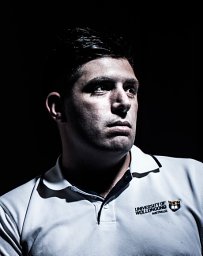 Stewart Vella合作论文数Univ Wollongong69
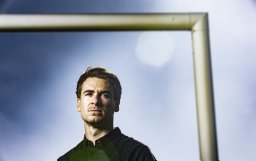 Matthew Schweickle合作论文数Sch Psychol, Univ Wollongong41
 Patricia C. Jackman合作论文数Sch Sport & Exercise Sci, Univ Lincoln39
 Lee Crust合作论文数37
 Scott Goddard合作论文数Sch Hlth & Human Sci, Southern Cross Univ24
 Allen Mark S合作论文数School of Psychology, University of Wollongong18
 David Piggott合作论文数Integrity Consulting Partners, Integrity House18
 Richard Keegan合作论文数Southern Cross University18
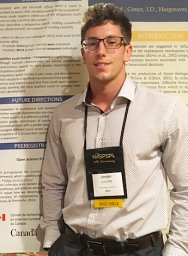 Jordan Sutcliffe合作论文数University of Wollongong15
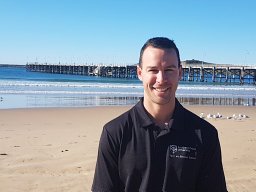 Christopher Stevens合作论文数13
 Sarah K. Liddle合作论文数Univ Wollongong12
 Diarmuid Hurley合作论文数Early Start Res Inst, Univ Wollongong11Anthony D Okely合作论文数11
 Simon Rosenbaum合作论文数School of Clinical Medicine, The University of New South Wales Sydney11
 Caitlin Liddelow合作论文数Global Alliance Mental Hlth & Sport, Univ Wollongong8
 Rebecca M. Hawkins合作论文数7
 Andrew Miller合作论文数School of Education, University of Newcastle6
 Chris Lonsdale合作论文数Australian Catholic University6Jacquelyn Allen-Collinson合作论文数6
 Frank Deane合作论文数School of Psychology, University of Wollongong6
 Andrea S Fogarty合作论文数School of Public Health, University of Sydney6
 Brian Colin Hemmings合作论文数Charles Sturt University6Ollie Williamson合作论文数5Alex Lawrence合作论文数5
 Kyle Bennett合作论文数Fac Hlth, Southern Cross Univ5
 Matthew Bird合作论文数Department of Health and Kinesiology, Georgia Southern University5
 Megan Teychenne合作论文数School of Exercise and Nutrition Sciences, Deakin University5Simon Eckermann合作论文数Centre for Clinical Change and Health Care Research, Flinders University5
 Elizabeth Stamp合作论文数4
 Colin D McLaren合作论文数Sch Phys & Hlth Educ, Nipissing Univ4
 Lauren Gardner合作论文数School of Health Sciences, Faculty of Medicine and Health, The University of Sydney4
 Roxanne M Vogel合作论文数Metropolitan State University of Denver4
 Mark William Bruner合作论文数Nipissing Univ4Joanne Telenta合作论文数4David J. Spindler合作论文数3Helen L Ferguson合作论文数3
 Dylan R Poulus合作论文数Sch Hlth & Human Sci, Southern Cross Univ3Katherine Mary Boydell合作论文数Social & Behavioural Health Sciences Division, Dalla Lana School of Public Health, University of Toronto3
 Desmond Mcewan合作论文数3
 Alex J. Benson合作论文数Department of Psychology, Wilfrid Laurier University3
 Taren Sanders合作论文数School of Science and Health, University of Western Sydney3
 Panteleimon Ekkekakis合作论文数Department of Kinesiology, Iowa State University3
 David Lubans合作论文数School of Education, College of Human and Social Futures, University of Newcastle3
 Jordan Smith合作论文数2Kyndall P. Ramirez合作论文数2Nicole L Varone合作论文数2Janelle Driscoll合作论文数2Jo Telenta合作论文数2Julie Sherring合作论文数2




