AIMS:Several studies suggest that ethnic minorities are at higher risk of experiencing long COVID compared to majority populations. This study aimed to qualitatively explore the experiences of accessing care, diagnosis and rehabilitation among patients with long COVID in a multiethnic population in Denmark. METHODS:We carried out 18 semi-structured interviews with individuals of Danish, Turkish and Moroccan background who were diagnosed with long COVID. Informants were sampled purposively to secure variation in sex, age, country of origin and immigration status. Our interview guide was developed using the theoretical framework of candidacy. Interviews were transcribed verbatim, member checked and subsequently analyzed using thematic framework analysis and NVivo software. RESULTS:Our findings show that accessing care and rehabilitation for long COVID was difficult regardless of ethnic background. Following the novelty of COVID-19 and thus uncertainty of long COVID, informants had to self-advocate and navigate established and alternative healthcare services by themselves. Additionally, patients with Moroccan and Turkish minority background had to contend with experiences of differential treatment and of having their motives for seeking help questioned, while also finding it harder to benefit from the rehabilitation measures offered. CONCLUSIONS:Our study demonstrates how the emergence of a new viral disease with unknown long-term sequelae resulted in a group of patients who largely carried the burden of getting better by themselves. Yet patients with an ethnic minority background experienced additional, worrying barriers. More research into relevant diagnosis, care and support for all long COVID patients is needed, especially among ethnic minorities.
RATIONALE:Persons with HIV (PWH) are at increased risk of chronic obstructive pulmonary disease. The seroprevalence of cytomegalovirus (CMV) is high among PWH, and CMV serology has been associated with accelerated lung function decline in the general population. OBJECTIVES:To determine whether CMV IgG concentrations were associated with lower lung function in PWH. METHODS:: PWH aged 25 years or older and with viral suppression were included from the Copenhagen Comorbidity in HIV infection (COCOMO) study. CMV IgG concentrations were measured using indirect chemiluminescent immunoassay, and high CMV IgG concentrations defined as values above the upper limit of detection (>180 U/mL). Lung function was measured by spirometry as forced expiratory volume in 1 second (FEV1). MEASUREMENTS AND MAIN RESULTS:Among 987 PWH, 937 (95%) had positive CMV IgG serostatus, and 313 (33%) of the CMV seropositive had high CMV IgG concentrations. High CMV IgG concentrations were associated with lower FEV1 in a linear regression model adjusted for age, sex, smoking status, height, ethnicity and BMI (-86.7 mL [95% CI: -164.5; -8.9], P = .029), but the association was attenuated when additionally adjusted for CD4 + T cell nadir (-67.4 mL [95% CI: -147.0; 12.2], P = .097). Smoking modified the association (p-interaction = 0.001), and the association was more pronounced among current smokers, even in the fully adjusted model (-292.8 mL [-446.5; -139.0], P < .001). CONCLUSIONS:High CMV IgG concentrations were associated with lower lung function among PWH, especially among those who smoke. Further studies are needed to verify CMV as a causal factor in reduced lung function of PWH.
Background While surveillance of invasive pneumococcal disease is well-established in Denmark, monitoring of non-invasive infections is not covered by existing surveillance. We aimed to expand the weekly updated Danish register-based surveillance system for severe acute respiratory infections (SARI) to cover admissions related to Streptococcus pneumoniae and to investigate the impact of invasive and non-invasive pneumococcal disease during ten years in Denmark from 2015 to 2025. Methods We defined ‘pneumococcal SARI’ as a patient identified in the SARI surveillance system with a relevant non-invasive or invasive microbiological diagnostic test positive for pneumococci. We examined baseline characteristics and severity indicators including length of hospital stay, provision of intensive care treatment and 30-day all-cause mortality, stratified by type of disease. Further, we investigated overall trends and serotype development during the study period. Results Between 2015 and 2025, we identified 12,185 and 3,664 patients with non-invasive and invasive pneumococcal SARI, respectively. Compared with invasive pneumococcal SARI, patients with non-invasive pneumococcal SARI had overall shorter admissions (range 2.5-5.0 days compared with 3.1-7.0 days) and a lower 30-day mortality (range 3.0-13.5% compared with 5.0-21.2% for adults aged ≥50 years). Seasonality was disrupted during the COVID-19 pandemic but restored to pre-pandemic incidence and timing during the post-pandemic years. Conclusion We have built a new system for weekly updated national surveillance that captures both non-invasive and invasive pneumococcal SARI. The system makes it possible to evaluate severity and characteristics of patients and allows for a near real-time monitoring of trends in disease burden of several respiratory pathogens.
OBJECTIVES:Severe infection risk associated with tumour necrosis factor-α inhibitors (TNFis) remains a concern. We aimed to assess the association between TNFi and bloodstream infections (BSIs) in a population-based setting. METHODS:Nationwide, registry-based case-control study including all adults from 2010 to 2024 with a first-time microbiologically confirmed BSI (cases) compared with age and sex-matched controls from the general population. Users were defined as individuals with TNFi exposure within 6 months prior to the date of BSIs. Adjusted odds ratios (aORs) with 95% confidence intervals (CIs) were estimated using conditional logistic regression. We further assessed risk variation by type of TNFi, pathogen, and underlying disease. RESULTS:We included 174,137 cases and 1 741 294 controls. Users had significantly increased odds of BSIs compared with nonusers (aOR, 1.41; 95% CI, 1.30-1.52), driven by increased odds among users of adalimumab and infliximab (aOR, 1.51; 95% CI, 1.33-1.72, and aOR, 2.01; 95% CI, 1.76-2.29). The use of certolizumab pegol and etanercept was associated with lower odds of BSIs, and golimumab with higher odds compared with nonuse, although not statistically significant. Species-specific analyses showed increased odds of BSIs with Escherichia coli (aOR, 1.33; 95% CI, 1.16-1.53), Staphylococcus aureus (aOR, 1.69; 95% CI, 1.40-2.06), Streptococcus pneumoniae (aOR, 1.46; 95% CI, 1.05-2.04), and Enterococcus faecium (aOR, 1.62; 95% CI, 1.04-2.53). Highest odds were observed in individuals with inflammatory bowel disease (aOR, 2.27; 95% CI, 1.93-2.66), followed by individuals with rheumatoid arthritis. Compared with TNFi monotherapy, concomitant glucocorticoids increased the odds (aOR, 2.63; 95% CI, 2.06-3.36). CONCLUSIONS:TNFi use is associated with increased odds of BSIs and was observed across the most frequent species. Odds varied by TNFi type and underlying disease, with the highest odds among patients with inflammatory bowel disease, emphasizing the need for individualized infection risk assessment.
Ethnic minorities appear to be at higher risk of long COVID. Our objective was to estimate ethnic differences in the burden of long COVID symptoms and their impact on daily life and occupational status. Retrospective cohort study of adults (≥ 18 years) admitted to a Long COVID Clinic, Copenhagen University Hospital – Amager and Hvidovre, Copenhagen, Denmark, from February 2021 through November 2022. Data from symptom questionnaires were linked to clinical data from patient records and national register data. Using regression models, we calculated the burden and number of long COVID symptoms as well as the risk of certain symptom categories, of being on sick leave, of loss of independence, and of having returned to usual leisure activities. A total of 864 patients from the long COVID clinic were included; hereof 31.2
OBJECTIVES:Glucocorticoids are widely used for acute and chronic diseases. Although their association with increased infection risk is well-established, population-level data on glucocorticoid use and candidemia are limited. We investigated the association between oral glucocorticoid exposure and candidemia in a population-based setting over 14 years, with attention to variation by dose, Candida species and underlying disease. METHODS:We conducted a nationwide, registry-based case-control study (2010-2024) including all Danish adults with a first-time Candida bloodstream infection (cases), matched to ten population controls. Glucocorticoid use was defined as redemption of an oral glucocorticoid prescription within 90 days before the index date, categorized by 90-day prednisolone-equivalent cumulative dose. Adjusted odds ratios (aORs) with 95% CIs were estimated using conditional logistic regression. Subgroup analyses evaluated variation by species and underlying conditions. RESULTS:We included 6179 cases and 61 790 controls. Glucocorticoid use was associated with higher odds of candidemia overall (aOR: 2.17, 95% CI: 1.92-2.45), and across major species groups including C. albicans (aOR: 2.22, 95% CI: 1.86-2.65), C. glabrata (aOR: 2.08, 95% CI: 1.70-2.55), C. tropicalis (aOR: 2.22, 95% CI: 1.22-4.04), C. krusei (aOR: 2.38, 95% CI: 1.26-4.48), C. parapsilosis (aOR: 2.80, 95% CI: 1.62-4.85), but not C. dubliniensis (aOR: 1.45, 95% CI: 0.68-3.09). The odds increased with higher cumulative doses (<750 mg; aOR: 1.59, 95% CI: 1.35-1.86, 750-1500 mg; aOR: 2.25, 95% CI: 1.75-2.90, and >1500 mg; aOR: 5.23, 95% CI: 4.01-6.83, compared to nonusers). The highest odds were observed among patients with inflammatory bowel disease (aOR: 4.62, 95% CI: 2.21-9.43), followed by rheumatic disease (aOR: 3.15, 95% CI: 2.28-4.35), and chronic pulmonary disease (aOR: 2.07, 95% CI: 1.67-2.56). CONCLUSION:Glucocorticoid use is associated with increased candidemia odds with a clear dose-dependent relationship, consistent across common Candida species, and most pronounced in inflammatory bowel disease, rheumatic disease, and chronic pulmonary disease.
OBJECTIVES:To examine the association between exposure to antiretroviral therapy (ART) and Metabolic dysfunction-associated steatotic liver disease (MASLD) in a Danish cohort of people with human immunodeficiency virus (PWH). DESIGN:Cross-sectional observational study. METHODS:MASLD was defined as a transient elastography-derived continuous attenuation parameter ≥275 dB/m and ≥1 cardiometabolic risk factor. We analyzed associations between MASLD and exposure to ARTs using multivariable logistic regression, adjusted for age, sex, BMI, HIV diagnosis duration, diabetes, and comorbidity burden. ART use was categorized as none, past, or current. Nonlinearity of cumulative exposure was assessed by comparing linear vs. quadratic terms via a likelihood ratio test to select the final model. RESULTS:The prevalence of MASLD was 29.5% in 397 participants. Current bictegravir use was associated with higher odds of MASLD [adjusted odds ratio (aOR) = 2.41; 95% confidence interval (CI): 1.15-5.04], while current use of nevirapine was associated with lower odds of MASLD (aOR = 0.26; 95% CI: 0.08-0.85). Similarly, cumulative exposure to bictegravir, tenofovir alafenamide (TAF), and ritonavir or cobicistat boosted atazanavir was associated with MASLD. The relationship was inversely U-shaped for bictegravir and TAF with increasing predicted probability of MASLD up to 2.1 years of cumulative bictegravir exposure, for TAF up to 2.7 years of cumulative exposure. Cumulative exposure to boosted atazanavir was associated with higher odds of MASLD (aOR = 1.09; 95% CI: 1.01-1.18). CONCLUSION:Our findings suggest that commonly used antiretrovirals may contribute to the development of MASLD. Prospective studies examining the possible causal effects of these therapies on MASLD development and progression are warranted.
Introduction Respiratory infections due to COVID-19, influenza and respiratory syncytial virus (RSV) are common causes of morbidity and mortality among adults. We aimed to examine the incidence, severity and mortality of the three viruses among Danish hospitalised adults during three postpandemic years to evaluate the relative impact at population level.Methods We included individuals aged 50 years and older admitted with a severe acute respiratory infection (SARI) due to COVID-19, influenza A or RSV between 23 May 2022 and 18 May 2025. Patients were identified from the national surveillance system for SARI through a combination of relevant International Statistical Classification of Diseases and Related Health Problems-10th edition diagnosis codes combined with a positive molecular test for either SARS-CoV-2, influenza A or RSV. Weekly incidence rates were calculated as number of cases per 100 000 population. For severity indicators, we analysed 30-day in-hospital mortality; 90-day postdischarge mortality; provision of intensive care treatment within 30 days of admission and 90-day risk of readmission.Results Weekly incidence rates were higher for COVID-19 during the winter seasons of 2022/2023 and 2023/2024 than for influenza A and RSV, while influenza A dominated during the winter season of 2024/2025. In-hospital mortality across the three study seasons was similar for all three pathogens, while postdischarge mortality at 90 days after discharge was markedly higher for patients with COVID-19, with risk ratios and 95% CIs of 1.49 (1.38 to 1.61) compared with patients with influenza A and 1.36 (1.20 to 1.55) compared with patients with RSV. The risk ratios of readmission at 90 days were similarly higher for patients with COVID-19.Conclusions Although the population-level impact of COVID-19 declined during three postpandemic years, adult patients admitted with COVID-19 consistently faced a higher risk of readmission and a higher mortality during the first 90 days after discharge compared with patients admitted with influenza A or RSV.
BACKGROUND:This study aimed to determine whether collecting a lower respiratory tract sample (LRTS) for bacterial microscopy, culture, and resistance (MCR) testing affects outcomes in patients with community-acquired pneumonia (CAP). METHODS:This was a cohort study including adults admitted to hospital with CAP. The primary outcome was the duration of narrow-spectrum antibiotic treatment. Secondary outcomes included intravenous and total antibiotic durations, time to discharge, and 90-day mortality. Propensity score matching (PSM) balanced covariates between those who did and did not have an LRTS taken. Subgroup analyses focused on CAP due to Streptococcus pneumoniae or Haemophilus influenzae. RESULTS:After PSM, the cohort consisted of 1434 patients. LRTS collection did not impact narrow-spectrum antibiotic use but was associated with longer intravenous (0.6 days longer, P = .001) and total antibiotic treatments (10.4 vs 9.9 days, P = .036). Time-to-event analysis showed lower probability of early discharge for those with an LRTS (hazard ratio [HR], 0.88 [95% confidence interval {CI}:, .79-.98]) and higher probability for those with CAP due to S. pneumoniae or H. influenzae (HR, 1.44 [95% CI: 1.22-1.71]). Survival analysis showed lower 90-day mortality for patients with an LRTS (HR, 0.78 [95% CI: .61-.99]) and for those with CAP due to S. pneumoniae or H. influenzae (HR, 0.38 [95% CI: .24-.62]). CONCLUSIONS:LRTS collection did not directly affect the use of narrow-spectrum antibiotics but was associated with extended antibiotic treatments overall. Additionally, LRTS collection was linked to longer hospital stays and reduced mortality. Until more sensitive methods for determining CAP etiology become available, LRTS MCR testing should remain a standard investigation for patients admitted with CAP.
Although dexamethasone reduces mortality in patients with COVID-19, plasma glucose (PG) levels increase upon initiation. In a multicenter observational cohort of 530 adults, we estimated glycemic variability based on baseline HbA1c among patients with normoglycemia (N = 238), prediabetes (N = 159), unknown (N = 63), and known diabetes (N = 159). Glycemic variability, diabetic- and hyperglycemic events (≥ 11.1 and ≥ 16 mmol/L) were analyzed using a linear mixed model and competing risks analysis adjusted for confounders. Before dexamethasone, mean PG levels were similar in those with normoglycemia (6.5 mmol/L) and prediabetes (6.6 mmol/L), but higher in unknown (8.5 mmol/L) and known diabetes (9.9 mmol/L). After treatment, PG increased across all groups. Prediabetes showed a larger increase (1.5 mmol/L) than normoglycemia (0.7 mmol/L, p = 0.002), and known diabetes had the highest increase (2.4 mmol/L, p < 0.001), reaching an average of 12.6 mmol/L. All groups except prediabetes returned to baseline after dexamethasone. The cumulative incidence of diabetic events was 98% in known diabetes, 67% in unknown diabetes, 31% in prediabetes, and 8% in normoglycemia, with significant differences between groups (p < 0.001). We conclude that dexamethasone treatment increased average PG and caused frequent hyperglycemic events in patients with prediabetes, unknown, and known diabetes, while persistent PG elevation post-treatment occurred in prediabetes.
Background:The burden of pneumococcal disease in older adults remains high in the postpneumococcal conjugate vaccine (PCV) era. We hypothesized that older adults may represent a carriage reservoir of Streptococcus pneumoniae. Methods:Paired naso- and oropharyngeal (NP and OP) swabs and questionnaires were collected during 2019-2022 from adults ≥65 years of age. Pneumococcal carriage and serotype distribution were determined by phenotypical and molecular methods. Results:A total of 172/1764 participants (9.8% [95% confidence interval {CI} 8.4-11.2]) were positive for carriage of S. pneumoniae by either culture (0.3%) or lytA/piaB DNA in NP (2.0%) or OP (8.4%) samples. Overall, 118 serogroup- or serotype-specific carriage events were identified by multiplex polymerase chain reaction across 16 distinct serospecificities in 93 samples, while 79 samples were nontypeable. PCV13 types accounted for 8.0%, nonvaccine types for 11.0% and polysaccharide pneumococcal vaccine 23 (PPV23)/non-PCV13 types for 81.0%. All carriage serotypes, except serotype 2, had been identified in invasive pneumococcal disease (IPD) isolates among adults ≥65 years during 2019-2022. Having young grandchildren was associated with increased odds of carriage (adjusted odds ratio [OR] 1.8, 95% CI 1.2-2.5, P = .0031). No association between PPV23 immunization and carriage was observed (OR 0.8, 95% CI .5-1.3). Conclusions:Older adults were carriers of a wide range of IPD-causing serotypes. Both carriage and IPD serotypes were mainly comprised of non-PCV13 serotypes. Immunization with higher valency conjugated vaccines is likely required to reduce residual pneumococcal disease among older adults.
OBJECTIVE:We assessed the timing and causes of death in subjects hospitalized with community-acquired pneumonia (CAP). METHODS:A cohort of 2918 immunocompetent adults hospitalized with CAP were followed for 90 days between 2017 and 2020. Each immediate and underlying cause of death was independently assessed by two physicians. RESULTS:Overall, 19% (562/2918) of patients died within 90 days. Pneumonia-related deaths (243/562 [43%]) primarily occurred within the first two weeks of admission, and respiratory failure was the most common cause of death overall (272/562 [48%]). Later deaths were either unrelated to pneumonia (159/562 [28%]) or from unknown causes (160/562 [28%]), if they occurred out of hospital. Of deceased patients, 314/562 (56%) transitioned to palliative care within the last 7 days of life. CONCLUSIONS:In a contemporary cohort, CAP-related mortality occurred early, whereas later deaths were driven by comorbidities and increased frailty. Understanding the burden of CAP through specific cause-of death assessment is critical to evaluate treatment effects and to improve outcomes for increasingly frail patient populations.
BACKGROUND:People with HIV (PWH) have a higher burden of respiratory comorbidities than the general population, yet emerging spirometry impairments such as preserved ratio impaired spirometry (PRISm) and restrictive spirometry patterns (RSPs) have received limited attention. RESEARCH QUESTION:Is HIV status associated with PRISm and RSP in well-treated PWH residing in high-income settings? STUDY DESIGN AND METHODS:In a cross-sectional study including 1,080 PWH from the Copenhagen Comorbidity in HIV Infection Study and 12,079 matched population control participants from the Copenhagen General Population Study, we examined the prevalence and explored the association between HIV status and PRISm and RSP. PRISm were defined as FEV1 to FVC ratio equal to or more than the lower limit of normal (LLN) and FEV1 less than the LLN, and RSP was defined as FEV1 to FVC equal to or more than the LLN and FVC less than the LLN. We used multivariable logistic regression analyses and adjusted for HIV-specific and traditional risk factors. RESULTS:The prevalence of PRISm and RSP was higher among PWH compared with population control participants (PRISm: 10.5% [95% CI, 8.8%-12.4%] vs 3.5% [95% CI, 3.2%-3.8%]; P < .01; RSP: 10.6% [95% CI, 8.9%-12.6%] vs 3.2% (95% CI, 2.9%-3.5%]; P < .01). These differences persisted in analyses restricted to people who never smoked. HIV was associated with PRISm and RSP in univariable analyses; in models adjusted for age, sex, smoking status, BMI, and educational level (PRISm: OR, 3.58 [95% CI, 2.77-4.63]; RSP: OR, 4.55 [95% CI, 3.51-5.91]), and in fully adjusted models with alcohol consumption, diabetes, and hypertension (PRISm: OR, 3.40 [95% CI, 2.59-4.47]; RSP: OR, 4.34 [95% CI, 3.29-5.73]). PWH with PRISm or RSP showed a higher burden of respiratory symptoms compared with those without. INTERPRETATION:PWH showed 3-fold higher prevalences of PRISm and RSP compared with population control participants, and HIV was associated independently with these lung function impairments. PRISm and RSP may represent distinct manifestations of HIV-associated lung function impairment. CLINICAL TRIAL REGISTRATION:ClinicalTrials.gov; No.: NCT02382822; URL: www. CLINICALTRIALS:gov.
Background Influenza and SARS-CoV-2 can cause severe respiratory failure, but the metabolic pathways that lead to clinical deterioration are not fully uncovered. Tryptophan catabolism has been linked to disease progression and adverse outcomes. We aimed to find out whether the link between tryptophan catabolism and disease progression is shared by the 2 viral infections and, in an exploratory manner, to assess other metabolic pathways.Methods Adults hospitalized due to influenza or SARS-CoV-2 from 3 prospective studies were pooled in a nested case-control study design. Cases were defined by disease progression: an increase in oxygen supplementation, intensive care unit admission, or death within 28 days. Cases were matched 1:2 to nonprogressors by pathogen and initial disease severity. We tested associations of plasma kynurenine, tryptophan, and the kynurenine/tryptophan ratio with disease progression. Metabolic profiles were investigated by unsupervised clustering-based, pathway-resolved methods.Results We included 303 patients hospitalized with influenza or SARS-CoV-2. Higher levels of kynurenine and higher kynurenine/tryptophan ratios were associated with disease progression (odds ratio per log2 increase [95% CI], 1.81 [1.21-2.70] and 1.89 [1.26-2.84], respectively) independent of pathogen. Two metabolite modules were associated with disease progression. One module contained multiple amino acids, including kynurenine and 10 other tryptophan catabolism metabolites. The other module contained mainly lipids and xenobiotics.Conclusions Several groups of metabolites were associated with disease progression independent of the pathogen. This indicates that biological mechanisms related to disease severity are shared in influenza and COVID-19. These mechanisms could be used for risk stratification of patients for potential disease-modifying treatments.
High systolic inter-arm blood pressure difference (SIABPD) is associated with cardiovascular events. We evaluated the prevalence of high SIABPD and its association with coronary and peripheral artery disease in people with HIV. The prevalence of high SIABPD was 24%, and SIABPD was independently associated with extensive coronary and peripheral arterial disease.
BACKGROUND:Ethnic inequalities in COVID-19 outcomes are extensively documented, yet underlying causes remain unclear. We investigated ethnic disparities in clinical severity at admission with COVID-19 and their relation to mechanical ventilation (MV), 60-day mortality, and long COVID. METHODS:Retrospective cohort study of adults (≥18 years) admitted with COVID-19 (March 2020-March 2022). Clinical and sociodemographic data extracted from patient records were linked to national register data. Using logistical regression, competing risk, and Cox proportional hazards models, we estimated risk of high-flow oxygen upon admission, MV, 60-day mortality, and long COVID comparing ethnic minority patients with patients of Danish origin. RESULTS:Of 1610 patients, 39.1% were ethnic minority patients. Ethnic minorities were younger, had longer symptom duration (7 vs 6 days, p < 0.001), and a higher risk of requiring high-flow oxygen upon admission (OR 1.41, 95% CI: 1.12;1.79) than patients of Danish origin until adjusted for age. However, ethnic minorities were not at higher risk of MV (HR 1.00, 95% CI: 0.69;1.44), 60-day mortality (HR 0.81, 95% CI: 0.61;1.09), long COVID (HR 0.82, 95% CI: 0.56;1.19) or related symptom diagnosis (HR 1.32, 95% CI: 0.85;2.05). CONCLUSION:While ethnic minorities presented later and more severely ill at admission with a higher risk of receiving high-flow oxygen, their risk of MV, 60-day mortality, and long COVID were comparable to patients of Danish origin. This was largely explained by a substantial difference in age. Our findings emphasise the need for public health interventions to ensure equitable and timely healthcare access for all populations.
Prognostic biomarkers have been widely studied in COVID-19, but their levels may be influenced by treatment strategies. This study examined plasma biomarkers and proteomic survival prediction in two unvaccinated hospitalized COVID-19 cohorts receiving different treatments. In a derivation cohort (n = 126) from early 2020, we performed plasma proteomic profiling and evaluated innate and complement system immune markers. A proteomic model based on differentially expressed proteins predicted 30-day mortality with an area under the curve (AUC) of 0.81. The model was tested in a validation cohort (n = 80) from late 2020, where patients received remdesivir and dexamethasone, and performed with an AUC of 0.75. Biomarker levels varied considerably between cohorts, sometimes in opposite directions, highlighting the impact of treatment regimens on biomarker expression. These findings underscore the need to account for treatment effects when developing prognostic models, as treatment differences may limit their generalizability across populations.
BACKGROUND:Many studies have found more severe COVID-19 outcomes in migrants and ethnic minorities throughout the COVID-19 pandemic, while recent evidence also suggests higher risk of longer-term consequences. We studied the risk of a long COVID diagnosis among adult residents in Sweden, dependent on country of birth and accounting for known risk factors for long COVID. METHODS:We used linked Swedish administrative registers between March 1, 2020 and April 1, 2023, to estimate the risk of a long COVID diagnosis in the adult population that had a confirmed COVID-19 infection. Poisson regressions were used to calculate incidence rate ratios (IRR) of long COVID by country/region of birth. The contribution of sex, preexisting health status, disease severity, vaccination status, and socioeconomic factors to differences in long COVID diagnosis by country/region of birth were further investigated. RESULTS:Of the 1,869,188 persons diagnosed with COVID-19 that were included, 7539 had received a long COVID diagnosis. Compared with residents born in Sweden, we found higher risks of long COVID among migrants from East Europe (IRR: 1.44 CI: 1.29-1.60), Finland (IRR: 1.36 CI: 1.15-1.61), South Asia (IRR: 1.28 CI: 1.03-1.59), Other Asia (IRR: 1.35 CI: 1.13-1.62), Other Africa (IRR: 1.48 CI: 1.17-1.87), and the Middle East (IRR: 1.43 CI: 1.27-1.63) in models adjusted for age and sex. We discovered that disease severity, i.e., whether the person was hospitalized (IRR: 18.6 CI: 17.3-20.0) or treated in an intensive care unit (IRR: 120.5 CI: 111.7-129.8), primarily contributed to the higher risk of long COVID found in migrants while the contribution of vaccinations and social conditions were moderate. Preexisting health problems did not contribute to the increased risk of long COVID in migrants. CONCLUSIONS:The greater exposure and impact of the COVID-19 virus among migrants also affected longer-term consequences. Disease severity was the most important risk factor for long COVID in migrants. The findings emphasize the need for targeted health interventions for migrant communities during an infectious disease pandemic, such as strategic vaccination campaigns and extending social insurance schemes, focusing on reducing disease severity to mitigate the longer-term health consequences of an infection.
BACKGROUND:Several studies have reported lung function impairment following COVID-19. Less is known about the subsequent recovery. RESEARCH QUESTION:What is the recovery in lung function after COVID-19 during the first year after infection? METHODS:We conducted a systematic review and meta-analysis of studies that monitored individuals' lung function from the time of infection to at least 1 year after infection. Primary outcomes were change in percent predicted forced expiratory volumes in 1 s (FEV1), forced vital capacity (FVC) and diffusing capacity for carbon monoxide (D LCO). Mean differences (MDs) with 95% confidence intervals were estimated using a random effects model. RESULTS:We included 23 studies (n=3347 participants). 20 (86.9%) studies had their first follow-up 3 months after infection and 21 (91.3%) had their second follow-up 12 months after infection. The MDs between the second and first follow-up visits of FEV1, FVC and D LCO were 3.1% (95% CI 1.8-4.5; p<0.01), 4.4% (95% CI 2.7-6.0; p<0.01) and 6.6% (95% CI 4.4-8.9; p<0.01), respectively. Recovery of FEV1, FVC and D LCO was greater in mechanically ventilated patients compared to individuals with less severe disease. Current smoking status, pre-existing chronic lung disease and age did not impact recovery during the first year after infection. INTERPRETATION:Recovery in lung function was evident during the first year after COVID-19, with the largest improvement in patients with the most severe infection. Further follow-up and large-scale studies are warranted to establish recovery trajectories of COVID-19 and other respiratory infections to identify patient subgroups needing additional follow-up to ascertain modifiable factors influencing pulmonary recovery.
Background Adults hospitalized with respiratory syncytial virus (RSV) face mortality risks comparable to or higher than those with influenza A or B. However, studies on the impact of bacterial co-infections on mortality are inconsistent. Methods This multicenter cohort study included adults hospitalized with RSV, influenza A, or B over 3 years at two tertiary care hospitals. Microbiological testing, bacterial co-infections, antibiotic use, and their association with clinical outcomes were analyzed using adjusted linear and logistic regression models. Results Of 986 patients, 352 (36%) had RSV, 347 (35%) influenza A, and 287 (29%) influenza B. The median age was 74 years, 54% were women, and 76% had at least one comorbidity. Overall, 32% had pneumonia. The prevalence of bacterial co-infections was comparable across patients with RSV (23%), influenza A (25%), and B (28%). Among patients without bacterial co-infection, antibiotic use within 48 hours remained common across all virus groups (77%, 71%, and 75%, respectively). In adjusted analyses, bacterial co-infection in patients with RSV was not associated with mortality at 14, 30, or 90 days, high-flow oxygen therapy, mechanical ventilation, or length of stay (LOS). Early antibiotic treatment was associated with prolonged LOS but not improved survival. Conclusions Bacterial co-infections were identified in approximately one-quarter of patients with RSV, influenza A, and B. Among patients with RSV, bacterial co-infection was not associated with adverse clinical outcomes, and early antibiotic treatment did not appear to improve clinical outcomes.
 Jens Lundgren合作论文数Department of Clinical Medicine, University of Copenhagen84
 Jan Gerstoft合作论文数Department of Infectious Diseases, Rigshospitalet, University of Copenhagen62
 Andreas Knudsen合作论文数Department of Infectious Diseases, Copenhagen University Hospital Hvidovre47
 Susanne Dam Nielsen合作论文数University of Copenhagen;Department of Infectious Diseases, Rigshospitalet40
 Isik Somuncu Johansen合作论文数International Reference Laboratory of Mycobacteriology, Statens Serum Institut36Lothar Wiese合作论文数34
 Børge Nordestgaard合作论文数University of Copenhagen34Simone Bastrup Israelsen合作论文数31
 Sisse Rye Ostrowski合作论文数Department of Clinical Medicine, Faculty of Health and Medical Sciences, University of Copenhagen29
 Klaus Fuglsang Kofoed合作论文数Department of Clinical Medicine, University of Copenhagen;Department of Cardiology, The Heart Center, Rigshospitalet, University of Copenhagen28Marco Gelpi合作论文数26Amanda Mocroft合作论文数Institute for Global Health, University College London25Kasper Iversen合作论文数24
 Susanne Ditlevsen合作论文数Department of Mathematical Sciences, Faculty of Science, University of Copenhagen24Zitta B. Harboe合作论文数24
 Gitte Kronborg合作论文数Department of Clinical Medicine, Faculty of Health and Medical Sciences, University of Copenhagen22
 Henrik Nielsen合作论文数Department of Health Technology, Technical University of Denmark22
 Pernille Ravn合作论文数Department of Clinical Medicine, Faculty of Health and Medical Sciences, University of Copenhagen;Novo Nordisk21
 Andreas Munk Petersen合作论文数Center for Klinisk Mikrobiom Forskning, Hvidovre Hospital;Copenhagen University Hospital Hvidovre21
 Shoaib Afzal合作论文数Department of Clinical Medicine, Faculty of Health and Medical Sciences, University of Copenhagen21Katzenstein Terese L合作论文数21
 Andreas Ronit合作论文数21
 Jesper Eugen-Olsen合作论文数ViroGates21
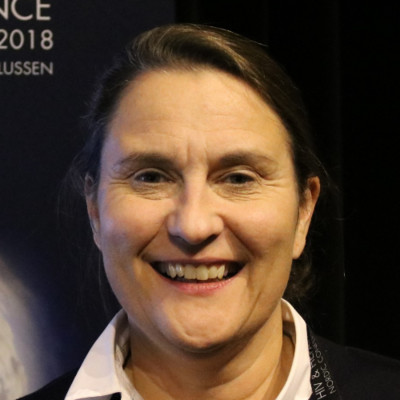 Anne Mette Kjær Lebech合作论文数Department of Clinical Medicine, Faculty of Health and Medical Sciences, University of Copenhagen20
 Robert Skov合作论文数Statens Serum Inst20Lars Østergaard合作论文数19
 Christian Østergaard合作论文数19
 Ole S Søgaard合作论文数Dept Infect Dis, Aarhus Univ Hosp19
 Jannik Helweg-Larsen合作论文数19Clausen Louise Nygaard合作论文数18
 Henrik Ullum合作论文数Department of Infectious Diseases M7721, Rigshospitalet;Fax: +45-3545-6648 DK;Department of Infectious Diseases M7721, Rigshospitalet18
 Anders Rhod Larsen合作论文数17
 Birgitte Lindegaard合作论文数17
 Charlotte Suppli Ulrik合作论文数Department of Respiratory Medicine, Hvidovre Hospital;University of Copenhagen17
 Helle Bossen Konradsen合作论文数Division for Diagnostics and Microbiology, Statens Seruminstitut17
 Ole Kirk合作论文数University of Copenhagen16
 Henning Bundgaard合作论文数Department of Clinical Medicine, Faculty of Health and Medical Sciences, University of Copenhagen;Rigshospitalet16
 Jørgen Vestbo合作论文数Division of Immunology, Immunity to Infection and Respiratory Medicine, The University of Manchester16Høgh Julie K合作论文数16Niels Obel合作论文数16
 Peter Garred合作论文数Department of Clinical Medicine, Faculty of Health and Medical Sciences, University of Copenhagen;Department of Clinical Immunology, Centre of Diagnostic Investigation, Rigshospitalet16Court Pedersen合作论文数Department of Infectious Diseases, Odense University Hospital16
 Martin Tolstrup合作论文数16
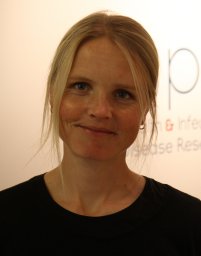 Marie Helleberg合作论文数Centre for Medical Parasitology, Copenhagen University Hospital16
 Henrik Westh合作论文数Department of Clinical Microbiology;Hvidovre Hospital;Department of Clinical Microbiology, Hvidovre Hospital16
 Niels Frimodt-Moller合作论文数Department of Clinical Microbiology, Rigshospitalet15
 Håkon Sandholdt合作论文数Dept Infect Dis, Copenhagen Univ Hosp Amager & Hvidovre15Lundbo Lene Fogt合作论文数15Bodilsen Jacob合作论文数Department of Infectious Diseases, Aalborg University Hospital15




