In this work, we study Cooperative Spatial Intelligence, the ability of decentralized embodied agents to coordinate effectively under dynamic environmental constraints across city-scale outdoor domains. We introduce Sentinel Challenge, a benchmark where multiple decentralized embodied agents must communicate in natural language to agree on a mutually safe and convenient meeting point within large, city-scale outdoor environments. Each agent must then navigate safely while avoiding dynamic sentinels patrolling the area, using a tool that provides coarse spatial information. To address this, we propose CoSaR (Cooperative Spatial Reasoning and Planning), a framework that bridges the high-level communication and planning abilities of foundation models with the precision of classical spatial navigation algorithms. CoSaR enables agents to exchange situational updates, reason over evolving spatial constraints, and collaboratively replan trajectories. Evaluated across 14 city-level scenes with 3-5 agents, CoSaR consistently leads to faster gathering, shorter path lengths, and improved safety. Our results demonstrate that integrating dynamic communication with spatial reasoning is essential for robust multi-agent cooperation. By formalizing this new setting and providing a scalable benchmark, we aim to build a foundation for advancing cooperative spatial intelligence in embodied multi-agent systems. Code and challenge are available at https://github.com/UMass-Embodied-AGI/Sentinel.
Multi-task learning (MTL) presents greater optimization challenges than single-task learning (STL) due to conflicting gradients across tasks. While parameter sharing promotes cooperation among related tasks, many tasks require specialized representations. To balance cooperation and specialization, we propose Mod-Squad (Chen et al. 2023), a modular transformer-based model composed of a "squad" of experts. Each task activates a sparse subset of experts through a differentiable matching process, guided by a novel mutual information-based loss. This modular structure avoids full backbone sharing and scales effectively with the number of tasks and dataset size. In this extended version, we generalize Mod-Squad to support multi-dataset pre-training, enabling joint learning across disjoint, single-task datasets (e.g., ImageNet, COCO, ADE20 K). This is achieved via a new formulation of the mutual information loss that unifies learning across heterogeneous sources. More importantly, while most prior work in large models has focused on efficiency, few have explored adjustable efficiency. In this study, we further evaluate the model's generalization to downstream tasks and introduce a set of efficient adaptation techniques that leverage Mod-Squad's modularity for flexible fine-tuning-enabling dynamic adjustment of model size, parameter count, and computational cost. Additionally, we present a hybrid adaptation scheme that combines these techniques to achieve favorable performance-efficiency trade-offs. In summary, Mod-Squad provides a robust foundation for sparse modular models that can learn from diverse supervision and datasets. Its emergent modularity enables strong generalization, decomposition into high-performing components, and rapid, resource-efficient adaptation for downstream applications.
Recent deep-thinking large language models often reason extensively to improve performance, but such lengthy reasoning is not always desirable, as it incurs excessive inference costs with disproportionate performance gains. Controlling reasoning length without sacrificing performance is therefore important, but remains challenging, especially under tight thinking budgets. We propose budget guidance, a simple yet effective method for steering the reasoning process of LLMs toward a target budget without requiring any LLM fine-tuning. Our approach introduces a lightweight predictor that models a Gamma distribution over the remaining thinking length during next-token generation. This signal is then used to guide generation in a soft, token-level manner, ensuring that the overall reasoning trace adheres to the specified thinking budget. Budget guidance enables natural control of the thinking length, along with significant token efficiency improvements over baseline methods on challenging math benchmarks. For instance, it achieves up to a 26 accuracy gain on the MATH-500 benchmark under tight budgets compared to baseline methods, while maintaining competitive accuracy with only 63 thinking tokens used by the full-thinking model. Budget guidance also generalizes to broader task domains and exhibits emergent capabilities, such as estimating question difficulty. The source code is available at: https://github.com/UMass-Embodied-AGI/BudgetGuidance.
Reconstructing the complete geometry of a scene from a single RGB image remains challenging - especially when inferring hidden structures where visual evidence is incomplete. We introduce VolFill, a generative framework that predicts the 3D structure of the complete scene rather than relying on traditional pixel-aligned regression. Our method utilizes a hybrid 3D VAE to compress sparse truncated unsigned distance function grids into a compact latent space, paired with a latent Diffusion Transformer that denoises this representation to recover the complete scene. We condition the generation on geometry foundation models, leveraging rich spatial priors for robust reasoning. Unlike existing methods limited by per-ray constraints or unstructured point-cloud queries, VolFill provides a structured representation that supports direct surface extraction and occupancy queries at scale. Extensive experiments on the SCRREAM and NRGB-D datasets demonstrate that our approach significantly outperforms current baselines, providing a robust foundation for holistic spatial understanding.
Large Chunk Test-Time Training (LaCT) has shown strong performance on long-context 3D reconstruction, but its fully plastic inference-time updates remain vulnerable to catastrophic forgetting and overfitting. As a result, LaCT is typically instantiated with a single large chunk spanning the full input sequence, falling short of the broader goal of handling arbitrarily long sequences in a single pass. We propose Elastic Test-Time Training inspired by elastic weight consolidation, that stabilizes LaCT fast-weight updates with a Fisher-weighted elastic prior around a maintained anchor state. The anchor evolves as an exponential moving average of past fast weights to balance stability and plasticity. Based on this updated architecture, we introduce Fast Spatial Memory (FSM), an efficient and scalable model for 4D reconstruction that learns spatiotemporal representations from long observation sequences and renders novel view-time combinations. We pre-trained FSM on large-scale curated 3D/4D data to capture the dynamics and semantics of complex spatial environments. Extensive experiments show that FSM supports fast adaptation over long sequences and delivers high-quality 3D/4D reconstruction with smaller chunks and mitigating the camera-interpolation shortcut. Overall, we hope to advance LaCT beyond the bounded single-chunk setting toward robust multi-chunk adaptation, a necessary step for generalization to genuinely longer sequences, while substantially alleviating the activation-memory bottleneck.
Embodied agents operating in decentralized and partially observable environments have attracted growing attention in recent years. However, existing large language model (LLM)–based agents often exhibit behaviors that are misaligned with their partners or inconsistent with the environment state, leading to inefficient cooperation and poor task success. To address this challenge, we propose a novel framework, Learning Laws for Cooperation (LLawCo), that enables embodied agents to autonomously align with both their partners and task objectives. Our framework allows agents to reflect on past failures to extract misaligned behavioral patterns, which are used to derive high-level behavioral laws (e.g., “Talk when necessary”, “Wait for partner”). These laws are explicitly incorporated into the agents’ chains of thought via supervised fine-tuning, aligning their reasoning with task requirements and the behavior of other agents. To evaluate our approach, we introduce PARTNR-Dialog, a large-scale multi-agent communicative and cooperative planning benchmark built on the PARTNR environment. Experiments on existing tasks and our new benchmark demonstrate significant improvements in cooperative efficiency and task success rates. Across four backbone LLMs, our method achieves average success rate improvements of 4.5% on the PARTNR-Dialog benchmark and 6.8% on the TDW-MAT benchmark over state-of-the-art open-source communicative agent frameworks.
The emergence of Large Language Models (LLMs) with strong reasoning capabilities marks a significant milestone, unlocking new frontiers in complex problem-solving. However, training these reasoning models, typically using Reinforcement Learning (RL), encounters critical efficiency bottlenecks: response generation during RL training exhibits a persistent long-tail distribution, where a few very long responses dominate execution time, wasting resources and inflating costs. To address this, we propose TLT, a system that accelerates reasoning RL training losslessly by integrating adaptive speculative decoding. Applying speculative decoding in RL is challenging due to the dynamic workloads, evolving target model, and draft model training overhead. TLT overcomes these obstacles with two synergistic components: (1) Adaptive Drafter, a lightweight draft model trained continuously on idle GPUs during long-tail generation to maintain alignment with the target model at no extra cost; and (2) Adaptive Rollout Engine, which maintains a memory-efficient pool of pre-captured CUDAGraphs and adaptively select suitable SD strategies for each input batch. Evaluations demonstrate that TLT achieves over 1.7x end-to-end RL training speedup over state-of-the-art systems, preserves the model accuracy, and yields a high-quality draft model as a free byproduct suitable for efficient deployment. Code is released at https://github.com/mit-han-lab/fastrl.
The rapid progress of AI and robotics may profoundly transform society, as humans and robots begin to coexist in shared communities, bringing both opportunities and challenges. To explore this future, we present Virtual Community—an open-world platform for humans, robots, and society—built on a universal physics engine and grounded in real-world 3D scenes. With Virtual Community, we aim to enable the study of embodied social intelligence at scale. To support these, Virtual Community features: 1) An open-source multi-agent physics simulator that supports robot, human, and their interactions within a society; 2) A large‑scale, real‑world aligned environment generation pipeline, including vast outdoor space, diverse indoor scenes, and a community of grounded agents with rich characters and appearances. Leveraging Virtual Community, we propose two novel challenges. The Community Planning Challenge evaluates multi‑agent reasoning and planning in open‑world settings, such as cooperating to help agents with daily activities and efficiently connecting other agents. The Community Robot Challenge requires multiple heterogeneous robots to collaborate in solving complex open‑world tasks. We evaluate various baselines and demonstrate the challenges in both high‑level open‑world task planning and low‑level cooperation controls. We have open-sourced our project and hope that Virtual Community will unlock further study of human-robot coexistence in open worlds.
Recent years have seen remarkable progress in unified vision-language models handling both multimodal understanding and generation within a single architecture. While autoregressive VLMs can reason across modalities, they fail to generate high-quality images. In contrast, diffusion models produce photorealistic visuals yet struggle to generate coherent text, making it challenging to develop a single unified model that can seamlessly handle both visual and text generation. Recent advances suggest that language can be effectively embedded within visual representations, allowing models to reason about textual semantics directly from images. To this end, we propose UniCanvas, a first attempt that unifies diffusion models to generate interleaved multimodal contents through text-in-image generation. Diffusion models naturally capture transformations on a shared pixel canvas, which can be viewed as world models of visual change. Instead of producing discrete text tokens, the model learns to represent language as visual patterns inside images, leveraging its inherent multimodal embedding space. This design allows the model to "draw" text naturally within a single pixel canvas during image synthesis, achieving seamless multimodal generation. Experiments demonstrate that UniCanvas improves performance over previous unified models, positioning text-in-image generation with diffusion models as a promising unified multimodal generation paradigm.
The ability to reason, adapt, and creatively solve problems under unexpected challenges is essential for robots operating in real-world environments. However, current robotic benchmarks primarily emphasize skill-level execution and provide limited insight into such cognitive reasoning capabilities. We introduce RoboWits, a bi-manual robotic benchmark designed to systematically evaluate cognitive reasoning, creative tool use, and robustness to unexpected conditions. To enable scalable construction of high-quality reasoning-centric unexpected scenarios, we propose an automated task generation pipeline formulated as a multi-agent cooperative framework, comprising agents for seed task generation and verification, metric generation, scene generation, and task mutation. Using the pipeline, we curated 30 diverse seed tasks and 208 tasks with mutations and graded difficulty across geometry, material, and assembly-based reasoning. We benchmark popular robot policies, pre-trained VLAs, and oracle-state planners. Our results reveal a significant performance gap: while pre-trained VLAs exhibit preliminary success on seed tasks after single-task fine-tuning, they struggle to perform on mutated tasks, implying their brittleness in manipulation tasks requiring reasoning, strategy adaptation, and robustness to deceptive or constrained environments. Project page is available at https://umass-embodied-agi.github.io/RoboWits.
We address the challenge of enabling robots to manipulate deformable linear objects (DLOs), such as ropes, cables, and rubber bands. Prior work has primarily focused on narrow, task-specific problems, often relying on real-world demonstrations or handcrafted heuristics. Such approaches, however, struggle to scale to the wide variety of materials and tasks encountered in practice, and collecting sufficiently diverse real-world data is often impractical. Additionally, existing simulation environments offer limited support for the broad spectrum of material behaviors necessary for generalizable DLO manipulation. To overcome these limitations, we introduce a differentiable simulator explicitly designed for versatile DLO manipulation. Our simulator models a wide range of material properties-including (in)extensibility, elasticity, bending plasticity, and complex interactions with other objects-providing a robust foundation for learning and evaluating manipulation skills. Building on this simulator, we propose a benchmark suite of representative tasks that highlight the unique challenges of DLO manipulation. The successful execution of these tasks is often hindered by the topological complexity and grasp sensitivity inherent to DLOs. Therefore, we introduce a specialized DLO agent that explicitly manages these challenges by proposing strategic grasping points and decomposing long-horizon tasks to maximize control authority. Finally, we evaluate various policy-learning algorithms using our framework, alongside sim-to-real transfer experiments, demonstrating our platform's potential to advance DLO manipulation.
Reinforcement learning (RL) has emerged as a powerful paradigm for improving the reasoning capabilities of large language models (LLMs). Despite its success, RL faces fundamental challenges, including low sample efficiency and a strong dependence on the quality of the base model: while some models improve rapidly with limited RL updates, others require substantial training data to achieve meaningful gains. Recent studies suggest that the patterns of thinking tokens play a critical role in RL performance, and that supervised fine-tuning (SFT) on datasets exhibiting desirable reasoning patterns can reduce reliance on base models and better prepare LLMs for RL. However, how to automatically discover such patterns across tasks remains unclear. In this work, we describe thinking token patterns with reasoning primitives and argue that initializing LLMs with diverse, high-quality primitives is crucial for stable and efficient RL training. We propose Tailor, a pipeline that automatically discovers such reasoning primitives and curates SFT datasets to prepare LLMs for RL. Extensive experiments on mathematical and logical reasoning benchmarks demonstrate that Tailor consistently improves downstream RL performance, outperforming strong baselines, including methods with expert domain knowledge.
Creating dynamic and physically realistic 4D worlds from natural language descriptions is both fascinating and challenging. Traditional computer graphics methods rely on manual creation, requiring extensive human effort to fine-tune materials, motions, and visual fidelity. Recent advances in generative foundation models have sparked interest in learning to generate such 4D worlds from large-scale data; however, existing methods still struggle to ensure physical plausibility and controllability. In this work, we take a different path by leveraging foundation models to construct an agentic system that emulates how humans traditionally create 4D worlds, yet automates the entire process. We present GS-Agent, an end-to-end multi-agent framework that integrates physics engines in the loop to generate realistic, dynamic, and controllable 4D physical worlds from natural language. Inspired by how humans build 4D worlds, GS-Agent decomposes the task into entity management, covering 3D asset curation, material tuning, placement, and motion control, and rendering configuration, including camera and lighting manipulation. Multiple agents with distinct expertise interact with the physics engine via code, seek multimodal feedback, and collaborate to iteratively construct 4D worlds that align with the given descriptions. Experimental results show that GS-Agent effectively converts natural language into diverse and physically plausible 4D worlds exhibiting rich interactions among liquids, deformable objects, and rigid bodies, while achieving cinematic camera and lighting control. We envision GS-Agent as a foundation for a new paradigm in 4D world generation, empowering creative content creation and physical AI. Project page at https://umass-embodied-agi.github.io/gs-agent/
We present GHOST, a framework for learning visuomotor manipulation policies that generalize beyond the training distribution. GHOST factorizes control into (i) a high-level policy that predicts the next sub-goal as a distribution over 3D end-effector poses from multi-view RGB-D observations, and (ii) a low-level goal-conditioned controller that executes embodiment-specific actions. To condition image-based policies on 3D goals, we introduce a simple spatial interface that projects predicted goals into the image plane and represents them as end-effector heatmaps. Across a suite of manipulation tasks, this hierarchical factorization consistently improves performance and robustness compared to a flat Diffusion Policy. Further, we show that this hierarchical interface also makes it easy to incorporate human demonstrations without relying on (noisy) action retargeting. As sub-goals are largely embodiment-agnostic, we train the high-level policy on human video to specify how learned skills should be applied and composed, while keeping the low-level policy trained purely on robot data. This hierarchy enables adaptation to novel objects and task variations using a small number of human demonstrations.
World action models (WAMs) have emerged as a promising direction for robot policy learning, as they can leverage powerful video backbones to model the future states. However, existing approaches often rely on separate action modules, or use action representations that are not pixel-grounded, making it difficult to fully exploit the pretrained knowledge of video models and limiting transfer across viewpoints and environments. In this work, we present Action Images, a unified world action model that formulates policy learning as multiview video generation. Instead of encoding control as low-dimensional tokens, we translate 7-DoF robot actions into interpretable action images: multi-view action videos that are grounded in 2D pixels and explicitly track robot-arm motion. This pixel-grounded action representation allows the video backbone itself to act as a zero-shot policy, without a separate policy head or action module. Beyond control, the same unified model supports video-action joint generation, action-conditioned video generation, and action labeling under a shared representation. On RLBench and real-world evaluations, our model achieves the strongest zero-shot success rates and improves video-action joint generation quality over prior video-space world models, suggesting that interpretable action images are a promising route to policy learning.
Estimating accurate, view-consistent geometry and camera poses from uncalibrated multi-view/video inputs remains challenging - especially at high spatial resolutions and over long sequences. We present DAGE, a dual-stream transformer whose main novelty is to disentangle global coherence from fine detail. A low-resolution stream operates on aggressively downsampled frames with alternating frame/global attention to build a view-consistent representation and estimate cameras efficiently, while a high-resolution stream processes the original images per-frame to preserve sharp boundaries and small structures. A lightweight adapter fuses these streams via cross-attention, injecting global context without disturbing the pretrained single-frame pathway. This design scales resolution and clip length independently, supports inputs up to 2K, and maintains practical inference cost. DAGE delivers sharp depth/pointmaps, strong cross-view consistency, and accurate poses, establishing new state-of-the-art results for video geometry estimation and multi-view reconstruction.
Vision-language models (VLMs) excel at multimodal understanding, yet their text-only decoding forces them to verbalize visual reasoning, limiting performance on tasks that demand visual imagination. Recent attempts train VLMs to render explicit images, but the heavy image-generation pre-training often hinders the reasoning ability. Inspired by the way humans reason with mental imagery-the internal construction and manipulation of visual cues-we investigate whether VLMs can reason through interleaved multimodal trajectories without producing explicit images. To this end, we present a Machine Mental Imagery framework, dubbed as Mirage, which augments VLM decoding with latent visual tokens alongside ordinary text. Concretely, whenever the model chooses to “think visually”, it recasts its hidden states as next tokens, thereby continuing a multimodal trajectory without generating pixel-level images. Begin by supervising the latent tokens through distillation from ground-truth image embeddings, we then switch to text-only supervision to make the latent trajectory align tightly with the task objective. A subsequent reinforcement learning stage further enhances the multimodal reasoning capability. Experiments on diverse benchmarks demonstrate that Mirage unlocks stronger multimodal reasoning without explicit image generation.
Building a low-latency humanoid teleoperation system is essential for collecting diverse reactive and dynamic demonstrations. However, existing approaches rely on heavily pre-processed human-to-humanoid motion retargeting and position-only PD control, resulting in substantial latency that severely limits responsiveness and prevents tasks requiring rapid feedback and fast reactions. To address this problem, we propose ExtremControl, a low latency whole-body control framework that: (1) operates directly on SE(3) poses of selected rigid links, primarily humanoid extremities, to avoid full-body retargeting; (2) utilizes a Cartesian-space mapping to directly convert human motion to humanoid link targets; and (3) incorporates velocity feedforward control at low level to support highly responsive behavior under rapidly changing control interfaces. We further provide a unified theoretical formulation of ExtremControl and systematically validate its effectiveness through experiments in both simulation and real-world environments. Building on ExtremControl, we implement a low-latency humanoid teleoperation system that supports both optical motion capture and VR-based motion tracking, achieving end-to-end latency as low as 50ms and enabling highly responsive behaviors such as ping-pong ball balancing, juggling, and real-time return, thereby substantially surpassing the 200ms latency limit observed in prior work.
Automatically generating interactive 3D environments is crucial for scaling up robotic data collection in simulation. While prior work has primarily focused on 3D asset placement, it often overlooks the physical relationships between objects (e.g., contact, support, balance, and containment), which are essential for creating complex and realistic manipulation scenarios such as tabletop arrangements, shelf organization, or box packing. Compared to classical 3D scene generation, producing complex physical scenes introduces additional challenges: (a) higher object density and complexity (e.g., a small shelf may hold dozens of books), (b) richer supporting relationships and compact spatial layouts, and (c) the need to accurately model both spatial placement and physical properties. To address these challenges, we propose PhyScensis, an LLM agent-based framework powered by a physics engine, to generate physically accurate 3D scenes with high complexity. Specifically, our framework consists of three main components: an LLM agent iteratively proposes assets with spatial and physical predicates; a solver, equipped with a physics engine, realizes these predicates into a 3D scene; and feedback from the solver informs the agent to refine and enrich the configuration. Moreover, our framework preserves strong controllability over fine-grained textual descriptions and numerical parameters (e.g., relative positions, scene stability), enabled through probabilistic programming for stability and a complementary heuristic that jointly regulates stability and spatial relations. Experimental results show that our method outperforms prior approaches in scene complexity, visual quality, and physical accuracy, offering a unified pipeline for generating complex physical scenes for robotic manipulation.
Large Language Models (LLMs) and Vision Language Models (VLMs) have shown impressive reasoning abilities, yet they struggle with spatial understanding and layout consistency when performing fine-grained visual editing. We introduce a Structured Reasoning framework that performs text-conditioned spatial layout editing via scene-graph reasoning. Given an input scene graph and a natural-language instruction, the model reasons over the graph to generate an updated scene graph that satisfies the text condition while maintaining spatial coherence. By explicitly guiding the reasoning process through structured relational representations, our approach improves both interpretability and control over spatial relationships. We evaluate our method on a new text-guided layout editing benchmark encompassing sorting, spatial alignment, and room-editing tasks. Our training paradigm yields an average 15% improvement in IoU and 25% reduction in center-distance error compared to Chain of Thought Fine-tuning (CoT-SFT) and vanilla GRPO baselines. Compared to SOTA zero-shot LLMs, our best models achieve up to 20% higher mIoU, demonstrating markedly improved spatial precision.
 Josh Tenenbaum合作论文数Department of Brain and Cognitive Sciences, Massachusetts Institute of Technology;Computer Science & Artificial Intelligence Laboratory, Schwarzman College of Computing, Massachusetts Institute of Technology57
 Zhenfang Chen (陈振方)合作论文数MIT-IBM Watson AI Lab30
 Peihao Chen合作论文数School of Software Engineering, South China University of Technology28
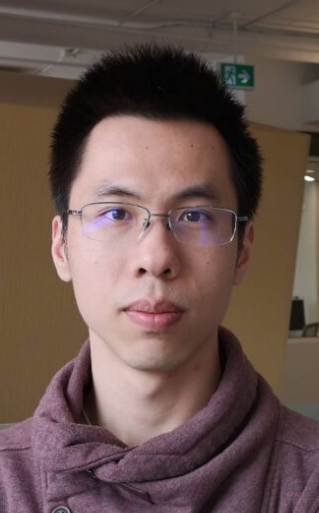 Yikang Shen合作论文数MIT-IBM Watson Lab27
 Antonio Torralba合作论文数Computer Science and Artificial Intelligence Laboratory, Department of Electrical Engineering and Computer Science, School of Engineering, Massachusetts Institute of Technology24
 Mingkui Tan (谭明奎)合作论文数School of Software Engineering, South China University of Technology24
 Song Han (韩松)合作论文数Electrical Engineering & Computer Science Department, School of Engineering, Massachusetts Institute of Technology;NVIDIA23
 Yilun Du合作论文数Kempner Institute, Harvard University;Harvard John A. Paulson School of Engineering and Applied Sciences, Harvard University22
 Wenbing Huang (黄文炳)合作论文数Gaoling School of Artificial Intelligence, Renmin University of China18
 Siyuan Zhou合作论文数Hong Kong University of Science and Technology16
 Mingyu Ding (丁明宇)合作论文数UC Berkeley16
 Jiajun Wu (吴佳俊)合作论文数Computer Science Department, Stanford University15
 Johnson Wang (尊玄)合作论文数Massachusetts Institute of Technology CSAIL13
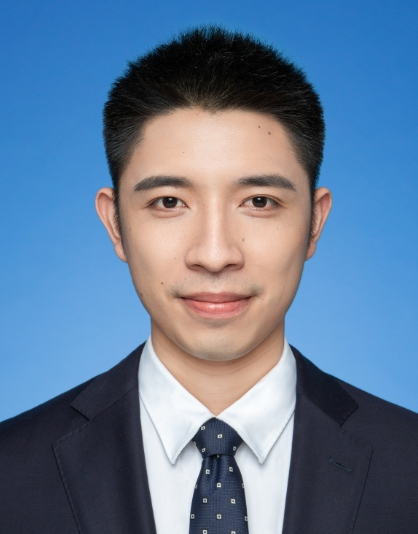 Runhao Zeng (曾润浩)合作论文数Artificial Intelligence Research Institute, Shenzhen MSU-BIT University13
 Yi Yang (杨易)合作论文数College of Computer Science and Technology, Zhejiang University13
 Junyan Li合作论文数University of Massachusetts Amherst12
 Ming Lin合作论文数Oracle12
 Yining Hong (洪逸宁)合作论文数Department of Computer Science, Stanford University12
 Han Cai合作论文数NVIDIA12Hongxin Zhang合作论文数11
 Zhou Xian合作论文数Robotics Institute, Carnegie Mellon University11
 Ji Lin合作论文数Meta11
 Alexander G. Hauptmann合作论文数Language Technologies Institute, School of Computer Science, Carnegie Mellon University11
 David D. Cox合作论文数IBM Research11
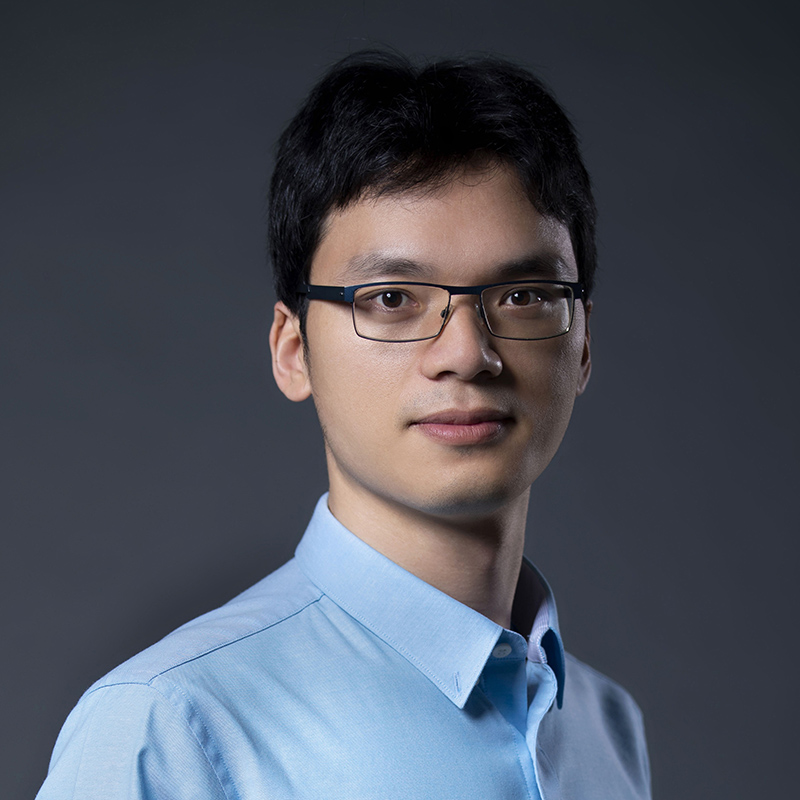 Zhenzhong Lan (蓝振忠)合作论文数Deep Learning Laboratory, School of Engineering, Westlake University10
 Yang Zhang合作论文数MIT-IBM Watson AI Lab10Haoyu Zhen合作论文数9
 Deyu Meng (孟德宇)合作论文数National Engineering Laboratory for Algorithm and Analysis Technologiy on Big Data, Xi’an Jiaotong University;Rearch Institute for Mathematics and Mathematical Technology, School of Mathematics and Statistics, Xi'an Jiaotong University9
 Xiaojun Chang (常晓军)合作论文数Department of Electronic Engineering and Information Science, School of Information Science and Technology, University of Science and Technology of China;The ReLER Lab, University of Technology Sydney;RMIT University9
 Zhiao Huang (黄志翱)合作论文数Hillbot Inc.9
 Boqing Gong合作论文数Google9
 Zhongwen Xu合作论文数Tencent9Huan Li合作论文数8
 Pingchuan Ma (馬平川)合作论文数Meta8Shicheng Xu合作论文数8
 Shilei Wen合作论文数Bytedance8
 Jiayuan Mao (茅佳源)合作论文数8
 Fu Li合作论文数Department of Computer Vision Technology, Baidu Inc.8
 Zhiqing Sun (孙之清)合作论文数Language Technologies Institute, Carnegie Mellon University;Allen Institute for AI8
 Junzhou Huang合作论文数Scalable Modeling & Imaging & Learning Lab, Department of Computer Science and Engineering, University of Texas at Arlington8
 Lu Jiang合作论文数Apple8
 Xingzhong Du合作论文数Coles Advanced Analytic Centre,Monash University8
 Dan Gutfreund合作论文数MIT-IBM Watson AI Lab8
 Shoou-I Yu (余守壹)合作论文数Reality Labs Research Pittsburgh, Meta8
 Chunru Lin合作论文数7Qinhong Zhou合作论文数7Xinyu Sun (孙鑫宇)合作论文数South China University of Technology7
 Yuncong Yang合作论文数University of Massachusetts Amherst;Microsoft Research7
 Xiang Long (龙翔)合作论文数Sch Mat & Met, Guizhou Univ7




