This chapter will begin with purposes and criteria for evaluating tools to improve programs and how the 2019 NAGC PreK-Grade 12 Standards for Gifted Programming provide direction for the selection and use of the evaluation tools. This chapter will describe (a) different types and characteristics of evaluation tools at the local and state levels, (c) how each meet the criteria, and (c) how they might be interpreted and used effectively to improve programs and services, particularly for diverse learners. Types of evaluation tools include focus groups, surveys, rating scales, classroom observation tools, interviews, and reviews of program documents. Samples of specific tools are covered when applicable. Examples of successful use of tools in improving programming for all gifted learners in general, and gifted learners from diverse backgrounds in particular, will be provided for practitioners.
State assessments for learning vary as widely as the states themselves and their approach to gifted services. Application and value of assessments differ according to each state’s fidelity in adhering to current policy and practice. This chapter defines each state’s assessment(s), if any, and explores the purpose and characteristics that guided the states in the development of their assessments for learning progress. Further, the manner in which each state addresses its particular equity issues are examined. Examples of assessments available from the states are presented in ways in which they are applied in the schools. Challenges that each state faces related to implementation are explored along with any recommendations that facilitate the work of coordinators and directors of gifted education services.
Differentiating requires more than just a simple bag of tricks. Teachers need to have concrete strategies if they want to provide choice and challenge for all learners in their classroom. The strategies included in this book were chosen based on their ease of implementation and modification. In addition, they all encourage student engagement, provide inherent opportunities for differentiation, and are appropriate for multiple grade levels.Differentiation That Really Works provides time-saving strategies and lesson ideas created and field-tested by practicing professionals in their own heterogeneous classrooms. These lessons can be used as written or can be modified to meet the needs of a particular classroom. The book also provides templates that can be used to develop new lessons using each strategy. These strategies, including exit cards, choice boards, cubing, graphic organizers, learning contracts, and tiered lessons, help pave the way to a differentiated classroom that meets all students' needs!Grades 3-5
 Rebecca Pierce合作论文数27
 Alicia Cotabish合作论文数University of Central Arkansas21
 Mary Cay Ricci合作论文数14
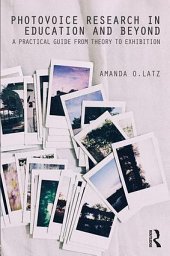 Amanda O. Latz合作论文数11
 Debbie Dailey合作论文数University of Central Arkansas8Tracy L. Cross合作论文数8
 Felicia Dixon合作论文数6
 Jerrell C. Cassady合作论文数Department of Educational Psychology, Ball State University5Kristie L Speirs Neumeister合作论文数5
 Carolyn Callahan合作论文数4
 Diane Montgomery合作论文数4
 Susan K. Johnsen合作论文数4Tracy L Cross合作论文数3scott l hunsaker合作论文数2Nina Yssel合作论文数2Sara Delano Moore合作论文数2Lori Bland合作论文数Curry School of Education, University of Virginia2N. Eiss合作论文数1Gloria D. Taradash合作论文数1Monique T. Felder合作论文数1Tracy C. Missett合作论文数1Rachelle Miller合作论文数1Mary Ruth Coleman合作论文数1ruth e jones合作论文数1Elise Antoine合作论文数1Marisa Stemple合作论文数1Michelle Byamugisha合作论文数1Kimberley L. Chandler合作论文数Coll William & Mary1Steve Coxon合作论文数Maryville University1
 Laura S. Clarke合作论文数Dept Special Educ, Ball State Univ1
 Jennifer Jolly合作论文数Department of Special Education and Multiple Abilities, College of Education, The University of Alabama1Currie Lynne合作论文数1B. Moore合作论文数1
 Tamra Stambaugh合作论文数1C. M. Cunningham合作论文数1F. A. Dixon合作论文数1
 William Bintz合作论文数1E. M. Tomchin合作论文数1
 Jason M Holland合作论文数Department of Radiology, Memorial Sloan-Kettering Cancer Center1
 Marcia B. Imbeau合作论文数1
 Elizabeth Shaunessy合作论文数University of South Florida1Scott L Hunsaker合作论文数1CA Tomlinson合作论文数1Mary Beth Landrum合作论文数1




