In recent years, CRISPR technology has become widely applied in scientific research, being simpler, cheaper, and more precise than previous gene-editing techniques. This editing technology can be used for various applications, such as gene knockout, gene knock-in, CRISPR activation (CRISPRa), CRISPR interference (CRISPRi), CRISPR screens, base editing, and prime editing. The share of pipelines to analyze the variety of CRISPR editing methods is low, and until now, none of them caters to both gene editing and CRISPR-based functional genomics. Here, we introduce nf-core/crisprseq, a Nextflow DSL2 pipeline for the assessment of CRISPR gene editing and screening assays. The workflow is written in a modularized fashion to allow the easy incorporation of new steps. nf-core/crisprseq is the first generic pipeline enabling the analysis of the broad spectrum of CRISPR designs. We show the performance and usability of the software using publicly available datasets.
Abstract: Loss-of-function mutations and deletions in the core components of the epigenetic polycomb repressive complex 2 (PRC2) are associated with poor initial treatment response in T-cell acute lymphoblastic leukemia (T-ALL), but the mechanisms that underpin resistance to individual therapies are unknown. We leveraged an isogenic T-ALL cellular model and primary patient data to investigate how PRC2 alterations affect signaling pathway activity in leukemia cells, and whether these changes may influence therapy response. The integration of transcriptomic, proteomic, and phosphoproteomic results revealed markedly reduced activity of the WNT-dependent stabilization of proteins (WNT/STOP) pathway in leukemia cells lacking core PRC2 factor EZH2. Importantly, these results closely matched transcriptional readouts from the samples of patients with T-ALL with PRC2 mutations and deletions. We discovered that PRC2 loss significantly reduced sensitivity to key T-ALL treatment asparaginase, and that this was mechanistically linked to increased cellular ubiquitination levels due to WNT/STOP suppression, which bolstered the asparagine reserves of leukemia cells. These results also strongly correlated with transcriptional profiles of asparaginase resistance in an independent cohort of patients with T-ALL. We further found that asparaginase resistance in PRC2-depleted leukemic blasts could be mitigated by pharmaceutical proteasome inhibition, thereby providing a potential avenue to tackle induction treatment failure in these cases.
Comparative proteomic analysis can reveal pathways that are regulated by the same stimulus in different species, such as common responses to antibiotics across different bacteria. These data often derive from differential protein expression analyses or from curated protein sets associated with specific biological processes. Functional annotations are key to such comparisons but are of variable quality for different species. A significant number of proteins are poorly or inconsistently annotated, particularly in prokaryotes and non-model eukaryotes, which limits biological interpretation and complicates comparative studies. Although orthology inference provides a robust framework to address this issue, current tools require technical expertise, command-line execution and manual handling of complex outputs, which creates barriers for researchers without any computational training. We developed OrthoGather, a locally hosted web application that streamlines comparative proteomic analysis by integrating groups of homologous proteins across species (orthogroup inference), interactive visualisation, and Gene Ontology (GO) enrichment into a unified platform. OrthoGather generates comprehensive, user-friendly, and easy-to-interpret outputs and supports GO enrichment by leveraging functional annotations available in any member of an orthogroup, enabling functional inference even when individual species are poorly annotated. Its flexible design enables cross-species exploration of conserved and unique orthogroups, while user-defined protein sets are evaluated against appropriate background reference sets, leveraging orthogroup relationships to reveal functional patterns, even in poorly annotated proteomes. ### Competing Interest Statement The authors have declared no competing interest. Conway Institute, University College Dublin, Conway Institute Directors Strategic Awards For Thematic Research 2023/2024 Research Ireland, 20/FFP-P/8641, 20/FFP-P/8717
PRECISE is a European initiative to move cancer research beyond descriptive atlases toward predictive, mechanistically informed models of tumor vulnerability. By integrating patient cohorts, disease-relevant model systems, perturbation biology, multimodal profiling and artificial intelligence-driven inference, the PRECISE consortium aims to learn generalizable and predictive rules that govern genetic dependencies and synthetic lethality.
Background Genome-wide CRISPR screening has enabled the development of dependency maps in hundreds of cancer cell lines, facilitating the identification of genetic vulnerabilities associated with specific biomarkers. Paralogs, despite being common drug targets, are often missed in these screens as their individual disruption rarely causes a significant fitness defect. Combinatorial screens have revealed that paralog pairs are often synthetic lethal but that these effects are highly context specific. To develop paralogs as therapeutic targets we must identify which paralog pairs are synthetic lethal in which cancer contexts. Results We develop a machine learning classifier to predict cell-line specific synthetic lethality between paralog pairs. We demonstrate the utility of features derived from the cell-line specific expression and essentiality of the pair and their protein-protein interaction partners for this purpose. We evaluate our predictions across multiple scenarios: predicting for the same pairs in unseen cell lines, for new gene pairs in seen cell lines, and for entirely uncharacterized pairs in unseen cell lines. We show that we can make predictions across all scenarios. We validate our predictions using independent combinatorial CRISPR screens and show that the agreement between our predictions and published experiments approaches the agreement across experiments. Conclusions Our classifier predicts cell-line-specific synthetic lethality between paralog pairs and provides insights into the underlying features driving these interactions. We make our predictions for 1,005 cell lines available as a resource to facilitate the discovery of context-specific paralog synthetic lethalities and to guide the design of more targeted combinatorial screens. ### Competing Interest Statement The authors have declared no competing interest. Research Ireland, 20/FFP-P/8641, 18/CRT/6214
Large-scale perturbational approaches have transformed cancer research, enabling systematic identification of tumour-specific dependencies and therapeutic vulnerabilities. However, many clinically relevant vulnerabilities arise from genetic interactions, including synthetic lethal and buffering relationships, and are shaped by cellular state, lineage and treatment history. Interpreting complex dependency landscapes increasingly relies on advanced computational and AI-based approaches integrating molecular, phenotypic and contextual information. In this rapidly evolving setting, dedicated forums are needed to connect experimental and computational perspectives. Following the success of the inaugural European Cancer Dependency Map Symposium, the 2nd EuroDepMap was held on 20 November 2025 at Human Technopole in Milan, bringing together leading scientists in functional genomics, genome-editing screens, disease models and AI-driven analysis, marking a pivotal moment for the field.
Synthetic lethality (SL) is an extreme form of negative genetic interaction, where simultaneous disruption of two non-essential genes causes cell death. SL can be exploited to develop cancer therapies that target tumour cells with specific mutations, potentially limiting toxicity. Pooled combinatorial CRISPR screens, where two genes are simultaneously perturbed and the resulting impacts on fitness estimated, are now widely used for the identification of SL targets in cancer. Various scoring methods have been developed to infer SL genetic interactions from these screens, but there has been no systematic comparison of these approaches. Here, we performed a comprehensive analysis of five scoring methods for SL detection using five combinatorial CRISPR datasets. We assessed the performance of each algorithm on each screen dataset using two different benchmarks of paralog SL. We find that no single method performs best across all screens but identify two methods that perform well across most datasets. Of these two scores, Gemini-Sensitive has an available R package that can be applied to most screen designs, making it a reasonable first choice.
Synthetic lethality, first proposed more than two decades ago, has long held immense promise for targeted cancer therapy. Although the clinical success of PARP inhibition in BRCA-mutant cancers stands as proof of concept, few other synthetic lethal interactions have been translated from preclinical findings into effective therapies. This slow pace of translation stems in part from the difficulty of developing drugs against genetic dependencies, but also reflects the cell- and tissue-specific nature of these interactions. In this Review, we outline recent advances in the discovery and validation of synthetic lethal pairs, from their discovery in large-scale genetic screens to the development of drugs for the clinic. We discuss how alternative CRISPR-based approaches - including combinatorial screens, base editing and saturation mutagenesis - are now being used to discover new tractable interactions. We also examine how machine learning models can enable prioritization of candidate pairs and the identification of biomarkers for patient stratification. Finally, we highlight alternative phenotypic readouts, such as high-content imaging and single-cell profiling, which enable the dissection of phenotypes beyond simple cell growth or fitness. Together, these developments are refining the synthetic lethality paradigm and advancing its potential for cancer therapy.
Proteins operate within dense interconnected networks, with interactions necessary both for stabilising proteins and enabling them to execute their molecular functions. Remarkably, protein-protein interaction networks operating within tumour cells continue to function despite widespread genetic perturbations. Previous work has demonstrated that tumour cells tolerate perturbations of paralogs better than perturbations of singleton genes, but the underlying mechanisms remain poorly understood. Here, we systematically profile the proteomic response of tumours and cell lines to gene loss. We find many examples of proteomic compensation, where loss of one gene causes increased abundance of a paralog, and collateral loss, where gene loss causes reduced paralog abundance. Compensation is enriched among paralog pairs that are central in the protein-protein interaction network and whose interaction partners perform essential functions. Compensation is also significantly more likely to be observed between synthetic lethal pairs. Our results support a model whereby loss of one gene results in increased protein abundance of its paralog, stabilising the protein-protein interaction network. Consequently, tumour cells may become dependent on the paralog for survival, creating potentially targetable vulnerabilities.
The coordinated activation of DNA replication origins is important for efficient DNA synthesis and genome stability. S-phase cyclin dependent kinases (CDKs) together with CDC7 kinase, are essential to origin activation by converting the pre-replicative complex into a fully active helicase. To identify genes that tune DNA replication, we have performed a chemo-genetic genome-wide CRISPR-KO screen with cells challenged with the CDC7 inhibitor XL413. By developing a methodology based on genetic coessentiality to functionally cluster the hits, we uncover the transcriptional CDK8/CCNC kinase in a cluster with replication initiation factors. We find that CDK8 depletion further reduces the rate of DNA synthesis imposed by CDC7 inhibitors. DNA fibre experiments provide compelling evidence that CDK8 and CDC7 cooperate in origin activation. Suppression of DNA synthesis by CDK8 inhibition requires the binding of CDK8/CCNC to the MDM2 Binding Protein (MTBP) and we show that CDC7 and CDK8 individually contribute to the phosphorylation of MCM4 subunit of the replicative helicase. Thus, this work identifies CDK8 as the third protein kinase directly involved in origin activation in human cells.
Synthetic lethal interactions are attractive therapeutic candidates as they enable selective targeting of cancer cells in which somatic alterations have disrupted one member of a synthetic lethal gene pair while leaving normal tissues untouched, thus minimising off-target toxicity. Despite this potential, the number of well-established and validated synthetic lethal gene pairs is modest. We generate a dual-guide CRISPR/Cas9 Library and analyse 472 predicted synthetic lethal pairs in 27 cancer cell Lines from melanoma, pancreatic and lung cancer Lineages. We report a robust collection of 117 genetic interactions within and across cancer types and explore their candidacy as therapeutic targets. We show that SLC25A28 is an attractive target since its synthetic lethal paralog partner SLC25A37 is homozygously deleted pan-cancer. We generate knockout mice for Slc25a28 revealing that, except for cataracts in some mice, these animals are normal; suggesting inhibition of SLC25A28 is unlikely to be associated with profound toxicity. We provide and validate an extensive collection of synthetic lethal interactions across cancer types.
Background Polycomb Repressive Complex 2 (PRC2) modulates chromatin accessibility and architecture to direct tissue-specific gene expression. PRC2 function is frequently altered in cancer by loss-of-function mutation or deletion, but the downstream effects on transcriptional regulation are incompletely understood. Results To gain insights into these mechanisms, we performed a holistic analysis of epigenomic and transcriptional changes in an isogenic model of acute myeloid leukemia (AML) with heterozygous EZH2 deletion that mimics reduced PRC2 function in patient leukemias. PRC2-depleted cells had diverse gene expression changes, including a bias towards more immature monocyte-lineage transcriptional signatures. PRC2 depletion also correlated with marked increases in chromatin accessibility genome-wide, with 10-45% increases in ATAC-seq peaks in EZH2+/− clones. These changes were accompanied by decreased H3K27me3 and increased H3K27ac levels in CUT+RUN assays that were incompletely linked to transcriptional activity. Despite these generalised changes, 3D chromatin architecture assessed by Hi-C was largely maintained, with H3K27me3 preferentially lost in regions with low DNA-DNA contact frequency. Surprisingly, some regions gained broad H3K27me3 domains at heavily compacted chromatin. We notably saw compartmentalisation changes upstream of the transcriptionally upregulated fetal hematopoiesis gene LIN28B in EZH2+/− cells, with corresponding activation of a LIN28B-specific transcriptional program, including upregulation of the CDK6 oncogene. These results correlated with EZH2+/− cell phenotype, including decreased cellular proliferation and increased resistance to CDK6 inhibitor palbociclib. Conclusions Our findings suggest that PRC2 depletion pleiotropically affects AML transcriptional regulation to directly impact cell phenotype and treatment responsiveness, which may partially explain the aggressive biology seen in these cases. ### Competing Interest Statement The authors have declared no competing interest. Science Foundation Ireland, https://ror.org/0271asj38, 18/CRT/6214, 20/FFP-P/8844, 18/SPP/3522, 20/FFP-P/8641 Marie Skłodowska-Curie H2020, MSCA-COFUND-2019-945385 Wellcome Trust Clinical Research Career Development Fellowship, 216632/Z/19/Z, 099175/Z/12/Z MRC Molecular Haematology Unit, MC\_UU\_00029/7
Gene duplication is the primary source of new genes, resulting in most genes having identifiable paralogs. Over time, paralog pairs may diverge in some respects but many retain the ability to perform the same functional role. Protein sequence identity is often used as a proxy for functional similarity and can predict shared functions between paralogs as revealed by synthetic lethal experiments. However, the advent of alternative protein representations, including embeddings from protein language models (PLMs) and predicted structures from AlphaFold, raises the possibility that alternative similarity metrics could better capture functional similarity between paralogs. Here, using two species (budding yeast and human) and two different definitions of shared functionality (shared protein-protein interactions and synthetic lethality), we evaluated a variety of alternative similarity metrics. For some tasks, predicted structural similarity or PLM similarity outperform sequence identity, but more importantly these similarity metrics are not redundant with sequence identity, i.e. combining them with sequence identity leads to improved predictions of shared functionality. By adding contextual features, representing similarity to homologous proteins within and across species, we can significantly enhance our predictions of shared paralog functionality. Overall, our results suggest that alternative similarity metrics capture complementary aspects of functional similarity beyond sequence identity alone.
Metastatic uveal melanoma is an aggressive disease with limited effective therapeutic options. To comprehensively map monogenic and digenic dependencies, we performed CRISPR-Cas9 screening in ten extensively profiled human uveal melanoma cell line models. Analysis involved genome-wide single-gene and combinatorial paired-gene CRISPR libraries. Among our 76 uveal melanoma-specific essential genes and 105 synthetic lethal gene pairs, we identified and validated the CDP-diacylglycerol synthase 2 gene (CDS2) as a genetic dependency in the context of low CDP-diacylglycerol synthase 1 gene (CDS1) expression. We further demonstrate that CDS1/CDS2 forms a synthetic lethal interaction in vivo and reveal that CDS2 knockout results in the disruption of phosphoinositide synthesis and increased cellular apoptosis and that re-expression of CDS1 rescues this cell fitness defect. We extend our analysis using pan-cancer data, confirming increased CDS2 essentiality in diverse tumor types with low CDS1 expression. Thus, the CDS1/CDS2 axis is a therapeutic target across a range of cancers.
Proteins operate within dense interconnected networks, where interactions are necessary both for stabilising proteins and for enabling them to execute their molecular functions. Remarkably, protein-protein interaction networks operating within tumour cells continue to function despite widespread genetic perturbations. Previous work has demonstrated that tumour cells tolerate perturbations of paralogs better than perturbations of singleton genes, but the mechanisms behind this genetic robustness remains poorly understood. Here, we systematically profile the proteomic response of tumours and tumour cell lines to gene loss. We find many examples of active compensation, where deletion of one paralog results in increased abundance of another, and collateral loss, where deletion of one paralog results in reduced abundance of another. Compensation is enriched among sequence-similar paralog pairs that are central in the protein-protein interaction network and widely conserved across evolution. Compensation is also significantly more likely to be observed for gene pairs with a known synthetic lethal relationship. Our results support a model whereby loss of one gene results in increased protein abundance of its paralog, stabilising the protein-protein interaction network. Consequently, tumour cells may become dependent on the paralog for survival, creating potentially targetable vulnerabilities. ### Competing Interest Statement The authors have declared no competing interest.
Supplementary Table S4 shows synthetic lethal analysis using RIGER-E Log Fold Change 2nd Best and STARS algorithm.
Traditional genetic interaction screens profile phenotypes at aggregate level, missing interactions that may influence the distribution of single cells in specific states. Here, Heigwer and colleagues use an imaging approach to generate a large-scale high-resolution genetic interaction map in Drosophila cells and demon-strate its utility for understanding gene function.
Lagging chromosomes in E-cadherin defective cell exposed to foretinib leading to failed cytokinesis
 Chris Lord合作论文数Breast Cancer Now Toby Robins Research Centre, The Institute of Cancer Research22
 Aditi Gulati合作论文数Breast Canc Now Toby Robins Res Ctr, Inst Canc Res19
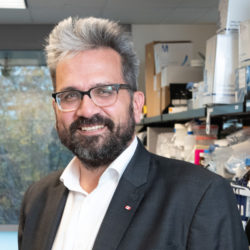 Nevan Krogan合作论文数Medical Center, University of California San Francisco;Department of Cellular and Molecular Pharmacology, University of California San Francisco;Mount Sinai School of Medicine, University of California San Francisco18
 James Campbell合作论文数Inst Canc Res, CRUK Gene Funct Lab, London SW3 6JB, England16Rachel Brough合作论文数14
 Alan Ashworth合作论文数Division of Hematology and Oncology, Department of Medicine, UCSF;Helen Diller Family Comprehensive Cancer Center, UCSF14Bajrami Ilirjana合作论文数13
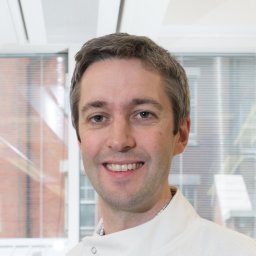 Pettitt Stephen J合作论文数13Rafiq Rumana合作论文数12Pemberton Helen N合作论文数12Irene Chong合作论文数12Frankum Jessica R合作论文数11Malini Menon合作论文数Inst Canc Res, CRUK Gene Funct Lab, London SW3 6JB, England10Konde Asha合作论文数10Marta Llorca Cardenosa合作论文数9mark gurden合作论文数9
 Marieke Van de Ven合作论文数9Fredrik Wallberg合作论文数9Linardopoulos Spiros合作论文数9Gazinska Patrycja合作论文数9
 Andrew Tutt合作论文数Institute of Cancer Research;Division of Cancer Studies, Kings College London9
 Patrick Derksen合作论文数Department of Pathology, Universitair Medisch Centrum Utrecht9
 Rebecca Marlow合作论文数9
 Mitch Dowsett合作论文数Academic Department of Biochemistry, Royal Marsden Hospital;Centre for Molecular Pathology, Royal Marsden Hospital;Institute of Cancer Research;Breakthrough Breast Cancer Centre9
 Jos Jonkers合作论文数Division of Molecular Pathology, The Netherlands Cancer Institute;Oncode Institute;University of Leiden;Mouse Clinic for Cancer and Aging9
 Elinor Sawyer合作论文数Department of Medical & Molecular Genetics, School of Cancer & Pharmaceutical Sciences, Faculty of Life Sciences & Medicine, King's College London;Comprehensive Cancer Centre, School of Cancer & Pharmaceutical Sciences, Faculty of Life Sciences & Medicine, King's College London9
 Lesley-Ann Martin合作论文数9
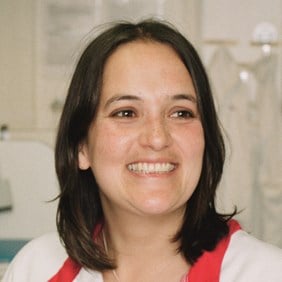 Rachael Natrajan合作论文数Functional Genomics Group, The Institute of Cancer Research9Feifei Song合作论文数Inst Canc Res, CRUK Gene Funct Lab, London SW3 6JB, England8
 Assen Roguev合作论文数BioInnovation Zentrum, University of Technology Dresden8
 Dragomir B Krastev合作论文数8Michael Shales合作论文数7Simon T. Barry合作论文数6Elizabeth Pease合作论文数6Abhishek A Chakraborty合作论文数6Kim Maratea合作论文数6
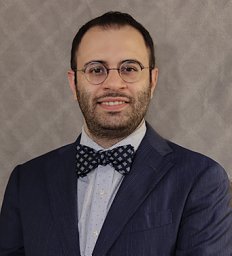 Abdallah Flaifel合作论文数Brigham and Women's Hospital, Boston, MA;6Laura Brulle-Soumare合作论文数XenTech, Evry, France6Jon Travers合作论文数6Rebecca B Jennings合作论文数6
 De Kegel Barbara合作论文数6Signoretti Sabina合作论文数6
 Dennis Bonal合作论文数Herbert Irving Comprehensive Cancer Center, Columbia University6
 Bond Jonathan合作论文数Faculty of Medicine Descartes, Université Sorbonne Paris Cité6
 David Pellman合作论文数Department of Cell Biology, HarvardMedicalSchool;Pellman Lab, Dana-Farber Cancer Institute6
 Novak Jesse合作论文数The Tisch Cancer Institute, Icahn School of Medicine at Mount Sinai;and.;The Tisch Cancer Institute, Icahn School of Medicine at Mount Sinai6Spektor Alexander合作论文数6
 Samuel McBrayer合作论文数Dept Med Oncol, Dana Farber Canc Inst6
 Paula Taylor合作论文数6




