Our study of Brazilian media began in the early 1980s when co-author Kottak directed a multinational team conducting year-long studies of television engagement in a series of Brazilian communities exposed to television at different times. Based on the ethnographic and quantitative data collected by the team, along with Kottak's institutional analysis of Brazilian television and program content, the study documented an array of media engagements: including the delineation of a multi-stage model of television impact in Brazil; documentation of the influence of "liberal views" tied to televiewing; and even impact on family size and contraceptive use tied to viewing telenovelas. Over the following decades, co-author Pace continued the study in the sample's Amazonian community. He examined how viewers heed, miss, ignore, and resist television's interpellation and how this impacts behavior and perceptions as measured through ethnographic observations and surveys. Kottak and Pace's joint research resumed in the mid-2010s with an analysis of the Mēbêngôkre-Kayapó's (an Indigenous group in the Amazon) unique engagement with television and, more recently, an updated analysis (in progress) of the original communities studied, now focusing on the ways multiple types of media are engaged within a complex and intertwined media ecology.
American AnthropologistVolume 118, Issue 1 p. 229-231 OBITUARY Keith F. Otterbein (1936–2015) William P. Mitchell, William P. Mitchell Mitchell@Monmouth.edu http://www.monmouth.edu/school-of-humanities-social-sciences/Faculty/Mitchell.aspx Department of History and Anthropology, Monmouth University, West Long Branch, NJ, 07764Search for more papers by this authorConrad P. Kottak, Conrad P. Kottak Department of Anthropology, University of Michigan, Ann Arbor, MI, 48109Search for more papers by this author William P. Mitchell, William P. Mitchell Mitchell@Monmouth.edu http://www.monmouth.edu/school-of-humanities-social-sciences/Faculty/Mitchell.aspx Department of History and Anthropology, Monmouth University, West Long Branch, NJ, 07764Search for more papers by this authorConrad P. Kottak, Conrad P. Kottak Department of Anthropology, University of Michigan, Ann Arbor, MI, 48109Search for more papers by this author First published: 22 February 2016 https://doi.org/10.1111/aman.12499Read the full textAboutPDF ToolsRequest permissionExport citationAdd to favoritesTrack citation ShareShare Give accessShare full text accessShare full-text accessPlease review our Terms and Conditions of Use and check box below to share full-text version of article.I have read and accept the Wiley Online Library Terms and Conditions of UseShareable LinkUse the link below to share a full-text version of this article with your friends and colleagues. Learn more.Copy URL Share a linkShare onFacebookTwitterLinkedInRedditWechat No abstract is available for this article. Volume118, Issue1March 2016Pages 229-231 RelatedInformation
General AnthropologyVolume 22, Issue 1 p. 1-7 General Anthropology What is General Anthropology? What is It's Future? Conrad Kottak, Conrad Kottak University of MichiganSearch for more papers by this author Conrad Kottak, Conrad Kottak University of MichiganSearch for more papers by this author First published: 10 April 2015 https://doi.org/10.1111/gena.01006 The following are papers read at a session sponsored by GAD at the 2014 meetings of the American Anthropological Association Read the full textAboutPDF ToolsRequest permissionExport citationAdd to favoritesTrack citation ShareShare Give accessShare full text accessShare full-text accessPlease review our Terms and Conditions of Use and check box below to share full-text version of article.I have read and accept the Wiley Online Library Terms and Conditions of UseShareable LinkUse the link below to share a full-text version of this article with your friends and colleagues. Learn more.Copy URL Share a linkShare onFacebookTwitterLinkedInRedditWechat Volume22, Issue1Spring 2015Pages 1-7 RelatedInformation
Charles Wagley's work, firmly in the Boasian tradition, reflects his association with and training by Franz Boas, but especially by Ruth Benedict and Ruth Bunzel. Wagley's career as an ethnographer began in the Guatemalan highland town of Santiago Chimaltenango in 1937. Soon thereafter, he turned from Guatemala to Brazil, where he did his first field research (1939-1940) among the Tapirapé Indians. Wagley's Tapirapé revisits culminated in his last book, "Welcome of tears: the Tapirapé Indians of Central Brazil" (1977). Wagley's study of Gurupá began in 1948 and produced various editions of his popular book "Amazon town: a study of man in the Tropics". Wagley co-directed the Bahia State-Columbia University Community Study Project in 1951-1952, culminating in the edited book "Race and class in rural Brazil". Over time, Wagley focused increasingly on non-Indians, ranging from rural towns like Gurupá to Brazilian culture as a whole. Illustrating the latter, Wagley wrote two editions of "Introduction to Brazil", a culturally insightful text that examined unity and diversity in Brazilian culture and society. A man of careful scholarship and keen intellect, Chuck Wagley took great pride in the excellence of his teaching and writing; he also enjoyed sharing his knowledge and insights with a larger public
General AnthropologyVolume 17, Issue 1 p. 10-10 Melvin Ember: Goodbye to a Major Figure in General Anthropology Conrad P Kottak, Conrad P Kottak University of MichiganSearch for more papers by this author Conrad P Kottak, Conrad P Kottak University of MichiganSearch for more papers by this author First published: 04 May 2010 https://doi.org/10.1111/j.1939-3466.2010.00005.xAboutPDF ToolsExport citationAdd to favoritesTrack citation ShareShare Give accessShare full text accessShare full-text accessPlease review our Terms and Conditions of Use and check box below to share full-text version of article.I have read and accept the Wiley Online Library Terms and Conditions of UseShareable LinkUse the link below to share a full-text version of this article with your friends and colleagues. Learn more.Copy URL Share a linkShare onFacebookTwitterLinked InRedditWechat No abstract is available for this article. Volume17, Issue1Spring 2010Pages 10-10 RelatedInformation
The author discusses Melvin Ember’s impact as the long-time president of the Human Relations Area Files, which he refers to as “Anthropology’s Archive.” He discusses the digitization of the files, the development of new archives and encyclopedias, and some of the way the files are currently being used. He suggests much of the success of the Human Relations Area Files over the last quarter century can be attributed directly to Melvin Ember and his leadership.
 Jeremy Travis合作论文数9Barbara Boyd合作论文数9Daniel B. Prieto合作论文数9Winston F. Wong合作论文数9Julie Anne Schuck合作论文数9Malay Majmundar合作论文数9Leticia Garcilazo Green合作论文数9William A. Yasnoff合作论文数9Grace M. Lee合作论文数9Mary Ghitelman合作论文数9Emily Backes合作论文数9
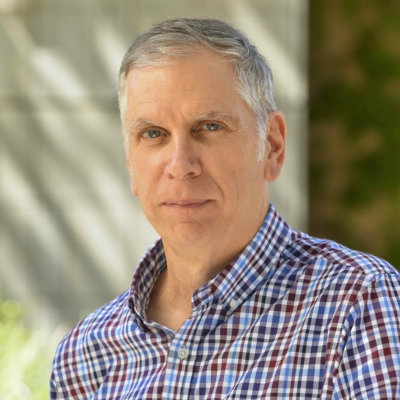 John J. Donohue III合作论文数Stanford Law School9
 Paul Wormeli合作论文数9Susan Dentzer合作论文数9Sheila P. Burke合作论文数9
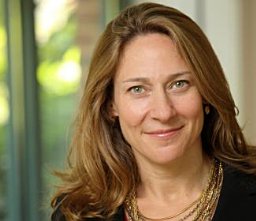 rachel harmon合作论文数University of Virginia Law School9
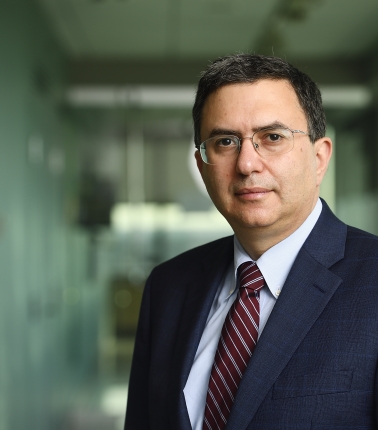 Joshua M. Sharfstein合作论文数Health Policy and Management, Bloomberg School of Public Health, Johns Hopkins University9
 Ellen Wright Clayton合作论文数Center for Biomedical Ethics and Society, Vanderbilt University Medical Center;School of Law, Vanderbilt University9
 Howard Markel合作论文数Department of Psychiatry, School of Public Health, University of Michigan;Center for the History of Medicine, The University of Michigan9
 Vaughan Rees合作论文数Center for Global Tobacco Control Research, Harvard T.H. Chan School of Public Health, Harvard University9
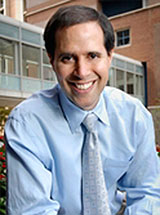 Daniel E. Polsky合作论文数Department of Medicine, Perelman School of Medicine, University of Pennsylvania9
 Wipfli Heather L合作论文数Keck Sch Med, Univ So Calif9
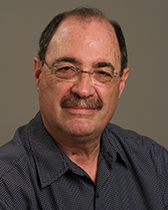 Charles F. Manski合作论文数Department of Economics, Northwestern University9
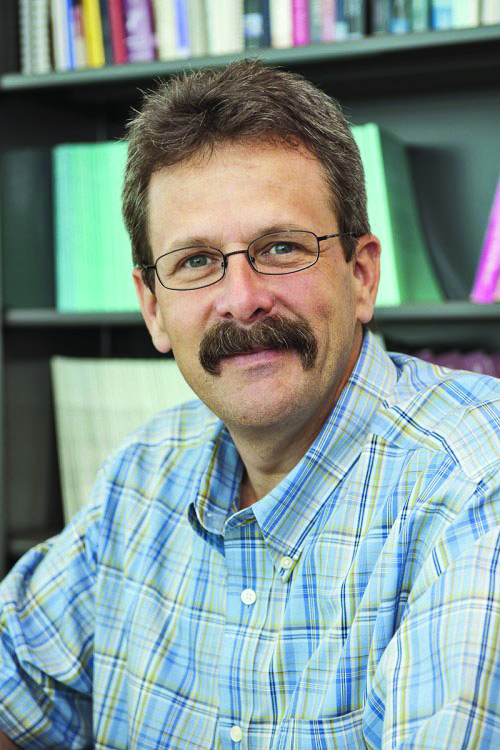 Frank Joseph Chaloupka合作论文数Division of Health Policy and Administration, School of Public Health, University of Illinois at Chicago;Department of Economics, College of Business Administration, University of Illinois at Chicago9Graham Garth合作论文数9
 Martin Bouchard合作论文数Sch Criminol, Simon Fraser Univ9
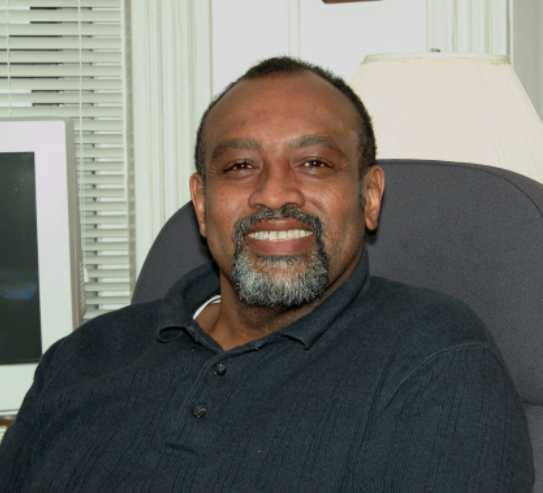 Glenn C. Loury合作论文数Department of Political Science, Brown University9
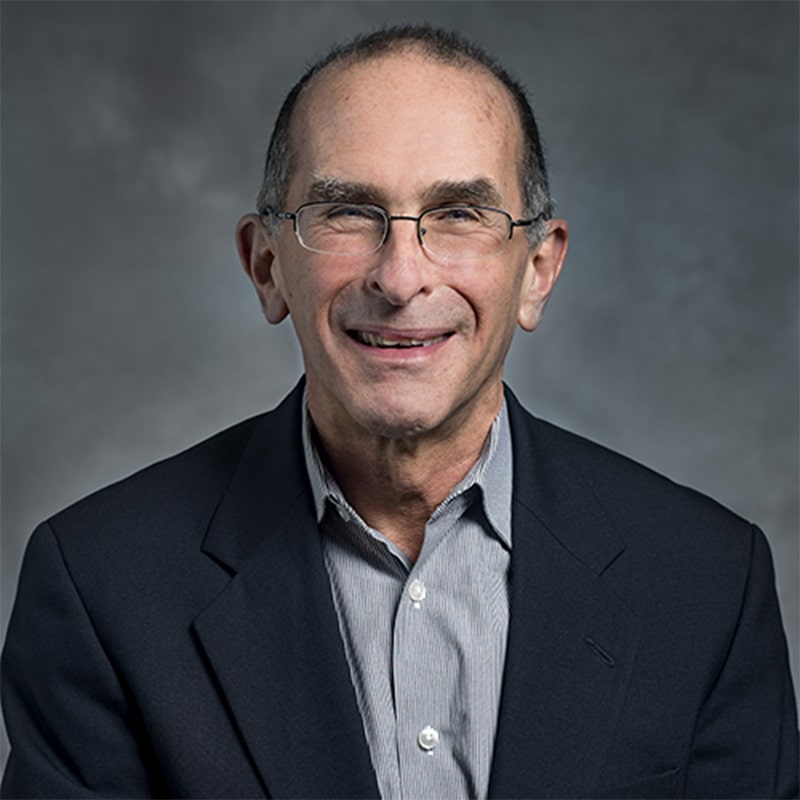 Daniel Nagin合作论文数Department of Statistics & Data Science, Dietrich College of Humanities and Social Sciences, Carnegie Mellon University;University Of Pittsburgh;Groupe De Recherche Sur L'Inadaptation Psychosociale Chez L'Enfant, University of Montreal9
 Matthew C. Farrelly合作论文数Reseach Triangle Institute International9
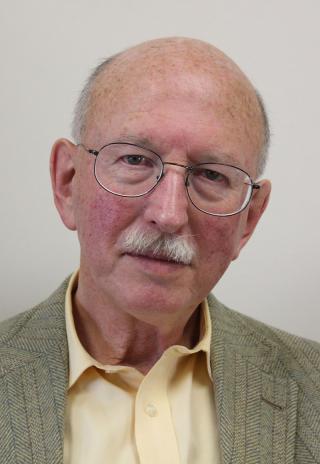 Peter Reuter合作论文数Department of Criminology and Criminal Justice, School of Public Policy, University of Maryland9Steven M. Teutsch合作论文数9
 Geoffrey Fong合作论文数Department of Psychology, University of Waterloo;Healis-Sekhsaria Institute of Public Health;Ontario Institute for Cancer Research9
 E.R. Kleemans合作论文数Research and Documentation Center9Anne Morrison Piehl合作论文数Department of Economics;State University of New Jersey;Department of Economics, State University of New Jersey9
 Linda A. Mccauley合作论文数Woodruff Health Sciences Center, Emory University;Nell Hodgson Woodruff School of Nursing, Emory University9Mark A. R. Kleiman合作论文数Department of Policy Studies;Public Policy Building;Department of Policy Studies|Public Policy Building9
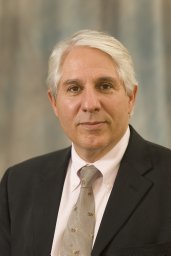 David Weisburd合作论文数Department of Criminology, Law and Society, George Mason University;Institute of Criminology, Faculty of Law, The Hebrew University9
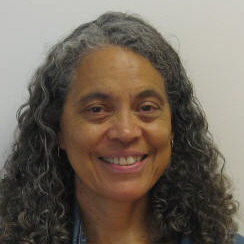 Mindy Thompson Fullilove合作论文数Urban Policy and Health, The New School9
 Klaus von Lampe合作论文数9Carl C. Bell合作论文数9
 Cathy Spatz Widom合作论文数Department of Psychology, John Jay College of Criminal Justice;Graduate Center, City University of New York9Ruth D. Peterson合作论文数9
 Alfred O. Berg合作论文数University of Washington,School of Medicine9
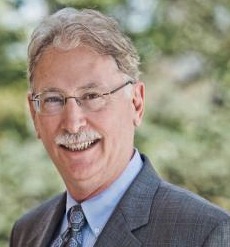 Gary Lafree合作论文数Department of Criminology and Criminal Justice, University of Maryland9
 Michael Levi合作论文数School of Social Sciences, Cardiff University9
 Janet L. Lauritsen合作论文数Criminology and Criminal Justice, University of Missouri-St. Louis9
 Emily G. Owens合作论文数State University at Albany;Cornell University;Rutgers University;Cornell University, Rutgers University9
 Sue Curry合作论文数Department of Health Management and Policy, College of Public Health, University of Iowa9James P Lynch合作论文数9




