Background: The unprecedented and ongoing COVID-19 pandemic has exposed weaknesses in African countries’ health systems. The impact of shifted focus on COVID-19 for the past 2 years on routine health services, especially those for the epidemics of Tuberculosis, HIV/AIDS and Malaria, have been dramatic in both quantity and quality. Methods: In this article, we reflect on the COVID-19 related disruptions on the Tuberculosis, HIV/AIDS and Malaria routine health services across Africa. Results: The COVID-19 pandemic resulted in disruptions of routine health services and diversion of already limited available resources in sub-Saharan Africa. As a result, disease programs like TB, malaria and HIV have recorded gaps in prevention and treatment with the prospects of reversing gains made towards meeting global targets. The extent of the disruption is yet to be fully quantified at country level as most data available is from modelling estimates before and during the pandemic. Conclusions: Accurate country-level data is required to convince donors and governments to invest more into revamping these health services and help prepare for managing future pandemics without disruption of routine services. Increasing government expenditure on health is a critical part of Africa's economic policy. Strengthening health systems at various levels to overcome the negative impacts of COVID-19, and preparing for future epidemics will require strong visionary political leadership. Innovations in service delivery and technological adaptations are required as countries aim to limit disruptions to routine services.
ABSTRACT: Objectives: Tuberculosis remains a global emergency. In Zambia only 55% of tuberculosis cases are diagnosed. We performed a study to determine incidental cases of tuberculosis seen at forensic autopsy of individuals who died suddenly and unexpectedly in the community in Lusaka, Zambia. Methods: Whole-body autopsies were performed according to Standard Operating Procedures. Representative samples obtained from relevant organs were subjected to pathological examination. Information on circumstances surrounding the death was obtained. Data on patient demographics, gross and microscopic pathological findings, and cause(s) of death were analysed. Results: Incidental tuberculosis was found in 52 cases (45 male, 7 female, age range 14-66) out of 4286 whole-body autopsies. 41/52 (80%) were aged 21-50 years. One was a 14-year old boy who died during a football match. 39/52 (75%) deaths were attributable specifically to tuberculosis only. Other deaths were due to acute alcohol intoxication(4), violence(7), ruptured ectopic pregnancy(1), bacterial meningitis (1). All the cases were from poor socio-economic backgrounds and lived in high-density areas of Lusaka. Conclusions: Incidental cases of active tuberculosis undiagnosed antemortem seen at forensic autopsy reflects major gaps in the national TB control programs. More investments into proactive screening, testing, treatment activities, and accurate data collection are required.
BackgroundCysticercosis is a World Health Organization designated neglected human zoonosis worldwide. Data on cardiac cysticercosis and its contribution to sudden and unexpected community deaths are scarce and require study.MethodsA study was performed of cysticercosis-related deaths and other incidental cases of cysticercosis seen at forensic post-mortem examination over a period of 12 months, in individuals who died suddenly and unexpectedly in the community in Lusaka, Zambia. Whole-body post-mortem examinations were performed according to standard operating procedures for post-mortem examinations. Representative samples were obtained from all body organs and subjected to histopathological examination. Information was obtained on circumstances surrounding the death. Data were collated on patient demographics, history, co-morbidities, pathological gross and microscopic findings, and forensic autopsy cause(s) of death. The available literature on cardiac cysticercosis was also reviewed.ResultsNine cases of cysticercosis were identified. Eight of the nine cases had cardiac cysticercosis. There was no prior history of cysticercosis before death. All were male, aged between 28 and 56 years, and from high population density and low socioeconomic communities. There was no community case clustering identified.ConclusionsCardiac cysticercosis and neurocysticercosis are important incidental findings in sudden and unexpected deaths in the community and can easily be missed antemortem. More investment in forensic autopsy services is required to define the undiagnosed burden of deaths due to treatable communicable diseases.
Previous work from this laboratory has shown that both macrophages and microglia phagocytize relatively little myelin in vitro under basal conditions. In an effort to better simulate the conditions within the central nervous system (CNS), we have co-cultured these cells with astrocytes, the most numerous of the neural cells in the CNS, and have compared myelin phagocytosis in the co-cultures with that in cells cultured alone. Both macrophages and microglia in company with astrocytes phagocytized about three times as much myelin as controls, as measured by the formation of cholesterol ester, while astrocytes alone showed little evidence of myelin phagocytosis. Astrocyte-conditioned medium increased phagocytic activity in macrophages by 2.3-fold, and by 3.5-fold in microglia. A number of adhesion molecules and extracellular matrices were tested for their effects on myelin phagocytosis. Matrigel was most effective in activating the macrophages, and in the presence of conditioned medium, stimulated these cells to phagocytize as much myelin as when co-cultured with astrocytes. On the other hand, Matrigel inhibited myelin phagocytosis in microglia. These results indicate that activation of macrophages by astrocytes may be due to an adhesion component, as well as to soluble factors secreted by the astrocytes. While microglia were also stimulated by conditioned medium, adhesion to astrocytes or Matrigel induced a downregulation in phagocytic activity.
Nearly two years since the start of the SARS-CoV-2 pandemic, which has caused over 5 million deaths, the world continues to be on high COVID-19 alert. The World Health Organization (WHO), in collaboration with national authorities, public health institutions and scientists have been closely monitoring and assessing the evolution of SARS-CoV-2 since January 2020 (WHO 2021a; WHO 2021b). The emergence of specific SARS-CoV-2 variants were characterised as Variant of Interest (VOI) and Variant of Concern (VOC), to prioritise global monitoring and research, and to inform the ongoing global response to the COVID-19 pandemic. The WHO and its international sequencing networks continuously monitor SARS-CoV-2 mutations and inform countries about any changes that may be needed to respond to the variant, and prevent its spread where feasible.
A potential source of confusion in medicolegal death investigations arises when death from natural causes occurs in circumstances that suggest violence. Consequently, the investigating pathologist is confronted with distinguishing between natural disease and violence or a combination of both. The pathologist should ascertain whether the data collected during the medicolegal death investigations corroborates or contradicts the circumstances surrounding the death. This case report aims to show an approach to cases where death from natural causes occurs under circumstances that suggest that violence. History and circumstances surrounding the death were obtained from the investigating police officer, coroner's order for postmortem examination, and relatives. A postmortem examination was conducted on the decedent following the practice manual for medicolegal death investigations at the State Forensic Pathologist's Office. We report a case of brain hemorrhage due to ruptured arteriovenous malformation that was reported as a homicide. This case shows the importance of correctly interpreting postmortem findings in determining the cause and the manner of death in criminally suspicious deaths. This case is an example where disease mimics trauma. It is imperative for the pathologists in such instances to search for any possible signs of recent and old injuries that may confirm the violence. The burden of acquiring historical, circumstantial, and medical data to reach valid opinions of the cause and manner of death lies with the pathologist. The cause and manner of death must be expressed so that the criminal justice system is well served.
To our knowledge, this is the largest case series of forensic exhumation and autopsy cases in Africa to date. This paper fills a critical knowledge gap in Africa by profiling the cases, describing the challenges of accessing burial sites, conducting forensic autopsies at burial sites, and the approach to forensic exhumations and autopsies. An analysis of forensic exhumations and autopsies we had performed (January 2016 to December 2020) throughout Zambia was conducted using Microsoft Excel 2010. Of the 168 cases, 128 (76.2%) were male. The age ranged from 1 to 86, with a median age of 35.0 and a standard deviation of 21.4. The commonest age range was 31–45. The top five (5) circumstances of death were assault (17.9%), family violence (17.9%), body recovered in a water body (11.3%), body found in the bush (11.3%), alleged witchcraft (7.7%), alcohol abuse (6.5%) and mob violence (6.0%). The duration of burial ranged from < 1–30 months. The commonest duration was 1–5 months (56%). The total distance that the pathologists traveled was 261,250 km. The cause of death was determined in 112 (66.7%). The top 5 causes of death were blunt impact trauma to the head (29.8%), homicidal violence (10.1%), hanging (4.8%), fire (4.2%), and gunshot to the head (3.6%). This paper shows that forensic exhumations and autopsies address forensic questions critical to law enforcement and justice.
Suicide implies a singular motive of ending oneʼs own life by self-harm. Child suicides may be misclassified as accidental or homicidal due to a lack of history of mental illness and alteration of the scene to disguise the circumstances. This case series describes the approach to investigating suicides in children. It also described the methods used to commit suicide in children. The cases were obtained from the Office of the State Forensic Pathologistsʼ records. Cases whose manner of death was classified as suicide were selected. Coronerʼs order for postmortem forms and postmortem reports were used to obtain demographic data, history, the circumstances of death, and the methods used. Eleven children aged eight to fifteen years who committed suicide between June 2019 and September 2020 were autopsied. Of these, three were male, and eight were female. Nine hanged themselves while two ingested organophosphate compounds. To investigate child suicides adequately, the pathologist must consider the scene, history, and circumstances. The autopsy must include special dissections such as musculocutaneous dissection of the anterior, posterior torso and extremities, layered dissection of the neck and face, posterior neck dissection, and anogenital examination to reveal injuries that may have been concealed. In conclusion, correlating scene data, history, and circumstances with autopsy findings and ancillary tests are vital in opining the cause and manner of death. Every effort must be made to rule out homicide.
Homicides are usually apparent before an autopsy is conducted in the majority of cases. However, those that reveal minimal injuries pose a challenge in the determination of the cause of death. Occasionally, pathologists are faced with cases where the history and circumstances surrounding the death indicate violence, while autopsy findings show marginal or no trauma. We report five cases composed of three males and two females with ages ranging from late teens to the late eighties. All the male cases were autopsied after a long burial period after being killed on suspicion of witchcraft and theft. The females were autopsied a few days after been discovered in hostile environments. The autopsy findings in all the cases showed marginal or no injuries and did not elucidate a specific mechanism of death. The cause of death opinion was determined as homicidal violence in all the cases. Homicidal violence is a descriptive cause of death based on the history and totality of the circumstances surrounding the death. In conclusion, the cause of death opinion “homicidal violence” has a place in medicolegal death investigations.
Although forensic pathology is less visible on the front lines of public health, it plays a significant role in safeguarding public health by investigating and identifying unusual infectious disease deaths such as those caused by COVID-19. Given that forensic pathology is responsible for investigating deaths that are sudden, unexplained, or unattended by a physician, its participation in mortality and disease surveillance contributes data useful to clinicians and epidemiologists. The data provides demographic details, the extent of disease, and causes of death. Utilizing forensic pathology data provides a wealth of information that helps understand the Covid-19 disease and inform public health policy. This paper aims to describe the role of forensic pathology in the COVID-19 pandemic era in Zambia. With the confirmation of the first COVID-19 cases in Zambia, the forensic pathology service developed a screening tool for probable detection of COVID-19 infections in brought-in-dead cases undergoing forensic autopsies at the University Teaching Hospital. The screened cases were tested for COVID-19. Notably, most of the COVID-19 deaths recorded in Zambia are from the BID that were tested. During the COVID-19 pandemic, autopsies were conducted using forensic pathology principles to determine the cause of death and document the extent of disease, thus contributing to the body of knowledge in public health and infectious disease science COVID-19.In conclusion, the forensic pathology service has contributed to the management of patients infected with COVID-19. It has also been useful to public health through mortality and disease surveillance of broughtin- dead cases.
A cross-sectional study was conducted to determine the seroprevalence of Human Immunodeficiency Virus (HIV), Hepatitis B (HBV), and Hepatitis C (HCV) viruses among forensic autopsy cases at the University Teaching Hospital, Lusaka Zambia. The study enrolled three hundred and three adult decedents with a median age 34 (interquartile range: 28 - –42) years, age range (18–67). Males predominated (87.1 %). The seroprevalence of HIV, HBV, HCV, and HIV and HBV co-infection was 32.7 %, 7.9 %, 1.3 % and 2.6 % respectively.HIV infection was highest in suicides (37.8 %) and accidents (36.6 %).In conclusion, HIV infection was higher than that of the general population.
 Luchenga Mucheleng’anga合作论文数8
 John Mambwe Tembo合作论文数4
 Nathan Kapata合作论文数Ministry of Health, National Tuberculosis and Leprosy Program4
 Francine Ntoumi合作论文数Insitute of Tropical Medicine, University of Tübingen;Marien Ngouabi University4
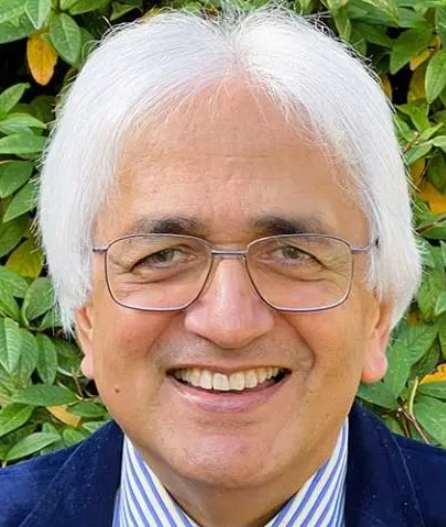 Alimuddin Zumla合作论文数Division of Infection and Immunity, University College London4Luchenga Adam Mucheleng'anga合作论文数3Peter Mwaba合作论文数3
 Peter Julius合作论文数2Amos Hamukale合作论文数2
 Peter S Nyasulu,合作论文数2Viktor Telendiy合作论文数2Suzyani Simumba合作论文数2Patrick Lungu合作论文数2
 Jeremiah Chakaya合作论文数2
 Jean B. Nachega合作论文数Bloomberg School of Public Health, Johns Hopkins University;Centre for Infectious Diseases, Faculty of Medicine and Health Sciences, Stellenbosch University2
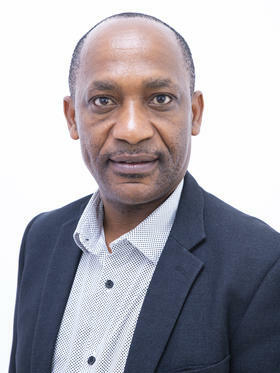 Sayoki Mfinanga合作论文数Liverpool School of Tropical Medicine;NIMR Muhimbili Centre;Nelson Mandela African Institute of Science and Technology;National institute for Medical Research , Muhimbili Centre;University of Bergen2
 Ansumana Rashid合作论文数Mercy Hospital Research Laboratory, Kulanda Town, Bo, Sierra Leone2Chanda-Kapata Pascalina合作论文数2
 Matthew Adam Bates合作论文数University College London Medical School, University Teaching Hospital2
 Danny Asogun合作论文数2
 Dorothy Yeboah-Manu合作论文数Noguchi Mem Inst Med Res, Univ Ghana2Pontiano Kaleebu合作论文数1Charles Mutemba合作论文数1Brian Munkombwe合作论文数1Chomba Mwango合作论文数1Aaron Lunda Shibemba合作论文数1
 Francisco Veas合作论文数1Aaron Nyirenda合作论文数1Motoyuki Yuasa合作论文数1Yuta Yokobori合作论文数1Aisha Ahmed Abubakar合作论文数1
 Stepfanie Siyumbwa合作论文数Sch Med, Dept Pathol & Microbiol, POB 50110, Lusaka, Zambia1Jun Matsuura合作论文数1
 Richard Anthony Kock合作论文数Royal Veterinary College1
 Esam Ibraheem Ahmed Azhar合作论文数Department of Laboratory Technology, Faculty of Applied Medical Sciences, King Abdulaziz University;King Fahd Medical Research Center, King Abdulaziz University1
 Bockarie Moses J合作论文数Ctr Neglected Trop Dis, Univ Liverpool1Muyembe-Tamfum Jean-Jacques合作论文数1
 Tatiana C A Pinto合作论文数1Montaldo Chiara合作论文数1
 Thirumalaisamy P Velavan合作论文数Inst Trop Med, Univ Tubingen1
 Thomas Nyirenda合作论文数European Developing Countries Clinical trials Partnership1Obiero Christina W合作论文数1
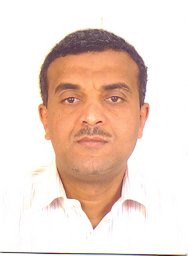 Muzamil Mahdi Abdel Hamid合作论文数Institute of Endemic Diseases, University of Khartoum1
 Haider Najmul合作论文数Centre for Communicable Diseases, International Centre for Diarrheal Diseases Research1
 Richard Yapi合作论文数1
 Eskild Petersen合作论文数Institute for Clinical Medicine, Faculty of Health Science, Aarhus University1
 Sarah Edwards合作论文数University College London1
 Laura D. Kramer合作论文数The RNA Institute, Department of Biomedical Sciences, College of Integrated Health Sciences, State University of New York at Albany;Arbovirus Laboratory, Wadsworth Center, New York State Department of Health1
 Giuseppe Ippolito合作论文数Saint Camillus International University of Health and Medical Sciences1




