Vitamin K 2,3-epoxide reductase complex subunit 1-like 1 (VKORC1L1) catalyzes the reduction of vitamin K within the endoplasmic reticulum (ER) and has recently been shown to suppress ferroptosis. However, its physiological role remains largely unknown. Here, we show that Vkorc1l1-/- mice spontaneously developed progressive stages of steatotic liver disease (SLD) on a chow diet, independent of metabolic dysfunction. Mechanistically, despite the loss of VKORC1L1-mediated ferroptosis suppression, Vkorc1l1-/- mice activated compensatory NRF2-driven antioxidant responses and enhanced hepatic triacylglycerol (TAG) synthesis. These adaptations promoted the sequestration of polyunsaturated fatty acids into lipid droplets (LDs), thereby limiting ferroptosis-induced hepatic injury. Furthermore, metabolism of Vkorc1l1-/- mice was reprogrammed to a chronic fasting-like phenotype characterized by with enhanced mitochondrial function. Notably, the radical-trapping antioxidant menaquinone-4, but not phylloquinone, both of which are substrates of VKORC1L1, decreased lipid droplet number, whereas inhibition of VKORC1L1 through warfarin enhanced LD biogenesis in HepG2 cells. In humans, a common VKORC1L1 risk haplotype was associated with reduced hepatic VKORC1L1 expression and with increased risk of metabolic dysfunction-associated steatotic liver disease in the UK Biobank and alcohol-associated liver cirrhosis in case–control cohorts. This work identifies VKORC1L1 as a key regulator of SLD pathogenesis by orchestrating metabolic rewiring to maintain redox homeostasis and suppress ferroptosis in vivo.
Synthetic biology has fundamentally advanced cell engineering and helped to develop effective therapeutics such as chimeric antigen receptor (CAR)-T cells. For these applications, the detection, localization, and quantification of heterologous fusion proteins assembled from interchangeable building blocks is of high importance. The V5 tag, a 14-residue epitope tag, offers promising characteristics for these applications but has only rarely been used in this context. Thus, we have systematically evaluated the murine anti-V5 tag antibody mu_SV5-Pk1 as well as its humanized version, hu_SV5-Pk1, to analyze cells expressing V5-tagged receptors in samples from various in vitro and in vivo experiments. We found that the V5 tag signal on cells is affected by certain fixation and detachment reagents. Immunohistochemistry (IHC) on formalin-fixed paraffin-embedded (FFPE) mouse tissue samples was performed to sensitively detect cells in tissue. We improved IHC by applying the hu_SV5-Pk1 monoclonal antibody (mAb) to avoid cross-reactivity within and unspecific background signals arising on fixed mouse tissue. Conversely, the absence of unspecific binding by the mu_SV5-Pk1 mAb was evaluated on 46 human normal or cancer tissues. Our findings present a robust toolbox for utilizing the V5 tag and cognate antibodies in synthetic biology applications.
T cell priming is characterized by an initial activation phase that involves stable interactions with dendritic cells (DCs). How activated T cells receive the paracrine signals required for their differentiation once they have disengaged from DCs and resumed their migration has been unclear. We identified a distinct priming phase that favors CD8 T cells expressing receptors with high affinity for antigen. CXCR3 expression by CD8 T cells was required for their hours-long reengagement with DCs in specific subfollicular niches in lymph nodes. CD4 T cells paused briefly at the sites of CD8 T cell and DC interactions and provided Interleukin-2 (IL-2) before moving to another DC. Our results highlight a previously unappreciated phase of cell-cell interactions during T cell priming and have direct implications for vaccinations and cellular immunotherapies.
Intestinal stem cells (ISCs) promote tissue repair after genotoxic or immune-mediated injury. However, ISCs are particularly sensitive to various stressors and primary targets of overwhelming immune responses, such as interferon γ (IFNγ)-mediated killing. In mouse models of radiation therapy-induced gut damage and in biopsies from patients who underwent allogeneic hematopoietic stem cell transplantation, we observed IFNγ expression by intestinal Treg cells. Treg cells leverage combined IFNγ and interleukin 10 (IL-10) stimulation of ISCs to nurture the growth of intestinal organoids through the activation of the mTORC1 and Myc pathways. Similarly, Treg cells or the combined addition of recombinant IFNγ and IL-10 promoted the regeneration of organoids after irradiation, and both cytokines were essential for ensuring epithelial regeneration following acute intestinal tissue injury in vivo. The exposure of organoids to growth factor-free culture conditions revealed distinct EGF-like properties of IFNγ and Wnt-like properties of IL-10. While IFNγ rapidly induced epithelial proliferation, it depleted the pool of ISCs in vitro. Only the combination of IFNγ and IL-10 led to epithelial proliferation and organoid growth while simultaneously ensuring ISC maintenance over time. Our results reveal a context-dependent role of inflammatory signaling in ISCs, through which Treg cells promote epithelial repair following therapy-induced injury.
Enterococcus faecium is difficult to treat owing to its intrinsic and acquired resistance to antibiotics, particularly vancomycin. Vancomycin-resistant Enterococcus faecium is an important cause of bloodstream infections in healthcare settings with limited treatment options. This study aimed to analyze the risk factors for vancomycin-resistant Enterococcus faecium bloodstream infection. This retrospective analysis of data from the Munich Multicentric Enterococci Cohort analyzed 200 episodes of nonrecurrent vancomycin-susceptible Enterococcus faecium bloodstream infection and 196 episodes of nonrecurrent vancomycin-resistant Enterococcus faecium bloodstream infection from six hospitals in Munich, Germany, between 2010 and 2019. Logistic regression was used to identify risk factors for vancomycin-resistant Enterococcus faecium bloodstream infection. In the unadjusted analysis, the risk factors for vancomycin-resistant Enterococcus faecium bloodstream infection included the length of hospital stay, previous treatment with vancomycin or linezolid, and solid organ transplantation. In the multivariable analysis, prior treatment with vancomycin and solid organ transplantation were independent risk factors for vancomycin-resistant Enterococcus faecium bloodstream infection. Vancomycin resistance was not significantly associated with the severity of underlying diseases. This study identified prior vancomycin treatment and solid organ transplantation as key independent risk factors for vancomycin-resistant Enterococcus faecium bloodstream infection. IMPORTANCE:Vancomycin-resistant Enterococcus faecium is a growing threat in healthcare settings, challenging the management of enterococcal infections. This study identified prior treatment with vancomycin and solid organ transplantation as risk factors for vancomycin-resistant Enterococcus faecium bloodstream infections. Based on the analysis of five disease severity scores for acute and chronic illness, the severity of underlying diseases could not be demonstrated to be a risk factor for the occurrence of vancomycin resistance in Enterococcus faecium bloodstream infections.
Autoreactive CD4+ cells control the immune response in chronic autoimmune diseases but remain difficult to track. The ex vivo characterization of autoreactive T cells is essential to understand their function and how they adapt to chronic autoimmunity. Neuromyelitis optica spectrum disorder is a prototypic autoimmune disease of the central nervous system targeting aquaporin-4 (AQP4). AQP4-specific CD4+ T cells are centrally involved in disease development. However, their functional and molecular properties are poorly characterized. We combined HLA-tetramer- and antigen-reactive T cell enrichment and scRNA sequencing to characterize ex vivo AQP4-specific CD4+ T cells isolated from blood of patients and healthy donors. Surprisingly, in AQP4-antibody+ NMOSD patients, autoreactive T cells showed reduced proliferative capacity and pro-inflammatory cytokines. Instead, exhaustion-associated co-inhibitory receptors were co-expressed together with FOXP3. The proliferative blockade of autoreactive T cells was reversed in vitro by checkpoint inhibition. The same exhaustion-like phenotype was demonstrated in autoimmune hepatitis and bullous pemphigoid. We identified a new exhaustion-like T cell phenotype and a potential role of FOXP3 for the regulation of chronic autoreactivity in human autoimmune disease. Our data suggest CD4+ T cell exhaustion as a common mechanism of adaptation to chronic self-stimulation across disease types with important implications for their therapeutic targeting Basic Autoimmunity (BA)
The microbiome is a complex host factor and key determinant of the outcome of antibody-based and cellular immunotherapy. Its postbiotics are a blend of soluble commensal byproducts that are released into the host environment and have been associated with the regulation of immune homeostasis, particularly through impacts on epigenetics and cell signaling. In this study, we show that the postbiotic pentanoate is metabolized to citrate within the TCA cycle via both the acetyl- and succinyl-CoA entry points, a feature uniquely enabled by the chemical structure of the C5 aliphatic chain. We identified ATP-citrate lyase as the crucial factor that redirects pentanoate-derived citrate from the succinyl-CoA route to the nucleus, thereby linking metabolic output and histone acetylation. This epigenetic-metabolic crosstalk mitigated T cell exhaustion and promoted naive-like differentiation in pentanoate-programmed chimeric antigen receptor (CAR) T cells. The predictive and therapeutic potential of pentanoate was corroborated in two independent patient cohorts and three syngeneic models of CAR T adoptive therapy. Our data demonstrate that postbiotics are integrated into mitochondrial metabolism and subsequently incorporated as epigenetic imprints. This bridge between microbial and mammalian interspecies communication can ultimately impact T cell differentiation and efficacy.
Clonal expansion is a hallmark of adaptive immunity and has been challenging to investigate in humans in a standardized manner compared with animal models. We studied a cohort of 29 healthy individuals who received three mRNA vaccinations against SARS-CoV-2 before a breakthrough infection. We characterized the magnitude, phenotype, and clonal composition of CD8 T cell responses against 16 epitope specificities by ELISpot; flow cytometry; and single-cell RNA, protein, and T cell receptor (TCR) sequencing. One hundred six TCRs from five epitope-specific repertoires were reexpressed and tested for peptide sensitivity. Whereas vaccination-recruited T cell repertoires were enriched for high-avidity TCRs, differential clonal expansion was not linked to fine avidity differences. Instead, maintenance of polyclonality ensured robustness in counteracting viral mutational escape through altered epitopes. Deciphering the functionality of human antigen-specific T cell repertoires instructs our understanding of human T cell biology and may guide the development of vaccines and other immunotherapies.
 Martin Hrabě de Angelis合作论文数Helmholtz Zentrum München GmbH;Technical University München Germany66
 Helmut Fuchs合作论文数60
 Kilian Schober合作论文数Universitätsklinikum Erlangen, Friedrich-Alexander-Universität (FAU) Erlangen-Nürnberg58
 Gailus-Durner Valérie合作论文数German Res Ctr Environm Hlth GmbH, Helmholtz Zentrum Munchen58
 Buchholz Veit R合作论文数Inst Med Microbiol Immunol & Hyg, Tech Univ Munich49
 Matthias Schiemann合作论文数48Thure Adler合作论文数45
 Angela M Krackhardt合作论文数45
 Eckhard Wolf合作论文数Gene Center, Ludwig-Maximilians-Universität München;Department of Biochemistry, Ludwig-Maximilians-Universität München;Institut für Molekulare Tierzucht und Biotechnologie, Ludwig-Maximilians-Universität München44Sebastian Jarosch合作论文数TUM, Inst Med Microbiol Immunol & Hyg, Munich, Germany42
 Birgit Rathkolb合作论文数42
 Markus Gerhard合作论文数Inst Med Microbiol Immunol & Hyg, Tech Univ Munich33
 Lore Becker合作论文数32Stefan Burdach合作论文数31
 Jan Rozman合作论文数ZIEL Research Center for Nutrition and Food Sciences, Technische Universität München31
 Thomas Klopstock合作论文数30
 Wolfgang Wurst合作论文数Institute of Developmental Genetics, Helmholtz Zentrum München Deutsches Forschungszentrum für Gesundheit und Umwelt;Department of Life Sciences, Technische Universität München;Deutsches Zentrum für Neurodegenerative Erkrankungen in der Helmholtz-Gemeinschaft30
 Markus Ollert合作论文数Klinik und Poliklinik für Dermatologie und Allergologie, Technical University of Munich;Faculty of Health Sciences, University of Southern Denmark;Department of Infection and Immunity, Luxembourg Institute of Health;PLS-Design GmbH30
 Martin Klingenspor合作论文数School of Life Sciences, Technische Universitat Munchen29
 Ulrike Protzer合作论文数Institute of Virology, School of Medicine and Health, Technical University of Munich;Helmholtz Zentrum München28
 Michael Neuenhahn合作论文数28
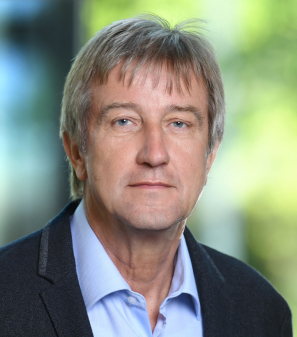 Wolfgang Uckert合作论文数Berlin Center for Advanced Therapies, Max-Delbrück-Centrum für Molekulare Medizin27
 Julia Calzada-Wack合作论文数27
 Hölter Sabine M合作论文数Inst Dev Genet, Helmholtz Zentrum Munchen25Johannes Beckers合作论文数24
 Jochen Graw合作论文数Laboratory of Molecular Eye Development, Institute of Developmental Genetics, German Research Center for Environmental Health, Helmholtz Center Munich;Technical University of Munich23Christian Stemberger合作论文数23Wolfgang Hans合作论文数23Richard Klar合作论文数Secarna Pharmaceut GmbH & Co KG, Planegg Martinsried, Germany22
 Juan Antonio Aguilar-Pimentel合作论文数22Elvira D'Ippolito合作论文数21
 Eric Gerd Pamer合作论文数Department of Microbiology, University of Chicago;Duchossois Family Institute, University of Chicago21Thiel Uwe合作论文数20
 Andreas Zimmer合作论文数Institute of Molecular Psychiatry, University of Bonn20
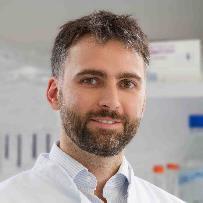 Thomas Georg Philipp Grünewald合作论文数Max-Eder Research Group for Pediatric Sarcoma Biology, Institute of Pathology, Faculty of Medicine, LMU Munich/Institute of Pathology, Faculty of Medicine, LMU Munich/Hopp-Children’s Cancer Center (KiTZ)/Division of Translational Pediatric Sarcoma Research, German Cancer Research Center (DKFZ)/German Cancer Consortium (DKTK)/Institute of Pathology, University Hospital Heidelberg20
 Ildiko Racz合作论文数N-Gene R&D20
 Irina Treise合作论文数German Res Ctr Environm Hlth, Helmholtz Zentrum Munchen, Inst Expt Genet, Munich, Germany19Garrett Lillian合作论文数19
 Roland M. Schmid合作论文数Klinik und Poliklinik für Innere Medizin II, TUM Universitätsklinikum;School of Medicine and Health, Technical University of Munich19
 Christian Peschel合作论文数19
 Jerzy Adamski合作论文数Institute of Biochemistry, Faculty of Medicine, University of Ljubljana;Metaron Diagnostics;National University of Singapore;Technical University of Munich, Institute of Experimental Genetics19Marion Horsch合作论文数19
 Lothar Germeroth合作论文数19Kathrin Rothe合作论文数18Huster Katharina M合作论文数18
 Katja Steiger合作论文数Institute of Pathology, TUM School of Medicine, Technical University of Munich17
 Georg Gasteiger合作论文数Institut für Systemimmunologie, Julius-Maximilians-Universität Würzburg17
 Ingo Drexler合作论文数17
 Cornelia Prehn合作论文数Metabolomics Lab in the Metabolomics and Proteomics Core, Helmholtz Zentrum München, Deutsches Forschungszentrum für Gesundheit und Umwelt17




