This study aimed to evaluate the associations between the level of compliance with preventive measures during the COVID-19 pandemic and sociodemographic characteristics and personality traits in Türkiye. The data of this cross-sectional study was collected in February – March 2022, during the fourth wave of the pandemic in Türkiye. A total of 1228 individuals participated in the study via online questionnaire. The COVID-19 Prevention Guidelines Compliance Scale (C-PGC) was used to evaluate adherence to COVID-19 prevention measures, while the Ten-Item Personality Inventory was used to assess personality traits. Of the participants, 57.7% were women, and the median age was 50 years. The majority were university graduates (55.6%), married (61.5%), and resided in an urban center (82.4%). The multivariate linear regression analysis revealed that compliance with COVID-19 preventive measures was higher among females (β=2.535, p
Amaç: Tıp fakültesi öğrencileri, 6 yıllık eğitimlerinin ardından çalışma koşulları, TUS puanları, branş tercihleri, nöbet yükü, maaş, malpraktis riski ve sağlık politikaları gibi çeşitli faktörler doğrultusunda kariyer planlarını şekillendirmektedir. Son yıllarda Türkiye’den yurt dışına gitmek isteyen hekim sayısındaki büyük artış, bu konunun önemini vurgulamaktadır. Bu çalışmanın amacı İstanbul’daki kamuya ait bir tıp fakültesinde eğitim görmekte olan 6. sınıf öğrencilerinin (intörn hekim) kariyer planlarını ve bu planları etkileyen durumları niteliksel olarak araştırmaktır. Gereç ve Yöntem: Niteliksel tipte planlanan ve fenomenolojik desen kullanılan bu araştırma, İstanbul’daki bir kamu tıp fakültesinde eğitimine devam eden 13 intörn hekim ile derinlemesine görüşme tekniği ile çevrimiçi olarak yapılmıştır. Önceden belirlenen kavramsal çerçeveye uygun olarak araştırmacılar tarafından hazırlanan yarı-yapılandırılmış sorular ile görüşmeler gerçekleştirilmiştir. İntörn hekimlerden daha önceden yurt dışına gitmeyi düşündüğü bilinen 1 öğrenci ile görüşme yapıldıktan sonra, kartopu yöntemi ile Türkiye’de kalmak isteyen 5, yurt dışına gitmeyi düşünen 3 ve kararsız olanlardan 4 katılımcı olmak üzere toplam 13 katılımcıya ulaşılmıştır. Veri doygunluğuna ulaşıldıktan sonra görüşmeler sonlandırılmıştır. Görüşmeler 4 araştırmacı tarafından yapılmış ve yaklaşık 30-45 dakika sürmüştür. Yapılan görüşmelerin dijital ortamda yazıya dökülmesinin ardından transkriptler 4 araştırmacı tarafında kodlanmış ve tematik analizle değerlendirilmiştir. Analiz için Atlasti programı kullanılmıştır. Araştırma için Marmara Üniversitesi Etik Komitesi’nden (07.01.2022-09.2022.23) izin alınmıştır. Ayrıca araştırmaya katılan kişilerin onamları alınmıştır. Bulgular: Katılımcıların 6’sı kadın, 7’si erkektir. Görüşmelerin analizlerinden elde edilen kodlar 4 ana tema altında toplanmıştır. Bu ana temalar “Mezuniyet sonrası beklentiler”, “Yurt dışına gitmek isteme sebepleri”, “Türkiye’de kalmak isteme sebepleri”, “Yurt dışına gidiş ve dönüş planları”dır. İntörn doktorlar, mezuniyet sonrası daha iyi çalışma koşulları, sosyal yaşantılarına vakit ayırma ve ekonomik açıdan daha rahat olma beklentisi taşımaktadır. Yurt dışına gitmek isteme sebepleri temasında katılımcılar doktor maaşlarının yetersizliğinden ve hekimlik uygulamalarında maddi ve manevi karşılığını alamadıklarından bahsetmişlerdir. Yine katılımcılar sağlıkta şiddet konusunda yaşadıkları endişeleri dile getirmiştir. Türkiye’de kalmak isteme sebepleri temasında katılımcılar yabancı dili bir engel olarak görmekte olup, ana dilde meslek icra etmenin tatmin edici olduğunu ifade etmiştir. Türkiye’de kalmak isteyen katılımcıların çoğu yurt dışında farklı bir kültürle karşılaşacaklarını ve bundan endişe duyduklarını belirtmişlerdir. Yurt dışına gitmeyi planlayanlar, çalışma saatlerinde düzenleme yapılması, sağlıkta şiddete karşı caydırıcı önlemler alınması, akademisyen göçünün azalması, maaş iyileştirmeleri yapılması ve doktorlara yönelik politik söylemlerin değişmesi halinde Türkiye’de kalabileceklerini belirtmiştir. Sonuç: Katılımcıların yurt dışına gitme istemesinde ekonomik nedenler, çalışma şartlarının ağır ve iş yükünün fazla olması, sağlıkta şiddetin önüne geçilememesi gibi nedenler başı çekmektedir. Kararsız olanların ve yurt dışına gitmeyi planlayanların ise bu konularda iyileştirme yapıldığında nihai kararlarının değişebileceği görülmüştür. Türkiye’den yurt dışına yapılan beyin göçünün doğuracağı sonuçlar ciddi olacaktır. Hekim göçüne neden olan faktörlerin iyileştirilmesi yönündeki müdahalelerin zamanında yapılması önemlidir.
Abstract Background and aim Healthy living behaviors can prevent many chronic diseases. This study aimed to explore qualitative perceptions and behaviors about healthy lifestyles in a district’s residents. Methods This qualitative research was conducted through in-depth interviews with 24 participants aged 28 to 63 in Türkiye. Results Of the 24 participants, six were men. The themes were daily routines; health information-seeking behavior, beliefs, motivation for healthy living, dietary habits, daily movement, psychological relaxation, unhealthy behaviors, facilitators, and barriers. Individuals’ daily routines were shaped by caregiving duties or work. Health information was preferred from professionals, TV, family health history, and the Internet. Male participants lacked the need to seek health information. Also, some participants believed that diseases are unavoidable and incurable. People with growing children or a family member with a serious illness like cancer often report practicing healthy behaviors. Participants have different healthy eating patterns, including organic eating, home cooking, regular meals, more fruits and vegetables, increased water intake, avoiding late-night eating, and steering clear of packaged foods, salt, and sugar. Many participants walked regularly for physical and mental health; they also expressed avoiding negative people and engaging in hobbies and social activities to maintain psychological well-being. Smoking participants had attempted to quit smoking. Some participants said that adding salt to their food before tasting. Factors cited as hindering healthy behaviors included lack of time, financial constraints, and cultural reasons. Conclusions Despite awareness of healthy living, many participants struggle to implement it due to lack of motivation, busy work schedules, social and physical environments, and economic factors. Multisectoral collaboration to create environments that support healthy behaviors can improve public health.
Giriş ve amaç: Pandemic sürecinden öğrenciler de önemli ölçüde etkilenmiştir. Tüm dünyada olduğu gibi ülkemizde de kısıtlamaların etkisi ile yüz yüze eğitime ara verilerek online eğitime geçilmiştir. Tıp fakültesinde okuyan öğrenciler ise pratik eğitimlerine kişisel koruyucu önlemleri alarak devam etmiş ve olası COVID-19 hastalarıyla yakın temas ihtimalleri artmıştır. Bu araştırmada bir tıp fakültesindeki öğrencilerin COVID-19 aşılanma durumlarının belirlenmesi ve ilişkili değişkenlerin değerlendirilmesi amaçlanmıştır. Gereç ve yöntem: Kesitsel tipte bir araştırmadır. Şubat-Mart 2022 tarihlerinde 662 kişiden çevrimiçi anket toplanmıştır. COVID-19 geçirme ve aşısı yaptırma durumu ile ilgili kategorik değişkenler Ki-Kare testi ile analiz edilmiştir. Aşı yaptırma durumu cinsiyet, sınıf, vücut kitle indeksi, kronik hastalık, sigara içme, staj sırasında hastanede olma, yaşadığı yer, kendine ait oda, mevsimsel grip aşısı yaptırma ve COVID-19 geçirme durumu ile logistik regresyon modeli oluşturularak değerlendirilmiştir. İstatistiksel anlamlılık düzeyi olarak p
BACKGROUND:According to the World Health Organization's recommendation, delayed cord clamping in term newborns can have various benefits. Cochrane metaanalyses reported no differences for mortality and early neonatal morbidity although a limited number of studies investigated long-term neurodevelopmental outcomes. The aim of our study is to compare the postnatal cerebral tissue oxygenation values in babies with early versus delayed cord clamping born after elective cesarean section. METHODS:In this study, a total of 80 term newborns delivered by elective cesarean section were included. Infants were randomly grouped as early (clamped within 15 s, n:40) and delayed cord clamping (at the 60th second, n:40) groups. Peripheral arterial oxygen saturation (SpO2) and heart rate were measured by pulse oximetry while regional oxygen saturation of the brain (rSO2) was measured with near-infrared spectrometer. Fractional tissue oxygen extraction (FTOE) was calculated for every minute between the 3rd and 15th minute after birth. (FTOE = pulse oximetry value-rSO2/pulse oximetry value). The measurements were compared for both groups. RESULTS:The demographical characteristics, SpO2 levels (except postnatal 6th, 8th, and 14th minutes favoring DCC p < 0.05), heart rates and umbilical cord blood gas values were not significantly different between the groups (p > 0.05). rSO2 values were significantly higher while FTOE values were significantly lower for every minute between the 3rd and 15th minutes after birth in the delayed cord clamping group (p < 0.05). CONCLUSION:Our study revealed a significant increase in cerebral rsO2 values and a decrease in FTOE values in the delayed cord clamping (DCC) group, indicating a positive impact on cerebral oxygenation and hemodynamics. Furthermore, the DCC group exhibited a higher proportion of infants with cerebral rSO2 levels above the 90th percentile. This higher proportion, along with a lower of those with such parameter below the 10th percentile, suggest that DCC may lead to the targeted/optimal cerebral oxygenetaion of these babies. As a result, we recommend measuring cerebral oxygenation, in addition to peripheral SpO2, for infants experiencing perinatal hypoxia and receiving supplemental oxygen.
Purpose: It was aimed to evaluate the sun protectionmethods and skin cancer risk factors among medicalstudents.Materials and Methods: The universe of thedescriptive research is 1,2,3,4,5 and 6th gradestudents (1482 students) of the medical faculty of astate university. It was aimed to reach the wholeuniverse, no sample size was calculated. Thequestionnaire was delivered via WhatsApp inNovember-December 2021. Sociodemographicinformation, skin cancer risk factors, sun protectionmethods were questioned (38 questions). Thebehaviors of sun protection methods were evaluatedby scoring the questions (6 questions). Higher scoreindicates higher protection behavior. Median,minimum, maximum values, numbers (n) andpercentages (%) were used for descriptive data. TheMann Whitney U test was used to compare thequantitative variables that did not fit the normaldistribution. The significance level was consideredas p<0.05.Results: Of the participants 58.3% (n=354) werewomen, 25.2% (n=153) were sixth grade. Of thestudents 34.9% (n=212) use sunscreen, 32.3%(n=196) use a hat, 39.9% (n=242) use sunglassesonly in summer. Of the students 48.9% (n=297) hadFitzpatrick skin type 3, 20.3% (n=484) reportedhaving more than 50 nevi, 37.2% (n=226) reportedhaving nevi larger than 2 mm. Female students,students educating in upper classes and living incoastal areas, having Type 1-2-3 skin types andfreckles had higher sun protection behavior scores(p<0.05).Conclusions: The rate of medical faculty studentspaying attention to sun protection methods is notsufficient. Awareness on this issue should beincreased
Population Medicine considers the following types of articles:• Research Papers -reports of data from original research or secondary dataset analyses.• Review Papers -comprehensive, authoritative, reviews within the journal's scope.These include both systematic reviews and narrative reviews.• Short Reports -brief reports of data from original research.• Policy Case Studies -brief articles on policy development at a regional or national level.• Study Protocols -articles describing a research protocol of a study.• Methodology Papers -papers that present different methodological approaches that can be used to investigate problems in a relevant scientific field and to encourage innovation.• Methodology Papers -papers that present different methodological approaches that can be used to investigate problems in a relevant scientific field and to encourage innovation.
Abstract Background Identifying motives of the patients’ decision to be vaccinated against COVID-19 and assessing their attitudes towards the vaccine will provide them acquire the most convenient health care. The aim of this study is to assess the cancer patients’ COVID-19 vaccine literacy and attitudes toward the vaccine. Methods This cross-sectional study included 198 participants who were submitted treatment from the oncology department of Pendik Training and Research Hospital in October 2022. The socio-demographic and clinical characteristics were examined, including the knowledge on COVID-19 infection and vaccination. COVID-19 Vaccine Literacy Scale and Attitudes Towards COVID-19 Vaccine Scale were evaluated. Mann Whitney U and Kruskal Wallis tests are used in SPSS 28. The statistical significance was set at 0.05 level. Results All of the patients had at least one malignancy history, and 88.4% (n = 175) of them had received at least one COVID-19 vaccine. Positive vaccination attitude was higher in those patients who are male (p < 0.05) or older than 60 years (p < 0.001). The vaccine literacy was higher in the male patients, those who had higher education, and those who had vaccination intention (p < 0.05, p < 0.05, p < 0.05). The ones who get influenza or pneumococcal vaccines were more likely to have the next COVID-19 vaccine (p < 0.05, p < 0.05). The male patients had higher scores in functional skills (p < 0.05). While functional skill scores were lowest in those aged 18 to 45 (p < 0.05), communication skill scores were highest (p < 0.05). Conclusions As with all infectious diseases, COVID-19 is an important public health concern. Identifying risk groups of the community based on the vaccine attitude would allow health practitioners and policymakers to be prepared for probable crisis situations such as pandemic. Key messages • Special groups such as cancer patients are needed to be specifically assessed about the possible outcomes of the vaccination. • It is essential to provide vaccination consultation during pandemics due to the limited availability and accessibility of healthcare services.
Background Perinatal mental health is a major public health concern. In Turkey, public hospitals operate pregnancy schools which provides an opportunity to integrate an evidence-based Thinking Healthy Programme (THP) for perinatal depression. The aim of this study is to adapt the THP for universal use in the group setting and to understand its acceptability and feasibility for integration into the existing antenatal care programme for both face-to-face and online delivery. Methods Following an expert-led adaptation process using the Bernal Framework, field testing was conducted on a group of women and facilitators followed by in-depth interviews (n:8) and group discussions (n = 13). Data were analysed using Thematic Framework Analysis. Results Minor but significant adaptations were made to the individually delivered THP for use in the universal group pregnancy schools. Initial findings indicate that the THP-group version was acceptable to its target population and could be integrated into the antenatal care plan for delivery during face-to-face and online group classes. Conclusion THP is transferable to the Turkish cultural and healthcare context. The THP–group version has the potential to add value to Turkey’s existing perinatal healthcare programme.
One of the groups experiencing the pandemic’s effects were students. This study was aimed to evaluate the effects of the COVID-19 pandemic on the lives of medical students and also to see their perspectives about the pandemic. This study is designed as a qualitative study. In-depth interviews were conducted with 30 medical students on an online platform in February 2022, at the end of the third peak period. A semi-structured question guide used as a data collection tool. First, questions about individual characteristics then open-ended questions about their COVID-19 pandemic perception and its impact on their lives were asked. The thematic analysis method was used and "Life in the pandemic" were grouped into two main themes: 1.Perception of the Pandemic and Consequent Impact on Life and 2. Pandemic Period and Its Impact on Life. The median age was 22. Half of the participants have been diagnosed with COVID-19. All of the participants were vaccinated. In this study it has been observed that the majority of the medical students have perceived the COVID-19 pandemic as a difficult period and also as a new, uncertain and adverse situation. Another adverse effect perceived by the majority was restriction of social life. Fear and anxiety were most commonly used to express their mood during the pandemic. During the pandemic students individual, mental and social lives are highly affected. While negative effects are generally seen during the social isolation process, this situation has eased with the normalisation of the process.
Giriş: Beslenme ve fiziksel aktivite davranışlarının değerlendirilmesi, sağlık belirleyicilerini değerlendirmeye ve ileriye yönelik müdahalelerin planlanmasına yardımcı olmaktadır. Sağlıkla iç içe iki bölümünde okuyan öğrencilerin beslenme ve fiziksel aktivite düzeylerinin değerlendirilmesi sağlıkla ilgili sorunları önlemek için önemlidir. Bu çalışmayla spor bilimleri fakültesi ve tıp fakültesinde okuyan öğrencilerin beslenme ve fiziksel aktivitelerinin değerlendirilmesi amaçlanmıştır. Yöntem: Bu çalışma tanımlayıcı tipte bir araştırmadır. Örneklem seçilmemiş olup üniversitenin tıp fakültesi 1. 2. ve 3. sınıf öğrencileri (n=642) ile spor bilimleri fakültesi 1. 2. ve 3. sınıf öğrencilerine (n=773) çevrimiçi ortamdan anketler iletilmiştir. Anket bireysel sorular, Beslenme ve Egzersiz Davranış Ölçeği (BEDÖ) ve Uluslararası Fiziksel Aktivite Anketi (UFAA) olmak üzere 3 bölümden oluşmaktadır. Verilerin analizi Jamovi programında yapılmıştır, istatistiksel anlamlılık değeri p <0.05 olarak kabul edilmiştir. Bulgular: Çalışmaya 233 öğrenci katılmıştır. Katılımcıların yaş ortalaması 20,04±2,01. Çalışmaya katılan tıp fakültesi öğrencilerinin 65’i erkek (%27,8), 83’ü kadın (%35,6); spor bilimleri (SBF) öğrencilerinin 50’si (%21,4), erkek 35’i kadındır (%15,0). Tıp ve spor bilimleri fakültesi öğrencilerinin BEDÖ puanları tüm alt boyutlarda istatistiksel anlamlılık göstermektedir. Spor bilimleri fakültesi öğrencilerinin UFAA skorlarının medyan değeri 2922,0 MET dk/hafta (çok aktif) iken tıp fakültesi öğrencilerinin UFAA skorlarının medyan değeri 1459,5 MET dk/haftadır (minimal aktif) (p<0,001). Erkekler daha sağlıklı beslenme davranışı ve psikolojik yeme davranışını sergilemekle birlikte fiziksel olarak daha aktiftirler. Sonuç: Spor bilimleri fakültesi öğrencileri beslenme davranış puanları tıp fakültesi öğrencilerine nazaran daha yüksektir. Ayrıca tıp fakültesi öğrencilerine nazaran daha aktiftirler.
Background Women with perinatal depression and their children are at increased risk of poor health outcomes. There is a need to implement non-stigmatizing interventions into existing health systems which reduce psychosocial distress during pregnancy and prevent perinatal depression. We adapted the WHO-endorsed Thinking Healthy Programme (THP) to be delivered universally to all women attending routine online pregnancy schools in Istanbul, Turkey. This study aimed to evaluate the feasibility and acceptability of this intervention. Methods This mixed-methods study incorporated a two-arm pilot randomized controlled trial and qualitative evaluation of the feasibility and acceptability of the adapted THP – Brief Group version (THP-BGV) to a range of stakeholders. We recruited pregnant women at 12-30 weeks’ gestation through pregnancy schools within the University Hospital’s catchment area. Women in the intervention arm received five online sessions of the THP-BGV delivered by antenatal nurses. The intervention employed principles of cognitive behaviour therapy to provide psychoeducation, behaviour activation, problem-solving strategies and group support to participants. In the control arm, women received usual care consisting of routine online educational pregnancy classes aided by the antenatal nurses. The women were assessed for depressive symptoms with the Edinburgh Postnatal Depression Scale at baseline and 4-6 weeks post-intervention and also evaluated for anxiety, perceived social support, partner relationship, level of disability and sleep quality. In-depth interviews were conducted with women and other key stakeholders. Results Of the 99 consecutive women referred to the pregnancy schools, 91 (91.9%) were eligible and 88 (88.8%) consented to participate in the study and were randomized. Eighty-two (83%) completed the final assessments. Our main findings were that this preventive group intervention was feasible to be integrated into routine antenatal educational classes and it was valued by the women and delivery-agents. While the study was not powered to detect differences between intervention and control conditions, we found small trends towards reduction in anxiety and depressive symptoms favoring the intervention arm. No serious adverse events were reported. Conclusions: Given the paucity of preventive interventions for perinatal depression in low and middle-income countries, a fully powered definitive randomized controlled trial of this feasible and acceptable intervention should be conducted. Trial registration: The study was registered at Clinical Trails.gov (NCT04819711) (Registration Date: 29/03/2021).
Giriş ve Amaç: Üniversite öğrencileri beslenme sorunlarının en fazla görüldüğü gruplardan biridir.Çalışmada, üniversite öğrencilerinde algılanan stres düzeyi ve yeme farkındalığı arasındaki ilişkiyi belirlemek amaçlanmıştır
To the Editor, We would like to acknowledge Ozgur and Eser for their valuable comments regarding our article entitled “Adaptation of the knowledge about childhood autism among health workers questionnaire: Turkish version” [1, 2]. In their letter, Ozgur and Eser [2] indicate that removing some items from the original scale during adaptation might impair the content validity and thus should be avoided. While this view is legitimate, we should be aware that it also has some exceptions. Modifications in validated scales might be needed due to the developments in the scientific field and also the changing needs in a community. The scale that is the subject of this discussion was developed by Bakare et al. [3] in Nigeria in 2008, and its adaptation to our community certainly required some modifications. As is known, autism spectrum disorder and childhood-onset schizophrenia have overlapping symptomatology, but currently are defined as two separate entities [4]. We should also note that individuals with autism spectrum disorder might have a range of IQ, varying from low to above average [5]. The link of autism to autoimmunity is still questionable and warrants further evidence [6]. Hence, the fourth domain focusing on autoimmunity as a cause, and identifying autism as childhood schizophrenia and as a form of mental retardation might be misleading. Moreover, Ozgur and Eser [2] also draw attention to the insufficient internal consistency in the fourth domain and indicated that the scores of this domain should be evaluated with caution. While developing scales, a special care should be taken not to stigmatize the affected individuals through the questions used. Autism is surrounded with huge stigma [7]. We were concerned that Domain 4 might lead to false information and even more stigmatizing attitudes, which also influenced our decision of removing this section. Another item was removed from the questionnaire since; all participants provided full and correct answers to it. The permission for the adaptation of the questionnaire was obtained from Dr. Muideen Bakare in 2015, who was the first author in the original validation study. Subsequently, we consulted Dr. Muideen Bakare for the removal and changes in the items and also received an approval for the new version. Finally; researchers can decide which version of the scale to use, taking into consideration their objectives. A version which is useful for a group of researchers might not serve others. In this respect, we believe that an environment discussing the advantages and disadvantages of different versions would be more fruitful instead of advising which version to use.
COVID-19 (SARS-CoV-2) pandemisi; prevalansı, ciddi klinik sonuçları ve kolay bulaşan bir enfeksiyon olması nedeniyle günümüzün en öncelikli halk sağlığı sorunları arasında bulunmaktadır. Enfeksiyonun kliniği asemptomatik düzeyden çoklu organ yetmezliğine değişiklik göstermektedir. Araştırmalara göre COVID-19 enfeksiyonu geçirenlerin %17,9-%80,0’inin asemptomatik olgular olduğu bildirilmiştir. Asemptomatik olguların önlem alınmaması halinde COVID-19’u geniş kitlelere bulaştırma potansiyeli üzerine tartışmalar sürmektedir. Ayrıca asemptomatik olgularda hastaların viral yükü, viral bulaşma modelleri ve potansiyel enfektivitesi ile ilgili belirsizlikler mevcuttur. Serolojik testlerle hastalığın immün sistem üzerindeki etkileri izlenebilmektedir fakat enfeksiyonu geçiren bireylerde bağışıklık süresine ilişkin net bir uzlaşma sağlanamamıştır. Bu belirsizliklerin açığa kavuşturulması salgınla mücadele açısından önemli bir yere sahiptir. Bu makalede; COVID-19 enfeksiyonunu asemptomatik olarak geçiren olgularla ilgili yapılmış olan araştırmalar derlenerek olguların tespiti, hastalığı bulaştırma düzeyleri, viral yükleri, bulaştırıcılık süreleri ve potansiyel enfektiviteleri ile ilgili konular tartışılmıştır.
Objective: In 2011, Turkey started the nationwide “Smoking Cessation Treatment Support Program” via Smoking Cessation Clinics (SCC). This study examined the accessibility of these clinics using Levesque’s framework of access to healthcare services. From the (potential) users’ perspectives, it was aimed to find the challenges they face in accessing these clinics, and it proposed solutions for better implementation.Methods: This study was conducted among 304 smokers who visited four Family Health Centers in a geographically defined area in Istanbul, Turkey, in 2018. Result: In this study, it was found that 74% of smokers wished to quit smoking. Within them, 21% didn’t know of SCCs, and half of them didn’t know what services were provided there. Among those who knew of SCCs, 30% used them to quit smoking. The majority (75.7%) of the SCC users found the medications expensive; 41% didn’t use them, and 64% didn’t re-visit the clinics for follow-ups. Eventually, 4.3% of smokers quit smoking through SCCs. Utilization of these clinics were significantly higher among women (35%) than men (18.6%) (p=0.024). T; and there was no other differences in terms of age, marital status, income, and education level.Conclusion: Smoking cessation programs in Turkey and other countries can be implemented more efficiently if the sufficient number of clinics are opened and are accessible at the local level; more health professionals are trained to practice; the clinics are made more visible; smoking cessation medications are made available constantly; and closer monitoring of service users is ensured.
Düzenli spor yapmanın fiziksel ve ruhsal sağlığı iyileştirdiği genel bir kabuldür. Fakat Otizm Spektrum Bozukluğuna sahip bireyler için spor etkinliklerinin yararlarına ilişkin az sayıda çalışma vardır. Bu nitel çalışmada yorumlayıcı betimsel bir yaklaşım kullanılmıştır. Çalışmamıza İstanbul Avrupa Yakası'nda bir özel eğitim ve rehabilitasyon merkezine devam eden 10-23 yaş arasında otizmli çocuğu olan yedi gönüllü ebeveyn dahil edildi. Veriler tematik olarak analiz edilmiştir. Yapılan görüşmeler sonucunda; spor etkinliklerinin genel olarak otizmli bireylerin hiperaktif, agresif davranışlarını azalttığı, konuşma ve iletişim becerilerinin gelişmesine yardımcı olduğu, göz temasını arttırdığı, eklem esnekliği ve dengeyi arttırdığı, dikkat ve algı artışında iyileşme sağladığı, otizmli bireylerin sosyalleşmesine olumlu katkılar sağladığı belirtilmiştir. Araştırmamızda en sık tercih edilen spor etkinliğinin ise yüzme sporu olduğu ifade edilmiştir. Araştırmamıza katılan otizmli bireyler spor etkinliklerinden fayda görmelerine rağmen düzenli biçimde spor etkinliklerine devam edememişlerdir; bunun en önemli nedeni ise spor imkanlarının erişilebilirliği problemi olarak belirtilmiştir. Sonuç olarak; spor etkinliklerinin, araştırmamızda yer alan Otizm Spektrum Bozukluğuna sahip bireylerde, genel anlamda fiziksel, ruhsal, davranışsal ve sosyal problemleri aşmalarında olumlu yönde etkili olduğu ortaya çıkmıştır. Ayrıca spor etkinlikleri sırasında otizmli bireylerin sosyal ortamlarda ailesi dışında farklı insanlarla karşılaşmalarının da iletişim becerilerinin iyileştirilmesinde önemli olduğunu düşünmekteyiz.
Giriş: Ülkemizde Türkiye İstatistik Kurumu (TUİK) tarafından sonuncusu 2013 yılında yapılan iş kazaları ve işe bağlı sağlık problemleri anketi, sadece prevalans ve demografik dağılımlar şeklinde sunulmaktadır. Çalışmamızda, Türkiye’de istihdam edilenlerin işten kaynaklı veya iş nedeniyle kötüleşen sağlık problemi yaşamasını etkileyen faktörlerin ve işyerindeki yaşanan fiziksel ve ruhsal sağlık sorunlarının saptanması amaçlanmıştır. Yöntem: Türkiye genelini temsil eden kesitsel tipteki araştırmamızda 2013 yılında TUİK anketörleri tarafından yüz-yüze anket yöntemiyle elde edilen İş Kazaları ve İşe Bağlı Sağlık Problemleri konulu anket modülünün ham verileri kullanılmıştır. Araştırmamızın ana bağımlı değişkeni olan işe bağlı sağlık sorunu; kişinin son 12 ay içinde maruz kaldığı her türlü sağlık sorunu, işinden kaynaklandığı veya iş nedeniyle daha da kötüleştiği düşünülüyorsa kapsanmıştır. Araştırmada, işle ilgili yaşanan sağlık sorunları, yetkililer tarafından kabul edilen veya kayıtlanan vakalar ile sınırlı tutulmamıştır, kişinin bu hastalığın işten kaynaklandığını düşünmesi yeterlidir. Bulgular: Çalışanların %2'si, son 12 ayda işe bağlı sağlık sorunu yaşadığını belirtmiştir. En çok rahatsızlık veren sağlık sorunu ise %57,3’lük bir oranla kas iskelet sistemi sorunlarıdır. İşe bağlı sağlık sorunlarını etkileyen faktörler çok değişkenli olarak analiz edildiğinde; yüksek lisans/ fakülte ve üzeri eğitim durumuna göre; hiç okul bitirmeyenler 1,79 kat, ilköğretim mezunları 1,61 kat ve lise mezunları ise 1,51 kat daha yüksek işe bağlı sağlık sorunuyla karşılaşma olasılığına sahip olduğu anlaşılmıştır. Çalışanlarının işyeri ana faaliyeti göz önüne alındığında, ofis vb. az tehlikeli meslek gruplarına göre; inşaat ve elektrik vb. çok tehlikeli meslek gruplarında 1,27 kat (%95 G.A. 1,03-1,58) daha yüksek bulunurken, tarım sektörünün işe bağlı sağlık sorunlarına karşı koruyucu olduğu saptanmıştır. Sonuç: Ülkemizde işe bağlı sağlık sorunlarında risk gruplarına (düşük eğitim seviyesi, boşanan/eşi ölenler ve çok tehlikeli sektörde çalışanlar, uzun saatler çalışanlar) yönelik alınacak tedbirler ve çalışanların fiziksel ve ruhsal sağlığını etkilediklerini düşündükleri (ağır yük taşıma ve zaman baskısı vb.) faktörlerin elimine edilmesi, iş kazalarına bağlı can ve iş gücü kayıplarının önüne geçilmesini sağlayacaktır.
Objective: Postpartum psychiatric morbidity is one of the most frequent complications of birth, cause of suicides and maternal death. We aimed to determine the prevalence of postpartum depression (PPD) among mothers who gave birth in the last 6 months and also assess the risk factors, particularly poor social and spousal support. Patients and Methods: This is a cross-sectional study. We included 303 mothers who gave birth in the last 6 months attending three family health centers in a district of Istanbul. Stratified sampling method was used. Edinburgh Postpartum Depression Scale, Postpartum Support Scale, The Scale of Perceived Spousal Support Among Women in Early Postpartum Period were administered. Univariate and multivariate statistical analyses were used. Results: Postpartum depression prevalence was 9.9% among the participants. According to multivariate statistical analysis; while a higher income (OR : 0.99) and a higher spousal support score (OR: 0.95) were found as protective factors, actively working (OR :8.63), unplanned pregnancy (OR: 3.21), having a first child compared to having two children (OR: 11.20), having low birth weight infant (OR: 8.33) and unmet social support (OR: 1.02) were risk factors for PPD (p<0.05). Conclusion: Considering the results of this study, increasing family income, social and spousal support, prevention of unplanned pregnancies using effective family planning methods and improving the life prosperity of the women are essential to the decrease of PPD prevalence.
The objectives of this study were to identify community pharmacist (CP)‐led cognitive services and CPs’ precautions taken related to COVID‐19, perceived enablers and barriers related to pharmaceutical services and burnout levels during the COVID‐19 pandemic.
 Seyhan Hidiroglu合作论文数22Karavus Melda合作论文数17
 Pinar Ay合作论文数12
 Nimet Emel Luleci合作论文数School of Medicine, Marmara University6
 Özdemir Mikail合作论文数Faculty of Medicine, Marmara University5
 Ahmet Topuzoglu合作论文数School of Medicine, Marmara University5Şükran PEKER合作论文数4
 Can Ilgin合作论文数Sch Med, Marmara Univ4
 Ayse Rodopman Arman合作论文数Department of Child Psychiatry, Marmara University School of Medicine4gulin kaya合作论文数3Beyza Nur Ataoğlu合作论文数3Şevket GİRGİN合作论文数3
 Ilknur Ayvaz合作论文数3Zeynep Meva Altaş合作论文数School of Medicine, Marmara University3
 Pemra C. Unalan合作论文数Department of Family Medicine and Clinical Skills Laboratory, Marmara University School of Medicine3M Berkem合作论文数2R. Ersu合作论文数2Elif Samiye Bayar合作论文数2Fatma Burcu DOĞANÇ合作论文数2Duygu Çekici合作论文数2Ayşenur Kılıç合作论文数2Anum Nisar合作论文数2Ayşegül Arslantaş合作论文数2Simge Karadeniz合作论文数2huriye akca合作论文数2Melike Donmez合作论文数2Alican Sarisaltik合作论文数2Nese Yaksi合作论文数Nigde Community Hlth Ctr2
 Mahmut Caner Us合作论文数2
 Tevfik Bayram合作论文数Institut de Recherche en Santé Publique, Université de Montréal2F. Karakoc合作论文数2Baran Cengiz Arcagok合作论文数Dept Pediat, Acibadem Mehmet Ali Aydinlar Univ2
 Hatice Ezgi Baris合作论文数Institute of Health Sciences, Marmara University2
 Ugur Isık合作论文数2
 Tulay Guran合作论文数Department of Pediatrics, School of Medicine, Marmara University2
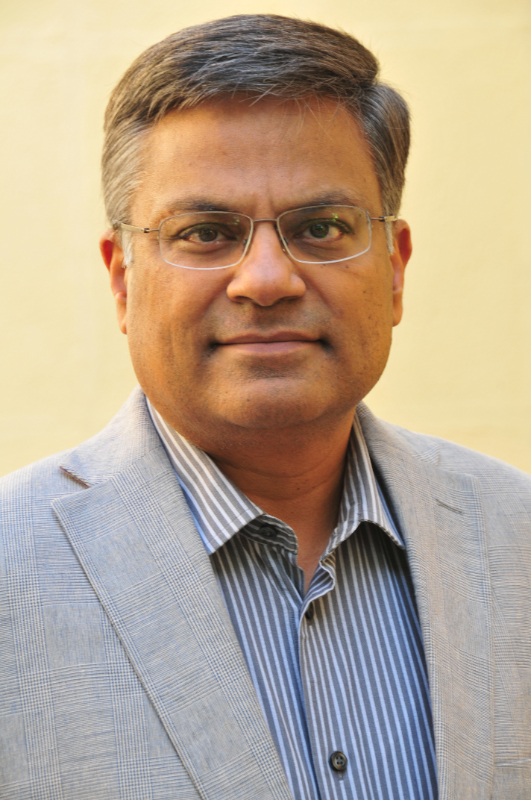 Atif Rahman合作论文数Institute of Population Health, University of Liverpool2Tanriover Ozlem合作论文数Faculty of Medicine, Yeditepe University2Sarioz Abdullah合作论文数2
 Najia Atif合作论文数2
 Fazilet Karakoc合作论文数2
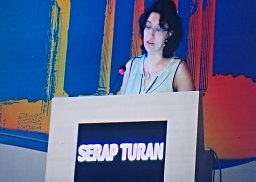 Serap Turan合作论文数Marmara University;School of Medicine;Department of Pediatric Endocrinology;School of Medicine, Marmara University2
 Hulya Bilgen合作论文数Department of Public Health, Marmara University Hospital2
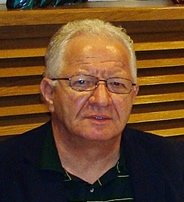 Osman Hayran合作论文数Department of Health Education, University of Marmara School of Health Education2
 Perran Boran合作论文数Clinics of Pediatric Oncology;Lütfi Kõrdar Kartal Research;Training Hospital;Lütfi Kõrdar Kartal Research, Training Hospital2
 Arzu Uzuner合作论文数Family Medicine Department;Medical School, Marmara University;Medical School, Marmara University2Elif Dagli合作论文数2Oya Fidanoglu合作论文数2
 Eren Ozek合作论文数School of Medicine, Marmara University2
 Bulent Karadag合作论文数Faculty of Medicine, Marmara University2




