Metastatic brain disease occurs in up to 30% of patients with lung, melanoma and breast cancers, and the median survival time remains less than a year. Treating these patients is a challenge because surgical approaches are limited and most chemotherapeutic drugs and immunotherapies are ineffective at crossing the blood-brain barrier (BBB). Given the unique abilities of macrophages to cross the BBB and exert their phagocytic function on tumour cells, we genetically engineer macrophages that express a chimaeric antigen receptor (CAR) targeting mesothelin (MSLN). To specifically target metastatic brain tumours, we fused the cells with the immune signalling molecule MyD88. This chimaeric antigen receptor macrophage (CARMA) penetrates the BBB and decreases brain metastasis growth in a humanized mouse model. MSLN-CARMA shows antigen-specific phagocytosis activity against tumour cells and exhibits a bystander effect by releasing TNF to act on surrounding tumour cells lacking the tumour antigen. These features of CARMA represent advantages over other immune therapies and CARMA may serve as a promising therapeutic tool for the treatment of brain metastasis.
2023 Background: Brain metastases occur in approximately 20%–40% of patients with cancer and are associated with substantial morbidity and mortality. Stereotactic radiosurgery (SRS) is an effective and widely used treatment; however, a significant proportion of patients experience local, distant, or leptomeningeal failure after treatment. Early prediction of radiation failure patterns is critical for guiding individualized surveillance and treatment strategies. Current clinical tools remain inadequate for accurately predicting radiation failure in patients with brain metastases. Methods: In this multicenter retrospective study, we included 1,079 patients with brain metastases from three medical centers. We developed a novel deep learning model, the Global-to-Local Multiple-Instance Learning Mixture-of-Experts (GL-MIL MoE) framework. The model integrates a mask-guided multiscale encoder to process global MRI volumes and a multiple-instance learning (MIL) module to extract features from high-resolution local tumor patches. The primary endpoint was radiation failure pattern, defined as local failure, distant failure, or leptomeningeal failure. The secondary endpoint was overall survival (OS). Model performance was evaluated using the area under the receiver operating characteristic curve (AUC), concordance index (C-index), and decision curve analysis (DCA). Model interpretability was assessed using SHAP (Shapley Additive Explanations) and Grad-CAM analyses. Results: The proposed AI model demonstrated strong and consistent performance, achieving AUCs ranging from 0.78 to 0.83 across validation cohorts. C-indices for OS prediction remained robust and significantly outperformed established baseline models (p < 0.05). Multivariable logistic and Cox regression analyses confirmed the model-derived risk score as an independent predictor of both radiation failure patterns and OS (p < 0.05). The model effectively stratified patients into high- and low-risk groups across all cohorts. Decision curve analysis demonstrated meaningful and consistent clinical utility. Conclusions: This AI-based deep learning model enables accurate prediction of radiation failure patterns and survival in patients with brain metastases treated with SRS. Prospective studies are warranted to evaluate its clinical utility in guiding personalized treatment and surveillance strategies in combination with standard clinicopathologic factors.
Background. To examine the feasibility of adding ramipril for prevention of cognitive decline to chemoradiation treatment of glioblastoma (GBM). Methods. This prospective single-arm study (WF-1801) coordinated by the Wake Forest NCI Community Oncology Research Program Research Base (UG1CA189824) assessed feasibility, tolerability, and potential efficacy of ramipril to prevent treatment-induced cognitive decline in patients with GBM. Inclusion criteria and chemoradiotherapeutic paradigms were mirrored to the standard arm of NRG/RTOG 0825, such that cognitive outcomes could be compared. All patients were treated with ramipril during chemoradiation and for 4 weeks after completion of radiotherapy (RT). Major outcomes were retention and the Clinical Trial Battery Composite (CTB COMP) score of the cognitive tests. Results were compared to the corresponding outcomes from NRG/RTOG 0825. Results. A total of 75 participants were accrued between March 25, 2019 and November 14, 2023: median age was 63 years. The NRG/RTOG 0825 cohort was younger (median 57 years, P < .0001). Overall retention rate at 1-month post-RT (defined as compliant with 75% of doses and completion of cognitive testing) was 48% (1-sided 95% CI: 38%-100%); 61% of patients completed more than 75% of doses and 57% had a CTB COMP score through week 10. The median (range) change in the CTB COMP score at 1 month after RT completion was 0.01 (-82.6, 13.0) versus NRG/RTOG 0825 median of 0.10 (-48.2, 8.6); P = .49. Conclusions. The ramipril intervention did not meet the prespecified feasibility endpoint, neither did the cognitive scores differ significantly from the NRG/RTOG 0925 control group. We expect other agents will be the focus of future cytoprotective trials.
Up to 40% of lung cancer patients develop brain metastasis, and the median survival of these patients remains less than 6 months. Smoking is associated with lung cancer. However, how smoking impacts the development of brain metastasis remains elusive. We examined 281 lung cancer patients with distant metastasis and found that smokers exhibited a significantly high incidence of brain metastasis. We found that nicotine enhanced brain metastasis, while a depletion of microglia suppressed this effect in vivo. Nicotine skewed the polarity of microglia to the M2 phenotype, thereby increasing the secretion of IGF-1 and CCL20, which promoted tumor progression and stemness. Importantly, nicotine enhanced the expression of SIRPα in microglia and restricted their phagocytic ability. We also identified a compound, parthenolide, that suppressed brain metastasis by blocking M2 polarization. Our results indicate that nicotine promotes brain metastasis by skewing the polarity of M2 microglia, which enhances metastatic tumor growth. Our results also highlight a potential risk of using nicotine for tobacco cessation.
Background/Objectives: No prior studies have attempted to identify a biomarker for initial brain metastasis velocity (iBMV), with limited studies attempting to correlate genomic data with the development of brain metastases. Methods: Patients with non-small-cell lung cancer (NSCLC) who underwent next-generation sequencing (NGS) were identified in our departmental database. iBMV was calculated by dividing the number of BMs by the interval of time between primary cancer and BM diagnosis. Two-sample t-testing was used to identify mutations statistically associated with iBMV (p < 0.1). A value of +1 was assigned to each mutation with a positive association (“deleterious genes”), and a value of −1 to each with an inverse association (“protective genes”). The sum of these values was calculated to define iBMV risk scores of −1, 0 and 1. Pearson correlation test was used to determine the association between iBMV risk score and calculated iBMV, and a competing risk analysis assessed for death as a competing risk to the development of BMs. Results: A total of 312 patients were included in the analysis, 218 of whom (70%) developed brain metastases. “Deleterious genes” included ARID1A, BRAF, CDK4, GNAQ, MLH1, MSH6, PALB2, RAD51D, RB1 and TSC1; “protective genes” included ARAF, IDH1, MYC, and PTPN11. iBMV risk scores of 1, 0 and −1, predicted an 88%, 61% and 65% likelihood of developing a BM (p < 0.01). A competing risk analysis found a significant association between iBMV risk scores of 1 vs. 0 and 1 vs. −1, and the likelihood of developing a BM using death as a competing risk. Overall survival (OS) at 1 and 2 years for patients with iBMV risk scores of 1, 0 and −1 was 72% vs. 84% vs. 85% and 46% vs. 69% vs. 70% (p < 0.02). Conclusions: Development of a genomic signature for iBMV via non-invasive liquid biopsy appears feasible in NSCLC patients. Patients with a positive iBMV risk score were more likely to develop brain metastases. Validation of this signature could lead to a biomarker with the potential to guide treatment recommendations and surveillance schedules.
BACKGROUND:Intrabuccal administration of amplitude-modulated 27.12 MHz radiofrequency electromagnetic fields (AM RF EMF) resulting in the systemic delivery of low and safe levels of AM RF EMF has shown activity in several forms of cancer. METHODS:Glioblastoma (GB) cell lines were exposed to GB-specific AM RF EMF (GBMF) three hours per day at a level of exposure identical to patients during treatment. Cellular assays and agnostic genomic approaches were used to characterize the mechanism-of-action. One patient with therapy refractory GB received compassionate use treatment with GBMF as well as a second patient with refractory oligodendroglioma. RESULTS:Treatment with GBMF inhibited the proliferation of several GB cell lines. CACNA1H mediates the effect of GBMF. GBMF modulates the "Mitotic Roles of Polo-Like Kinase" pathway resulting in the disruption of GB mitotic spindle. There was evidence of clinical and radiological benefit in a 38-year-old patient with recurrent GB and evidence of safety and feasibility in a 47-year-old patient with oligodendroglioma. CONCLUSIONS:This is the first report showing in vitro antitumor activity, disruption of the mitotic spindle, activation of the Mitotic Roles of Polo-like kinase pathway in GB. This is also the first report showing feasibility and clinical activity in patients with brain tumor.
Small cell lung cancer (SCLC) is a highly proliferative and aggressive type of lung cancer, accounting for 10–15% of all lung cancer cases. SCLC is characterized by early metastasis, with more than half of the cases presenting with metastases at the time of diagnosis. While comprehensive genomic studies have been performed for SCLC, metastasis-associated mutations have not been fully characterized. In this study, 57 SCLC samples from the Wake Forest Baptist Comprehensive Cancer Center (WFBCCC), profiled by either FoundationOne CDx or Guardant360 CDx between 2013 and 2022, were analyzed. The most common metastatic sites were identified as the brain (54.3%), liver (45.6%), and bone (33.3%). Associations between clinical features and distant metastases were examined, with no significant differences observed in age, sex, race, or smoking status among the metastatic groups. To explore the relationship between gene mutation rates and distant metastatic sites, we collected somatically altered genes from these patients. Stratified by metastatic site, Cox proportional hazards regression analysis was performed to identify mutations associated with the progression of metastases. BRCA2 and APC alterations were significantly associated with brain metastases, while PDGFRA mutations were linked to liver metastases. No mutations were found to be associated with bone metastases. Our findings suggest the potential efficacy of PARP inhibitors for treating brain metastases and PDGFRA inhibitors for addressing liver metastases in SCLC. Validation in SCLC animal model is under investigation. This study reveals specific mutations associated with metastatic progression to the brain and liver. These findings underscore the importance of precision medicine approaches in tailoring treatments based on the genetic profile of tumors, offering the potential to improve outcomes for patients with this aggressive cancer. Citation Format: Yin Liu, Yuezhu Wang, Ralph D’Agostino, Jimmy Ruiz, Lance D Miller, Wencheng Li, Michael D Chan, Liang Liu, Fei Xing. Mutation analysis of SCLC patients with distant metastases [abstract]. In: Proceedings of the AACR Special Conference in Cancer Research: Functional and Genomic Precision Medicine in Cancer: Different Perspectives, Common Goals; 2025 Mar 11-13; Boston, MA. Philadelphia (PA): AACR; Cancer Res 2025;85(5 Suppl):Abstract nr A012.
Stereotactic radiosurgery (SRS) has been used to manage patients with intracranial meningioma with contraindications to resection. Limitations to SRS traditionally include tumors > 3 cm due to the risk of posttreatment toxicity. Hypofractionated SRS (hSRS) has been proposed as an alternative for tumors exceeding volume constraints for single-fraction SRS, although how hypofractionation affects the volume versus toxicity relationship has not been reported. Thus, the authors conducted a single-institution retrospective analysis of the medical records of patients receiving single-fraction SRS or multifraction hSRS for large (> 2 cm) meningiomas to assess the effect of hypofractionation on the likelihood of posttreatment toxicity. Patients were identified using the Wake Forest University Department of Radiation Oncology prospectively administered Gamma Knife database. Patients were included if they had single-fraction SRS or multifraction hSRS for a diagnosis of meningioma that was > 2 cm. Analysis was limited to tumor volumes between 2.7 and 49.3 cm3, the overlapping range shared by those undergoing hSRS or SRS. Electronic medical records were used to determine patient and tumor characteristics and clinical outcomes. A total of 121 SRS cases with a median dose of 12 Gy and 51 hSRS cases with a median dose of 20 Gy with tumor volumes between 2.7 and 49.3 cm3 were identified and included in the analysis. The probabilities of freedom from local failure at 1, 3, and 5 years were 87.0%, 79.0%, and 63.6%, respectively, for patients receiving single-fraction SRS and 96.0%, 91.0%, and 91.0%, respectively, for patients receiving multifraction hSRS. The probabilities of overall survival at 1, 3, and 5 years were 97.5%, 79.7%, and 72.6%, respectively, for patients receiving single-fraction SRS and 85.5%, 80.9%, and 76.4%, respectively, for patients receiving multifraction hSRS. Eighteen (14.9%) of 121 patients receiving single-fraction SRS experienced Common Terminology Criteria for Adverse Events (CTCAE) grade ≥ 2 toxicity, and 12 (23.5%) of 51 patients receiving multifraction hSRS experienced CTCAE grade ≥ 2 toxicity. When controlling for tumor volume, despite higher treatment doses in the hSRS group relative to the SRS group, posttreatment toxicity was not significantly different between the groups, and freedom from local failure was improved in the hSRS group. For patients with larger meningiomas, multifraction hSRS may help to limit the risk of posttreatment edema and toxicity, while maintaining acceptable freedom from local failure.
Glioblastoma (GBM) remains the most aggressive primary brain tumor in adults, with no effective treatments. While cyclin-dependent kinase 4/6 inhibitors (CDK4/6is) show clinical promise in some cancers, they have not significantly improved survival in GBM patients. This lack of response is attributed to the treatment-resistant glioma stem cell (GSC) population. We previously identified truncated glioma-associated oncogene homolog 1 (tGLI1) as a novel transcription factor promoting GSCs; however, its role in CDK4/6i resistance has never been investigated in any cancer type. Here, we found positive correlations between tGLI1 and CDK4/6 therapeutic resistance in patient datasets and in vitro studies. Pharmacological inhibition of tGLI1 using FDA-approved ketoconazole (KCZ), a tGLI1-specific inhibitor, sensitized GBM and GSCs to CDK4/6is. KCZ+CDK4/6i combination therapy demonstrated synergistic anti-proliferative effects, significantly inhibiting GBM stemness and cell cycle progression while increasing apoptosis. The combination was more efficacious than monotherapies in two orthotopic GBM mouse models. tGLI1 promoted GBM resistance to radiation therapy and temozolomide, while KCZ potentiated effects of these treatments. Collectively, we report for the first time that tGLI1 is a novel mediator of GBM resistance to CDK4/6is, and KCZ sensitizes GBM to CDK4/6is, thereby supporting future clinical utility of novel KCZ+CDK4/6i combinatorial therapy for GBM patients.
Background: Radiation therapy is a primary and cornerstone treatment modality for brain metastasis. However, it can result in complications like necrosis, which may lead to significant neurological deficits. This study aims to develop and validate an ensemble model with radiomics to predict radiation necrosis. Method: This study retrospectively collected and analyzed MRI images and clinical information from 209 stereotactic radiosurgery sessions involving 130 patients with brain metastasis. An ensemble model integrating gradient boosting, random forest, decision tree, and support vector machine was developed and validated using selected radiomic features and clinical factors to predict the likelihood of necrosis. The model performance was evaluated and compared with other machine learning algorithms using metrics, including the area under the curve (AUC), sensitivity, specificity, negative predictive value (NPV), and positive predictive value (PPV). SHapley Additive exPlanations (SHAP) analysis and local interpretable model-agnostic explanations (LIME) analysis were applied to explain the model’s prediction. Results: The ensemble model achieved strong performance in the validation cohort, with the highest AUC. Compared to individual models and the stacking ensemble model, it consistently outperformed. The model demonstrated superior accuracy, generalizability, and reliability in predicting radiation necrosis. SHAP and LIME were used to interpret a complex predictive model for radiation necrosis. Both analyses highlighted similar significant factors, enhancing our understanding of prediction dynamics. Conclusions: The ensemble model using radiomic features exhibited high accuracy and robustness in predicting the occurrence of radiation necrosis. It could serve as a novel and valuable tool to facilitate radiotherapy for patients with brain metastasis.
OBJECTIVE:Gamma Knife radiosurgery (GKRS) is a treatment option for refractory trigeminal neuralgia (TN). However, there is a paucity of data regarding the effectiveness of GKRS for relapsing TN following microvascular decompression (MVD). The aim of this study was to characterize the response rate, complications, pain relief durability, and predictors of pain relapse for salvage GKRS following MVD for TN. METHODS:A retrospective study of all patients who received GKRS for Burchiel type 1 TN (TN1) or type 2 TN (TN2) pain at Wake Forest University School of Medicine was conducted. Pain was measured using the Barrow Neurological Institute (BNI) pain intensity score. After an initial pain response of BNI scores I-III, a BNI score of IV or V constituted relapse. Durability of pain relief was characterized using the Kaplan-Meier estimator. Predictors of relapse were investigated using Cox regression models. Statistical significance was set at p < 0.05. RESULTS:Of 2065 patients with TN1 or TN2, 59 had GKRS post-MVD. Forty-nine (83.1%) of these patients experienced a BNI pain score of I-III at the first follow-up post-GKRS. The median time to relapse was 1.75 years; freedom rates from relapse were 77%, 45.9%, and 30.7% at 1, 2, and 5 years, respectively. Radiofrequency ablation prior to MVD significantly decreased the likelihood of an initial response to salvage GKRS (Fisher's exact test, p = 0.02). After controlling for baseline and clinical characteristics, facial numbness significantly decreased the likelihood of pain relapse (Cox regression, HR 0.15, 95% CI 0.03-0.73; p = 0.01). Conversely, a worse initial pain response significantly increased the likelihood of pain relapse (Cox regression, HR 3.64, 95% CI 1.02-12.95; p = 0.04). Pain relapse within 24 months of the original MVD did not predict durability of pain relief following salvage GKRS (Cox regression, HR 0.94, 95% CI 0.40-2.22; p = 0.89). The overall toxicity rate of salvage GKRS was 35.6%. CONCLUSIONS:Salvage GKRS presents an effective, noninvasive option for recurring TN after MVD, with a comparable response rate to primary GKRS or MVD, and a favorable complications profile relative to salvage MVD. Patients with postoperative facial numbness and a better initial pain response may experience more durable pain relief following salvage GKRS.
Purpose Small cell carcinoma of the lung (SCLC) often presents with brain metastases, with most patients developing them within a few years of diagnosis. Prophylactic cranial irradiation (PCI) is commonly recommended. Extrapulmonary small cell carcinoma (EPSCC) is rare, and its metastatic pattern is not well understood. This study reviews brain metastases in EPSCC patients at a single institution, focusing on management and overall survival (OS). Materials We identified EPSCC patients and analyzed their characteristics, treatment, and outcomes. Brain metastases were assessed through diagnostic imaging. Extracranial progression-free survival (ePFS) was defined as the time from diagnosis to progression outside the brain, while OS was defined as the time from diagnosis to death from any cause. Kaplan-Meier methods and log-rank tests were used for time-to-event analyses, and the cumulative incidence of brain metastasis was estimated with the competing risk of death. Statistical significance was set at p < 0.05. Results Of the 68 EPSCC patients with a median follow-up of 7.1 months, 66% were male with a median age of 68 years old. Common primary sites included genitourinary (32%) and gastrointestinal/hepatobiliary (22%). Brain metastases occurred in 12 patients (18%): five at diagnosis and seven during follow-up. The treatment of brain metastases varied, with four patients receiving whole-brain radiotherapy (WBRT), two receiving stereotactic radiosurgery (SRS), and one receiving both WBRT and SRS. The median OS was 10.0 months, with no significant survival difference between patients with (10.8 months) and without (9.4 months) brain metastases (p = 0.89). Conclusion EPSCC has a lower incidence of brain metastases than SCLC, and brain metastases do not significantly impact OS. Further research on brain imaging, PCI, and management strategies is warranted.
Purpose/objective(s)Biomarkers for extracranial oligometastatic disease remain elusive and few studies have attempted to correlate genomic data to the presence of true oligometastatic disease.MethodsPatients with non-small cell lung cancer (NSCLC) and brain metastases were identified in our departmental database. Electronic medical records were used to identify patients for whom liquid biopsy-based comprehensive genomic profiling (Guardant Health) was available. Extracranial oligometastatic disease was defined as patients having ≤5 non-brain metastases without diffuse involvement of a single organ. Widespread disease was any spread beyond oligometastatic. Fisher’s exact tests were used to screen for mutations statistically associated (p<0.1) with either oligometastatic or widespread extracranial disease. A risk score for the likelihood of oligometastatic disease was generated and correlated to the likelihood of having oligometastatic disease vs widespread disease. For oligometastatic patients, a competing risk analysis was done to assess for cumulative incidence of oligometastatic progression. Cox regression was used to determine association between oligometastatic risk score and oligoprogression.Results130 patients met study criteria and were included in the analysis. 51 patients (39%) had extracranial oligometastatic disease. Genetic mutations included in the Guardant panel that were associated (p<0.1) with the presence of oligometastatic disease included ATM, JAK2, MAP2K2, and NTRK1, while ARID1A and CCNE1 were associated with widespread disease. Patients with a positive, neutral and negative risk score for oligometastatic disease had a 78%, 41% and 11.5% likelihood of having oligometastatic disease, respectively (p<0.0001). Overall survival for patients with positive, neutral and negative risk scores for oligometastatic disease was 86% vs 82% vs 64% at 6 months (p=0.2). Oligometastatic risk score was significantly associated with the likelihood of oligoprogression based on the Wald chi-square test. Patients with positive, neutral and negative risk scores for oligometastatic disease had a cumulative incidence of oligometastatic progression of 77% vs 35% vs 33% at 6 months (p=0.03).ConclusionsElucidation of a genomic signature for extracranial oligometastatic disease derived from non-invasive liquid biopsy appears feasible for NSCLC patients. Patients with this signature exhibited higher rates of early oligoprogression. External validation could lead to a biomarker that has the potential to direct local therapies in oligometastatic patients.
AIMS:During the COVID-19 public health emergency, we previously identified decreased rates of radiotherapy (RT) peer review (PR) discussion and plan changes in virtual versus in-person PR conferences. To expand on these findings, we continued to prospectively collect data on all PR conferences from 2021 to 2023 and performed a follow-up analysis before and after the transition back to in-person PR. MATERIALS AND METHODS:A prospectively maintained database of weekly PR cases was queried for consecutive cases reviewed before and after the transition from virtual to in-person conferences. Rates of PR discussion and change recommendations were summarized and compared between the virtual and in-person groups. A survey was developed and administered to assess participants' perceived levels of engagement, opinions on optimal PR format, and preferences for future meetings before and 3 months after the transition back to in-person PR. RESULTS:In total, 2,103 RT plans were reviewed: 1,590 virtually and 513 after the transition back to in-person. There was no difference in faculty attendance between groups. The proportion of cases with PR discussion increased from virtual (9.8%) to in-person (25.5%) format (p < 0.001). In the virtual group, 8.1% of cases had 1 topic and 1.7% had 2+ topics discussed. This increased to 15.8% and 9.7% during in-person PR, respectively (p < 0.001). The rate of change recommendation also increased from 1.5% (virtual) to 3.3% (in-person, p = 0.016). Among cases with at least 1 topic discussed, there was no difference in changes. Survey-reported distraction significantly decreased from virtual to in-person PR (p < 0.001). CONCLUSION:Upon returning to in-person PR conferences, peer discussion and plan change recommendations significantly increased and returned to pre-pandemic levels, and participants' perceived levels of distraction were reduced. In an increasingly virtual world, additional efforts to develop best practices that maximize PR discussion and minimize distraction outside virtual conferences are warranted.
Therapies for brain metastasis continue to evolve as the life expectancies for patients have continued to prolong. Novel advances include the use of improved technology for radiation delivery, surgical guidance, and response assessment, along with systemic therapies that can pass through the blood brain barrier. With increasing complexity of treatments and the increased need for salvage treatments, multi-disciplinary management has become significantly more important.
 Stephen Bradley Tatter合作论文数Department of Neurosurgery, Wake Forest University Health Sciences171
 Adrian W. Laxton合作论文数Atrium Health Wake Forest Baptist106
 Jimmy Ruiz合作论文数Department of Medicine (Hematology & Oncology),Wake Forest School of Medicine,Winston-Salem; W.G. (Bill) Hefner Veteran Administration Medical Center,Cancer Center,Salisbury86
 Christina Cramer合作论文数Department of Radiation Oncology, Wake Forest School of Medicine, Medical Center Blvd, Winston-Salem, NC, 27157, USA80
 J. Daniel Bourland合作论文数64Kounosuke Watabe合作论文数Southern Illinois University School of Medicine, S. Illinois Univ. School of Medicine58
 Fei Xing合作论文数Department of Medical Microbiology, Immunology & Cell Biology, Southern Illinois University School of Medicine55
 Emory R McTyre合作论文数Radiology Informatics & Image Processing Laboratory, Wake Forest School of Medicine54
 Glenn J. Lesser合作论文数Department of Hematology and Oncology, School of Medicine, Wake Forest University;Comprehensive Cancer Center, Wake Forest University;Hypertension and Vascular Research Center, Wake Forest University54
 Roy E Strowd合作论文数Wake Forest School of Medicine47Hui-Wen Lo合作论文数47
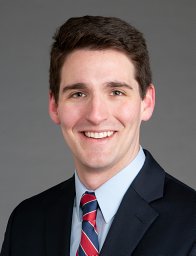 Ryan T. Hughes合作论文数Department of Radiation Oncology, Wake Forest School of Medicine39
 Edward G. Shaw合作论文数Forest’s Community Clinical Oncology Program Research Base36
 Michael Farris合作论文数Department of Radiation Oncology, Wake Forest School of Medicine33
 Christopher T. Whitlow合作论文数Department of Radiology, School of Medicine, Wake Forest University;Comprehensive Cancer Center, Wake Forest University32Thomas L. Ellis合作论文数31Ann M. Peiffer合作论文数31Waldemar Debinski合作论文数29
 John T Lucas合作论文数28Michael T. Munley合作论文数27
 William H Hinson合作论文数27M. Soike合作论文数Dept Radiat Oncol, Univ Alabama Birmingham26
 Lycan Thomas W合作论文数24
 Lance D. Miller合作论文数Department of Cancer Biology, School of Medicine, Wake Forest University;Center for Precision Medicine, School of Medicine, Wake Forest University23
 Ralph B. D'Agostino Sr.合作论文数Statistics and Consulting Unit, Department of Mathematics and Statistics, Boston University22
 Jing Su (苏靖)合作论文数School of Pharmacy, Shanghai Jiao Tong University22
 Kevin P Mcmullen合作论文数22
 Albert Attia合作论文数20Scott Isom合作论文数20
 James Urbanic合作论文数Radiation Oncology Division, Department of Radiation Medicine and Applied Sciences, School of Medicine, University of California, San Diego;Center of Precision Radiation Medicine, University of California, San Diego19Metheny-Barlow Linda J合作论文数19Liu Yin合作论文数18Jaclyn J. White合作论文数17
 Shadi Qasem合作论文数17Margaret R Smith合作论文数16
 Claire Lanier合作论文数16
 Page Brandi R合作论文数Department of Radiation Oncology, University of Utah Huntsman Cancer Hospital16Yuezhu Wang合作论文数15Corbin A Helis合作论文数Wake Forest Baptist Med Ctr, Dept Radiat Oncol, Winston Salem, NC USA15
 Carpenter Richard L合作论文数Department of Surgery, Duke University School of Medicine15
 Steve Rapp合作论文数Dept Psychiat & Behav Med, Wake Forest Sch Med15Mott Ryan T合作论文数14
 Edward G. Shaw合作论文数Wake Forest School of Medicine14
 Steve Braunstein合作论文数Department of Radiation Oncology, University of California, San Francisco14T. L. Ellis合作论文数14Stacey S O'Neill合作论文数13Zhu Dongqin合作论文数13
 Sharma Sambad合作论文数Cancer Institute., University of Mississippi Medical Center13




