Transcatheter aortic valve replacement (TAVR) has created a growing population of patients who require redo-TAVR (TAV-in-TAV) for structural valve deterioration. Short-frame balloon-expandable valves implanted within failed short- or tall-frame transcatheter valves ("short-in-short" and "short-in-tall") pose specific challenges, including coronary risk assessment, valve sizing, anchoring, and preservation of coronary access. Under the auspices of the Heart and Valve Collaboratory, an international multidisciplinary panel of experts reviewed bench and clinical data and synthesized contemporary best practices into a pragmatic workflow for redo-TAVR. This document standardizes key anatomic definitions, outlines computed tomography-based strategies for in vivo sizing, and details recommended approaches to predilatation, deployment techniques, and postdilatation. By harmonizing terminology and stepwise planning across imaging, interventional, and surgical teams, this document aims to simplify procedural decision-making and improve safety, coronary preservation, and hemodynamic outcomes in patients undergoing short-in-short and short-in-tall TAV-in-TAV procedures.
Aims:Chronic mitral regurgitation (MR) causes haemodynamic and myocardial changes leading to increased left atrial volume and left ventricular preload and finally eccentric hypertrophy of the left ventricle. The extent to which mitral valve transcatheter edge-to-edge repair induced haemodynamic improvements translates into reverse remodelling and clinical benefit remains to be clarified. This project aimed to investigate periprocedural haemodynamic changes during mitral valve transcatheter edge-to-edge repair, their effects on reverse cardiac remodelling, and the associated effects on heart failure-related hospitalization and all-cause mortality. Methods and results:In this retrospective study, 130 patients with severe symptomatic MR underwent transcatheter edge-to-edge repair. Haemodynamic parameters were assessed pre- and immediately post-procedure, and echocardiography was performed at 6-12 months (median 188 days, IQR 26). Clinical follow-up included 1-year heart failure hospitalization and all-cause mortality. Short-term haemodynamic data were available in 86 patients and long-term echocardiographic follow-up in 73, with incomplete datasets excluded from the respective analyses. Mitral valve transcatheter edge-to-edge repair significantly improved cardiac index (+11.37%, P < 0.01) and reduced left atrial pressures (-36.97%, P < 0.01). Echocardiography demonstrated reduced left ventricular end-diastolic diameter (-2.8 mm, -4.0%, P = 0.004) and improved right ventricular function (+5.8%, P = 0.019) at follow-up. Patients with improved left ventricular global longitudinal strain had lower mortality and hospitalization rates. Conclusion:Mitral valve transcatheter edge-to-edge repair with the PASCAL® system is linked with immediate haemodynamic improvements that may be associated with reverse cardiac remodelling and improved mid-term clinical outcomes. Monitoring acute haemodynamic effects may help predict positive remodelling and outcome effects.
BACKGROUND:Advances in transcatheter aortic valve implantation (TAVI) devices and techniques have been remarkable. Self-expanding valves (SEVs) possess the technical advantage of reposition (REP); however, research on their clinical impact remains limited. AIMS:This study aimed to investigate the impact of REP, including the latest SEVs. METHODS:This study included patients who underwent TAVI in Clinic Pasteur, France. The primary endpoint was the composite safety endpoint 30 days after TAVI. Other periprocedural safety outcomes and 1-year all-cause mortality were also evaluated. Subgroup analysis was performed to assess the independent risks for REP and early safety. RESULTS:Among 5628 patients, 3235 patients were included in the analysis. The REP group had a significantly younger age and a higher ejection fraction, suggesting lower operative risks. During TAVI, the REP group demonstrated significantly higher contrast volume, longer procedure duration, and fluoroscopic time than the non-REP group. The early safety and 1-year mortality were comparable between the groups (78.1% vs. 79.5%, p = 0.324; 5.1% vs. 5.4%, p = 0.668). The multivariate analysis showed that younger age, hemodialysis, aortic valve regurgitation ≥moderate, Navitor, and pre-dilatation were the independent risks for the need for REP. Regarding the early safety endpoint, previous pacemaker implantation was significantly associated with the achievement of early safety. REP was not associated with the early safety endpoint. CONCLUSIONS:The REP technique in SEVs was associated with favorable valve hemodynamic performance, maintaining safety compared to the non-REP group. However, potential risks of complications exist due to prolonged procedure times and increased contrast volume.
BACKGROUND:Transcatheter mitral valve replacement (TMVR) offers a potential treatment option for select patients with mitral regurgitation (MR) deemed unsuitable for surgery or transcatheter repair, but data are limited on its long-term durability and performance. AIMS:We evaluated 5-year outcomes from the global Pilot Study with the Intrepid transapical (TA) TMVR system. METHODS:This multicentre, single-arm study evaluated the early-generation Intrepid TA system in patients with symptomatic ≥moderate-severe MR at high risk for mitral valve (MV) surgery. Echocardiograms and clinical events were independently adjudicated, and patients were followed for up to 5 years. RESULTS:Ninety-five patients were enrolled at 21 sites between 2015 and 2019. The mean age was 74.0±9.2 years, 43.2% of patients were female, the mean Society of Thoracic Surgeons Predicted Risk of Mortality score was 6.5±4.8%, 57.9% had prior heart failure hospitalisation (HFH), and 88.4% were in New York Heart Association (NYHA) Functional Class III/IV. Secondary MR was present in 78.7%, and 76.6% had a left ventricular ejection fraction ≤50%. Up to 5 years, all-cause mortality was 66.7% and HFH was 55.4%, with one 30-day MV reintervention (1.1%). Haemodynamic valve deterioration occurred in 1.4%, the median MV mean gradient remained stable at 3.6 mmHg (first and third quartiles: 3.0, 4.8 mmHg), ≤mild MR was present in 100% of patients, and no patient experienced paravalvular leak. NYHA Functional Class I/II was maintained in 84.6%. CONCLUSIONS:In this 5-year follow-up of the early-generation Intrepid TA TMVR system, we observed sustained MR reduction, durable haemodynamic valve performance, and improved functional status among survivors. The APOLLO (ClinicalTrials.gov: NCT03242642) and APOLLO-EU (NCT05496998) trials using the transfemoral Intrepid system will further determine the role of TMVR in managing this high-risk patient population. CLINICALTRIALS:gov: NCT02322840.
Transcatheter aortic valve implantation (TAVI) has become the preferred treatment for severe aortic stenosis. Nonetheless, interplay between aortic valve disease, transcatheter valve implantation, and the coronary arteries is frequent and clinically relevant. Coronary intervention in the context of TAVI encompasses distinct but interrelated scenarios, including the management of concomitant coronary artery disease and the prevention or treatment of coronary artery obstruction. These aspects introduce additional complexity to procedural planning and long-term management. This review provides a comprehensive and practical overview of coronary interventions related to TAVI, encompassing coronary evaluation and physiological assessment, the indications and timing of percutaneous coronary intervention before and after valve implantation, and strategies for managing coronary obstruction. Particular emphasis is placed on anatomical and device-related factors influencing coronary access, including transcatheter heart valve design, aortic root anatomy, and commissural alignment. By structuring coronary interventions according to distinct clinical scenarios, this article aims to support tailored decision-making and optimise procedural safety, feasibility, and long-term coronary management in patients undergoing TAVI.
The extension of transcatheter aortic valve replacement (TAVR) to younger patients with longer life expectancy has driven a shift in focus toward procedural optimization, with the goals of maximal clinical improvement, durable outcomes, maintained coronary access, and avoidance of permanent pacemaker implantation. A TAVR CODE framework including 4 key fluoroscopic parameters-coaxiality, orientation, depth, and expansion-has recently been proposed to standardize the intraprocedural evaluation of optimal transcatheter heart valve (THV) implantation. Systematic implementation of these concepts during TAVR is expected to improve valve performance and durability. This is hypothesized to improve afterload reduction, enhance left ventricular reverse remodeling, and confer increased and longer lasting clinical benefits. To date, procedural strategies to optimize TAVR outcomes have been largely based upon expert opinion, supported predominantly by mechanistic and retrospective studies. Ongoing randomized trials are evaluating the effects of systematic pre- and postdilatation during TAVR, the impact of same-volume double-tap techniques with balloon-expandable valves, and the effectiveness of different commissural alignment techniques. Meanwhile, intravascular ultrasound is under investigation as a tool to evaluate THV expansion to guide postdilatation, while technical consistency may be improved by innovative THV designs that promote symmetrical expansion, better fluoroscopic visualization, and robotic insertion systems using artificial intelligence. In this article, we detail the possible impact of implementing the TAVR CODE framework on THV function, durability, and clinical outcomes, and provide an expert perspective on procedural strategies to achieve optimal index TAVR outcomes, including management frameworks and position statements according to contemporary best practices.
BACKGROUND:Atrial fibrillation (AF) is a frequent comorbidity in patients with severe aortic valve stenosis undergoing transcatheter aortic valve implantation (TAVI). In addition, new-onset AF can occur after TAVI. However, data on how AF affects outcomes in patients undergoing TAVI remain conflicting. AIMS:To assess clinical outcomes in patients with severe aortic valve stenosis with AF who undergo TAVI in a large real-world global cohort. METHODS:The CENTER2-study includes 25,771 patients that underwent TAVI between 2007 and 2022. The database consists of patient-level pooled data from 10 clinical studies. Objectives were rates of new-onset AF ≤ 30 days, and differences in mortality and stroke according to AF status. RESULTS:A total of 23,320 patients were included in the current analysis (56.1% female; mean age 81.5 ± 6.7 years). Pre-existing AF was present in 28.2% (n = 6579) of patients. Mortality rates after TAVI were higher in patients with pre-existing AF (19.0% vs. 14.2%, adjusted HR: 1.39, 95% CI: 1.26-1.53, p < 0.001). Strokes at Day 3-30 after TAVI were more frequent in patients with pre-existing AF (1.6% vs. 1.1%, p = 0.004). New-onset AF occurred in 6.2% (n = 681) of patients without pre-existing AF. Mortality rates after TAVI were higher in patients with new-onset AF (adjusted HR 1.75, 95% CI 1.24-2.49, p = 0.002). One-year stroke was more frequently observed in patients with new-onset AF after exclusion of acute periprocedural stroke (6.1% vs. 3.4%, p = 0.04). Major bleeding was also more frequent in patients with new-onset AF (12.0% vs. 6.7%, p < 0.001). CONCLUSIONS:Patients with pre-existing or new-onset AF had higher mortality compared with patients without AF undergoing transfemoral TAVI. After the acute postprocedural period, 1-year stroke rates were higher in patients with new-onset AF. TRIAL REGISTRATION:ClinicalTrials.gov. Unique identifier NCT03588247.
BACKGROUND:Transcatheter aortic valve (TAV) failure may require redo transcatheter aortic valve replacement (redo-TAVR). The multiple layers of metal after redo-TAVR may jeopardize coronary artery patency and accessibility and result in prosthesis-patient mismatch. Dedicated software may use multi-slice computed tomography (MSCT) imaging to simulate TAV deployment relative to the prior TAV and the individual's anatomy and predict coronary accessibility and TAV expansion. AIM:We aimed to validate redo-TAVR simulations created in FEops HEARTguide. METHODS:This multicenter observational study included redo-TAVR patients who had MSCT imaging available at baseline, after index-TAVR and after redo-TAVR. Patient-specific redo-TAVR simulations were created. Simulated valve-to-aorta distances (a proxy for coronary accessibility), neoskirt height, TAV expansion at multiple frame levels, and residual valve area after redo-TAVR were compared to follow-up MSCT. RESULTS:Among 25 patients, HEARTguide simulations of valve-to-coronary (VTC) distance (left VTC 6.0 ± 2.2 vs. 6.4 ± 2.3 mm, ICC = 0.856, p < 0.001; right VTC 5.8 ± 1.9 vs. 5.6 ± 1.9 mm, ICC = 0.740, p < 0.001) showed good agreement while valve-to-sinotubular-junction (VTSTJ) distance showed moderate agreement with follow-up MSCT (left VTSTJ 2.5 ± 1.8 vs. 3.3 ± 1.8 mm, ICC = 0.614, p = 0.004; right VTSTJ 2.8 ± 1.8 vs. 2.9 ± 1.2 mm, ICC = 0.613, p = 0.003). Redo-TAVR frame expansion simulations (mean frame area 434.8 ± 141.6 vs. 401.6 ± 142.9 mm, ICC = 0.930, p < 0.001; 393.5 ± 63.2 vs. 383.1 ± 82.5 mm, ICC = 0.822, p < 0.001, respectively) and simulations of residual valve area after redo-TAVR showed good agreement for self-expanding and balloon-expandable TAV (407.8 ± 67.8 vs. 389.6 ± 50.4 mm, ICC = 0.837, p < 0.001; 358.0 ± 66.1 vs. 336.1 ± 79.9 mm, ICC = 0.823, p < 0.001). CONCLUSIONS:In this pilot study, MSCT-derived simulations of redo-TAVR provided accurate insights into coronary accessibility, TAV expansion, and residual valve area.
Background As transcatheter aortic valve replacement (TAVR) expands to younger, lower‐risk populations, the need for repeat procedures due to valve degeneration is expected to increase. TAVR‐in‐TAVR has emerged as a feasible strategy, although outcomes across supra‐annular (SAV) and intra‐annular (IAV) valve combinations remain unclear. The PANDORA (Supra‐Annular Versus Intra‐Annular Devices for TAVR‐in‐TAVR) international registry study assessed safety, hemodynamic performance, and clinical outcomes of TAVR‐in‐TAVR according to prosthetic configurations. Methods From an international multicenter registry (2011–2024), 172 TAVR‐in‐TAVR cases were identified among ≈30 000 TAVR procedures, with a median interval of 1401 days. Patients were stratified into 4 groups: SAV‐IAV (n=32), SAV‐SAV (n=29), IAV‐SAV (n=74), and IAV‐IAV (n=37). Results CoreValve/Evolut (49.4%) and Edwards SAPIEN (35.5%) were the most frequent index prostheses, whereas the second valve was mainly Edwards SAPIEN (60.5%), followed by Evolut (35.5%) and Myval/Octacor (4.0%). Structural valve deterioration was the leading failure mechanism (77.9%), while nonstructural valve deterioration dysfunction, alone or combined with structural valve deterioration, occurred in 40.7%. Overall Valve Academic Research Consortium 3 technical success was 91.3%, numerically highest in SAV‐IAV and IAV‐SAV (P=0.090). Thirty‐day device success was 68%, also higher in SAV‐IAV (75.9%, P=0.301), mainly influenced by elevated residual gradients (≥20 mm Hg in 12.7%) and the 30‐day mortality rate (7.3%). At 1 year, the IAV‐IAV group showed the numerically lowest freedom from death and heart failure hospitalization (76.1%, P=0.734). Male sex and chronic kidney disease independently predicted death at follow‐up. Conclusions TAVR‐in‐TAVR is feasible with generally favorable outcomes, although clinical and procedural profiles vary by the different prosthesis combinations. These findings highlight the need for further studies to refine device selection strategies.
Background: Unfractionated heparin (UFH) is routinely administered during transcatheter aortic valve replacement (TAVR) to prevent thromboembolic complications. However, there are no clear evidence-based guidelines defining optimal heparin dosing or target activated clotting time (ACT) values. This study aimed to evaluate the association between intraprocedural UFH dosing, ACT values, and peri-procedural stroke risk in the overall population of patients undergoing TAVR, with a prespecified stratified analysis according to body mass index (BMI ≥ 30 vs. <30 kg/m2). Methods: This analysis enrolled consecutive individuals with severe aortic stenosis (AS) who were treated with TAVR using either balloon-expandable or self-expanding valves. The primary outcome was the occurrence of stroke during the periprocedural period in the overall population and according to BMI (<30 vs. ≥30 kg/m2). Secondary endpoints included periprocedural parameters, clinical outcomes (in-hospital and 1-year mortality), and safety outcomes. Subgroup analysis was performed to assess stroke risk according to ACT values. Patients with atrial fibrillation or receiving chronic oral anticoagulation were excluded. Results: A total of 1045 patients underwent TAVR between 2022 and 2024, including 827 with BMI < 30 and 218 with BMI ≥ 30. The study population had a mean age of 82 ± 6 years, and 56% of patients were male. In the overall study population, the mean heparin dose was 47 U/kg and the mean ACT value was 218 s. Patients with lower BMI received higher heparin doses (50 vs. 40 U/kg, p < 0.01) and had higher ACT values (221 vs. 208 s, p < 0.01). Protamine use was low and similar between groups. Periprocedural stroke rates were low overall (1.1%) and comparable between study groups (1.2% vs. 0.9%, p = 0.71). One-year mortality was also similar (3% vs. 4%, p = 0.53), with no significant differences in other safety outcomes. Subgroup analysis by ACT (≤250 vs. >250 s) showed no difference in stroke rates (1% vs. 1.5%, p = 0.60). Conclusions: In this single-center cohort, differences in heparin dosing and ACT values were not associated with differences in peri-procedural stroke or overall procedural outcomes. However, given the low number of stroke events, these findings should be interpreted cautiously. Prospective randomized studies are needed to define optimal anticoagulation strategies during TAVR.
BACKGROUND:Transcatheter aortic valve replacement (TAVR) is a key treatment for severe aortic stenosis (AS). Several studies have consistently shown discrepancies between transvalvular gradients measured by transthoracic echocardiography (TTE) and those obtained invasively. The aim of this study was to evaluate this discrepancy in a large patient cohort and determine whether it is associated with clinical outcomes. METHODS:This study included patients with severe AS who underwent TAVR using either balloon-expandable (BEVs) or self-expanding valves (SEVs). The primary endpoint was the magnitude of discrepancy between peak transvalvular gradients measured by TTE and invasive hemodynamic assessment. Secondary endpoints included the association of this gradient difference with in-hospital, 30-day, and 1-year mortality. In addition, multivariable linear regression analysis was performed to identify independent predictors of gradient discrepancy. RESULTS:A total of 1,798 TAVR patients were included: 799 received BEVs and 999 received SEVs. Postprocedural mean peak gradients by echocardiography were significantly higher in the BEV group (20 ± 8 mmHg) than in the SEV group (15 ± 7 mmHg; P < .001). Invasive mean peak gradients were lower overall, at 5.9 ± 4 mmHg for BEVs and 5.3 ± 3.8 mmHg for SEVs (P = .001). The mean difference between echocardiographic and invasive measurements was significantly greater in the BEV group (14 ± 8 mmHg) compared to the SEV group (10 ± 7 mmHg; P < .001). There were no statistically significant differences in mortality between the BEV and SEV groups. Additionally, female sex, hypertension, preserved left ventricular function, small valve size, and small aortic annulus were all linked to greater differences between echocardiographic and invasive gradients. CONCLUSION:echocardiographic gradients after TAVR consistently overestimate invasive values, especially with balloon-expandable valves, but without impacting short or mid-term mortality.
BACKGROUND:Contemporary self-expanding transcatheter heart valves (THVs) differ in leaflet position and frame architecture. Comparative data between new-generation intra-annular (IA) and supra-annular (SA) platforms remain limited. AIMS:We sought to compare 30-day and 1-year clinical and haemodynamic outcomes between contemporary intra-annular and supra-annular self-expanding THVs in a large multicentre real-world cohort. METHODS:Consecutive patients undergoing transfemoral transcatheter aortic valve implantation with a Navitor/Navitor Vision (IA self-expanding valve [SEV]) or Evolut FX/FX+ (SA-SEV) between June 2021 and April 2025 were included. The primary endpoint was the composite of all-cause death, disabling stroke, or heart failure hospitalisation at 1 year. Propensity score matching (PSM) was performed to adjust for baseline differences. RESULTS:Among 2,607 patients (IA-SEV: 1,604; SA-SEV: 1,003), PSM yielded 892 well-balanced pairs. Valve Academic Research Consortium 3 device success was achieved in 91.1% of IA-SEV patients and 90.9% of SA-SEV patients (p=0.868). Permanent pacemaker implantation was more frequent with IA-SEVs (22.1% vs 16.3%; p=0.007), whereas major or life-threatening bleeding was more common with SA-SEVs (4.2% vs 2.6%; p<0.001). At 1 year, the primary endpoint occurred in 12.6% of IA-SEV patients and 11.3% of SA-SEV patients (p=0.422) with no difference between groups in the time-to-event analysis (hazard ratio [HR] 1.01, 95% confidence interval [CI]: 0.77-1.33; p=0.916). The mean transvalvular gradients and rates of moderate or severe paravalvular leak remained low and similar between the two groups at 1 year. Findings were consistent in the unmatched cohort (HR 1.02, 95% CI: 0.81-1.31; p=0.835). CONCLUSIONS:In this large real-world registry, contemporary IA-SEVs and SA-SEVs demonstrated overall similar clinical outcomes and sustained haemodynamic performance at 1-year follow-up, despite differences in procedure-related endpoints between the groups.
Transcatheter aortic valve replacement (TAVR) has created a growing population of patients who require redo-TAVR (TAV-in-TAV) for structural valve deterioration. Tall-frame self-expanding valves implanted within failed short- or tall-frame transcatheter valves ("tall-in-short" and "tall-in-tall") present distinct challenges related to anchoring, constrained expansion, valve alignment, and the risk for coronary obstruction or sinus sequestration driven by the resulting neoskirt plane. Under the auspices of the Heart and Valve Collaboratory, an international multidisciplinary panel reviewed bench and clinical data and synthesized contemporary best practices into a pragmatic procedural workflow for redo-TAVR in these settings. This consensus document standardizes key definitions, outlines computed tomography-based strategies for in vivo sizing and risk stratification, and details recommended approaches to predilatation, deployment technique, postdilatation, coronary protection and leaflet modification, or hybrid surgical alternative when needed. A structured troubleshooting guide is provided to support safe, reproducible execution and coronary preservation.
OBJECTIVE:Degenerative mitral valve disease is the leading mitral regurgitation etiology in Western countries, representing a significant health burden. With the rise of transcatheter therapies, real-world data on surgical management, repair rates, outcomes, and center-level practices are increasingly needed. METHODS:From MITRACURE, a multicenter registry of 40 centers across Canada and France of consecutive adult patients who underwent surgery for mitral regurgitation in 2019, we selected the subset of patients with degenerative mitral regurgitation. RESULTS:Mitral valve surgery was performed in 2135 patients with degenerative mitral regurgitation (70% male, 65 ± 12 years); 37% were in New York Heart Association III/IV, only 17% were considered asymptomatic, and early intervention was performed in only 4%. Mitral valve repair rate was 80%, with a 6% intraoperative repair failure rate. In-hospital mortality was 2.3%: 1.4% for repair versus 6.2% for replacement (P < .0001). Major complications occurred in 20% of patients and was higher for replacement and combined procedures. Independent predictors of mortality included New York Heart Association III/IV, type of surgery, and European System for Cardiac Operative Risk Evaluation II. Repair rates declined with age, comorbidities, and complex anatomy, and increased with center volume (68%, 77%, and 84% in low-, intermediate-, and high-volume centers, respectively; P < .0001). Sex was not associated with repair rates after adjustment. CONCLUSIONS:In this large real-world cohort from 2 publicly funded healthcare systems, many patients with degenerative mitral regurgitation were referred late for surgery, and early intervention was rare. Although in-hospital mortality was low overall, outcomes varied across subgroups. Mitral valve repair declined with age and mitral valve anatomic complexity. High-volume centers had better outcomes, supporting earlier referral, structured pathways, and surgical centralization to optimize care.
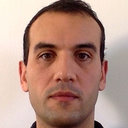 Nicolas Dumonteil合作论文数165
 N.M.D.A. (Nicolas) Van Mieghem合作论文数Department of Cardiology, Erasmus MC;Erasmus University Rotterdam107
 Mohamed Azeem Latib合作论文数Montefiore Health System98
 Marco Barbanti合作论文数94
 Roxana Mehran合作论文数Zena and Michael A. Wiener Cardiovascular Institute, Icahn School of Medicine at Mount Sinai81
 Ole De Backer合作论文数72
 Thierry Lefèvre合作论文数Interventional Cardiology Department, Institut Cardiovasculaire Paris Sud, Institut Hospitalier Jacques Cartier67
 Ran Kornowski合作论文数Herzliya Medical Center;Department of Cardiology, School of Medicine, Sackler Faculty of Medicine, Tel Aviv University63
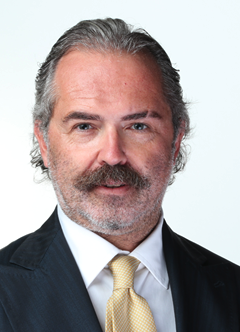 Giuseppe Tarantini合作论文数Dipartimento di Scienze Cardio-Toraco-Vascolari e Sanita' Pubblica, Università degli Studi di Padova63
 Samantha Sartori合作论文数Icahn School of Medicine at Mount Sinai;Hunter College61
 Chiara de Biase合作论文数58
 Thomas Modine合作论文数53
 George Dangas合作论文数Zena and Michael A. Wiener Cardiovascular Institute, Icahn School of Medicine at Mount Sinai52
 Chieffo Alaide合作论文数51
 Antonio Colombo合作论文数Department of Cardiology, Humanitas University;Columbia Presbyterian Medical Center;Stamford Medical Hospital51
 Mohamed Abdel Wahab合作论文数Gastroenterology Surgical Center, Mansoura University51
 Lars Sondergaard合作论文数49
 John Webb合作论文数St Paul's Hospital, University of British Columbia;Department of Medicine, Faculty of Medicine, University of British Columbia49
 Anna Sonia Petronio合作论文数Head of Cardiac Catheterization Lab, Cardiothoracicand Vascular Department
University of Pisa, Italy46
Anna Sonia Petronio合作论文数Head of Cardiac Catheterization Lab, Cardiothoracicand Vascular Department
University of Pisa, Italy46 Darren Mylotte合作论文数45
 Stephan Windecker合作论文数Faculty of Medicine, University of Bern;Department of Cardiology, University Cardiovascular Center Bern University Hospital42
 David Hildick-Smith合作论文数Sussex Cardiac Centre40
 Helene Eltchaninoff合作论文数38
 Rajendra Makkar合作论文数Smidt Heart Institute, Cedars-Sinai Medical Center38Daniel J. Blackman合作论文数37
 Flavio Ribichini合作论文数School of Cardiovascular Medicine, University of Verona36
 Chiara Fraccaro合作论文数36
 Matteo Pagnesi合作论文数Interventional Cardiology Unit, San Raffaele Scientific Institute35
 Fábio Sândoli De Brito Júnior合作论文数35Didier Carrié合作论文数34
 Augusto D'Onofrio合作论文数34
 Federico De Marco合作论文数33Delewi Ronak合作论文数33Gennaro Sardella合作论文数33
 Katia Orvin合作论文数33
 Antonio Mangieri合作论文数32
 Luis Nombela Franco合作论文数Unidad de Hemodinámica del Servicio de Cardiología, Hospital Universitario Ntra. Sra. del Rosario32
 Francesco Bedogni合作论文数Interventional Cardiology Department, Sant' Ambrogio Clinical Institute32
 Sabine Bleiziffer合作论文数31Nicolo Piazza合作论文数31
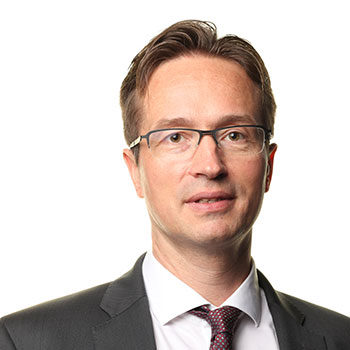 Jan-Malte Sinning合作论文数St. Vinzenz-Hospital31Alexandre Abizaid合作论文数30Susheel Kodali合作论文数30Uri Landes合作论文数30
 Josep Rodés-Cabau合作论文数Institut universitaire de cardiologie et de pneumologie de Québec, Université Laval30
 Marie-Claude Morice合作论文数Institut Cardiovasculaire Paris30Jaya Chandrasekhar合作论文数29Corrado Tamburino合作论文数29
 Thomas Pilgrim合作论文数Department of Cardiology, Bern University Hospital29




