Environmental fluctuations can lead to the microbial-induced phase transformation of birnessite, significantly affecting its role as a toxic metal scavenger in geochemical environments. However, the effects of these transformations on toxic metal retention as a function of redox conditions are still unclear. This study investigated the changes in lead (Pb(II)) adsorption capacity and surface complexation mechanisms of birnessite after microbialinduced transformation under contrasting redox conditions. The microbial-induced transformation of birnessite generally suppressed Pb(II) adsorption capacity. Under aerobic conditions, facultative dissimilatory metalreducing bacteria partially reduced Mn(IV) to Mn(II/III), resulting in vacancy passivation and the reduced total number of reactive sites. Surface complexation models revealed a decrease in triple-corner-sharing complexes and the emergence of monodentate complexes. Partial reduction promoted Pb-O binding, thereby enhancing the environmental stability of adsorbed Pb(II). Under anaerobic conditions, the Mn(III/IV) in birnessite was extensively reduced and re-precipitated into manganite, hausmannite, and rhodochrosite. This results in significantly reduced Pb(II) adsorption due to the inherently low adsorption capacity of the secondary minerals. This study provides insights into how microbially mediated redox transformations of Mn oxides affect the geochemical fate and stability of toxic metals.
Alkaline lakes commonly precipitate authigenic Mg-phyllosilicates, yet the controls on formation of these clay minerals remain poorly understood. This study examines the geochemical and microbial controls on precipitation of Mg-rich clays and carbonates in four alkaline lakes of the Cariboo Plateau located in British Columbia, Canada. Mineralogical analyses reveal that lake sediments and microbial mats contain abundant stevensite [(Na2y center dot nH2O) (Mg3-y square y)Si4O10(OH)2], a Mg-clay phase typically associated with high-alkalinity, closed-basin systems. Mg-carbonates are also present, magnesite (MgCO3) and very high Mg-calcite [also known as disordered dolomite, (Ca0.5Mg0.5CO3)]. Despite extremely low aqueous Mg and Si concentrations, we observe that Mg-clay precipitation is favoured over Mg-carbonates within microbial mats compared to sediment from the same lake. Our findings suggest that microbial processes, including cyanobacterial activity and diatom frustule dissolution, play a key role in facilitating Mg-clay formation by influencing local geochemical conditions and providing nucleation sites. These findings highlight the importance of considering microbial activity when using lacustrine sediments as paleoenvironmental proxies, as they can significantly impact the mineralogical composition of the sediment associated with the microbial mat.
When stone materials are impacted by environmental factors, black crusts often form on their surfaces, detrimentally impacting the aesthetic value of geoheritage. Thus, it is very important to study the composition of the black crusts and the source of pollutants for heritage conservation. In this study, the chemical composition of Dazu sandstone crusts was characterized by a series of analytical methods such as Scanning Electron Microscope - Energy Dispersive Spectroscopy (SEM-EDS), X-Ray Diffraction (XRD), X-ray Fluorescence (XRF), Gas Chromatography-Mass Spectrometry (GC-MS), and Laser Ablation Inductively Coupled Plasma Mass Spectrometry (LA-ICP-MS). The results indicate that the black crust is primarily composed of gypsum, calcite, quartz, and organic pollutants such as fatty acids, long-chain alkanes, and acrylamide. Compared with the weathering crust, the clay minerals content of the black crust is lower, and those of the pollutant compounds are higher. The formation of black crusts is the result of long-term environmental pollutant deposition, chemical reaction and organic polymerization. Black crust existence not only aggravates the deterioration and structural damage of stone but could also pose a potential threat to human health. This study provides valuable theoretical support for cleaning black crusts on geoheritage structures.
Group living, exemplified by shoaling fish, offers individuals physiological benefits including reduced stress responses (social buffering) and metabolism (the calming effect). These physiological benefits may have implications on toxicant accumulation in an aquatic environment. However, limited data exist on whether a social pair is sufficiently social to provide these benefits when compared to social isolation. We sought to investigate whether isolated and paired wild-caught anadromous threespine stickleback (Gasterosteus aculeatus) had different metabolic demands (oxygen uptake rate; ṀO2) and if ṀO2 drove accumulation of waterborne Cu, and whether these factors influenced the fish's acute thermal tolerance (CTmax). Social isolation was hypothesized to elicit stress, increasing oxygen uptake and subsequent branchial accumulation of Cu, which in turn was predicted to limit the fish's CTmax. Oxygen demand at the gills was not affected by Cu exposure nor social context. Despite this, isolated fish had on average 87% and 61% more Cu in their gill and intestinal tissue, respectively, compared to paired fish. This suggests that metabolism did not drive the observed socially mediated difference in tissue Cu burden. Rather the elevated tissue Cu may be endogenous, as increased Cu was also present in tissues of isolated fish that were not exposed to Cu. CTmax was marginally but significantly reduced to 32.9 °C (from 33.1° C) in fish that were exposed to Cu, though this is likely not biologically relevant. This study unearths interactions between social context and metal burden post-exposure, paving the way for future work examining sociality and toxicology in fish.
Coastal marine ecosystems occur at the land-sea interface and are under severe threat from pollution, species loss, and climate change. Beachrock, a coastal sedimentary rock formed through rapid carbonate cementation, develops in the intertidal zone where land-sea interactions are highly dynamic. In this review, we propose that beachrock not only serves as a potential Anthropocene record of coastal pollution but may also function as a Nature-based Solution (NbS) by building coastal ecosystem resilience. First, elevated concentrations of metal(loid)s in intertidal beachrock were identified, and underlying mechanisms were further assessed. Second, the potential use of beachrock in environmental forensics was examined by analyzing diagnostic compositions of typical organic pollutants. Furthermore, novel plastic forms were discovered when plastic lithifies with beachrock, creating an evidence-based marker of the Anthropocene and signifying the incorporation of synthetic materials into Earth's geological record. Finally, we propose that beachrock formation can be artificially induced through microbially induced carbonate precipitation, offering a restorative alternative to traditional cementitious materials, supporting coastal engineering innovation-based solutions that provide multiple benefits. By integrating perspectives from environmental science, climate science, materials science, earth science, and microbiology, we highlight beachrock's potential regarding innovative applications including coastal pollution monitoring, climate adaptation, and sustainable material development.
Early marine carbonate cements generally form in CaCO3-supersaturated seawater at the seabed or shallow burial depths, resulting in syn-sedimentary cemented firmgrounds and hardgrounds. The processes controlling early marine diagenesis are complex, particularly in coastal environments where geochemistry is influenced by different water sources and local biogenic activity. Investigating the modern firmgrounds and hardgrounds in the intertidal zones of the U.A.E. reveals how physical, chemical and biological factors influence early marine precipitation. In these environments, early marine diagenesis is governed by interacting hydrogeochemical, microbial and physical processes, whilst bioturbation modifies solute transport dynamics. In situ porewater and sediment analyses show that the intensely bioturbated lower intertidal zone experiences enhanced sediment permeability, persistent seawater flushing and sediment reworking, producing geochemically uniform porewaters and fewer firmground features. In the middle intertidal zone, reduced seawater exchange, shallower bioturbation and longer porewater residence times promote geochemical conditions favourable for early marine cement precipitation. Additionally, mixing between upwelling continental brines and intertidal seawaters affects porewater redox, salinity and ion concentrations, leading to localised diagenesis. Spatial variations in porewater and sediment chemistry can develop over short distances (<1 km) because of complex hydrogeochemical interactions, in which bioturbation acts as an important modifier. This study highlights the importance of integrating ichnological, geochemical and hydrogeological approaches.
The Cambro-Ordovician Deadwood and Winnipeg formations have recently become targets for geothermal energy production. Core reservoir facies preserve abundant bioturbation which can affect permeability and fluid flow in media. To study the relationship between permeability, bioturbation, and fluid flow, we selected 6 facies with the best reservoir properties and different degrees of bioturbation. High-resolution permeability grids were obtained using a pulse-decay permeameter on slabbed core sections and the resulting data were used as input for finite difference numerical models of fluid flow for each sample. Our results demonstrate that bioturbation is associated with improved permeability in the Deadwood and Winnipeg formations. Bioturbation intensity and grain size appear to be the main controls on the volumetric flux, with higher fluxes observed in sand-rich samples. Cryptic bioturbation is associated with good reservoir quality, while the best reservoir sections are associated with weakly defined bioturbation. The bioturbated sandstones of Facies 17 show the highest volumetric fluxes and are recognized as the best reservoir interval for geothermal energy and to make better drilling recommendations.
Global ecosystems are under constant threat from nonindigenous species, with the potential to cause both economic and ecological harm on a global scale. The green crab (C. maenas) has invaded global coastlines, increasing resource competition and predating upon native organisms. Recent evidence also suggests the green crabs within the Canadian Pacific estuaries possess an acute tolerance to extremely dilute and freshwater (FW) environments compared to historical literature. If Pacific green crabs are indeed tolerant to limited FW exposure, this could increase their ecological range to forage or avoid competitive interactions and predation. Here we evaluate the response of Pacific C. maenas to acute FW exposure, and the implications of increasing temperatures on haemolymph composition in a dilute environment. With an average survival time of 25.4 ± 1.22 h in FW following acclimation to 6.6 ppt seawater (SW), Pacific green crabs exhibited an acute tolerance to exposure in extremely dilute environments. Pacific green crab’s haemolymph osmolality, branchial cyclic AMP (cAMP), oxygen consumption, haemolymph protein, and hemocyanin are largely unaffected within at least the first 6 h of FW exposure. Branchial cAMP in particular was shown to be over 2-fold higher in green crabs acclimated to 18 °C when compared to those acclimated at 12 °C, suggesting that endocrine differences might be correlated to temperature rather than salinity. We propose that the invasive green crabs residing within the Canadian Pacific estuaries of Vancouver Island exhibit a limited but increased tolerance to extremely dilute environments compared to those historically measured in Atlantic populations.
Increased demand for lithium (Li) in renewable energy technologies has driven exploration for new deposit types, including basinal brines such as those of the Devonian-aged Duperow Formation of the Williston Basin (western Canada). Although interest in Li resources across North America is rapidly increasing, the mechanisms which generate brines with economic Li concentrations remain under-constrained. This study seeks to examine the role of sediment contributions for Li to basinal brines, focusing on the Duperow and the overlying Birdbear and underlying Souris River formations. Leaching experiments on clay-rich intervals from these formations indicated that elevated temperatures and calcium (Ca) and magnesium (Mg) concentrations resulted in enhanced Li liberation, and leaching efficiency was positively correlated with higher clay-mineral and dolomite content, indicating a probable mineralogical control. This implies that diagenetic processes, such as dolomitization and illitization, may promote Li release from shales. The leaching experiments formed the basis for Monte Carlo simulations, which suggest that the sediments may provide a sufficient source to account for the elevated Li concentrations in Duperow Formation brines. Together, these results demonstrate that Li-rich brines may be sourced locally through diagenetic processes involving Li-rich clay minerals. This work supports the development of a mineral-systems approach to better understand the genesis of basinal brine-hosted Li deposits, an unconventional resource poised to play an increasingly important role in meeting Li demand.
Emerging and persistent redox-sensitive contaminants (RSCs) pose severe environmental risks, necessitating targeted redox transformation for effective remediation. Biochar, with its inherent electron accepting/donating capacity (EAC/EDC), is a promising candidate but its EAC and EDC are difficult to measure and tailor. This study introduced an augmented causal ensemble learning framework that integrates multi-output prediction, post-hoc robustness assessment, causal inference, optimization, and experimental validation to predict and regulate biochar EAC and EDC. XGB model excelled in both single and dual target predictions (R² = 0.80–0.93), with generalizability and robustness validated via data augmentation and experiments. Feedstock cellulose exhibited the highest positive average treatment effect (ATE) on both EAC (+0.0110) and EDC (+0.0089) among lignocellulosic components, while pyrolysis parameters showed a distinct trade-off, thereby enabling targeted design of redox‑active biochar for RSC remediation. Two-way partial dependence and optimization iteration suggested 450 °C and 51% cellulose as optimal for simultaneous high EAC and EDC. Guided by these insights, exogenous lignocellulose addition increased biochar's EAC/EDC by up to 26.16-fold and enhanced the removal of As(III), Cr(VI), p-nitrophenol, and tetracycline by 13.52–116.77%. This work advances ML-assisted biochar design from correlation-based prediction toward causally informed and experimentally validated intervention, providing a practical predict–interpret–intervene strategy for tailoring waste-derived biochar to contaminant-specific redox remediation requirements.
Oil sands tailings from tailings solvent recovery units (TSRU) contain elevated sulfide minerals and can generate acid mine drainage (AMD) upon atmospheric exposure. This study investigated how prior weathering influences acidity and solute release under controlled laboratory conditions. A six-month column leaching experiment was conducted using TSRU tailings with distinct exposure histories: weathered and semi-weathered tailings from a previous greenhouse-scale reclamation capping experiment, along with weakly weathered tailings stored in sealed barrels. Columns were subjected to repeated wet-dry cycles, analyzing the geochemistry of the leachate and solid-phase changes using X-ray diffraction (XRD) and X-ray photoelectron spectroscopy (XPS). All treatments produced highly acidic leachates (pH < 2), indicating that TSRU tailings retain the capacity to generate acidity regardless of prior exposure. However, the dominant geochemical mechanisms differed by weathering history. Weakly weathered tailings generated progressive increases in acidity and solute release, consistent with active sulfide oxidation. Semi-weathered tailings had more stable responses, suggesting partial sulfide depletion and secondary phase formation. Weathered tailings produced leachates showing evidence of rapid flushing with limited new solute generation. After leaching, residual pyrite remained in all materials, with shifts in surface sulfur speciation providing evidence of progressive surface sulfur oxidation, transformation, and the redistribution of sulfate phases. These results demonstrate the mechanisms involved in AMD generation in TSRU tailings, highlighting the importance of the weathering history and the need for field-scale validation.
Strontium (Sr) is increasingly detected in freshwater ecosystems influenced by mining and oil and gas development. Despite this, toxicity data remains limited for supporting the development of protective water-quality guidelines. Risk evaluation for Sr is further complicated by the shared uptake pathways of strontium and calcium (Ca), whereby Ca has been shown to modify Sr toxicity in a variety of freshwater organisms. In this study, we quantified the influence of Ca concentration ([Ca]) on Sr toxicity and bioaccumulation in three aquatic invertebrates (Lumbriculus variegatus, Chironomus dilutus, and Hyalella azteca) using 4-day acute bioassays conducted at [Ca] of 4, 20, and 80 mg/L. Toxicokinetic modeling for L. variegatus demonstrated a 4.7-fold decrease in Sr uptake rate (kᵤ) across the Ca gradient, while elimination rate constants (kₑ) remained unchanged, indicating that Ca primarily mitigates Sr toxicity by suppressing uptake rather than enhancing elimination. Median lethal concentrations (LC50s) increased three- to nine-fold from low- to high-Ca waters, with H. azteca exhibiting the greatest intrinsic sensitivity and the weakest Ca-mediated protection. Bioaccumulation responses (internal residues) in L. variegatus and C. dilutus followed similar Ca-dependent trends. Supplemental experiments showed that the counter-anion (Cl- versus SO42-) for added Sr did not influence toxicity. However, long-term pre-exposure to low-Ca conditions reduced Sr sensitivity in L. variegatus, indicating acclimation effects. The [Sr] and [Ca] evaluated span from natural freshwater conditions to highly mineralized systems, demonstrating that Sr toxicity is substantially elevated in low-Ca environments and supporting the consideration of ambient Ca in Sr guideline development and ecological risk assessments.
The green crab (Carcinus maenas) is a globally invasive species, inhabiting marine environments around the world, and known for its tolerance to environmental perturbations. While the green crab is a common model species in ecotoxicology, it is critical to understand their relative sensitivities to toxicants, and how this may vary among distinct populations. Here, we use a multi-stressor approach to evaluate the influence of acute copper exposure on the upper thermal tolerance of green crabs native to the Swedish North Sea and invasive to the Canadian Pacific and Atlantic Coastlines. Throughout thermal ramping green crabs exhibited an increase in ṀO2 from the 16 °C acclimation temperature to a peak ṀO2 at 33.5-34.5 °C, followed by an abrupt decline and a subsequent collapse at their upper thermal limits. Corresponding thermal limits in green crabs decreased following both low (200 μg L-1) and high (600 μg L-1) copper exposure, exhibiting consistent reductions in upper thermal limits ~2 °C sooner, with oxygen consumption reaching a peak at 31.5-33 °C, and respiratory failure occurring between 36.5 and 36.8 °C in tested locations. We therefore suggest few notable differences between capture locations, and while acute copper exposure is unlikely to influence green crab cardiorespiratory function in temperatures ranging from 16 to 28 °C, during extreme weather events or within shallow sun exposed environments, prolonged exposure to temperatures exceeding 30 °C in combination with high Cu contamination would increase green crab susceptibility to thermal stress.
Although Mg-rich clays are common in sediments, rocks and mineral wastes produced by mining, little is known about how they might contribute to carbon dioxide (CO2) sequestration. The purpose of this study is to use previously tested mineral carbonation techniques at ambient temperature and pressure on the low-temperature Mg-rich clay mineral, stevensite [(Na-2ynH2O)(Mg3-y X-y)Si4O10(OH)(2)]. This study tests the hypothesis that authigenic 2:1 Mg-clays, while less reactive to CO2 than other Mg-rich minerals (e.g., brucite and serpentines), can transform into carbonates under high alkalinity conditions (100-1187 mEq/L, pH = 9-11). Abiotic experiments using either CO2(g) bubbling or addition of HCl into alkaline lake water and deionized water followed by addition of NaOH to induce a pH swing did not result in carbonation of synthetic stevensite. However, the abiotic experiments gave important insights into the role of silicate dissolution for alkalinity generation and carbon sequestration. Incubation of a natural biofilm with stevensite in highly alkaline lake water resulted in precipitation of the hydrated magnesium carbonate mineral, dypingite [Mg-5(CO3)(4)(OH)(2)similar to 5H2O], on the surface of synthetic stevensite as observed with X-ray diffraction and scanning electron microscopy. A Mg-rich clay phase was also precipitated in an incubation experiment containing biofilm but without the addition of synthetic stevensite. These results provide important insights and observations that can contribute towards geochemical models of environments where we observe carbonation of clay minerals, such as alkaline lakes, which can serve as natural analogues for industrial carbon sequestration projects.
Microbial communities inhabiting hydraulically fractured subsurface waters are increasingly recognized as important components of unconventional oil and gas systems because they can influence water quality, infrastructure integrity, and biogeochemical processes during flowback and production. However, a quantitative cross-basin understanding of their taxonomic diversity, ecological organization, and potential functional variation remains limited. In this study, we analyzed 16S rRNA gene amplicons, metagenomes, and geochemical data from flowback and produced water from the Sichuan Basin, China, and conducted a quantitative comparison to data previously reported from the same basin and hydraulic fracturing regions in North America. Our findings revealed strong co-occurrence patterns among fermentative, sulfidogenic, and methanogenic micro-organisms, which emerged as core members of microbial communities across all fractured subsurface environments. Notably, microbial diversity and selected metabolic traits differed across basins in the low-salinity systems of China, whereas high-salinity basins in North America exhibited reduced diversity and more constrained metabolic capabilities. These differences are consistent with salinity acting as an important ecological filter across the analyzed basins. Our results indicate that basin-specific geochemical context, particularly salinity, is closely associated with cross-basin differences in microbial diversity, community composition, and selected metabolic traits in fractured subsurface waters. These findings support the value of integrating geological, geochemical, and microbiological information when interpreting microbial risks and water-management strategies in hydraulic fracturing systems.
Lithium (Li) enrichment in the formational brines of deep sedimentary basins has emerged as a crucial component of global Li inventories. However, the processes driving the formation of Li brines remain poorly understood. Here we use lithofacies analysis and Li isotope geochemistry to investigate the sources and emplacement mechanisms within weathered subcropping units and overlying detrital sediments of the Peace River Arch (PRA) in the Western Canada Sedimentary Basin (WCSB). We analyze data from three drill cores that traverse Precambrian basement and five of its overlying siliciclastic and carbonate units. These cores reside both within and outside of the fault zone proposed as a migration pathway for hydrothermal emplacement. Lithofacies analysis revealed that these sediments were weathered directly from crystalline basement of the cratonic uplift and transported via a fluvial-deltaic system into the surrounding shallow marine basin. Like modern weathering regimes, we find Li concentrations are strongly lithofacies dependent, ranging from 0.4 ppm to 167.3 ppm, with δ7Li values ranging from 1.5‰ to 23.5‰. Our results show that superficially weathered, coarse-grained lithologies and carbonate facies are Li-depleted and δ7Li-enriched, whereas fine-grained facies characterized by the formation of secondary clay minerals are δ7Li-depleted and exhibit the highest Li concentrations. Contrary to the prevailing model of hydrothermal emplacement, we find no visual, mineralogical, or geochemical evidence of hydrothermal alteration. Instead, Li enrichment is attributed to weathering of the crystalline basement and syndepositional emplacement during basin evolution. Sedimentation continued throughout the overall transgression of the Devonian, resulting in the interfingering of these clastics with every onlapping unit until the PRA was buried at the end of the Devonian. This study is the first to directly trace Li from source to sink in an ancient sedimentary basin, and we show that the modern distribution of Li brine concentrations can be explained by their proximity and intercalation with weathered subcropping units. Moreover, our results provide a source and mechanism of transporting dissolved Li into the restricted basin, supporting previous suggestions that Li brines toward the southeastern portion of the WCSB are the result of basin scale evaporation-concentration of paleoseawater. Our results underscore the link between the nature and distribution of basin fill sediments and the formation of Li-enriched brines. As formational brines gain prominence as future Li resources, the methodology presented here establishes a framework for characterizing Li genesis, with applications for sedimentary basins worldwide.
 Kurt O. Konhauser合作论文数Department of Earth & Atmospheric Sciences, Faculty of Science, University of Alberta102
 Yong Sik Ok合作论文数Korea Biochar Research Center, Division of Environmental Science and Ecological Engineering, Korea University;University of Queensland;Ghent University Global Campus;University of Wuppertal41
 Konstantin von Gunten合作论文数Dept Earth & Atmospher Sci, Univ Alberta38
 Shannon L. Flynn合作论文数36
 Katherine N. Snihur合作论文数Department of Earth and Atmospheric Sciences, University of Alberta34
 Greg Goss合作论文数Department of Biological Sciences, Faculty of Science, University of Alberta;School of Public Health, University of Alberta33
 Md. Samrat Alam合作论文数Department of Earth Sciences, Memorial University;Labrador32
 Leslie James Robbins合作论文数Department of Earth and Atmospheric Sciences, University of Alberta28Deyi Hou (侯德义)合作论文数27
 Dan Tsang合作论文数The Hong Kong University of Science and Technology27
 Rizlan Bernier-Latmani合作论文数School of Architecture, Civil and Environmental Engineering, École Polytechnique Fédérale de Lausanne26
 Weiduo Hao合作论文数Department of Earth and Atmospheric Sciences, University of Alberta24
 John R. Bargar (John Bargar)合作论文数SLAC National Accelerator Laboratory22
 Murray K. Gingras合作论文数Earth and Atmospheric Sciences, University of Alberta21
 Blewett Tamzin A合作论文数Department of Biology, McMaster University20
 Lezama Pacheco Juan合作论文数19
 Janice P. L. Kenney合作论文数Dept Phys Sci, MacEwan Univ17
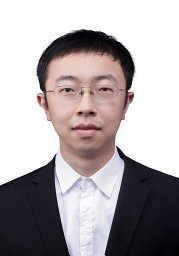 Zhengtao Shen (沈征涛)合作论文数School of Earth Sciences and Engineering, Nanjing University17
 Jonathan Martin合作论文数Department of Environmental Science, Exposure and Effects Unit, Stockholm University;SciLifeLab, Stockholm University;Department of Laboratory Medicine and Pathology, Faculty of Medicine and Dentistry, University of Alberta16
 Kitae Baek合作论文数Department of Environmental Engineering, Kumoh National Institute of Technology16
 Logan Swaren合作论文数Dept Earth & Atmospher Sci, Univ Alberta15
 Yifeng Zhang合作论文数Nankai University, Nankai University14
 Elena I Suvorova合作论文数14
 Brendan Bishop合作论文数Department of Geology, University of Regina13Erik J Folkerts合作论文数Dept Biol Sci, Univ Alberta13
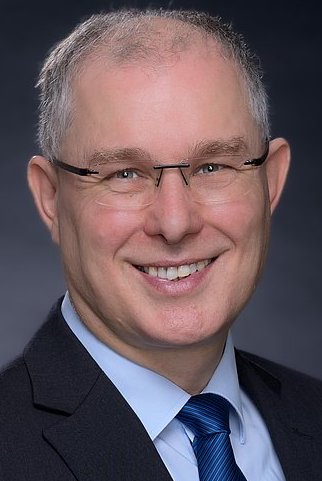 Jörg Rinklebe合作论文数School of Architecture and Civil Engineering, University of Wuppertal;Fakultät für Architektur und Bauingenieurwesen, University of Wuppertal12
 Yuhe He合作论文数12Tyler Warchola合作论文数11
 Cheng Zhong合作论文数The Hong Kong University of Science and Technology11
 Stefan V. Lalonde合作论文数UMR 6538 Laboratoire Géosciences Océan, Institut Universitaire Européen de la Mer, Université de Bretagne Occidentale11
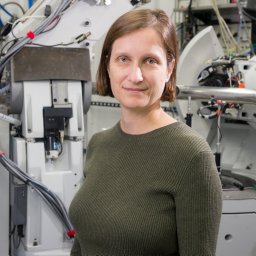 Joanne E. Stubbs合作论文数Stanford Synchrotron Radiation Lightsource (SSRL), USA11
 Brian Smerdon合作论文数CSIRO Land and Water11Ashkan Zolfaghari Sharak合作论文数Department of Chemical Engineering, University of Sistan and Baluchestan11
 Harish Veeramani合作论文数École Polytechnique Fédérale de Lausanne Switzerland11Daniels Kononovs合作论文数10
 Lingyi Tang合作论文数Coll Resources & Environm Sci, Nanjing Agr Univ10
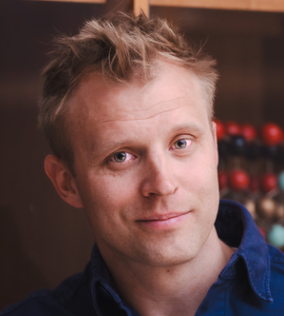 Noah Planavsky合作论文数The Department of Earth & Planetary Sciences, Faculty of Arts and Sciences, Yale University;Yale Geochemistry Center, Yale University;Yale Center for Natural Carbon Capture, Yale University;Cascade Climate10
 Salman Safari合作论文数Department of Mechanical Engineering, McMaster University10
 Joel Gehman合作论文数university of alberta10
 Jose M Cerrato合作论文数The Charles E. Via Jr. Department of Civil and Environmental Engineering, Virginia Polytechnic Institute and State University10
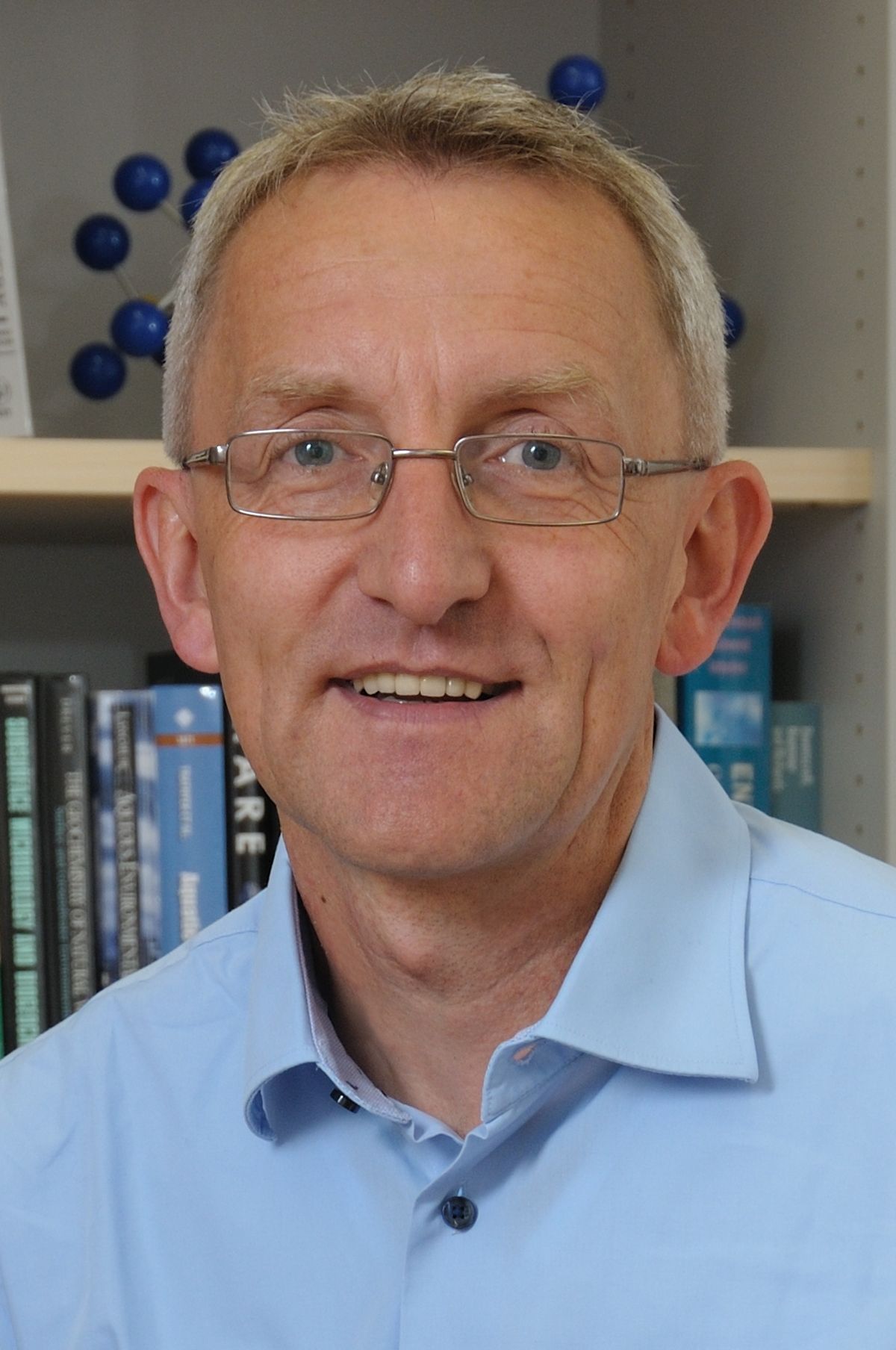 Andreas Kappler合作论文数Department of Geosciences, Faculty of Science, Eberhard Karls Universität Tübingen;Center for Applied Geoscience, University of Tübingen;Center for Geomicrobiology, Department of Biosciences, Aarhus University10Daniela Gutierrez Rueda合作论文数9Sasha Wilson合作论文数8
 Yuxia Liu合作论文数8
 Nina Zeyen合作论文数Dept Earth & Atmospher Sci, Univ Alberta8
 Daniel E Giammar合作论文数Department of Geosciences, Princeton University8
 Kenneth H. Williams合作论文数Climate and Ecosystem Sciences Division, Lawrence Berkeley National Laboratory8Jong-Gook Kim合作论文数Department of Environment & Energy and Soil Environment Research Center, Jeonbuk National University7
 Brian Lanoil合作论文数Dept Biol Sci, Univ Alberta7




