Aim Deep‐sea hydrothermal vents have now been reported along all active mid‐ocean ridges and back‐arc basins, but the boundaries of biogeographic entities remain questionable owing to methodological issues. Here we examine biogeographic patterns of the vent fauna along the East Pacific Rise (EPR) and determine the relative roles of regional and local factors on the distribution of biodiversity associated with mussel beds along a poorly explored zone, the southern EPR (SEPR).
Societal concerns over the potential impacts of recent global change have prompted renewed interest in the long term ecological monitoring of large ecosystems The deep sea is the largest ecosystem on the planet the least accessible and perhaps the least understood Nevertheless deep sea data collected over the last few decades are now being synthesised with a view to both measuring global change and predicting the future impacts of further rises in atmospheric carbon dioxide concentrations For many years it was assumed by many that the deep sea is a stable habitat buffered from short term changes in the atmosphere or upper ocean However recent studies suggest that deep seafloor ecosystems may respond relatively quickly to seasonal inter annual and decadal scale shifts in upper ocean variables In this review we assess the evidence for these long term (i e inter annual to decadal scale) changes both in biologically driven sedimented deep sea ecosystems (e g abyssal plains) and in chemosynthetic ecosystems that are partially geologically driven such as hydrothermal vents and cold seeps We have identified 11 deep sea sedimented ecosystems for which published analyses of long term biological data exist At three of these we have found evidence for a progressive trend that could be potentially linked to recent climate change although the evidence is not conclusive At the other sites we have concluded that the changes were either not significant or were stochastically variable without being clearly linked to climate change or climate variability indices For chemosynthetic ecosystems we have identified 14 sites for which there are some published long term data Data for temporal changes at chemosynthetic ecosystems are scarce with few sites being subjected to repeated visits However the limited evidence from hydrothermal vents suggests that at fast spreading centres such as the East Pacific Rise vent communities are impacted on decadal scales by stochastic events such as volcanic eruptions with associated fauna showing complex patterns of community succession For the slow spreading centres such as the Mid Atlantic Ridge vent sites appear to be stable over the time periods measured with no discernable long term trend At cold seeps inferences based on spatial studies in the Gulf of Mexico and data on organism longevity suggest that these sites are stable over many hundreds of years However at the Haakon Mosby mud volcano a large well studied seep in the Barents Sea periodic mud slides associated with gas and fluid venting may disrupt benthic communities leading to successional sequences over time For chemosynthetic ecosystems of biogenic origin (e g whale falls) it is likely that the longevity of the habitat depends mainly on the size of the carcass and the ecological setting with large remains persisting as a distinct seafloor habitat for up to loo years Studies of shallow water analogs of deep sea ecosystems such as marine caves may also yield insights into temporal processes Although it is obvious from the geological record that past climate change has impacted deep sea faunas the evidence that recent climate change or climate variability has altered deep sea benthic communities is extremely limited This mainly reflects the lack of remote sensing of this vast seafloor habitat Current and future advances in deep ocean benthic science involve new remote observing technologies that combine a high temporal resolution (e g cabled observatories) with spatial capabilities (e g autonomous vehicles undertaking image surveys of the seabed)
Societal concerns over the potential impacts of recent global change have prompted renewed interest in the long-term ecological monitoring of large ecosystems. The deep sea is the largest ecosystem on the planet, the least accessible, and perhaps the least understood. Nevertheless, deep-sea data collected over the last few decades are now being synthesised with a view to both measuring global change and predicting the future impacts of further rises in atmospheric carbon dioxide concentrations. For many years, it was assumed by many that the deep sea is a stable habitat, buffered from short-term changes in the atmosphere or upper ocean. However, recent studies suggest that deep-seafloor ecosystems may respond relatively quickly to seasonal, inter-annual and decadal-scale shifts in upper-ocean variables. In this review, we assess the evidence for these long-term (i.e. inter-annual to decadal-scale) changes both in biologically driven, sedimented, deep-sea ecosystems (e.g. abyssal plains) and in chemosynthetic ecosystems that are partially geologically driven, such as hydrothermal vents and cold seeps. We have identified 11 deep-sea sedimented ecosystems for which published analyses of long-term biological data exist. At three of these, we have found evidence for a progressive trend that could be potentially linked to recent climate change, although the evidence is not conclusive. At the other sites, we have concluded that the changes were either not significant, or were stochastically variable without being clearly linked to climate change or climate variability indices. For chemosynthetic ecosystems, we have identified 14 sites for which there are some published long-term data. Data for temporal changes at chemosynthetic ecosystems are scarce, with few sites being subjected to repeated visits. However, the limited evidence from hydrothermal vents suggests that at fast-spreading centres such as the East Pacific Rise, vent communities are impacted on decadal scales by stochastic events such as volcanic eruptions, with associated fauna showing complex patterns of community succession. For the slow-spreading centres such as the Mid-Atlantic Ridge, vent sites appear to be stable over the time periods measured, with no discernable long-term trend. At cold seeps, inferences based on spatial studies in the Gulf of Mexico, and data on organism longevity, suggest that these sites are stable over many hundreds of years. However, at the Haakon Mosby mud volcano, a large, well-studied seep in the Barents Sea, periodic mud slides associated with gas and fluid venting may disrupt benthic communities, leading to successional sequences over time. For chemosynthetic ecosystems of biogenic origin (e.g. whale-falls), it is likely that the longevity of the habitat depends mainly on the size of the carcass and the ecological setting, with large remains persisting as a distinct seafloor habitat for up to 100 years. Studies of shallow-water analogs of deep-sea ecosystems such as marine caves may also yield insights into temporal processes. Although it is obvious from the geological record that past climate change has impacted deep-sea faunas, the evidence that recent climate change or climate variability has altered deep-sea benthic communities is extremely limited. This mainly reflects the lack of remote sensing of this vast seafloor habitat. Current and future advances in deep-ocean benthic science involve new remote observing technologies that combine a high temporal resolution (e.g. cabled observatories) with spatial capabilities (e.g. autonomous vehicles undertaking image surveys of the seabed).
Ashadze-1 (12° 58′N 44° 51′W, 4080 m) on the Mid-Atlantic Ridge (MAR) is the deepest known active hydrothermal vent field. The first observations on this site were numerous clear and black smokers and surprisingly few known symbiotic species dominant in other vent areas on the MAR. The species most abundant at Ashadze-1 are those usually found at the periphery of hydrothermal communities: sea-anemones Maractis rimicarivora and chaetopterid polychaetes Phyllochaetopterus sp. nov. This study comprised site mapping and faunal sampling and Ashadze-1 was completely mapped by using the remote operated vehicle ‘Victor 6000’ and a new high resolution tool available for deep-sea research. A photo-mapping survey was carried out with a long range optical black and white camera. Digitization of substrata and sea-anemones visible on the images was performed by GIS. Spatial distribution of Ma. rimicarivora was distinguished by high densities of 32 ind.m−2 on the western side of the main smoker area. Submersible sampling operations allowed taxonomic identification within a 200 × 110 m area. Carbon, nitrogen and sulphur isotopic ratios were measured in four dominant species to identify their trophic position. The present paper gives the complete maps and describes the faunal community of the Ashadze-1 vent field. The results obtained led us to consider this site as an ecosystem in its declining stage. Finally we compare the similarities of this community to other hydrothermal communities on the northern MAR.
In the framework of the deep-sea environmental programme BIOZAIRE (Ifremer-Total), colonization trays were deployed for 283–433 days at three sites along the equatorial West African margin: ZA at 1300-m depth, ZC at 4000-m depth far from the Congo canyon and ZD at 4000-m depth close to the Congo canyon. The experiments aimed at determining the influence of depth and local environmental settings on macrofaunal colonization patterns and organic carbon degradation rates. The trays were filled with glass beads and this artificial substrate was enriched with ground particulate organic matter in a gradient of 0%, 0.34%, 1.02% and 3.43% organic carbon. The highest rates of organic carbon degradation ranged, according to the duration of the experiments, from 1.59 to 2.36gCm−2day−1 but were independent of depth or location. Colonization rates, conversely, varied by one order of magnitude between bathyal and abyssal experiments. The influence of experimental treatments on the structure of the colonizing macrofauna also varied according to location and depth. At ZA, colonization patterns were highly predictable and driven by a shift in dominance of opportunistic taxa along the enrichment gradient. To a lesser extent, this was also true at ZD, near the Congo canyon, while at ZC the treatments had no significant effect on the composition of the colonizing fauna. At abyssal depth, high rates of organic matter degradation associated with low rates of colonization suggested that pulse of organic matter would mainly benefit the resident community. At bathyal depth, high colonization rates of a specialized fauna might conversely play an important role in the functioning of the ecosystem. The regional and local coexistence of an opportunistic fauna via a spatial storage effect associated with dispersal might significantly contribute to the maintenance of high diversity on continental margins.
Trophic relationships in Bathymodiolus azoricus mussel bed communities on the Tour Eiffel hydrothermal edifice (Lucky Strike) were assessed using delta C-13 and delta N-15 signatures from 14 hydrothermal species. The nutritional basis of B. azoricus was also investigated with delta S-34. Faunal samples and environmental data (temperature, pH, total dissolved sulfide, iron and copper concentrations) were collected from 12 different locations on the edifice. Chemical conditions varied between microhabitats, and were all correlated to temperature. Carbon and nitrogen isotopic results revealed the presence of two, apparently independent, trophic groups. The first was composed of symbiont-bearing fauna (B. azoricus and their associated polychaetes Branchipolynoe seepensis), while the second enclosed heterotrophic fauna (bacterivores, cletritivores, scavengers, predators). A majority of mussels displayed delta C-13 values ranging from -27 parts per thousand to -34 parts per thousand, supporting thiotrophy as the dominant nutritional pathway at Tour Eiffel, with methanotrophy and filter feeding emerging as secondary strategies. This result was corroborated by delta S-34 signatures. However, higher delta C-13 values in larger mussels suggested that, as they grow, B. azoricus mussels rely more heavily on their methanotrophic enclosymbionts. Significant spatial variability in isotopic signatures for single faunal species was observed at the scale of the edifice for three species (B. azoricus, B. seepensis, Amathys lutzi), and environmental conditions explained variation in isotopic signatures for one-third of the species. This confirms the hypothesis raised by several authors on the role of hydrothermal fluids on the trophic network at small spatial scales. We suggest that vent fluid characteristics, by influencing microbial production, are key factors in the variation of local carbon sources at vents. (C) 2009 Elsevier Ltd. All rights reserved.
The general objective of the EU STREP EXOCET/D (GOCE-CT-2003-505342) was to develop, implement and test specific technologies aimed at exploring, describing and quantifying biodiversity in deep-sea fragmented habitats as well as at identifying links between community structure and environmental dynamics. The first leg of the MoMARETO cruise, held in summer 2006 on the new French oceanographic vessel Pourquoi pas? constituted the final demonstration action of EXOCET/D. In addition to sea trials, the scientific objective of the cruise was to study the spatial and temporal dynamics of hydrothermal communities colonizing active hydrothermal sites on the Mid- Atlantic Ridge. Three vent fields, ranging from 850m to 2300m, were visited by the ROV Victor 6000 during the cruise.
EXOCET/D was a three-year project that started in 2004 and that was funded by the European Commission (STREP, FP6-GOCE-CT-2003-505342). The general objective of this project was to develop, implement and test specific technologies aimed at exploring, describing and quantifying biodiversity in deep-sea fragmented habitats as well as at identifying links between community structure and environmental dynamics. The MoMARETO cruise, held during the summer 2006, was the main demonstration action of EXOCET/D. After nearly 3 years of development, the project was a real success with the at sea trial and validation of 13 instrument prototypes developed for the study of deep-sea extreme habitats. These instruments were dedicated to quantitative imaging, in situ measurements, faunal sampling and in vivo experiments.
The Momareto cruise was held from August 6 to September 6, 2006 on the new French oceanographic vessel Pourquoi pas. The ROV Victor 6000 visited three vent fields, ranging from 850 m to 2300 m, on the Mid-Atlantic Ridge. The scientific objective of the cruise was to study the spatial and temporal dynamics of hydrothermal communities colonizing these active vent sites. Aside scientific and technological objectives, one of the major goals of this cruise was to share the excitement of our science with the public. For this, the results of the project were shared through different media. The most challenging and exciting communication event remains the realtime transmission of images acquired by the ROV Victor at 1700 m depth to a 250 person audience on land.
Mid‐ocean ridge volcanic activity is the fundamental process for creation of ocean crust, yet the dynamics of magma emplacement along the slow spreading Mid‐Atlantic Ridge (MAR) are largely unknown. We present acoustical, seismological, and biological evidence of a magmatic dike intrusion at the Lucky Strike segment, the first detected from the deeper sections (>1500 m) of the MAR. The dike caused the largest teleseismic earthquake swarm recorded at Lucky Strike in >20 years of seismic monitoring, and one of the largest ever recorded on the northern MAR. Hydrophone records indicate that the rate of earthquake activity decays in a nontectonic manner and that the onset of the swarm was accompanied by 30 min of broadband (>3 Hz) intrusion tremor, suggesting a volcanic origin. Two submersible investigations of high‐temperature vents located at the summit of Lucky Strike Seamount 3 months and 1 year after the swarm showed a significant increase in microbial activity and diffuse venting. This magmatic episode may represent one form of volcanism along the MAR, where highly focused pockets of magma are intruded sporadically into the shallow ocean crust beneath long‐lived, discrete volcanic structures recharging preexisting seafloor hydrothermal vents and ecosystems.
In this study we assessed the phylogenetic relationships of the hydrothermal vent polychaete group Alvinellidae, based on parsimony analyses of combined morphological and molecular data. Morphological data were obtained from newly examined specimens and literature information of 16 terminal taxa belonging to Alvinellidae, Ampharetidae, Pectinariidae, Terebellidae, Trichobranchidae, and the outgroups Oweniidae and Sabellidae. Molecular data were based on 28S rRNA from 13 of the 16 morphological terminals (10 previously published sequences plus three new ones). The combined analysis indicated the clades ((Alvinellidae, Trichobranchidae) Pectinariidae) and (Ampharetidae, Terebellidae). Alvinellidae, Ampharetidae and Terebellidae, as currently delineated, are monophyletic. The positions of Trichobranchidae and Pectinariidae contradicted traditional views, and they also had low Bremer support and merit further studies. Well‐supported clades included Alvinellidae and Terebellinae. Previous statements that Alvinellidae are either nested within Ampharetidae or the sister to this taxon were not supported. The traditional but here contradicted view that Terebellidae and Trichobranchidae are closely related may be based on plesiomorphic similarities between these two taxa.
Nutritional relations among invertebrates from the hydrothermal vent fields at the Mid Atlantic Ridge (MAR) were studied via the carbon and nitrogen stable isotope approach. A large number of specimens of different vent species from different MAR vent fields were analysed, providing a general picture of the community structure. The isotopic composition at each vent field presents the same general trend. There is an obvious dichotomy of the trophic structure, with the mussels being significantly depleted in 13C and shrimps being significantly enriched in 13C. MAR and Pacific vent fields present the same picture, despite a different species composition. Primary consumers are divided into main groups according to their δ13C signature: >−15 (shrimps) and <−20‰ (mussels). Vent predators are tightly linked to one or the other group, but a mixed diet cannot be excluded. Bathyal species are top predators, making incursions into the vent fields to profit from the large biomass. Taking into account the above associations, a descriptive trophic model was elaborated. At the base of the food chain the chemolithotrophic bacteria predominate. Four trophic levels were then distinguished: primary consumers, feeding only on bacteria; mixotrophs feeding on bacteria and small invertebrates; vent predators feeding only on small invertebrates; and finally top predators that are mainly constituted by deep-sea fauna.
Introduction : Since the discovery of animal communities in oceanic hydrothermal vents in 1977 and in deep-sea cold seeps in 1984 (Londsdale, 1977; Paull et al., 1984) fishes have been regularly observed in association with these chemosynthetically-driven communities, but in most cases they are difficult to catch and therefore species identification can only rely on images taken by the diving vehicles. Ichthyological information pertaining to species inhabiting the deep-sea hydrothermal vents and cold seeps is mentioned in over 30 papers and even in the more detailed and updated lists (Geistdoerfer, 1991; 1996; 1999; Sibuet & Olu, 1998; Tunnicliffe, 1991) there are species missing. The situation is even less clear concerning the bathyal species inhabiting the periphery of the active fields, the vast majority of their identifications having been based on video records or photographs.
For the first time, in vivo heat-exposure experiments were conducted on the hydrothermal vent polychaete Hesiolyra bergi from the hottest part of the vent biotope. Using a pressurised incubator equipped with video-facilities, we found that H. bergi, which forages around and in the tubes of the thermophilic Alvinella sp., became hyperactive once temperature exceeded 35 degreesC and further lost co-ordination in the 41 to 46 degreesC interval, just before death occurred. Another exposure experiment at 39 degreesC for 3 to 4 h led to 80 % mortality (max) 9 h after heat shock, and 100 % thereafter. In view of the much higher temperatures recorded in this organism's habitat, these results suggest that tolerance to high temperatures (exceeding 40 degreesC) is not a pre-requisite for life amongst alvinellid tubes. Behavioural responses (escape from heat) may suffice.
In order to provide information about the export and the distribution of hydrothermal particulate material to the surrounding deep ocean, four moorings were deployed in the vicinity of the hydrothermal Rainbow vent field (Mid-Atlantic Ridge, 36 degrees 14'N, 2250 m depth). The first mooring was a sediment trap with a current meter deployed at 2 m from a chimney of the Rainbow vent field and 1.5 m above the bottom (a.b.) for 16 days. It represented the reference for the initial composition of particles produced by the vent. The total mean mass particle flux (6.9 g m(-2) d(-1)) was distinctly higher than the flux measured at the shallower hydrothermal vents on the MAR segment. This particulate flux showed a high temporal variation at the scale of a few days and was characterized by a high concentration of sulphur (17.2%) and copper (3.5%) and a very low concentration of organic carbon (0.14%). Several hundred bivalve larvae belonging to the hydrothermal mytilid Bathymodiohis azoricus were collected in this trap at the beginning of the experiment. The density of larvae decreased strongly at the end, indicating a patchiness distribution or a discontinuous reproduction of this species. The other three moorings, including sediment traps, current-meters and thermistor chains, were deployed for 304 days at different distances and altitudes from the Rainbow vent field. The mean speed of the current in the rift valley was low (6 cm s(-1)) and was oriented toward the north. The total mean particle mass flux measured with the five sediment traps varied little, from 10.6 to 25.0 mg m m(-2) d(-1), and displayed temporal variations which are typical of deep-sea environments with seasonal changes in the overlying production. However, in the trap at 500 m from the vents 150 m a.b., the presence of the hydrothermal plume can be observed: the sulphur, iron and copper concentrations of particles were significantly higher compared to the particles sampled in the pelagic reference trap. The plume composition was about 50% hydrothermal particles and 50% pelagic particles and its upper limit reached 300 m a.b. at this distance. In the traps at 1000 m from the vents, the elemental composition of particles was similar to the pelagic particles and we assume that these traps were not in the plume during the experiment. The zooplankton obtained in the long-term trap samples revealed high density variations in relation to the distance from the vent site. The nutrient enrichment around the hydrothermal area and the abundance of free living bacteria explain these variations in zooplankton density.
Near the Azores Triple Junction as the Azores Plateau is approached, the ridge axis becomes shallower; its depth decreases from ca. 2400m in the Rainbow vent field (36°13′N) to ca. 850m in the Menez Gwen vent field (37°35′N). In this area, extensive mussel beds of the mytilid Bathymodiolus azoricus dominate the hydrothermal vent fauna, along with populations of three shrimps (Rimicaris exoculata, Mirocaris fortunata and Chorocaris chacei). The main physical and chemical characteristics of the vent habitat were studied by discrete sampling, in situ analysis and sediment trap moorings. The vent fauna is distributed along a variable band where the vent fluids and seawater mix, with R. exoculata living in the most concentrated areas and Bathymodiolus azoricus in the most diluted zones. Various non-endemic species live at the border of the vent field. The variations observed in structure and composition of the communities along the depth gradient are most likely due to changes in vent fluid toxicity (metallic and sulphide content) and suspended mineral particles, which render the fluids harsher for species living there. The main faunal differences observed between Lucky Strike and Menez Gwen hydrothermal fields are due to an impoverishment in the hydrothermal endemic species and to the penetration of bathyal species. The comparison of the three studied vent fields suggests the existence of a succession of several biogeographic islands rather than a single province.
Lepidonotopodium atalantae sp. nov., appartenant a la sous-famille des Lepidonotopodinae, a ete trouvee dans des echantillons recoltes sur les sites hydrothermaux profonds de 9°N et 13°N sur la dorsale du Pacifique oriental. Elle se distingue principalement par ses elytres portant des ornementations regulieres sur leur bord posterieur et par de tres longs cirres anaux. C'est la cinquieme espece de Lepidonotopodium, toutes appartenant a la faune des sources hydrothermales profondes.
 Lucien Laubier合作论文数20
 Didier Jollivet合作论文数UMR CNRS-UPMC 7144, Station Biologique de Roscoff15p m sarradin合作论文数10Alexis Khripounoff合作论文数9Pierre Chevaldonné合作论文数9Thierry Comtet合作论文数CNRS, Sorbonne Universite8
 Francoise Gaill,合作论文数8
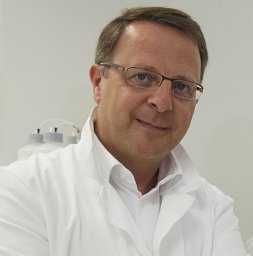 Franck Zal合作论文数CNRS, Station Biologique de Roscoff;Station Biologique de Roscoff, UPMC Université Paris 6;CNRS, France|UPMC Université Paris 67
 Ana Colaco合作论文数Dept of Oceanography and Fisheries ( DOP );University of the;Dept of Oceanography and Fisheries ( DOP ), University of the7
 Stephane Hourdez合作论文数208 Mueller Laboratory, The Pennsylvania State University7M. Segonzac合作论文数6
 Jozee Sarrazin合作论文数ifremer6Philippe Crassous合作论文数6
 Manuel Biscoito合作论文数Câmara Municipal do Funchal Funchal5
 Andre Toulmond合作论文数4
 Yves Fouquet合作论文数IFREMER DRO/GM4Bruce Shillito合作论文数Equipe Adaptations aux Milieux Extrêmes, UPMC-CNRS UMR 7622, 7 Quai St-Bernard, Paris 75005, France4
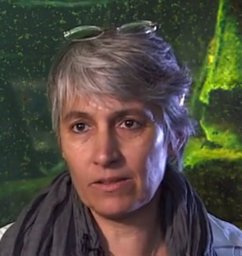 Nadine Le Bris合作论文数Ifremer, Département Etude des Ecosystèmes Profonds, BP70, 29280 Plouzané, France4L. Saldanha合作论文数3M. Gouillou合作论文数3A. Vangriesheim合作论文数3
 R. Vuillemin合作论文数3Daphne Cuvelier合作论文数3
 Fabri Marie-claire合作论文数3
 Robert Vrijenhoek合作论文数Monterey Bay Aquarium Research Institute3
 James J. Childress合作论文数Department of Ecology, Evolution, and Marine Biology, University of California3P. Taylor合作论文数3Jeanclaude Faugères合作论文数3C. Jouin-Toulmond合作论文数3
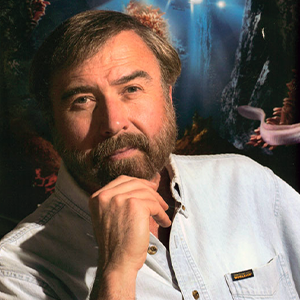 Richard A. Lutz合作论文数Center for Deepsea Ecology & Biotechnology, Rutgers, The State University of New Jersey;Department of Marine and Coastal Sciences, School of Environmental and Biological Sciences, Rutgers, The State University of New Jersey3
 Anne Godfroy合作论文数UMR 6197, IFREMER, Centre de Brest Laboratoire de Microbiologie des Environnements Extrêmes BP 70 29280 Plouzané France3Jean-Claude Caprais合作论文数3A. M. Alayse-Danet合作论文数3
 Adam Schultz合作论文数School of Oceanography WB-10, University of Washington3Roger Griboulard合作论文数3E Derelle合作论文数2R Riso合作论文数2
 Antje Boetius合作论文数Max Planck Institute for Marine Microbiology;Alfred Wegener Institute, Helmholtz Centre for Polar and Marine Research;MARUM Cluster of Excellence, University of Bremen2E. Buffier合作论文数2S. Dentrecolas合作论文数2u hoge合作论文数2P. Dorval合作论文数2G. Hamel合作论文数2p simeoni合作论文数2v brandou合作论文数2
 Luis Sebastiao合作论文数2e savino合作论文数2Andrew J. Gooday合作论文数2Gordon Paterson合作论文数2




