BACKGROUND:Clinical trials of melasma are difficult to compare due to variation in the outcomes reported. OBJECTIVE:The purpose of this study was to develop a core set of outcome domains to be assessed in all clinical trials of melasma. METHODS:Identification of outcomes was performed via a literature review. Thereafter, 2 rounds of Delphi surveys were conducted, followed by consensus meetings to determine which outcomes should be in the final core domain set. RESULTS:Seven core outcomes were recommended: relative intensity of representative area of pigmentation relative to baseline; color of dark spots; area and distribution of pigmentation; overall severity of melasma; patient satisfaction with treatment; quality of life; presence and severity of persistent versus transient treatment-related adverse events. LIMITATIONS:Hormonal and intrinsic vascular factors were not included in the core outcome set due to limited feasibility and lack of routine measurement as outcomes in clinical trials and in clinical practice. Additionally, there were very few Hispanic individuals in the Delphi group, although melasma is very common in Hispanic individuals. CONCLUSION:A core outcome set has been developed for melasma trials. Routine use of this may improve comparability and pooling of data emanating from such trials.
Importance:Currently, there are no standardized outcome domains or measures in clinical trials for facial aging. Heterogeneity in outcome domains and measurement instruments across clinical trials creates difficulty in directly comparing interventions, determining superior therapies, and developing high-quality meta-analyses. Objective:To develop a core outcome set (COS) of essential domains to be reported in clinical trials evaluating the efficacy of interventions for facial aging. Evidence Review:PubMed/Medline, Embase, Cochrane Central Register of Controlled Trials, and CINAHL were searched from September 2005 to September 2015. An updated search of the same databases was performed from September 2015 to February 2026. Studies were included if (1) they were randomized clinical trial or controlled clinical trial in design, (2) they assessed the efficacy or safety of an intervention for facial aging, (3) they were published in English, and (4) they involved human participants. Complementary sources, including patient interviews, were used to capture further relevant outcomes. Two rounds of Delphi surveys, followed by consensus meetings, were used to identify outcome domains considered most important by both patient and physician stakeholders. Findings:The final COS consists of 6 outcome domains: (1) overall convenience of treatment; (2) time to return to normal work and social activity; (3) overall assessment of focused area of treatment (at the point in time when treatment is expected to provide peak benefit); (4) duration of treatment effect; (5) severity of persistent local or systemic adverse events, including pigmentary change, skin texture change, delayed healing, scarring, and serious adverse events; and (6) patient satisfaction with treatment. Conclusions and Relevance:The 6 outcome domains identified through a Delphi consensus are recommended for reporting in future facial aging trials to ensure that outcomes that matter most to patients and clinicians are measured and that results are comparable across interventions.
The integration of large language models (LLMs) into clinical diagnostics has the potential to transform doctor–patient interactions. However, the readiness of these models for real-world clinical application remains inadequately tested. This paper introduces the Conversational Reasoning Assessment Framework for Testing in Medicine (CRAFT-MD) approach for evaluating clinical LLMs. Unlike traditional methods that rely on structured medical examinations, CRAFT-MD focuses on natural dialogues, using simulated artificial intelligence agents to interact with LLMs in a controlled environment. We applied CRAFT-MD to assess the diagnostic capabilities of GPT-4, GPT-3.5, Mistral and LLaMA-2-7b across 12 medical specialties. Our experiments revealed critical insights into the limitations of current LLMs in terms of clinical conversational reasoning, history-taking and diagnostic accuracy. These limitations also persisted when analyzing multimodal conversational and visual assessment capabilities of GPT-4V. We propose a comprehensive set of recommendations for future evaluations of clinical LLMs based on our empirical findings. These recommendations emphasize realistic doctor–patient conversations, comprehensive history-taking, open-ended questioning and using a combination of automated and expert evaluations. The introduction of CRAFT-MD marks an advancement in testing of clinical LLMs, aiming to ensure that these models augment medical practice effectively and ethically. By simulating realistic doctor–patient conversations, a framework can be applied to large language models to investigate shortcomings and bias in patient interactions, providing insight before actual clinical deployment.
Recent advances, accessibility, and adoption of artificial intelligence (AI) increasingly impact dermatology. Understanding how AI is designed, developed, validated, deployed, and monitored will help learners systematically evaluate the technology, research, and clinical utility of these tools. This first of a two-part CME equips dermatologists with the fundamental knowledge of how AI is created and reviews current applications in dermatology. Through increasing AI literacy, this manuscript aims to empower dermatologists to critically analyze and co-create technologies that augment our capacity to provide evidence-based, ethical, and patient-centered care.
To the Editor: The advent of artificial intelligence (AI) presents multiple avenues for the application of new technologies to medicine, including the use of computer vision to interpret clinical images and large-language models (LLMs) to analyze and synthesize text-based healthcare data ( Rajpurkar and Lungren, 2023 Rajpurkar P. Lungren M.P. The current and future state of AI interpretation of medical images. N. Engl. J. Med. 2023; 388: 1981-1990 Crossref PubMed Scopus (61) Google Scholar ). Nevertheless, healthcare systems must assess best practices in incorporating these technologies into clinical practice. Physicians must balance the analytical strengths of AI technologies with their shortcomings, such as ethical considerations surrounding AI-induced medical errors and their potential to perpetuate existing biases ( Omiye et al., 2023b Omiye J.A. Lester J.C. Spichak S. Rotemberg V. Daneshjou R. Omiye J.A. et al. Large language models propagate race-based medicine. NPJ Digit Med. 2023; 6 (Available from)https://doi.org/10.1038/s41746-023-00939-zigitMed.2023 Crossref PubMed Google Scholar ). Dermatology, in particular, is a field of medicine with increased interest and research on the clinical applications of AI technologies in several domains ( Gui et al., 2024 Gui H. Omiye J.A. Chang C.T. Daneshjou R. The Promises and Perils of Foundation Models in Dermatology. J. Invest. Dermatol. 2024; (Available from)https://www.sciencedirect.com/science/article/pii/S0022202X24000186 Abstract Full Text Full Text PDF PubMed Scopus (0) Google Scholar ). The American Academy of Dermatology (AAD)'s task force on augmented intelligence focuses on the deployment of AI technologies to assist, rather than replace, human intelligence ( Kovarik et al., 2019 Kovarik C. Lee I. Ko J. Ad Hoc Task Force on Augmented IntelligenceCommentary: Position statement on augmented intelligence (AuI). J. Am. Acad. Dermatol. 2019; 81: 998-1000 Abstract Full Text Full Text PDF PubMed Scopus (22) Google Scholar ). This task force, along with growing research ( Omiye et al., 2023a Omiye JA, Gui H, Rezaei SJ, Zou J, Daneshjou R. Large language models in medicine: the potentials and pitfalls [Internet]. arXiv [cs.CL]. 2023a. Available from: http://arxiv.org/abs/2309.00087 Google Scholar ), suggests that AI may play an increasingly important role in dermatological care, especially when augmenting human capabilities.
A condition that may be underdiagnosed in patients with skin of color is rosacea. Rosacea is associated with multiple physical and psychosocial comorbidities, with previous studies reporting that its proposed inflammatory pathophysiology was associated with higher fasting blood glucose, which can lead to Type 2 Diabetes Mellitus (T2DM) and accelerate cardiovascular disease. The aim of this study was to determine the likelihood ratio of having T2DM in an adult US population with and without rosacea using the NIH's All of Us database. A total of 366,527 participants was analyzed, with the majority being female (59%), Caucasian (54%), and not having both rosacea and T2DM (88%). Participants with a diagnosis of rosacea were found to be more likely to have T2DM compared to participants without rosacea (likelihood ratio 2.53; 95% confidence interval: 2.39 – 2.68; p<0.001), which could influence the standard screening of T2DM in patients with rosacea. The subset of rosacea patients with skin of color also were more likely to have T2DM (<0.05%), although the number of affected patients was too low to determine statistical significance. As the NIH's All of Us database continues to grow in size and reach, it is likely that the cohort of skin of color patients will grow sufficiently to confirm this finding.
ImportanceInconsistent reporting of outcomes in clinical trials of rosacea is impeding and likely preventing accurate data pooling and meta-analyses. There is a need for standardization of outcomes assessed during intervention trials of rosacea.ObjectiveTo develop a rosacea core outcome set (COS) based on key domains that are globally relevant and applicable to all demographic groups to be used as a minimum list of outcomes for reporting by rosacea clinical trials, and when appropriate, in clinical practice.Evidence ReviewA systematic literature review of rosacea clinical trials was conducted. Discrete outcomes were extracted and augmented through discussions and focus groups with key stakeholders. The initial list of 192 outcomes was refined to identify 50 unique outcomes that were rated through the Delphi process Round 1 by 88 panelists (63 physicians from 17 countries and 25 patients with rosacea in the US) on 9-point Likert scale. Based on feedback, an additional 11 outcomes were added in Round 2. Outcomes deemed to be critical for inclusion (rated 7-9 by ≥70% of both groups) were discussed in consensus meetings. The outcomes deemed to be most important for inclusion by at least 85% of the participants were incorporated into the final core domain set.FindingsThe Delphi process and consensus-building meetings identified a final core set of 8 domains for rosacea clinical trials: ocular signs and symptoms; skin signs of disease; skin symptoms; overall severity; patient satisfaction; quality of life; degree of improvement; and presence and severity of treatment-related adverse events. Recommendations were also made for application in the clinical setting.Conclusions and RelevanceThis core domain set for rosacea research is now available; its adoption by researchers may improve the usefulness of future trials of rosacea therapies by enabling meta-analyses and other comparisons across studies. This core domain set may also be useful in clinical practice.
Background: While oral isotretinoin has been a long-standing remedy for nodulocystic and persistent moderate to severe acne, its potential correlation with inflammatory bowel disease (IBD) has yet to find a consensus. Thus, this meta-analysis seeks to clarify this controversy by examining the risk of getting IBD and its two subtypes, Crohn's disease (CD) and ulcerative colitis (UC), after isotretinoin usage.
Introduction: Given recent advancements in large language models (LLM), especially ChatGPT, there has been a rise in interest to use LLMs in dermatology[1], including creating patient education documents[2], answering diagnostic questions[3], and generating summaries of medical text[4]. Our objective for this study was to evaluate dermatologists' perspectives and usage of AI-based language models in practice.
Augmented artificial intelligence offers transformative potential to improve dermatologic care and impact each of the Quintuple Aims (enhancing patient experience; improving population health; reducing costs; improving the professional fulfillment of care teams; and increasing diversity, equity, and inclusivity) in health care. 1 American Academy of Dermatology position statement on augmented artificial intelligence. https://server.aad.org/forms/policies/Uploads/PS/PS-Augmented%20Artificial%20Intelligence.pdfDate: 2023 Date accessed: April 24, 2024 Google Scholar To lead this transformation and preserve the trust of our patients, dermatologists must proactively, intentionally, and ethically engage with both private and public sector stakeholders such as developers, vendors, regulators, payors, and health care administrators.
 Alam Murad合作论文数35
 Emily Poon合作论文数21
 Maher Ian合作论文数17
 Bianca Y Kang合作论文数Feinberg School of Medicine, Northwestern University13
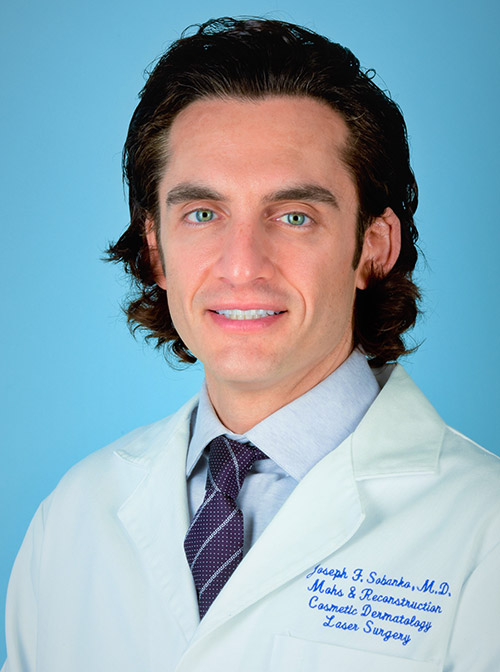 Joseph F. Sobanko合作论文数Dermatology, Perelman School of Medicine, University of Pennsylvania13Brian A. Cahn合作论文数12Areeba Ahmed合作论文数12Eric Koza合作论文数11Melissa Ma合作论文数11Misha Haq合作论文数11Ross Pearlman合作论文数11Sarah A Ibrahim合作论文数10Jochen Schmitt合作论文数10Sanjana Iyengar合作论文数9Victoria Shi合作论文数9Todd V. Cartee合作论文数6Anastasia Kurta合作论文数Department of Dermatology, Saint Louis University6
 Arianna Yanes合作论文数6
 Jamie Kirkham合作论文数Division of Population Health, Health Services Research and Primary Care, The University of Manchester6
 Kelly Reynolds合作论文数Mel & Enid Zuckerman College of Public Health, The University of Arizona6
 Shannon Wongvibulsin合作论文数Department of Dermatology, Johns Hopkins University School of Medicine5E. Poon合作论文数5
 Bharat B Mittal合作论文数Radiation Oncology, Feinberg School of Medicine, Northwestern University5
 Daneshjou Roxana合作论文数Department of Genetics, Stanford University School of Medicine5Chen Brian合作论文数5
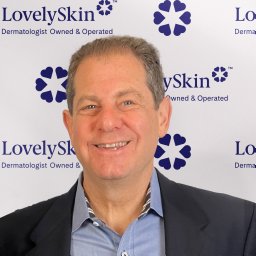 Joel Schlessinger合作论文数Advanced Skin Research Center5Erica H. Lee合作论文数4J. F. Sobanko合作论文数4
 Xiaolong Alan Zhou合作论文数4J. K. Cotseones合作论文数4Michael D. Yi合作论文数4Alexandra Weil合作论文数4
 Umer Nadir合作论文数4Ivy Lee合作论文数4Naomi Lawrence合作论文数4Ramona Behshad合作论文数4S.A. Ibrahim合作论文数4Sarah G Chiren合作论文数Dept Dermatol, Northwestern Univ4Veronica Rotemberg合作论文数Dermatology Service, Memorial Sloan Kettering Cancer Center4
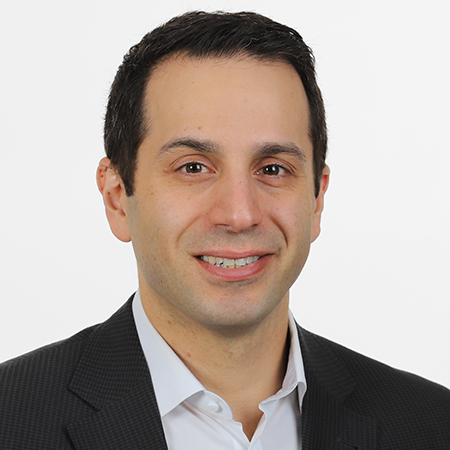 Aaron Drucker合作论文数Division of Dermatology, Department of Medicine, University of Toronto;Women’s College Hospital;Women’s College Research Institute4
 Gary S Lissner合作论文数Department of Ophthalmology, Feinberg School of Medicine, Northwestern University4
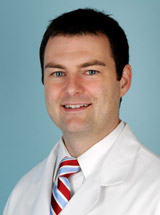 Jeremy R. Etzkorn合作论文数Dermatology, Perelman School of Medicine, University of Pennsylvania4
 Ashfaq A. Marghoob合作论文数Memorial Sloan-Kettering outpatient facility;Memorial Sloan-Kettering regional skin cancer clinic4
 Rubeta N Matin合作论文数Derma Reading;University of Oxford4
 Todd Cartee, MD合作论文数4Zloty David合作论文数4
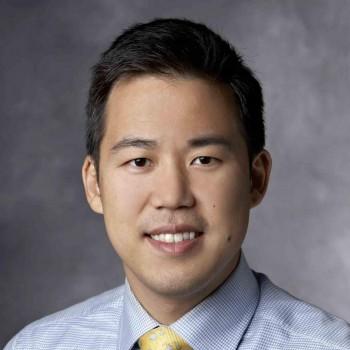 Justin M Ko合作论文数Dermatology Department, Stanford University Clinical
Stanford Dermatology
450 Broadway St
Pavilion B 4th Fl MC 5338
Redwood City, CA 940634E. Koza合作论文数3M. S. Ma合作论文数3
Justin M Ko合作论文数Dermatology Department, Stanford University Clinical
Stanford Dermatology
450 Broadway St
Pavilion B 4th Fl MC 5338
Redwood City, CA 940634E. Koza合作论文数3M. S. Ma合作论文数3




