Afforestation and reforestation, when aligned with site-specific ecological and socioeconomic conditions, can enhance ecosystem functions and services (ESs). In the Mediterranean, European black pine is widely used in such projects. While management strategies to maximize timber yield are well studied, the economic valuation of multiple ESs and their trade-offs remains limited. This study employed a process-based forest growth model, incorporating climate, soil and stand structure, to assess the effects of thinning intensity and frequency on the provision and economic value of ESs, namely carbon sequestration, erosion control and recreational/aesthetic value, in Italian black pine stands. Results show that while intense and frequent thinning boosts growth, optimal economic outcomes were achieved with 25
Mountain forests play a key role in the terrestrial carbon cycle, yet their contribution as carbon sinks remains highly uncertain, particularly in alpine regions. Steep elevation gradients, complex topography, and highly heterogeneous forest structure generate strong spatial variability in meteorological conditions and ecosystem processes, making high spatial resolution essential for both observation and modeling. While process-based forest models provide valuable insight into carbon and water fluxes, their application in mountain environments is often constrained by sparse observations and difficulties in scaling plot-level processes to the landscape. Integrating plot-scale modeling with high-resolution spatial information is therefore critical to better constrain model estimates in these systems. In our study, we developed a model–data integration framework for the Italian Alps (~52,000 km²), in which the 3D-CMCC-FEM process-based forest model was parametrized and run at National Forest Inventory (NFI) plot level. Plot-scale simulations of Gross Primary Production (GPP), Net Primary Production (NPP), and Evapotranspiration (ET) were then spatialized to continuous 30 m resolution maps using machine learning. The spatialization combined NFI-derived forest structural variables with high-resolution meteorological data, topographic predictors, and satellite-based vegetation indices. Four machine learning algorithms—Random Forest, Artificial Neural Networks, Extreme Gradient Boosting, and Support Vector Machines—were evaluated to extend plot-scale model outputs across the landscape. Model performance was assessed using k-fold cross-validation. Random Forest consistently achieved the highest predictive accuracy for all target variables, explaining approximately 27–47% of the variance in GPP, NPP, and ET across k-fold cross-validation and showing 3–15% lower prediction errors compared to the other machine learning methods. Variable importance analyses indicated that forest structural attributes derived from NFI data, elevation-related topographic metrics, and temperature- and precipitation-based meteorological predictors together accounted for the majority of the explained variance, emphasizing their dominant control on the spatial variability of forest carbon and water fluxes in alpine terrain. The resulting maps show clear spatial patterns in productivity and water use across alpine forest types and elevational gradients, providing spatially continuous, wall-to-wall information that complements plot-based National Forest Inventories. By linking plot-scale forest processes to landscape-scale patterns, this approach supports improved estimation, spatial consistency, and upscaling of forest carbon fluxes and stocks for measurement, reporting, and verification activities in heterogeneous mountain landscapes under ongoing climate change.
Abstract Climate change is expected to alter species assemblages by affecting the outcome of competition between species. Investigating processes of competition remains challenging in tree communities, as they unfold over extensive spatio-temporal scales. Here, we used a deep learning-based meta-model trained on 135 million simulated tree responses to climate across Europe to investigate changes in the competitiveness of nine major tree species under future climate. We harnessed projections from local process models to train a Deep Neural Network of forest state transitions to investigate climate-induced changes in competition at continental scale. We found decreasing competitive strength for evergreen conifers across their distribution, while deciduous broadleaved species increased in competitiveness. Most investigated species lost competitive strength at their warm range edges. Consequently, up to 25% of Europe’s forests could experience a change in the dominant tree species until the end of the 21st century, suggesting a profound climate-induced reassembly of Europe’s forests.
Background: European forests are increasingly affected by global change, yet evidence on long-term trends in tree growth, water-use efficiency (WUE), and mortality remains fragmented across regions, spatial scales, and methodological approaches. Different monitoring techniques, including tree rings, forest inventories, ecosystem flux measurements, remote sensing, and modelling, provide complementary but often non-overlapping insights, limiting the identification of consistent patterns at continental scale. This protocol describes a systematic literature review designed to synthesise existing evidence and address the following review question: What are the reported directions of long-term trends in growth, water-use efficiency, and mortality in European forests? Methods: This protocol outlines a systematic literature review of peer-reviewed studies published between 1990 and 2024 that report long-term temporal trends of at least five years in growth, water-use efficiency, or mortality in European forest ecosystems. Eligible studies must examine European forests, report temporal trends, and employ empirical or modelling approaches, including tree rings, forest inventories, eddy covariance measurements, remote sensing, or process-based models. Reported trends will be classified as positive, negative, or neutral and analysed qualitatively across forest types, climatic zones, species, and methodological approaches. Rather than performing a quantitative meta-analysis, the review will apply a transparent narrative and qualitative synthesis to assess consistency across scales, identify biogeographic hotspots of evidence, and detect critical knowledge gaps. The findings will support researchers, forest managers, and policy makers by improving understanding of European forest responses to environmental change and informing future monitoring, modelling, and management strategies.
Wildfires, insect outbreaks, and storms cause large pulses of tree mortality. Climate change amplifies these forest disturbances, yet their future magnitude and extent remain uncertain. Here, we simulated future forest disturbance regimes at 100-meter resolution across Europe using a deep learning-based simulation framework. Our results show that forest disturbances will continue to increase throughout the 21st century, with disturbed areas more than doubling relative to the recent past under an unabated continuation of climate change. Wildfires are the main agent driving future disturbance change. Changing disturbances result in an increase in young forests, substantially altering Europe's forest demography. Because of their profound implications for forest carbon storage and the habitat value of forest ecosystems, disturbances should be a priority of forest policy and management.
European beech (Fagus sylvatica) is among the most ecologically and economically important tree species in Europe. Climate change impacts on beech forests are already measurable in large parts of its distribution range, with climate-driven growth decline expected across large areas in the near future. Many regions are anticipated to shift from energy- to water- limited functioning, altering in turn forest ecosystem functions. However, previous studies have mostly focused on dendrochronological analyses, while the behavior of beech forests under climate change must be understood as a coupled carbon-water problem, requiring integrated ecosystem scale approaches. This study aims to provide process-based understanding of how and to what extent the carbon and water cycles in beech forests will be affected in the coming decades, analyzing the impact of climate and atmospheric CO2 on the carbon use efficiency CUE, i.e. the ratio between net and gross primary productivity, and water use efficiency WUE, i.e. the ratio between gross primary productivity and evapotranspiration, as key-indicators of the ecosystem functioning. Therefore, we used a mechanistic, state-of-the-art forest ecosystem model, namely 3D-CMCC-FEM, to simulate carbon and water cycles in ~500 beech stands located across the Italian territory, from the pre-alpine zone to the southernmost region. The sites span thus broad latitudinal and altitudinal gradients, capturing diverse climatic conditions. Additionally, the selected forest stands show different structural characteristics resulting from varying site histories and legacy effects.Model simulations are carried under current climate conditions and three climate change scenarios from downscaled CMIP6 climate projections, covering the years 2005-2100. Structural data to initialize the model in 2005 are built on measurement of key structural variables from the second Italian Forest Inventory. Taking advantage of in situ measurements and remote-sensing based observations, we evaluate and constrain the ecosystem model processes. We finally analyze how CUE and WUE trajectories covary across the climate space under different climate scenarios taking in to account the role of forest structure, aiming at identifying potential carbon-water trade-offs as forests face changing climatic conditions.
Understanding how photosynthetic carbon (C) is allocated to woody biomass remains a critical gap in predicting forest responses to climate change, especially in cold-limited ecosystems, due to the pervasive lack of comprehensive carbon-based data at the whole-stand level. We applied a multi-proxy approach integrating eddy covariance, process-based modelling, and quantitative wood anatomy to assess C fluxes and stem-level C allocation in two mature boreal stands in Canada—black spruce (Picea mariana Mill.) and jack pine (Pinus banksiana Lamb.)—from 1999 to 2021.At both stands, we found that stem structural C allocation (measured as cell wall area, CWA) was tightly coupled with observed and modelled gross primary productivity (GPP). Modelled non-structural carbohydrates (NSC) dynamics revealed contrasting temporal patterns between species: jack pine showed an immediate response to available NSC and annual CWA, suggesting an active role of NSC in supporting growth under fluctuating environmental conditions. In contrast, black spruce exhibited a delayed effect, suggesting a more passive and buffering role of NSC in stem structural C allocation. Notably, at the jack pine site, extreme cold years corresponded to reduced CWA alongside elevated NSC concentrations, which might indicate a shift in C allocation priorities toward storage over growth. Our findings, based on a multi-proxy approach, provide novel insights into species-specific and possible trade-offs between storage and growth, useful for improving C budget models and adaptive forest management under climate change.
Mediterranean forests are becoming increasingly vulnerable under climate change, as the growing frequency and intensity of droughts and heatwaves amplify physiological stress, reduce productivity, and heighten the risk of large-scale disturbances. However, vegetation activity trends derived from remote sensing may mask divergent responses between photosynthetic activity and growth, which represent a critical early warning signal of forest vulnerability. Therefore, the long-term relationship between photosynthesis and tree growth remains poorly understood at regional scales, especially in Mediterranean areas. To address this challenge, we applied a mechanistic, process-based forest ecosystem model across approximately 2400 km2 of typical Mediterranean forests in southern Italy, encompassing a heterogeneous landscape characterized by diverse stand structures and species dominance. This framework enabled to explicitly trace carbon fluxes from gross primary productivity (GPP) through allocation processes to average tree growth. Using a factorial approach, we identify, over large spatial scales, an emergent pattern of divergence between summer GPP and radial tree growth, amplified in space and time by climate variability over the last two decades and further shaped by forest legacy effects. Our findings also reveal that canopy-level greening can mask structural vulnerability and pre-visual decline across Mediterranean forests. Data show that an apparent long-term trend in photosynthesis decline during summer does not necessarily translate to tree growth decline. Improving our ability to determine if, where and when a key change in forest behaviour will occur, remains essential for designing effective restoration measure and anticipating tipping points in forest resilience under accelerating climate change.
Grasslands are worldwide spread ecosystems involved in the provision of multiple functional services, including biomass production and carbon storage. However, the increasingly adverse climate and non-optimised farm management are threatening these ecosystems. In this study, the original semi-mechanistic remotely senseddriven VISTOCK model, which simulates grass growth as limited by thermal and water stress, was modified and integrated with the RothC model to simulate the ecosystem fluxes. The new model (GRASSVISTOCK) showed satisfactory performance in simulating above-ground biomass (AGB) in dry matter (d.m.) and fractional transpirable soil water (FTSW) along Alps (AGB, RMSE = 85.39 g d.m. m- 2; FTSW, RMSE = 0.21) and Mediterranean (AGB, RMSE = 136.84 g d.m. m- 2; FTSW, RMSE = 0.13) grasslands. Also, GRASSVISTOCK was able to simulate the net ecosystem exchange (NEE - RMSE = 0.03 Mg C ha- 1), the gross primary production (RMSE = 0.04 Mg C ha- 1), the ecosystem respiration (RMSE = 0.04 Mg C ha- 1) and the evapotranspiration (RMSE = 1.44 mm), where these observations were available (Alps). The model was applied under present and two climate datasets characterised by temperature increase and precipitation decrease (+2 degrees C temperature, -10 % precipitation) and reference or enriched CO2 concentration (394 vs. 540.5 ppm) scenarios. The results showed that, while changes in temperature and precipitation alone had a negative impact by increasing NEE (+0.69 Mg C ha- 1) and decreasing total biomass (-0.20 Mg d.m. ha- 1) in the reference CO2 scenario, the enriched atmospheric CO2 concentration partially smoothed the NEE trend (+0.27 Mg C ha- 1) and increased total biomass (+0.60 Mg d.m. ha- 1) compared to the present period. It is concluded that the GRASSVISTOCK model represents a first step towards an integrated tool for estimating the performance of the agro-pastoral systems in terms of biomass production, water and carbon fluxes, in the face of ongoing climate change.
Abrupt climate changes repeatedly occurred during glacial periods, caused by intrinsic instabilities of the Atlantic Meridional Overturning Circulation (AMOC) leading to Dansgaard–Oeschger events, and by the AMOC’s response to massive iceberg discharges in the North Atlantic, known as Heinrich events. This AMOC-driven millennial-scale climate variability is most prominent in the North Atlantic but also propagates to the Southern Ocean, where its imprint is particularly strong during cold (Stadial) phases featuring Heinrich events. Here we use an Earth system model to show that the qualitative differences between Heinrich Stadials and non-Heinrich Stadials seen in proxy records can be explained by a sudden start of convection in the Southern Ocean triggered by a strong weakening of the AMOC during Heinrich events. The sudden convection onset leads to rapid warming and sea ice retreat in the Southern Ocean, and the resulting ventilation of the deep ocean explains the rapid CO2 increase of ~15 ppm on centennial timescales during some Heinrich Stadials. We propose a general mechanism whereby a shutdown of convection in the North Atlantic triggers convection in the Southern Ocean—a phenomenon we refer to as a bipolar convection seesaw—which could also be activated by a potential future weakening of the AMOC. The onset of Southern Ocean convection following a slowing of the Atlantic Meridional Overturning Circulation during Heinrich events can help explain rapid CO2 increases and Antarctic warming during these events, according to Earth system modelling.
Forest modeling is essential for understanding ecosystem dynamics, evaluating future scenarios, and supporting informed decision–making, mainly given the long–life cycles of trees. Within the 4–year project (2023–2027) “OPTimising FORest management decisions for a low–carbon, climate–resilient future in Europe” (OptFor–EU), several model types, including forest, climate, and land surface vegetation models, are used to simulate forest dynamics under climate scenarios. A primary project effort includes developing and testing new Forest Management Practices (FMPs), building on widely used management practices such as clearcut, shelterwood, and continuous forest cover using single tree harvesting. These FMPs are crucial for generating accurate forest future representation, as most European forests undergo active management (State of Europe’s forests, 2020).The 3D–CMCC–FEM model plays a central role in the OptFor–EU project. It is a process–based model simulating forest eco–physiological, and biogeochemical processes, developed to simulate different forest management scenarios. It accounts for species differences, age classes, and tree dimensions, modeling carbon and water cycles on a daily basis at a hectare scale (Collalti et al., 2014, 2018, 2024; Dalmonech et al., 2022). It has been widely applied in European forests, making it perfectly fitting for OptFor–EU purposes (i.e., Collalti et al., 2016; Marconi et al., 2017; Morichetti et al., 2024; Vangi et al., 2024a).The simulations focus on three case study areas: Austria, Romania, and Italy, representing alpine, temperate, and Mediterranean ecosystems, respectively. Climate data from the EURO–CORDEX regional models HIRHAM5 and RACMO22E, aligned with CMIP5 scenarios (RCP2.6, 4.5, and 8.5), are used to drive the simulations (Jacob et al., 2020). Forest stands are grouped by species composition and 20–year age classes to ensure heterogeneity. Simulations target a minimum of 50 plots per European Forest Type (EFT), ensuring statistical robustness.Different FMPs are tested under the same climate conditions to isolate the impacts of management on forest carbon stocks. For instance, considering the EFT 6 (Fagus sylvatica L.), for AC1 (i.e., Age Class 0–20), NOMAN results in the highest biomass carbon stocks in the end of simulation (250 tC ha–¹) due to the absence of harvesting. Shelterwood management (BAU), involving periodic thinnings and final harvesting, achieves near–NOMAN carbon levels. Variants like BAU+ (increased thinning) target larger products, whereas BAU– (reduced thinning) promotes denser forests with higher carbon stocks. Continuous cover systems apply single–tree harvesting every decade, fostering uneven–aged stands. These methods sustain carbon stocks between 100–200 tC ha–¹. In contrast, low–intensity harvesting (5 m3 ha–¹ per year), suitable for protecting forests prone to disturbances, leads to moderate carbon storage trends.This comparative approach provides valuable insights for decision–makers, enabling the development of tailored forest management strategies that consider ecological and climatic contexts. By integrating diverse FMPs and climate scenarios, OptFor–EU supports sustainable forest management for a low–carbon, and climate–resilient future in Europe.
1. Management plans grounded in scientific evidence can be used to limit the impacts of ongoing global changes on socio-ecological systems. In this framework, modeling tools play a crucial role in informing and supporting management strategies. 2. While the urgency of implementing evidence-based actions directed most scientific efforts towards short-term ecological forecasting (ranging from days to decades), we argue that long-term projections (longer than a few decades) can be as important as short-term forecasts. Complex ecological feedbacks and long-term ecosystem dynamics can have effect over decades if not centuries, possibly leading to undesired management outcomes. In this viewpoint, we highlight the need to incorporate long-term ecosystem responses into decision-support studies and discuss the technical requirements and current limitations of state-of-the-art modeling frameworks and datasets. 3. We recommend defining the prediction horizon based on intrinsic ecosystem timescales and studying ecological legacies at biogeographical levels higher than the landscape, such as ecoregions. Combining information from different sources could provide complementary data layers with varying resolution, detail, and uncertainty. Integrating and leveraging these information layers across different spatiotemporal scales represents a key step towards reconciling short- and long-term predictions. 4. We emphasize the necessity of routinely integrating short- and long-term predictions. To this end, we envisage international communities that foster the convergence of transdisciplinary knowledge and expertise, also engaging with stakeholders, to generate timely and reliable ecological predictions aiming at assisting management planning through a mutual learning loop.
Forest ecosystems account for about one-third of the Earth’s land area, and monitoring their structure and dynamics is essential for understanding the land’s carbon cycle and its role in the greenhouse gas balance. In this framework, process-based forest models (PBFMs) allow studying, monitoring and predicting forest growth and dynamics, capturing spatial and temporal patterns of carbon fluxes and stocks. The ‘Three Dimensional-Coupled Model Carbon Cycle—Forest Ecosystem Module’ (3D-CMCC-FEM) is a well-known eco-physiological, biogeochemical, biophysical process-based model, able to simulate energy, carbon, water and nitrogen fluxes and their allocation in homogeneous and heterogenous forest ecosystem. The model is specifically designed to represent forest stands, from simple ones to those with complex structures, involving several cohorts competing for light and other resources in a prognostic way. The model is also designed to simulate current forest management practices commonly applied in Europe. The 3D-CMCC-FEM model is implemented in C-language, which can be challenging for the broad public to use, thus limiting its applications. In this paper, we present the open-source R package ‘R3DFEM’ which introduces efficient methods for: i) generating and handling input data needed for the model initialization; ii) running model simulations with different setup and exploring input; and iii) plotting output data. The functions in the R-package are designed to be user-friendly and intended for all R users with little to advanced coding skills, who aim to perform simulations using the 3D-CMCC-FEM. Here we present the package and its functionalities using some real case studies and model applications.
Process-based forest models (PBFMs) are valuable tools for investigating the effects of climate change and alternative forest management strategies. However, they can also be considered a tool for monitoring forest conditions over short to extended periods, when ancillary data are scarce and continuous measurements are time-consuming. This study aims to evaluate the PBFM named '3D-CMCC-FEM' on its capacity to monitor Italian forests. We simulated 5135 plots, corresponding to similar to 83 % of the 6174 field plots included in the second Italian National Forest Inventory (NFI). The model was used to predict the carbon, nitrogen, and water cycles, including structural variables, and validated against observations from the third NFI. We also compared gross primary productivity (GPP) with two well-known remote sensing-based (RS) datasets. Overall, the model showed good performance in reproducing aboveground stocks and structural variables, with r(2) values ranging from 0.65 for diameter to 0.49 for height, and RMSE% ranging from 32 % for diameter and height to 46 % for volume. We aggregated and validated the simulation at the NUT2 level against the estimate of the third NFI, obtaining higher accuracy than the plot-level validation. Compared to RS-data the modeled GPP showed higher variability, with an overall RMSE% of 43 % and 41 % against the MODIS and GOSIF datasets, respectively. The 3D-CMCC-FEM model has consistently demonstrated reliability across multiple data sources and spatial scales, establishing it as a robust tool for forest monitoring, being, capable of delivering insights at daily, monthly, and annual resolutions over broad and heterogeneous areas. This approach offers innovative and promising improvements in the continuity of forest data, supporting more informed decision-making in climate policy and environmental management.
Harvested wood products (HWPs) have a pivotal role in climate change mitigation, a recognition solidified in many Nationally Determined Contributions (NDCs) under the Paris Agreement. Integrating HWPs' greenhouse gas (GHG) emissions and removals into accounting requirements relies on typical decision-oriented tools known as wood product models (WPMs). The study introduces the TimberTracer (TT) framework, designed to simulate HWP carbon stock, substitution effects, and emissions from wood decay and bioenergy. Coupled with the 3D-CMCC-FEM forest growth model, TimberTracer was applied to Laricio Pine (Pinus nigra subsp. laricio) in Italy’s Bonis watershed, evaluating three forest management practices (clearcut, selective thinning, and shelterwood) and four wood-use scenarios (business as usual, increased recycling rate, extended average lifespan, and a simultaneous increase in both the recycling rate and the average lifespan) over a 140 year planning horizon, to assess the overall carbon balance of HWPs. Furthermore, this study evaluates the consequences of disregarding landfill methane emissions and relying on static substitution factors, assessing their impact on the mitigation potential of various options. This investigation, covering HWPs stock, carbon (C) emissions, and the substitution effect, revealed that selective thinning emerged as the optimal forest management scenario. In addition, a simultaneous 10
Climate impact assessments increasingly rely on high-resolution climate and forcing datasets, under the premise that finer detail enhances both the accuracy and policy relevance of projections. Yet systematic evaluations of when and where higher resolution actually improves impact model outcomes remain limited, and it is unclear whether increasing spatial resolution consistently enhances performance across sectors, regions, and forcing variables. Here we show that gains in climate input accuracy and impact model performance are largest when moving from coarse (60 km) to intermediate (10 km) resolution, while further refinement to 3 km and 1 km yields more modest and inconsistent benefits. Using cross-sectoral simulations from the Inter-Sectoral Impact Model Intercomparison Project, we find that higher resolution substantially improves model skill in temperature-sensitive impact models and topographically complex regions, whereas precipitation-driven and low-relief systems show weaker and less systematic improvements. For temperature, both climate inputs and model outputs improve most strongly at the 60 km to 10 km transition, with diminishing gains at finer scales; for precipitation, some models even exhibit reduced performance beyond 10 km. These results highlight that optimal resolution depends on sectoral and regional context, and point to the need for improving model process representation and downscaling techniques so that added spatial detail translates into meaningful skill gains. For data providers, this implies prioritizing resolutions that maximize improvements where they matter most, while for modelling groups and users it underscores the need for explicit benchmarking of resolution choices in climate impact assessments.
Forests are integral to global ecological stability, climate regulation, and economic resilience. They function as major carbon sinks, act as biodiversity reservoirs, and provide ecosystem services. Accurately modeling forest growth is essential to predict ecosystem responses to climate change and optimize ecosystem services. However, predicting forest growth remains challenging due to complex interactions between ecological processes, external drivers like climate change, and intrinsic dynamics, such as legacy effects and emergent properties, that influence forest responses over time. This work provides a systematic in-depth analysis of both established and emerging theories as found in the literature, exploring their integration into modern forest growth modeling with a special focus on new approaches, as implemented in 18 forest growth models which vary in their structure, objectives, and overarching goals. Forest modeling requires a deep understanding of forest growth theories driven by multiple interacting processes. Over time, numerous eco-physiological theories have been developed to predict forest growth under both current and future climatic conditions via dynamic vegetation models. While some were established in the past, new approaches continue to emerge, refining the complexity, predictive accuracy, and practical applicability of models. This ongoing evolution has resulted in models that are theoretically diversified but also increasingly relevant for real-world case studies dealing with both anthropogenic and natural disturbances. Machine learning, trained on increasingly large datasets, is emerging as a powerful complement to traditional forest models. Rather than replacing process-based approaches, it can be combined with them in hybrid frameworks that integrate mechanistic understanding with data-driven flexibility. This combination improves predictive performance, extends model applicability, and supports more robust decision-making in forest management. Amid the ongoing’chicken-and-egg’ debate on whether photosynthesis drives growth or growth drives photosynthesis, our review synthesizes key interconnected theories, including Functional Balance, Local Determination of Growth, and Optimality Principles of forest growth. By integrating these perspectives, we offer a clear and comprehensive overview of the main frameworks governing growth and resource allocation in plants. As multiple studies emphasize the importance of integrating different and recent theories to better capture growth dynamics, we build on a state-of-the-art multi-modelling comparison to discuss what the implications of different theories might be at different temporal and spatial resolutions. Finally, we explore how emerging technologies, such as machine learning, can enhance predictive accuracy and help address current modeling limitations.
The present study aims to determine the potential impact of recent past, present-day and future climate conditions—along with silvicultural interventions—on the “intrinsic Water Use Efficiency” (iWUE). iWUE, defined as the amount of carbon assimilated per unit of water lost through stomata, is a valuable metric that reflects the combined effects of climate change and forest management on carbon and water balance in forest ecosystems. We studied these effects on a European beech ( Fagus sylvatica L.) forest, one of the most common tree species in Europe, in a unique pre-Alpine site in Italy subjected to different silvicultural treatments in the past. Therefore, we analyzed iWUE derived from the δ 13 C measured isotope for the period 2013–2019 under three different silvicultural schemes observed at the study site. Opposite to what was expected, no statistically significant differences were found on iWUE between the treatments (ANOVA: p -value = 0.21) with a mean value for all treatments ranging from 94 μmol mol –1 and 98 μmol mol –1 . To explore future dynamics, we used a validated process-based biogeochemical model to simulate iWUE under two climate scenarios (RCP4.5 and RCP8.5) and the same three silvicultural treatments. Again, silvicultural practices showed little effect on iWUE, while differences were evident between climate scenarios and time periods. iWUE increased between the first (2019–2029) and last (2040–2050) decades of simulation by 20.9%, 20.5% and 19.5% for the “Control”, “Traditional” and “Innovative” treatments, respectively. In conclusion, in the past and for the next half-decade, silvicultural treatments, at least at the study site, may not influence much the iWUE of beech forests even if it will increase remarkably under climate change.
Dansgaard-Oeschger (DO) and Heinrich (H) events are ubiquitous features of glacial climates involving abrupt and large changes in climate over the North Atlantic region, extending also to the Southern Hemisphere through the bipolar seesaw mechanism. Ice core data also indicate that the DO and H events are accompanied by pronounced changes in atmospheric CO2 concentration, but their origin remains uncertain. Here, we use simulations with the fast Earth system model CLIMBER-X, which produces self-sustained DO events as internal variability, to explore the processes involved in the atmospheric CO2 response. While the DO events are internally generated in the model, the Heinrich events are mimicked by adding a freshwater flux of 0.05 Sv over 1000 years in the latitudinal belt between 40°N and 60°N in the North Atlantic. The simulated Greenland temperature varies by ~7-8°C between stadials and interstadials, with only small differences between H and DO stadials, while Antarctic temperature responds substantially stronger to H than to DO events, broadly in agreement with observations. In the CLIMBER-X simulations, atmospheric CO2 varies by ~5 ppm during DO events, but by ~15 ppm during H events, comparable with ice core data. The peak in CO2 concentrations is delayed by several centuries relative to both the stadial-interstadial transition and the peak in Antarctic temperature. The CO2 rise during the H stadial is driven by ocean outgassing. In contrast, the rapid CO2 increase after the transition to the interstadial results from soil carbon release from high NH latitudes originating from substantial warming.
The Mediterranean basin is a well-known drought-prone region, making forest ecosystems potentially vulnerable to drought episodes, heat waves and dry spells. In the last two decades, extreme weather events affected different regions of Europe including mediterranean áreas. This led to significant impacts on forest ecosystems, with extensive mortality events, episodes of crown dieback, and identified reduced tree growth at local level. The predictive abilities to depict early warning signals of negative extreme-induced impacts, well before that the mortality event might occur, are pivotal for monitoring Mediterranean forests. The 3D-CMCC-FEM model, a detailed ecophysiological process-based model, is here applied at gridded level over the Basilicata region, in southern Italy. The model is run on a regular 1x1 km grid for the period 2005-2019 to simulate, among others, gross primary productivity, carbon allocation and tree growth, processes which are controlled by abiotic, e.g. meteorological conditions, and biotic factors, e.g. trees reserve pools, in a mechanistic manner. This modeling approach allows discriminating the degree of decoupling of carbon assimilation, and tree growth , e.gcarbon woody accumulation. As a result of such interaction between processes and factors, the model highlighted different emerging patterns of the system under investigation. In particular, results show pronounced differences between European beech dominated areas and oaks dominate areas of the region. Generally, despite a significant drop of summer GPP in beech forests and an overall negative GPP trend, in accordance with remote-sensing based data, the tree growth rate is still positive. Oppositely, the oaks dominated forests show contrasting patterns, with areas where positive trends in GPP can be accompanied by positive but even negative trends in tree growth. The 3D-CMCC-FEM is shown to identify areas which might be prone to statistically significant negative trends in tree growth and, thus, likely to be prone to higher mortality risk in the near future. Indeed, these negative growth trends can not be explained only in terms of forest aging, but also in terms of abiotic factors. Our results show how the diverse degree of coupling between assimilation and growth between different species might be predicted by the model and leading to increase our capability to detect early signals of declining growth, which might already occur in spite of an apparent full recovery after a drought event at canopy level.
 Alessio Collalti合作论文数Foundation Euro-Mediterranean Center on Climate Change (CMCC)—Impacts on Agriculture, Forests and Ecosystem Services (IAFES) Division, 01100 Viterbo, Italy30
 Elia Vangi合作论文数Dept Biosci & Terr, Univ Molise12
 Sönke Zaehle合作论文数Department of Biogeochemical Signals, Max Planck Institute for Biogeochemistry11
 Gina Marano合作论文数Institute for Agriculture and Forestry Systems in the Mediterranean (CNR-ISAFOM),, National Research Council of Italy9
 Riccardo Valentini合作论文数Department of Innovation in Biological Systems, Food and Forestry, University of Tuscia;Euro-Mediterranean Center on Climate Change;Russian State Agriculture University;RUDN University7
 Matteo Willeit合作论文数6
 D'Andrea Ettore合作论文数5
 Christopher Reyer合作论文数Potsdam Institute for Climate Impact Research5
 Georg Feulner合作论文数4
 Laura Dobor合作论文数Excellence Ctr, Eotvos Lorand Univ4
 Harald Bugmann合作论文数Department of Environmental Systems Science, Eidgenossische Technische Hochschule Zurich4
 Pierre Friedlingstein合作论文数Department of Mathematics and Statistics, University of Exeter;Global System Institute, University of Exeter4Andrey Ganopolski合作论文数Potsdam Institute for Climate Impact Research4
 Enrico Tomelleri合作论文数Max Planck Institute for Biogeochemistry, Jena, Germany4
 Friedrich Bohn合作论文数Department of Ecological Modelling, UFZ - Helmholtz-Centre for Environmental Research4Giorgio Matteucci合作论文数Department of Forest Environment and Resources, University of Tuscia4
 Mikko Peltoniemi合作论文数Finnish Forest Research Institute4
 Ilie Storms合作论文数3Bo Liu合作论文数3
 Marc Grünig合作论文数TUM School of Life Sciences, Technical University of Munich3
 Maude Toïgo合作论文数Univ Montpellier, Univ Paul Valery Montpellier3
 Ulrike Hiltner合作论文数Swiss Fed Inst Technol, Inst Terr Ecosyst3
 Juha Honkaniemi合作论文数Natural Resources Institute Finland3
 Paulina Puchi合作论文数Dipartimento Terr & Sistemi Agroforestali TESAF, Univ Padua3
 Christine Moos合作论文数BFH-HAFL, Bern University of Applied Sciences3
 Riccardo Testolin合作论文数Life3
 Katharina Albrich合作论文数Natural Resources Institute Finland3
 Dominik Thom合作论文数Gund Inst Environm, Univ Vermont3
 Francesca Giannetti合作论文数Dept Humanities, Univ Bari3
 Rupert Seidl合作论文数Department fur Life Science Systems, School of Life Sciences, Technical University of Munich3
 Aoife Foley合作论文数Civil & Environ. Eng. Dept., Univ. Coll. Cork;c;Civil & Environ. Eng. Dept., Univ. Coll. Cork3
 Frédéric André合作论文数3
 Bart Muys合作论文数Department of Land Management, Katholieke Universiteit Leuven3
 Colin Prentice合作论文数Department of Life Sciences, Faculty of Natural Sciences, Imperial College London;Georgina Mace Centre for the Living Planet, Imperial College London3Chris D Jones (Chris Jones)合作论文数Met Office3
 Tomas Hlasny合作论文数Centre - Forest Research Institute3
 Andrew D. Friend (Andrew Friend)合作论文数Department of Geography, University of Cambridge3
 Tatiana Ilyina合作论文数School of Ocean;Earth Science and Technology;Department of Oceanography;University of Hawaii;School of Ocean, University of Hawaii3
 Gherardo Chirici合作论文数Università degli Studi del Molise3
 Laurent Bopp合作论文数Département de Géosciences, Ecole Normale Supérieure de Paris3
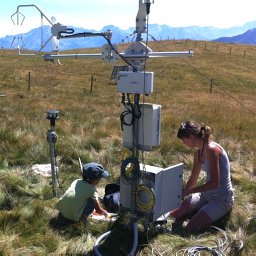 Marta Galvagno合作论文数Sez. Agenti Fisici, Agenzia Regionale per la Protezione dell’Ambiente della Valle d’Aosta3
 Lorenzo Brilli合作论文数Department of Internal Medicine;Section of Endocrinology and Metabolism;University of Siena;Department of Internal Medicine, University of Siena3
 Mathieu Jonard合作论文数Unité des Eaux et Forêts, Université catholique de Louvain3
 Alessandra Lagomarsino合作论文数3
 Piermaria Corona合作论文数Research Centre for Forestry and Wood, Council for Agricultural Research and Economics3
 Jose Ramon Gonzalez-Olabarria合作论文数Centre Tecnològic Forestal de Catalunya (CTFC), Ctra St. Llorenc de Munys, Km 2, 25280 Solsona, Spain3
 Elisa Grieco合作论文数Dipartimento di Scienze dell’Ambiente Forestale e delle sue Risorse (DISAFRI),, Università della Tuscia3
 Edoardo Cremonese合作论文数Sez. Agenti Fisici, Agenzia Regionale per la Protezione dell’Ambiente della Valle d’Aosta3
 Miquel De Cáceres合作论文数Département de Sciences Biologiques succursale, Université de Montréal3




