Within river corridors, hydrological connectivity drives the local abiotic and biotic processes, shapes ecosystem functioning and promotes biodiversity. However, hydrological cycling is changing due to climate change, and drought is intensifying and becoming more frequent in many regions of the world, making it critical to understand the impacts of drought on ecosystems and biodiversity. This study aimed to explore the effects of hydrological connectivity on aquatic macroinvertebrates in lateral river habitats. We hypothesised that during high hydrological connectivity, macroinvertebrate assemblages would be homogenous, but as drying progressed, assemblages would become heterogenous. Aquatic invertebrate assemblages were sampled during a drawdown period during early, mid and late hydrological stages at six sites on the Savannah River, southeastern USA. Three habitats (floodplain, oxbow lake and the river channel) within each of the six sites were sampled for a total of 113 samples. Macroinvertebrate community structure differed between hydrological stages and habitats. We found differences among macroinvertebrate assemblages between habitats within early, mid and late hydrological stages. Our results indicated some overlap of community assemblages within the river corridor, where community assemblages within the three habitats were mostly unique. Drying did not dramatically affect assemblages within habitats, but there was an increasing degree of separation in assemblages among habitats as drying progressed. Hydrological stage had less control over macroinvertebrate assemblages than expected, and changes attributable to drought appeared to be specific to individual taxa or localised within specific habitats. Spatial heterogeneity and a variety of quality habitats are crucial for providing refuges and maintaining biodiversity. Understanding the influence drought will have on aquatic invertebrates in these ecosystems will be critical to anticipate changes and develop strategies to protect freshwater ecosystems. The loss or alteration of river corridor habitats will have consequences for biodiversity and ecosystem services. A mosaic of habitat types with differing levels of connectivity and multiple transition zones between habitats will provide maximum biodiversity and allow for recovery of taxa after hydrological extremes.
An in vitro repellent testing system for use with colony reared black flies, Simulium vittatum, is described. Postoviposition female S. vittatum were exposed to latex membranes treated with 15 μl of commercially available insect repellents every 2 h, up to 12 h. Repellents tested were the following: Repel® Plant-Based Lemon Eucalyptus Insect Repellent 2 (30% oil of lemon eucalyptus [OLE]); OFF!® Botanicals Insect Repellent IV (10% p-menthane-3,8-diol [PMD]); and Zevo™ On-Body (20% 3-[N-butyl-N-acetyl]-aminopropionic acid, ethyl ester, IR3535®). Untreated membranes served as control. The PMD and IR3535 had negative correlations between repellency rate and time (IR3535, m (slopes of mean repellencies over time) = -6.64; and PMD, m = -5.28), whereas OLE had none (m = 0). Statistical analysis demonstrated significance within all groups that included OLE or the control (P < 0.00), but none for groups consisting of PMD or IR3535 (P = 0.31).
Because freshwater wetlands are dynamic with constantly changing biotic communities, successional processes can affect their ecology. We described secondary-succession of aquatic invertebrate assemblages in 10 near-pristine Carolina bays (shallow, precipitation-based depressional wetlands) in Georgia, USA. Hydrologies ranged from seasonal to perennial We hypothesized that invertebrate assemblages would either progressively change annually (undergo succession) or remain static, and where succession was evident, assemblages would diverge individualistically and non-insects that display site-fidelity would be primarily responsible. We sampled invertebrate assemblages in the 10 wetlands seasonally over 6 years. We used Non-metric Multidimensional Scaling to visualize assemblage variation, and Permutational Analysis of Variance to partition variance across time and space. Annual variation was significant for only some wetlands; we classified sites lacking annual change as “non-successional” and sites with annual change as “successional”. In successional wetlands, assemblages shifted individualistically with unique, rather than similar, trajectories. However, assemblages in all successional wetlands reached a compositional threshold that constrained assemblage composition. Insects, rather than non-insects, were most associated with successional wetlands. Non-successional and successional wetlands occurred in close proximity, but where succession was evident, trajectories were inconsistent, making predictions of assemblage change difficult. Some wetlands changed, some didn’t, and those that changed did not do so in parallel, complicating the use of these habitats as reference sites. However, because variation was confined within a regional constraint, this range standard may be a useful guide for using invertebrate assemblages to assess wetland condition; i.e., assemblages developing outside this natural range of variation are likely aberrant.
Growing water demands and climate change are altering the timing and magnitude of streamflows. To further understand streamflow changes over time, we assessed long-term streamflow trends for 33 basins in the South Atlantic-Gulf Drainage, southeastern United States. We gathered daily streamflow data and calculated the annual (1957 - 2022) mean, minimum and maximum of streamflows (m3/s; n = 373 gages). We used Mann-Kendall to indicate significant changes and Sen's slope to indicate the magnitude of changes and averaged them for the 33 basins. Our results indicated that mean annual streamflows were increasing in the western and southern regions (24.2 % of basins) but decreasing in the larger central region (69.7 % of basins). Minimum streamflows indicated a large percentage of significant declines (34.0 % of gages) whereas maximum streamflows indicated a larger magnitude of declines (- 0.30 +/- 1.7 (m3/s)/year). To further understand where streamflows were changing we assessed the relationship between streamflows and static spatial indicators including drainage area, elevation and ecoregions. To understand why streamflows were changing we assessed long-term trends for total precipitation, maximum and minimum temperatures, population and groundwater level. Using regression analysis and AIC model selection, we found that total precipitation explained 17 % of streamflow variation and drainage area explained 14 %. Temperatures and population increased across the region but were not related to variation in streamflow changes. Understanding the contributions of different drivers of streamflow changes provides insight for predicting water quantity changes, which affect water quality, ecological relationships and biodiversity.
The establishment of protected areas remains a cornerstone strategy for conserving wetland ecosystems. However, many SIWs in China remain excluded from national conservation frameworks, despite their ecological importance. To address this gap, we developed a rapid assessment model integrating four key indicators — wetland area, waterfowl species richness, waterfowl abundance, and dominant wetland plant richness—to identify and evaluate unprotected SIWs at a national scale. The assessment was supplemented by expert-sourced online questionnaires to enhance data coverage, particularly for regions lacking systematic monitoring. A total of 1,473 unprotected SIWs were identified, encompassing approximately 3.39 million hectares. These wetlands represent critical conservation gaps in the current protected area network. Incorporating them into the national wetland protection system would raise China’s protection level from 50.22% to 58.01%, surpassing the governmental target of 55% by 2035. Many of these SIWs are located along major migratory bird routes and in biodiversity-rich zones, underscoring their strategic ecological value. This study provides the first systematic evaluation of SIWs at the national level in China and proposes a scalable, data-driven framework for prioritizing wetland protection. The results offer actionable guidance for enhancing wetland conservation and contribute to the broader goals of the Global Biodiversity Framework and the Ramsar Convention.
Meandering river corridors are spatially complex, with floodplains and oxbow lakes contributing to a large portion of the river network, especially in low gradient systems. Surface hydrological connectivity drives the abiotic processes within these habitats, but hydrological cycling is changing due to climate change. We collected physiochemical parameters [temperature, conductivity (EC), pH, dissolved oxygen (DO) and total dissolved solids (TDS)], nutrients [total nitrogen (TN), nitrite + nitrate (NOX), ammonium (NH4) and orthophosphate (PO4)], total (TOC) and dissolved (DOC) organic carbon, and chlorophyll measures during an early, and late hydrological stage for three habitats (floodplain, oxbow lake and river channel) at six sites along the lower Savannah River (Georgia, U.S.). We found that the mid hydrological stage (July-August 2022) had lowest levels of EC, pH, TN, NOX, NH4, PO4, TOC and DOC. We also found that floodplains were highly nutrient rich and acidic, oxbow lakes mostly exhibited intermediate nutrient, carbon and algae levels, and rivers channel habitats had the lowest levels for most measures despite lateral connection. However, some measures (TN and PO4) were idiosyncratic and did not follow a lateral gradient. Although our results were complex and drivers the water quality and nutrient measures were difficult to isolate, our study demonstrates the importance of hydrology as a key driver of water quality and nutrient dynamics and emphasizes the critical role of lateral connectivity for the mobilization, transformation and storage of pollutants.
Wetlands and their aquatic arthropods are threatened by climate change (temperature, precipitation). In this review, we first synthesize the literature on environmental controls on wetland arthropods (hydroperiod, temperature, dissolved oxygen) and then assess how these controls operate across freshwater wetlands from different global biomes (tropical/subtropical, temperate, high latitude/altitude, and dry climates) and how changes in climates alter arthropod fauna with consequent modifications to wetland ecosystem functions (decomposition, food web dynamics). We also describe ways to develop bioassessment of climate change impacts on wetlands. Finally, we synthesize likely effects of future changes on wetland arthropods, concluding that impacts will be greatest at current climatic extremes (hottest, coldest, driest places), where changes will either amplify already existing constraints (leading to taxa habitat extirpations) or relax existing constraints (leading to taxa habitat shifts). We, however, acknowledge that wetland arthropods can naturally cope with significant environmental variation, making them resilient to many climate changes, and mechanisms for any change will be complex.
Measurements of biodiversity are crucial to assessing the ecological integrity of ecosystems. However, adequately describing the range of organisms existing in habitats can be challenging, especially for the taxonomically rich invertebrates. We analysed six large datasets designed to describe the taxonomic richness of aquatic invertebrate assemblages in depressional freshwater wetlands from various regions or locations (in North America, southern Africa and South America). Three of the datasets targeted large numbers of wetlands (57-163 sites), sampled once and the other three datasets repeatedly sampled over longer time periods (5-23 years), but targeted a smaller number of wetlands (10-18). We estimated the total number of invertebrate taxa that likely existed for each target area (Chao estimator), as opposed to how much of that richness was actually collected by each effort (using taxon-accumulation curves). The most ambitious effort (17 wetlands, 23 years, 5-6 samplings per year) captured 95% of the aquatic invertebrate taxa projected to occur in the study area; none of the other five efforts captured appreciably more than 80% of the projected total richness per study area. Findings suggest that capturing 90% or more of regional taxa is truly laborious and should not be a primary goal for efforts to sample the invertebrate fauna in wetlands. Objectives for sampling wetland invertebrates should be tailored to address what is realistic, knowing that as much as 30% of taxa may be missed by even ambitious efforts. As a potential solution, we suggest setting feasible objectives for wetlands macroinvertebrate assessments. We recommend researchers try to reach a 70% study area richness target by sampling 60-80 wetlands once or smaller sets of wetlands for 2-3 years.
We assessed long-term discharge trends for 189 streams and rivers from the Mountain, Piedmont, Southeastern Plains, and Coast ecoregions of Georgia, South Carolina, and North Carolina, U.S.A. Trends over time of average annual discharge volumes (gages with 50+ years of data), average annual groundwater levels (gages with 30+ years of data; n = 143), total annual precipitation (n = 275 stations), average annual temperature maximums (n = 207 stations), and average annual temperature minimums (n = 204 stations) (all with 50+ years of data) were statistically assessed using Mann-Kendall analyses. Decreasing trends were observed at 72% of sites, and 22% of those sites had significant decreases in streamflow. Patterns of streamflow were significantly associated with ecoregion (X-2 = 34.3, df = 6, p < 0.01) and stream size (F-3,F-196 = 9.1, p < 0.01). Using contingency tests, we assessed the relationships between discharge and factors that might be influencing changes in discharge (including groundwater, precipitation, and temperature). The Mountain ecoregion showed unchanging streamflow conditions that were somewhat associated with precipitation patterns. In contrast, the Piedmont, Southeastern Plains, and Coast ecoregions showed drying streamflow conditions that were associated with a combination of groundwater and/or climate factors, depending on the area. In the southeastern U.S., streamflows are broadly declining, but changes are spatially complex, likely from a range of causative factors, and impacts are ecoregion specific.
Estimating organisms' responses to environmental variables and taxon associations across broad spatial scales is vital for predicting their responses to climate change. Macroinvertebrates play a major role in wetland processes, but studies simultaneously exploring both community structure and community trait responses to environmental gradients are still lacking. We compiled a global dataset (six continents) from 756 depressional wetlands, including the occurrence of 96 macroinvertebrate families, their phylogenetic tree, and 19 biological traits. Using Bayesian hierarchical joint species distribution models (JSDMs), we estimated macroinvertebrate associations and compared the influences of local and climatic predictors on both individual macroinvertebrate families and their traits. While macroinvertebrate families were mainly related to broad-scale factors (maximum temperature and precipitation seasonality), macroinvertebrate traits were strongly related to local wetland hydroperiod. Interestingly, macroinvertebrate families and traits both showed positive and negative associations to the same environmental variables. As expected, many macroinvertebrate family occurrences were positively associated with temperature, but a few showed the opposite pattern and were found in cooler or montane regions. We also found that wetland macroinvertebrate communities would likely be affected by changing climates through alterations in traits related to precipitation seasonality, temperature seasonality, and wetland area. Temperature increases may negatively affect collector and shredder functional groups. A decrease in precipitation could lead to reductions in wetland area benefiting drought-tolerant macroinvertebrates, but it may negatively affect macroinvertebrates lacking those adaptations. Wetland processes may be compromised through broad-scale environmental changes altering macroinvertebrate family distributions and local hydroperiod shifts altering organism traits. Our complementary family-based and trait-based approaches elucidate the complex effects that climate change may produce on wetland ecosystems.
In depressional freshwater wetlands, habitat size, hydrology, and fish predation are considered key controls on invertebrate assemblages. However, the relative importance of each of these factors is difficult to isolate because the factors are frequently correlated. We assessed controls exerted by habitat size, hydrology, and fish occurrence in a set of 10 Carolina bay wetlands where these factors were largely independent. Invertebrate assemblages were sampled seasonally for six years. Using Joint Species Distribution Modeling of presence/absence and relative abundance data, < 6% of the variance in overall invertebrate assemblages was explained by the combined effects of size, hydrology, and fish occurrence: hydrology explained the most. However, when assessing responses of individual taxa, 32% were responsive, again primarily to variation in hydrology. Habitat size was minimally important. Fish occurrence affected only a handful of taxa, but some of those were key ecologically (abundant consumers). Most taxa responded to only one of the three environmental factors; effect sizes for responses ranged from 2 to 15.6% of total variance explained. Overall, the influences of habitat size, hydrology, and fish occurrence were less important to invertebrates in Carolina bay wetlands than we had presumed, given the prominence of these controls in the wetland invertebrate literature.
Bet-hedging is an ecological risk-aversion strategy in which a population does not commit all its effort toward a single reproductive event or specific environmental condition, and instead spreads the risk to include multiple reproductive events or conditions. For aquatic invertebrates in dry wetlands, this often takes the form of some propagules hatching in the first available flood, while remaining propagules hatch in subsequent floods (the "hedge"); this better ensures that a subset of propagules will hatch in a flood of sufficient duration to successfully complete development. Harsh environmental conditions are believed to promote an increased reliance on bet-hedging. Bet-hedging studies have typically been restricted to single sites or single populations. Community-level assessments may provide more robust support for the range of hatching strategies that exist in nature. Here, we tested whether freshwater zooplankton assemblages inhabiting ephemeral and unpredictable wetlands of a semiarid zone of tropical Brazil employ hatching strategies suggestive of bet-hedging; few efforts have addressed bet-hedging in the tropics where the unique conditions may influence the strategy. We collected dry sediments from six ephemeral wetlands, and flooded them across a sequence of three hydrations under similar laboratory conditions to assess whether hatching patterns conform to some of the predictions of the bet-hedging theory. We found that taxa showing hatching patterns akin to bet-hedging associated with delayed hatching numerically dominated the assemblages that emerged from dry sediments, although there was large heterogeneity in the hatching rate among sites and across taxa. While some populations distributed their hatching across all three floods and committed most of their hatching fraction to the first hydration, others committed as much or more effort to the second hydration (the "hedge") or the third hydration (another substantial "hedge"). Thus, in the harsh study wetlands, hatching patterns akin to bet-hedging associated with delayed hatching were common and occurred at multiple temporal scales. Our community assessment found that a commitment to the "hedge" was greater than the current theory would predict. Our findings have broader implications; bet-hedger taxa seem especially well equipped to tolerate stress if conditions become harsher as environments change.
Around the world, researchers are reporting declines in insect fauna. Although uncommonly evaluated in high-profile studies of insect declines, the community context of population trends can facilitate interpretation of the causes and consequences of such losses. Here, we aimed to explore the shifts in a well-studied invertebrate community of a blackwater river and identify potential catalysts of such change. We compared the density, biomass and community structure of freshwater invertebrate assemblages separated by more than 30 years in the Ogeechee River, in the southeastern U.S.A., and found biomass declines. We also evaluated long-term trends in river discharge, water temperature and precipitation. Overall, the biomass in the 2010s was approximately 60% of the total in the 1980s. Community analyses indicated that this decline was associated with reduced densities of large-bodied, filter-feeding insects, particularly Hydropsychidae caddisflies (Trichoptera). Conversely, predators and small-bodied primary consumers increased in density, although their contributions to overall biomass were minimal and their increased density was not sufficient to compensate for biomass declines. Seasonal shifts in both invertebrate populations and environmental parameters were evident, especially when focusing on discharge and dissolved organic carbon. Through a combination of direct analysis and the use of established research on the metabolic dynamics of the study site, we determined that the overall decline of freshwater invertebrate biomass may have been driven by climate-related changes in flood dynamics: seasonal flooding that facilitates delivery of floodplain carbon to filter-feeding consumers had decreased over several decades. Water temperature also had increased and was likely to have had effects on the invertebrate assemblages. Whole-community evaluations such as this one, in contrast to single-taxon and abundance-based studies, provide critical information to elucidate the dynamics of freshwater impairment and insect loss in the Anthropocene.
Hydrological drought has wide-ranging impacts on water quality, nutrient and carbon metrics that are critical to investigate with the increased drought frequency predicted with climate change. This study compared physicochemical parameters (temperature, conductivity, pH and DO), nutrients (TN, NO , NH , TP) and carbon (TOC and DOC) between hydrological drought conditions (2006–2009) and hydrological normal conditions (2016–2019) at five sites along the lower Savannah River (Georgia, USA). We unexpectedly found temperature (F =4.27, p=0.04) was significantly lower during drought conditions. Levels of pH (F =11.99, p<0.01) and DO (% saturation; F =9.17, p=0.01; and mg L ; F =4.04, p<0.01) were significantly higher during drought. We found TN (F =5.23, p=0.02), TOC (F =30.22, p<0.01) and DOC concentrations (F =30.22, p<0.01) were significantly lower during drought, but NO concentrations (F =4.04, p=0.05) were significantly higher during drought. Conductivity only varied at the lower river sites, being significantly higher during drought at Sites 3 (F =12.56, p<0.01), 4 (F =12.96, p<0.01) and 5 (F =17.60, p<0.01). These complex changes could be attributed to volume reductions coupled with an increase in the percentage of total flow originating from groundwater and limnetic reservoir inputs, persistent point source pollution, reduced natural catchment inputs and/or reduced floodplain interactions. The changes that occurred during drought may be disruptive to aquatic life, not only from reduced water quantity but also due to a scarcity of some biologically essential materials and lower food resources, combined with artificially high levels of some other potentially stressful materials.
Photo 1. Ephemeral pond in the Caatinga of semiarid Brazil. Photo credit: Elvio Sergio Figueredo Medeiros. These photographs illustrate the article “Bet-hedgers commit to the hedge: Zooplankton in ephemeral semiarid wetlands of tropical Brazil that widely spread risk” by Mateus M. Pires, Daiane Vendramin, Elvio S. F. Medeiros, Cristina Stenert, Darold P. Batzer, Leonardo Maltchik published in Ecology. https://doi.org/10.1002/ecy.4014
Past efforts to explain variation of invertebrate assemblages in freshwater wetlands have been less productive than anticipated. To explore why efforts are disappointing, we assembled large invertebrate data sets from North Dakota prairie potholes, California rock pools, and Georgia Carolina bay wetlands that addressed spatial (among wetlands) and temporal (among seasons and years) variation. We anticipated that these large data-set sizes would enable robust conclusions to be drawn, and each place had unique environmental conditions that might contribute to greater explanatory power. We used statistical techniques that partitioned variation in invertebrate assemblages into spatial and/or temporal components, and that also yielded a measure of the amount of unexplained variation; Permutational Multivariate Analysis of Variation and Principal Coordinates Analysis assessed whole assemblage variation, and Analysis of Variance or Analysis of Covariance assessed variation in taxon richness, total abundances, and abundances of wide-spread individual taxa. Across all locations, variation explained by spatial and temporal factors, and unexplained variation were of comparable magnitudes (i.e., similar R2 values of 50
Wetlands are among the most threatened ecosystems worldwide due to climate change and land-use conversion. Regional biodiversity of temporary wetlands is dependent on the existence of habitat complexes with variable hydroperiods. Because temperature and rainfall regimes are predicted to shift globally, together with land-use patterns, different scenarios of wetland loss are expected in the future. To understand how wetland biodiversity might change in the future, it is important to evaluate how the loss of particular hydroperiods will affect overall diversity in a region. Using invertebrate datasets from five wetland complexes distributed across South and North America, we calculated beta diversity metrics for each region. Then we contrasted those metrics to simulations of sequential deletions of subsets (30%) of the long-, moderate- and short-hydroperiod wetlands to assess which wetland class would most affect invertebrate beta diversity in each region. Deletions of the short-hydroperiod wetlands led to the most significant decline in beta diversity. However, deletion effects of different wetland classes varied across study regions, with a negative correlation existing between deletions of the long- and short-hydroperiod wetlands on invertebrate beta diversity. Our simulations indicate that loss of short-hydroperiod wetlands will have the most significant effects on invertebrate beta diversity, but loss of long-hydroperiod wetlands will also be important. Thus, wetlands from both hydroperiod extremes should be considered when assessing potential biodiversity declines associated with habitat loss.
We monitored aquatic invertebrate communities in the Ogeechee River (four years) and Carolina bay wetlands (five years) in Georgia, USA. Typically rare, Sisyridae (Neuroptera) larvae were relatively common in both habitats (4-6% sample occurrence). However, different species occurred in each, Climacia areolaris (Hagen, 1861) in the river and Sisyra vicaria (Walker, 1853) in the wetlands. In the river, first instar C. areolaris larvae occurred throughout the summer, consistent with multivoltinism; first instars were also abundant in February. In the wetlands, only single annual cohorts of S. vicaria were detected. The Ogeechee River sampling occurred in the 1980s and 2010s, and late instar C. areolaris were more common in the 2010s, suggesting a response to environmental change. Digitised museum data of adult specimens corroborated most of the phenology patterns observed for larvae, as well as the recent increase in abundance for C. areolaris.
Competition and predation are important determinants of community structure, especially where benign environmental conditions allow biotic interactions among organisms to intensify. We studied a set of long-hydro period Carolina bay wetlands in east-central Georgia, where stable water levels should permit interactions among aquatic animal taxa to amplify. We sampled nine Carolina bays in March, July, and November from 2015 through 2017. The influences of interactions (predation, intraguild predation, and competition) among taxa were assessed with multivariate network analyses. We hypothesized that numerous negative associations among taxa should exist. However, network analyses did not identify strong associations across the wetland assemblages, as evidenced by homophily or heterophily (as assortativity) values being near zero. Taxon associations in ordination space were near random, and sub-grouping across the set of taxa was minimal. Network analyses did, however, suggest that food webs were likely complex. Our findings do not support an emerging hypothesis that in long-hydroperiod wetlands, and other environmentally benign habitats, biotic interactions become over-riding controls on the taxonomic structure of assemblages.
 Haitao Wu (武海涛)合作论文数Northeast Institute of Geography and Agroecology, Chinese Academy of Sciences;University of Chinese Academy of Sciences17
 Leonardo Maltchik合作论文数Lab of Ecology and Conservation of Aquatic Ecosystems, UNISINOS12
 Scott Wissinger合作论文数12
 Cristina Stenert合作论文数Laboratório de Ecologia e Conservação de Ecossistemas Aquáticos, Universidade do Vale do Rio dos Sinos12
 C. Rhett Jackson合作论文数Warnell Sch Forestry & Nat Resources, Univ Georgia10
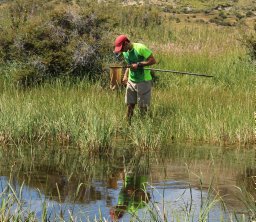 Luis Beltran Epele合作论文数Laboratorio de Investigaciones en Ecología y Sistemática Animal (LIESA),, Universidad Nacional de la Patagonia9
 Pires Mateus Marques合作论文数8
 Kangle Lu (芦康乐)合作论文数7Kyle I. McLean合作论文数US Geol Survey, Northern Prairie Wildlife Res Ctr7
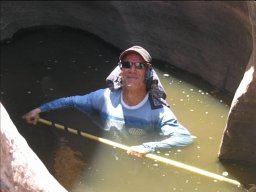 Russell B. Rader合作论文数Duke Wetlands Center7
 Joseph V. McHugh合作论文数Department of Entomology;University of Georgia;Department of Entomology, University of Georgia6
 Dani Boix合作论文数6
 Jamie Kneitel合作论文数Department of Biological Science;Florida State University;Department of Biological Science, Florida State University6Vh Resh合作论文数5
 Kelly M. Murray‐Stoker合作论文数University of Toronto5
 Bryana M. Bush合作论文数Dept Entomol, Univ Georgia5
 Qiang Guan合作论文数5
 Marta G Grech合作论文数Centro de Investigaciones Esquel de Montaña y Estepa Patagónicas (CIEMEP),, Universidad Nacional de la Patagonia San Juan Bosco5
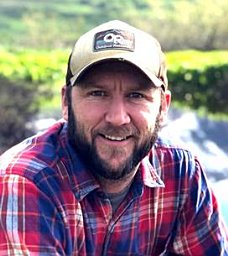 Hamish S. Greig合作论文数5
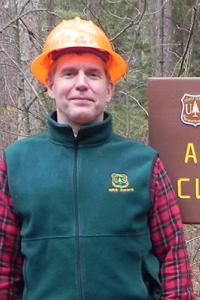 Brian Palik合作论文数Forest Service, U.S. Department of Agriculture5Rd Sjogren合作论文数4
 Albert Ruhi合作论文数Department of Environmental Science, Policy and Management, College of Natural Resources, University of California, Berkeley4
 Xianguo Lv (吕宪国)合作论文数Northeast Institute of Geography and Agricultural, Chinese Academy of Sciences4
 Vincent Resh合作论文数Department of Environmental Science, Policy, & Management, Rausser College of Natural Resources, University of California4Jeffrey A. Garnett合作论文数4Amy Braccia合作论文数4Rebecca R. Sharitz合作论文数4Courtney Holt McDaniel合作论文数3Be Taylor合作论文数3
 Eric Bright合作论文数3Mengyao Yang合作论文数3
 Musa C. Mlambo合作论文数Albany Museum, Rhodes Univ3
 Patricia Elizabeth Garcia合作论文数Laboratorio de Fotobiología, INIBIOMA (UNComahue-CONICET),3
 Matthew Bird合作论文数Department of Zoology, University of Johannesburg3
 Zhenshan Xue (薛振山)合作论文数Northeast Institute of Geography and Agricultural Ecology, Chinese Academy of Sciences;University of Chinese Academy of Sciences3Richard Buech合作论文数3
 Jordi Sala合作论文数Institute of Aquatic Ecology and Department of Environmental Sciences, University of Girona3Douglas A. Bell合作论文数3Stephanie Gascon合作论文数Institute of Aquatic Ecology, University of Girona3Mark L. Galatowitsch合作论文数University of Georgia;Department of Entomology;University of Georgia, University of Georgia3Johnson B. Jeffers合作论文数2Adrienne E. DeBiase合作论文数2
 Eliane Demierre合作论文数2
 Emilio A. Williams-Subiza合作论文数2f a de szalay合作论文数2Cody Matteson合作论文数2c r holt合作论文数2Daiane Vendramin合作论文数2
 Aurelie Boissezon合作论文数HEPIA, Univ Appl Sci & Arts Western Switzerland2




