Most existing Prognostics and Health Management (PHM) systems are developed using supervised learning approaches, which depend heavily on labeled data. In practice, collecting extensive datasets with labels from real-world assets is expensive, risky, and often impossible, particularly for safety-critical components such as bearings, gearboxes, and engines. This limitation makes it challenging for supervised PHM systems to maintain accurate models across various operating conditions and mission profiles, as they require frequent updates with newly labeled data. Self-supervised learning frameworks that continuously learn from abundant unlabeled operational data, adapt to new domains, and fuse heterogeneous sensor streams without relying on labeled failures represent attractive solutions to address the challenges toward fully autonomous, on-board PHM. In this paper, we introduce the Domain-Informed Functional Guidance Network (DiFG-Net), a fault diagnosis framework that fuses self-supervised functional pretraining with domain-adaptive fine-tuning. DiFG-Net first learns the backbone Prediction of Functionals for Masked Latents with two-view consistency augmentation (PFML-TCA) to preserve task-relevant temporal structures while enhancing representation robustness. At fine-tuning, to mitigate domain shift, we add a conditional CORrelation ALignment (CORAL) mechanism that aligns class-conditional means and covariances between source and target batches using confident pseudo-labels. DiFG-Net yields faster convergence, better calibration, and higher file-level accuracy versus PFML baselines. Experiments on plastic bearing fault diagnosis datasets demonstrate consistent accuracy gains over PFML baselines, particularly in cross-domain settings, while providing actionable diagnostic cues through the learned domain-informed functionals.
Autonomous Prognostics and Health Management (Autonomous PHM) refers to the capability of a system to independently monitor, diagnose, predict, and manage its own health status without human intervention. It combines traditional PHM functions with autonomy and intelligent decision-making to enable self-sustaining operation, especially in complex or remote environments. The key characteristics of an autonomous PHM system include: (1) self-monitoring: continuous collection and analysis of sensor data to assess system health in real time; (2) self-diagnosis: identification of faults, anomalies, or degradations using AI, machine learning, or model-based reasoning; (3) self-prognosis: prediction of remaining useful life (RUL) or time to failure based on current and historical data; (4) autonomous decision-making: autonomous selection and execution of maintenance or mitigation actions (e.g., reconfiguration, load reduction); (5) adaptability: adapt pre-trained models (e.g., for fault detection or RUL estimation) from one system or component to another with limited new data; (6) minimal human oversight: designed to function reliably with little to no manual input, particularly useful in inaccessible or high-risk settings (e.g., space missions, underwater robotics, military systems). A few challenges remain for developing an effective autonomous PHM system: (1) learning with limited labeled data: limited availability of failure data for training ML models; (2) cross-platform autonomy: autonomous PHM systems often operate in varied conditions or on different equipment types. PHM functions should be adapted from one system or component to another to reduce the need to retrain models from scratch in every new setting. (3) scalability: autonomous PHM systems should scale to large, complex systems (e.g., fleets of aircraft or satellites). A model trained on one unit can be transferred to other units in the fleet to scale autonomous PHM capabilities efficiently. In this paper, the development of an autonomous PHM system by integrating self-supervised learning and large language models (LLMs) is presented. The effectiveness of the autonomous PHM system is demonstrated with an application to turboshaft engine torque prediction.
Full ceramic bearings are mission-critical components in oil-free environments, such as food processing, semiconductor manufacturing, and medical applications. Developing effective fault diagnosis methods for these bearings is essential to ensuring operational reliability and preventing costly failures. Traditional supervised deep learning approaches have demonstrated promise in fault detection, but their dependence on large labeled datasets poses significant challenges in industrial settings where fault-labeled data is scarce. This paper introduces a few-shot learning approach for full ceramic bearing fault diagnosis by leveraging the pre-trained GPT-2 model. Large language models (LLMs) like GPT-2, pre-trained on diverse textual data, exhibit remarkable transfer learning and few-shot learning capabilities, making them ideal for applications with limited labeled data. In this study, acoustic emission (AE) signals from bearings were processed using empirical mode decomposition (EMD), and the extracted AE features were converted into structured text for fine-tuning GPT-2 as a fault classifier. To enhance its performance, we incorporated a modified loss function and softmax activation with cosine similarity, ensuring better generalization in fault identification. Experimental evaluations on a laboratory-collected full ceramic bearing dataset demonstrated that the proposed approach achieved high diagnostic accuracy with as few as five labeled samples, outperforming conventional methods such as k-nearest neighbor (KNN), large memory storage and retrieval (LAMSTAR) neural network, deep neural network (DNN), recurrent neural network (RNN), long short-term memory (LSTM) network, and model-agnostic meta-learning (MAML). The results highlight LLMs’ potential to revolutionize fault diagnosis, enabling faster deployment, reduced reliance on extensive labeled datasets, and improved adaptability in industrial monitoring systems.
The unsupervised fault diagnosis of rotating machinery holds significant importance, but it still faces numerous complex challenges. For instance, traditional convolutional neural networks often overlook inter-channel relationships, resulting in poor generalization and requiring manual adjustment of architecture parameters for different tasks. Additionally, traditional domain adversarial transfer learning has insufficient research on feature discriminability, leading to less distinguishable features. To address these issues, this paper proposes a MixStyle network based on the SE attention mechanism. This method achieves dynamic weight allocation through the SE attention mechanism, which is simple in design and introduces few additional parameters. By employing the MixStyle method for probabilistic mixed-domain training, the diversity of the source domain is increased, thereby improving the model's generalization capability. Since the principal singular vector enhances feature transferability, this paper penalizes the largest singular value through Batch Spectral Penalization to enhance other feature vectors, improving feature discriminability and domain adversarial performance. Experimental results show that the proposed method demonstrates outstanding performance in the task of unsupervised fault diagnosis for rotating machinery.
Accurately predicting turboshaft engine health is critical for ensuring the safe operation of helicopters supporting heavy-lift operations. Even though various approaches exist to predict engine health and available power in a rotorcraft, it is more desirable to develop effective and efficient methods that are generalized enough across different engine platforms and utilize existing aircraft data parameters for real-time or near real-time engine performance estimation. This paper presents a transfer learning-based approach for real-time performance prediction of rotorcraft turboshaft engines. The presented method utilizes rotorcraft parameter data recorded by a health and usage monitoring system (HUMS) or flight data monitoring system (FDMS) to accurately determine and predict engine performance deterioration over various operating conditions. U sing the data source domain adaptation capability of the transfer learning, the presented method provides the means to monitor and evolve the engine performance models over time. It can be broadly applicable to different engines. Real rotorcraft turboshaft engine data is used in a demonstration of the presented method.
Bearing fault diagnosis is critical for ensuring the proper maintenance of rotating machinery and avoiding catastrophic failures, especially in aerospace applications. Machine learning and deep learning-based models have shown promise for solving bearing fault diagnosis problems. Some major drawbacks with these models are: (1) They require a large amount of labeled data for training. (2) They do not provide good model generalization and cannot address the issue of versatility and variability. In recent years, a surge in the development and success of deep learning models such as GPT3 and Contrastive Language–Image Pretraining (CLIP), pre-trained on expansive datasets, has been observed across a multitude of applications. The emergence of these sophisticated pre-trained models has propelled transfer learning to the forefront as an immensely promising approach for tackling above mentioned issues. In this paper, a transfer learning approach for bearing fault diagnosis using a pre-trained CLIP model that combines image processing and natural language processing (NLP) is proposed. The effectiveness of the transfer learning method with CLIP is demonstrated using vibration data collected from plastic bearing seeded fault tests in the laboratory.
Planetary gearboxes (PGBs) are one of the most critical components in the drivetrain of many industrial and military equipment systems such as wind turbines and helicopters. Therefore, developing effective PGB fault diagnostic methods is important. The industries currently utilize vibratory analysis as a standard method for PGB condition monitoring and fault diagnosis. However, acoustic emission (AE) techniques represent a more attractive alternative to PGB fault diagnosis as AE sensors can potentially be more sensitive to the incipient faults than vibration sensors. A key to the success of PGB fault diagnosis using AE signals is the effective processing of AE signals and extracting useful features from the AE signals. In this paper, a natural language processing (NLP) based deep learning architecture, the transformer architecture is applied for PGB fault diagnosis with AE signals. The transformer architecture uses a multi-head attention mechanism that enables attending to different fault features in the AE signals. The effectiveness of the presented approach is validated on a set of seeded localized faults on all gears in a laboratory PGB: sun gear, planetary gear, and ring gear.
Bearings and gears are important components in rotating machinery, and the diagnosis of faults in bearings and gears has always been an important topic. Currently, data-driven fault diagnosis is a better method. However, under actual working conditions, domain shift can easily occur due to different operating conditions, leading to difficulties in transfer learning and significantly reducing the diagnostic performance of the model. Re-labeling the fault types of the model is time-consuming and costly. To overcome these difficulties, a new unsupervised transfer learning framework based on the fusion of joint distribution and adversarial networks has been introduced for the fault diagnosis of bearings and gears in rotating machinery. The joint adaptation network learns the transfer network by aligning the joint distribution of multiple specific domain layers across domains, based on Joint Maximum Mean Discrepancy (JMMD) to achieve domain alignment. At the same time, the domain classifier in the adversarial network is used to minimize the domain classification loss as domain distribution difference to minimize domain shift. The fusion of these two methods achieves domain alignment, reduces model training time, and improves the accuracy and stability of the model. The experimental results demonstrate that the proposed model framework exhibits excellent performance in detecting and classifying different types of faults. The new model framework also demonstrates outstanding performance across various fault detection and classification tasks.
Full ceramic bearings are critical components in many full ceramic and oil-free food processing and medical equipment. Developing effective full ceramic fault diagnostic methods is important. Supervised deep learning approaches have been considered promising for fault diagnosis in the era of big data where abundantly labelled datasets are available. However, in many industrial applications, datasets with fault labels are rare. This challenge has motivated the task for developing deep learning approaches for fault diagnosis with few training examples. To meet the challenge, one attractive direction is to use available pre-trained deep learning architectures to do fault diagnosis with only few examples. Specifically, this paper investigates the effectiveness of using pre-trained deep learning architectures successfully used in natural language processing to achieve few-shot learning for full ceramic bearing fault diagnosis using acoustic emission signals.
Plastic bearings have a wide range of industrial applications due to their many desirable properties such as lightweight, low friction coefficient, chemical resistance, and ability to operate without lubrication. Timely bearing fault diagnosis can prevent equipment failure and costly downtime. In recent years, developing machine learning based bearing fault diagnosis with few labelled data has attracted a lot of attentions as datasets with fault labels are rare in many industrial applications. One effective approach to meet the challenge is few-shot learning. Among many approaches, utilizing a good pre-trained deep learning model to achieve few-shot learning is an effective and efficient alternative. In this paper, a pre-trained deep learning model called CLIP that combines image processing and natural language processing (NLP) is adopted to few-shot learning for plastic bearing fault diagnosis. We explore the feasibility of leveraging CLIP model in the realm of bearing fault diagnosis via few-shot learning. Specifically, we tackle the challenges posed by CLIP's creation of requisite text prompt embeddings for the diagnosis of mechanical faults, within a few-shot learning framework. Our investigation illuminates the remarkable capability of CLIP to adapt to new tasks with minimal examples, a feature we exploit to devise a solution for plastic bearing fault diagnosis. The effectiveness of the few-shot learning method with CLIP is demonstrated using vibration data collected from plastic bearing seeded fault tests in the laboratory.
Remaining useful life is one of the key indicators for mechanical equipment health and condition-based maintenance requirements. In fact, the field of prognostics and health management is heavily reliant on remaining useful life estimation. The availability of industrial big data has enabled promising research efforts in prognostics and health management. Deep learning techniques have been widely adopted, and proven to be successful in big data prognostics applications. However, deep learning approaches are considered black box approaches with interpretation difficulties and loss of information due to high-level feature extraction resulting from layer-by-layer processing. Enriching the deep learning input with temporal features can increase the performance of deep learning based approaches. This paper aims to improve the performance of deep learning techniques by incorporating dynamic mode decomposition into the deep learning schemes for the purposes of remaining useful life estimation. The developed method is capable of accurately predicting the remaining useful life in a data driven manner without prior knowledge of system equations. The input temporal information and health state are enriched by using dynamic mode decomposition which produces dynamic modes that approximate the infinite Koopman operator modes. The modes contain coherent time dynamics of the processed system which contribute to producing a health indicator that is representative of the system degradation. These time dependent dynamics are important characteristics of the system's health state. The degradation profile is incorporated into deep learning schemes that accurately predict the remaining useful life of the system. To validate the proposed model, two different experimental data repositories are used in this paper. The first one is a spiral bevel gear vibration dataset. The second one consists of turbofan engines vibration datasets. The validation results have shown improved remaining useful life estimation performance when dynamic mode decomposition technique is incorporated into the deep learning schemes presented in this paper.
For ball screw feed system on a lathe, the randomness of geometric parameters deriving from the inevitable manufacturing and assembly errors significantly affected the system dynamic characteristics and turning accuracy. In this study, a novel lumped dynamic model accounting for the analytical piecewise restoring force function involving the overall axial deformation is proposed. The equivalent mechanical model of bearing joints including the change of nominal contact angle is made a reasonable simplification to facilitate acquisition of the system analytical equation of motion. Additionally, the approximate analytical solution of the proposed equation is obtained by the modified Lindstedt-Poincare method (MLP). The advanced first order second moment method (AFOSM) is employed to evaluate the reliability of dynamic response error. Furthermore, the numerical simulation aims to demonstrate the capabilities of the MLP and AFOSM method in the practical applications. Eventually, the effects of external excitation, sliding platform position, and nominal contact angles on the dynamic response are discussed and the reliability and sensitivity analysis in accordance with actual turning accuracy level is presented. (C) 2020 Elsevier Ltd. All rights reserved.
Gear pitting fault diagnosis has always been an important subject to industry and research community. In the past, the diagnosis of early gear pitting faults has usually been carried out under single gear health state. In order to diagnose the early gear pitting faults with mixed operating conditions and reduce the number of training parameters, a new method is proposed in this paper. The proposed method uses an adaptive 1D separable convolution with residual connection network to classify gear pitting faults with mixed operating conditions. Compared to the traditional convolutional neural network, the separable convolution with residual connection network can carry out the channel convolution with point-by-point convolution to effectively reduce the number of network parameters. The residual connection can solve the representational bottleneck problem of the features in the model. Moreover, the method proposed in this paper applies the search algorithm to select better hyperparameters of the model. The raw vibration signals of the gear pitting faults at different speeds collected in a gear test rig are used to validate the effectiveness of the proposed method. The results show that the proposed method can accurately diagnose the early gear pitting faults with mixed speeds. In comparison with other machine learning models, the proposed method has provided a better diagnostic accuracy with fewer model parameters. (C) 2020 Published by Elsevier Ltd.
In recent years, deep learning based diagnostic approaches have become more attractive. However, most of these methods are supervised diagnostic approaches. Developing a supervised diagnostic model requires a large number of labeled training data. And it is time consuming and labor intensive to obtain labeled data for a variety of systems and working conditions. Therefore, an unsupervised diagnostic model that does not require labeled training data is more desirable. This paper proposes an unsupervised diagnostic model by integrating a sparse autoencoder, a deep belief network, and a binary processor. In comparison with the existing unsupervised methods, the proposed method does not need to perform statistical features extraction, and directly uses the normalized frequency domain signals as the inputs. Moreover, in the proposed diagnostic model, the input data is passed through layer by layer without fine-tuning, which is completely unsupervised process. The proposed methods have been validated with bearing fault datasets and gear pitting fault datasets. The validation results show that the proposed method has a higher accuracy for both bearing and gear pitting fault diagnosis.
In this paper, the stochastic properties of a uniform Timoshenko cantilever beam are investigated systematically. Based on the external viscous damping and Kelvin–Voigt viscoelastic damping, the partial differential equations of the Timoshenko beam subjected to random excitation are derived. The applied load is the concentrated force, and the excitation related to includes the ideal white noise, the band-limited white noise, and the exponential noise. Expressions are obtained for the space–time correlation functions and the space–frequency power spectral density functions of the transverse displacement response. The evident improvement is that the infinite integral and the definite integration in the mean square responses are worked out by means of the residue integral method and the integration by partial fraction, and the exact solutions of the mean square response are obtained in the form of an infinite series finally. This improvement provides a basis for both the mode truncation and the modal cross-spectral densities whether which can be ignored. Providing the numerical example, the numerical results obtained show the effectiveness of the theoretical analysis.
Walking parallelism accuracy of linear guideway is essential for high-precision transport system and sophisticated X-Y table. A design of crowning in a carriage has been demonstrated the availability for reducing the inevitable ball passage vibration and kinematic error of linear guideway with roller. However, few dynamic models of linear guideway with crowning at the transient phase of balls' motion are established. Presented is a comprehensive model for investigating the vertical vibration performance of linear guideway. Experiment is conducted to identify dynamic parameters and verify the proposed model. Ball passage vibration is significantly influenced by ball groupings, preload and slider length.
The prediction of remaining useful life (RUL) of mechanical equipment provides a timely understanding of the equipment degradation and is critical for predictive maintenance of the equipment. In recent years, the applications of deep learning (DL) methods to predict equipment RUL have attracted much attention. There are two major challenges when applying the DL methods for RUL prediction: (1) It is difficult to select the prediction model structure and hyperparameters such as network depth, learning rate, batch size, and etc. (2) The developed prediction model is domain dependent, i.e., it can only give good prediction performance in one data domain (one particular type of working conditions and fault modes). In order to meet the challenges, a novel RUL prediction method developed using a deep convolutional neural network (DCNN) combined with Bayesian optimization and adaptive batch normalization (AdaBN) is presented in this paper. The proposed RUL prediction model is validated by the turbofan engine degradation simulation dataset provided by NASA. The prediction results show that the proposed prediction model provides better prediction results than model structures obtained by random search and grid search. The results also show that the domain adaptation capability of the prediction model has been improved.
In recent years, research on gear pitting fault diagnosis has been conducted. Most of the research has focused on feature extraction and feature selection process, and diagnostic models are only suitable for one working condition. To diagnose early gear pitting faults under multiple working conditions, this article proposes to develop a domain adaptation diagnostic model–based improved deep neural network and transfer learning with raw vibration signals. A particle swarm optimization algorithm and L2 regularization are used to optimize the improved deep neural network to improve the stability and accuracy of the diagnosis. When using the domain adaptation diagnostic model for fault diagnosis, it is necessary to discriminate whether the target domain (test data) is the same as the source domain (training data). If the target domain and the source domain are consistent, the trained improved deep neural network can be used directly for diagnosis. Otherwise, the transfer learning is combined with improved deep neural network to develop a deep transfer learning network to improve the domain adaptability of the diagnostic model. Vibration signals for seven gear types with early pitting faults under 25 working conditions collected from a gear test rig are used to validate the proposed method. It is confirmed by the validation results that the developed domain adaptation diagnostic model has a significant improvement in the adaptability of multiple working conditions.
WIND POWER generating capacity was 239 GW at the end of 2011, with a further 46 GW of installed capacity to be operational by the end of 2012. While only providing 2.8% of the energy produced in the United States, it is anticipated that by 2030, almost 20% of the total electrical energy will come from wind. This widespread deployment of industrial wind projects will require a more proactive maintenance strategy in order to be more cost competitive with traditional energy systems, such as natural gas or coal. This will be particularly true for offshore wind projects, where availability of the site for maintenance can be restricted for extended periods of time due to weather conditions. Prognostics and Health Management (PHM) of these assets can improve operational availability while reducing the cost of unscheduled maintenance.
Gears are the most common parts of a mechanical transmission system. Gear wearing faults could cause the transmission system to crash and give rise to the economic loss. It is always a challenging problem to diagnose the gear wearing condition directly through the raw signal of vibration. In this paper, a novel method named augmented deep sparse autoencoder (ADSAE) is proposed. The method can be used to diagnose the gear wearing fault with relatively few raw vibration signal data. This method is mainly based on the theory of wearing fault diagnosis, through creatively combining with both data augmentation ideology and the deep sparse autoencoder algorithm for the fault diagnosis of gear wear. The effectiveness of the proposed method is verified by experiments of six types of gear wearing conditions. The results show that the ADSAE method can effectively increase the network generalization ability and robustness with very high accuracy. This method can effectively diagnose different gear wearing conditions and show the obvious trend according to the severity of gear wear faults. This paper provides an important insight into the field of gear fault diagnosis based on deep learning and has a potential practical application value.
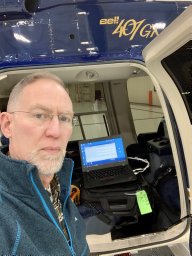 Eric Bechhoefer合作论文数Goodrich Sensors and Integrated Systems50
 Yongzhi Qu (曲永志)合作论文数School of Mechanical and Electronic Engineering, Wuhan University of Technology29
 Miao He合作论文数20
 Andrew Kusiak合作论文数Department of Industrial and Systems Engineering, College of Engineering, The University of Iowa18
 Junda Zhu合作论文数Intelligent Systems Modeling & Development Laboratory, University of Illinois at Chicago16
 Jae Yoon合作论文数University of Illinois at Chicago, University of Illinois at Chicago15
 Xueyi Li合作论文数14Van Hecke Brandon合作论文数13
 Ruoyu Li (李若瑜)合作论文数Peking University First Hospital12
 Changyou Li (李常有)合作论文数School of Mechanical Engineering and Automation, Northeastern University11
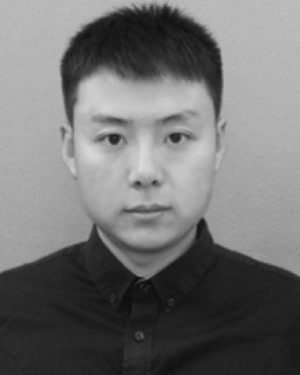 Jialin Li合作论文数10
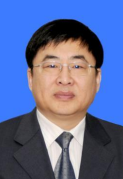 Yimin Zhang (张义民)合作论文数Equipment Reliability Institute, Shenyang University of Chemical Technology;School of Mechanical Engineering and Automation, Northeastern University10Weibing Dai (戴卫兵)合作论文数School of Mechanical Engineering and Automation, Northeastern University7Astghik Babayan合作论文数7Arsen Grigoryan合作论文数7Dawei Jia合作论文数6
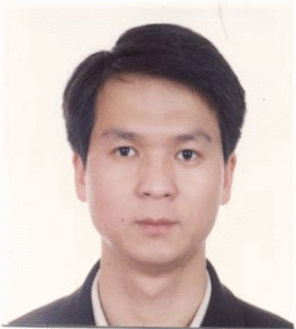 Shenliang Wu合作论文数6
 Ming Dong (董明)合作论文数Department of Operations Management, Antai College of Economics & Management, Shanghai Jiao Tong University5Jason Deutsch合作论文数4Zhi Tan合作论文数4
 John Parkinson合作论文数Department of Biochemistry, Temerty Faculty of Medicine, University of Toronto/Hospital for Sick Children4
 Angela Adamyan合作论文数4
 Pat Banerjee合作论文数4Thomas J. Nostrand合作论文数3Hongzhuang Zhang合作论文数3Bin Qiu合作论文数3Liu Hong (洪流)合作论文数School of Mechanical and Electronic Engineering, Wuhan University of Technology3
 Liyuan Chai (柴立元)合作论文数Tianjin University3Paula J. Dempsey合作论文数3Pradnya Joshi合作论文数2Yue Zhang合作论文数2Khaled Akkad合作论文数Dept Mech & Ind Engn, Univ Illinois2
 Qingzhao Zhou合作论文数2Mengtao Xu合作论文数2
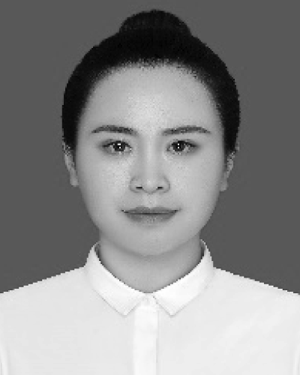 Chengying Zhao合作论文数2
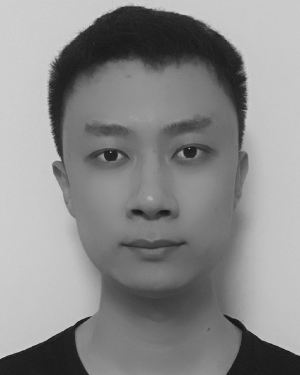 Zhendong Liu合作论文数2Fei Duan合作论文数2
 Fred W. Keeley合作论文数Department of Biochemistry, Temerty Faculty of Medicine, University of Toronto2
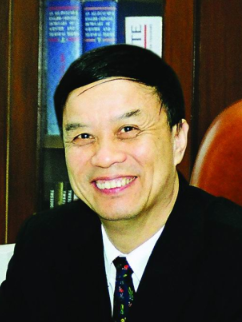 Zude Zhou (周祖德)合作论文数School of Mechanical and Electronic Engineering, Wuhan University of Technology2
 Wang Liu (刘旺)合作论文数School of Electronics and Information Engineering, Harbin Institute of Technology2Avila, R.合作论文数2
 Tianxiao Zhang (张天霄)合作论文数School of Mechanical Engineering and Automation, Beihang University2
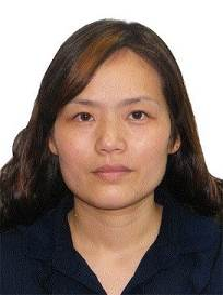 Ruili Dong (董瑞丽)合作论文数College of Information Science and Technology, Donghua University2
 Yaping Zhao (赵亚平)合作论文数School of Mechanical Engineering and Automation, Northeastern University2
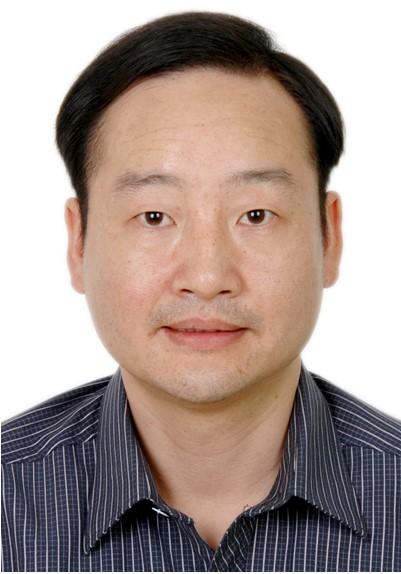 Xiaobo Min (闵小波)合作论文数School of Metallurgy and Environment, Central South University;Chinese National Engineering Research Center for Control & Treatment of Heavy Metal Pollution2
 Yonghong Tan (谭永红)合作论文数The College of Information, Mechanical and Electrical Engineering, Shanghai Normal University2Mohammed Al-Kateb合作论文数Department of Computer Science
College of Engineering and Mathematics
The University of Vermont2Mahindra Imadabathuni合作论文数2
Yonghong Tan (谭永红)合作论文数The College of Information, Mechanical and Electrical Engineering, Shanghai Normal University2Mohammed Al-Kateb合作论文数Department of Computer Science
College of Engineering and Mathematics
The University of Vermont2Mahindra Imadabathuni合作论文数2




