Objective: A previous study evaluating restoration success of Paddlefish Polyodon spathula suggested that excessive turbidity in lakes and rivers may inhibit foraging by juveniles prior to the development of the rostrum. Although a Paddlefish's rostrum, which contains electroreceptors, helps the fish to locate zooplankton prey, the prerostrum stage lacks many of these electroreceptors, potentially affecting foraging in highly turbid waters. To evaluate this hypothesis, we conducted a series of laboratory experiments in small aquaria by varying the level of turbidity measured as Secchi tube depth: >95 (clear tap water), 40, 20, 10, or 5 cm. Methods: For each foraging trial, approximately 300 zooplankton were added to the aquaria, followed by three postlarval Paddlefish, which were allowed to feed on the zooplankton for approximately 18 h. After the 18-h period, Paddlefish were removed and dissected and the zooplankton in the gut were counted to quantify foraging success. Results: From three experimental trials, we observed statistically significant nonlinear relationships for two trials, which included the largest fish tested. The smallest Paddlefish size-class showed no significant trend in foraging among turbidity treatments. However, the subsequent trials, which contained larger Paddlefish, both showed unimodal responses, with the highest foraging observed at moderate (30-50-cm Secchi tube depth) turbidity levels. Conclusions: High turbidity and excessively clear water both appear to affect foraging by juvenile Paddlefish before the rostrum is fully developed, depending on fish size. Understanding this relationship can further influence management and restoration projects directed at this species.
Objective: Yellow Perch Perca flavescens are popular sport fish; however, obtaining adequate length data can be problematic during low-abundance years. Using fish from the sport fishery cleaning stations provides a possible source of data, but fish from this source have already been filleted, making length data questionable, and may not have intact backbones, so lengths cannot be determined. Therefore, we tested if Yellow Perch total length measured from filleted fish are similar to the total length measured before filleting and we also developed regression equations to predict total length from filleted fish length, head length, or mandible lengths and compared their accuracy to known total lengths. Methods: Yellow Perch were collected from the Ohio Department of Natural Resources standardized bottom trawl survey. Each fish was measured for total length using a measuring board, and head and mandible lengths were measured with digital calipers. A subset of fish (N = 46) was filleted, and total length was again measured to see if filleting altered length measurements. We used linear regression with 10-fold cross validation to estimate the total length of Yellow Perch from filleted fish length, head length, and mandible length. Result: Our results show that all three measurements were good predictors (R-2 > 0.98) of fish total length, with precision being greatest for filleted length, followed by head length (mandible length had notably lower precision). Filleted fish lengths were significantly longer than intact total length, but we provide a regression equation that can be used to estimate unfilleted length using filleted fish length. Conclusion: We recommend estimating total length from filleted length regression or head length regression in cases when total length cannot be directly measured. Our mandible length regression can also be used, but it was slightly less precise than the head length regression, which should be used instead when practical.
Lake Erie supports many native nongame fishes including freshwater drum, bigmouth buffalo, and smallmouth buffalo. Commercial fisheries in Ohio waters of Lake Erie have no specific regulations on these species. We reviewed the commercial harvest records for these species and quantified population characteristics (size structure, age and growth, length and age at maturity, recruitment variability, and mortality rates) with fishery-independent samples. Commercial harvest effort has generally declined through time, but commercial harvest totals have increased, suggesting potential increases in population size. Sexually dimorphic growth occurred for each species, with females attaining larger sizes than males. Total annual mortality was 6.7–12.2
ObjectiveSaugeye (Sauger Sander canadensis x Walleye S. vitreus) have been introduced in reservoirs for several purposes, including as a top-down control to combat stunting in crappie Pomoxis spp. populations. However, no comprehensive diet evaluation has been completed in southern reservoirs. Our objectives were to assess variability in saugeye diet compositions, explore factors influencing crappie presence in saugeye diets, and investigate trends in prey size to inform management strategies regarding predatory control of crappie populations.MethodsWe collected 2638 saugeye diets from six Oklahoma reservoirs. We used permutational multivariate analysis of variance to test differences in diet compositions among saugeye lengths, study reservoirs, and seasons, and we used logistic regression models to correlate the presence of crappie in diets with saugeye size, season, crappie abundance, productivity, and turbidity. Finally, we used bivariate plots of diet indices and quantile regression to explore trends in prey importance and prey size relative to saugeye size.ResultSaugeye diet compositions were best explained by saugeye size, followed by study reservoir and season. Saugeye exhibited an ontogenetic shift from Inland Silverside Menidia beryllina to shad Dorosoma spp., and crappie were eaten infrequently in comparison. The presence of crappie prey in diets was most correlated with saugeye size (primarily large saugeye), followed by higher crappie abundance, lower reservoir productivity, and season (highest in fall). Saugeye consumed larger prey than most piscivores relative to predator size.ConclusionOur results indicated that dominant prey of saugeye transitioned from smaller-bodied fishes to larger shad as they grew when both prey types were available, which may have implications for growth and recruitment. Ultimately, the low and variable use of crappie prey may lead to inconsistent predatory effects on crappie populations, and large saugeye may exert greater top-down pressure on crappie in lakes with lower productivity or higher crappie abundance. Impact statement Dominant prey type of saugeye in Oklahoma reservoirs transitioned from Inland Silverside to Gizzard Shad as they grew, and crappie were eaten infrequently in comparison. Large saugeye may exert greater top-down pressure on crappie populations in lakes with lower productivity or higher crappie abundance.
With an increased interest in nongame fishes such as buffalofishes (Catostomidae, Ictiobus), there is a need for better foundational data on their life history. Bigmouth Buffalo I. cyprinellus, for example, have been found to live for more than a century. Age estimates for other sucker species have similarly suggested long life spans, but validation studies as reference points are often lacking. We conducted a 3-year study on Smallmouth Buffalo I. bubalus in Oklahoma to validate annual increments on three hard part structures (otoliths [lapilli], pectoral fin rays, and opercula) typically used for age estimation. We marked wild fish with oxytetracycline (OTC) injection and stocked those fish into a hatchery pond to create a population of fish with known times since marking. Furthermore, reproduction in the pond allowed us to validate annulus formation in young fish. We analyzed 117 fish and found that otoliths were more reliable, precise, and accurate than the other two structures for detecting OTC marks and counting annuli. Age estimates, from 1 to 61 years, were greatest when otoliths were used, with 99% of estimates corresponding to known time since marking or known age. Otoliths appear to be the only reliable structure for accurately estimating the age of Smallmouth Buffalo within 1 year of actual age, and their use indicates that this species can live for more than six decades in Oklahoma.
Striped Bass (Morone saxatilis) is naturally anadromous, but a few land-locked populations have been documented that are self-sustaining, including fish in the Arkansas River, Oklahoma.This rare population is the source of brood stock for the Oklahoma Department of Wildlife Conservation hatcheries and is an important sportfish stock.Striped Bass often congregate in tailwater habitats, where anecdotal observations indicate anglers can harvest numerous fish daily.This suggests potential usefulness of evaluation of the sustainability of harvest in these locations.It is unknown what portion of fish from the Arkansas River population use tailwater habitats or the timing and duration of use.The objectives of this study were to: 1) determine size structure, abundance, and total mortality rate of Striped Bass in the tailwaters of Tenkiller Lake and Lake Eufaula; 2) determine the extent and timing of immigration and emigration of Striped Bass in tailwater habitats to determine the potential for overharvest when they congregate in tailwater areas; 3) estimate delayed hooking mortality of Striped Bass in spring and summer; and 4) using the above data and modeling simulations, determine the potential for growth overfishing of Striped Bass in the tailwater reaches.We sampled 2,730 Striped Bass using boat electrofishing and tagged with passive integrated transponder (PIT) tags to estimate demographic data using a capture-recapture model.A subset of these Striped Bass was tagged with angler reward tags (internal anchor tags, n = 681) and dual technology acousticradio telemetry tags (n = 111) to estimate exploitation and track movements, respectively.Anglers returned 116 tags from 2020 to 2022; and our angler reporting rate was estimated to be 14.3%.Annual harvest mortality is minimally 7% (unadjusted for reporting rate) but could be as high as 42% (i.e., adjusting for compliance; but this exceeds the measured total mortality rate (34.3%) so true exploitation is probably 7-34.3%).Our abundance estimates for Striped Bass varied seasonally (ranging from 782 to 38,597 seasonally) and had a high level of uncertainty likely due to relatively low recapture rates.Additionally, our results indicated that Striped Bass exhibited a strong fidelity to their respective habitats within seasons, with fidelity probabilities ranging from 0.98 to 1.00.Movement among segments was common among seasons, indicating these localized populations mix with a larger population annually.Striped Bass were primarily in tailwater habitats during summer.Delayed hooking mortality data were collected in summer 2022.Due to habitat conditions that year, angling catch rates were low.Twenty-nine Striped Bass were tagged, and only eight Striped Bass remained tagged long enough to be tracked at
Suckers (Catostomidae) are ecologically important, and some support popular fisheries, despite not being considered 'sport fish' in most states.Gigging suckers is a popular and culturally significant pastime in the Ozark Highlands, but little is known about the effect of gigging harvest on population dynamics of suckers.Therefore, research is needed to determine safe levels of sucker harvest that ensure sustainability of sucker gigging and protect overall ecosystem function.The objectives of this study were to: 1) determine the spatial distribution of common sucker species during spawning season (when sucker gigging is most effective), 2) determine the population size, age structure, and total mortality rate for common sucker species, and 3) model the effects of different harvest rates on sucker populations to determine the harvest rate at which growth overfishing and recruitment overfishing begin.Suckers were sampled using electrofishing, modified fyke netting, gillnetting, hoop netting, and seining and marked with passive integrated transponder (PIT) tags to provide information about population size, demographics, and coarse-scale movement patterns.A subset of fish sampled using the above gears and additional fish collected during gigging tournaments in 2017-2019 and 2021-2022 (no tournament was held in 2020) were used for age analyses.Tournament data collected prior to the initiation of this project were obtained from the state agency.Data from gigging tournaments indicated Golden Redhorse Moxostoma erythrurum, Black Redhorse M. duquesnei, White Sucker Catostomus commersonii, and Spotted Sucker Minytrema melanops were vulnerable to gigging harvest.Selection by giggers for larger individuals was apparent for all species except Golden Redhorse in 2019.Spotted Suckers constituted most fish harvested, but the proportion of each species harvested still varied among years.A total of 943 fish were aged from samples obtained from 2017 to 2022 and results from subsequent analyses indicated a high degree of variation in growth rates within and among species.Over 4,700 suckers were tagged with PIT tags and over 400 recaptures of these tagged fish were made since autumn 2018.Preliminary analyses indicate survival was consistent across samples and species, and detection rates varied by sampling event (3-month periods).Our most likely top multistrata model suggested that a large portion of fish within the upper Spavinaw, lower Spavinaw, and reservoir sections remain in these locations year-round (means: 0.46 -
Catostomidae (catostomids) are suckers of the order Cyprinifores and the majority of species are native to North America; however, species in this group are understudied and rarely managed. The popularity in bowfishing and gigging for suckers in the United States has increased concerns related to overfishing. Little information exists about the relative gear effectiveness for sampling catostomids. Our study objective was to evaluate the relative effectiveness of boat electrofishing for sampling Black Redhorse Moxostoma duquesnei, Golden Redhorse M. erythrurum, Northern Hogsucker Hypentelium nigricans, White Sucker, and Spotted Sucker populations in Lake Eucha, OK. We used an information theoretic approach to determine the abiotic variables related to sucker catch per effort (C/f). Our analysis indicated that sucker C/f was highest during night and decreased with increasing water temperature. Sucker size structure was significantly different between daytime and nighttime samples; however, effect size estimates for size structure comparisons indicated size distributions exhibited moderate overlap. Distributional comparisons indicated daytime and nighttime samples were similar for fish >180 mm total length (TL). Effect size estimates also indicated little association between the proportion of each species captured and time of day or water temperature. Night electrofishing in reservoirs at water temperatures from 16-25 ⁰C yielded the most precise C/f estimates, with the highest numbers of suckers collected at water temperatures from 6-15⁰C. Further study of the relationship between abiotic variables and catostomid catchability using various gears would be beneficial to agencies interested in these populations.
Increasingly, management efforts are being directed at Blue Catfish Ictalurus furcatus native and invasive populations; however, a lack of standardized sampling procedures using low-frequency electrofishing (LFE) has hampered the ability to collect comparable data across temporal and spatial scales. Therefore, we conducted wetlab LFE trials to determine optimal power densities that elicit a capture-prone surfacing response by Blue Catfish. We tested power density applied to the fish (D-m) from 4.69 x 10(-6) to 3.65 mu W/cm(3) and trials with at least one surfacing fish occurred between Dm values of 2.144 x 10(-5) and 0.854 mu W/cm(3). Trials in which >= 50% of fish surfaced all occurred at Dm values between 9.29 x 10(-5) and 0.2084 mu W/cm(3). Even within this narrower range, responses were variable and included trials where no fish surfaced, indicating a wide range of response rates across all power levels tested. Our results suggest that a power density applied to the fish (Dm) between 9.29 x 10(-5) and 0.2084 mu W/cm(3) is most likely to elicit a surfacing response in Blue Catfish, thus exposing them for capture. Further research is needed to map power densities over a range of distances from the electrode (i.e., relating power at the electrode [P-a] with power density in the water [D-a]) before standard power tables can be produced. Until this information becomes available, we recommend using the power tables from Bonar et al. (2009) because these allow effective capture of catfishes and will standardize the effectiveness until a better power table could be produced for LFE. Additional research is needed to better understand the Blue Catfish's unique electroreceptive mechanism that drives variability in the response to LFE and whether the proportion of fish surfacing is consistent enough to use catch per unit effort as an index of abundance.
Field evaluations of management manipulations are rarely conducted, in part because they are difficult to design and require large sampling effort. However, many commonly used management approaches have <50% success rate, indicating the need for more research. Herein, we provide a case study illustrating how historic standard sampling data from Oklahoma were used to design robust before-after control-impact study designs to evaluate the effectiveness of stocking saugeye Sander vitreus x S. canadensis as a predatory control for stunted White Crappie Pomoxis annularis populations. Comparing six manipulated lakes with six reference lakes (no saugeye stockings), we found that proportional size distribution, proportional size distribution of preferred-size fish, and mean length at ages 1 and 2 of White Crappie all improved after stockings, but still fell short of statewide median values. Further, similar improvements in these metrics also occurred in reference lakes, suggesting they were likely caused by regional patterns (flood/drought or temperature effects) rather than management intervention. Thus, we conclude saugeye stockings are not likely to routinely improve stunted White Crappie fisheries. We encourage managers who have historic data to use these data to robustly evaluate management interventions (as illustrated in this study), because our field needs additional information regarding when management interventions will be most effective, versus when they may not have the desired outcome. These historic data sets have considerable utility in providing this type of information. Our case study illustrates the importance of replication and reference lakes to avoid erroneous conclusions in such evaluations.
‘Cherokee Purple’ tomato ( Solanum lycopersicum L.) plants are a highly sought-after heirloom cultivar in the United States but are low yielding and highly susceptible to soil-borne pathogens, and may benefit from being grafted. Soilless systems such as aquaponics and hydroponics help increase yield, mitigate disease, and serve as an alternative to field production. The objective of this study was to evaluate a grafting combination of ‘Cherokee Purple’ × ‘Maxifort’ and nongrafted controls in 1.85-m 2 media grow beds with hydroponic and aquaponic systems using copper nose bluegill in a greenhouse. Grafting increased stem diameter, leaf count, stem height, flower count, and bud count compared with nongrafted plants. In aquaponics, grafting increased the phosphorus uptake over nongrafted plants grown in the aquaponic system. Grafting resulted in greater fresh (49.2%) and dry (40.0%) shoot biomass, and fresh (33.3%) and dry (42.8%) root biomass. Grafting also increased the uptake of copper and sulfur in the aquaponic systems. The hydroponic systems resulted in greater leaf count, soil plant analysis development, stem height, shoot biomass, and greater boron, phosphorus, potassium, iron, and manganese levels than aquaponic systems. Total fruit number and weight were greater in hydroponic systems than in aquaponic systems by 35.4% and 30.4%, respectively, but fruit splitting was a problem in both. Aquaponics resulted in greater root fresh weight than hydroponics. The nutrients zinc and copper increased with the use of aquaponic systems over hydroponic systems. This research suggests that the type of system can affect growth and nutrient uptake, and ‘Cherokee Purple’ should not be used in a soilless system because of excessive fruit splitting, leading to unmarketable fruit and low yield, unless environmental conditions can be managed during the heat of the summer.
Catostomidae (catostomids) are suckers of the order Cypriniformes, and the majority of species are native to North America; however, species in this group are understudied and rarely managed. The popularity in bowfishing and gigging for suckers in the United States has increased concerns related to overfishing. Little information exists about the relative gear effectiveness for sampling catostomids. We sought to evaluate the relative effectiveness of boat electrofishing for sampling Black Redhorse Moxostoma duquesnei, Golden Redhorse M. erythrurum, Northern Hogsucker Hypentelium nigricans, White Sucker Catostomus commersonii, and Spotted Sucker Minytrema melanops populations in Lake Eucha, Oklahoma. We used an information theoretic approach to determine the abiotic variables related to sucker catch per effort (C/f). Our analysis indicated that sucker C/f was highest during the night and decreased with increasing water temperature. Sucker size structure was significantly different between daytime and nighttime samples; however, effect size estimates for size structure comparisons indicated that size distributions exhibited moderate overlap. Distributional comparisons indicated that daytime and nighttime samples were similar for fish greater than 180 mm in total length. Effect size estimates also indicated little association between the proportion of each species captured and time of day or water temperature. Night electrofishing in reservoirs at water temperatures from 16 to 25 & DEG;C yielded the most precise C/f estimates, with the highest numbers of suckers collected at water temperatures from 6 to 15 & DEG;C. Further study of the relationship between abiotic variables and catostomid catchability using various gears will be beneficial to agencies interested in these populations.
Flathead Catfish Pylodictis olivaris are popular among anglers; however, information about their sampling is limited. Low-frequency electrofishing (LFE) is the most used method for sampling Flathead Catfish, but LFE data quality (precision and accuracy) has not been previously studied. Therefore, we evaluated accuracy, precision, and optimal sampling duration for maximizing precision of LFE sampling for Flathead Catfish. To quantify accuracy, we created known populations by tagging Flathead Catfish in Lake Carl Blackwell, Lake McMurtry, and Boomer Lake, Oklahoma, with numbered modified Carlin dangler tags and calculated their capture probabilities from recapture data with a Cormack-Jolly-Seber model, with water temperature as an environmental covariate and fish size as an individual covariate. Capture probability was negatively correlated with increases in fish length for Lake Carl Blackwell and Lake McMurtry but was positively correlated with increases in fish length for Boomer Lake. Capture probability was highest at warmer temperatures at Lake Carl Blackwell and Lake McMurtry but was highest at lower water temperatures at Boomer Lake. Therefore, catch rate and size bias varied by system, but size bias was still relatively consistent at all temperatures within lakes (i.e., lake-specific differences in slopes were subtle even though significantly different), indicating that LFE could be used to detect relative changes in size structure if temperatures were standardized. Catch rates were highest and most consistent from June to September when water temperatures were >= 24 degrees C. The number of 5-min LFE efforts needed to achieve a relative standard error <= 25% was lowest when water temperature was >= 20 degrees C from months between May and September. Catch rates and size structure did not differ between LFE efforts (5, 10, or 15 min), suggesting that any LFE effort would produce similar relative abundance estimates.
Although low-frequency, pulsed-DC electrofishing is considered the most effective method for sampling Blue CatfishIctalurus furcatusin reservoirs, efforts to improve sampling efficiency have not been fully explored. Optimizing sampling duration can reduce cost and effort if shorter sample times still produce precision similar to that of longer samples. We compared several catch rate and size structure metrics from the first and second 5-min intervals of 10-min low-frequency electrofishing samples for Blue Catfish in three Oklahoma reservoirs (N = 40 sites total). The total Blue Catfish CPUE (CPUETotal), CPUE of preferred-length fish (>760 mm; CPUE760), mean TL, proportional size distribution (PSD), and PSD of preferred-length fish did not significantly differ between sampling intervals. One reservoir had a higher proportion of 200-299-mm fish in the second 5-min interval; however, no other differences in length frequency or other size metrics were detected between the first and second 5-min intervals in any reservoir. Sampling precision met the target level (relative standard error = 20) for CPUE(Total)but not CPUE(760)during both the first 5 min and the full 10-min sample at all reservoirs. Monte Carlo simulation indicated that 10 samples would be needed to achieve the target precision (relative standard error <= 20) for CPUE(Total)and 38-65 samples would be needed for precise CPUE(760)metrics regardless of sample duration. In fisheries with moderate catch rates like those we observed (150-500 fish/h), we recommend short-duration (i.e., 5-min) sampling because data of the same quality can be collected with reduced cost and effort. For situations in which sampling precision is low (e.g., CPUE760), we recommend increasing the number of replicate 5-min samples. Using shorter sample durations provides a method for managers to obtain quality population data more efficiently, allowing time for other worthwhile management activities that would otherwise not be possible.
Bluegill Lepomis macrochirus and Redear Sunfish L. microlophus are highly regarded recreational species throughout North America. Management of these species relies on sampling methods that accurately and efficiently describe population characteristics of the target population. Largemouth Bass Micropterus salmoides and crappies Pomoxis spp. are commonly sampled with spring electrofishing and fall fyke netting, respectively. If lepomids can be effectively sampled concurrently with Largemouth Bass or crappies with one of these sampling methods, it would improve sampling efficiency in small impoundments. Our objective was to compare two sampling methods (North American standard fyke netting and electrofishing) for sampling Bluegill and Redear Sunfish populations in small impoundments by comparing size structure, sampling precision (relative standard error), and sampling efficiency (effort needed to collect 125 stock-length fish). Typically, spring electrofishing caught a wider size range of Bluegill and Redear Sunfish than fyke nets, but proportional size distribution was similar between gears. However, length frequencies differed between gears in all impoundments for Bluegill and in three of five impoundments for Redear Sunfish. Electrofishing typically caught a greater proportion of large lepomids than fyke nets in those cases, though the differences were subtle and management decisions would likely be similar using data from either gear. With the exception of Pawhuska Lake (which had low catch rates leading to poor precision for both species and both gears), catch rates were typically high enough to collect sufficient numbers (125 stock-length fish) of Bluegill to adequately describe size structure with 5-20 net-nights for fyke nets or 4-28 transects for electrofishing, but Redear Sunfish sampling would require considerably more sampling effort to produce sufficient amounts of fish in most cases (24-79 net-nights for fyke nets or 12-57 transects for electrofishing). Spring electrofishing is the more precise (lower relative standard error) of the two sampling methods for collecting lepomids.
In diet studies, stomach contents from predatory fish may be difficult to identify due to digestion. The Gizzard Shad Dorosoma cepedianum is an important prey species for sport fish; thus, determining the size of ingested shad can assist with evaluating competitive interactions, bioenergetic patterns, and niche partitioning and can add precision to predictive models. The gizzard organ of clupeids appears to be more resistant to digestion compared to other tissues and can often be found in the stomachs of predatory fish after other tissues from Gizzard Shad are digested. If the gizzard diameter is proportional to Gizzard Shad weight or length, it could be a useful structure for estimating the size of partially digested Gizzard Shad when other structures that are traditionally used to estimate weight or length (e.g., backbones) are damaged due to advanced digestion. For this reason, we evaluated the allometry relating gizzard diameter and Gizzard Shad weight and TL. We sampled a total of 936 Gizzard Shad from nine Oklahoma reservoirs. Fish were frozen and later thawed; they were measured for weight (+/- 0.01 g) and TL (+/- 1 mm), and the gizzard was then removed. Gizzard diameter was measured (+/- 0.1 mm) at its widest point using calipers. Eight different equations were evaluated to find the best relationship (lowest Akaike's information criterion) between gizzard diameter and weight or length. The relationship between gizzard diameter and fish weight was best modeled as a second-order polynomial, whereas the relationship between gizzard diameter and fish TL was best described by a five-parameter Richard's equation. Both relationships explained over 80% of the variation in Gizzard Shad size. The 95% CIs for weight (+/- 4-7%) and TL (+/- 2-7%) indicated good overall precision for mean fish size based on gizzard diameter. Therefore, we recommend using gizzard diameter to determine weight and TL from diet samples when advanced digestion of Gizzard Shad limits the use of more traditional metrics (TL, backbone length, etc.).
Hydrologic processes are often important determinants of successful recruitment of native fishes. However, water management practices can result in abnormal changes in daily and seasonal hydrology patterns. Rarely has fish recruitment across river-reservoir landscapes been considered in relation to flow management, despite the direct relationship between reservoir water management and the resulting upstream and downstream hydrology. We evaluated the relationships between lotic and lentic hydrology and recruitment of two native broadcast-spawning fishes, Freshwater Drum Aplodinotus grunniens and Gizzard Shad Dorosoma cepedianum. Four seasonal periods for each species were identified that related to the species' spawning biology, from which we derived our remaining hydrology variables. Annual hydrology variables were also considered in our analysis. We developed regression models in conjunction with a model-selection procedure for each species and habitat type based on the catch-curve residuals from fish populations in hydrologically connected river-reservoir systems in the Ozark Highland and Ouachita Mountain ecoregions, USA. Our results indicated that recruitment of reservoir Freshwater Drum was negatively correlated to annual reservoir retention time. In lotic habitats, Freshwater Drum recruitment was positively correlated with prespawn discharge conditions and negatively correlated with annual flow variability. Similarly, riverine Gizzard Shad recruitment was positively correlated to the frequency of high-flow pulses during the spawning period. Our results indicate that releasing reservoir water to best mimic relatively natural flow patterns may benefit some broadcast-spawning species that occupy both lentic and downstream lotic environments, especially during the spring. This information, combined with future efforts on additional spawning guilds, will provide a foundation for developing holistic river-reservoir water-allocation plans.
Advantages of PIT tags are their small size, longevity, and low cost compared to other tags. They are often used in fisheries to study movement patterns and survival or to estimate population size. However, PIT tags are limited by their short detection distance. Mobile PIT antennas may increase the utility of PIT tags in fisheries. In this study, we synthesized current detection efficiency literature for mobile PIT antennas, determined physical factors that decreased PIT tag detection probabilities for our antenna, determined factors that influenced the proportion of PIT-tagged suckers detected by our mobile antenna, and summarized techniques used to increase detections of PIT-tagged suckers using mobile antennas in a wadable stream. Our literature review indicated that tag size and orientation were the most important factors affecting detection probabilities. However, our manual testing suggested that the detection probability for our antenna was primarily influenced by water depth of the tag and distance from the antenna. Our sucker detection data showed that detection efficiency in our stream was most influenced by discharge, turbidity, and sample date. Tracking methods that include targeting key habitats (e.g., rootwads) and using natural features to congregate tagged fishes (e.g., riffles or pinch points) may increase detection efficiency in wadable streams. This is the first formal review of factors affecting mobile PIT antenna detection efficiency. The published literature, combined with our study results, indicates that several factors need to be considered prior to mobile PIT antenna tracking.
The Third International Catfish Symposium was held in Little Rock, Arkansas, in 2020 and provided another milestone to gauge advances in knowledge related to conservation and management of these valuable fishes. Attendees from 29 states and 4 countries gathered to communicate research and information on the conservation, ecology, and management of the world's catfishes. During 3 d of technical sessions and workshops, 74 oral presentations and 17 posters were shared with 198 attending fisheries professionals. Plenary and oral presentations were recorded and are available online (), aligning with the symposium theme of "Communicating Catfish Science." Technical sessions explored current research and management issues that included population demographics, introduced catfish populations, sampling methods, harvest management, human dimensions, conservation, habitat use and movement, biology, and aging methods. Ultimately, 38 manuscripts were peer reviewed and published as this special issue of the North American Journal of Fisheries Management. Interest in catfish science, as gauged by publications in six peer-reviewed fisheries journals, has grown steadily since a 1910 catfish aquaculture article appeared in the Transactions of the American Fisheries Society. Biology and ecology topics became prominent in the 1970s and 1980s, while articles on techniques and fisheries management have grown steadily through 2020. Ecology, fisheries management, and techniques were the most published topics in the three international catfish symposia. Future research and management efforts will continue similar work but also seek to address the expanding role of catfish as invasive species and a better understanding of the ecology and conservation of small-bodied native catfish. Among the greatest challenges will be adapting current tools and identifying future knowledge gaps as we experience a changing climate. This will require an enhanced understanding of transforming ecosystems and advanced adaptive management applications. The decadal occurrence of a dedicated symposium has served to summarize progress and focus future efforts to advance catfish science.
We summarized advancements in Flathead Catfish Pylodictis olivaris biology, fisheries, and management published from 1999 to 2021. Our goal was to highlight recent advancements in Flathead Catfish research and address information needs for this species to encourage future research. We identified and reviewed 140 papers from 33 peer-reviewed journals, 27 theses/dissertations, and 13 technical reports on Flathead Catfish over the 23-year period. Most studies focused on introduced Flathead Catfish populations, age and growth, movements, diet, sampling methods, and human dimensions of Flathead Catfish fisheries. The number of studies published on riverine Flathead Catfish populations was greater than the number published on reservoir populations, and many studied negative effects of populations introduced outside of the species' native range. Flathead Catfish are most commonly found in shallow (<3-m) locations with large woody debris or riprap and substrates with a hard bottom. Flathead Catfish movement studies identified three distinct migration periods: overwintering, prespawn/spawn, and late summer/fall, with little movement between these migrations. Flathead Catfish are typically lightly exploited (0-19% annual exploitation) and have typical (for a long-lived species) annual total mortality rates of 11-37%, ranging as high as 62%. Flathead Catfish are most commonly sampled using low-frequency electrofishing. Despite an increase in published literature on Flathead Catfish, information remains inadequate such that most state agencies do not follow a standardized protocol for sampling Flathead Catfish and information to guide management approaches for the species is limited. Minimal research on Flathead Catfish reproduction and spawning has occurred since 1999. Additional research is needed on these and other topics to provide information critical to managing this important species.
 David H. Wahl合作论文数Illinois Natural History Survey, University of Illinois, Urbana-Champaign;Department of Natural Resources and Environmental Sciences, University of Illinois, Urbana-Champaign14
 Richard A. Snow合作论文数12Michael J. Porta合作论文数7
 James M. Long合作论文数7
 Shannon Brewer合作论文数USGS Missouri Cooperative Fish and Wildlife Research Unit, University of Missouri Department of Fisheries and Wildlife Sciences7Graham F. Montague合作论文数5Douglas L. Zentner合作论文数5Kristopher A. Bodine合作论文数5
 Robert Heath合作论文数4
 David R. Stewart合作论文数US Fish & Wildlife Serv, Natl Wildlife Refuge Syst3
 Robert E. Carlson (Robert Carlson)合作论文数Clearwater Environmental Consulting3
 Kevin Mershon Boswell合作论文数Department of Oceanography and Coastal Sciences, Louisiana State University3Chas P. Patterson合作论文数2Dray D. Carl合作论文数2Garrett R. Johnson合作论文数2
 Kristopher J. Stahr合作论文数2
 Michael J. Weber合作论文数School of Medicine, University of Virginia2
 Mike Brown合作论文数Department of Natural Resource Management, South Dakota State University2J. Warren Schlechte合作论文数2
 Ben C. Neely合作论文数2Andrew R. Dzialowski合作论文数Central Plains;Center for BioAssessment Kansas Biological Survey;University of Kansas;Center for BioAssessment Kansas Biological Survey, University of Kansas2Clayton P. Porter合作论文数1Patrick Cooney合作论文数1Tyler J. Stubbs合作论文数1Bryan Sowards合作论文数1Mark W. Carter合作论文数1mark t porath合作论文数1
 Derek P. Crane合作论文数Department of Biology, Coastal Carolina University1jason olive合作论文数1
 Osler Ortez合作论文数Dept Agron & Hort, Univ Nebraska1Eric Adee合作论文数1
 Phumsith Mahasuweerachai合作论文数1Casey A. Pennock合作论文数1Carla Goad合作论文数1
 Skylar Wolf合作论文数Oklahoma Cooperat Fish & Wildlife Res Unit, Oklahoma State Univ1
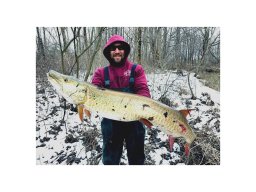 Joseph D. Schmitt合作论文数US Geol Survey, Lake Erie Biol Stn1Michael a Nannini合作论文数1
 Rebecca M. Krogman合作论文数1
 Bruce Dunn合作论文数1
 Bizhen Hu合作论文数1
 Jennifer Kimball合作论文数Department of Plant Breeding and Genetics, Cornell University1
 David L. Buckmeier合作论文数1
 Phillip W. Stahlman合作论文数1Kurt E. Kuklinski合作论文数1Clay L. Pierce合作论文数U. S. Geological Survey;Biological Resources Division;Iowa Cooperative Fish and Wildlife Research Unit;Department of Animal Ecology;Iowa State University;Department of Animal Ecology, Iowa State University1
 Tracy Boyer合作论文数Department of Agricultural Economics, Oklahoma State University1Paul H. Michaletz合作论文数Department of Conservation, Missouri;Missouri Department of Conservation, Missouri Department of Conservation1Jeffrey L. Kline合作论文数1S. P. Callahan合作论文数1




