Community-based participatory action research (CBPAR) is founded on meaningful collaboration with communities in the design and execution of research. CBPAR is gaining traction as an ethical and effective approach to research with underserved populations, including Indigenous youth. This scoping review examined 134 CBPAR studies involving Indigenous youth in Canada and the United States, to identify when, how, and to what extent Indigenous youth were engaged in research. Youth engagement was analysed on a continuum defined by the extent of decision-making throughout research. Indigenous youth participated in research decision-making in 62% of studies examined, with wide variation in extent and style of engagement. Youth wisdom and voices were often underutilized or undescribed in research decisions. However, many cases demonstrate that Indigenous youth can and do contribute meaningfully to research with and about their peers. Findings support a need for transparent reporting on how youth engagement is enacted in CBPAR.
Nation states globally have signaled a rapid pursuit of net-zero emissions and transition to a low carbon economy. The country Canada is a part of this discourse and already has a largely decarbonized electricity grid, which is expected to grow substantially in the coming decades. Despite these 'on-grid' successes, remote, northern, and off-grid communities in Canada, most of which identify as Indigenous, remain almost wholly dependent on diesel fuel for space-heating and power generation. The agenda to transition remote communities off diesel-power is often driven by non-Indigenous outsiders, and seldom centers Indigenous knowledge, rights, or ways of being, potentially resulting in adverse socio-economic and ecological impacts and novel forms of 'green' colonialism. The current study is a participatory research partnership, between several university-based researchers, as well as representatives of the NunatuKavut Community Council - the rights-based governing body who represent Inuit across nine diesel-dependent communities in southern Labrador. The case-study research uses key informant interviews (n = 14) and a community member survey (n = 34) to assess how existing clean energy initiatives (policies, plans, programs, projects, etc.) in NunatuKavut have respected principles of energy justice. We discover and build upon several categories of distributional, procedural, and recognition injustice. Recognizing the potential harm of injustice discourses, we call on energy researchers to more meaningfully integrate strength-based approaches which focus on Indigenous resistance and response to energy domination. Finally, based on our results, we develop two novel schematics to help further understand distributive and procedural justice in the context of Indigenous energy governance.
Our scoping review sought to consider how Etuaptmumk or Two-Eyed Seeing is described in Indigenous health research and to compare descriptions of Two-Eyed Seeing between original authors (Elders Albert and Murdena Marshall, and Dr. Cheryl Bartlett) and new authors. Using the JBI scoping review methodology and qualitative thematic coding, we identified seven categories describing the meaning of Two-Eyed Seeing from 80 articles: guide for life, responsibility for the greater good and future generations, co-learning journey, multiple or diverse perspectives, spirit, decolonization and self-determination, and humans being part of ecosystems. We discuss inconsistencies between the original and new authors, important observations across the thematic categories, and our reflections from the review process. We intend to contribute to a wider dialogue about how Two-Eyed Seeing is understood in Indigenous health research and to encourage thoughtful and rich descriptions of the guiding principle.
Indigenous post-secondary students bring unique insights, knowledges, and expertise into post-secondary education spaces. Yet, given its colonial underpinnings, higher education in Canada is often a site of marginalization for Indigenous students. Targeted mentorship initiatives can be a way to support Indigenous learners through their post-secondary education journeys. This article chronicles the creation and ongoing work of the Atlantic Indigenous Mentorship Network and shares insights, challenges, and goals for the network as it continues to support Indigenous students in the Atlantic region. The network utilizes a multi-pronged mentorship approach offering financial, learning, and mentorship opportunities guided by the voices of Indigenous students in the region. Notably, our ability to build relationships with and amongst Indigenous students is strengthened through collaborative peer leadership and having an Indigenous graduate student consistently coordinating the network year over year. Given the diversity of Indigenous Peoples in the Atlantic, our network has and continues to capture and engage with diverse Indigenous learners in ways that respect their unique knowledges and challenges through continuous and intentional consultation and engagement. Our success is demonstrated through the increase in funded students conducting Indigenous health research in the region, and through feedback gathered directly from students engaged with the network. By sharing the story of the Atlantic Indigenous Mentorship Network, we hope that learnings and insights can be gleaned to instigate further innovative and sustainable mentorship initiatives supporting Indigenous student success.
This commentary emerged from an Indigenous research ethics and governance gathering and a scoping review completed by a diverse team of Indigenous and non-Indigenous scholars, which includes some of the co-authors of this article. A lack of detail regarding whether and how community engagement was carried out and reported in the context of published Indigenous health research in the Atlantic region of Canada were identified. This commentary builds on this work as well as other published works that emphasize the need to further ensure that Indigenous research is community based if not community led. Moreover, this commentary lends support to important changes to journal submission requirements regarding Indigenous health research submissions recently made at the Canadian Journal of Public Health through the work of Senior Editor Dr Janet Smylie and colleagues.
Introduction: Within Indigenous cultures, stories about food and health have been shared on the land because the land, air, water, and ice are where food naturally grows and exists. Yet, Indigenous children are increasingly using online technologies to gather knowledge and share stories with their communities. Objectives: Through analyzing a storytelling session led by a Mi’kmaw Knowledge Keeper, this paper explores how land-based learning can come together with online technology to engage children in Indigenous food sovereignty. Methods: This study is situated within an intergenerational Mi’kmaw foods project called the Land2Lab Project and is guided by Two-Eyed Seeing and decolonial theory. We used narrative inquiry to explore a Knowledge Keeper’s storytelling session that was conducted with 14 Mi’kmaw children. Results: Through this study we learned that we can prioritize Mi’kmaw knowledge both on the land and online. Yet, spending time on the land intergenerationally learning about Mi’kmaw foodways is imperative to maintaining Mi’kmaw food knowledge and engaging children in Indigenous food sovereignty. Conclusion/Discussion: While online technology may seem paradoxical to land-based learning, some elements of intergenerational storytelling can happen online and on the land, and both can be used to support the protection of Mi’kmaw knowledge systems, foodways, and health for future generations.
Background Improving equity in healthcare is a primary goal of health policy in Canada. Although the investigation of equity in healthcare utilization is common in the general population, little research has been conducted to assess equity in healthcare utilization within First Nations peoples living in Canada. Objective To examine income-related inequities in primary care (family doctor/general practitioner and nurse practitioner care) and specialist care within status and non-status First Nations adults living off-reserve. Methods Using the 2017 Aboriginal Peoples Survey (APS), a nationally representative survey of Indigenous peoples living off-reserve in Canada, we analyzed income-related inequities in healthcare among Indigenous adults (>18 years) who self-identified as a member of any First Nations group in Canada. Logistic regression analysis was performed to identify factors associated with the utilization of primary and specialist care. The Horizontal Inequity index (HI), which measures unequal healthcare use by income for equal need, was used to quantify and decompose income-related inequities for primary and specialist care for status and non-status, and total First Nations groups. Results The regression results revealed higher primary and specialist care use among females, high socioeconomic status (high income and more educated) and status First Nations peoples in Canada. The positive values of the HI suggested a higher concentration of primary care and specialist care utilization among higher income First Nations peoples after adjusting for healthcare need. These pro-rich inequities persisted for the total First Nations populations, and for those in each status group individually. The decomposition results suggested observed inequities in both primary and specialist care among First Nations peoples can be predominantly attributed to the unequal distribution of education and income. Conclusion Although primary and specialist services in Canada are free at the point of the provision, we found pro-rich inequities in healthcare use among First Nations adults living off-reserve in Canada. These results warrant policies and initiatives to address barriers to healthcare use within and outside health system among low-income First Nations peoples living off-reserve.
Academics have historically been members of socially dominant groups—white, cisgender, heterosexual men, from middle- to upper-classes, who identify as able-bodied and able-minded. Members of other groups are often disadvantaged. In two larger studies, semi-structured interviews were conducted with professionals from marginalized groups. Here we explore the narratives of 16 participants who explicitly discussed their experiences in faculty positions within the health and social service professions. The expected academic roles of teacher, researcher, and colleague/administrator did not neatly fit for participants, clashing with the expectations they faced by virtue of their marginalized identities. Within the health and social service professions, the norms and expectations of the academy required marginalized faculty to make sacrifices of their time and sense of self to meet job demands. The effects of these role conflicts are pervasive, affecting many areas of academic work and beyond.
This article offers conceptual and theoretical insights that we gained in a scoping review project to understand the Mi’kmaw guiding principle Two-Eyed Seeing/Etuaptmumk. Reflecting on the experiences and outcomes of the scoping review project, we explore the following questions: (a) To what extent can we rely only on written works and the English language to understand Two-Eyed Seeing? (b) How do academia’s conventional ways of thinking and sharing knowledge shape our abilities to understand and convey Two-Eyed Seeing to others? (c) What strategies can academics draw upon to better understand Two-Eyed Seeing? Ultimately, we contend that, to develop a richer and more nuanced understanding of Two-Eyed Seeing, we need to move beyond academic conventions and engage with a multiplicity of knowledge systems, approaches, and methods, including dialogical, visual, and experiential practices.
Research approaches and underlying epistemologies should be carefully considered when conducting health research involving Indigenous communities in order to be aligned with the distinct Indigenous values and goals of the communities involved. If Western research approaches are used, it is helpful to consider how they might be consistent with Indigenous ways of knowing. Among Western research approaches, realist approaches might have some congruence with Indigenous epistemologies. For health research in Indigenous communities, realist approaches might be relevant because they are based on a wholistic approach congruent with Indigenous ontologies, anchored in local knowledge, process-oriented and dynamic. The use of these approaches might make it possible to link diverse knowledge systems into action that is meaningful for Indigenous communities.
Introduction: Indigenous communities across Canada report that transformations in Indigenous health research are needed, where the benefits of research shift intentionally, collaboratively, and with transparency from the researchers directly to Indigenous communities and partners. Despite its challenges and potential for harm, research, if done ethically and with respect and partnership, can be a force for change and will strengthen the efficacy of data on Indigenous Peoples' health and wellbeing. Purpose: To characterize the nature, range, and extent of Indigenous health research in Atlantic Canada, and to identify gaps. Methods: Eleven databases were searched using English-language keywords that signify Indigeneity, geographic regions, health, and Indigenous communities in Atlantic Canada between 2001 and May 2020. All references were reviewed independently by two reviewers. Of the 9056 articles identified, 211 articles were retained for inclusion. Data were extracted using a collaboratively developed data charting form. Results: Indigenous health research in Atlantic Canada has increased over time, covering a diverse range of health topics. The main areas of research included climate change, child and youth health, and food and water security, with the majority of research deriving from Newfoundland and Labrador. Rates of reported community engagement remain relatively low and steady between 2001 and 2020, however there was an increase in researchers seeking Indigenous ethics approvals for such engagement. Conclusions: This scoping review synthesizes 20 years of Indigenous health research in Atlantic Canada. The results indicate that although there are increases in Indigenous ethics approvals, there is more work needed to ensure that Indigenous Peoples lead, design, and benefit from research conducted in their homelands.
Introduction: In 2015, the Truth and Reconciliation Commission of Canada released 94 calls to action. These calls were intended to redress harms inflicted on Indigenous peoples as a result of the Indian Residential School system and to advance the process of reconciliation of Canada. Several of these calls to action are directed specifically toward educating health-care providers as a means to actively eliminate racism in health-care experiences for Indigenous peoples. Objectives : To identify the learning needs of pre-clerkship medical students with respect to Indigenous health content and curriculum, and to explore the perspectives of pre-clerkship medical students on existing gaps in the medical curriculum regarding Indigenous health. Methods: This study involved semi-structured interviews with 14 first- and second-year (pre-clinical/pre-clerkship) medical students at one medical school. Thematic analysis was performed using NVivo data management software to identify common themes, and then considered within the context of the existing literature. Results: Three main themes were identified: (a) Familiarity with Indigenous culture prior to medical school, (b) constructive criticism about Indigenous education in medical school, and (c) pervasive lack of education about Indigenous health issues in the program. Discussion: Participants felt they needed more time devoted to learning about Indigenous peoples’ health, as there are many topics to explore. Most participants felt that their understanding of health issues impacting Indigenous peoples has not been sufficient in their primary, secondary, and post-secondary education to date and offered suggestions for improving the Indigenous health content in the medical school curriculum. These suggestions included providing the education earlier in the program, having Indigenous peoples involved in content creation and delivery, and ensuring all learners have sufficient opportunity to learn more about Indigenous peoples and their health. Conclusion: Through this research we gain a glimpse of how future medical providers are interpreting Indigenous health curriculum, and whether and how they intend to apply this education to their own future practice. NOTE: While the term Aboriginal has been used in Canada and Australia, the term Indigenous is used in this paper as an all-encompassing term to speak of the diverse cultures and peoples who are the original inhabitants of Canada, as it is used globally (Indigenous Foundations, 2009).
In 2019 we began an intergenerational Land-based learning program with the goal of engaging a group of Mi’kmaw youth from a rural community in Nova Scotia with their Traditional Foodways. When COVID-19 and the physical distancing restrictions hit Nova Scotia, however, this changed how we implemented the project. We decided to bring youth together virtually and encourage self-directed Land-based learning. This paper describes the dilemmas we faced as we considered what initially seemed like a paradoxical relationship- using online technology to promote Land-based learning. Our aim is to not only draw attention to what we believe to be the centrality of the Land in understanding Indigenous foodways, but also the potential for online technology to enhance youth engagement on and with the Land. We begin by exploring Land-based learning and how it supports teaching about Traditional foodways and Indigenous culture, as well as the challenges and opportunities related to implementing Land-based pedagogy in a virtual environment. Using Etuaptmumk-Two Eyed Seeing as our lens, we argue that online technologies can support Land-based learning, providing principles of local culture are respected and the technology is compatible with community values.
IntroductionParticipatory research involving community engagement is considered the gold standard in Indigenous health research. However, it is sometimes unclear whether and how Indigenous communities are engaged in research that impacts them, and whether and how engagement is reported. Indigenous health research varies in its degree of community engagement from minimal involvement to being community-directed and led. Research led and directed by Indigenous communities can support reconciliation and reclamation in Canada and globally, however clearer reporting and understandings of community-led research is needed. This scoping review assesses (a) how and to what extent researchers are reporting community engagement in Indigenous health research in Atlantic Canada, and (b) what recommendations exist in the literature regarding participatory and community-led research.MethodsEleven databases were searched using keywords for Indigeneity, geographic regions, health, and Indigenous communities in Atlantic Canada between 2001-June 2020. Records were independently screened by two reviewers and were included if they were: peer-reviewed; written in English; health-related; and focused on Atlantic Canada. Data were extracted using a piloted data charting form, and a descriptive and thematic analysis was performed. 211 articles were retained for inclusion.ResultsFew empirical articles reported community engagement in all aspects of the research process. Most described incorporating community engagement at the project's onset and/or during data collection; only a few articles explicitly identified as entirely community-directed or led. Results revealed a gap in reported capacity-building for both Indigenous communities and researchers, necessary for holistic community engagement. Also revealed was the need for funding bodies, ethics boards, and peer review processes to better facilitate participatory and community-led Indigenous health research.ConclusionAs Indigenous communities continue reclaiming sovereignty over identities and territories, participatory research must involve substantive, agreed-upon involvement of Indigenous communities, with community-directed and led research as the ultimate goal.
There is a substantial body of literature in North America regarding the social acceptance of renewable energies, particularly wind energy. However, limited research focuses on the experiences of Indigenous Peoples. Furthermore, several researchers have called for a rapid transition to renewable energies in Indigenous off-grid diesel powered communities in Canada, while limited research has considered local support for this transition, which neglects the Indigenous right of free, prior, and informed consent for developments on or which affect their territories. Working in partnership with nine Indigenous off-grid communities in southeast Labrador, we assess community-member perceptions and support of sustainable energies via hybrid interviews/surveys (n = 211) and key informant interviews (n = 11). Applying directed content analysis and participatory methodologies, we find that five primary themes influence Indigenous support for sustainable energies in southeast Labrador: (1) Community familiarity and understanding; (2) association with previous projects; (3) relationships with culture and sustenance; (4) endogeneity of resources; (5) energy security impacts. The themes should be viewed as a framework for understanding community support, not a definitive recipe for reaching consent. Applying these themes, we demonstrate broad community support for conventional renewables (wind, solar), reluctance towards emerging renewables (biomass, tidal, wave) and energy storage (pumped hydro, battery), and wide opposition for hydroelectricity and small modular nuclear. We demonstrate that energy efficiency applications maintain substantially higher support than most supply-side options. Supply-side sustainable energies have the potential to perpetuate the colonial or extractive nature of resource development in Indigenous communities, while energy efficiency applications more directly facilitate energy security and protect energy sovereignty.
Current challenges relating to water governance in Canada are motivating calls for approaches that implement Indigenous and Western knowledge systems together, as well as calls to form equitable partnerships with Indigenous Peoples grounded in respectful Nation-to-Nation relationships. By foregrounding the perspectives of First Nations, Inuit, and Métis peoples, this study explores the nature and dimensions of Indigenous ways of knowing around water and examines what the inclusion of Indigenous voices, lived experience, and knowledge mean for water policy and research. Data were collected during a National Water Gathering that brought together 32 Indigenous and non-Indigenous water experts, researchers, and knowledge holders from across Canada. Data were analyzed thematically through a collaborative podcasting methodology, which also contributed to an audio-documentary podcast (www.WaterDialogues.ca).
PURPOSE OF THE REVIEW:Describe the state of knowledge on how the retail food environment contributes to diet-related health and obesity among Indigenous populations, and assess how the literature incorporates Indigenous perspectives, methodologies and engagement throughout the research process. Outcomes included dietary behaviour (purchasing, intakes and diet quality) and diet-related health outcomes (weight-related outcomes, non-communicable diseases and holistic health or definitions of health as defined by Indigenous populations involved in the study).RECENT FINDINGS:Of fifty included articles (1996-2019), the largest proportions described Indigenous communities in Canada (20 studies, 40%), the USA (16, 32%) and Australia (9, 18%). Among articles that specified the Indigenous population of focus (42 studies, 84%), the largest proportion (11 studies, 26%) took place in Inuit communities, followed by Aboriginal and Torres Strait Islander communities (8 studies, 19%). The included literature encompassed four main study designs: type A, dietary intakes of store foods (14 studies, 28%), and type B, store food environments (16, 32%), comprised the greatest proportion of articles; the remainder were type C, store food environments and diet (7, 14%), and type D, store food environment interventions (13, 26%). Of the studies that assessed diet or health outcomes (36, 72%), 22 (61%) assessed dietary intakes; 16 (44%) sales/purchasing; and 8 (22%) weight-related outcomes. Store foods tended to contribute the greatest amount of dietary energy to the diets of Indigenous peoples and increased non-communicable disease risk as compared to traditional foods. Multi-pronged interventions appeared to have positive impacts on dietary behaviours, food purchasing and nutrition knowledge; promotion and nutrition education alone had more mixed effects. Of the nine studies which were found to have strong engagement with Indigenous populations, eight had moderate or high methodological quality. Eighteen studies (36%) did not mention any engagement with Indigenous populations. The literature confirmed the importance of store foods to the total energy intake of the contemporary diets of Indigenous people, the gaps in accessing both retail food environments and traditional foods and the potential for both new dietary assessment research and retail food environment intervention strategies to better align with and privilege Indigenous Ways of Knowing.
Of 259 off-grid communities in Canada, 190 remain almost exclusively dependent on diesel-fuel for electricity generation. While a growing body of literature demonstrates the economic, environmental, and societal challenges of diesel-fired electricity, there is limited research which seeks to understand Indigenous perspectives on off-grid energy systems, despite the fact that the majority of off-grid communities identify as First Nations, Inuit, or Metis (65% or n = 169). By partnering with the NunatuKavut Community Council (NCC), this research aims to privilege the perspectives of NunatuKavut Inuit who live in the diesel-dependent communities of Black Tickle, St. Lewis, and Norman Bay in southeast Labrador. Our mixed-methods research involved community-member interviews (n = 75) and key informant interviews (n = 7). A key finding is that community-members value socio-economic contributions of diesel-generation such as employment, reliability, familiarity, and contributions to community-resilience - while also expressing concern about environmental degradation and the risk of fuel spills affecting livelihoods. Primary energy-system concerns relate to heat insecurity, and energy systems dependent on external control, support, and imports. By privileging voices of Inuit in these diesel-dependent communities, we were able to locate community identified strengths associated with local energy systems, while shifting focus to what community-members perceive as the most pressing energy-related challenges in their communities.
 Heather Castleden合作论文数22
 Ashlee Cunsolo合作论文数11
 Sherilee Harper合作论文数School of Public Health, University of Alberta7Hart Catherine合作论文数7Robert Stefanelli合作论文数6McNally Mary合作论文数Department of Dental Clinical Sciences, Dalhousie University6Paul Sylvestre合作论文数Inst Criminol & Criminal Justice, Carleton Univ5Lindsay Day合作论文数4
 Tara Pride合作论文数4l jane mcmillan合作论文数4
 Diana Lewis合作论文数Department of Geography and Environment/Indigenous Studies Program, Western University4
 Bombay Amy合作论文数Department of Psychology, Carleton University4
 Marie-Claude Tremblay合作论文数Department of Family Medicine, McGill University4
 Treena Delormier合作论文数4Lois Jackson合作论文数4Marni Amirault合作论文数3
 Amy Hudson合作论文数3Michelle Hogue合作论文数3Jenny R Rand合作论文数3
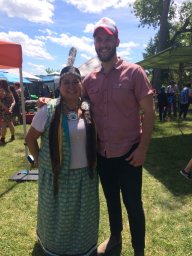 Nicholas Mercer合作论文数Corresponding author.3
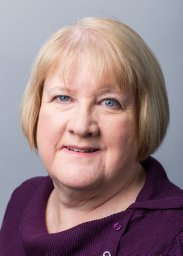 Kathleen Murphy合作论文数Dalla Lana Sch Publ Hlth, Univ Toronto3Ziwa Yu合作论文数3Mihi Ratima合作论文数3
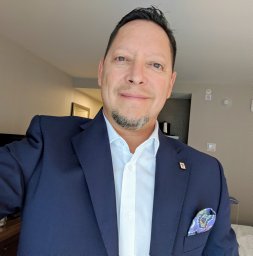 John R. Sylliboy合作论文数Dept Integrated Studies Educ, McGill Univ3Anita C. Benoit合作论文数Social & Behavioural Health Sciences Division, Dalla Lana School of Public Health, University of Toronto3
 Chantelle A.M. Richmond合作论文数Indigenous Health Lab, Social Science Centre, Department of Geography, Western University3Clifford Paul合作论文数2Iona Worden-Driscoll合作论文数2
 Karina Emily Branje合作论文数Dept Anesthesiol & Pain Med, Univ Ottawa2
 Hannah Tait Neufeld合作论文数School of Public Health Sciences, The University of Waterloo2Sophie I G Roher合作论文数2Tara White合作论文数2
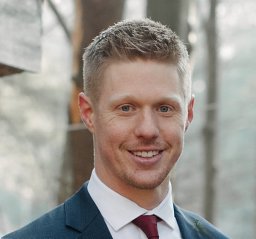 Chad Walker合作论文数Netherlands Institute for Radio Astronomy2
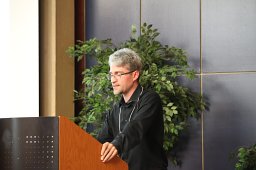 Jeff Denis合作论文数Trent Univ2Ann Fox合作论文数2
 Alex M McComber合作论文数Department of Family Medicine, Faculty of Medicine and Health Sciences, McGill University2
 Cate E Dewey合作论文数2
 Kelly Skinner合作论文数1 School of Public Health and Health Systems, University of Waterloo2Paul Parker合作论文数2
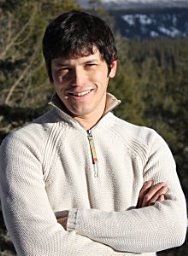 Jeffrey R. Masuda合作论文数2
 Ann Macaulay合作论文数Department of Family Medicine, Faculty of Medicine and Health Sciences, McGill University2
 Margot Latimer合作论文数2
 Shelley McKibbon合作论文数School of Library;Dalhousie University2
 Derek Kornelsen合作论文数1
 Emily Root合作论文数1
 Joseph LeBlanc合作论文数1Ella Bennett合作论文数1
 Breanna Phillipps合作论文数1Alex Sawatzky合作论文数1




