The use of cyberspace has grown drastically across most regions of the world. Among other factors, this growth has been greatly influenced by e-commerce, content sharing, social networking, learning, communication, entertainment, and so forth. As a rapidly evolving and unregulated domain, cyberspace has various demerits that affect both organisations and individual users. This includes inhuman activities such as online fraud, identity theft, cyberbullying, ransomware, phishing, and many more. Therefore, cybersecurity is a cornerstone of a just society 5.0. There is little evidence that cybersecurity research has been sufficiently quantitatively analysed, especially in Africa. Bibliometrics methods were applied to analyse African cybersecurity research from 2013 to 2022 in Scopus and Web of Science databases. The study focussed on the productivity of African authors, institutions, and countries, as well as the growth of research over ten years. The study found that African cybersecurity research has grown exponentially but there are still research gaps in some regions of the continent. Many African countries reflect little or no contributions to the body of literature in the domain due to technological limitations.
Background: Although knowledge management (KM) creates new value for organisations, few empirical studies have illustrated its application in the health sector non-governmental organisations (NGOs) in Kenya. Objectives: This study evaluated the repercussions of KM practices on the performance of health sector NGOs in Kenya. Method: This post-positivist study applied both quantitative and qualitative research approaches through a survey research method. Results: The majority of health sector NGOs have been positively impacted by KM practices and hence consider themselves effective in the work that they do. They also feel efficient and relevant to a larger extent. However, they consider themselves financially viable only to a lesser extent. Furthermore, organisational institutional factors, including organisational structure, culture, technology, management style and employees’ skills and competencies, influence the KM practices of organisations. Conclusion: The study concludes that current KM practices of health sector NGOs influence organisations’ efficiency, effectiveness, relevance and financial viability by activating and using explicit and tacit organisational knowledge. Furthermore, institutional factors have a significant effect on an organisation’s KM practices and consequently impact on the performance of health sector NGOs. Contribution: The study findings contribute to discourse on the role of KM in improving the performance of organisations and to efforts geared towards the achievement of Sustainable Development Goals (SDGs) 3 and 17 and Kenya’s Vision 2030. They also provide a basis for further research and valuable information for comparative studies.
Purpose The open science movement is growing in unimaginable ways and incorporating more knowledge areas such as Indigenous knowledge. We argue that open science and open Indigenous knowledge (OIK) go hand in hand and therefore must be explored and developed together as social justice for the benefit of the society that support knowledge. This paper conceptualizes the link between open science and open Indigenous knowledge with the aim of creating an understanding of the linkages and their manifestations. Design/methodology/approach This is a conceptual paper that emerges from some traditional literature review and bibliometric analysis of Scopus (focusing on open science) and ebsco (focusing on Indigenous knowledge) ranging from 2010 to 2024 conducted to determine the magnitude of research on open science and open Indigenous knowledge. Experiential knowledge based on previous research by the author on IK was used in conjunction with the two approaches for holistic analysis and discourse. Findings This article recognises the fundamental pillars of access to knowledge within applied ethics and international (e.g. UNDHR, SDG) and national frameworks (e.g. IK policies and legislations). It underscores the value of understanding indigenous knowledge and open science so that they can be applied appropriately and correctly when dealing with open indigenous knowledge which depends on their understanding and development to thrive. The growth of research on OS and IK is recognised through the limited bibliometric analysis in the paper. It is acknowledged by analysis of both SCOPUS and EBSCSCO databases that there are hardly any studies on open indigenous knowledge. We note the possibility of interfacing OS and OIK despite the limitations and suggest areas of attention in Tables 2 and 3 worth further exploration. OIK is likely to benefit more from the IK and OS challenges and opportunities to find its rightful place in OS movement in the future. Library and Information science education and research should be part of OIK growth. Research limitations/implications It is acknowledged by analysis of both SCOPUS and EBSCSCO databases that there are hardly any studies on open indigenous knowledge. Despite its limitations, a broader, deeper and better understanding of open indigenous knowledge for research and development is expected to originate from this paper. Practical implications This paper contributes to ongoing research, discourse, teaching and learning on Indigenous knowledge by providing understanding and a framework for developing open indigenous knowledge now and in the future. Social implications The paper will have an impact on policy, research, teaching and learning as well as Library information services. Originality/value The paper explores and provides new scope and a framework for understanding and developing open indigenous knowledge.
Experience has shown that students largely struggle to produce acceptable dissertations because of omissions emanating from the planning/research proposal, execution, and reporting stages. This chapter aims to discuss the common errors experienced by examiners of library and information science (and allied disciplines) theses and dissertations by using my thirty years of experience as an examiner of more than one hundred and fifty theses and dissertations. The chapter is largely a phenomenological study. Errors occur at different stages of thesis development due to poor planning, execution, reporting, supervision, and insufficient student preparedness for a master's or doctoral level of work in terms of knowledge, skills, and attitude. The chapter recommends ways to alleviate the shortcomings. Although the chapter is informed by the lived experiences of one examiner and some qualitative content analysis, evidence of similar cases is reflected in related studies, some of which are reported in this chapter. The chapter adds to ongoing discussions on thesis writing that is likely to benefit both students and thesis supervisors and enable discussions on this important research domain.
PurposeIn today's global and competitive corporate environment characterised by rapidly changing information, knowledge and technology (IKT), researchers must be upskilled in all aspects of research data management (RDM). This study investigates a set of capabilities and competencies required by researchers at selected South African public universities, using the community capability model framework (CCMF) in conjunction with the digital curation centre (DCC) lifecycle model.Design/methodology/approachThe post-positivist paradigm was used in the study, which used both qualitative and quantitative methodologies. Case studies, both qualitative and quantitative, were used as research methods. Because of the COVID-19 pandemic rules and regulations, semi-structured interviews with 23 study participants were conducted online via Microsoft Teams to collect qualitative data, and questionnaires were converted into Google Forms and emailed to 30 National Research Foundation (NRF)-rated researchers to collect quantitative data.FindingsParticipating institutions are still in the initial stages of providing RDM services. Most researchers are unaware of how long their institutions retain research data, and they store and backup their research data on personal computers, emails and external storage devices. Data management, research methodology, data curation, metadata skills and technical skills are critically important RDM competency requirements for both staff and researchers. Adequate infrastructure, as well as human resources and capital, are in short supply. There are no specific capacity-building programmes or strategies for developing RDM skills at the moment, and a lack of data curation skills is a major challenge in providing RDM.Practical implicationsThe findings of the study can be applied widely in research, teaching and learning. Furthermore, the research could help shape RDM strategy and policy in South Africa and elsewhere.Originality/valueThe scope, subject matter and application of this study contribute to its originality and novelty.
Background: Indigenous knowledge (IK) is specific to a community for its economic development. However, the processes involved in the documentation of IK in the university of Zululand are not readily known. Objective: The study’s aim is to find out the strategies used by the University of Zululand (UNIZULU) for documenting, disseminating and accessing IK. Method: The study adopted both interpretivist and positivist research paradigms where both qualitative and quantitative research methods were used through a case study of the University of Zululand. The study targeted both academic and non-academic staff members where 23 of them were purposely selected and interviewed. In addition, the quantitative research approach using simple bibliometrics was used to collect data from IK-related theses and dissertations from the UNIZULU Institutional Repository between 2009 and 2019. Results: The study revealed that many departments and faculties across the University of Zululand were involved in the creation of IK-related content led by the Department of African Languages. The multidisciplinarity of IK in the university was confirmed for further exploitation. The dominant challenges relate to IK sharing, limited facilities, a lack of policy and inadequate partnership among the stakeholders. The creation and documentation of IK by different departments was another challenge. Conclusion: This study recognises the existence of IK policy in the country but found minimal implementation of the policy at the university. The authors recommend the development of IK policy, increased awareness, mapping and auditing of IK research and teaching, partnership with stakeholders to be included in the university agenda. Contribution: This study contributes to the current literature and discourse on indigenous knowledge systems (IKS) and their documentation for policy and comparative studies. The appropriateness of using the socialisation, externalisation, combination and internalisation (SECI) model in similar studies is also confirmed.
Background: The study argues that managing tacit knowledge (TKM) would reduce small-and medium-sized enterprises (SMEs) operational discontinuity and knowledge loss in KwaZulu-Natal (KZN) province, South Africa. Objectives: The article examined the strategies put in place by SMEs for tacit knowledge management (TKM) practices and to develop a framework that will promote TKM for SMEs. Method: The study adopted a quantitative research method and targeted 326 SMEs using Google Forms. One hundred and eighty (180; 55.2%) useful responses were obtained and analysed using the Statistical Package for Social Sciences. Results: Most of the SME owners are aware and affirmed that there is a particular tacit knowledge that is of importance to business. The most common methods of capturing tacit knowledge among SMEs are monitoring, practical sessions, in-house training programmes, and brainstorming. Tacit knowledge is shared during meetings (such as project teams) and when dialoguing. The study also revealed that electronic files in computers are the major tools for storing the collected tacit knowledge. Conclusion: The study concluded that TKM among SMEs in KZN required improvement and recommended improving teams and informal networks and making information and communication technology tools available to preserve tacit knowledge. The SMEs that can afford it can consider employing the services of consultant knowledge management officers to conduct periodic knowledge audits to identify knowledge gaps for proactive solutions. Contribution: The study contributed to knowledge management, tacit knowledge, explicit knowledge, and TKM.
Small businesses continue to be highly supportive of global economies, particularly in emerging nations. It is projected that by 2050, Africa might face a rapid rate of urbanisation in the world, which poses a significant development challenge, requiring innovative and African-led solutions. However, African countries, with institutional weaknesses and inadequate government support, are yet to harness the rich potentials of small businesses, particularly due to inadequate knowledge-creation strategies. The study adopted a postpositivist meta-data analysis approach and study interrogated past research findings from other scientific research to gain a more integrative understanding of what has been discovered about the knowledge creation (KC) pattern of African small businesses. However, the study revealed a very insufficient number of studies that explored the KC processes of African small businesses but found best practices of multi-sectoral oragnisations from different countries that African small businesses can learn from. We identified that most of the KC activities revolve around both formal and social interactions, such as dialoguing, reflections, storytelling, and collaborative activities. Additionally, we note, among others, the role of the culture of mistake acceptance and proximity that removes social, organisational, and institutional distances. The following recommendations were made: the empirical testing of the application of the KC theory of small businesses, particularly in Africa, should be done; more studies should be done on KC processes of organisations so that best practices can be shared; there is a need for small businesses to be systematic in their approach to KC; and knowledge officers should be engaged to ensure the effectiveness of knowledge-creation initiatives in small businesses.
Gender-based violence (GBV) is a common occurrence and contributes to human rights abuses of both men and women globally. It therefore requires investigation from different perspectives to shed light on its depth and breadth. While research in the domain is increasing, the status, nature and extent of this research are not readily known, particularly in sub-Saharan Africa (SSA), which has been identified as the region worst hit by this atrocity. This study appraises research publications on GBV in SSA from 1996 to 2020 with a view to determining the performance of researchers, institutions, and countries in terms of GBV research productivity and scientific impact in the domain. This is largely a quantitative study that applies content analysis through bibliometric means to analyse GBV publications indexed in Scopus database from 1996 to 2020. Using the publication count technique, the study focuses largely on publication of the research by author, institutional, and source as well a citation analysis to determine citation counts and research impact. The data were processed and analysed with Microsoft Excel, and VOSviewer. Findings reveal a growing research pattern in the domain, with higher research performance in terms of usage and visibility coming from the leading research countries and institutions in SSA. The same countries and institutions produce higher citations and research impact. While there have been concerns of growing GBV in the developing countries, productivity of the countries to add to global gender-based research is equally minimal, suggesting low investment in and priority of GBV research.
A strategy in this paper was viewed as a plan of action for achieving the mission and vision of an organisation. This paper presents preliminary findings of the larger study which aimed to determine the strategies for research data management (RDM) at selected universities in KwaZulu-Natal. The current study used the community capability maturity model framework (CCMF) and the digital curation centre (DCC) lifecycle model as theoretical support to determine the strategies for RDM service provision with specific reference to the University of Zululand. The interpretive paradigm, following the qualitative research approach through a single case study, was used. Primary data was gathered through online interviews using Zoom and Teams with Librarians, Technicians, HODs, and DVC Research due to the Covid-19 pandemic and availability of technologies. The findings of the study revealed the University of Zululand does not have an RDM policy; however, research activities are practiced. The University lacks the infrastructure and investment to support RDM services and activities. The study is significant for providing the background for developing RDM in the public university through RDM strategy and policy. The findings also sought to inform the university’s RDM agenda.
The application of information and communication technologies (ICTs) in information and knowledge management (IKM) has attracted the attention of library and information Science (LIS) scholars in the recent past. The multidisciplinary and interdisciplinary nature of ICTs means that the ICT literature is published in several fields of knowledge. Although Bradford’s law of dispersion is commonly used to determine the core journals in a given field or discipline or topic of study, this study attempts to use the principles of the law to determine the core concepts of ICTs within the information and knowledge management literature. Data was obtained from EBSCO Discovery’s Library, Information Science and Technology Abstracts (LISTA) and the Library and Information Science Source (LISS) databases using a variety of keywords as search terms. The procedures of conducting a Bradford analysis were followed to determine the core subject terms in ICTs as reflected in the IKM group of articles published between 1998 and 2017. The results indicate that the application of ICTs in IKM largely occurs in the fields medicine, business and commerce, education and training (higher education and training), decision sciences, and industrial management. It was also noted that the core subjects varied from one study period to another; technology-associated subject terms were largely visible; and the dispersion of subject terms fits the Bradford’s dispersion. We however noted that the dispersion of articles according to Bradford’s zones is not accurately representative of the principles of the Law. The study has implications for collection development, searching and retrieval practices, and the application of Bradford’s law beyond the analysis of core journals or publications in not only IKM but also in the field of library and information science.
The study aimed to determine if infopreneurship can be an employment option for Library and Information Science (LIS) students and graduates in KwaZulu-Natal (KZN), South Africa. Specifically, it investigated LIS graduates involved in infopreneurship, the requisite competencies, areas of infopreneurship, and challenges. Guiding the research was the interpretive paradigm. Employing a qualitative methodology, the study used the case-study design. Data were collected through triangulation of interviews, content analysis and observations. Non-probability sampling methods were used, i.e., purposive sampling and snowball sampling. A total number of 60 infopreneurs from KZN were interviewed. The results of the study revealed that infopreneurship is practised in South Africa, though a minimal number of graduates from LIS practise it. Furthermore, infopreneurship is constantly developing, as are the infopreneurship activities that infopreneurs can perform. Notwithstanding its challenges, the majority of the infopreneurs identified have been practising it for over five years. These results suggest that infopreneurship can be an option for employment for LIS students and graduates. Ultimately, there is a need for a curriculum review and development to best prepare students to be infopreneurs. Furthermore, there is a need to include infopreneurship policies for the fight against unemployment among graduates.
This book deliberates on developments related to Knowledge Pathing: Multi-, Inter- and Trans-Disciplining in Social Sciences. The book explores the value of this vexed concept in advancing the course for multi-, inter- and trans-disciplinary perspectives, methodologies, theories and epistemologies of knowledge pathing. The discourse on knowledge pathing remains critical in advancing debates and dialogues in the humanities and social sciences spaces of research and studies. This book makes a significant contribution to the scholarly understanding of indigenous knowledge research by focusing on problematising local indigenous community research from Afro-sensed perspectives. The field of indigenous knowledge research and higher education in Africa is complex. Yet, across the continent, higher education has been the sector to least embrace Indigenous Knowledge Systems (IKS) or regard indigenous science as a legitimate source of inspiration for the development of youth and local communities. Higher education institutions and local indigenous communities should thus generate knowledge and power through research. On the other hand, higher education researchers should use their research processes and skills for cross-beneficiation when engaging local indigenous communities. This book embodies the current discourse on decolonisation and the use of indigenous knowledge in research and is intended for research specialists in the field of indigenous knowledge systems.
This paper explores existing tacit knowledge management strategies of SMEs in KwaZulu-Natal (KZN), South Africa. The research questions that guided the study were: i) What are the methods of tacit knowledge capture and transfer, and ii) What are the enabling factors that aid tacit knowledge management? The study adopted a qualitative research approach, with face-to-face interviews as the main instrument of data collection. Twenty-three (23) SME owners/managers were interviewed across different sectors of SMEs in KZN, South Africa. Themes from the collected data were extrapolated and analysed using R software for qualitative analysis. The findings revealed that to identify workers with the required expertise or tacit knowledge, the SME's owners/managers paid attention to employees' talent and skills that manifest through selling, marketing, and communication. This was mostly achieved through observation, followed by interviews. While up to 72% of the sampled SMEs had no capturing plan, the remaining 28% captured tacit knowledge through writing and video recording. Training emerged as the most commonly used method to transfer tacit knowledge from one worker to another, followed by apprenticeship, verbal orientation, knowledge sharing sessions, and what is termed as "pairing systems". Even though more than half of the respondents agreed that knowledge sharing should be rewarded, almost the same percentage did not reward knowledge sharing. Where tacit knowledge sharing was rewarded, it took the form of incentives, honours, cash rewards, gifts, and promotions. The study employed a qualitative approach and focused only on the KZN province, which means the findings cannot be generalised onto the population of SMEs in South Africa.
Information, knowledge, and technology occupy significant space in the information and knowledge society and ongoing debates on development such as sustainable development goals (SDGs) agenda 2030 and the fourth industrial revolution (4IR). Disruptive technologies and cyber-physical systems, obscuring the lines between the physical, digital and biological, escalated by the COVID-19 pandemic, present a ‘new normal’ that profoundly affects the nature and magnitude of responses required to sustain and benefit from the new developments. Africa, known for late adoption of new technologies and innovations, is leapfrogging development stages in several enviable ways. This book, Information knowledge and technology for development in Africa’, written by eminent African scholars, comprises chapters that satisfactorily address information access, artificial intelligence, information ethics, e-learning, library and information science education (LISE) in the 4IR, data literacy and e-scholarship, and knowledge management, which are increasingly essential for information access, services, and LISE in Africa. We expect the book to support research, teaching and learning in African higher education and worldwide for comparative scholarship.
Purpose The COVID-19 pandemic has resulted in enormous challenges, but also presented opportunities that have notable implications for the future. The aim of this paper is to explore and discuss the experiences, perspectives, challenges and opportunities of Library and Information Science Educators (LISE) during the pandemic. The aim is articulated in the following three research questions: How is the COVID-19 pandemic experienced by LISE and in research? What are the perceptions formed during the period? And what are the challenges and opportunities? Design/methodology/approach This is an interpretivist qualitative study informed by disaster management theories. The study involved the content analysis of existing literature with a focus on COVID-19 and higher education, particularly LISE, in conjunction with an open-ended email questionnaire that was sent to selected LIS educators/faculty/staff from major LIS Schools from eight sub-Saharan African countries. The author used personal experiences and observation to supplement the data and the interpretation. Findings Results show more similarities than differences in how the COVID-19 pandemic is experienced and perceived, as well as the challenges and opportunities that it brings to the sector. As a whole, political factors are most pronounced, meaning that administration and decision-making need more attention in the sector. Also notable is that opportunities are mostly linked to technological factors, which will determine the “new normal” for LISE in the future. Almost all the narratives focused on the middle level of (during) the disaster life cycle, which is understandable as the complete cycle of the disaster is yet to come, likely when COVID-19 ceases to be a threat. Research limitations/implications The sample was small, as related studies focus more on COVID-19 and higher education, with hardly any focusing on LISE. The COVID-19 pandemic has not ended, so the disaster management life cycle cannot be fully exploited. Furthermore, the author’s categorization of responses within PEST was largely judgmental. Practical implications New research, teaching and learning developmental paths have been created for LISE. The study provides practical reflection on the effects of COVID-19 on the sector and HEIs that can inform discourse and responses to the pandemic. Originality/value The study explores a new research domain in LISE and due to limited research in the domain brings together important voices/narratives – based on their experiences – of LIS educators in Africa on the research area. Further, it proposes the future of LISE under COVID-19 within the 4IR framework.
Abstract Cybertechnology has become a fundamental part of educational institutions, with the student’s routine to use these technologies to communicate, learn and play, causing a need for understanding the impact and general principles of ethical computer use in academia. However, the practice of cyberethics in these environments has presented many challenges for the institutions. This study, based on the theory of planned behaviour, examined the differences in ethical cyber behavioural intention of Nigerian and South African students using a multi-group analysis. The study adopted a survey research design– structured questionnaires were randomly distributed among students of two purposively selected universities, one in South Africa and the other Nigeria. Structural equation modelling was employed to test the proposed model fit. Overall, 450 undergraduate students participated in the survey; 343 respondents completed and returned the questionnaire, resulting in a response rate of 76.2%. The subjective norm was found to be statistically significant in influencing students’ ethical cyber behavioural intention with cyber technologies. The study contributes to the extant literature on the application of the Theory of Planned Behaviour (TPB). The originality and value of this study can be viewed from the application of a socio-psychology theory to determine ethical cyber behavioural intention in relation to cybertechnology, which provides further evidence that the TPB can be applied to cyberethics research. Moreover, to the best of authors’ knowledge, this is a pioneer study that comprehensively examines the linkage of components of TPB with ethical cyber behavioural intention in joint samples from South Africa and Nigeria.
Using the PRISMA methodology, this study adopts a systematic review of literature on tacit knowledge management from 1995-2020. Three online databases were employed for the retrieval of eligible articles. A total of 67, out of the 318 identified articles, were found relevant to the objectives of the study, which were: to identify existing tacit knowledge management methods; to determine the tools and enabling conditions that promote tacit knowledge management; and to propose a model of tacit knowledge management methods for African SMEs. The study found face-to-face interaction, expert interview, story-telling, mentoring, apprenticeship and socialisation, as six of the most popular tacit knowledge methods. E-mails, web 2.0 and social media top the list of the tools that promote tacit knowledge management, while trust and incentives are seen to be the major enablers. The study concludes that these factors are less capital intensive, putting the management of tacit knowledge within the reach of African SMES. The study submitted a strategy that can aid SME owners to effectively practise tacit knowledge management.
 Omwoyo Bosire Onyancha合作论文数Department of Library;Information Science;University of Zululand;Department of Library|Information Science, University of Zululand24
 Lyudmila Ocholla合作论文数13Janneke Mostert合作论文数5
 Hesbon O. Nyagowa合作论文数5Johannes J. Britz合作论文数5Bertha Jantine Mostert合作论文数5OB Onyancha合作论文数4
 Aderonke Olaitan Adesina合作论文数Dept Lib & Informat Studies, Univ Zululand4
 Veli Jiyane合作论文数4
 Tinashe Mugwisi合作论文数4Chiku Mnubi-Mchombu合作论文数3Mpilo Siphamandla Mthembu合作论文数3
 nurudeen adeniyi aderibigbe合作论文数Dept Informat Studies, Univ Zululand3
 Mabel Khayisia Minishi-Majanja合作论文数Department of Information Science3
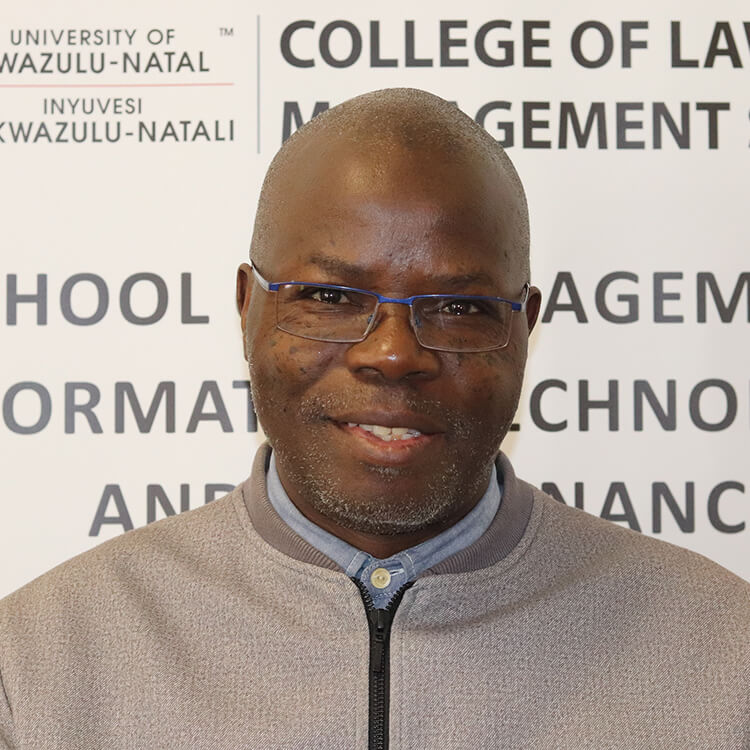 Stephen M Mutula合作论文数School of Management, IT and Governance, University of KwaZulu-Natal3Robert Ikoja-Odongo合作论文数3
 s a fari合作论文数2
 Blessing T. Mbatha合作论文数2
 Doreen Yemisi Olorunfemi合作论文数2
 Dan Dorner合作论文数1
 Daniel Chebutuk Rotich合作论文数1khosie constance ndlangamandla合作论文数1Dorothy Eneya合作论文数1
 Oba Abdulkadir La'aro合作论文数Dept Mass Commun, Univ Ilorin1
 Taiwo Aderonke Idowu合作论文数Federal University of Agriculture1Alice Kwake合作论文数Moi University1
 Mzwandile Shongwe合作论文数Univ Zululand1
 Abdulsalam Abiodun Salman合作论文数Univ Lib, Fountain Univ1Nkosingiphile Zungu合作论文数1
 Oluwole O. Durodolu合作论文数University of South Africa1
 Elizabeth Buchanan合作论文数1Matovu J合作论文数1
 Peter Ingwersen合作论文数Royal School of Library and Information Science, University of Copenhagen1Daisy Jacobs合作论文数1Что Африканские合作论文数1Как В Теоретическом合作论文数1Stephen O Migiro合作论文数1
 Dorothy Njiraine合作论文数1
 Pauline Ngimwa合作论文数Institute of Educational Technology (IET),, Open University1Що Африканські Бібліотеки合作论文数1
 Ntando Nkomo合作论文数1
 Ed Noyons合作论文数1
 Wolfgang Glänzel合作论文数Department of Managerial Economics, Strategy and Innovation, KU Leuven1
 Matthew O. Adigun合作论文数Centre for Mobile E-Services, University of Zululand1
 Theo Bothma合作论文数University of Zululand;University of Pretoria;University of Zululand, University of Pretoria1
 Joseph Kiplang'at合作论文数1
 Rexwhite Enakrire合作论文数1
 Hope A. Olson合作论文数School of Information Studies, University of Wisconsin Milwaukee1Joseph B. Ojiambo合作论文数1




