This paper synthesizes the key contributions and lessons learned from Integrated Marine Biosphere Research (IMBeR), a large-scale global research project aimed at fostering ocean sustainability under global change for the benefit of society. The UN Decade of Ocean Science for Sustainable Development has catalyzed a renewed focus on the importance of transforming ocean science. IMBeR's global activity over the past decade has focused on promoting transformative science by generating, mobilizing, and communicating the knowledge needed to support ocean governance. Key contributions from IMBeR participants include quantifying and comparing historic and present structure and functioning of linked ocean and human systems, advancing interdisciplinarity in ocean science, establishing a strong global network that has supported long-term collaboration, capacity building, and career development for participants. In synthesizing IMBeR contributions, we also highlight several challenges identified by the IMBeR community in developing and implementing this global research initiative. These include an uncertain and rapidly changing (and often limited) funding landscape, the reliance on significant additional workload on researchers to catalyze novel science initiatives, and the structural complexity of global networks that can at times impede rapid responses to new questions, opportunities, and overall adaptability. Opportunities for transformative ocean science include developing more resilient and equitable funding models, fostering agile, inclusive, and transdisciplinary collaborations, and strengthening the science-policy interface. This synthesis is intended to help inform and guide large-scale ocean research efforts and contribute to ongoing global initiatives to foster transformative science that links people and oceans for healthy and sustainable futures.
Abstract A keystone species is one whose influence is disproportionate to its abundance, the absence of which would change the dynamics of an ecological or human community. Despite its widespread use in the scientific literature, there is a limited understanding of how the keystone concept is defined or measured, or applied in practice, and especially in aquatic systems. This paper summarizes current uses and knowledge gaps associated with different approaches to applying keystone species concepts to fish and fisheries, based on a systematic scoping review of refereed literature published over the last decade. Cultural dimensions for keystone designation have not been applied to the same extent as ecological criteria. As well, only 13% of studies reviewed applied the term ‘keystone’ to a species by testing its status in the fish and fisheries domain. In general, ecological keystone species designation generally follows a systematic framework that involves using ecosystem dynamic modelling. We recommend that keystone species designation should be explicitly described and defined and should ideally incorporate both social and ecological dimensions of an ecosystem. From a socioeconomic perspective, inclusion of economic, sustenance and historical dimensions as well as cultural significance would provide a more robust application of the keystone species concept. Read the free Plain Language Summary for this article on the Journal blog.
Over the past 25 years, adaptive co-management (ACM) has gained prominence as a collaborative and learning-oriented response to complex and uncertain conditions of social-ecological systems (SES). This scoping review synthesizes ACM research published between 2010 and 2024, and builds on an initial systematic review of ACM scholarship from 2000 to 2010. In this latest review, 153 studies were identified and analyzed to: (1) characterize ACM literature over time, (2) determine the intents and key subjects of ACM scholarship, (3) discover and summarize further key contributions, and (4) determine policy, practice, and research implications. Findings show that ACM scholarship has grown steadily, with empirical, case-based studies continuing to dominate. Research remains geographically concentrated in North America, Europe, and Asia. Common resource domains include forestry, fisheries, and water, although new application contexts have emerged. Prominent topics include learning, social networks, and participatory evaluation, the latter marking a notable shift in the field. While definitional ambiguity persists, the literature reveals deepening theoretical engagement and wider application across contexts and issues. Despite progress, gaps remain in evaluating ACM outcomes and clarifying its relational foundations. Further, this review highlights pragmatic implications for policy and practice, alongside a broad agenda for future research. A range of issues have emerged as focal points for further consideration, including reflections on the life-cycle of ACM, ongoing challenges of fragmentation related to ACM scholarship, the role of evidence-based approaches to assess ACM outcomes, and the need for methodological innovation. Overall, ACM remains a relevant and maturing framework for navigating social-ecological complexity, with a growing but cautious optimism about the benefits of adaptive co-management reflected in the literature.
Abstract This perspective paper examines transition pathways that move small‐scale fisheries from vulnerability towards viability. We understand ‘vulnerability to viability transition pathways’ as integrative and one that extends beyond economic concerns to include social, political, cultural and ecological aspects of small‐scale fisheries. Our findings draw on a reflexive and qualitative assessment of country‐specific case studies from across Africa and Asia to collaboratively identify transition pathways reflected in these contexts. Common pathways that emerged included: (1) building governance networks and partnerships; (2) centring small‐scale fisheries tenure and rights; (3) advancing a gender and intersectional perspective on viability pathways; (4) enhancing opportunities for ecologically sensitive and diversified livelihoods; and (5) co‐creating and co‐producing the knowledge required to catalyse transition pathways. Outcomes of this analysis provide context‐specific foundations upon which to further co‐develop a research agenda on small‐scale fisheries vulnerability to viability transitions. Insights from this analysis also contribute to the identification of the transdisciplinary capacities needed to build more viable and resilient small‐scale fisheries in the context of ongoing debates about blue economy expansion, and in relation to country‐level commitments to implement provisions of the FAO small‐scale fisheries guidelines. In advancing a vulnerability to viability pathways lens, this paper frames small‐scale fisheries transitions as governance‐mediated, justice‐oriented, relational and inherently non‐linear processes. Read the free Plain Language Summary for this article on the Journal blog.
Coastal small-scale fishing communities (SSF) in Latin America face growing conflicts and injustices as they struggle to maintain their viability while confronting competing ocean uses, restrictive policies, and unequal power relations. In this paper, we aim to identify and analyze the types of conflicts and injustices that have affected the coastal SSF communities in Latin America and to investigate the strategies adopted by these communities in response to injustices. Based on a systematic literature review of 73 case studies, our findings indicate that the main conflicts affecting coastal SSF communities in Latin America are related to (i) sector specific blue economy initiatives (e.g. large-scale aquaculture, tourism, ports, etc.), (ii) conflicts among fisheries sectors, (iii) conservation policies, and (iv) fisheries policies and regulations. Distributive and social injustices are the primary types of injustice impacting SSF, and include restricted access to space and resources, discrimination and imbalanced power relationships among different actors. However, our review also highlights several strategies that have been employed to transform conflicts or injustices affecting SSF communities. These strategies include active social mobilization, legislative and regulatory changes, tenure rights interventions, participation in advisory boards, compensatory or mitigation measures, litigation, and infrastructure/technology initiatives. We discuss the role of small-scale fishers' agency and collective action in Latin America with reference to these strategies, highlighting how communities are not simply passive victims of conflicts and injustice. Instead, their resistance is crucial for addressing blue injustices and achieving viability through more equitable and sustainable fisheries governance.
Using an intersectional Social Network Analysis (SNA), this paper explores the structural and functional elements of disaster risk governance (DRG) networks in the Commonwealth of Dominica (thereafter Dominica) and examines the impact of actors' identities on information sharing dynamics. Through this analysis, this paper reflects on the value of identities in enabling and/or hindering intersectional risk reduction opportunities on the island. Here, we offer some insights to reframe existing governance systems and approaches with actors' identities at the core of governance processes. These perspectives have emerged by analysing how identities affect scale-crossing brokering capabilities, glocalization and marginalisation within these networks. Findings have shown that DRG processes occurring in Dominica display both centralised and brokerage network characteristics with formal and informal governance networks occurring alongside each other. Further, scale-crossing brokers are at a unique position where they can both receive and share information at all the levels they broker knowledge to, and often between formal and informal networks. Finally, clear power asymmetries, polarity, and silos have emerged within the networks with actors’ identities either reinforcing or hindering their ability to coordinate collective action. Reflections emerging from this research can help to capitalise on the identities of DRG actors and foster improved and relevant risk reduction outcomes.
Establishing marine protected areas (MPAs) in places where communities live and work requires addressing the social implications of conservation. Social norms and social networks are bottom-up processes through which resource users self-organize to solve collective action problems. When formal institutions (e.g., regulations) build on these processes they are more likely to be effective and equitable. This research elicits social norms and maps an information-sharing social network (n = 81) in three small-scale fishing communities located near the Asinara MPA in Sardinia, Italy. Findings indicate that these communities are not grouped under one social network, but rather are split into three subgroups, which may at first suggest limited capacity for collective action given the apparent lack of social cohesion. Nevertheless, analyses on the distribution and strength of social norms denote that cooperative behaviours are still strong within the Asinara communities. Importantly, the second part of the analyses revealed the presence of central resource users, within each subgroup, who could act as bridges between the heterogeneous knowledge systems, ideas, and practices that have developed separately in each subgroup. Leveraging this diversity can generate new solutions to common challenges and further enhance collective action capacity for the whole Asinara social network. Understanding the social dimension of MPAs can enhance both the effectiveness and equity of governance and management arrangements (e.g., Target 3 of the KunmingMontreal Global Diversity Framework) by highlighting areas where collective action is strong, enabling regulations to build on these existing processes, and by developing strategies to provide additional support where collective action is lacking.
The UN Decade of Ocean Science for Sustainable Development (2021-2030) has catalyzed a renewed focus on the importance of transformative science in support of sustainable solutions to pressing climate and biodiversity challenges. How that transformative science can be best fostered requires further clarity, along with examples of insights from basic research and its application for transformative change. This synthesis paper outlines the key empirical contributions and the procedural, organizational and technical lessons learned from a 10-year, large-scale global ocean research project aimed at fostering integrated marine research and the development of ocean sustainability options within and across the natural and social sciences. The specific objective the Integrated Marine Biosphere Research (IMBeR) project is to understand, quantify and compare historic and present structure and functioning of linked ocean and human systems. Outcomes of this global research effort include: 1) better understanding and quantification of the state and variability of marine ecosystems; 2) improved scenarios, predictions and projections of future ocean-human systems at multiple scales; and 3) enhanced understanding of enabling conditions for sustainable ocean governance in the context of rapid change. Outcomes of this synthesise can inform other basic natural and interdisciplinary large-scale ocean research efforts, and further contribute to ongoing global efforts to foster transformative science that links people and oceans.
Various governance institutions in Atlantic Canada will play a critical role as coastal communities develop climate change adaptation strategies. Volunteer operated Harbour Authorities provide critical organization and leadership to commercial fishing harbours in Canada. The Small Craft Harbours (SCH) branch of the federal Department of Fisheries and Oceans serves as a major source of funding, training and support for Harbour Authorities. How then are Harbour Authorities and SCH prepared to provide adaptation leadership within fisheries? This research looks at nesting, analytic deliberation and institutional variety as criteria with which to analyze a series of qualitative semi-structured interviews with SCH business managers and Harbour Authority presidents in Nova Scotia. Interviews reveal strengths as well as areas of opportunity for adaptive capacity within harbour governance institutions. Results highlight the role of co-management between SCH and Harbour Authorities, the importance of multi-level social connections in developing trust and legitimacy, and the need for more socio-economic indicators of success.
Effective governance is crucial for the success of conservation projects aimed at protecting wildlife populations and supporting human well-being. However, few large-scale, comprehensive syntheses have been conducted on the effects of different environmental governance types on conservation outcomes (i.e., biological and ecological effectiveness or effects of conservation on human well-being), and clarity on the quantity and quality of evidence remains dispersed and ambiguous. We attempted a systematic map of the evidence on the effectiveness of different governance types to meet desired conservation outcomes in Africa, Asia, and Latin America. However, early in this effort, we observed a general lack of empirical research on the links between governance and conservation outcomes. To fill observed data gaps in the evidence base, we tried triangulating governance data from alternative sources (Protected Planet database) and pooling evidence from research conducted within the same conservation areas. Limited data were contained in the Protected Planet database, and governance types in conservation areas and landscapes were complex, making it difficult to use these approaches to assign governance types to conservation areas. To illustrate our observations from the failed systematic map attempt, we prepared a rapid evidence map that outlines a subset of the evidence base of articles linking governance types and governance principles with conservation outcomes. Only 3.2% (34 of 1067) of the articles we screened directly related conservation outcomes to governance type, and even fewer related governance principles to conservation outcomes. Based on our findings, we recommend improving the evidence base by supporting empirical research and increasing the availability and quality of governance data in freely accessible databases. These recommendations are critical for enhancing understanding of the role of governance in conservation projects and improving conservation outcomes.
This paper advances disaster risk governance (DRG) research and practice by incorporating elements of intersectionality and place-based thinking. Intersectionality provides a crucial yet underutilised lens to examine power, positionality, and individuals' experiences facing disasters and other climatic events. Through six principles and using examples from small islands and a synthesis of the literature, this paper presents an intersectional approach for DRG to support inclusive and contextualised actions: (i) individuals are multi-dimensional and complex; (ii) identities and vulnerability are not predefined; (iii) spatial and temporal differences influence the expression of identities; (iv) materiality of ecological systems influences intersectionality; (v) power relations are central the emergence of social processes and epistemologies; and (vi) positionality plays an important role in defining risk reduction agendas and choices. This paper examines how an intersectional perspective generates pathways to address the root causes of vulnerabilities to disasters beyond the 'one size fits all' approaches promoted globally.
Climate change is increasing the frequency and the severity of extreme events in river basins around the world. Efforts to build resilience to these impacts are complicated by the social–ecological interactions, cross-scale feedbacks, and diverse actor interests that influence the dynamics of change in social–ecological systems (SESs). In this study, we aimed to explore big-picture scenarios of a river basin under climate change by characterizing future change as emergent from interactions between diverse efforts to build resilience and a complex, cross-scale SES. To do so, we facilitated a transdisciplinary scenario modeling process structured by the cross-impact balances (CIB) method, a semi-quantitative method that applies systems theory to generate internally consistent narrative scenarios from a network of interacting drivers of change. Thus, we also aimed to explore the potential for the CIB method to surface diverse perspectives and drivers of change in SESs. We situated this process in the Red River Basin, a transboundary basin shared by the United States and Canada where significant natural climatic variability is worsened by climate change. The process generated 15 interacting drivers ranging from agricultural markets to ecological integrity, generating eight consistent scenarios that are robust to model uncertainty. The scenario analysis and the debrief workshop reveal important insights, including the transformative changes required to achieve desirable outcomes and the cornerstone role of Indigenous water rights. In sum, our analysis surfaced significant complexities surrounding efforts to build resilience and affirmed the potential for the CIB method to generate unique insights about the trajectory of SESs.
Knowledge co-production offers a promising approach to design effective and equitable pathways to reach development goals. Fisheries Strategies for Changing Oceans and Resilient Ecosystems by 2030 (FishSCORE), a United Nations Ocean Decade programme, will co-produce knowledge that advances solutions for climate resilient fisheries through networks and partnerships that include scientists, stakeholders, practitioners, managers, and policy experts. FishSCORE will establish (1) a global network that will develop broadly relevant information and tools to assess and operationalize climate resilience in marine fisheries and (2) local and regional partnerships that will apply those tools to identify and forward context-specific resilience strategies. FishSCORE's activities will be guided by a set of core principles that include commitments to inclusivity, equity, co-leadership, co-ownership, and reciprocity. FishSCORE will focus on identifying solutions for climate resilient fisheries, and it will also advance goals associated with capacity, power, and agency that will support iterative, pluralistic approaches to decision-making in fisheries experiencing ongoing climate-driven changes. This process of co-producing knowledge and strategies requires considerable investments of time from all partners, which is well aligned with the Ocean Decade. However, secure funding must be prioritized to support and implement co-production activities over this long time horizon.
Despite some progress, successful co-management in Canada has remained the exception rather than the rule, and especially so in jurisdictions not covered by a comprehensive land claims agreement. As such, our aim in this perspective is to identify and describe some of the primary factors that may impede more rapid progress toward successful co-management and to explore why they persist, with particular attention to fisheries and marine contexts. Specifically, we outline several institutional conditions that are likely to impede broader adoption of co-management approaches in Canada, including (1) antiquated and incomplete legislative arrangements; (2) a co-management policy vacuum that has not grappled with emerging expectations for co-governance; (3) relative absence of the knowledge co-production systems needed to create the precursors for successful co-management initiatives; and (4) financial and human resource capacity limitations. Such conditions must also be situated in a dynamic context that includes the United Nations Declaration of the Rights of Indigenous Peoples, ongoing reconciliation processes, and shifts in the ownership and use of fisheries and other marine resources. We offer, finally, some suggestions to augment co-management efforts and ultimately achieve its promise.
How small-scale fishers participate in and benefit from land-based fish drying and processing activities is rarely documented and poorly understood. This paper aims to address this gap by bringing attention to dried fish value chains (DFVC), which comprise activities from fish harvesting to drying/processing and trading. We draw on value chain and social wellbeing literatures and adopt a case study approach to examine urban coastal and rural inland DFVCs in Sri Lanka. Our results emphasize the nuanced and unique ways in which people derive material, relational, and subjective wellbeing through their participation in DFVCs and the differences between the experiences of women and men. We argue that DFVCs are of disproportionate importance to the wellbeing of marginalized people in fishing communities, particularly women. We also examine the capacity of DFVCs to continue supporting the wellbeing of those who critically depend upon them and highlight the implications of emergent study findings for fisheries governance in Sri Lanka.
Small-scale fisheries (SSF) support over 90% of the 120 million people engaged in capture fisheries globally. Despite their contributions, SSF communities are often economically and politically marginalised, are highly vulnerable to change, and until recently, remained largely invisible in policy debates in most countries and internationally. This paper undertakes a situational analysis of 12 countries with significant small-scale fisheries (i.e., Bangladesh, Ghana, India, Indonesia, Japan, Malawi, Malaysia, Nigeria, Senegal, South Africa, Tanzania, and Thailand) to better understand the context in which they might transition from vulnerability to viability. Several insights emerge from this analysis. First, we identify the social and ecological drivers of change that exacerbate vulnerability and undermine SSF viability by focusing on five key domains: economic/development, ecological and environmental, social and cultural, governance and management, and emerging issues. Second, we highlight several cross-cutting issues and challenges facing SSF, including increasing attention to gender and the impacts of the COVID-19 pandemic. Finally, the situational analysis highlights several key policy and governance dimensions that are being explored in countries as potential enablers of more viable SSF. These include community-centered approaches and gender inclusion initiatives. Such governance interventions can also catalyze unintended vulnerabilities as vulnerability and viability are linked and dynamic processes. This situational analysis was co-developed as part of a global network of SSF researchers and practitioners across Africa and Asia. Outcomes of the situational analysis can be used to catalyze additional country and regional scale assessments and leverage opportunities for governance of small-scale fisheries.
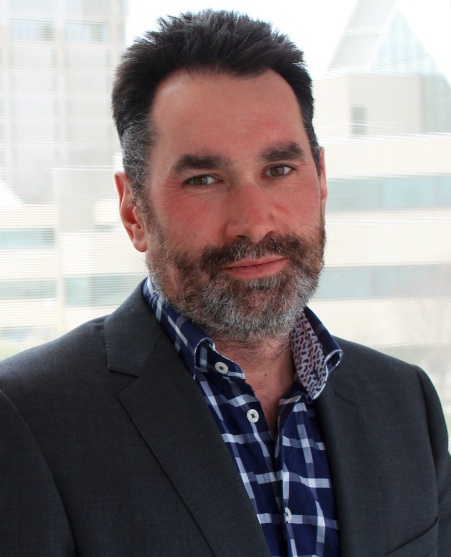 Ryan Plummer合作论文数Department of Tourism and Environment, Brock University;Environmental Sustainability Research Centre, Faculty of Social Sciences, Brock University30
 Jeremy Pittman合作论文数First Nations University of Canada17
 Prateep Kumar Nayak合作论文数15
 Fikret Berkes合作论文数Natural Resources Institute, Clayton H. Riddell Faculty of Environment, Earth, and Resources, University of Manitoba14
 Steven M. Alexander合作论文数Environm Change & Governance Grp, Univ Waterloo13
 Jennifer J. Silver合作论文数School of Resource and Environmental Management, Simon Fraser University13
 Örjan Bodin合作论文数Stockholm Resilience Centre, Stockholm University12
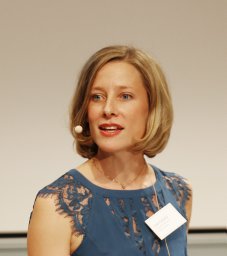 Lisen Schultz合作论文数Stockholm Resilience Centre, Stockholm University11
 Anthony Charles合作论文数Sobey School of Business, Sobey University;Department of Environmental Science, School of the Environment, Saint Mary's University11
 Melissa Marschke合作论文数York Centre for Asian Research, York University11
 Graham Epstein合作论文数School of Environment, Resources and Sustainability, University of Waterloo10
 Jessica Blythe合作论文数Department of Geography, University of Victoria10
 Ella-Kari Muhl合作论文数Sch Environm Resources & Sustainabil, Univ Waterloo9
 Mark Andrachuk合作论文数Department of Geography, University of Guelph9
 samantha berdej合作论文数Environm Change & Governance Grp, Univ Waterloo8
 Julia M Baird合作论文数8
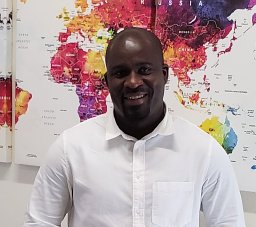 Donovan Campbell合作论文数Department of Geography and Geology, University of the West Indies Mona Campus8
 Nathan J. Bennett合作论文数IUCN7
 Daniel Kenji Okamoto合作论文数Florida State University7
 Evan Andrews合作论文数Ocean Frontier Inst, Mem Univ Newfoundland7
 Ana Carolina Esteves Dias合作论文数6
 Tessa B Francis合作论文数Department of Biology, and School of Aquatic and Fishery Sciences, University of Washington6
 Rob De Loë合作论文数Department of Environment and Resource Studies, University of Waterloo6
 Russ Jones合作论文数5
 Lynn C Lee合作论文数5
 kaitlyn rathwell合作论文数Environm Change & Governance Grp, Univ Waterloo5
 Andrea M. Collins合作论文数Sch Environm Resources & Sustainabil, Univ Waterloo5
 Christopher Cvitanovic合作论文数Australian National Centre for the Public Awareness of Science, College of Science, The Australian National University5
 Alec MacCall合作论文数Farallon Institute5
 Derek Stephen Johnson合作论文数5
 Andre Punt合作论文数School of Aquatic and Fishery Sciences, College of the Environment, University of Washington5Nancy C. Doubleday合作论文数Department of Geography and Environmental Studies, Carleton University5
 Thomas F. Thornton合作论文数Environmental Change Institute, University of Oxford;Alaska Coastal Rainforest Center, University of Alaska Southeast5
 Jorn Schmidt合作论文数Leibniz Institute of Marine Sciences5Jaclyn S. Cleary合作论文数5
 Sonia Wesche合作论文数National Aboriginal Health Organization – Métis centre5
 Steve Reifenstuhl合作论文数4Harvey Kitka合作论文数4thomas dyck合作论文数4Jim McIsaac合作论文数4Sherri C. Dressel合作论文数4
 Edward Allison合作论文数Worldfish4
 Melissa Poe合作论文数Univ Washington4Rudi Voss合作论文数Department of Economics, University of Kiel4
 Phillip S. Levin合作论文数School of Environmental and Forest Sciences, University of Washington4
 Andrew Olaf Shelton合作论文数NOAA, Natl Marine Fisheries Serv4
 Natalie Ban合作论文数School of Environmental Studies, University of Victoria4John Woodruff合作论文数3Dave Huitema合作论文数3




