This meta-analysis aimed to evaluate the effects of home-based exercise on patient-oriented function and balance control among individuals with chronic ankle instability (CAI). Literature searches were conducted in seven Databases from inception to June 9, 2025. The Risk of Bias 2.0 tool was used to assess the risk of bias, while meta-analyses and sensitivity analyses were performed using RevMan 5.3.0 and Stata 14.0 software. The GRADE approach was applied to evaluate the quality of evidence. Main outcomes included the patient-oriented function and balance control. Nine studies involving 333 participants were included. The results indicated that home-based exercise significantly improves patient-oriented function (SMD = 0.73, p < 0.001) and balance control (SMD = 0.52, p < 0.001) among individuals with CAI. No significant differences were found between home-based and supervised groups in improving patient-oriented function (SMD = -0.08, p = 0.57) or balance control (SMD = -0.11, p = 0.35). These findings provide preliminary evidence that home-based exercise may improve patient-oriented function and balance control among individuals with CAI, with effects appearing comparable to supervised exercise. However, findings are based on limited studies with low-certainty evidence and substantial heterogeneity. Well-designed randomized controlled trials are warranted to confirm these findings and establish optimal implementation.
Cognitive frailty (CF) is a complex syndrome involving physical frailty and mild cognitive impairment (MCI), with additional contributing factors. While lower socioeconomic status (SES) and sex-specific ageing pathways are recognized as influential, their associations with CF remain underexplored. The objective of this study is to examine the prevalence of CF and its associated factors among community dwelling older adults with lower SES, with analyses conducted overall and stratified by sex. A cross sectional design was employed involving 255 community dwelling older adults attending senior citizen activity centers. CF was determined using Fried’s Frailty Phenotype in combination with the Clinical Dementia Rating (CDR) Scale. Data collection encompassed sociodemographic characteristics, health conditions, cognitive performance, physical and functional status, nutritional indicators, psychosocial measures, and health related quality of life (HRQoL). Hierarchical binary logistic regression identified factors associated with CF for the total sample and by sex. The overall prevalence of CF within this sample was 38.4
Urinary incontinence (UI) is common among older women in Jordan and is often not discussed owing to embarrassment and social stigma. Home-based conservative programs may offer a practical and acceptable approach to symptom management. This study was aimed at reaching expert consensus on the essential components of a culturally appropriate, home-based multimodal pelvic health program for Jordanian women aged 55 years and older, using a modified e-Delphi method. A two-round modified e-Delphi study was conducted with Jordanian physiotherapists experienced in women’s health. In Round 1, experts rated 34 evidence-based items covering pelvic floor muscle training, bladder training, behavioral and lifestyle adjustments, pelvic health education, breathing and postural exercise, adherence support, delivery format, and dosage. Items were rated on a six-point Likert scale, and consensus was defined as ≥ 75
Background The COVID-19 pandemic catalysed widespread implementation of online learning in tertiary education. Despite this transition, empirical evidence supporting the efficacy of online courses in enhancing knowledge, skills, and learning experiences of physiotherapy undergraduates (PTUGs) remains limited. Additionally, most available online courses for PTUGs have been developed from educators' perspectives without systematic instructional design methodology. In this study, we evaluated the impact of a purposefully designed online course using the ASSURE model on non-specific low back pain (NSLBP) among PTUGs. Methods In this one-group quasi-experimental design, 87 PTUGs from two public and two private universities in Malaysia were involved. The online course was offered on an open learning platform in an asynchronized, self-directed mode for eight weeks as part of their curriculum. The impact on knowledge and skills was evaluated via quiz and Objective Structured Practical Examination (OSPE), respectively. An online survey was used to evaluate satisfaction, learning experience, and confidence to assess and manage patients with NSLBP at the end of the course. Results PTUGs demonstrated statistically significant (p < 0.001) improvements in knowledge and demonstrated a statistically significant level of skill acquisition, achieving scores above the 50% OSPE cut-off value. A majority of PTUGs reported enhanced learning experiences, high satisfaction, and increased confidence in NSLBP patient assessment and management. Conclusion This research represents an innovative application of the ASSURE model in physiotherapy education. While findings contribute valuable evidence regarding the positive impact of structured online course, further research should address methods to enhance interpersonal interactions within virtual learning environments.
Background : Knee osteoarthritis (KOA) is a progressive condition that compromises independence, mobility, and emotional well-being. Total knee replacement (TKR) is increasingly recognized as the primary surgical option for pain relief and functional restoration in individuals with severe KOA. While decisions to undergo TKR are shaped by biological, psychological, and social considerations, the psychosocial dimensions, particularly patient perspectives, cultural values, and family involvement in decision-making, remain underexplored in Malaysia. In this study, we aimed to examine the preoperative and early postoperative experiences of older adults to better understand the factors influencing their decision-making regarding TKR. Methods : A qualitative descriptive design using purposive sampling was employed. Data were collected through individual semi-structured in-depth interviews and analysed thematically. Study conduct and reporting followed the COREQ guidelines to ensure rigour and trustworthiness. Results : Eleven participants (median age 70 years, range 62-85 years) shared their experiences of the surgical journey. Thematic analysis identified three overarching themes: (1) the pervasive impact of knee pain, which explored how chronic symptoms compromise independence, mobility, and emotional well-being; (2) psychosocial influences on decision-making, which characterizes the internal heuristic processes and risk-benefit appraisals governing surgical intent; and (3) social identity and cultural norms shaping surgical choices, highlighting how relational dynamics, cultural paradigms, and family-centric values orchestrate the transition from candidacy to consent. Collectively, these findings illustrate a complex interplay between biological, psychological, and social considerations, suggesting that the choice to undergo TKR is a reflective process rather than an impulsive one. Collectively, these findings suggest that TKR uptake is not a discrete medical event but a longitudinal, deliberative process, an "intentional odyssey" shaped by the intersection of physiological necessity and cultural identity. Conclusion : Older adults’ decisions to proceed with TKR are not impulsive, but rather reflect a process of cumulative suffering, layered support, and careful reflection. Recognizing the nuanced role of psychosocial influences is critical. A patient-centred, culturally sensitive approach that addresses both the biological and psychosocial dimensions of TKR decision-making is essential to support this population’s unique needs.
Malaysia is experiencing a demographic shift characterized by low fertility rates and increased life expectancy. Age-related decline in physical ability raises concerns about the quality of life (QoL) and well-being of older adults. In this study, we aimed to examine the association between transportation independence and quality of life among older adults in Malaysia. A cross-sectional study was conducted with 100 older adults aged 60 years and above (mean ± SD: 68.4 ± 5.3). Face-to-face interviews assessed participants’ biopsychosocial status and transportation independence patterns. Environmental characteristics were obtained from the National Geospatial Centre (NGC). Binary logistic regression was performed to examine the association between transportation independence and QoL. Models were adjusted for biological factors (age, sex, comorbidities), physical factors (frailty), psychological factors (depression), and environmental factors (density of places of worship). In the unadjusted analysis, participants who were independent in transportation were more likely to report better social relationship domain of quality of life, with 4.36 times higher odds than those who were not independent (95
Frailty and cognitive impairment are two major geriatric syndromes occurring at a rapid rate in low- and middle-income countries (LMIC) in Asia. This study aimed to provide a detailed overview of the Transforming Cognitive Frailty into Later-life Self-Sufficiency (AGELESS) cohort and to perform a bibliometric analysis. Participants were recruited from eight of the 14 states in Malaysia. Basic demographics, cognitive function, medical history, psychological well-being, health care utilization, physical performance and laboratory, including blood and stool, samples were collected. A Google Scholar search and bibliometric analysis was conducted to identify publications, journals, keywords and main findings. The AGELESS dataset contains data from 6064 individuals aged ≥55 years at recruitment from 2012. One hundred and eighty-seven papers have been published to date on healthy ageing, dementia and health care. Key published findings were in the areas of cognitive health and ageing, blood-based biomarkers, frailty, chronic disease, social support, quality of life, technology, as well as nutrition and lifestyle. In conclusion, the AGELESS study contributed to data addressing the imbalance in published research from LMIC. While the continuity of the cohort had been challenged by resource and infrastructure constraints, findings from the longitudinal cohort had been invaluable for informing local practices and policies.
Background: Falls and frailty are common, interrelated conditions and major contributors to disability and mortality. While frailty is a recognized risk factor for falls, less is known about whether falls influence subsequent frailty transitions. We examined the association between falls and transitions across frailty states and mortality in community-dwelling older adults. Methods: We analyzed longitudinal data from the China Health and Retirement Longitudinal Study (2011–2020). Participants aged ≥60 years with at least two survey waves were included. Frailty was assessed using a 32-item frailty index and categorised as robust, pre-frail, frail, and death (absorbing state). Falls were treated as a time-varying exposure. Frailty transitions were modelled using a multi-state survival framework with transition-specific incidence rate ratios (IRRs), adjusting for sociodemographic factors, health behaviors and pain. Findings: Among 12,501 participants (44,129 observations), falls were associated with adverse frailty transitions. Falls were associated with increased progression from robust to pre-frail (IRR 1.18, 95% CI 1.09–1.27) and pre-frail to frail (1.51, 1.42–1.60), reduced recovery, and higher mortality from pre-frail and frail states. Similar but generally stronger associations were observed for injurious falls. Women accumulated frailty more rapidly over time, whereas men experienced higher mortality, particularly following a fall. Chronic pain, older age, and socioeconomic disadvantage further accelerated frailty progression. Interpretation: Falls represent clinically actionable sentinel events in the frailty life-course, accelerating transitions toward disability and long-term care needs. Integrating falls prevention and post-fall rehabilitation within frailty care pathways may slow functional decline and improve healthy ageing outcomes.
Introduction: Knee osteoarthritis (KOA) is a prevalent condition associated with pain and functional limitation. Although acupuncture is widely used, acupoint selection depends on practitioner expertise, contributing to variability. Computerized acupoint identification tools have been developed to support decision making; however, their integration into clinical reasoning remains unclear. This study explored acupuncturists' perspectives and experiences of using these tools in KOA management. Methods: A qualitative descriptive study was conducted using semi-structured, one-to-one online interviews with seven licensed acupuncturists who had experience managing KOA and prior exposure to computerized acupoint identification tools. Purposive sampling ensured diversity in professional background and clinical experience. Data were analysed using reflexive thematic analysis in accordance with established qualitative reporting standards. Results: Five interrelated themes were identified. Computerized tools were integrated as supportive inputs within clinical reasoning rather than used as primary diagnostic systems, facilitating reflection and refinement of manual acupoint selection. Participants demonstrated cautious acceptance of technology, emphasising the preservation of clinical judgement and Traditional Chinese Medicine diagnostic reasoning. Structured visual outputs enhanced diagnostic confidence and patient engagement, particularly in complex or long-term KOA management. Tool utility was strongly influenced by practitioner interpretation, theoretical grounding, and clinical experience. Participants also highlighted the need for further refinement, standardised training, and integration into clinical education to improve consistency and interdisciplinary communication. Conclusion: Computerized acupoint identification tools are complementary adjuncts within clinical reasoning in KOA rehabilitation. Their value lies in supporting decision making and patient engagement when integrated with practitioner expertise and traditional diagnostic frameworks.
BACKGROUND:Although home-based exercise training programs are increasingly used to manage chronic ankle instability (CAI), recreational athletes' perceptions of such programs remain unclear. OBJECTIVES:In this study, we explored the perceptions of recreational athletes with CAI toward a home-based exercise training program. METHODS:A descriptive qualitative study was conducted using semi-structured interviews among recreational athletes with CAI, recruited via purposive and snowball sampling strategies. Participant eligibility was determined based on the inclusion criteria recommended by the International Ankle Consortium guidelines. Interviews were conducted online, audio-recorded, transcribed verbatim, and thematically analyzed using ATLAS.ti software. Trustworthiness was ensured through researcher triangulation and iterative coding. RESULTS:Twelve recreational athletes with CAI (7 males; mean [range] age 24.7 [20-36] years) from five sports (badminton [n = 4], football [n = 3], basketball [n = 3], yoga [n = 1], and running [n = 1]) were interviewed. Four overarching themes emerged: (1) perceived inadequacy of current self-management approaches, encompassing ad-hoc exercise routines and short-term symptom relief; (2) barriers and facilitators to adherence, including exercise execution competence, self-discipline, and performance-driven motivation; (3) essential design features for effective home programs, comprising strength and balance training, video-based instruction, professional feedback, minimal equipment, short sessions, and cross-sport applicability; and (4) athlete-centered indicators of success, defined as pain-free stability, confidence, and fear-free sports participation. CONCLUSION:Recreational athletes with CAI prefer a concise, low-equipment, video-guided home-based exercise training program emphasizing strength and balance, professional feedback, and multi-sport applicability. Success is defined by physical stability and restored confidence, informing the design of user-centered interventions to enhance adherence and recovery.
Knee osteoarthritis (KOA) is a common musculoskeletal condition among older adults and has been associated with falls and fear of falling (FOF). However, evidence on these associations among older adults in Jordan remains limited. This cross-sectional study examined the associations of KOA and Knee injury and Osteoarthritis Outcome Score(KOOS)-based symptom burden with falls and FOF among 409 community-dwelling older adults in Jordan. Data were collected on sociodemographic characteristics, Body mass index (BMI), psychological status, fall history, and FOF. Participants with KOA had significantly higher odds of reporting falls and clinically significant fear of falling than those without KOA. In the fully adjusted model, KOA was associated with higher odds of falls (odds ratio (OR) = 19.79, 95% confidence interval (CI) 10.47–37.42) and clinically significant fear of falling (OR = 5.09, 95% CI 3.03–8.57). Higher KOOS-based symptom burden was associated with greater odds of falls, whereas symptom burden was not independently associated with clinically significant fear of falling after adjustment for psychological factors. KOA was associated with falls and clinically significant fear of falling among older adults in Jordan. Prospective longitudinal studies are needed to clarify the temporal relationships among knee osteoarthritis, falls, and fear of falling. In addition, intervention studies are needed to inform the development and evaluation of tailored fall-prevention strategies in this population.
Long COVID is associated with persistent symptoms such as fatigue, dyspnea, and reduced functional capacity that impair quality of life. Although pulmonary rehabilitation is recommended, access to center-based programmes remains limited, particularly in low- and middle-income settings. Home-based pulmonary rehabilitation (HBPR) may offer a feasible alternative; however, standardized programmes for Long COVID are lacking. The aim of this study was to develop a consensus-based, evidence-informed HBPR programme for individuals with Long COVID using a modified e-Delphi approach. A modified e-Delphi study was conducted involving 15 multidisciplinary experts in pulmonary rehabilitation and Long COVID management. In Round 1, qualitative data from open-ended questions were analyzed thematically to generate preliminary programme components. In Round 2, experts rated the importance and feasibility of each item using a 5-point Likert scale. Consensus was defined as ≥ 70% agreement and a median score of ≥ 4. A total of 97 statements were evaluated in Round 2. Consensus was achieved for 90 statements (92.8%), while 7 statements were excluded due to lack of consensus. Strong agreement was observed for programme structure, safety, and exercise prescription. The final HBPR programme incorporated pacing strategies, symptom-contingent progression, and screening for post-exertional malaise. Lower feasibility ratings were observed for components requiring intensive supervision or advanced technology. This study developed a consensus-based, evidence-informed HBPR programme for individuals with Long COVID. The findings provide a structured and adaptable framework to support rehabilitation delivery in resource-limited settings. Future studies should evaluate the programme’s feasibility and clinical effectiveness.
To evaluate the effect of leucine-rich high protein supplementation on body composition, muscle function and gene expression among older adults with or at risk of sarcopenia residing in Klang Valley, Malaysia. A total of 47 participants were recruited into this 12-week double-blinded, randomized controlled trial. Intervention group consumed 2 sachets of high protein supplement daily contributing to 50.6 g of protein/day and 6 g of leucine/day. Control group received placebo supplement. Body composition was assessed via anthropometry measurements, bioelectrical impedance analysis (BIA), and magnetic resonance imaging (MRI) of left mid-thigh. Meanwhile, muscle function was assessed using short physical performance battery (SPPB). A total of 16 ml of full blood was collected pre- and post- study to assess participants’ health profiling and changes in gene expression as determined by mitochondrial RNA activity derived from the peripheral blood mononuclear cells. The measurements were performed at 0, 6, and 12 weeks. Participants were mostly women (89.4
Urinary incontinence (UI) in women is commonly managed through pelvic health rehabilitation. Home-based multimodal pelvic health programs (MMPHPs) are gaining attention as a conservative intervention combining multiple components. However, the evidence surrounding their use remains underexplored. To map the current trial evidence (including randomized controlled trials and quasi-experimental studies) on home-based MMPHPs for managing UI in women, and to identify their core components, including pelvic floor muscle training (PFMT), bladder training (BT), breathing exercise, behavioral and lifestyle adjustment, and pelvic health education. This scoping review followed the (JBI) methodology and PRISMA-ScR checklist. A comprehensive search was conducted across five databases (PubMed, Scopus, Web of Science, MEDLINE via Ovid, and Cochrane Library) and gray literature sources until 31 May 2025. Four independent reviewers screened studies using Rayyan software. Eligibility was limited to experimental studies evaluating home-based multimodal interventions that combined multiple pelvic health components. Forty studies met the inclusion criteria involving women with UI across diverse settings and countries. They evaluated home-based formats, including paper booklets, printed instructions, digital resources, and mobile applications, over 4 to 12 weeks. Most combined PFMT with additional components, including education, behavioral and lifestyle adjustments, and BT. Outcomes included UI severity, quality of life, and adherence. However, heterogeneity limits comparability. Home-based MMPHPs show promise for managing UI among women. However, variation in program design, delivery methods, outcome measures, and inconsistencies highlight the need for standardized protocols in future trials.
High-intensity laser therapy (HILT) is a promising adjunctive treatment for knee osteoarthritis (KOA) due to its deep tissue penetration and anti-inflammatory effects. However, inconsistent findings hinder clinical interpretation. This umbrella review synthesised current evidence on the effects, safety, and clinical applicability of HILT in KOA management. A systematic search of five electronic databases was conducted in accordance with PRISMA guidelines, covering studies up to December 2024. Eligible systematic reviews included adult populations with KOA receiving HILT, assessing outcomes such as pain, stiffness, physical function, and safety. Methodological quality was evaluated using AMSTAR-2 and PRISMA checklists. The Corrected Covered Area (CCA) was calculated to assess overlap among primary studies. Seven systematic reviews published between 2017 and 2024 were included, comprising 50 unique primary studies involving adults aged 40–70 years. The CCA score of 0.047 indicated minor overlap. Most studies applied HILT in combination with rehabilitation exercise rather than as a standalone therapy. HILT significantly reduced pain and improved physical function, often exceeding minimal clinically important differences. Treatment parameters ranged from 808–1064 nm and 0.51–120 J/cm², administered over 4–8 weeks. Compared to low-level laser therapy, HILT demonstrated greater effects in pain relief and functional outcomes, with a favourable safety profile. While HILT can be used independently, combining it with exercise is the most commonly applied and effective approach for KOA. Despite promising results, variability in protocols and limited long-term data highlight the need for standardised treatment guidelines and further research.
Aim:This study aimed to determine whether dual-target anodal transcranial direct current stimulation (tDCS) or transcranial alternating current stimulation (tACS) applied over the primary motor cortex (M1) and left dorsolateral prefrontal cortex (DLPFC), when combined with cognitive-motor dual-task training (CMDT), could enhance cognitive, physical, and mood outcomes in stroke survivors. Methods:A single-blind, three-arm randomized controlled trial was conducted involving 72 stroke survivors. Participants were randomized to receive 15 sessions of dual-site (M1 + DLPFC) anodal tDCS, tACS, or sham stimulation, all administered concurrently with CMDT. Primary outcomes included cognitive performance (Visual Cognitive Assessment Test, VCAT) and physical function (Fugl-Meyer Lower Limb, FMA-LE). Secondary outcomes comprised the Trail-Making Test (TMT-A/B), Berg Balance Scale (BBS), Timed Up and Go (TUG) under single and dual-task conditions, and the Hamilton Depression Scale (HAMD). Data were analyzed using ANOVA with Bonferroni-adjusted pairwise comparisons. Results:Significant group × time interactions were observed across multiple functional domains. The tDCS + CMDT group showed superior improvements in FMA-LE scores vs. both tACS + CMDT and sham + CMDT (post-hoc p < 0.05 each), but in BBS scores only vs. sham + CMDT (p < 0.05). Additionally, tDCS significantly enhanced VCAT performance compared to sham (p < 0.05). Both tDCS and tACS groups produced comparable and significantly greater improvements than sham in TUG-Dual performance and HAMD reduction (p < 0.001). Conclusion:Dual-site anodal tDCS and tACS combined with CMDT represent safe and effective neuromodulatory strategies for stroke rehabilitation. While tDCS confers greater benefits in promoting local motor plasticity and global cognitive gains, tACS achieves functionally equivalent improvements in network-dependent tasks such as dual-task performance and mood regulation. Significance:These findings provide novel, evidence-based guidance for tailoring non-invasive brain stimulation (NIBS) modalities to specific neurorehabilitation goals, highlighting that combining tDCS or tACS with CMDT can enhance neuroplasticity and translate into meaningful functional recovery in stroke survivors. Clinical trial registration:Clinical Trial Registry (ChiCTR2400092849).
Background Badminton is one of the most widely played racket sports globally. Despite being a non-contact sport, it imposes substantial biomechanical demands through repetitive overhead strokes and multidirectional movements, predisposing players to musculoskeletal injury. Objective To synthesize evidence on the prevalence, anatomical distribution, mechanisms, and risk factors of musculoskeletal injuries among recreational badminton players. Methods A systematic search of five electronic databases was conducted up to December 2025. Observational studies reporting musculoskeletal injuries in recreational or amateur badminton players were included. Study selection, data extraction, and quality appraisal were performed independently by two reviewers. Due to methodological heterogeneity, findings were synthesized narratively. Results Nine studies involving 2156 participants were included. Injury prevalence ranged from 39% to 58%, with incidence rates between 0.13 and 4.3 injuries per 1000 playing hours. A dual injury pattern was identified: lower-limb injuries (knee and ankle) associated with high-load dynamic movements, and upper-limb injuries (shoulder) related to repetitive overhead actions. Modifiable risk factors included inadequate warm-up, poor physical conditioning, suboptimal technique, and abrupt increases in playing load. Conclusion Musculoskeletal injuries in recreational badminton are common and reflect the interaction between sport-specific biomechanical demands and modifiable behavioral factors. These findings support the development of targeted, evidence-based prevention strategies to promote safe participation.
Aim:In this systematic review and meta-analysis, we evaluated the effectiveness of transcranial direct current stimulation (tDCS) and transcranial alternating current stimulation (tACS) or transcranial random noise stimulation (tRNS) combined with dual task training (DTT) on physical and cognitive functions in adults with mild cognitive impairment (MCI), Parkinson's disease (PD), and stroke disorders. Method:We conducted a systematic search of the Web of Science, MEDLINE, Cochrane Library, PubMed, and CINAHL databases for English-language literature on randomized clinical trials (RCTs) investigating the effects of tDCS, tACS, or tRNS combined with DTT in adults with MCI, PD, and stroke. The search covered studies from the inception of each database up to November 21, 2025. The initial screening of selected articles was conducted independently by two researchers (YLQ and WLW). Results:A total of twelve studies met the inclusion criteria, comprising individuals with stroke (n = 4), MCI (n = 3), and PD (n = 5). Meta-analysis revealed that active tDCS+DTT yielded no significant overall improvement in global cognition (Montreal Cognitive Assessment (MoCA): SMD = 0.09, 95% CI [-0.49, 0.66], p = 0.77, I2 = 72%). A large, highly homogeneous benefit was observed for executive function (TMT-B: SMD = -1.33, 95% CI [-2.39, -0.27], p = 0.01), driven exclusively by the MCI subgroup (SMD = -2.35, 95% CI [-3.20, -1.51], I2 = 0%). Timed Up and Go cognitive-motor dual-task (TUG CMDT) cadence improved overall (SMD = 0.58, 95% CI [0.09, 1.08], p = 0.02, I2 = 39%) in both MCI and stroke subgroups. TUG motor dual task (MDT) speed improved modestly (SMD = 0.42, 95% CI [0.02, 0.83], p = 0.04, I2 = 34%), and CMDT speed showed a strong trend (SMD = -0.49, p = 0.09), only significant in stroke (SMD = -1.42, p = 0.002). However, this generalized finding must be nuanced by specific efficacy observed in individual PD studies, which reported significant gains in force-tremor decoupling, postural stability, and CMDT accuracy. Conclusion:The meta-analysis suggests that the effects of tDCS combined with DTT are remarkable in certain populations and for specific outcomes. While substantial improvements are confirmed for executive function and dual-task gait in MCI and stroke, the overall limited efficacy in PD highlights the critical influence of heterogeneity and intervention specificity. Future research should prioritize disease-specific electrode montages and the integration of tACS or tRNS to optimize outcomes across diverse neurological populations.
Aim:To establish normative reference values for handgrip strength (HGS) in Malaysian older adults using cross-sectional data from the LRGS-TUA cohort study. Methods:We analyzed data from 2180 community-dwelling adults aged ≥60 years enrolled in the LRGS-TUA longitudinal study. Sex-specific percentile curves and age-specific normative reference values for absolute and body weight-normalized HGS were generated using the lambda-mu-sigma (LMS) method. We compared the prevalence of low HGS using the Asian Working Group for Sarcopenia (AWGS) 2019 cutoffs versus lowest quintile thresholds and assessed their associations with sarcopenia-related outcomes. Results:Peak mean absolute HGS occurred at age 60-64 years for both men (30.9 ± 6.6 kg) and women (19.7 ± 4.8 kg). Peak normalized HGS was observed at 65-69 years for men (0.47 ± 0.11 kgf/kg) and at 60-64 years for women (0.33 ± 0.09 kgf/kg), with women maintaining stable values through 70-74 years. The AWGS 2019 criteria identified substantially higher prevalence of low HGS (men: 46.2%; women: 48.7%) compared to lowest quintile thresholds (men: 19.6%; women: 20.1%). Both definitions demonstrated significant correlations with sarcopenia-related outcomes. Conclusion:Low handgrip strength prevalence was higher using AWGS 2019 criteria, though both definitions showed similar associations with sarcopenia-related outcomes. Their relative clinical utility requires confirmation through longitudinal validation.
 Suzana Shahar合作论文数Department of Nutrition and Dietetics;Faculty of Allied Health Sciences;Universiti Kebangsaan Malaysia;Faculty of Allied Health Sciences, Universiti Kebangsaan Malaysia101
 Ponnusamy Subramaniam合作论文数Dementia Services Development Centre Wales, Bangor University35
 Arimi Fitri Mat Ludin合作论文数Faculty of Health Sciences, Universiti Kebangsaan Malaysia30
 Tan Maw Pin合作论文数Department of Medicine, Faculty of Medicine, University of Malaya22
 Rajab Nor Fadilah合作论文数Fac Allied Hlth Sci, Univ Kebangsaan Malaysia21
 Nordin Nor Azlin M合作论文数19
 Saravana Kumar合作论文数18
 Nurul Fatin Malek Rivan合作论文数17
 Sumaiyah Mat合作论文数Department of Medicine, University of Malaya17
 Deepashini Harithasan合作论文数Faculty of Health Sciences, Universiti Kebangsaan Malaysia Campus Kuala Lumpur15
 Che Din Normah合作论文数Health Psychology Program, Universiti Kebangsaan Malaysia15
 Resshaya Murukesu合作论文数14
 Azianah Ibrahim合作论文数13
 Norhayati Ibrahim合作论文数Faculty of Health Sciences, National University of Malaysia13Pavapriya Ponvel合作论文数12
 Normala Mesbah合作论文数Physiotherapy Program, Univ Kebangsaan Malaysia11Nor Najwatul Akmal Binti Ab Rahman合作论文数Universiti Kebangsaan Malaysia11Mokhtar Sabarul Afian合作论文数Department of Orthopedic, Universiti Kebangsaan Malaysia Medical Centre10Divya Vanoh合作论文数Programme Nutr & Dietet, Univ Sains Malaysia9
 Hazlina Mahadzir合作论文数Internal Med & Geriatr Dept, Pusat Perubatan Univ Kebangsaan Malaysia9
 Theng Choon Ooi合作论文数School of Diagnostic and Applied Health Sciences, Universiti Kebangsaan Malaysia9
 Shobha Sharma合作论文数Faculty of Health Sciences, Universiti Kebangsaan Malaysia9
 Raymond Y. Lee合作论文数Whitelands College, Roehampton University9
 Nazlena Mohamad Ali合作论文数Institute IR4.0, Universiti Kebangsaan Malaysia9
 Razinah Sharif合作论文数CSIRO Food and Nutritional Sciences8
 Wan Syafira Ishak合作论文数8Manal Mahmoud Badrasawi合作论文数School of Health Care Sciences, Universiti Kebangsaan Malaysia8
 Siti Kamsan合作论文数7
 Mohd Azzuan Ahmad合作论文数7
 Zahara Abdul Manaf合作论文数Faculty of Allied Health Sciences, Universiti Kebangsaan Malaysia7
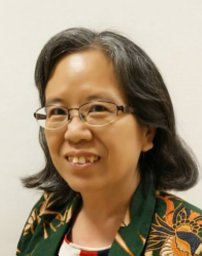 Chua Siew Kuan合作论文数7
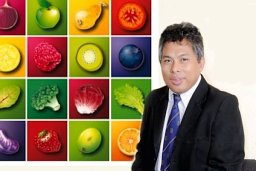 Roslee Rajikan合作论文数7Ai Vyrn Chin合作论文数6
 Jing Wen Goh合作论文数6Mohd Zul Amin Kamaruddin合作论文数6
 Hanif Farhan Mohd Rasdi合作论文数Occupat Therapy Programme, Univ Kebangsaan Malaysia6
 Mohd Harimi Abd Rahman合作论文数6
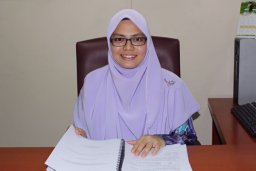 Hanis Mastura Yahya合作论文数Fac Hlth Sci, Univ Kebangsaan Malaysia6
 Noor Ibrahim Mohamed Sakian合作论文数Faculty of Allied Health Sciences, Universiti Kebangsaan Malaysia6
 Bala S Rajaratnam合作论文数Department of Statistics, Stanford University6
 Hasnah Haron合作论文数Faculty of Computer Science and Information Systems, Universiti Teknologi Malaysia6Zunaidah Abu Samah合作论文数5Cheah Ping Ng合作论文数5Nurul Syuhada Mohd Rosnu合作论文数5Norhayati Mustafa Khalid合作论文数5Yutong FU (付雨桐)合作论文数5
 Liqing Yao (姚黎清)合作论文数5
 Tengku Aizan Hamid合作论文数Institute of Gerontology, Universiti Putra Malaysia5Omar Mohd Azahadi合作论文数5




