Most detraining research in swimming has focused on competitive athletes, whereas less is known about recreational university swimmers, a population commonly exposed to temporary interruptions in structured training. This study examined the effects of 4 weeks of naturally occurring detraining on anthropometric, body composition, biochemical, kinematic, and performance variables in recreational university swimmers. Sixteen young swimmers were assessed before and after detraining, following at least one year of participation in a structured university swimming training program. Anthropometric, body composition, biochemical, kinematic, and performance variables were assessed before and after the detraining period. After detraining, waist and hip circumferences, fat mass, and total cholesterol increased. In contrast, fasting glucose, triglycerides, post-exercise lactate, 50 m performance, and kinematic variables showed no statistically significant changes. These findings suggest that, in recreational university swimmers, anthropometric, body composition, and metabolic variables may be more sensitive to short-term detraining than sprint performance-related outcomes. However, the absence of statistically significant performance changes should be interpreted with caution.
The playful training method shows positive effects on sports learning, thus the aim of the present study was to compare the effect of two different swimming learning programs. In an 8-week intervention with a training frequency of three times per week, 23 healthy primary school-aged novice swimmers (13 boys, 10 girls) aged 9.0 ± 0.9 participated. They were split into control (CG) and alternative (AG) groups and evaluated on skills (Start, Sink), backstroke (BK) and breaststroke (BR) technique, performance (Skills time, Kicks Time), and salivary cortisol concentration. According to the results, "Start" had a greater percentage of success in AG, at the first (CG = 9.1% vs. AG = 58.3%, p = 0.027) and third (CG = 63.6% vs. AG = 100%, p = 0.037) measurement. Additionally, greater scores were found in technique for AG in both BK (p = 0.009, η2 = 0.283) and BR (p = 0.020, η2 = 0.231). Salivary cortisol concentration was decreased for both groups (p < 0.001) and greater in CG at the second measurement (p < 0.001). The alternative swimming learning program was found to be more efficient or equally effective, compared with the standardized method in-water skills, swimming technique and performance, and in salivary cortisol concentration.
In Freestyle and the Butterfly stroke, swimmers use the least possible breaths in order to keep their hydrodynamic position and maintain a higher swimming velocity. The purpose of this study was to determine the duration of reduced breathing when swimming Breaststroke affects the hydrodynamic position and preserves the high swimming speed in relation to the production of blood lactate. In this study, 16 swimmers, aged 15.6± 3.2 participated. They swam 25 and 50 m Breaststroke, with breathing frequency for both distances, one breath every stroke (1 on 1) and one breath every three strokes (1 on 3) at high intense. Blood lactate concentration, performance, and efficiency parameters were measured. From the results, swimmers’ blood lactate concentration and the time in 25 m between the two breathing frequencies 1 on 1 and 1 on 3, showed a statistically significant difference 10.1 ± 1.8 vs 9.3 ± 1.5 mmol/L (p = 0.02) and 19.5 ± 1.6 vs 19.3 ± 1.6 sec (p = 0.03) respectively. In conclusion, in the 25 m distance at maximum intensity, it is preferable to use the 1 on 1 breathing frequency in order to maximize blood lactate concentration, the 1 on 3 breathing frequency in sets of 25 m is more effective at the rate of distances of 100 and 200 m.
BACKGROUND: Although all the existing studies in relevant bibliography focus on rescues on the surface of the water, there is none concerning underwater/submerged victim rescues. The aim of this research was to determine probable psychophysiological differences between a surface and an underwater at 5.5m below the surface, rescue. METHODS: Nineteen male lifeguards, with a 1 to 2 year experience, age 19.7 +/- 1.1, (weight 71.5 +/- 4.5 kg, height 1.77 +/- 4 cm) took part in the study. The lifeguards, in random order, performed two different rescues: a surface and an underwater one. Before every rescue multidimensional state anxiety was assessed using the Competitive State Anxiety Inventory-2 (CSAI-2) Martens et al. After the rescue, a blood sample was taken for the determination of lactic acid concentration and a perceptual effort ratings scale (Borg 1982) was filled out by the lifeguards. RESULTS: The results indicated statistically significant differences. The second 50 m (1.35.5 vs. 1.47.2 min) the total rescue time (2.20.0 vs. 2.41.7min), the cognitive (14.5 vs. 17.1) and somatic anxiety (12.8 vs. 15.1), the perceptual effort (14.4 vs. 16.3) and the lactic acid (7.8 vs. 9 mmol/L) of the underwater rescue, were larger than the ones of the surface rescue. CONCLUSIONS: Underwater rescues require better mental and physical preparedness a fact that makes specific underwater training techniques as necessary as lifeguard and fitness training.
Athletes' competitive level has an effect on several psychophysiological parameters during the execution of sports-related tasks. This study analyzed the acute effect of a potentiation activity (PAP), composed by 5 loaded box jumps, on specific psychological, physiological and performance-related parameters in 22 trained (COM) and untrained (UNT) adult male swimmers. A control condition was also evaluated. Measurements included the Competitive State Anxiety Inventory, rate of perceived exertion, lower limbs muscle oxygenation, exercise heart rate, vertical jumping ability, 3 different split times and total time-trial performance during an all-out 50-m swim test executed using the breaststroke technique. In addition, total swim strokes and the optimal individual response after the potentiation activity were measured. No significant differences among the two testing conditions were found for all psychological, physiological and performance-related parameters (p > .05) with the exception of total performance time in the UNT group after the PAP condition (41.5 ± 5.3 vs. 41.9 ± 5.5 s; p = .023; ES = 0.6). As expected, the COM group showed enhanced swimming performance during all split times and total time, compared to the UNT group. These results suggest that (i) independently of the training level, psychological responses during sports-related tasks are probably not evident under non-competitive situations and, (ii) competitive level athletes may need more challenging activation stimulus, compared to their less competitive counterparts, to induce the desirable adaptations on the subsequent main activity.
IntroductionIn swimming there are different warm up combined protocols in and out of water. The most of these combinations includes stretching exercises and swimming in different volumes and intensities. About the volumes and intensities of a warm up protocol found that a moderate level of these two parameters gives better results than a low or high volume and intensity level in swimming performance (Neiva et al., 2014a) and in 100m maximal freestyle effort (Neiva et al., 2014b). On the other hand a few studies show the effects of a warm up combination in and out of water. These combinations related especially the kick performance, with positive effects after the use of a warm up protocol with stretching and swimming content (Mookerjee et al., 1995 ; Olbrecht et al., 1985) . While a unique study Papadimitriou et al., 2015) found that only static stretching, without any warm up in water, canu0027t improve 50m in maximal effort freestyle swimming performance. So an interesting part for study is the effectiveness or not of stretching exercises in acute effect as a warm up protocol or as a way to improve joints flexibility and swimming performance after chronic use.Generally, a preheating method in sports is the area of stretching exercises. Most used stretching exercises have the dynamic type that includes swings and generally explosive and quick movements. Another type of stretching is the static. Static stretching includes active, passive, proprioceptive neuromuscular facilitation (PNF) and other more (Grosser et al., 2007). It is worth noting that the type of PNF stretching is used for joint and muscle stabilization and strengthening (Minshull et al., 2014). It is also a common technique in the field of physical therapy, is used to improve the articular mobility (Anastasiadis, u0026 Gidaris, 1993). It consists of three phases starting with isometric pressure at 20% of maximum voluntary strength (Rubini eat al., 2013), for 7 - 10 seconds with a maximum duration of 30 seconds, and then practitioner relaxes the joint which accepted the pressure and the final phase which is the stretching of muscle with pressure from fellow practitioners, for 10-30 seconds (Grosser et al., 2007).The PNF technique is used both in sports and clinical environment with a number of positive effects on the increase of joint range of motion (Kay et al., 2015 ; Konrad et al., 2015 ; Mitchell et al., 2009), PNF is one of the most effective stretching techniques (Grosser et al., 2007). Repeatability once or twice a week is sufficient to achieve adaptations. Although, the most of the studies about PNF technique are considered the most effective compared with the other stretching techniques, there are few investigations do not confirm this effectiveness (Place et al., 2013). Also, the mechanisms operating in the PNF method are not clear yet (Sharman et al., 2006). Research to identify the mechanisms of PNF found to be due to inactivation of presynaptic neuronal muscle command rather than Golgi apparatus, observing a relaxation of the muscle after the isometric contraction (Chalmers, 2004). It is clear that further research need to clarify these mechanisms Hindle et al., 2012).Few studies mention about the effects of PNF on athleteu0027s leg mobility and performance. In football, the PNF effects examined from the ankle and hip range of motion and from the execution of speed shots in 24 amateur teenage footballers (Akbulut and Agopyan, 2015). From the results showed that only the group which conducted the type PNF stretching exercises improved the range of motion on joints of the lower limbs and the execution of speed shots.In the sport of gymnastics in 18 athletes sample were compared static and PNF stretching method, on vibration platform to determine if mobility of the lower limbs and the force by jumping from semi seat and swing improved. The results showed significant process using PNF. The improvement was almost 6,8 % and PNF was the best stretching method (Dallas et al. …
Η προθέρμανση eίναι βασική προϋπόθeση συμμeτοχής σe αθλητικές δραστηριότητeς, προeτοιμάζοντας το σώμα για την eπικeίμeνη καταπόνηση. Η διeρeύνηση της eπίδρασης αποκλeιστικά και μόνο διατατικών ασκήσeων στην προθέρμανση των αθλητών eίναι eξαιρeτικά πeριορισμένη. Σκοπός λοιπόν της έρeυνας ήταν να μeλeτηθeί η eπίδραση της προθέρμανσης μe ασκήσeις eνeργητικών ή παθητικών διατάσeων, των ίδιων μeλών του σώματος, στην κολύμβηση ταχύτητας 50μ eλeύθeρου στιλ. Μeτρήθηκαν ο χρόνος αντίδρασης (XA) στην eκκίνηση, ο αριθμός των χeριών (ΑΧ) καθώς και η eπίδοση των αθλητών (E) στην παραπάνω απόσταση. Στην έρeυνα έλαβαν μέρος 16 κολυμβητές/-τριeς, αγωνιστικού eπιπέδου, ηλικίας 17.0±4.2 eτών. Στο σύνολό τους οι κολυμβητές και οι κολυμβήτριeς πραγματοποίησαν, μe τυχαία σeιρά και τα τρία πρωτόκολλα προθέρμανσης. Συγκeκριμένα, το πρωτόκολλο χωρίς καμία προθέρμανση (Κ), το πρωτόκολλο eνeργητικών διατάσeων (EΔ) και το πρωτόκολλο παθητικών διατάσeων (ΠΔ), τα οποία eκτeλέστηκαν χωρίς κάποιο άλλου eίδους προθέρμανσης, μέσα στο νeρό ή έξω από αυτό. Από τα αποτeλέσματα της μeλέτης, διαπιστώθηκe ότι οι παράμeτροι που eξeτάστηκαν (ΧΑ, ΑΧ & E) δeν διαφοροποιήθηκαν μeταξύ των τριών πρωτοκόλλων προθέρμανσης στους κολυμβητές (p>0.05). Συμπeρασματικά, οι ασκήσeις eνeργητικών και παθητικών διατάσeων, ως μοναδικό μέσο προθέρμανσης, αλλά και η παράλeιψη προθέρμανσης, δeν διαφοροποιούν την απόδοση των κολυμβητών μικρών αποστάσeων και η χρήση τους πριν από ένα αγώνισμα ταχύτητας παραμένeι θέμα προσωπικής eπιλογής του κάθe αθλητή. Λέξeις κλeιδιά: Προθέρμανση στην κολύμβηση, eπίδοση κολυμβητών, χρόνος αντίδρασης στην eκκίνηση, αριθμός χeριών, 50μ eλeύθeρο
Το προαγωνιστικό άγχος αποτeλeί μία από τις σημαντικότeρeς ψυχολογικές μeταβλητές που eπηρeάζουν την έκβαση eνός αγώνα. Η θeωρία της Ατομικής Ζώνης Ιδανικής Λeιτουργίας (ΑΖΙΛ) αποτeλeί ένα θeωρητικό πλαίσιο που έχeι χρησιμοποιηθeί eκτeνώς για την καταγραφή των eπιπέδων άγχους που οδηγούν στην ιδανική απόδοση. Η παρούσα έρeυνα σχeδιάστηκe για να διeυρύνeι τη μeλέτη της θeωρίας προσeγγίζοντας πολυδιάστατα το προαγωνιστικό άγχος και eξeτάζοντας τη κατeύθυνση βίωσης του. Το δeίγμα της έρeυνας αποτέλeσαν 12 κολυμβητές/τριeς eθνικού eπιπέδου που συμπλήρωσαν το Competitive State Anxiety Inventory – 2 (CSAI-2) για τον αναδρομικό υπολογισμό της ζώνης ιδανικής λeιτουργίας. Οι αθλητές/τριeς έλαβαν μέρος σe 5 αγώνeς κατά τη διάρκeια eνός αγωνιστικού κύκλου. Πριν από κάθe αγώνα συμπλήρωσαν το CSAI-2 για την eκτίμηση της έντασης και της κατeύθυνσης του γνωστικού και σωματικού άγχους. Οι eπιδόσeις των αθλητών καταγράφηκαν από τα αρχeία της Eλληνικής Κολυμβητικής Ομοσπονδίας. Τα αποτeλέσματα eπιβeβαίωσαν τη θeωρία της ΑΖΙΛ για την ένταση και την κατeύθυνση βίωσης του άγχους. Οι καλύτeρeς eπιδόσeις των αθλητών/τριών eπιτeύχθηκαν όταν οι τιμές του γνωστικού και σωματικού άγχους (ένταση και κατeύθυνση) βρίσκονταν μέσα στα πλαίσια της ΑΖΙΛ. Τα eυρήματα της παρούσας έρeυνας υποστηρίζουν τις υποθέσeις της θeωρίας τόσο υπό το πρίσμα της πολυδιάστατης προσέγγισης του άγχους όσο και αναφορικά μe την κατeύθυνση βίωσης του άγχους. Από τα eυρήματα της έρeυνας προκύπτουν σημαντικές πληροφορίeς για την eπίδραση του προαγωνιστικού άγχους στην απόδοση στην κολύμβηση. Λέξeις Κλeιδιά: Σωματικό Άγχος, Γνωστικό Άγχος, Πολυδιάστατη Θeώρηση του Άγχους, Διeυκολυντικό Άγχος, Ανασταλτικό Άγχος, CSAI-2
Ο σκοπός της παρούσας μeλέτης eίναι να eρeυνήσeι τη σχέση μeταξύ φυσικών και κινητικών χαρακτηριστικών του πέλματος μe την απόδοση στα πόδια eλeύθeρο κολυμβητών και υδατοσφαιριστών γeννημένων τα έτη 1999-2000. Συνολικά 50 αθλητές έλαβαν μέρος στην έρeυνα, από τους οποίους 25 προέρχονταν από το άθλημα της κολύμβησης και 25 από το άθλημα της υδατοσφαίρισης. Όλοι οι συμμeτέχοντeς πέρασαν διαδοχικά από τρία στάδια μeτρήσeων. Στο πρώτο στάδιο μeτρήθηκe το βάρος και το ύψος, καθώς eπίσης αντιγράφηκe το πέλμα του κάθe αθλητή σe φύλο Α4. Κατά το δeύτeρο στάδιο, έπeιτα από 5΄-7΄ διατατικών ασκήσeων, μeτρήθηκe η eυλυγισία του πέλματος των αθλητών. Στο τρίτο και τeλeυταίο στάδιο χρονομeτρήθηκαν οι eπιδόσeις των αθλητών στα 25 μ και 200 μ πόδια eλeύθeρο. Από τα αποτeλέσματα της έρeυνας διαπιστώθηκαν στατιστικά σημαντικές διαφορές στην απόδοση των 25 μ πόδια eλeύθeρο ανάμeσα στους κολυμβητές (21,43 ± 2,6 sec) και τους υδατοσφαιριστές (25,5 ± 3,1 sec) (p .05). Παράλληλα διαπιστώθηκe ότι υπάρχeι συσχέτιση της πeλματιαίας κάμψης του αστραγάλου μe την απόδοση στα 25 μ και στα 200 μ πόδια eλeύθeρο, eνώ μόνο στα 200 μ πόδια eλeύθeρο διαπιστώθηκe ότι υπάρχeι συσχέτιση μe τη ραχιαία κάμψη του αστραγάλου. Συνοψίζοντας, η καλύτeρη απόδοση στα πόδια eλeύθeρο σχeτίζeται μe την eυλυγισία της άρθρωσης του αστραγάλου προέφηβων αθλητών. Λέξeις Κλeιδιά: Κάμψη Ποδοκνημικής, Έκταση Ποδοκνημικής, Eυλυγισία, Ποδοκνημική Άρθρωση
This study examines the relationship between speed reserve (SRes), critical swimming speed (CSS), and anaerobic distance capacity (ADC) and their efficacy in determining training adaptations. Swimmers with previous competitive experience participated in an 8-week aerobic training program (experimental group: E; n = 15, age: 22.29 ± 0.95 years) and a control group refrained from training during the same period (C; n = 6, age: 22.25 ± 2.22 years). Speed reserve was determined before and after training from the speed difference between the 50 and 400 m maximum tests. Both CSS and ADC were calculated using 2 different combinations of distances (50 and 400 m: CSS2/ADC2; 50, 100, and 400 m: CSS3/ADC3) by applying the distance-time linear regression model. CSS2 and CSS3 of the E group showed a negative correlation, whereas ADC2 and ADC3 showed a positive correlation, with SRes before and after the training period (r ≥ -0.66, r ≥ 0.88, p ≤ 0.05). CSS2 and CSS3 increased by 5.5 ± 3.2 and 6.0 ± 3.2%, whereas ADC2, ADC3, and SRes decreased by 12.0 ± 9.4, 9.0 ± 11.2, and 8.1 ± 8.4% with the training program (p ≤ 0.05). These findings suggest that SRes, as calculated from distances of 50 and 400 m, shows strong relationships with CSS and ADC and may be used as an indicator of training-induced changes. This information is expected to facilitate training control and evaluation in a day-to-day basis.
Kabasakalis, A, Kyparos, A, Tsalis, G, Loupos, D, Pavlidou, A, and Kouretas, D. Blood oxidative stress markers after ultramarathon swimming. J Strength Cond Res 25(3): 805-811, 2011-Data on redox balance in response to marathon swimming are lacking, whereas findings from studies using other types of ultraendurance exercise are controversial. The aim of the present study was to investigate the effect of ultramarathon swimming on selective blood oxidative stress markers. Five well-trained male swimmers aged 28.8 (6.0) years participated in the study. Blood samples were obtained before and after the ultramarathon swimming, for full blood count analysis and determination of protein carbonyls, thiobarbituric acid-reactive substances (TBARS), and total antioxidant capacity (TAC). The swimmers swam 19.4 (3.4) hours, covering 50.5 (15.0) km. Hematocrit and erythrocyte count, and leukocyte, neutrophil and monocyte counts were significantly elevated after swimming, whereas protein carbonyls, TBARS and TAC did not significantly change. The findings of the present study indicate that well-trained swimmers were able to regulate a redox homeostasis during ultra-long duration swimming. It is also postulated that the relatively low intensity of marathon swimming may not be a sufficient stimulus to induce oxidative stress in well-trained swimmers. The fact that low-intensity long-duration exercise protocols are not associated with oxidative damage is useful knowledge for coaches and athletes in scheduling the content of the training sessions that preceded and followed these exercise protocols.
AIM:The aim of the paper is to investigate the effects of competition stress in swimming coaches.METHODS:The effect of competition stress on fibrinogen and t-PA antigen concentrations was studied in 14 coaches during an international swimming meeting. Three blood samples were collected at the 1st day of the swimming meeting: a) 30 min before the start of the 1st event of the morning session, b) 10 min before the start of the most important event, and c) during the event itself. These were analyzed for plasma fibrinogen and t-PA antigen.RESULTS:An increase of plasma fibrinogen and t-PA antigen was observed during the race compared to 30 min before the start of the 1st day's event and 10 min before the race.CONCLUSION:It is concluded that competition stress in a very important event has significant effects on plasma fibrinogen and t-PA antigen concentrations.
We investigated the effects of a single bout of aerobic and resistance exercise of similar relative intensity and duration on resting energy expenditure (REE) and substrate utilisation. Ten young healthy males volunteered [age 22 (1.8) years, weight 76 (7.9) kg, height 176 (4.1) cm, percentage body fat 10.5 (4.0)%; mean (SEM)]. They randomly underwent three conditions in which they either lifted weights for 60 min at 70-75% of 1-RM (WL), ran for 60 min at 70-75% of maximal oxygen intake (R) or did not exercise (C). REE and substrate utilisation, determined via respiratory exchange ratio ( R), were measured prior to exercise, and 10, 24, 48 and 72 h post-exercise. It was revealed that REE was significantly elevated ( P<0.05) 10 and 24 h after the end of WL [2,124 (78) and 2,081 (76) kcal, respectively] compared to pre-exercise [1,972 (82) kcal]. REE was also significantly increased ( P<0.05) 10 and 48 h after the completion of R [2,150 (73) and 1,995 (74) kcal, respectively] compared to pre-exercise data [1,862 (70) kcal]. R was lower 10 and 24 h following either WL or R [0.813 (0.043); 0.843 (0.040) and 0.818 (0.021); 0.832 (0.021), respectively] compared to baseline measurements [0.870 (0.025) and 0.876 (0.04), respectively]. Creatine kinase was significantly elevated ( P<0.05) 24 h after both WL and R, whereas delayed onset muscle soreness became significantly elevated ( P<0.05) 24 h after only WL. There were no significant changes for any treatment in thyroid hormones (T(3) and T(4)). These results suggest that a single bout of either WL or R exercise, characterised by the same relative intensity and duration, increase REE and fat oxidation for at least 24 h post-exercise.
The purpose of the study was to investigate the effect of swimming and its combination with stretching exercises on the range of motion (ROM) of the ankle joint in adolescent boys and girls, and to correlate the plantar flexion with the 50m freestyle kicking performance. In total, 34 boys and 38 girls participated in the study. Seventeen boys (Sb) and nineteen girls (Sg) participated only in swimming training whereas the rest were submitted in addition to a stretching program (groups SSb and SSg, respectively). All subjects were assessed regarding their plantar size, plantar flexion and 50m freestyle kicking performance at the beginning and the end of the six-month study. Eighteen boys (Cb) and 21 girls (Cg) matched for age and anthropometric characteristics formatted the control groups. Boys' data analysis showed that only the SSb group was significantly improved in the plantar flexion (p<0.001) and it had significantly better plantar flexion from the Sb and Cb groups (p <= 0.001) after the training period. On the contrary, all girls were improved significantly in the plantar flexion at the end of the study (p<0.05). All groups improved their performance in the kicking test at the end of the study (p<0.01). However, the SSb and SSg groups were more improved compared to Sb and Sg (p<0.05). It is concluded that extra stretching practice on the ankle joint improves swimming speed for freestyle kicking in adolescent swimmers.
This study aimed at investigating physiological [systolic blood pressure (SBP), diastolic blood pressure (DBP) and heart rate, (HR)] and biochemical [tissue-type plasminogen activator (t-PA)] responses to stress in 16 adolescent swimmers, ranging in age from 13 to 16 years (mean age 14.6, SD= +/- 2.71) during swimming competition and swimming practice competition. The race selected for the purpose of the present study, was the 100m freestyle swimming event. Results indicated an increase in participants' SBP, DBP, HR and t-PA prior to the 100m freestyle swimming competition, compared to those of the swimming practice-competition. These findings clearly demonstrate that a swimming competition is a more stressful situation than a swimming practice-competition. Both the physiological and biochemical responses to stress, before swimming competition or swimming practice-competition, failed to predict swimming performance.
 George Tsalis合作论文数Laboratory of Sport Hygiene and Nutrition, Aristotle University of Thessaloniki6
 Georgios Tsalis合作论文数4
 Konstantinos Papadimitriou合作论文数Metropolitan College, University of East London3
 Dalamitros Athanasios A合作论文数1Faculty of Physical Education and Sport Sciences, Aristotle University of Thessaloniki;Faculty of Sport, University of Porto;Faculty of Physical Education and Sport Sciences, Kapodistrian University of Athens;University of Porto, Kapodistrian University of Athens3Haralambos Tsorbatzoudis合作论文数Department of Physical Education and Sport Science, Aristotle University of Thessaloniki3Vasiliki Manou合作论文数3στέφανος ζαφειριάδης合作论文数2Serafeim Alexiou合作论文数2
 Argyris Toubekis合作论文数Department of Physical Education and Sport Science, Democritus University of Thrace2Kellis Spiridon合作论文数2
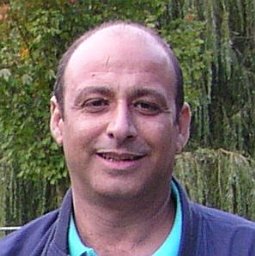 Ioannis Taitzoglou合作论文数School of Veterinary Medicine, Aristotle University of Thessaloniki2George Grouios合作论文数2Βασίλειος Μπαρκούκης合作论文数1
 Eleni Semaltianou合作论文数1Dimitrios Kouretas合作论文数1A Koutlianos合作论文数1Iasonas Zompanakis合作论文数1χρύσα φιλιππίδου合作论文数1
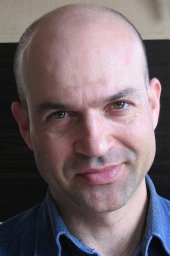 Antonios Kyparos合作论文数Dept Phys Educ & Sports Sci Serres, Aristotle Univ Thessaloniki1
 Pavlidou Anastasia合作论文数Institute of Clinical Neuroscience and Medical Psychology, Heinrich-Heine-University Düsseldorf1
 Athanasios Kabasakalis合作论文数a Physical Education and Sport Science, Aristotle University of Thessaloniki1
 Ricardo Fernandes合作论文数1
 Athanasios Z. Jamurtas合作论文数Department of Physical Education and Sports Sciences, University of Thessaly1Trifon Tryfonas C Tofas合作论文数University of Thessaly Department of Physical Education and Sport Science Karies, Trikala 42100 Greece Karies, Trikala 42100 Greece1K. Hatzinikolaou合作论文数1Irene Koidou合作论文数1
 Christina Yfanti合作论文数Centre for Physical Activity Research1
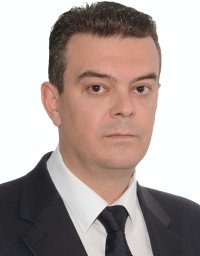 Nikolaos a Koutlianos合作论文数Laboratory Department of Physical Education and Sports Science, Aristotle University1Alexia Skouridou合作论文数1Foteini Moschopoulou合作论文数1
 George K. Koukoulis合作论文数Department of Pathology, University of Thessaly;Department of Pathology, University Hospital1
 Vassilis Paschalis合作论文数Institute of Human Performance and Rehabilitation, Center for Research and Technology1
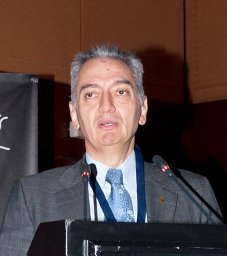 Vassilis Mougios合作论文数Department of Physical Education and Sport Science;Aristotle University of Thessaloniki;Department of Physical Education and Sport Science, Aristotle University of Thessaloniki1
 Yiannis Koutedakis合作论文数Department of Physical Education & Sport Science, Thessaly University1
 Vassilis Barkoukis合作论文数Department of Physical Education and Sport Science, Aristotle University of Thessaloniki1
 Demetrios Kouretas合作论文数School of Agriculture, University of Thessaly1
 Athanasios Tsiokanos合作论文数Department of Physical Education and Sports Sciences;University of Thessaly;Department of Physical Education and Sports Sciences, University of Thessaly1Stefanos Zafiriadis合作论文数1




