Abstract Background and aims Despite extensive preclinical work during decades, effective neuroprotective interventions have not yet reached clinical practice. Here, we introduce a systems medicine computational pipeline, designed to identify mechanistically related targets underlying the stroke pathomechanism. We propose a paradigm change evaluating an in silico-based multi-target, network pharmacology intervention in a murine model of focal cerebral ischaemia. Methods Male C57BL/6N mice underwent 30 minutes of transient middle cerebral artery occlusion (tMCAO) and were randomly allocated to receive either the network pharmacology treatment (NWPT) or vehicle control. Animals were sacrificed at days 3, 7, 14, 21 or 28 post-ischaemia. Prior to tissue collection, neuromotor function was assessed, alongside complementary analyses to characterise cerebral perfusion, thrombotic events, angiogenesis and gene expression profiles. Furthermore, TLR4 and S100A9 were determined as a potential biomarker and ELISA measurements were conducted to assess the concentration in patient plasma samples ≤ 72 h post-stroke. Results NWPT administration consistently improved neurological outcomes. Additionally, cerebral perfusion as well as angiogenic parameters were altered upon treatment initiation. Transcriptomic profiling revealed enhanced expression of genes associated with neuroprotection, while marked suppression of inflammatory pathways. TLR4 and S100A9 emerged as a promising biomarker panel for identifying the patient population most likely to benefit from our therapy, supporting a personalised treatment strategy. Conclusions Our systems medicine approach yields robust neuroprotection, suppresses inflammatory signalling, while enhancing neurotransmission, and reducing thrombotic burden after ischaemia. By promoting a synergistic therapeutic response alongside the potential of already approved drugs, this strategy offers a promising path towards clinical translation. Conflict of interest All authors: none
Aging is the strongest independent risk factor for cerebrovascular diseases, profoundly influencing vascular structure, immune responses, and regenerative capacity of the brain. Traditional therapeutic strategies, largely developed in younger populations, often show reduced efficacy and increased risk in elderly patients, underscoring the need for age-adapted interventions. Advances in the understanding of cerebrovascular aging have revealed key mechanisms such as vascular senescence, chronic low-grade inflammation, blood-brain barrier dysfunction, mitochondrial impairment, and circadian dysregulation as central drivers of disease progression and poor recovery. This narrative review summarizes emerging therapeutic strategies targeting the molecular and cellular hallmarks of aging-related cerebrovascular disease. These include immunomodulatory and anti-inflammatory approaches, senescence-targeted therapies, stem cell and extracellular vesicle-based regenerative strategies, RNA-based interventions, and metabolic and mitochondrial modulation. Particular emphasis is placed on therapies aimed at restoring neurovascular unit integrity and promoting brain repair in the aged microenvironment. Additionally, this review highlights the growing role of chronobiology and precision medicine, integrating biomarkers and multi-omics approaches to tailor treatments for elderly patients. Collectively, these emerging therapies represent a paradigm shift from symptom-oriented management toward mechanism-based and personalized interventions. Addressing age-specific pathophysiology will be critical for improving outcomes in cerebrovascular diseases in the aging population and for translating experimental advances into effective clinical therapies.
BackgroundAcute ischemic stroke (AIS) remains one of the major contributors to mortality and disability worldwide. Stroke-associated infection (SAI) is one of the most frequent complications following AIS and has a substantial impact on clinical outcomes, being closely linked to unfavorable prognosis. This study aimed to provide a comprehensive description of SAI, identify independent risk factors, and develop a predictive nomogram for its early identification.MethodsThis study included 836 AIS patients of the Dalian Single-center Study on Intravenous Thrombolysis for Ischaemic Stroke (DATIS) cohort who received recombinant tissue-plasminogen activator-induced thrombolysis at Central Hospital of Dalian University of Technology between January 2018 and November 2021. Patients were divided into a training cohort (n = 586, 70%) and a validation cohort (n = 250, 30%). Composition and economic features of SAI was explored. Independent risk factors were identified using univariate, multivariate, and multimodal logistic regression analyses. A predictive nomogram was then developed based on these independent risk factors. Model performance was assessed with receiver operating characteristic curves, and calibration curves.ResultsAmong the 836 enrolled patients, 168 (20.1%) developed SAI. Composition of 168 patients with SAI were: 99 pulmonary infections (58.93%), 44 upper respiratory tract infections (26.19%), 15 urinary tract infection (8.93%), 2 gastrointestinal tract infections (1.19%), 1 periodontal infection (0.60%), 1 conjunctival infection (0.60%), and 1 erysipela (0.60%). In addition, 5 patients (2.98%) had multi-site infections (4 pulmonary plus urinary tract infection, 1 pulmonary plus gastrointestinal tract infection). Compared with non-infected patients, the SAI group experienced a significantly longer median hospitalization duration [9 days, IQR (7, 10) vs. 8 days, IQR (7, 9), p < 0.001] and incurred higher median inpatient medical costs [28114.04 RMB, IQR (23230.12, 33379.85) vs. 22292.84 RMB, IQR (19203.53, 25999.63), p < 0.001]. Five variables—higher modified Rankin Scale at admission, male sex, prolonged prothrombin time, elevated blood urea nitrogen and lower thyroid-stimulating hormone—were independent risk factors for SAI. The nomogram constructed based on above predictors achieved an area under the curve of 0.80 in the training cohort and 0.72 in the validation cohort. Calibration curves supported the model’s performance.ConclusionThis prospective cohort study comprehensively described composition and economic features, identified risk factors and developed predictive nomogram for SAI in AIS patients receiving intravenous rt-PA. Early identification of high-risk patients may facilitate targeted interventions, potentially reducing infection-related complications and improving clinical outcomes.
Sphingolipids critically regulate microvascular integrity and function, but the role of glycosphingolipids in endothelial survival and angiogenesis remains poorly defined. Herein, we experimentally deactivated or activated UDP-glucose ceramide glucosyltransferase (UGCG), which converts ceramide to glucosylceramide, by the pharmacological inhibitor D-threo-1-phenyl-2-decanoylamino-3-morpholino-1-propanol (D-PDMP), siRNA-mediated knockdown or the pharmacological activator L-PDMP. Sphingolipid and glycosphingolipid profiles were examined by liquid chromatography-tandem-mass spectrometry. Effects on endothelial survival, proliferation, transwell migration, extracellular vesicle (EV) release and tube formation were assessed in human cerebral microvascular endothelial cells (hCMEC/D3). In vitro, pharmacological UGCG deactivation near-completely suppressed hexosylceramide levels and at high dose increased ceramide and sphingosine-1-phosphate (S1P), a known pro-angiogenic sphingolipid, while UGCG knockdown moderately decreased mostly short (C16, C18) hexosylceramides. UGCG activation increased hexosylceramide without significantly altering ceramide and S1P. Pharmacological UGCG deactivation increased endothelial tube formation, a marker of angiogenesis, but at high dose decreased endothelial survival, whereas UGCG knockdown and UGCG activation reduced endothelial tube formation and migration or proliferation, respectively. Pharmacological UGCG deactivation and activation, but not UGCG knockdown increased endothelial release of EVs with anti-angiogenic activity. In mice exposed to transient middle cerebral artery occlusion, pharmacological UGCG deactivation and activation reduced the length and branch density of small-sized (< 4 µm) and intermediate (4–5.4 µm) cerebral microvessels in the reperfused striatum as revealed by 3D light-sheet microscopy, indicative of microvascular endothelial degeneration. Our results suggest that pharmacological UGCG deactivation promotes angiogenesis in vitro probably via S1P elevation. In vivo, UGCG deactivation failed to stabilize microvascular network integrity post-ischemia/reperfusion, presumably due to ceramide-associated cell stress.
Interventions targeting conserved aging pathways can markedly extend lifespan in model organisms, yet their efficacy declines with increasing organismal complexity. While this phenomenon is well documented, the underlying constraints remain poorly defined. Here, we integrate comparative experimental data with mechanistic insights to propose a unifying framework explaining the declining ceiling of lifespan extension. We show that in simple organisms, aging is governed by a limited number of high-leverage pathways, whereas in mammals it emerges from distributed, multi-tissue regulatory systems characterized by redundancy, feedback, and competing physiological constraints. By synthesizing findings from Caenorhabditis elegans, Drosophila melanogaster, and rodent models, we identify key determinants of this transition, including metabolic organization, genetic redundancy, endocrine regulation, microbiome interactions, and pharmacokinetic complexity.
OBJECTIVE:To analyze clinical characteristics, risk factors, and a predictive model for non-aspiration stroke-associated infections (NASAI) in acute ischemic stroke (AIS) patients receiving intravenous alteplase thrombolysis. METHODS:This prospective cohort study included AIS patients from the DATIS cohort (Jan 2018-Jul 2024) who received rt-PA thrombolysis. NASAI was defined as stroke-associated infection without evidence of aspiration. Patients were randomized 7:3 into training (n=1171) and validation (n=503) sets. LASSO and logistic regression were used to select predictors. Model performance was assessed by ROC curve, calibration curve (CC), and decision curve analysis (DCA). RESULTS:Among 1828 patients, NASAI prevalence was 10.72% (196/1828), accounting for 56% of all SAI cases. Independent risk factors included older age (OR 1.62), hypertension (1.64), higher admission NIHSS (4.03), heart rate (1.06), and white blood cell count (1.16). The nomogram showed AUCs of 0.80 (training) and 0.78 (validation), with good calibration and net benefit on DCA. CONCLUSION:A nomogram based on five easily accessible variables demonstrated strong predictive performance for NASAI, offering a practical tool for early risk assessment in thrombolyzed AIS patients.
Background: Hemorrhagic transformation (HT) remains a major complication limiting the clinical utility of intravenous thrombolysis with alteplase in acute ischemic stroke (AIS) patients. Dl-3-N-butylphthalide (dl-NBP), a neuroprotective agent, which has beneficial effects on post-ischemic microcirculation, oxidative stress, and blood-brain barrier integrity, may potentially mitigate this risk. Methods: Using propensity score matching (1:1), this study analyzed 1,541 AIS patients of the prospective Dalian Single-center Study on Intravenous Thrombolysis for Ischaemic Stroke (DATIS) cohort treated at Central Hospital of Dalian University of Technology. Patients were stratified into combination therapy (alteplase + dl-NBP, n = 674) and monotherapy (alteplase alone, n = 674) groups. Dl-NBP (25 mg in 100 ml, 0.9
BACKGROUND:Neutrophil granulocytes actively contribute to tissue damage after ischemic stroke. The membrane protein CD177 is detectable on variable neutrophil numbers in most individuals (CD177 wild-type [CD177WT] genotype), whereas ≈5% of the general population completely lack CD177 (CD177-deficient [CD177null] genotype). Despite its known relevance in vasculitis, the role of ischemic stroke remains unknown. METHODS:In 2 prospective cohorts of patients with first-ever ischemic stroke (PROSCIS-B [Prospective Cohort With Incident Stroke Berlin], NOFF-S [Neutrophils: Origin, Fate & Function Stroke]), we assessed the effect of CD177null and CD177WT status on stroke severity and outcome (National Institutes of Health Stroke Scale and modified Rankin Scale) over 1 year or 3 months poststroke, respectively. By flow cytometry, we stratified CD177 expression level as CD177neg, CD177dim, and CD177high. The predictive value of the CD177 state was evaluated by multivariable regression and discrimination analyses. RESULTS:In PROSCIS-B (n=579; mean age, 68.1 years; 38.5% women) and NOFF-S (n=236, 68.4 years, 36.9% women), similar rates of patients were CD177null (n=26 [4.5%] and n=10 [4.2%], respectively). Patients with CD177null had a higher probability of unfavorable stroke outcome (modified Rankin Scale score 3-6) than patients with CD177WT (n=8 of 21 [38.1%] versus 90 of 462 [19.5%] with follow-up, P=0.05, in PROSCIS-B; n=8 of 10 [80.0%] versus n=23 of 142 [16.2%] with follow-up, P<0.0001, in NOFF-S). This association remained when adjusted for age, sex, initial stroke severity defined by National Institutes of Health Stroke Scale score, stroke subtype defined by TOAST (Trial of ORG 10172 in Acute Stroke Treatment), and reperfusion treatment (risk ratio, 3.8 [95% CI, 2.0-7.1]; P<0.001, in NOFF-S). In NOFF-S, the proportion of CD177dim neutrophils at admission was negatively associated with stroke severity at admission, while that of CD177high neutrophils predicted a favorable clinical outcome after 3 months. CD177 expression level significantly improved the prediction of stroke outcome in addition to clinical adjustment variables in area under the curve, net reclassification improvement, and integrated discrimination improvement analyses (P=0.004, P=0.001, and P<0.001, respectively, for CD177high). CONCLUSIONS:CD177 expression at admission is an easy-to-measure biomarker for patient stratification. CD177 holds potential as a therapeutic target to modulate immune responses after stroke. REGISTRATION:URL: https://www.clinicaltrials.gov; Unique identifier: NCT01363856.
Ischemic stroke elicits a sustained thromboinflammatory response that critically shapes secondary brain injury. The kallikrein-kinin system (KKS) has been identified as the interface of vascular injury and inflammatory processes; however, its role in adaptive immunity remains poorly defined. Here, we show that the KKS is associated with pathogenic CD4+ T cell activation and trafficking. In both ischemic stroke patients and mice subjected to transient middle cerebral artery occlusion (tMCAO), circulating CD4+ T cells exhibited a conserved, activated, and trafficking-competent phenotype characterized by upregulation of adhesion/migration markers, indicating a translationally preserved systemic adaptive immune response. Functionally, serum from stroke mice subacutely treated with a plasma kallikrein (PK)-neutralizing antibody (ɑPK) attenuated CD4+ T cell activation, proliferation, expression of adhesion/migration markers, and pro-inflammatory cytokine production in vitro. PK selectively enhanced CD4+ T cell adhesion and migration, while its downstream metabolite Des-Arg9-bradykinin (Des-Arg9-BK) induced a pronounced pro-inflammatory, pro-migratory phenotype and potentiated chemokine-driven transendothelial migration in vitro. Strikingly, delayed PK inhibition in vivo was associated with reduced T cell accumulation in the ischemic brain and increased circulating CD4+ T cell frequencies, suggesting impaired central nervous system (CNS) infiltration dynamics. Together, these findings support a role for KKS signaling in shaping neuroimmune interactions after ischemic stroke by enhancing endothelial adhesiveness and facilitating CD4+ T cell migration to the ischemic tissue. By linking thromboinflammation and adaptive immunity, the KKS emerges as a promising therapeutic target to selectively modulate neuroimmune interactions and potentially improve functional recovery after ischemic stroke.
Background Attention-Deficit/Hyperactivity Disorder (ADHD) is increasingly recognized as a neurodevelopmental condition involving both dopaminergic dysfunction and circadian misalignment. While these mechanisms have traditionally been studied independently, their combined impact on symptom expression and comorbidity—particularly with mood disorders, substance use disorders, and obesity—remains insufficiently understood. This review aims to integrate current evidence on the interaction between circadian and dopaminergic dysfunction in ADHD and to evaluate the therapeutic potential of chronobiological interventions. Methods We conducted an integrative review of studies across neurobiology, chronobiology, psychopharmacology, and genetics, including evidence from both human and animal models. The review focuses on molecular and clinical findings related to circadian regulation, dopaminergic signaling, and their interaction in ADHD pathophysiology and treatment response. Results Evidence indicates that dopaminergic dysregulation contributes to impaired reward processing and motivational deficits, while circadian disruption is associated with sleep disturbances, emotional dysregulation, and metabolic dysfunction. These processes appear to interact bidirectionally, potentially amplifying symptom severity and comorbidity. Emerging findings implicate circadian genes—particularly CRY1—in the regulation of both neural and metabolic pathways. Chronotherapeutic interventions, including light therapy, melatonin supplementation, and sleep-focused behavioral strategies, show promise, particularly when aligned with individual circadian profiles. Conclusions Elucidating the interplay between circadian misalignment and dopaminergic dysfunction may inform more precise, biomarker-guided treatment strategies in ADHD. Stratified care models that incorporate circadian timing and individual variability have the potential to improve outcomes and address the high comorbidity burden. Large-scale, controlled clinical studies are needed to validate these approaches and facilitate their translation into personalized interventions.
Systemic inflammation following ischemic stroke is driven by a complex interplay among pro-inflammatory cytokines, immune cell activation, and neurovascular dysfunction. Both aging and obesity significantly amplify this inflammatory response, exacerbating stroke severity and impeding recovery. Aging induces a chronic low-grade inflammatory state—referred to as inflammaging—that heightens vulnerability to stroke-induced brain injury. Similarly, obesity promotes a persistent pro-inflammatory milieu that disrupts metabolic and immune homeostasis, further worsening neurological outcomes. The combined effects of aging and obesity pose a substantial barrier to effective stroke rehabilitation and long-term recovery. To improve post-stroke care, future research should focus on three key areas. First, there is a pressing need for targeted therapies that modulate systemic inflammation with minimal side effects. Anti-inflammatory agents such as minocycline have shown promise in preclinical models, but clinical validation is needed. Second, elucidating the molecular mechanisms linking aging, obesity, and systemic inflammation—such as the roles of adipokines and immune cell phenotypes—may reveal novel therapeutic targets. Finally, personalized treatment strategies that consider individual risk factors like age and obesity are essential to optimize stroke management and rehabilitation. Given the limited efficacy of current stroke treatments, prioritizing prevention by identifying high-risk individuals is critical. Recognizing non-modifiable risk factors can support more intensive intervention on modifiable ones and guide vigilance toward vulnerable populations. Overall, advancing our understanding of systemic inflammation and its modifiers will be key to developing innovative, patient-specific therapies aimed at improving outcomes and quality of life for stroke survivors.
Visual snow syndrome (VSS) is a chronic neurological disorder associated with impaired mental health. While self-efficacy and quality of life (QOL) are known to influence mental health outcomes (depression and suicidal ideation) in clinical populations, their roles in VSS remain unexplored. This study aimed to examine the associations among VSS, self-efficacy, QOL, mental health outcomes and the potential serial mediation roles of self-efficacy and QOL. A cross-sectional study compared 64 VSS patients and 67 healthy controls matched with age, sex and education level. Participants completed validated questionnaires assessing self-efficacy (GSES), QOL (WHOQOL-BREF), depression (CES-D), and suicidal ideation (BSSI, first five items). Analyses included group comparisons, correlation analyses to examine variable relationships, multimodel linear regression and serial mediation modeling to test the hypothesized sequential pathway from VSS through self-efficacy and quality of life to mental health outcomes. Compared with controls, VSS patients demonstrated significantly lower self-efficacy (VSS: 23.6 ± 6.2; Controls: 30.6 ± 6.0; p < 0.001) and QOL (VSS: 62.5 ± 9.5; Controls: 73.6 ± 8.8; p < 0.001), alongside elevated depression (median [IQR]: VSS: 28 [21,34]; Controls: 11 [7, 15]; p < 0.001) and suicidal ideation (VSS: 6 [5, 7]; Controls: 5 [5,6]; p < 0.01). Serial mediation analysis revealed that the effects of VSS on depression and suicidal ideation were mediated through self-efficacy and QOL sequentially. The total indirect effect for depression was 7.73 (95% CI [5.64–9.85]), with QOL accounting for 49.09% of the total effect. For suicidal ideation, the total indirect effect was 0.80 (95% CI [0.39–1.22]). Lower self-efficacy and QOL appear to serially mediate the associations between VSS and mental health impairments. These preliminary, cross-sectional findings indicate that self-efficacy and QOL may serve as modifiable intervention targets that mediate or moderate the risk of depression and suicidal ideation in individuals with VSS. Clinicians should prioritize routine assessments of these factors to guide early intervention strategies, although longitudinal studies are needed to confirm these causal pathways.
Older people often suffer from medication management problems due to multimorbidity, polypharmacy and medication complexity. Because of frequent discrepancies between self-reported and actual abilities to self-administer prescribed medications, these problems often go unnoticed. To secure adequate medication management for effective pharmacotherapy, it is important to understand which factors possibly influence medication self-management performance. As part of a large-scale study on the “Ability to Self-administer Medication in Non-demented In-hospital Patients” (ABLYMED), we addressed this question by assessing medication- and patient-related factors with a possible influence on medication self-management in 100 patients ≥ 70 years of age regularly taking ≥ 5 different medicines autonomously. Medication management performance was assessed in five different placebo dosage forms via standardized video-based evaluation expressed in an overall performance rating score. Data from 57 patients (median age 78, Q1; Q3 = 73;82 years) could be used for subsequent analyses. To analyze which factors are associated with performance in medication management, we calculated correlations of different medication- (e.g. complexity, adequacy in older age) and patient-related factors (e.g. adherence, cognition, motor abilities, burden of disease, age, sex) with self-administration performance and included all factors with significant correlations in a stepwise multivariable linear regression model. We observed significant correlations between the video-based measure of performance in medication management and the following patient-related factors: cognition, manual dexterity, functional state, activities of daily living and age. When performing multivariable linear regression stepwise selection, age and ZVT-G (test method for the construct cognition, especially information processing speed) remained in the model. Our research suggests that cognitive and motor impairments in old age have a negative impact on medication management. Higher age and lower information processing speed are associated with poorer ability to self-administer medication. Further investigations will address the consequences of these findings for patient trainings, medication prescription procedures and careful control for problems in medication management and external help. DRKS00025788, date of registration: 07/09/2021.
Increasing experimental and clinical evidence indicates activation of cellular programs resembling senescence and senescence-associated secretory phenotype signaling after stroke. However, a central challenge is definitional: in injured brain tissue, many senescence-associated features overlap with acute stress responses, transient cell-cycle perturbations, and reactive glial or vascular programs, complicating interpretation across models, time points, and cell types. Here, we synthesize the literature using a cell-type-resolved framework spanning acute, subacute, and chronic stroke phases across major neurovascular and immune compartments. Rather than treating senescence as a binary fate, we conceptualize post-stroke senescence-associated biology as a dynamic continuum, in which ischemia-reperfusion stress engages multiple senescence-related domains, only a subset of which may stabilize into durable cell senescence. Accordingly, we emphasize convergent multi-domain evidence with spatial and cell identity resolution, and cautious use of the term "senescence-like" during early injury. Finally, we discuss translational implications through a timing- and safety-aware perspective, arguing that modulation of maladaptive secretory outputs may be superior to cell-elimination strategies in early post-stroke windows. We highlight key biological and clinical uncertainties-including blood-brain barrier dynamics, hemorrhagic and infectious risk, and interference with endogenous repair-that define critical risk gates for evaluating senescence-targeting approaches after stroke.
 Thorsten Roland Doeppner合作论文数140
 Ertugrul Kilic合作论文数Tıp Fakültesi, Istanbul Medeniyet University100
 Aurel Popa-Wagner合作论文数65
 Janine Gronewold合作论文数65
 Ulkan Kilic合作论文数Faculty of Medicine, Yeditepe University45
 Matthias Gunzer合作论文数Department “Biospectroscopy”, Leibniz Institute for Analytical Sciences;Institute of Experimental Immunology and Imaging, University Hospital Essen;Imaging Center Essen, University Hospital Essen42Christoph Kleinschnitz合作论文数40
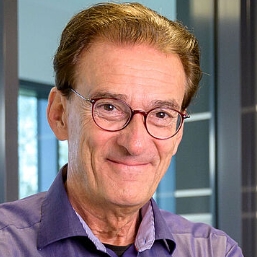 Mathias Bähr合作论文数Department of Neurology, University Medicine Göttingen;Neurobiological Research Laboratory, University Medicine Göttingen;DZNE40Claudio Bassetti合作论文数39
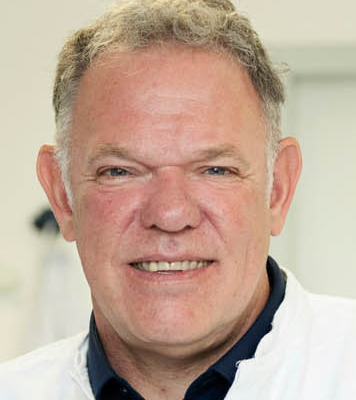 Bernd Giebel合作论文数Institute for Transfusion Medicine, University Hospital Essen36
 Nina Hagemann合作论文数35Ayan Mohamud Yusuf合作论文数34Kaltwasser Britta合作论文数30
 Egor Dzyubenko合作论文数Department of Neurology and Center for Translational Neuro- and Behavioral Sciences (C-TNBS),, University Hospital Essen29Sánchez-Mendoza E合作论文数23
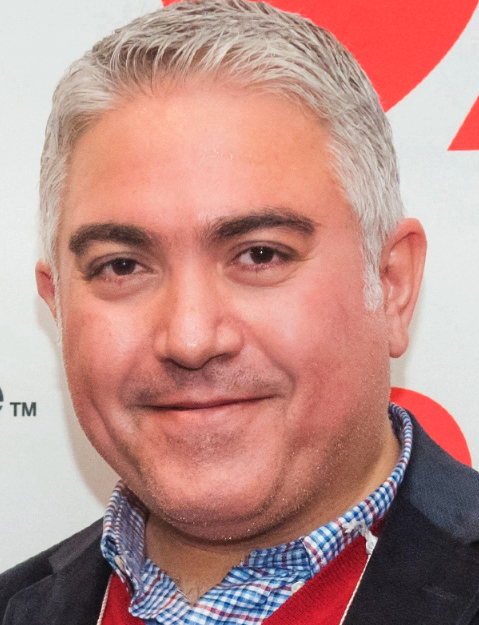 Ayman ElAli合作论文数Laboratory of Neurovascular Interactions, Department of Psychiatry and Neuroscience, Faculty of Medicine, Université Laval22Josephine Herz合作论文数Charité – University Medical Center Berlin21Chen Wang合作论文数19Fengyan Jin合作论文数19
 Susanne Moebus合作论文数Institute for Urban Public Health, Universitätsklinikum Essen19Helmut Frohnhofen合作论文数18Karl-Heinz Jockel合作论文数18O. Todica合作论文数17
 Marco Bacigaluppi合作论文数Department of Neurology, University Hospital San Raffaele Milan17
 Anil Zechariah合作论文数Institute of Biomedical Sciences, Academia Sinica17
 Ya-chao Wang合作论文数16Brockmeier Ulf合作论文数15
 Christian Weimar合作论文数Klinik für Neurologie, Universitätsklinikum Essen15Maryam Sardari合作论文数College of Science, University of Tehran15Gunter Mies合作论文数15
 Andrei Gresita合作论文数Chair Vasc Neurol & Dementia, Univ Med Essen14Heike Bruck合作论文数14Daniela Gabriela Glavan合作论文数Psychiat Clin, Univ Med & Pharm Craiova13Ka Hossmann合作论文数13
 Singh Vikramjeet合作论文数Centre for Systems Neuroscience, Hannover Medical School13
 Stefano Pluchino合作论文数Department of Clinical Neurosciences, School of Clinical Medicine, University of Cambridge13
 Mustafa Caglar Beker合作论文数School of Medicine, Istanbul Medipol University12
 Berrak Caglayan合作论文数12
 Nils Lehmann合作论文数12
 Tobias Tertel合作论文数11
 Tayana Silva de Carvalho Grosserichter合作论文数11
 Roxana Surugiu合作论文数Sch Healthcare Sci, Manchester Metropolitan Univ11Janet Mullington合作论文数Max Planck Institute, Munich, Germany11Andreas Kribben合作论文数10N. Hagemann合作论文数9Xuan Zheng合作论文数9
 Căpitănescu B合作论文数Emergency County Hospital, University of Medicine and Pharmacy of Craiova9
 Luca Peruzzotti-Jametti合作论文数Department of Clinical Neurosciences, University of Cambridge;King's College, University of Cambridge;Imperial College London9
 Catalin Bogdan合作论文数Center of Clinical and Experimental Medicine, University of Medicine and Pharmacy of Craiova9




