Skeletal muscle atrophy is a secondary complication in the aetiology of injury and chronic disease. Identifying mechanisms that control muscle mass is necessary to characterise atrophy and develop prevention strategies. We aimed to integrate transcriptomic and epigenomic data to identify key regulatory pathways controlled by promoter DNA methylation during muscle unloading. Twenty-one healthy men (20-40 years) completed a 4-week standardised exercise programme prior to a 14-day knee brace immobilisation with dietary control. Skeletal muscle mass and strength were assessed before and after immobilisation and biopsies were collected (m. vastus lateralis) before, at 3 days, and at completion at 14 days. RNA and DNA were isolated and analysed using Illumina RNA sequencing and DNA methylation 850K EPIC BeadChips. The 14-day immobilisation decreased muscle mass (∼9%; P < 0.0001) and strength (∼16%; P < 0.0001). At 3 days, most biological processes (BPs) were upregulated/hypomethylated (157 gene sets); upregulated BPs included cell signalling and protein ubiquitination and downregulated BPs included metabolism. After 14 days, BPs were predominantly downregulated/hypermethylated, including translation and ribosome biogenesis. Across both time points, HDAC4, GADD45A and CHRNA1 emerged as methylation-regulated candidate mediators of atrophy. HDAC4 and GADD45A showed strong correlations primarily at day 3, and CHRNA1 remained significant at both time points, extending prior observations in animals to human skeletal muscle. We have characterised changes in gene expression related to hypo- and hyper-methylation during muscle unloading in humans. These data extend our understanding of the regulatory processes that occur during skeletal muscle atrophy that, at the individual gene level, may be useful in developing strategies for reducing muscle wasting.
Tests assessing physical qualities are regularly used in youth rugby league teams for various functions. However, the utility of such tests is under-explored in this population. In this way, tests are commonly examined in terms of how well they can differentiate performances between groups that are expected to differ and how they relate to outcomes in actual competitive contexts. Therefore, the purpose of this exploratory study was to investigate the discriminative validity and relationships to match performance metrics of frequently used tests to assess physical qualities in male, adolescent rugby league players. Anthropometric (standing height and body mass) and fitness-related (20 m linear sprint, 505-Agility Test, L-run Test, medicine ball throw, countermovement jump, one-repetition maximum back squat, bench press, and prone row tests, and Multistage Fitness Test) physical qualities were measured using common tests in 42 players (16.1 ± 1.3 years). Test outcomes were compared between players in different age and positional groups for discriminative validity analyses. Relationships between test outcomes and match performance metrics gathered via global positioning system and video analysis were also determined. Compared to younger players (14–15 years), older players (16–18 years) had significantly better fitness-related physical qualities (p < 0.05, d = −1.78–1.66), but similar anthropometric qualities (p > 0.05, d = −0.45–0.20). Significant, moderate correlations (p < 0.05, r = 0.56–0.70) were found between (1) one-repetition maximum (1-RM) back squat and relative (per min) high-speed running distance and maximum velocity in matches; (2) 20-m sprint time and relative total distance; (3) 505-Agility Test time and relative line breaks; and (4) height and relative unsuccessful tackles. Consequently, commonly used fitness-related tests demonstrate discriminative validity in detecting differences between age groups, with standing height and the 1-RM back squat showing promising utility given their associations with key match metrics in adolescent rugby league players.
This study investigated the effect of high-intensity interval exercise on total and individual amino acid concentrations in red blood cells (RBCs) and plasma. Seven males (31 ± 13 yr) provided venous blood samples at rest, immediately and 15 min and 30 min following an 8-min high-intensity exercise bout. The exercise bout was 16 × 15 s cycle efforts at 0.4N/kg of body mass and 90 rpm, interspersed with 15 s passive recovery. Total and individual amino acid concentrations of RBC and plasma and blood cell parameters were analysed. No significant differences for total amino acid concentrations between RBC and plasma were found. Individual amino acid analyses showed significant interaction effects for alanine and α-aminoadipic acid (P < 0.05), with plasma alanine significantly increased from baseline across the recovery period (P < 0.001). Blood fraction (group) effects showed greater concentrations of glycine, serine, asparagine, aspartic acid, glutamic acid, α-aminoadipic acid and ornithine in RBC, while greater concentrations of alanine, α-aminobutyric acid, valine, leucine, isoleucine, threonine, proline, phenylalanine, glutamine, tryptophan and cystine were found in plasma (P < 0.05). Comparable levels of histidine, lysine and tyrosine were observed between blood fractions. Significant differences in the variation of total amino acids in RBC were reported with higher variance at rest compared to following exercise (P = 0.01). Haemoglobin, pack cell volume and white blood cell count significantly increased immediately following exercise (P < 0.05) but returned to baseline after 15 min recovery. These results support the notion of individualised amino acid transportation roles for RBC and plasma during exercise.
PURPOSE:Rigorous evidence concerning the reliability of physical tests among young athletes is lacking. Therefore, this study aimed to comprehensively determine the retest reliability of the most commonly used tests to assess physical qualities in adolescent rugby league players, and to provide the standard error of measurement and minimal detectable change for each test to support objective athlete monitoring. METHOD:A repeated-measures design was employed with 50 adolescent, schoolboy rugby league players (16.2 [1.3] y) completing the same testing battery across 2 consecutive weeks. Within each week, stature, body mass, and ∑4 skinfold thickness assessments, as well as countermovement jump, medicine ball throw, and 1-repetition maximum bench press, back squat, and prone row tests were conducted on the first testing day. Forty-eight hours later, a second testing day contained the 10- and 20-m linear sprints, 505-Agility Test, L-run Test, and Multistage Fitness Test. RESULTS:Nonsignificant (P > .05), trivial differences (dav = 0.00-0.16) were evident between trials in all tests. The coefficient of variation ranged from 0.05% to 4.02% across tests. The intraclass correlation ranged from .704 to .999. All tests presented relatively low standard error of measurement, with accompanying minimal detectable change provided. CONCLUSION:These data can help inform decision making among end-users when implementing tests in a repeated manner and interpreting testing data.
Objectives: The adolescent development period is critical for rugby league athletes, given the physical growth, neuromuscular adaptation, and skill acquisition that occurs. Secondary schools play an important role in the development of adolescent rugby league players; however, players may be selected into rugby league academies and development programs outside of school, as well as participating in additional sports. In turn, the training loads these young athletes accrue and the implications of these loads are currently unknown. Our aim was to quantify the training loads and concomitant changes in physical qualities of schoolboy and adolescent rugby league players during mesocycles within the pre-season and in-season phases. Design: This is a prospective experimental study. Methods: Twenty-one schoolboy rugby league players (16.2 ± 1.3 years) were monitored across separate 4-week mesocycles in the pre-season and in-season. Session frequency, duration, and the session rating of perceived exertion (sRPE) load were reported for all examples of training and match participation in the school rugby league program, as well as club and representative teams for any sport and personal strength and conditioning. Various physical qualities were assessed before and after each 4-week mesocycle. Results: The sRPE load that accumulated across the 4-week mesocycles was higher in the pre-season than the in-season (8260 ± 2021 arbitrary units [AU] vs. 6148 ± 980 AU, p < 0.001), with non-significant differences in accumulated session frequency and duration between phases. Session frequency, duration, and sRPE load differed (p < 0.05) between some weeks in an inconsistent manner during the pre-season and in-season mesocycles. Regarding physical qualities, improvements (p < 0.05) in the 10 m sprint test, Multistage Fitness Test, medicine ball throw, and 1-repetition maximum back squat and bench press performances were evident across the pre-season mesocycle, with declines (p < 0.05) in the 505-Agility Test, L-run Test, and 1-repetition maximum back squat performances across the in-season mesocycle. Conclusions: These novel training load data show schoolboy rugby league players experience considerable demands that may be suitable in developing several physical qualities during the pre-season but detrimental to maintaining such qualities across the in-season.
The relationship between heart rate variability (HRV) and training load in team-sport is unknown. We therefore assessed relations between completed training-load in the previous 1-, 3- and 7-days and waking HRV in professional Australian Rules Football. Linear-mixed models analysed changes in HRV, considering training load from the previous 1-, 3- and 7-days. Total Distance (TD), distance >14.4 km center dot h-1 (HSR) and >24.9 km center dot h-1 (Sprint-Distance), duration >85% max heart rate and Rating of Perceived Exertion were included as independent variables. Sub-group analysis of season-phase and years of professional experience was also conducted. Increased three-day Sprint-Distance reduced HRV in the first 8-weeks of pre-season (-13.1 ms, p = 0.03) and across the data collection period (-3.75 ms, p = 0.01). In first-year players, higher previous-day (-63.3 ms, p=0.04) and seven-day TD (-38.2 ms, p = 0.02) reduced HRV, whilst higher seven-day HSR increased HRV (34.5 ms, p = 0.01). In players with five-to-seven years of professional experience, higher three-day (-14.4 ms, p = 0.02) and seven-day TD (-15.7 ms, p = 0.01) reduced HRV, while higher three-day HSR increased HRV (12.5 ms, p = 0.04). In players with greater than eight years of professional experience, higher previous-day Sprint-Distance reduced HRV (-13.1 ms, p < 0.008). Completed training load across the previous 7-days influences HRV, but the relation between variables is complex and influenced by professional experience and season-phase.
This study compared heart rate variability (HRV) parameters of cardiovascular autonomic regulation between well-trained masters and young cyclists at rest, during and following a continuous cycle (CTS) protocol. Ten masters (age = 56 ± 5 years) and eight young (age = 26 ± 3 years) cyclists completed a 100 min experimental protocol consisting of a 60 min CTS cycling bout at 95
Background Athletes are increasingly continuing to train and/or compete during pregnancy; routinely exceeding global physical activity recommendations (≥2.5 hours moderate intensity/week) and potentially increasing risk of injury and illness for mother and child. Objective Examine training and physiological characteristics of Olympic sprint kayaker who continued to train during pregnancy and their impact on injury and illness. Design & Methodology A retrospective longitudinal observational case study (N=1). Training data from pre-conception to birth was collected in the Training Peaks platform, physiological data was collected in a lab and injury and illness data recorded via an app. Data of interest included session frequency, volume, modality, time spent in each training zone (based on a five-zone intensity scale specific to our athlete's maximum heart rate (HRmax)), training modifications, injury and illness events. Results Throughout pregnancy, our athlete substantially exceeded recommendations engaging in 444 training sessions totaling 440 hours (average 11.38 sessions totaling 11.26 hours/week). Most training was spent in active recovery (∑318 hours at ≤77% HRmax [≤139 bpm]), whilst 17 hours were accumulated training at ≥87% HRmax (≥156bpm) including 2.38 hours at threshold (≥92% HRmax [≥166 bpm]). Most sessions consisted of strength (∑165 sessions;166.80 hours) and kayak-based (∑159 sessions;172.22 hours) training, and an increase in strength over pre-conception levels was also observed. Training modifications were introduced throughout the pregnancy to protect against injury and illness, resulting in a reduction in overall training volume as pregnancy progressed. However, a lower heart rate, lactate and VO2 for a given workload as pregnancy progressed suggests an overall improvement in fitness. Our athlete maintained a healthy pregnancy and delivery with only minor injury and illness events recorded. Conclusions Evidence-informed guidance was lacking to appropriately support injury and illness considerations. Despite this, our athlete maintained a high volume of training throughout pregnancy without major injury or illness.
Trial matches are frequently used for team preparation in rugby league competitions, making it essential to understand the demands experienced to assess their specificity to actual competition. Consequently, this study aimed to compare the activity demands between pre-season trial matches and early in-season rugby league matches. Following a repeated-measures observational design, 39 semi-professional, male rugby league players from two clubs were monitored using microsensors during two trial matches and the first two in-season matches across two consecutive seasons. Total distance, average speed, peak speed, absolute and relative highspeed running (HSR; > 18 km·h -1 ) and low-speed running (LSR; < 18 km·h -1 ) distance, as well as absolute and relative impacts, accelerations (total and high-intensity > 3 m·s -2 ), and decelerations (total and highintensity < -3 m·s -2 ) were measured. Linear mixed models and Cohen’s d effect sizes were used to compare variables between match types. Playing duration was greater for in-season matches (p < 0.001, d = 0.64). Likewise, higher (p < 0.001, d = 0.45–0.70) activity volumes were evident during in-season matches indicated via total distance, HSR distance, LSR distance, total accelerations, high-intensity accelerations, total decelerations, and high-intensity decelerations. Regarding activity intensities, a higher average speed (p = 0.008, d = 0.31) and relative LSR distance (p = 0.005, d = 0.31) only were encountered during in-season matches. Despite players completing less volume, the average activity intensities and impact demands were mostly similar between trial and early in-season matches. These findings indicate trial matches might impose suitable activity stimuli to assist players in preparing for early in-season activity intensities.
Introduction: Monitoring physical and physiological characteristics of adolescent rugby league players is imperative to ensure long-term player development. Key physical characteristics identified in rugby league are height, body mass, and body composition, while key physiological characteristics are muscular power, muscular strength, linear speed, change-of-direction speed, and aerobic capacity. However, an array of tests are adopted in the literature to assess these characteristics, making it difficult for rugby league practitioners to select appropriate tests for implementation. This systematic review aimed to identify the most frequently used tests to assess key physical and physiological characteristics in male, adolescent rugby league players (12 to 19 years of age). Methods: Five databases were searched (PubMed, MEDLINE, Web of Science, Scopus, and SPORTDiscus) in July 2022. To be included, studies were required to: 1) be original research that contained original data published in a peer-reviewed journal; 2) report data specifically for male, adolescent rugby league players; 3) report the age of the recruited participants to be between 12-19 years; 4) report data for any physical and physiological characteristic and identify the test(s) used to assess these characteristics; and 5) be published in English with full-text availability. Results: A total of 187 studies were screened, and 37 studies were included in this systematic review. All 37 studies reported at least one physical characteristic, with standing height (n=33, 89%), body mass (n=37, 100%), and sum of four skinfold sites (n=14, 38%) the most frequently used tests. Regarding physiological characteristics, 31 studies reported muscular power, most frequently assessed via the medicine ball throw (n=10, 32%) and countermovement jump (n=31, 100%), for upper- and lower-body muscular power, respectively. Ten studies reported muscular strength, most frequently assessed via the one-repetition maximum bench press (n=7, 70%) and one-repetition maximum back squat (n=9, 90%), for upper- and lower-body strength, respectively. Thirty-three studies reported linear speed, most frequently assessed via 10-m (n=31, 94%) sprint times. Nineteen studies reported change-of-direction speed, most frequently assessed via the 505-Agility test (n=12, 75%). Twenty-eight studies reported measures of aerobic capacity, most frequently assessed via the Multistage Fitness Test (n=19, 71%). Discussion: This systematic review provides the most comprehensive identification of tests commonly used to assess key physical and physiological characteristics among adolescent, male rugby league players. Given the studies included in our review contain rationale for test selection and undergo expert scrutiny prior to publication, the identified tests hold scientific merit, and the largest pool of outcome data for future comparisons. While most characteristics were widely examined across studies, the assessment of muscular strength has received the least research attention to date among adolescent, male rugby league players. Impact/Application to the field: Practitioners working with adolescent, male rugby league players may use our findings to inform test selection when seeking to implement a standardised testing battery where outcomes can be compared with the majority of published literature. Declaration: My co-authors and I acknowledge that we have no conflict of interest of relevance to the submission of this abstract.
We aimed to determine whether there was a relationship between pre-immobilization skeletal muscle size and the mag-nitude of muscle atrophy following 14 days of unilateral lower limb immobilization. Our findings (n = 30) show that pre -immobilization leg fat-free mass and quadriceps cross-sectional area (CSA) were unrelated to the magnitude of muscle atrophy. However, sex-based differences may be present, but confirmatory work is required. In women, pre-immobilization leg fat-free mass and CSA were associated with changes in quadriceps CSA after immobilization (n = 9, r2 = 0.54-0.68; P < 0.05). The extent of muscle atrophy is not affected by initial muscle mass, but there is potential for sex-based differences.
Abstract Background Understanding the physical qualities of male, adolescent rugby league players across age groups is essential for practitioners to manage long-term player development. However, there are many testing options available to assess these qualities, and differences in tests and testing protocols can profoundly influence the data obtained. Objectives The aims of this systematic review were to: (1) identify the most frequently used tests to assess key physical qualities in male, adolescent rugby league players (12–19 years of age); (2) examine the testing protocols adopted in studies using these tests; and (3) synthesise the available data from studies using the most frequently used tests according to age group. Methods A systematic search of five databases was conducted. For inclusion, studies were required to: (1) be original research that contained original data published in a peer-reviewed journal; (2) report data specifically for male, adolescent rugby league players; (3) report the age for the recruited participants to be between 12 and 19 years; (4) report data for any anthropometric quality and one other physical quality and identify the test(s) used to assess these qualities; and (5) be published in English with full-text availability. Weighted means and standard deviations were calculated for each physical quality for each age group arranged in 1-year intervals (i.e., 12, 13, 14, 15, 16, 17 and 18 years) across studies. Results 37 studies were included in this systematic review. The most frequently used tests to assess anthropometric qualities were body mass, standing height, and sum of four skinfold sites. The most frequently used tests to assess other physical qualities were the 10-m sprint (linear speed), 505 Agility Test (change-of-direction speed), Multistage Fitness Test (aerobic capacity), bench press and back squat one-repetition maximum tests (muscular strength), and medicine ball throw (muscular power). Weighted means calculated across studies generally demonstrated improvements in player qualities across subsequent age groups, except for skinfold thickness and aerobic capacity. However, weighted means could not be calculated for the countermovement jump. Conclusion Our review identifies the most frequently used tests, but highlights variability in the testing protocols adopted. If these tests are used in future practice, we provide recommended protocols in accordance with industry standards for most tests. Finally, we provide age-specific references for frequently used tests that were implemented with consistent protocols. Clinical Trial Registration This study was conducted in accordance with the Preferred Reporting Items of Systematic Review and Meta-analysis guidelines and was registered with PROSPERO (ID: CRD42021267795).
Introduction: Exercise during pregnancy is associated with a variety of health benefits including reduced risk of gestational diabetes, pre-eclampsia, obstetric intervention, and faster post-partum recovery. Current exercise during pregnancy guidelines recommend 150-300 minutes of moderate intensity exercise per week. Within these guidelines, explicit aerobic exercise advice is given (eg. frequency, intensity, type) to appropriately guide pregnant women. In contrast, resistance training guidance is limited to frequency, with no detail on necessary characteristics of resistance training prescription (eg. external load, repetitions, rest breaks). This lack of detail may be related to the lack of empirical evidence to guide recommendations. Therefore, the purpose of this systematic review was to bring together the evidence on resistance training during pregnancy for critical review to identify resistance training characteristics and their reporting frequency, and explore variability among these reported characteristics. Methods: A systematic review (PROSPERO: CRD42022338297) following PRISMA guidelines was conducted. Five databases were searched from inception to 2023. Original research papers reporting any resistance training intervention (standalone or concurrent) during pregnancy were included. Study quality was assessed using the Effective Public Health Practice Project Quality Assessment Tool for Quantitative Studies. Results: Sixty-six papers were included in this review. Frequency of resistance training was reported by 97% (n=64) of papers, with the most common frequency of training three (45%, n=30) sessions (range 1-21) per week. Exercise intensity was reported in 61% of papers (n = 40), with 'moderate' intensity the most frequently reported (47%, n= 31). Internal intensity was measured using rating of perceived exertion (30%, n = 20), maternal heart rate (12%, n=8), or both (18%, n=12). Over one third of papers did not specify internal intensity (39% n= 26). External load was reported by 71% (n=47) of papers; however, only 12% (n=8) specified actual weight (0.45-7kg), and one paper specified percentage of 1RM. Over two thirds of papers reported session duration (73%, n = 48), with the most frequent duration being 25 (19%, n= 13) minutes (range 3-70). Similarly, type of resistance training (e.g. machine, resistance band, bodyweight) was reported in 74% (n=49) of papers, with bodyweight the most frequent type (36%, n=24). However, 38% of these did not report the actual movements being performed. Sets and repetitions were reported in 71% (n=47) of papers, and rest durations were reported in only 44% (n=29) of papers. Quality of evidence ranged from weak (45%, n= 30) to strong (15%, n= 10). Discussion: This systematic review shows that frequency, intensity, and duration were consistently reported, however, there was considerable variability in the level of detail in reporting as well as variability among the resistance training prescriptions. Resistance training modes, specific movements performed, external loads, sets, repetitions, and rest breaks were poorly reported. This lack of detailed reporting makes study replication difficult and results in insufficient evidence to guide resistance training among pregnant women. Impact/Application to the field: This study is a call to action for improved reporting of resistance training in research among pregnant women to provide the necessary evidence-base to build more detailed guidelines from. Declaration: My co-authors and I acknowledge that we have no conflict of interest of relevance to the submission of this abstract.
Introduction: Periodic testing is essential to evaluate changes in key physical and physiological characteristics in response to development strategies employed with adolescent rugby league players; however, the retest reliability of scientifically popular tests to assess these characteristics are yet to be comprehensively examined in this population. Reliability analyses of this nature are essential for practitioners to understand the inherent error in test outcomes when assessing changes, which is essential to appropriately monitor and inform long-term player development. Consequently, the aim of this study was to determine the retest reliability of the most commonly used tests in the literature, to assess key physical and physiological characteristics in adolescent, male rugby league players. Methods: A total of 51 male, adolescent, first-grade, rugby league players were recruited for this repeated-measures study (age: 16.8±0.9 years; height: 178.9±5.3 cm; body mass: 81.6±13.5 kg). The most frequently used tests reported in the literature to assess key physical and physiological characteristics were administered in accordance with NSCA guidelines on two separate occasions separated by seven days. Tests to assess physical characteristics included height (cm), body mass (kg), and sum of four skinfold sites (mm). Physiological characteristics and associated tests included: muscular power assessed using medicine ball throw (m) and countermovement jump (cm); and muscular strength assessed using one-repetition maximum (kg) bench press and back squat; linear speed assessed using 10-m sprint times (s); change-of-direction speed assessed using the 505-Agility test times (s, left and right foot); aerobic capacity assessed using predicted VO2max (mL·kg-1·min-1) from the Multistage Fitness Test. Within each testing week, tests of physical characteristics, muscular power and strength were administered in testing session 1, with remaining tests administered in testing session 2 48 h later. Identical testing protocols were performed at the same time of day in each week for analysis of retest reliability using intraclass correlation coefficient (ICC) and coefficient of variation (CV) statistics. Reliability outcomes were interpreted as follows for ICC: <0.50=poor; 0.50–0.74=moderate; 0.75–0.89=good; and >0.90=excellent. Results: All tests used to assess physical characteristics demonstrated excellent ICC (0.976–0.999), with CV ranging between 0.03–2.53%. Tests used to assess physiological characteristics demonstrated moderate to excellent ICC, with CV <5% including: linear speed, ICC=0.794, CV=1.35%; change-of-direction speed, ICC=0.787–0.860, CV=1.85–2.07%; aerobic capacity, ICC=0.854, CV=3.42%; muscular power, ICC=0.733–0.874, CV=3.72–4.02%; and muscular strength, ICC=0.944–0.988, CV=1.08–2.56%. Discussion: The most frequently used tests in the literature to assess key physical and physiological characteristics among adolescent, male rugby league players possessed moderate to excellent ICC and CV <5%. The present study provides comprehensive, novel data regarding the reliability of scientifically popular physical and physiological tests for rugby league practitioners to consider when deciding on a test battery for implementation based on the magnitude of error they are willing to accept. Impact/Application to the field: The provided reliability data may be used by rugby league practitioners working with adolescent players to understand the inherent error in common physical and physiological tests to better identify real changes in performance outputs and optimally tailor subsequent developmental strategies. Declaration: My co-authors and I acknowledge that we have no conflict of interest of relevance to the submission of this abstract.
Exercise training prevents age-related decline in muscle function. Targeting epigenetic aging is a promising actionable mechanism and late-life exercise mitigates epigenetic aging in rodent muscle. Whether exercise training can decelerate, or reverse epigenetic aging in humans is unknown. Here, we performed a powerful meta-analysis of the methylome and transcriptome of an unprecedented number of human skeletal muscle samples (n = 3176). We show that: (1) individuals with higher baseline aerobic fitness have younger epigenetic and transcriptomic profiles, (2) exercise training leads to significant shifts of epigenetic and transcriptomic patterns toward a younger profile, and (3) muscle disuse "ages" the transcriptome. Higher fitness levels were associated with attenuated differential methylation and transcription during aging. Furthermore, both epigenetic and transcriptomic profiles shifted toward a younger state after exercise training interventions, while the transcriptome shifted toward an older state after forced muscle disuse. We demonstrate that exercise training targets many of the age-related transcripts and DNA methylation loci to maintain younger methylome and transcriptome profiles, specifically in genes related to muscle structure, metabolism, and mitochondrial function. Our comprehensive analysis will inform future studies aiming to identify the best combination of therapeutics and exercise regimes to optimize longevity.
Abstract O'Connor, FK, Doering, TM, Minett, GM, Reaburn, PR, Bartlett, JD and Coffey, VG. Effect of divergent solar radiation exposure with outdoor versus indoor training in the heat: implications for performance. J Strength Cond Res 36(6): 1622–1628, 2022—The aim of this study was to determine physiological and perceptual responses and performance outcomes when completing high-intensity exercise in outdoor and indoor hot environments with contrasting solar radiation exposure. Seven cyclists and 9 Australian Football League (AFL) players undertook cycling trials in hot conditions (≥30 °C) outdoors and indoors. Cyclists completed 5 × 4 minutes intervals (∼80% peak power output [PPO]) with 2 minutes recovery (∼40% PPO) before a 20-km self-paced ride. Australian Football League players completed a standardized 20 minutes warm-up (∼65% mean 4-minute power output) then 5 × 2 minutes maximal effort intervals. Heart rate (HR), PO, ratings of perceived exertion (RPE), thermal comfort (TC), and thermal sensation (TS) were recorded. Core (Tc) and skin temperature (Tsk) were monitored in cyclists alone. In both studies, ambient temperature, relative humidity, and solar radiation were monitored outdoors and matched for ambient temperature and relative humidity indoors, generating different wet bulb globe temperature (WBGT) for cyclists, but the similar WBGT for AFL players through higher relative humidity indoors. The statistical significance was set at p ≤ 0.05. Cyclists' HR (p = 0.05), Tc (p = 0.03), and Tsk (p = 0.03) were higher outdoors with variable effects for increased RPE, TS, and TC (d = 0.2–1.3). Power output during intervals was not different between trials, but there were small-moderate improvements in cyclists' PO and 20-km time indoors (d = 0.3–0.6). There was a small effect (d = 0.2) for AFL players' mean PO to increase outdoors for interval 4 alone (p = 0.04); however, overall there were small-moderate effects for lower RPE and TS indoors (d = 0.2–0.5). Indoor training in hot conditions without solar radiation may promote modest reductions in physiological strain and improve performance capacity in well-trained athletes.
Skeletal muscle atrophy is a physiological response to disuse, aging, and disease. We compared changes in muscle mass and the transcriptome profile after short-term immobilization in a divergent model of high and low responders to endurance training to identify biological processes associated with the early atrophy response. Female rats selectively bred for high response to endurance training (HRT) and low response to endurance training (LRT; n = 6/group; generation 19) underwent 3 day hindlimb cast immobilization to compare atrophy of plantaris and soleus muscles with line-matched controls (n = 6/group). RNA sequencing was utilized to identify Gene Ontology Biological Processes with differential gene set enrichment. Aerobic training performed prior to the intervention showed HRT improved running distance (+60.6 ± 29.6%), while LRT were unchanged (-0.3 ± 13.3%). Soleus atrophy was greater in LRT vs. HRT (-9.0 ±8.8 vs. 6.2 ±8.2%; P<0.05) and there was a similar trend in plantaris (-16.4 ±5.6% vs. -8.5 ±7.4%; P = 0.064). A total of 140 and 118 biological processes were differentially enriched in plantaris and soleus muscles, respectively. Soleus muscle exhibited divergent LRT and HRT responses in processes including autophagy and immune response. In plantaris, processes associated with protein ubiquitination, as well as the atrogenes (Trim63 and Fbxo32), were more positively enriched in LRT. Overall, LRT demonstrate exacerbated atrophy compared to HRT, associated with differential gene enrichments of biological processes. This indicates that genetic factors that result in divergent adaptations to endurance exercise, may also regulate biological processes associated with short-term muscle unloading.
Skeletal muscle unloading due to joint immobilization induces muscle atrophy, which has primarily been attributed to reductions in protein synthesis in humans. However, no study has evaluated the skeletal muscle proteome response to limb immobilization using SWATH proteomic methods. This study characterized the shifts in individual muscle protein abundance and corresponding gene sets after 3 and 14 d of unilateral lower limb immobilization in otherwise healthy young men. Eighteen male participants (25.4 ±5.5 y, 81.2 ±11.6 kg) underwent 14 d of unilateral knee-brace immobilization with dietary provision and following four-weeks of training to standardise acute training history. Participant phenotype was characterized before and after 14 days of immobilization, and muscle biopsies were obtained from the vastus lateralis at baseline (pre-immobilization) and at 3 and 14 d of immobilization for analysis by SWATH-MS and subsequent gene-set enrichment analysis (GSEA). Immobilization reduced vastus group cross sectional area (-9.6 ±4.6%, P <0.0001), immobilized leg lean mass (-3.3 ±3.9%, P = 0.002), unilateral 3-repetition maximum leg press (-15.6 ±9.2%, P <0.0001), and maximal oxygen uptake (-2.9 ±5.2%, P = 0.044). SWATH analyses consistently identified 2281 proteins. Compared to baseline, two and 99 proteins were differentially expressed (FDR <0.05) after 3 and 14 d of immobilization, respectively. After 14 d of immobilization, 322 biological processes were different to baseline (FDR <0.05, P <0.001). Most (77%) biological processes were positively enriched and characterized by cellular stress, targeted proteolysis, and protein-DNA complex modifications. In contrast, mitochondrial organization and energy metabolism were negatively enriched processes. This study is the first to use data independent proteomics and GSEA to show that unilateral lower limb immobilization evokes mitochondrial dysfunction, cellular stress, and proteolysis. Through GSEA and network mapping, we identify 27 hub proteins as potential protein/gene candidates for further exploration.
Exercise training prevents age-related decline in muscle function. Targeting epigenetic aging is a promising actionable mechanism and late-life exercise mitigates epigenetic aging in rodent muscle. Whether exercise training can decelerate, or reverse epigenetic aging in humans is unknown. Here, we performed a powerful meta-analysis of the methylome and transcriptome of an unprecedented number of human skeletal muscle samples (n = 3,176). We show that: 1) individuals with higher baseline aerobic fitness have younger epigenetic and transcriptomic profiles, 2) exercise training leads to significant “rejuvenation” of molecular profiles, and 3) muscle disuse “ages” the transcriptome. Higher fitness levels were associated with attenuated differential methylation and transcription during aging. Furthermore, both epigenetic and transcriptomic profiles shifted towards a younger state after exercise training interventions, while the transcriptome shifted towards an older state after forced muscle disuse. We demonstrate that exercise training targets many of the age-related transcripts and DNA methylation loci to maintain younger methylome and transcriptome profiles, specifically in genes related to muscle structure, metabolism and mitochondrial function. Our comprehensive analysis will inform future studies aiming to identify the best combination of therapeutics and exercise regimes to optimize longevity.
 Peter Reaburn合作论文数Division of Strategy;Curriculum Design and Development Unit;Division of Strategy|Curriculum Design and Development Unit22
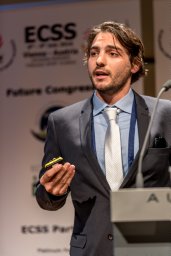 Borges Nattai R合作论文数18
 Vernon G Coffey合作论文数14
 Aaron T Scanlan合作论文数Sch Hlth Med & Appl Sci, Cent Queensland Univ9
 Kevin J Ashton合作论文数Faculty of Health Science and Medicine, Bond University8
 Jamie-Lee M Thompson合作论文数Faculty of Health Sciences & Medicine, Bond University7
 David G Jenkins合作论文数Sch Hlth & Sport Sci, Univ Sunshine Coast7Michael A. Carron合作论文数6
 Boris P Budiono合作论文数Griffith Health Institute, Griffith Univ.5
 Driller Matthew W合作论文数Hlth Sport & Human Performance, Univ Waikato5
 Stuart Phillips合作论文数Department of Kinesiology, McMaster University5
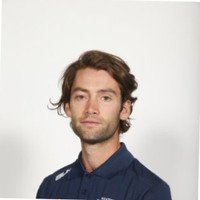 Fergus O'Connor合作论文数Fac Hlth Sci & Med, Bond Univ4
 Christos Argus合作论文数Inst Sport & Recreat Res New Zealand, Auckland Univ Technol4
 Rob Stanton合作论文数Division of Nephrology One Joslin Place, Joslin Diabetes Center4Gregory R. Cox合作论文数3Jonathan D Bartlett合作论文数3
 Melanie Hayman合作论文数School of Medical and Applied Sciences, Central Queensland University3
 Voisin Sarah合作论文数Department of Neuroscience, Functional Pharmacology, Uppsala University3
 Sharples Adam P合作论文数Institute for Sport and Physical Activity Research (ISPAR Bedford),, University of Bedfordshire3
 Sarah Lessard合作论文数3Larisa M. Haupt合作论文数Institute of Molecular and Cell Biology Stem Cells and Tissue Repair Group Proteos, 61 Biopolis Drive Singapore 138673 Singapore3
 Nicholas Harvey合作论文数MRC Lifecourse Epidemiology Centre, University of Southampton3
 Lyn Griffiths合作论文数School of Biomedical Sciences, Faculty of Health, Queensland University of Technology;Centre for Genomics and Personalised Health, Queensland University of Technology;Genomics Research Centre, Queensland University of Technology3
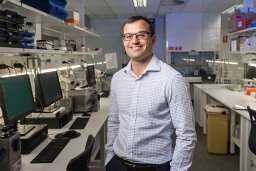 Nir Eynon合作论文数The Zinman College of Physical Education and Sport Sciences, the Wingate Institute3
 Nuala M. Byrne合作论文数Institute of Health and Biomedical Innovation, Queensland University of Technology3Macsue Jacques合作论文数2
 Jeffrey Mark Craig合作论文数2
 Sara Blocquiaux合作论文数2
 Dean Ritchie合作论文数2Kerry R O’Bryan合作论文数2Damon Arezzolo合作论文数2Campbell Macgregor合作论文数2
 Robert Morton合作论文数Dept Pathol, McMaster Univ2
 Steven Britton合作论文数Department of Anesthesiology, Medical School, University of Michigan;Elizabeth Weiser Caswell Diabetes Institute, University of Michigan2
 Geoffrey M Minett合作论文数Sch Exercise & Nutr Sci, Queensland Univ Technol2Landen Shanie合作论文数Department of Molecular Cell Biology, Weizmann Institute of Science2
 West Daniel W D合作论文数2
 Malene Lindholm合作论文数2
 Matthew Brown合作论文数Australian Translational Genomics Centre, The Queensland University of Technology;Genomics England2
 Martine Thomis合作论文数Department of Movement Sciences, KU Leuven;Faculty of Kinesiology and Rehabilitation Sciences, KU Leuven2
 Steve Horvath合作论文数Department of Biostatistics, School of Public Health, University of California Los Angeles;Institutes of Science, Altos Labs2Roland Steck合作论文数2
 lauren gerard koch合作论文数Department of Physiology and Pharmacology, University of Toledo2C. Kean合作论文数1
 Francois Pattou合作论文数Department of General and Endocrine Surgery, CHU de Lille;DiabInnov1Grace Murphy合作论文数1
 Cody J Power合作论文数1
 Crystal O. Kean合作论文数1
 Ben Jones合作论文数1




