Efficient qubit reset and leakage reduction are essential for scalable superconducting quantum computing, particularly in the context of quantum error correction. However, such operations often require additional on-chip components. Here, we propose and experimentally demonstrate a hardware-efficient approach to qubit reset and readout using a multimode Purcell filter in a superconducting quantum circuit. We exploit the inherent multimode structure of a coplanar waveguide resonator, using its fundamental and second-order modes for qubit reset and readout, respectively, thereby avoiding additional components. Implemented in a flip-chip architecture, our device achieves unconditional reset with residual excitation below 1% in 220 ns, and a leakage-reduction unit that selectively resets the second excited state within 62 ns, with a residual f| ) population of 6.1%, after accounting for the readout error. Despite the qubits being directly coupled to the filter in our configuration, the measured relaxation times are not degraded, owing to intrinsic Purcell protection provided by an auxiliary mode. To our knowledge, this work constitutes the first experimental demonstration exploiting different-order modes of a microwave resonator for distinct qubit operations, representing a new direction toward scalable, hardware-efficient quantum processor design.
The quantum Rabi model captures fundamental aspects of light–matter interaction, where symmetry dictates both spectra and dynamics. Over the past years, experiments have explored many of its nonperturbative properties, but have mostly focused on the isotropic limit, where rotating and counterrotating processes are locked together, leaving the broader symmetry landscape largely unexplored. Here we realize a programmable anisotropic quantum Rabi model in a superconducting processor, with independent control of the rotating and counterrotating couplings (g_1,g_2) and of a transverse bias ε. Continuous anisotropy tuning, combined with a duality mapping, gives access to the full parameter space from the Jaynes-Cummings to the anti-Jaynes-Cummings limits. In the deep-strong-coupling regime, we show that anisotropy reconstructs the spectrum and turns complete collapse-revival dynamics into incomplete revivals even near degeneracy. With adiabatic state preparation and joint tomography, we resolve an anisotropy-induced ground-state parity switch, a crossing that has no analogue in the isotropic model. We further observe selective tunnelling associated with hidden symmetry in biased Rabi models and track its anisotropic displacement within the same device. These results establish a controllable route to engineering nonperturbative light–matter Hamiltonians, where symmetry, spectrum, and dynamics can be programmed independently.
Time-dependent drives hold promise for realizing non-equilibrium many-body phenomena that are absent in undriven systems1-3. Yet, drive-induced heating normally destabilizes the systems4,5, which can be parametrically suppressed in the high-frequency regime by using periodic (Floquet) drives6,7. It remains largely unknown to what extent highly controllable quantum simulators can suppress heating in non-periodically driven systems. Here, using the 78-qubit superconducting quantum processor, Chuang-tzu 2.0, we report the experimental observation of long-lived prethermal phases in many-body systems with tunable heating rates, driven by structured random protocols, characterized by n-multipolar temporal correlations. By measuring both the particle imbalance and subsystem entanglement entropy, we monitor the entire heating process over 1,000 driving cycles and observe the existence of the prethermal plateau. The prethermal lifetime is 'doubly tunable': one way by driving frequency, the other way by multipolar order; it grows algebraically with the frequency with the universal scaling exponent 2n + 1. Using quantum-state tomography on different subsystems, we demonstrate a non-uniform spatial entanglement distribution and observe a crossover from area-law to volume-law entanglement scaling. With 78 qubits and 137 couplers in a two-dimensional configuration, the entire far-from-equilibrium heating dynamics are beyond the reach of simulation using tensor-network numerical techniques. Our work highlights superconducting quantum processors as a powerful platform for exploring universal scaling laws and non-equilibrium phases of matter in driven systems in regimes where classical simulation faces formidable challenges.
We demonstrate high-fidelity single-qubit gates on a C-shunt flux qubit that simultaneously combines a large anharmonicity ( A/2 pi=848 MHz) with long relaxation time ( T-1=23 mu s). The large anharmonicity significantly suppresses leakage to higher energy levels, enabling fast and precise microwave control. Using derivative removal by adiabatic gate pulses and randomized benchmarking, the qubit achieves gate fidelities exceeding 99.9%, highlighting the capability of C-shunt flux qubits for robust and high-performance quantum operations. These results establish them as a promising platform for scalable quantum information processing.
In nonequilibrium quantum systems, the quantum Mpemba effect (QME) emerges as a counterintuitive phenomenon: Systems exhibiting greater initial symmetry breaking restore symmetry faster. It has been attracting broad interest in studying QME dynamics and potential applications in quantum information science. While theoretical exploration of QME has surged, experimental studies, specifically on its flexible modulation, remain limited. Here, we report the observation and modulation of QME using a superconducting processor featuring an all-to-all connected, tunable-coupling architecture that enables precise control from short-to long-range interactions. This platform allows independent manipulation of coupling regimes, on-site potentials, and initial states, enabling us to elucidate their roles in QME. To quantify symmetry restoration, we employ entanglement asymmetry (EA), derived from the reconstructed density matrix via quantum state tomography, as a sensitive probe. In strong short-range coupling regimes, EA crossovers during quenches from tilted Neel states confirm the presence of QME. In contrast, in intermediate-coupling regimes, synchronized EA and entanglement entropy dynamics reveal the suppression of QME. Remarkably, QME reemerges with the introduction of on-site linear potentials or quenches from tilted ferromagnetic states, the latter proving robust against on-site disorder. Our study demonstrates flexible QME modulation on a superconducting platform with multiple controllable parameters, shedding light on quantum many-body nonequilibrium dynamics and opening avenues for quantum information applications.
Achieving high-fidelity qubit readout and reset while maintaining qubit coherence is crucial for quantum error correction and advanced quantum algorithms. Here, we design and experimentally demonstrate a scalable architecture based on frequency-tunable nonlinear Purcell filters, which enables flexible readout and rapid unconditional reset of multiple superconducting qubits. Our readout protocol dynamically adjusts the effective linewidth of the readout resonator through a tunable Purcell filter, optimizing the signal-to-noise ratio during measurement while suppressing photon noise during idle periods. Combined with a multilevel readout protocol, we achieve the highest readout fidelity of 99.3% without any quantum-limited amplifier, even with a small dispersive shift. Moreover, by leveraging a reset channel formed via the adjacent coupling between the filter and the coupler, we realize unconditional qubit reset of both leakage-induced |2⟩ and |1⟩ states within 200 ns and reset of the |1⟩ state alone within 75 ns, with error rates ≤1%. The filter also mitigates both photon-induced dephasing and the Purcell effect, thereby preserving qubit coherence. This scalable Purcell filter architecture shows exceptional performance in qubit readout, reset, and protection, marking it as a promising hardware component for advancing fault-tolerant quantum computing systems.
Superconducting microwave links have enabled deterministic state transfer and remote entanglement between qubits, but deterministic links have so far operated with an effectively two-dimensional transmitted Hilbert space. Here we demonstrate a superconducting qutrit link between two independently packaged nodes connected by a microwave channel. Each node combines a transmon qutrit, a transmission resonator, and a tunable Purcell-filter interface, allowing the two remote microwave-photon interfaces to be matched in both frequency and bandwidth. We implement two transition-selective photon-mediated operations that transfer the |e⟩ and |f⟩ qutrit components in distinct temporal modes of the same channel. We tomographically characterize arbitrary qutrit-state transfer, obtaining a mean transferred-state fidelity of 83.68
We present a non-local quantum system based on a waveguide QED architecture, comprising two spatially separated and largely detuned superconducting transmon qubits. By applying parametric frequency modulation to one of the qubits, we establish a tunable coherent channel between the two far-detuned qubits, thereby forming an Lambda-type three-level system. We demonstrate that tuning the modulation amplitude enables the observation of spectral evolution from electromagnetically induced transparency (EIT) to Autler-Townes splitting (ATS). Furthermore, by exploiting the interplay between the non-local waveguide phase and system dissipation, the system achieves significant non-reciprocal microwave transmission and direction-selective photon emission. The scheme operates without external magnetic fields, offering an efficient pathway for realizing on-chip integrated quantum routers and isolators.
Topological phases are robust against weak perturbations, but break down when disorder becomes sufficiently strong. However, moderate disorder can also induce topologically nontrivial phases. Thouless pumping, as a (1+1)D counterpart of the integer quantum Hall effect, is one of the simplest manifestations of topology. Here, we report experimental observations of the competition and interplay between Thouless pumping and disorder on a 41-qubit superconducting quantum processor. We improve a Floquet engineering technique to realize cycles of adiabatic pumping by simultaneously varying the on-site potentials and the hopping couplings. We demonstrate Thouless pumping in the presence of disorder and show its breakdown as the strength of disorder increases. Moreover, we observe two types of topological pumping that are induced by on-site potential disorder and hopping disorder, respectively. In particular, an intrinsic topological pump that is induced by quasi-periodic hopping disorder has never been experimentally realized before. Our highly controllable system provides a valuable quantum simulating platform for studying various aspects of topological physics in the presence of disorder.
Quantum simulation has emerged as a powerful framework for investigating complex many - body phenomena. A key requirement for emulating these dynamics is the realization of fully controllable quantum systems enabling various spin interactions. Yet, quantum simulators remain constrained in the types of attainable interactions. Here we demonstrate experimental realization of multiple microwave - engineered spin interactions in superconducting quantum circuits. By precisely controlling the native XY interaction and microwave drives, we achieve tunable spin Hamiltonians including: (i) XYZ spin models with continuously adjustable parameters, (ii) transverse - field Ising systems, and (iii) Dzyaloshinskii - Moriya interacting systems. Our work expands the toolbox for analogue - digital quantum simulation, enabling exploration of a wide range of exotic quantum spin models.
Quantum batteries, as miniature energy storage devices, have sparked significant research interest in recent years. However, achieving rapid and stable energy transfer in quantum batteries while obeying quantum speed limits remains a critical challenge. In this work, we experimentally optimize the charging process by leveraging the unique energy level structure of a superconducting capacitively-shunted flux qubit, using counterdiabatic pulses in the stimulated Raman adiabatic passage. Compared to previous studies, we impose two different norm constraints on the driving Hamiltonian, achieving optimal charging without exceeding the overall driving strength. Furthermore, we experimentally demonstrate a charging process that achieves the quantum speed limit. In addition, we introduce a dimensionless parameter $\mathcal{S}$ to unify charging speed and stability, offering a universal metric for performance optimization. In contrast to metrics such as charging power and thermodynamic efficiency, the $\mathcal{S}$ criterion quantitatively captures the stability of ergentropy while also considering the charging speed. Our results highlight the potential of the capacitively-shunted qubit platform as an ideal candidate for realizing three-level quantum batteries and deliver novel strategies for optimizing energy transfer protocols.
In the circuit quantum electrodynamics architectures, to realize a long-range quantum network mediated by a flying photon, it is necessary to shape the temporal profile of emitted photons to achieve a high transfer efficiency between two quantum nodes. In this work, we demonstrate an alternative single-rail and dual-rail time-bin-shaped photon generator without additional flux-tunable elements, which can act as a quantum interface of a point-to-point quantum network. In our approach, we adopt a qubit-resonatortransmission-line configuration, and the effective coupling strength between the qubit and the resonator can be varied by parametrically modulating the qubit frequency. In this way, the coupling is directly proportional to the parametric modulation amplitude and covers a broad tunable range beyond 20 MHz for the sample we used. Additionally, when emitting shaped photons, we find that the spurious frequency shift (-0.4 MHz) due to parametric modulation is small and can be readily calibrated through chirping. We develop an efficient photon field measurement setup based on the data-stream processing of GPU. Utilizing this system, we perform photon temporal profile measurement, quantum state tomography of photon field and quantum process tomography of single-rail quantum state transfer based on a heterodyne-measurement scheme. The single-rail encoding state-transfer fidelity of shaped photon emission is 90.32%, and that for unshaped photons is 97.20%, respectively. We believe that the fidelity of shaped photon emission is mainly limited by the qubit coherence time. The results demonstrate that our method is hardware efficient, simple to implement, and scalable. It could become a viable tool in a high-quality quantum network utilizing both single-rail and dual-rail time-bin encoding.
Three-qubit gates can be constructed using combinations of single-qubit and two-qubit gates, making their independent realization unnecessary. However, direct implementation of three-qubit gates reduces the depth of quantum circuits, streamlines quantum programming, and facilitates efficient circuit optimization, thereby enhancing overall performance in quantum computation. In this work, we propose and experimentally demonstrate a high-fidelity scheme for implementing a three-qubit controlled-controlled-z (ccz) gate in a flip-chip superconducting quantum processor with tunable couplers. This direct ccz gate is implemented by simultaneously leveraging two tunable couplers interspersed between three qubits to enable three-qubit interactions, achieving an average final state fidelity of 97.94% and a process fidelity of 93.54%. This high fidelity cannot be achieved through a simple combination of single- and two-qubit gate sequences from processors with similar performance levels. Our experiments also verify that multilayer direct implementation of the ccz gate exhibits lower leakage compared to decomposed gate approaches. As a showcase, we utilize the ccz gate as an oracle to implement the Grover search algorithm on three qubits, demonstrating high performance with the target probability amplitude significantly enhanced after two iterations. These results highlight the advantage of our approach, and facilitate the implementation of complex quantum circuits.
For superconducting quantum processors, stable high-fidelity two-qubit operations depend on precise flux control of the tunable coupler. However, the pulse distortion poses a significant challenge to the control precision. Current calibration methods, which often rely on microwave crosstalk or additional readout resonators for coupler excitation and readout, tend to be cumbersome and inefficient, especially when couplers only have flux control. Here, we introduce and experimentally validate a pulse calibration scheme that exploits the strong coupling between qubits and couplers, eliminating the need for extra coupler readout and excitation. Our method directly measures the short-time and long-time step responses of the coupler flux pulse transient, enabling us to apply predistortion to subsequent signals using fast Fourier transformation and deconvolution. This approach not only simplifies the calibration process, but also significantly improves the precision and stability of the flux control. We demonstrate the efficacy of our method through the implementation of diabatic controlled-Z (CZ) and iSWAP gates with fidelities of 99.61% f 0.04% and 99.82% f 0.02%, respectively, as well as a series of diabatic controlled-phase gates with high fidelities characterized by cross-entropy benchmarking. The consistency and robustness of our technique are further validated by the reduction in pulse distortion and phase error observed across multilayer CZ gates. These results underscore the potential of our calibration and predistortion method to enhance the performance of two-qubit gates in superconducting quantum processors.
Spontaneous symmetry breaking (SSB) is crucial to the occurrence of phase transitions. Once a phase transition occurs, a quantum system presents degenerate eigenstates that lack the symmetry of the Hamiltonian. After crossing the critical point, the system is essentially evolved to a quantum superposition of these eigenstates until decoherence sets in. Despite the fundamental importance and potential applications in quantum technologies, such quantum-mechanical SSB phenomena have not been experimentally explored in many-body systems. We here present an experimental demonstration of the SSB process in the Lipkin-Meshkov-Glick model, governed by the competition between the individual driving and intra-qubit interaction. The model is realized in a circuit quantum electrodynamics system, where 6 Xmon qubits are coupled in an all-to-all manner through virtual photon exchange mediated by a resonator. The observed nonclassical correlations among these qubits in the symmetry-breaking region go beyond the conventional description of SSB, shedding new light on phase transitions for quantum many-body systems.
Isolated interacting quantum systems generally thermalize, yet there are several counterexamples for the breakdown of ergodicity, such as many-body localization and quantum scars. Recently, ergodicity breaking has been observed in systems subjected to linear potentials, termed Stark many-body localization. This phenomenon is closely associated with Hilbert-space fragmentation, characterized by a strong dependence of dynamics on initial conditions. Here, we experimentally explore initial-state dependent dynamics using a ladder-type superconducting processor with up to 24 qubits, which enables precise control of the qubit frequency and initial state preparation. In systems with linear potentials, we observe distinct non-equilibrium dynamics for initial states with the same quantum numbers and energy, but with varying domain wall numbers. This distinction becomes increasingly pronounced as the system size grows, in contrast with disordered interacting systems. Our results provide convincing experimental evidence of the fragmentation in Stark systems, enriching our understanding of the weak breakdown of ergodicity.
Quantum many-body systems with sufficiently strong disorder can exhibit a non-equilibrium phenomenon, known as the many-body localization (MBL), which is distinct from conventional thermalization. While the MBL regime has been extensively studied in one dimension, its existence in higher dimensions remains elusive, challenged by the avalanche instability. Here, using a 70-qubit two-dimensional (2D) superconducting quantum simulator, we experimentally explore the robustness of the MBL regime in controlled finite-size 2D systems. We observe that the decay of imbalance becomes more pronounced with increasing system sizes, scaling up from 21, 42 to 70 qubits, with a relatively large disorder strength, and for the first time, provide an evidence for the many-body delocalization in 2D disordered systems. Our experimental results are consistent with the avalanche theory that predicts the instability of MBL regime beyond one spatial dimension. This work establishes a scalable platform for probing high-dimensional non-equilibrium phases of matter and their finite-size effects using superconducting quantum circuits.
Hybrid mechanical-superconducting systems for quantum information processing have attracted significant attention due to their potential applications. In such systems, the weak coupling regime, dominated by dissipation, has been extensively studied. The strong coupling regime, where coherent energy exchange exceeds losses, has also been widely explored. However, the transition-coupling regime, which lies between the above two and exhibits rich, unique physics, remains underexplored. In this study, we fabricate a tunable coupling device to investigate the coupling of a superconducting transmon qubit to a seven-mode surface acoustic wave resonator (SAWR), with a particular focus on the transition-coupling regime. Through a series of phonon oscillation experiments and studies in the dispersive regime, we systematically characterize the performance of the SAWR. We then explore the complex dynamics of energy exchange between the qubit and the mechanical modes, highlighting the interplay between dissipation and coherence. Finally, we propose a protocol for qubit readout and fast reset with a multimode mechanical cavity using one mode for readout and another mode for reset. We have demonstrated in simulation that the qubit achieves both fast reset and high coherence performance when the qubit is coupled to the reset mode in the transition-coupling regime.
Non-Hermitian systems exhibit a variety of unique features rooted in the presence of exceptional points (EPs). The distinct topological structure in the proximity of an EP gives rise to counterintuitive behaviors absent in Hermitian systems, which emerge after encircling the EP either quasistatically or dynamically. However, experimental exploration of EP encirclement in quantum systems, particularly those involving high-order EPs, remains challenging due to the difficulty of coherently controlling more degrees of freedom. In this work, we experimentally investigate the eigenvalue braiding and state transfer arising from the encirclement of EP in a three-dimensional non-Hermitian quantum system using superconducting circuits. We characterize the second- and third-order EPs through the coalescence of eigenvalues. Then we reveal the topological structure near the EP3 by quasistatically encircling it along various paths with three independent parameters, which yields the eigenvalue braiding described by the braid group B_{3}. Additionally, we observe chiral state transfer between three eigenstates under a fast driving scheme when no EPs are enclosed, while time-symmetric behavior occurs when at least one EP is encircled. Our findings offer insights into understanding non-Hermitian topological structures and the manipulation of quantum states through dynamic operations.
Time-dependent drives hold the promise of realizing non-equilibrium many-body phenomena that are absent in undriven systems. Yet, drive-induced heating normally destabilizes the systems, which can be parametrically suppressed in the high-frequency regime by using periodic (Floquet) drives. It remains largely unknown to what extent highly controllable quantum simulators can suppress heating in non-periodically driven systems. Using the 78-qubit superconducting quantum processor, Chuang-tzu 2.0, we report the experimental observation of long-lived prethermal phases in many-body systems with tunable heating rates, driven by structured random protocols, characterized by n-multipolar temporal correlations. By measuring both the particle imbalance and subsystem entanglement entropy, we monitor the entire heating process over 1,000 driving cycles and observe the existence of the prethermal plateau. The prethermal lifetime is `doubly tunable': one way by driving frequency, the other by multipolar order; it grows algebraically with the frequency with the universal scaling exponent 2n+1. Using quantum state tomography on different subsystems, we demonstrate a non-uniform spatial entanglement distribution and observe a crossover from area-law to volume-law entanglement scaling. With 78 qubits and 137 couplers in a 2D configuration, the entire far-from-equilibrium heating dynamics are beyond the reach of simulation using tensor-network numerical techniques. Our work highlights superconducting quantum processors as a powerful platform for exploring universal scaling laws and non-equilibrium phases of matter in driven systems in regimes where classical simulation faces formidable challenges.
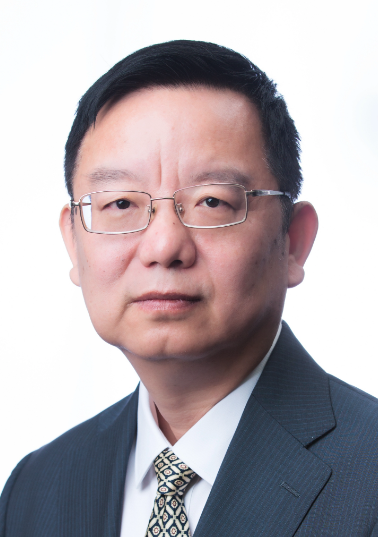 Heng Fan (范桁)合作论文数Lab of Solid State Quantum Information & Computation, Institute of Physics, Chinese Academy of Sciences;University of Chinese Academy of Sciences54
 Kai Xu (许凯)合作论文数Institute of Physics, Chinese Academy of Sciences;University of Chinese Academy of Sciences53Hekang Li合作论文数33
 Li Jie (李洁)合作论文数32Xiaohui Song合作论文数32Zhongcheng Xiang合作论文数27
 Yirong Jin (金贻荣)合作论文数25
 Hui Deng (邓辉)合作论文数Division of Quantum Physics and Quantum Information, University of Science and Technology of China24Kai-Xuan Huang合作论文数19
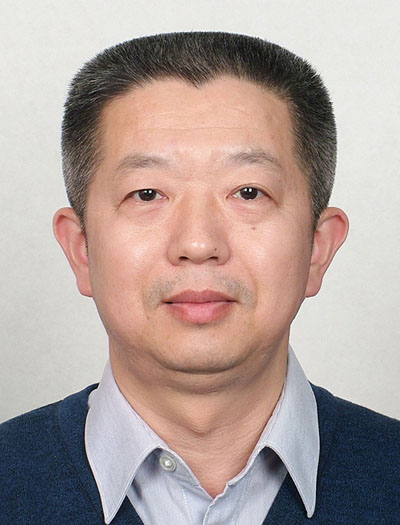 Shiping Zhao (赵士平)合作论文数中国科学院物理研究所17
 Qiujiang Guo合作论文数Zhejiang Univ, Dept Phys, Hangzhou 310027, Zhejiang, Peoples R China16Hao Li合作论文数16
 Yuran Zhang合作论文数Institute of Physics Chinese Academy of Sciences, Chinese Academy of Sciences16
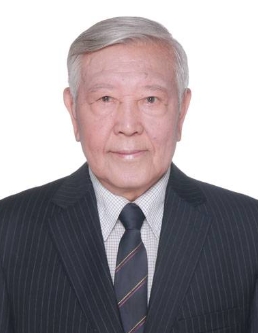 Zhongxian Zhao (赵忠贤)合作论文数Institute of Physics, Chinese Academy of Sciences16
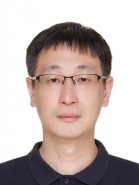 Haohua Wang (王浩华)合作论文数School of Physics, Zhejiang University16
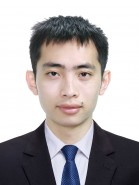 Chao Song (宋超)合作论文数School of Physics, Zhejiang University15Xueyi Guo合作论文数15
 Xiaohong Zhu (朱小红)合作论文数College of Materials Science and Engineering, Sichuan University15
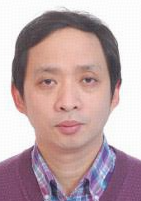 Xiaobo Zhu (朱晓波)合作论文数Division of Quantum Physics and Quantum Information, University of Science and Technology of China;Shanghai Institute for Advanced Studies, University of Science and Technology of China15
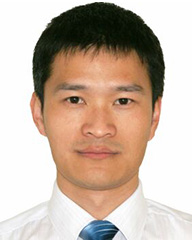 Songlin Li (黎松林)合作论文数School of Electronic Science and Engineering, Nanjing University14Liu Wuxin合作论文数13
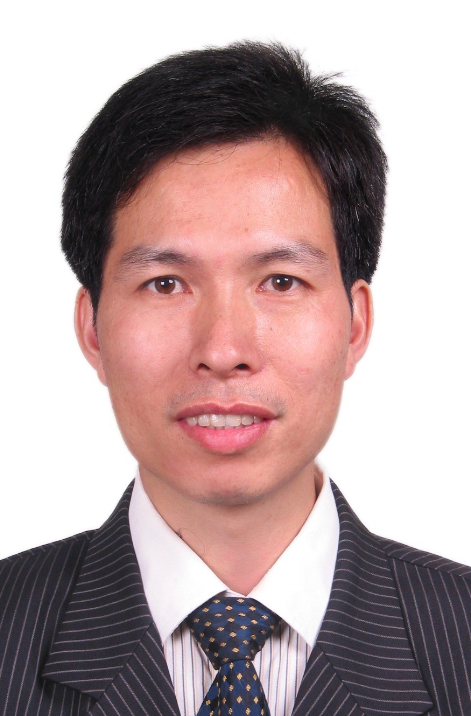 Shi-Biao Zheng (郑仕标)合作论文数College of Physics and Information Engineering, Fuzhou University13Pengtao Song合作论文数12Keqiang Huang合作论文数Chinese Acad Sci, Inst Phys, Beijing 100190, Peoples R China12
 Zhihui Peng (彭智慧)合作论文数School of Physics and Electronics, Hunan Normal University12Wei Peng (彭炜)合作论文数Shanghai Institute of Microsystem and Information Technology, Chinese Academy Sciences;University of Chinese Academy of Sciences12Yun-Hao Shi合作论文数11
 J.Y. Xiang合作论文数State Key Laboratory of Silicon Materials and Department of Materials Science and Engineering, Zhejiang University, Hangzhou 310027, China11
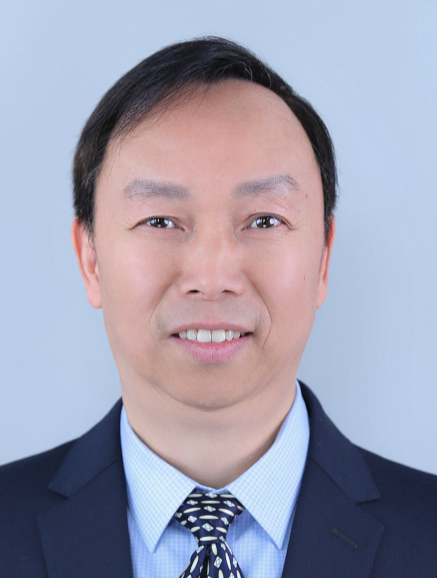 Yuanfu Chen (陈远富)合作论文数School of Integrated Circuit Science and Engineering, University of Electronic Science and Technology of China10
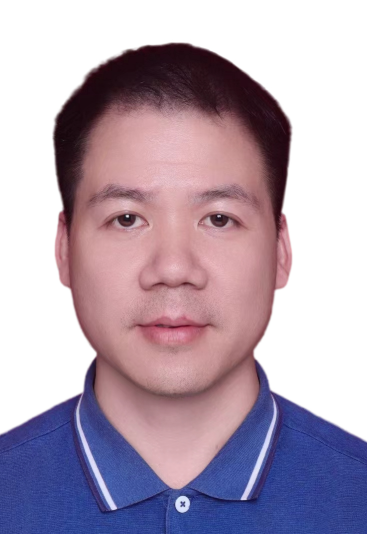 Zhenbiao Yang (杨贞标)合作论文数Department of Physics, College of Physics and Information Engineering, Fuzhou University;Fujian Key Laboratory of Quantum Information and Quantum Optics, Fuzhou University10
 Ye Tian (田野)合作论文数School of Physics & Information Technology, Shaanxi Normal University9
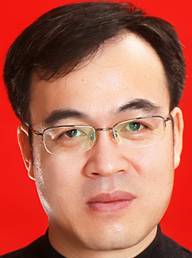 Yuxi Liu (刘玉玺)合作论文数清华大学集成电路学院9Gui-Han Liang合作论文数8Chi-Tong Chen合作论文数8Luhong Su (苏鹭红)合作论文数8h f chu合作论文数8Cheng-Lin Deng合作论文数8
 Da Xu合作论文数8Zi-Yong Ge合作论文数8He Zhang合作论文数8
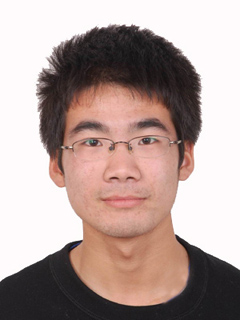 Wen Ning (宁文)合作论文数College of Physics and Information Engineering, Fuzhou University8Yarui Zheng合作论文数中国科学技术大学8
 Yang He合作论文数Tower Research Capital8
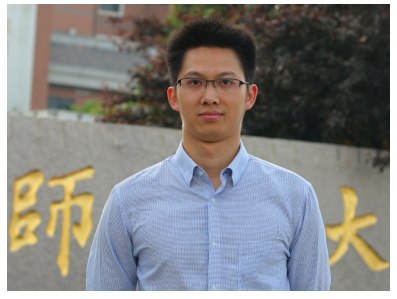 Jianmin Zhang (张健敏)合作论文数福建师范大学物理与能源学院8Peilin Lang合作论文数8Huyong Tian合作论文数8
 Yu Liu合作论文数Niels Bohr Institute, Exercise and Sports, Faculty of Science, University of Copenhagen7Wang Zhan合作论文数7
 Haifeng Yu (于海峰)合作论文数Division of Quantum Computation, Beijing Academy of Quantum Information Sciences7




