Generative artificial intelligence (GenAI) is opening up new opportunities for the intelligent advancement of construction safety knowledge management (CSKM). However, its potential applications across the CSKM lifecycle, as well as differences in perceptions among key stakeholders, remain underexplored. Drawing on semi-structured interviews with 24 construction safety experts, this study identified six functional roles through which GenAI could support CSKM and synthesized 24 potential application scenarios. A questionnaire survey and mixed-design ANOVA were then used to examine stakeholder differences in perceived importance. The results revealed a significant three-way interaction among stakeholder type, CSKM stage, and GenAI functional role. Across CSKM stages, the knowledge acquisition and creation stage was rated as the most important, whereas the knowledge transfer and sharing stage received less emphasis. Across functional roles, trustworthy and compliance-oriented governance of construction safety knowledge was considered the most critical. Stakeholder perceptions also showed marked heterogeneity: general contractors attached the greatest importance to GenAI-enabled CSKM, whereas supervisors assigned relatively lower importance, and the four stakeholder groups differed substantially in the functional scenarios they prioritized for future development. By integrating scenario importance with the degree of stakeholder divergence, the scenarios were further classified into four clusters: the core consensus zone, stakeholder-sensitive zone, exploratory potential zone, and conflict-coordination zone, with tailored development pathways proposed for each. These findings provide a theoretical basis for developing integrated strategies for GenAI-enabled CSKM and practical guidance for the intelligent transformation and performance improvement of safety knowledge management in the construction industry.
The significance of safety culture in construction is well established, yet its definition and measurement remain contested. Existing approaches often focus on organizational or behavioral interventions, overlooking how national policy texts function as cultural artifacts that encode institutional expectations. This study addresses this gap by examining how safety culture is constructed in regulatory texts using Latent Dirichlet Allocation and a theory-informed classification framework. Analysis of 45 construction safety policies from nine countries and three international organizations reveals three cultural pathways (values, cognition, and behavior), which are embedded in policy texts. These pathways are hierarchically structured and vary across jurisdictions, reflecting distinct governance styles and regulatory logics. Challenging the notion that safety culture is vague or externally imposed, the study demonstrates that policy texts serve as structured vehicles for encoding cultural meaning. It offers a scalable framework for extracting structured cultural meaning from regulatory documents and provides comparative insights that contribute to safety theory, policy analysis, and more context-sensitive regulatory design.
Natural hazards pose significant threats to housing infrastructure worldwide. Governments play a pivotal role in post-disaster housing reconstruction (PDHR). However, existing research often fails to distinguish between factors that governments can realistically manage and those beyond their control. This oversight limits the availability of practical guidance for effective policy-making. This study addresses this gap by identifying and evaluating Key Government-manageable Factors (KGMFs) to enhance the effectiveness of government-led reconstruction efforts, using recent flood events in China as a case study. A sequential qualitative approach was employed, which began with a comprehensive literature review to identify an initial pool of KGMFs. These factors were then refined and evaluated for their importance and implementation difficulty through in-depth interviews with government officials across three flood-affected case study sites. The study identifies 28 KGMFs across five dimensions, including policy framework, resource management, stakeholder coordination, quality supervision, and housing adaptation. Systemic implementation barriers were identified, including financial rigidity, inter-departmental coordination silos, policy ambiguity, and fragmented communication, which undermine the translation of policy intent into effective practice at the community level. This research contributes a novel analytical framework centered on “government-manageability” and provides a practical tool for policymakers to strategically allocate resources. By delineating actionable levers for intervention, the study offers crucial insights for improving the governance of post-disaster reconstruction in China and other contexts with significant state involvement.
Urban flooding increasingly disrupts transportation networks, requiring efficient coordination of repair operations. This paper addresses how to optimize post-flood road restoration scheduling as a scattered repetitive project in a sophisticated, real-time decision-making environment. The proposed framework integrates agent-based modeling with deep learning, where autonomous repair crews dynamically prioritize tasks based on real-time accessibility predictions from a neural network proxy model. The Beijing case study demonstrated that the accessibility-driven strategy significantly improved recovery of network functionality compared to nearest-first and random approaches, particularly during critical early restoration phases. This improvement matters for emergency managers and infrastructure operators who must rapidly restore community access to vital facilities such as hospitals after disasters. Future research can extend this framework to other hazards and infrastructure systems, incorporating advanced uncertainty quantification, climate-informed risk assessments, and adaptive decision-making mechanisms for enhanced disaster planning.
In recent years, the construction industry in China has witnessed a persistently high death toll, and human unsafe behavior is the main cause of accidents. Foremen, as key frontline managers on construction sites, play a critical role in enhancing workers' safety behavior through effective safety leadership. However, workers' psychological willingness to improve safety behavior is often restricted by negative social relationships and unhealthy interaction patterns caused by foreman's safety leadership. This study aims to investigate worker-foreman interactions from the perspective of developmental psychology and provide novel insights into the psychological mechanisms through which safety leadership influences safety behavior. Empirical studies were conducted on multiple construction projects, and structural equation modeling (SEM) was employed with 513 valid responses to examine the relationships between foreman safety leadership, worker-foreman attachment, and worker safety behavior. The results revealed that foreman safety leadership, including leading by example, participative decision-making, informing, and showing concern, significantly reduced workers' attachment avoidance. Attachment avoidance served as a mediating variable, negatively impacting workers' safety behavior. The effect of attachment anxiety was found to be nonsignificant in the model. Based on these findings, this paper offers valuable insights into the underlying causes of workers' behavior choices and the mechanism of safety leadership from an individual psychological standpoint, highlighting the importance of integrating psychological and behavioral theories to assess the interpersonal relationship quality in safety management practice across the globe. This study shifts the perspective of safety leadership and behavior studies from a macrolevel approach to a microlevel perspective, providing practical suggestions for integrating attachment theory into safety assessment and developing targeted safety leadership interventions.
Objective Although construction accidents in China have declined over the past decade, safety management in the construction industry continues to face persistent challenges. Weak safety leadership remains a critical factor contributing to the attenuation of safety requirements across organizational levels. This study aims to assess the current state of safety leadership among construction enterprise managers and to propose targeted improvement strategies grounded in the leadership-culture-behavior (LCB) theoretical framework. Methods Drawing on LCB theory, a safety leadership assessment scale was developed, covering four dimensionsu2014leading by example, vision motivation, care and respect, and performance controlu2014and consisting of 20 items tailored to construction enterprises. A questionnaire survey was administered to 1 115 managers in a Shenzhen-based construction enterprise. Following rigorous validity checks, 1 032 valid responses were retained (response rate: 92.5%). Descriptive statistics, one-way analysis of variance, and qualitative interviews were employed to evaluate the status of safety leadership. Differences across demographic variables, including gender, age, work experience, position, and educational background, were also examined. Results The overall safety leadership score was 4.18, suggesting a relatively high level according to established standards. However, notable imbalances were observed across dimensions: vision motivation (4.05) scored significantly lower than leading by example (4.27) and performance control (4.19). This result reflects a typical pattern of "strong institutional control but weak vision-driven leadership, " aligning with China's current phase of strict supervision in work safety. Three critical weaknesses were identified: (1) safety-prioritized decision-making (item L13, score 4.19), (2) innovative safety incentive mechanisms (item L24, 3.85, with only 29.5% reporting full compliance), and (3) implementation of reward and punishment systems (item L43, 3.96, with 66.7% reporting inadequate execution). Moreover, educational background was inversely correlated with leadership scores: high school graduates achieved the highest score (4.34), compared with bachelor's (4.15) and master's degree holders (3.95). This finding supports the "experience compensation effect" described in the efficiency-thoroughness trade-off theory, suggesting that less-educated front-line managers rely on practical experience and microlevel perspectives, whereas highly educated managers adopt norm-oriented frameworks with higher expectations of leadership effectiveness. Conclusions A three-tier intervention framework is proposed to address the identified challenges. First, vision-driven leadership should be strengthened through safety innovation incentives, such as innovation funds and quarterly microinnovation competitions. Second, employee care should be enhanced by establishing bidirectional communication channels, including monthly nonwork-related leader-subordinate interactions and the introduction of mental health days with counseling services. Third, reward systems should be continuously refined by aligning incentives to position-specific risks, linking safety performance to career advancement, and adjusting policies through regular evaluations. The findings emphasize that cultivating effective safety leadership requires organizational-level interventions that consider the diverse cognitive backgrounds of managers. The proposed scale offers a reliable tool for ongoing assessment and targeted improvement. Overall, this study provides practical guidance for strengthening safety leadership, preventing the erosion of safety management requirements, and enhancing safety culture within construction enterprises. Future research should extend validation of the framework across broader regions and examine the predictive relationship between safety leadership development and safety performance outcomes.
Extreme weather events increasingly threaten critical infrastructure, necessitating rapid and accurate assessment of transportation network damage for effective emergency response. However, such assessments are challenged by sparse and unevenly distributed post-disaster observation data. While data-driven and physics-based approaches offer possible solutions, they often face difficulties in integrating diverse domain knowledge and generalizing effectively under data-scarce conditions. This study proposes a Markov Random Field (MRF) framework to infer probabilistic flood inundation states from sparse observations. The model integrates geospatial information on elevation, physical principles governing hydrological flows, and topological characteristics of intersection vulnerability within a unified energy-based framework. Evaluation on Hurricane Harvey’s impact to Houston’s highway system indicates that the MRF model achieves consistently high predictive performance across varying levels of data sparsity. Specifically, with 40% observational data, the integration of hydrological and topological priors yielded an Intersection over Union (IoU) of 0.747, significantly surpassing the baseline elevation-only model (IoU = 0.517). The model also supports sequential updating of state estimates and parameters via Markov chain Monte Carlo sampling, allowing continuous refinement of inference results as new observational data becomes available. Furthermore, the probabilistic outputs support flexible, threshold-based risk classification, enabling adaptive decision-making for emergency resource allocation and laying the groundwork for digital twin applications. This work offers a transferable, knowledge-aware methodology for infrastructure resilience assessment under uncertainty.
Industrial environments involve complex human-machine collaboration, where behavioral variability and dynamic task interactions introduce safety risks that traditional rule-based or distance-based approaches cannot effectively capture. Existing systems typically rely on spatial thresholds or equipment states, lacking the datadriven intelligence needed to explain and predict unsafe behaviors in real time. To address these limitations, this study develops an intelligent framework for proactive safety management by introducing a task demand-capacity equilibrium model. Drawing on an organizational perspective from management science, this framework conceptualizes unsafe behavior as a system-level misalignment between task requirements and collective work crew configurations. This approach integrates computer vision and ultra-wideband (UWB) sensing for automated role recognition and employs unsupervised clustering to derive adaptive thresholds for risk detection. This research reveals several key insights. First, shifting the analytical unit from the individual operator to the collective work crew enables the capture of nonlinear dynamics between workforce size and safety capacity, significantly enhancing the interpretability of behavioral risk emergence. Second, the clusteringbased strategy enables the autonomous identification of recurrent work crew patterns without reliance on rigid rules, allowing the system to adaptively evolve with changing task demands and site variability. Finally, field validation in mobile crane operations yielded a precision of 91.68%, demonstrating the feasibility of transforming real-time sensing data into actionable safety knowledge. This research thus proposes a methodological digital framework for intelligent risk analytics, providing a reference for AI-enabled decision-support systems to utilize operational data to enhance proactive prevention and adaptive safety management in relevant safety-critical industries.
The construction industry remains one of the most hazardous sectors worldwide, where persistent accident rates reveal the limitations of relying solely on technical and regulatory controls. In this context, safety culture has been widely recognised as a critical determinant of performance. Yet while safety culture is theoretically understood as an organisational attribute reflecting shared values and norms related to safety, it is often operationalised in practice through compliance indicators and managerial initiatives. This study therefore examines how safety culture takes shape within construction projects in Australia and China through the everyday practices and interpretations of management teams operating under distinct socio-cultural and regulatory environments. Semi-structured interviews with 20 professionals were thematically analysed to identify recurring configurations of responsibility, authority, and engagement. The findings indicate that in Australia, participatory leadership and shared accountability were reinforced by relatively stable regulatory frameworks, whereas in China, hierarchical oversight and compliance-oriented enforcement were shaped by fragmented governance and production pressures. These results demonstrate how safety culture emerges differently across institutional contexts through contextually conditioned managerial practices. The study contributes to debates on the theory-practice divide in safety culture and provides insight into how institutional environments influence the formation of safety-related organisational patterns.
The unstructured and evolving nature of construction sites poses significant challenges to safety monitoring, making manual inspections labor-intensive and susceptible to subjectivity. While vision-language models show promise in automating this task, existing methods lack fine-grained reasoning grounded in localized visual evidence, leading to hallucinations and unverified judgments. To bridge this gap, this paper proposes a vision-language reinforcement learning framework for fine-grained construction hazard inspection. A training strategy based on Group Relative Policy Optimization enables the model to perform visually grounded reasoning without requiring expensive bounding box labels. Our method utilizes an interleaved reasoning paradigm where the model explicitly generates localized visual evidence to anchor its decisions. Furthermore, a dual-semantic alignment reward decouples the objective into hazard categorization and existence conclusion, guiding the model toward precise inspection. Experiments demonstrate that our framework effectively unifies hazard grounding and reasoning. Compared with the strongest baseline, VEST achieves 7.0% relative improvement in hazard existence accuracy and 7.8% relative gain in contextual reasoning relevance. This study makes three contributions: (i) the RL-based framework for visually grounded construction hazard inspection, (ii) the dual-semantic reward design, and (iii) the empirical evidence that image-level supervision can induce coordinate-grounded reasoning without explicit bounding-box annotations.
Repair sequence scheduling is a critical step in the recovery planning of interdependent critical infrastructure systems (CIS) in the aftermath of a disaster. It is an important but challenging task that forms the basis for recovery planning and repair resources allocation by CIS managers. Despite the increasing number of studies analyzing repair sequence scheduling of CIS, existing approaches often struggle to model the complex behavior of CIS accurately under the dynamic impact of repair sequence. Consequently, they fail to fully utilize the detailed operational data of the system, hindering the solving efficiency of repair sequence decision-making models (RSDMMs). To overcome these limitations, this study proposes a new framework for solving RSDMMs. This framework introduces an advanced genetic algorithm-based method (GABM) which incorporates three rules that utilize detailed operational data of the damaged CIS. To obtain the detailed operational data needed to support the improvements in the advanced GABM, the framework leverages a high-level architecture (HLA)-based cosimulation approach to model the recovery process of CIS in detail. The cosimulation approach integrates domain-specific CIS models to capture the interdependencies among CIS and the detailed recovery process data of CIS under the dynamic impact of the repair sequence. To evaluate the effectiveness of the proposed framework, a case study involving two interdependent power and water systems was conducted. The results demonstrated that the proposed cosimulation approach can accurately model the dynamic impact of the repair sequence on the state of CIS. Furthermore, the advanced GABM exhibits significant advantages in terms of convergence speed and identification of the optimal repair sequence. Overall, the proposed framework enhances the ability to solve the RSDMM and supports CIS managers in efficiently responding to disasters.
Poor ethical performance of construction project management teams (EPCPMT) has been shown to negatively affect project quality, public safety, and the industry’s reputation. However, there has been no clear definition of this construct and no rigorous psychometric scale to measure it. This paper proposes a well-theorized conceptualization of EPCPMT grounded in professional ethics and stakeholder theory within the micro-meso-macro ethical framework. Building on this, a 32-item, multidimensional scale was developed and validated across three studies in the Chinese construction industry. Results support a reflective-formative second-order model comprising four dimensions: Professionalism & Responsibility, Safety & Health, Integrity & Justice, and Society & Environment. The scale exhibits robust psychometric properties and satisfactory fit indices across two independent samples. These findings lay the foundation for further empirical investigation and theoretical development in project management ethics. Practically, the scale offers a standardized instrument for evaluating ethical performance and informing targeted ethical training and intervention strategies in construction projects.
Allocating resources effectively for the recovery of facilities and services after a disaster is essential to improve the sustainability and well-being of affected residents who face various challenges and pressures. A significant challenge in this process is identifying vulnerabilities and strategically prioritizing resource to address residents' postdisaster needs. These needs change over time, including both their urgency and the extent to which they are fulfilled, as facilities recover. However, currently, no quantitative computational model characterizes these needs and further guides resilience evaluation and infrastructure rush repair. This study introduces an evaluation framework that monitors residents' unmet needs by keeping track of the needs they report and addressing feedback gathered from social sensing. Residents' postdisaster needs are first identified by clustering 336,928 pieces of appeal and feedback data using latent Dirichlet allocation (LDA) topic modeling. These needs are then validated through a Delphi study and modeled into a three-level hierarchy. Then, we characterized residents' expected recovery curve over time as a benchmark and used the actual recovery based on needs fulfillment to quantify the discrepancy, which served as the proxy for resilience. The proposed framework was validated using empirical data from a regular and an extreme rainstorm that occurred in 2020 and 2023 in Beijing. The findings offer valuable insights into how residents' most urgent needs and the corresponding types of infrastructure repair needed change across different recovery phases and for different types of rainstorms. These insights help guide policymakers in improving the effectiveness of disaster response and in taking proactive measures for infrastructure maintenance to prevent future disasters.
Unethical behaviors among contractors are prevalent in engineering management activities within the construction industry, significantly affecting project performance, public safety, and the industry’s reputation. Despite the urgent need to enhance the ethical performance of contractor managers, current research lacks a theoretical framework to systematically categorize and characterize these unethical behaviors. This study fills this gap by conducting semi-structured interviews with 20 experienced construction project managers in China, followed by a qualitative content analysis. The findings indicate that contractor mangers’ unethical behaviors can be organized into a framework comprising three levels, five dimensions, and 18 themes. The most common behaviors identified include “construction disturbance,” “qualification rental,” and “deception in settlement.” Additionally, the study explores the causes of these unethical behaviors, revealing power and responsibility imbalances within the supply chain and the lack of moral competencies among contractor managers in the construction industry. This study offers a theoretical taxonomy framework for contractor managers to identify and assess ethical performance in practice and provides a scientific basis for authorities to establish ethical guidelines and enhance ethical management practices in the construction industry.
Construction contract management is crucial for the smooth implementation of projects, and contract risk recognition is key to construction contract management. However, complex legal terminology often makes project managers find contract management training quite challenging. Recently, learner-centered project-based learning (PBL) has flourished, but few related studies concentrate on construction contract management training. This study aims to explore the impact of PBL on improving construction contract management training and the specific mechanisms through eye-tracking technology and then conclude the visual search strategies for recognizing contract risks. We designed a project-based learning training program based on the ADDIE (analyze, design, develop, implement, evaluate) theory and recruited managers to participate in the training. Forty participants finished the contract risk recognition experiment, and related algorithms were used to extract eye fixation points and analyze the visual trajectories. The results show: (1) project-based learning can significantly improve risk recognition rates (by 6%, p=0.004, d=0.588) and reduce the fixation time on keywords in contracts, indicating that participants can more deeply experience their roles in engineering and risk management and increase attention to keywords; (2) participants recognizing risks successfully followed similar visual search patterns, with visual trajectories focused on specific risk areas rather than distracting words; and (3) participants recognizing risks successfully tended to fully observe a subarea and systematically move to another, forming subject-driven and predicate-driven visual search patterns, revealing that participants can better understand the connections between knowledge and form a logical and sequential visual search pattern. In terms of the body of knowledge, this study deconstructs the specific mechanisms by which PBL improves contract management training, proposes a contract risk search pattern based on visual scanning paths and expands the ADDIE model to the ADDIEO (analyze, design, develop, implement, evaluate, optimize) model. Practically, this paper has significance for improving construction contract management training and developing intelligent contract risk recognition platforms.
The application of construction robots introduces unprecedented safety challenges, underscoring a research gap in safety risk assessment throughout the application processes. This paper focused on the lifecycle safety risks associated with the entry, debugging, operation, maintenance, and exit phases of construction robots, identifying 13 risk categories and 52 risk factors. Moreover, Takagi and Sugeno fault tree analysis (TS-FTA) and Bayesian network were integrated to establish risk assessment models based on accident type analysis, indicating environmental failures and unsafe management behaviors as critical in electrical accidents, while human and physical failures are predominant in mechanical injuries. The results underscore unique risk manifestations and management priorities, emphasizing the importance of addressing emerging risks and prioritizing resources for critical risks such as insufficient on-site safety risk control, inadequate emergency management, and cluttered environment. This paper offers a comprehensive framework for risk assessment and management in construction robot applications, contributing to safer project execution.
Climate change has led to increasing frequency and intensity of extreme weather events worldwide, making cities more vulnerable to urban flooding. While the direct impacts of flooding on safety and property damage have been extensively studied, the indirect effects of disrupted accessibility to essential facilities and services remain a critical yet under-addressed challenge. Current work often overlooks the complexity of geographical dependencies and the diverse nature of accessibility needs, leading to suboptimal flood mitigation efforts. This study proposes an integrated accessibility-driven framework for identifying critical flood hotspots and prioritizing flood mitigation interventions. The framework consists of three key components: (1) quantifying the importance of different facilities by considering residents' diverse needs for urban services during flood conditions; (2) developing an integrated accessibility index that incorporates multiple facility types weighted by their importance; and (3) proposing a greedy restoration strategy that prioritizes the repair of flood hotspots based on their impact on the integrated accessibility. The proposed framework is demonstrated through a case study in the core urban area of Beijing. The results reveal that repairing flood hotspots based on their impact on integrated accessibility leads to a more rapid and effective recovery of regional accessibility compared to other strategies. A comparative analysis of different flood management strategies highlights the effectiveness of the proposed accessibility-based approach in guiding flood mitigation efforts. This research provides a quantitative tool for urban planners and decision makers to enhance the equity and resilience of urban systems in the face of increasing flood risks.
Cities are complex systems that develop under complicated interactions among their human and environmental components. Urbanization generates substantial outcomes and opportunities while raising challenges including congestion, air pollution, inequality, etc., calling for efficient and reasonable solutions to sustainable developments. Fortunately, booming technologies generate large-scale data of complex cities, providing a chance to propose data-driven solutions for sustainable urban developments. This paper provides a comprehensive overview of data-driven urban sustainability practice. In this review article, we conceptualize MetaCity, a general framework for optimizing resource usage and allocation problems in complex cities with data-driven approaches. Under this framework, we decompose specific urban sustainable goals, e.g., efficiency and resilience, review practical urban problems under these goals, and explore the probability of using data-driven technologies as potential solutions to the challenge of complexity. On the basis of extensive urban data, we integrate urban problem discovery, operation of urban systems simulation, and complex decision-making problem solving into an entire cohesive framework to achieve sustainable development goals by optimizing resource allocation problems in complex cities.
The complexity of post-disaster recovery increasingly challenges urban resilience and the effective fulfillment of residents’ needs. Traditional recovery models often prioritize infrastructure restoration, overlooking how residents’ needs interact with social agencies and facilities. This study introduces a hypernetwork-based framework to guide the recovery planning of infrastructure systems, analyzing the generation and dissolution of hyperedges over time to quantify recovery dynamics. To demonstrate the framework’s applicability, we analyzed 336,928 resident-generated appeals and their corresponding resolution records collected from the government in Beijing. Results show that (1) hyperedges associated with essential needs for emergency communication, road access, and water supply are the most critical in disaster response and recovery, as it exhibits the highest hyperedge degree and frequency, with over 40% nodes and 50% hyperedges underperform in their respective metrics. (2) Resource misallocations across these hyperedges degrade recovery performance, with specific needs requiring pre-disaster preparedness in communication systems, labor-intensive actions in transportation systems, and cross-departmental coordination in water supply systems. (3) High-frequency hyperedges show low similarity (average below 0.33), suggesting insufficient preparedness of distributed resources for critical needs. (4) Resource-based hyperedge interactions dominate during the early recovery stages through infrastructure restoration, while administrative interventions become more significant in later stages. Theoretically, this study advances urban recovery modeling by bridging interactions among residents’ needs, social agencies and facility restoration within a hypernetwork. Practically, it provides tools for policymakers to implement prioritized planning and identify critical actors, thereby supporting a recovery process aligned with residents’ needs.
 Guo Cheng-jun合作论文数52DongFang He (何东方)合作论文数37
 Nan Li (李楠)合作论文数Department of Construction Management, School of Civil Engineering, Tsinghua University33Peng Hao (郝蓬)合作论文数32ChunShan Lu (卢春山)合作论文数32YingChuan Zhang (张英川)合作论文数25
 Yuecheng Huang (黄玥诚)合作论文数Department of Construction Management, School of Civil Engineering, Tsinghua University23Guo Li (李果)合作论文数19
 Xingpeng Liu (刘兴鹏)合作论文数Heart Rhythm Care Group16Zaishang Li (李在上)合作论文数15
 Huey Wen Lim合作论文数School of Property, Construction and Project Management, RMIT University15
 Binchao Liao (廖彬超)合作论文数Department of Construction Management, School of Civil Engineering, Tsinghua University15
 Wang Tao (汪涛)合作论文数School of Public Policy and Administration, Chongqing University14
 Chunlin Wu (吴春林)合作论文数13
 Tingsheng Zhao (赵挺生)合作论文数School of Civil and Hydraulic Engineering, Huazhong University of Science and Technology13
 Changsheng Ma (马长生)合作论文数Beijing Anzhen Hospital, Capital Medical University;Graduate School of Capital Medical University12
 Rafiq M. Choudhry合作论文数Civil Engineering Department, College of Engineering, Imam Mohammad Ibn Saud Islamic University12WenLong Dai (戴文龙)合作论文数11
 Shouqing Wang (王守清)合作论文数Hang Lung Center for Real Estate, Tsinghua University;Department of Construction Management, School of Civil Engineering, Tsinghua University11
 Deyong Long (龙德勇)合作论文数Beijing Anzhen Hospital, Capital Medical University11Qiao-Yuan Li合作论文数10
 Jianzeng Dong (董建增)合作论文数Heart Failure Center, Beijing Anzhen Hospital, Capital Medical University10Rong-Hui Yu (喻荣辉)合作论文数9
 Yao Wang合作论文数9YunPeng Chi (迟云鹏)合作论文数9KeJuan Ma (马克娟)合作论文数9Lin Zhao (赵林)合作论文数9Donghui Zhao合作论文数9
 Hongling Guo (郭红领)合作论文数Department of Construction Management, School of Civil Engineering, Tsinghua University9Fuli Hu合作论文数9Mengchun Zhang合作论文数8ChuanDong Geng (耿川东)合作论文数8Mengdong Dai合作论文数8
 Ribo Tang (汤日波)合作论文数Beijing Anzhen Hospital, Capital Medical University8Chuanmin Zhang合作论文数8Botao Gu合作论文数7CanCan Lin (林璨璨)合作论文数7Bing Liu (刘冰)合作论文数7
 Xila Liu (刘西拉)合作论文数Shanghai Jiao Tong University7
 Jinghua Liu (柳景华)合作论文数Beijng Anzhen Hospital, Capital Medical University7Xiaoquan Lv合作论文数7Shengjie Pan合作论文数6
 Zeyu Zhao合作论文数Department of Construction Management, Tsinghua University6JiXin Huang (黄吉欣)合作论文数6
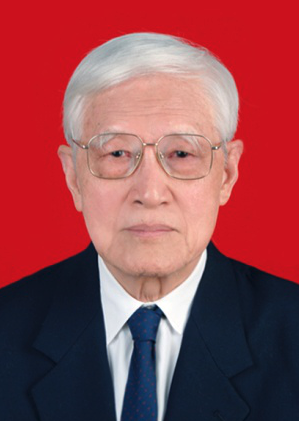 Maohong Yu (俞茂宏)合作论文数School of Human Settlements and Civil Engineering, Xi'an Jiaotong University;School of Astronautics, Xi'an Jiaotong University6Linyao Ma (马琳瑶)合作论文数5Hongyi Zhu (祝宏毅)合作论文数5Shutao Bi (毕庶涛)合作论文数5Huang Xinyu (黄新宇)合作论文数5




