This study introduces a novel approach to robot-assisted ankle rehabilitation by proposing a dual-agent multiple model reinforcement learning (DAMMRL) framework, leveraging multiple model adaptive control (MMAC) and co-adaptive control strategies. In robot-assisted rehabilitation, one of the key challenges is modeling human behavior due to the complexity of human cognition and physiological systems. Traditional single-model approaches often fail to capture the dynamics of human-machine interactions. Our research employs a multiple model strategy, using simple submodels to approximate complex human responses during rehabilitation tasks, tailored to varying levels of patient incapacity. The proposed system's versatility is demonstrated in real experiments and simulated environments. Feasibility and potential were evaluated with 13 healthy subjects and nine patients with lower-limb motor disorders, yielding promising results that affirm the anticipated benefits of the approach. This study not only introduces a new paradigm for robot-assisted ankle rehabilitation but also opens the way for future research in adaptive, patient-centered therapeutic interventions.
INTRODUCTION: The Low Energy Availability in Females Questionnaire (LEAF-Q) is a 25-question survey on the physical symptoms of insufficient energy intake across injuries, gastrointestinal function and menstrual dysfunction. There are currently limited studies using the LEAF-Q in footballers, with small sample size being a limitation of all previous studies and only one study in a national football team context. Aims: The aims of this study were (1) to describe LEAF-Q responses for female national team footballers and (2) to examine LEAF-Q responses based on player age and club location. METHODS: Players from female national teams (youth and senior teams) completed LEAF-Q surveys between 2019 and 2025. Descriptive statistics and linear mixed models were used to report the relationship between LEAF-Q outcomes, age and club location. RESULTS: 829 surveys were completed by 328 players (19.0 ± 4.3y), with a mean LEAF-Q total score of 6.97 ± 3.84 and subcategory scores of 2.57 ± 2.34 for injury, 1.74 ± 1.56 for gastrointestinal function and 2.66 ± 2.35 for menstrual function. A significant difference in injury subcomponent score and binary LEA risk was reported based on age (p < 0.05), where both increased with player age (estimate = 0.05 and 0.06 respectively). Further, senior national team players’ club location had a significant difference based on the menstrual subcomponent score (p < 0.05 for Australia compared to Europe). CONCLUSION: LEA risk was prevalent among a population of female national team footballers. Age had a significant association with the injury subcomponent score and binary LEA risk (p < 0.05), while players’ club location had a significant association with the menstrual function subcomponent (p < 0.05).
ABSTRACT:McGillivray, I, Murphy, A, Reid, M, Perri, T, and Duffield, R. Accelerometry insights into gym-based plyometric exercises; evaluating metrics, reliability, and sensor placement. J Strength Cond Res XX(X): 000-000, 2025-Quantification of training load is important for athletic performance, yet traditional field-based accelerometry often fails to capture gym-based training demands, particularly in the vertical plane. This study investigates the use of triaxial accelerometry for assessing training load in gym-based plyometric exercises, examining the influence of sensor placement and the reliability of accelerometry-derived metrics. Ten elite youth tennis players (16.0 ± 1.6 years) completed a standardized plyometric session on 2 occasions, consisting of 4 sets of 7 exercises, performed in a superset sequence. Inertial measurement units (IMUs) were worn at 4 anatomical locations (thoracic spine, lumbar spine, left ankle, right ankle), collecting 4 key metrics: peak upward acceleration (PUpAcc), 1D upward PlayerLoad (1DPL-up), 2D PlayerLoad (2DPL), and 3D PlayerLoad (3DPL). Results showed skater hops consistently produced the lowest acceleration magnitudes, whereas altitude landings recorded the highest. Ankle-mounted sensors recorded significantly higher acceleration values than thoracic and lumbar placements ( p < 0.05), confirming the attenuation of signals up the body. PlayerLoad metrics demonstrated strong agreement across sensor locations ( r = 0.50-0.96) in 119/126 comparisons, whereas PUpAcc showed lower associations ( r = 0.01-0.57). Moderate to good reliability values (intraclass correlation coefficient = 0.50-0.84) existed across all metrics, with greater consistency in PlayerLoad metrics compared with PUpAcc. Overall, sensor placement influences accelerometry-derived measures of plyometric activities, with PlayerLoad metrics demonstrating intersensor agreement and reliability across placements. Although thoracic-mounted IMUs capture whole-body motion, they may underestimate lower-limb loading. These preliminary findings support using PlayerLoad metrics for monitoring gym-based plyometrics while highlighting the need for further research into PUpAcc as a measure of impact-related acceleration.
PURPOSE:Sleep is important for athlete health and performance; however, the relationship between nutritional intake and sleep in elite male athletes is not well reported. This study described the relationship between dietary intake and sleep in male rugby league athletes. A secondary aim examined how evening dietary intake (≥6 PM), macronutrient and micronutrient composition, and dinner timing relates to sleep variables. METHODS:Twenty-eight rugby league athletes had their dietary intake and sleep monitored for 7 consecutive days during preseason. Sleep (total sleep time [minutes], sleep efficiency [percentage], wake after sleep onset [minutes], and sleep onset latency [minutes]) was measured using actigraphy and sleep diaries. Dietary intake, including total daily and evening (>6 PM) energy, macronutrient, and micronutrient intake, was measured using a smartphone application (MealLogger and FoodWorks). Dietary data were paired with the corresponding nightly sleep outcomes to enable day-to-day associations between dietary intake and sleep behaviors. Furthermore, to investigate the influence of nutrient timing, all food and fluid intake consumed ≥6 PM was isolated and analyzed separately. Relationships between nutrient intake and sleep were assessed using linear mixed models. RESULTS:Evening data showed for every 1 g and 1 g·kg-1 increase in sugar ≥6 PM, there was a significant decrease in sleep efficiency by -0.21% (P = .03) and -0.22% (P = .02), respectively. No other significant associations between intake or sleep outcomes were shown. CONCLUSIONS:Evening (≥6 PM) sugar intake in professional male rugby league athletes is associated with poorer sleep efficiency. Future research should explore how the manipulation of dietary intake could guide dietary recommendations to improve sleep in rugby league athletes.
PURPOSE:To assess the relationship between travel variables and perceived fatigue, sleep, stress, soreness, and overall wellness responses in female national team footballers. METHODS:Details of 342 flights over a 3-year period from 45 professional footballers in a women's national team were collated and confirmed with an online flight database; including duration, time zone difference, direction, trip type, and arrival/departure times. Perceptual ratings of fatigue, sleep, stress, and soreness were self-reported for up to 3 days posttravel. Linear mixed-effects models assessed associations between travel variables and perceptual responses as outcome variables. Post hoc pairwise comparisons were conducted with estimated marginal means to assess differences between categorical variables (significance at P < .05). RESULTS:Larger time zone changes were associated with increased fatigue, poorer sleep, and worse total wellness scores (P < .001). Eastward travel was associated with poorer perceived responses than westward, with higher fatigue (P = .003), sleep (P = .001), and total wellness (P = .026). Morning arrivals were associated with better fatigue and sleep ratings than evening (P < .001), while daytime departures observed reduced fatigue (P = .013) and soreness (P = .004) compared with morning. Return trips were associated with greater fatigue than outbound or transition trips (P < .001). Most measures improved 2 days postarrival (P < .001). However, mostly small or trivial effect sizes were observed, and all models had low explanatory power (marginal R2 = .001-.10). CONCLUSIONS:Larger time zone shifts, eastward travel, and evening arrivals had small associations with poorer fatigue, sleep, and total wellness, while westward travel and morning arrivals yielded small improvements. Overall, travel variables explained limited variance in wellness ratings, suggesting other factors also influence posttravel responses.
OBJECTIVES:To systematically review the outcomes of sport-related concussion in soccer players. DESIGN:Systematic review. METHODS:A systematic literature search was conducted in MEDLINE, PsycINFO, Academic Search Premier, EMBASE, Scopus, and CINAHL. Two reviewers independently screened articles against inclusion criteria and assessed risk of bias. Studies published before 13 February 2025 that investigated post-concussive symptoms, symptom duration and resolution, return-to-play (RTP) time, or neurocognitive outcomes following soccer-related concussion (SoRC) were included. RESULTS:A total of 23 studies met the inclusion criteria. Head-to-player contact was the most common mechanism of injury. Defenders and midfielders had the highest total number of concussions, whilst goalkeepers had the highest risk relative to their numbers on the field. Common post-concussive symptoms included headache, dizziness, nausea, and confusion. These symptoms generally resolved within one to four weeks, although prevalence and duration varied across studies. RTP time ranged from one week to three weeks in adults and was longer in youth, with some evidence of slower RTP in females. Neurocognitive outcomes were inconsistent, with some studies reporting poorer performance on tasks involving attention, memory, planning, and visuoperception, whilst others found no significant changes. CONCLUSION:The literature on outcomes following SoRC remains mixed. The limited and inconsistent evidence across symptoms, recovery, and neurocognitive domains highlights the need for standardised measures and more longitudinal studies to guide clinical management and the development of RTP protocols. PROSPERO Registration Number CRD42024519427.
Objective: To describe sleep behaviors of male rugby league athletes and examine the association with self-reported sleep behaviors, attitudes, and knowledge. Methods: Twenty-two rugby league athletes completed 7 consecutive nights of sleep monitoring using wrist-worn ActiGraphy, with the Sleep Practices and Attitudes Questionnaire completed at the commencement of the monitoring period. ActiGraphy measures included time in-bed (hh:mm), time out-of-bed (hh:mm), duration in bed (minutes), sleep duration (minutes), sleep efficiency (percentages), sleep onset latency (minutes), wake after sleep onset (minutes), and number of awakenings. The Sleep Practices and Attitudes Questionnaire assessed self-reported sleep behaviors, sleep hygiene practices, and sleep knowledge. Linear regressions determined associations between objective sleep measures and subjective self-reported sleep behaviors, sleep knowledge, and sleep attitudes. Results: Sleep behaviors showed mean bedtime at 10:25 PM (45) minutes and wake time 6:30 AM (25) minutes, with 484 (41) minutes in bed. Sleep efficiency was 73% (5%), resulting in a sleep duration of 355 (42) minutes. In contrast, subjective data reported sleep duration as 7.5 (1.0) hours. A small association was observed between lower objective sleep efficiency and longer subjective sleep duration (P < .05, r(2) = .21). Earlier bedtimes related to better coping with chronic insomnia (r(2) = .23, P = .02) but showed small associations with greater in-bed activities (r(2) = .25, P < .05). Longer time in bed and increased sleep duration had small associations with poorer coping with chronic insomnia strategies (r(2) = .25 and r(2) = .24, respectively; P < .05). No associations existed between sleep behaviors and sleep knowledge (P < .05). Conclusions: Suboptimal sleep duration (<8 h) and efficiency (<85%) exist in this cohort of players, despite high sleep knowledge. Therefore, sleep education needs to consider influencing factors on sleep behaviors when designing sleep education programs.
INTRODUCTION: Asymmetries in lower-limb biomechanical measures are typically oriented towards clinical populations. However, there is emerging relevance for athletes given possible links to injury risk and performance. Traditionally, laboratory-based assessments have quantified asymmetry, however, wearable inertial sensors may overcome logistical limitations and enable scalable, longitudinal tracking in ecologically valid settings. The aim of this systematic review was to evaluate the utilisation and suitability of inertial sensors, different running protocols, data processing methods and asymmetry calculations in asymmetry-based running assessments in healthy active adults. METHODS: Following PRISMA-Scoping Reviews, seven databases were searched with Boolean terms for inertial sensors, asymmetry, and athletic movement. Study and participant characteristics, sensor specifications, running protocols, processing methods, and asymmetry metrics were extracted. RESULTS: From 8,778 identified records (4,349 after de-duplication), 40 studies met inclusion criteria. Samples averaged 24±14 participants, with cohorts mainly elite (n=13) or recreational athletes (n=12). 22 studies addressed validity/reliability, however few used criterion-standard comparators. 30 described asymmetry measures in specific populations, and 13 sufficiently justified sensor suitability. Protocols were heterogeneous with 36 unique sensor implementation methods, and environments were predominantly treadmill based (n=29). Accelerometers were most common (n=20), followed by combination inertial sensors (n=14); and sampling frequencies spanned 30–2000 Hz. Most studies used one or two sensors, typically midline or bilateral lower-limb placements. Terminology for limbs and metrics lacked consistency. Asymmetry was commonly computed using Zifchock’s symmetry index (n=14), alongside ratio/difference, waveform-based, or symmetry angle methods. CONCLUSION: The evidence of heterogeneous protocols, inconsistent terminology/indices, variable sampling and placement positions, and inconsistent validation techniques suggest that current inertial sensor approaches do not appear to be sufficiently accurate or reliable for individual asymmetry assessment. Standardised definitions, validated data processing practices (including reliability and criterion-standard comparisons), more comprehensive datasets are required before translating asymmetry magnitudes into individual performance or injury decisions.
Play the ball (PTB) is an important tactical performance indicator in elite rugby league, referring to the action whereby a tackled ball carrier restarts play by rolling the ball underfoot to a teammate following a completed tackle. Despite its growing use in applied performance analysis, the accuracy of commercially coded PTB duration data has not been verified. This study aimed to assess the agreement between commercial and independently coded play the ball event durations from National Rugby League matches. A cross-sectional methodological design was employed using data from 1185 matches over six seasons (2018-2023). A stratified random sample of 372 PTB events was selected within eight standard deviation (SD) categories. Commercial coding of PTB duration was compared against independent coding with stopwatch during playback of official broadcast. Agreement was evaluated using intraclass correlation coefficients (ICCs), typical error of measurement (TEM), and Wilcoxon Signed Rank Tests for systematic bias. Agreement was poor for short-duration PTBs (<2.44 s; ICC = -0.03 to 0.32), with systematic underestimation by the commercial provider (e.g., < -3 SD: mean difference = -3.15 s; TEM = 2.51 s; p < 0.001). Agreement improved for moderate-to-long PTBs (>= 2.48 s; ICC = 0.75-0.90), with strongest agreement observed in the 1-2 SD category (ICC = 0.90; TEM = 0.09 s; p = 0.60). Commercial PTB coding demonstrated acceptable agreement for moderate and longer durations but may misrepresent very rapid PTBs. Ongoing evaluation to ensure accurate PTB event coding is warranted given the importance of ruck speed in professional rugby league matchplay.
This study investigated the alignment between external training load metrics and coach-prescribed development goals in an elite youth basketball setting. External training load data from training drills were collected over two years from 25 elite male youth basketball players in a full-time residential academy. At the start of each term, coaches developed and assigned individual developmental goals (IDGs) for each player. Using inductive thematic analysis, these IDGs were retrospectively grouped into four overarching development goal categories (defensive, offensive, skill, and physical) and 16 specific goal types (e.g., cutting, shooting, and load tolerance). Separately, external load metrics were recorded during all on-court training sessions using Catapult Vector S7 devices. To align IDGs with external load metrics, two multinomial logistic regression models were developed to classify (1) development goal category and (2) specific goal type (SGT) using per-minute external load metrics. Both models achieved 66% classification accuracy (Kappa = 0.60). Key predictors, such as high-intensity deceleration counts, vertical PlayerLoad, and high-speed running distances, were retained in both models following stepwise selection. Model performance was strong, with large reductions in AIC (ΔAIC = 1224.1 and 2540.7, respectively), demonstrating that coach-assigned IDGs were associated with distinct external load profiles. Additionally, accumulated training time differed significantly across specific goal types, reflecting systematic variation in emphasis across the season. These findings demonstrate that external training load metrics reflect the structure of coach-assigned development goals, offering a data-driven framework to evaluate alignment between training design and physical demands in youth basketball.
This study investigated the effects of pre-cooling and cooling breaks on thermoregulatory, hydration and running responses in football (soccer) players in moderate and hot temperatures. Forty male youth footballers participated in at least two of four matches, during which core body temperature (Tcore), heart rate (HR), match running, hydration and perceptual responses were measured. Cooling breaks (CBs), consisting of ice-cold towels and drinks, were compared to drinking breaks (DBs), consisting of passive rest and a temperate drink, applied at the same timeframes. Both were used as pre-cooling for 10 min before the warm-up, before the pre-match, during half-time and during additional 3-min cooling breaks at the 25th minute of each half. Initially, 20 players performed two crossover matches in 25 °C wet-bulb globe temperature (WBGT) receiving cooling (CB25) and drinking (DB25). A second group of 20 players played a regular match in 25 °C WBGT with no breaks (NB25) and then a match in 33 °C WBGT during which they received either cooling (CB33) or drinking breaks (DB33). In CB25, players felt cooler (p < 0.001) and less fatigued (p < 0.045) than in DB25, without differences in match running (p > 0.20), HRmean (p > 0.35) or Tcore (p > 0.09). Players in CB25 sweated less (p = 0.005) and drank less (p = 0.002), resulting in no significant difference in body mass loss compared to DB25. In CB33, players had lower HRmean (p = 0.007), similar total distance (p = 0.21), lower peak Tcore (p < 0.001) and lower body mass loss (p = 0.007) compared to NB25. In DB33, players reduced moderate (12–18 km/h; p = 0.007) and high-speed running distance (18–24 km/h; p = 0.002) but had similar peak Tcore (p = 0.71) and body mass loss (p = 0.95) to that in NB25. In general, high Tcore values and body mass losses were observed even when playing in moderate heat. Both drinking and cooling breaks attenuated the continuous Tcore rise, but using cooling also improved player perceptions in moderate temperatures. In hotter temperatures, cooling breaks further lowered Tcore and body mass loss compared to using only drinking breaks. German Clinical Trials Register: DRKS00032208.
ABSTRACTThis study investigated the association between environmental temperature and match‐play characteristics (shooting, passing, dribbling and defending) in four professional football leagues. Twenty‐seven performance indicators (PI's) were collated from 1585 matches from the German Bundesliga 1 and 2, Spanish La Liga and Australian A‐League. Environmental data were obtained for dry‐bulb temperature (T) and wet‐bulb globe temperature (WBGT) retrospectively from public sources. For each league, linear regressions were used to determine relationships between PI's and T and WBGT and linear mixed models were used to determine those associations across all four leagues. Individual leagues showed varying associations between a collection of PI's and environmental measures. When combining the four leagues' match data, 8 of the 17 investigated parameters were associated with T and WBGT (p < 0.002). Passes, especially short passes, were reduced in higher T (−2.3 [−3.1 to −1.5] and p < 0.001) and WBGT (−3.1 [−4.0 to −2.1] and p < 0.001), alongside an increase in the success rate of passes (0.06 [0.02–0.09] and p ≤ 0.001). The number of passes into the opponent's final third was reduced for both T (−0.18 [−0.25 to −0.05] and p = 0.001) and WBGT (−0.17 [−0.28 to−0.05] and p = 0.002), but the number of key passes leading to a shot or goal was not associated with T or WBGT (p ≥ 0.67). The number of touches, take‐ons and turnovers were reduced in higher T and WBGT (all p < 0.001). Accordingly, in higher heat stress, match actions, especially those performed at high volumes, are reduced. Therefore, teams should expect a possibly altered match play and may consider adapting tactical or heat‐mitigating strategies to counter these effects.
This study investigated the feasibility and acceptability of a novel programme designed to prepare players to learn heading in football (HeaderPrep). Forty-five players from four different girls' teams (under-11, under-12, under-13, under-15) and five coaches completed the programme over six weeks followed by completion of an evaluation survey. Our findings suggest that the programme enhanced players' confidence in heading the ball. Additionally, both players and coaches observed improvements in heading skill development. Most players (84.4%) also stated they would recommend HeaderPrep to others and found it fun. HeaderPrep may be a feasible introduction prior to starting formal heading training in football.
This study investigated the association of menstrual cycle phase and symptoms with objective and subjective sleep measures from professional footballers before and after matches. Twenty-three non-hormonal contraceptive-using professional footballers (from four clubs) were monitored for up to four menstrual cycles during a domestic league season. Menstrual phases (menstruation, mid-late follicular, luteal) were determined using calendar counting and urinary hormone tests (luteinizing hormone and pregnandiol-3-glucuronide). Players rated the severity of 18 symptoms on the evenings of matches and the following two evenings. Individual daily summed menstrual symptom severity (MSS) scores were calculated. Subjective sleep quality was rated the morning of matches and the following two mornings. Objective sleep (bedtime, waketime, total sleep time [TST], sleep onset latency, wake after sleep onset, sleep efficiency) obtained from actigraphy was measured the night prior to (MN-1), of (MN), and following (MN+1) matches. Linear mixed models were performed for each sleep measure to examine the effects of menstrual phase and symptoms. Bedtime was significantly later for MN (p < 0.001), waketime was significantly earlier for MN+1 (p < 0.001), and TST was significantly longer for MN-1 (p < 0.001). Menstrual phase did not have a significant effect on any sleep variable (p > 0.05). Increased MSS score was associated with increased TST (p = 0.03) and increased waketime (p = 0.03). Increased lower back pain severity and mood changes/anxiety severity were associated with increased waketime (p = 0.048) and TST (p = 0.009), respectively. Overall, bedtime and waketime were affected by the night related to matches, with increased TST the night before a match. Menstrual phase was not related to any objective or subjective sleep variables, whilst increasing menstrual symptom severity was related to later waketime and longer TST.
A cross-sectional analysis was performed to investigate associations between environmental temperatures and injury occurrence in two professional male football (soccer) leagues. Data from seven seasons of the German Bundesliga (2142 matches) and four seasons of the Australian A-League (470 matches) were included. Injuries were collated via media reports for the Bundesliga and via team staff reports in the A-League and comprised injury incidence, mechanisms (contact, noncontact), locations (e.g., ankle, knee, and thigh), and types (e.g., muscle and tendon, joint and ligament). Weather data included ambient air temperature (temperature or T) and wet bulb globe temperature (WBGT), which were collected from online sources retrospectively. Generalized linear mixed models were analyzed to examine associations between temperature or WBGT and injury occurrence for each league, respectively. Additionally, matches were grouped into categories of 5°C temperature steps to compare for injury occurrence. Results showed no relationship existed between either temperature or WBGT and any injury occurrence, mechanisms, locations or types for the Bundesliga (P > 0.10). A trend for an increase in injury occurrence in higher WBGT existed in the A-League (P = 0.05). Comparisons between 5°C temperature categories showed no significant differences for injury occurrence for either temperature or WBGT in either League (P > 0.05). Within the observed temperature ranges (−11.2 to 37.1°C T; −12.2 to 29.6°C WBGT) environmental temperature had no relationship with the rate or type of injury occurrence in professional football. Nevertheless, the number of matches at extreme heat within this study was limited and other factors (e.g., playing intensity, season stage, ground conditions) likely co-influence the relationship with injuries.
This study examines basketball coaches’ perceptions and current views on performance, player development, and training load monitoring in highly trained male youth academy basketball players. Through semi-structured interviews with nine coaches, we explore their philosophies on player performance, key indicators of success, and the integration of training load monitoring into their coaching practices. Reflexive thematic analysis identified 37 lower-order themes and 14 higher-order themes, which were categorized into four dimensions: Holistic Preparation, Physical and Athletic Performance, Measurement of Physical Output, and Integration of Data. Coaches emphasized psychological, skill-based, and physical aspects of player development, particularly lateral quickness, explosive movements, and coachability. While some coaches value data-informed approaches to optimize training and mitigate injury risk, others remain skeptical about its practical impact. By investigating how coaches perceive and apply performance monitoring, this study provides insights into bridging subjective coaching expertise with objective data analysis. The findings offer practical applications for sport scientists and coaching staff seeking to enhance developmental pathways for highly trained youth basketball players.
BACKGROUND:Exergames are an emerging technology that employ interactive exercise-based video gaming with the aim to encourage physical activity. Exergames have been shown to encourage increased exercise participation in the non-pregnant population. However, the acceptability to pregnant women has not previously been explored. AIMS:The aim of this study was to explore pregnant women's views and experiences of using a home-based exergaming intervention designed specifically for pregnancy. METHODS:This study was a part of a multidisciplinary feasibility project investigating the feasibility of using an exergaming program to encourage physical activity in pregnancy. A qualitative study design was adopted using semi-structured interviews. Twelve pregnant women who completed a home-based exergaming program designed for pregnancy using the Nintendo Switch™, from 16 to 36 weeks of gestation, participated in interviews that were audio recorded and transcribed verbatim. Data were analysed using the thematic analysis methods. FINDINGS:The women participants found that the exergame programs were enjoyable, convenient, motivating and easy to use during pregnancy. The interactive nature of exergames was particularly appealing and they valued the ability to exercise at home. They suggested that future exergames designed and developed for pregnant women could incorporate more of a variety of exercise options that are specifically tailored for pregnancy. CONCLUSION:Exergame exercise programs were found to be enjoyable, and convenient for pregnant women participants. Our findings suggest exergames as a promising approach for encouraging regular exercise and addressing barriers to physical activity during pregnancy.
Purpose: This study investigated the relationship between travel demands and match loads on perceptual recovery, fatigue, and sleep following postmatch travel in national football teams. In addition, the influence of travel demands and the time between match kickoff and travel departure on postmatch recovery was examined. Methods: Match-running load (via GPS) and trav el data were obtained from 79 male national-team footballers. Postmatch travel duration, direction, context, time-zone difference, and time between kickoff and travel departure were collated. Athletes provided perceptual ratings of fatigue, soreness, sleep, stress, and recovery from 1 day prematch through to 3 days after postmatch travel. Linear mixed models assessed the influence of match load and travel on perceptual ratings for 3 days posttravel. Additional models assessed a standardized postmatch time point of match day + 3 to determine whether timing and extent of travel influenced recovery. Results: Higher match loads were associated with poorer recovery, fatigue, soreness, and sleep (P= .001-.032). Athletes reported poorer fatigue, soreness, and recovery when traveling from national teams back to clubs compared with between national-team matches (P < .001). Traveling eastward was associated with poorer sleep (P = .004). Longer periods between kickoff and travel departure were associated with poorer sleep on match day + 3 (P = .003). Conclusions: Perceptual recovery, fatigue, sleep, and soreness following postmatch travel were affected by both match load and travel demands. Greater match loads and eastward postmatch travel may impair recovery. In addition, departing later after a match was associated with poorer sleep on match day + 3; however, no relationships existed to any other recovery measures.
Purpose : To explore the influence of menstrual phase on postmatch perceptual responses and the time course of recovery for professional footballers. Methods : Thirteen naturally menstruating footballers tracked their menstrual cycle and reported perceptual responses for up to 4 cycles. Menstrual phases were determined by calendar-based tracking and urinary hormone tests and classified as menstruation, follicular, or luteal. On match days (MDs) and the following 2 days (MD+1 and MD+2), players completed perceptual questionnaires on fatigue, soreness, stress, sleep, and perceived recovery status (PRS). Total high-speed running distance during matches was recorded using GPS devices to represent load. Data were analyzed using linear mixed models. Results : Day × total high-speed running distance affected PRS ( P < .001), total wellness ( P < .001), fatigue ( P = .047), soreness ( P < .001), and stress ( P = .044). Significant main effects were found for menstrual phase on PRS ( P = .038), Day on stress ( P = .034), and total high-speed running distance on soreness ( P = .045). During the menstruation phase, moderate effect sizes (ES) existed for worse PRS on MD and MD+2 ( P = .07–.28, ES > 0.51) and better sleep quality on MD+2 ( P = .13, ES = 0.56). No significant differences between menstrual phases existed ( P > .05), and all other ESs were trivial to small (ES < 0.50). All perceptual measures, except stress, differed significantly between days ( P < .05), with differences based on match load and, to a lesser extent, menstrual phase. Conclusion : PRS may be worse during menstruation, although menstrual phase has limited association with postmatch perceptual responses. Variability in the recovery time course for perceptual measures exists between menstrual phases, but evidence for consistently impaired recovery time course in any phase was not evident.
This randomized controlled trial investigated the effect of concurrent training (CT) on the mental health of inactive academics and examined associations between changes in stress (effort-reward imbalance and general stress), depressive symptoms and systemic inflammation. Fifty-nine inactive academics were randomly assigned to a CT (n = 29) or control (non-exercise) group (n = 30). CT performed supervised group training at an onsite facility 3 times per week for 14-weeks. Symptoms of depression, anxiety, and stress (job specific and general), and systemic inflammation (Interleukin-6 and Tumor necrosis factor-α) were measured pre and post intervention, and ecological momentary assessment of wellness measures was conducted before and during the last 2-weeks of the intervention. An effort-reward imbalance was evident before (CT, 1.26 ± 0.37; control; 1.22 ± 0.47) and after (CT, 1.16 ± 0.31; control; 1.21 ± 0.35) training, with no interaction effect (p > .05). Following CT, symptoms of depression decreased in the CT group (p = .009) with no change in control (p = .463). There were positive correlations between changes in stress and symptoms of depression (p < .05), but no relationship between changes in systemic inflammation and changes in stress or depression (p > .05). CT can decrease symptoms of depression in inactive academics despite the continued presence of an effort-reward imbalance. These findings may be important for universities aiming to improve the mental health of currently inactive academics.
 Machar Reid合作论文数31
 Aaron J. Coutts合作论文数26
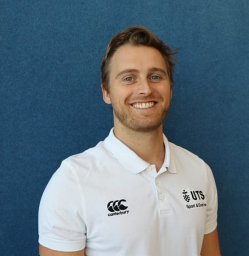 Hugh Fullagar合作论文数Institute of Sport and Preventive Medicine, Saarland University23
 Alistair Murphy合作论文数23
 Alan Mccall合作论文数21
 Mendham Amy E合作论文数School of Human Movement Studies, Charles Sturt University17
 Tim Meyer合作论文数17
 Geoffrey M Minett合作论文数Sch Exercise & Nutr Sci, Queensland Univ Technol16
 Frank E. Marino合作论文数14Mark Jones合作论文数13
 Melissa Skein合作论文数13Kellett Aaron D合作论文数12
 David Bishop合作论文数Institute for Health & Sport, Victoria University;School of Medical and Health Sciences, Edith Cowan University;Universidade Federal de Pernambuco12P. J. Fowler合作论文数12Fabian Ehrmann合作论文数10
 Donna Lu合作论文数10Donges Cheyne E合作论文数10Frank Marino合作论文数9Ewan Clements合作论文数9
 Thomas Perri合作论文数9
 Sabrina Skorski合作论文数9Georgia A Brown合作论文数8
 Shona Halson合作论文数School of Behavioural and Health Sciences, Australian Catholic University8
 Marc Portus合作论文数8Howle Kieran合作论文数8
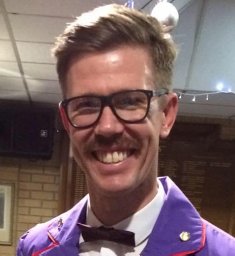 Will Vickery合作论文数School of Environmental and Life Sciences, University of Newcastle8
 Ben Dascombe合作论文数Athlete and Coach Services, Western Australian Institute of Sport8
 Christophe Hausswirth合作论文数8Dawson Brian合作论文数7
 Kym Guelfi合作论文数School of Human Sciences, The University of Western Australia;School of Sport Science, Exercise and Health, The University of Western Australia7
 Stephen Crowcroft合作论文数Faculty of Health, University of Technology, Sydney7
 Steven Su合作论文数School of Electrical and Data Engineering, University of Technology Sydney;Faculty of Engineering and Information Technology, University of Technology Sydney7Johann Edge合作论文数7
 Edgar Schwarz合作论文数Inst Sports & Prevent Med, Univ Saarland6
 Kovalchik Stephanie A合作论文数Division of Cancer Epidemiology and Genetics, National Cancer Institute6
 Danielle Gescheit合作论文数6
 Greg Smith合作论文数School of Medical Sciences, Faculty of Medicine, The University of New South Wales6
 Fabio Yuzo Nakamura合作论文数5Jonathon R Lever合作论文数5Tegan E. Kastelein合作论文数5
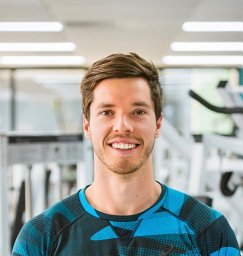 Samuel Martin Higham合作论文数Sch Sport Exercise & Rehabil, Univ Technol Sydney UTS5
 Penelope Larsen合作论文数5Andrew Murray合作论文数5
 Samuel Penna Wanner合作论文数Institute of Biological Sciences, Federal University of Minas Gerais5
 Andrew F Clark合作论文数5Waterson Adam合作论文数5Carmel Goodman合作论文数5
 Yann Le Meur合作论文数Service de Néphrologie, CHU Dupuytren5
 Stuart Cormack合作论文数5




