Fifteen species belonging to the families Camptandriidae Stimpson, 1858, Macrophthalmidae Dana, 1851, and Varunidae H. Milne Edwards, 1853 are reported from the soft-bottom substrates of the Lesser Sunda Islands, Indonesia. Paramoguai kavieng Ahyong, 2014 (Camptandriidae) and Metaplax tredecim Tweedie, 1950 (Varunidae) are recorded for the first time from Indonesian waters. One new species of Macrophthalmidae, Macropthalmus (Macrophthalmus) atambua, is described and illustrated. The new species is characterised by a very broad carapace, with the surface densely tuberculate, and long, slender chelipeds with the cutting margin of the fingers armed with spines.
In this study, four new species of land hermit crabs (Crustacea: Decapoda: Anomura: Coenobitidae: Coenobita Latreille, 1829) are described from Indonesia. These descriptions are based on evidence from morphological differences as well as mitochondrial 16S rDNA and cytochrome c oxidase subunit I data. Among the new species, Coenobita moluccensis n. sp. (from Aru Island, Maluku), C. patsyae n. sp. (from Central Sulawesi and Southeast Sulawesi), and C. celebensis n. sp. (from Central Sulawesi) form a major clade on the phylogenetic tree, exhibiting similarities in morphology, particularly in the male sexual tubes- a character they share with their closely related counterpart, C. lila Rahayu, Shih & Ng, 2016. Although the four species are similar in overall morphology, they can be distinguished by differences in the left third pereopod, the second article of the antennal peduncles, granulation on the pereopods, as well as their live coloration. Coenobita granularis n. sp., found in Central Sulawesi, shares morphological similarities with the genetically closely related C. pseudorugosus Nakasone, 1988, particularly in the male sexual tubes. However, the two species can be distinguished by differences in the morphology of the male sexual tubes, the presence of tubercles on the left cheliped, the left third pereopod, as well as their live coloration. Additionally, a newly recorded species, C. variabilis McCulloch, 1909, has been confirmed in West Papua. This study brings the total number of Coenobita species known from Indonesia to 13.
A total of 10 hermit crab species of the family Pylochelidae were collected from Indonesian waters (Alcock, 1894) and Bathycheles macgilchristi (Alcock, 1905) are recorded for the first time in Indonesian waters, and Cheiroplatea brevis, new species and Trizocheles foresti, new species, are described. Six other species: (Alcock & Anderson, 1899), Bathycheles incisus (Forest, 1987), and B. integer (Forest, 1987) were found to have a broader distribution in Indonesian waters.
Two new hermit crab species of the genus Diogenes Dana, 1851 from the northern coast of Lombok Island, Indonesia are described and illustrated. Diogenes luteus, new species, is characterised by the stout antennal peduncles with a cast-net like setae structure flagella, short antennal acicles, and a black band on each ocular peduncle that separate the areas of yellow distally and white proximally. Diogenes kombalensis, new species, is recognisable in having a broad longitudinal crest on the outer surface of the left cheliped palm and stout ocular peduncles each with a large longitudinal brown band on the dorsal surface. These new species are members of the edwardsii group of the genus Diogenes, that are listed in this paper with their geographical distributions.
This review paper elaborates on the Asian moon scallop (Amusium pleuronectes), focussing on both wild populations and its aquaculture. A. pleuronectes is one of the most widely distributed scallops in Indonesia, where the Ministry of Maritime Affairs and Fisheries is actively promoting various mollusc species to strengthen the economic contributions of the national mariculture industry. Although Indonesia has an estimated 12.3 million hectares of potential mariculture area, only 2.25% is currently utilized. Given the considerable amount of available land in designated aquaculture regions, expanding scallop aquaculture and sustainable fisheries practices is highly encouraged as a strategy for future blue-economic growth. Scallop products from both fisheries and aquaculture are currently prioritized for local and domestic consumption to enhance food security and provide a sustainable source of marine-based protein. Once domestic demands are met, scallop products also have the potential to contribute to export markets. This review highlights the significance of A. pleuronectes as a promising fisheries or aquaculture commodity for enhancing the seafood industry in Indonesia. This article aims to address the scarcity of recent studies on this species. By synthesizing existing knowledge and scientific evidence on the aquaculture of A. pleuronectes and other scallops, this article identifies critical knowledge gaps and suggests areas for future research on this species.
A new species of hermit crab from the genus Diogenes Dana, 1851 is described on the basis of a specimen from Papua, Indonesia. Diogenes hawisi n. sp. is distinguished from the closest allied species, D. edwardsii (De Haan, 1849) and D. laevicarpus Rahayu, 1996, by the shape and armature of the left cheliped. Morphological differences of these three species are also supported by genetic analysis, through DNA barcoding using the CO1 gene marker.
The taxonomy of the shallow water leucosiid crab, Lyphira heterograna (Ortmann, 1892), is revised on the basis of the lectotype and material from Japan, southern China, Hong Kong and Southeast Asia previously identified with this species. Six species are now recognised in the Lyphira heterograna species-group, of which four are new species: L. chomel n. sp., L. ngankee n. sp., L. linda n. sp., and L. bellagrana n. sp. Philyra acutidens Chen, 1987, described from the Yellow Sea and previously synonymized with L. heterograna, is recognised as a valid species. These species are redescribed, figured and compared with congeners.
Abstrak Kesehatan lansia merupakan topik yang harus terus diinvestigasi dan dievaluasi karena jumlah penduduk usia lanjut terus tumbuh. Populasi usia lanjut juga menghadapi beban penyakit tidak menular yang signifikan, yang memerlukan perawatan kesehatan yang menyeluruh untuk mengatasi masalah kesehatan mereka. Saat ini perhatian penyakit tidak menular semakin meningkat karena frekuensi kejadiannya pada masyarakat semakin meningkat. Dari sepuluh penyebab utama kematian, dua diantaranya adalah penyakit tidak menular. Usia Harapan Hidup (UHH) menjadi salah satu indikator keberhasilan pembangunan kesehatan di suatu negara. Saat ini angka Usia Harapan Hidup di Indonesiam mencapai 73,6 tahun. Pembangunan kesehatan di dukung dengan adanya program-program kesehatan seperti posyandu. Saat ini posyandu menjadi program unggulan lini terdepan yang masih aktif dijalankan untuk meningkatkan derajat kesehatan masyarakat. Posyandu lansia salah satu program untuk meningkatkan usia harapan hidup dengan berbagai kegiatan didalamnya. Tujuan pengabdian masyarakat ini adalah untuk screening dan deteksi dini pada lansia sebagai upaya pencegahan komplikasi penyakit tidak menular.Metode yang dilakukan dalam pengabdian masyarakat ini adalah pemeriksaan gula darah, kolesterol dan asam urat pada lansia di Posyandu lansia “Dahlia” Desa Pelem Kabupaten Kediri. Kegiatan dilakukan pada hari Rabu, 12 Juni 2024 di Gedung Posyandu Lansia “Dahlia” Desa Pelem. Kegiatan ini diikuti oleh 46 lansia. Hasil pemeriksaan didapatkan terdapat 11% lansia mengalami peningkatan kadar gula darah, 65% lansia mengalami peningkatan kadar kolesterol dan 39% lansia mengalami peningkatan kadar asam urat. Hasil screening dan deteksi dini menunjukkan bahwa sebagian besar lansia mengalami peningkatan kadar kolesterol sehingga dibutuhkan penatalaksaanaan selanjutnya terkait pengelolaan diet pada lansia dengan kolesterol tinggi. Kata kunci : Deteksi Dini, Pemeriksaan, Lansia, Penyakit Tidak Menular Abstract The health of the elderly is a topic that must continue to be investigated and evaluated because the number of elderly people continues to grow. The aging population also faces a significant burden of non-communicable diseases, requiring comprehensive health care to address their health concerns. Currently, attention to non-communicable diseases is increasing because their frequency of occurrence in society is increasing. Of the ten main causes of death, two of them are non-communicable diseases. Life Expectancy is an indicator of the success of health development in a country. Currently, life expectancy in Indonesia has reached 73.6 years. Health development is supported by health programs such as posyandu. Currently, posyandu is a leading frontline program that is still actively implemented to improve the level of public health. Posyandu for the elderly is a program to increase life expectancy with various activities. The aim of this community service is screening and early detection of the elderly as an effort to prevent complications of non-communicable diseases. The method used in this community service is checking blood sugar, cholesterol and uric acid in the elderly at the "Dahlia" elderly Posyandu, Pelem Village, Kediri Regency. The activity was carried out on Wednesday, June 12 2024 at the "Dahlia" Elderly Posyandu Building, Pelem Village. This activity was attended by 46 elderly people. The results of the examination showed that 11% of the elderly had increased blood sugar levels, 65% of the elderly had increased cholesterol levels and 39% of the elderly had increased uric acid levels. The results of screening and early detection show that the majority of elderly people have increased cholesterol levels, so further management is needed regarding diet management in elderly people with high cholesterol. Keywords: Early Detection, Examination, Elderly, Non-Communicable Diseases
Data from the International Diabetes Federation (IDF) in 2017, the global prevalence rate was 425 million people in the world experiencing DM. Estimated in 2045, it will increase to 48% (629 million) among DM sufferers aged 20-79 years. Elderly is a process of aging with increasing age, which is characterized by decreasing the function of the body's organs. To determine the correlation between lifestyle factors and blood glucose levels to elderly at Elderly Posyandu in Pelem Village, Kediri District. The research design was quantitative research with a cross-sectional approach. The research sample was elderly from Pelem Village, totaling 65 respondents. The independent variables were lifestyle factors (physical activity, frequency of carbohydrate consumption, frequency of fiber consumption, obesity and medication compliance), while the dependent variable was blood glucose level. The measuring instruments used questionnaires and GDA measurement tools. Data processing used univariate and bivariate tests with chi-square. Univariate analysis showed that most of elderly were aged 66-70 years (38.5%), male (63.1%), low education (52.3%) and not working (41.5%). Bivariate results showed correlation between lifestyle factors such as physical activity (p=0.007), frequency of carbohydrate consumption (p=0.028), frequency of fiber consumption (p=0.005), obesity (p=0.029) and medication compliance (p=0.032) and blood glucose levels to elderly. There was correlation between lifestyle factors and blood glucose levels to elderly.
Abstrak Trauma abdomen merupakan trauma yang terletak didaerah antara pelvis bagian bawah dan diafragma pada bagian atas. Trauma abdomen terdiri atas trauma tumpul abdomen dan trauma tembus abdomen. Pada kasus-kasus trauma tumpul diagnosis lebih susah ditegakkan karena biasanya terjadi multisistem trauma, sedangkan trauma pada organ intra-abdomen kemungkinan terjadi karena adanya luka penetrasi. Trauma merupakan penyebab kematian utama usia-usia produktif yaitu usia dibawah 40 tahun, juga merupakan penyebab kematian ke-3 di dunia, setelah penyakit kanker dan kardiovaskuler. Kasus trauma abdomen masih sering mengalami penundaan diagnostik, dan fasilitas penunjang yang belum memadai sehingga mengakibatkan rawat inap berkepanjangan dan meningkatkan angka morbiditas dan mortalitas. Trauma abdomen merupakan penyebab yang cukup signifikan bagi angka kesakitan dan kematian. Diagnosis trauma abdomen sering kali terlewatkan akibat gejala fisik yang terkadang dikaburkan oleh adanya intoksikasi maupun trauma kepala. Trauma abdomen yang tidak diketahui masih menjadi momok penyebab kematian yang seharusnya dapat dicegah. Tujuan penelitian ini adalah untuk peningkatan ketrampilan pengenalan tanda kejadian trauma abdomen dengan teknik behavioral skill training. Desain penelitian yang digunakan dalam penelitian ini adalah pre experimental design dengan rancangan one group pretest-postest. Responden dalam penelitan ini sebesar 40 responden. Teknik sampling yang digunakan adalah purposive sampling, pengumpulan data menggunakan lembar kuesioner melalui google form. Analisa data dilakukan dengan uji statistik paired t test. Hasil penelitian menunjukkan p value : 0,000 dimana ( p value < 0,05 ) sehingga dapat disimpulkan bahwa ada perbedaan yang signifikan antara ketrampilan pengenalan tanda trauma abdomen sebelum dan sesudah dilakukan teknik behavioral skill training. Metode BST efektif digunakan untuk melatih ketrampilan responden dalam ketrampilan pengenalan tanda trauma abdomen yang terjadi pada pasien. Abstract Abdominal trauma is trauma located in the area between the lower pelvis and the upper diaphragm. Abdominal trauma consists of blunt abdominal trauma and penetrating abdominal trauma. In cases of blunt trauma, the diagnosis is more difficult to make because multisystem trauma usually occurs, while trauma to intra-abdominal organs may occur due to penetrating injuries. Trauma is the main cause of death in productive age, namely under 40 years of age, and is also the 3rd cause of death in the world, after cancer and cardiovascular disease. Abdominal trauma cases still often experience diagnostic delays and inadequate supporting facilities, resulting in prolonged hospitalization and increased morbidity and mortality rates. Abdominal trauma is a significant cause of morbidity and mortality. The diagnosis of abdominal trauma is often missed due to physical symptoms which are sometimes obscured by intoxication or head trauma. Unknown abdominal trauma is still a scourge that causes death that should be preventable. The aim of this research is to improve skills in recognizing signs of abdominal trauma using behavioral skills training techniques. The research design used in this research is a pre-experimental design with a one group pretest-posttest design. Respondents in this research were 40 respondents. The sampling technique used was purposive sampling, data collection using a questionnaire via Google Form. Data analysis was carried out using the paired t test statistical test. The results of the research show p value: 0.000 where (p value <0.05) so it can be concluded that there is a significant difference between skills in recognizing signs of abdominal trauma before and after behavioral skills training techniques. The BST method is effectively used to improve respondents' skills in recognizing signs of abdominal trauma that occur in patients.
A total of 340 specimens of hermit crabs belonging to 34 species, included in four families and 10 genera were collected from the northern coast of Halmahera, in North Maluku, Indonesia. Two species are reported for the first time from Indonesia: Coenobita pseudorugosus Nakasone, 1988, and Trichopagurus macrochela Komai and Osawa, 2005. The color in life for Diogenes spinicarpus Rahayu and Forest, 1995, Diogenes foresti Rahayu and Hortle, 2002, and Clibanarius bistriatus Rahayu and Forest, 1993 is also reported for the first time. A list of hermit crabs found in northern Halmahera, including its habitat and distribution is presented here.
Interferon Gamma (IFN-γ) plays a vital role in normal immune surveillance and possesses immunomodulatory, antimicrobial, and anticancer properties. It stands as the exclusive type II IFN, and its production is regulated by cytokines released by Antigen-Presenting Cells (APCs), particularly interleukin (IL)-12 and IL-18. These cytokines act as a connecting link between infection and IFN-γ production in the innate immune response. The functional IFN-γ receptor (IFNGR) consists of two ligand-binding IFNGR1 chains and two signal-transducing IFNGR2 chains, along with associated signaling machinery. Both IFNGR1 and IFNGR2 chains belong to the class II cytokine receptor family, characterized by ligand binding in the small angle of a V formed by the two Ig-like folds in the extracellular domain. Autoantibodies targeting interferon-gamma (IFN-γ) can lead to immunodeficiency and are linked to various opportunistic infections. The immunopathogenesis is associated with the neutralizing activity of these autoantibodies on the IFN-γ signaling pathway, resulting in the blocking of certain immune responses activated by IFN-γ. This review provides a concise overview of IFN-γ Autoantibody detection, the immunopathogenesis of related diseases, and potential treatment options.
The taxonomy of the shallow water leucosiid crab, Lyphira heterograna (Ortmann, 1892), is revised on the basis of the lectotype and material from Japan, southern China, Hong Kong and Southeast Asia previously identified with this species. Six species are now recognised in the Lyphira heterograna species-group, of which four are new species: L. chomel n. sp., L. ngankee n. sp., L. linda n. sp., and L. bellagrana n. sp. Philyra acutidens Chen, 1987, described from the Yellow Sea and previously synonymized with L. heterograna, is recognised as a valid species. These species are redescribed, figured and compared with congeners.
The taxonomy of the pilumnid crab genus Lophoplax Tesch, 1918, is discussed. Lophoplax sculpta Stimpson, 1858) is redescribed and a neotype is selected in the interests of nomenclatural stability. Two new species allied to L. sculpta are described: L. sordida n. sp. from Indonesia, and L. pannosa n. sp. from Vanuatu. Pilumnus vermiculatus A. Milne-Edwards, 1873, is here transferred to Lophoplax. The poorly known Pseudocryptocoeloma parvus Ward, 1936 (type species of Pseudocryptocoeloma Ward, 1936), known only from Australia thus far, is redescribed and figured; and Pseudocryptocoeloma symmetrinudum Edmondson, 1951 (from Samoa and Japan), is transferred to Lophoplax.
ABSTRACT Coronavirus Disease 2019 (COVID-19) infection is a global health problem with rapid transmission and variable prognosis. Oxygen saturation is an indicator for assessing the prognosis of COVID-19 infection. Viral infections are related to the immune system because they are self-limiting diseases. Vitamin D is considered able to improve the immune system through several pathways. There are differences in research results regarding vitamin D and respiratory tract infections. This study aims to determine the relationship between vitamin D adequacy and oxygen saturation in COVID-19 patients at X Surakarta Hospital. This research was an observational analysis with a cross-sectional design on 32 patients who had been treated for COVID-19 at RS X Surakarta. Data on oxygen saturation and vitamin D management were taken from medical records, while food consumption data was completed by filling in a formulary food frequency questionnaire (FFQ). Data analysis used the Chi-Square test (α=0.05). The research results showed that there was no significant relationship (p=0.055) between vitamin D adequacy and oxygen saturation in COVID-19 patients (p>0.05). The conclusion of this study was no relation between vitamin D adequacy and oxygen saturation in COVID-19 patients. ABSTRAK Infeksi Coronavirus Disease 2019 (COVID-19) merupakan permasalahan kesehatan global dengan penularan cepat dan prognosis bervariasi. Saturasi oksigen merupakan salah satu indikator untuk menilai prognosis infeksi COVID-19. Infeksi virus berkaitan dengan sistem imun karena bersifat self-limiting disease. Vitamin D dinilai dapat meningkatkan sistem imun melalui beberapa jalur. Terdapat perbedaan hasil penelitian mengenai vitamin D dan infeksi saluran pernapasan. Penelitian ini bertujuan untuk mengetahui hubungan kecukupan vitamin D dengan saturasi oksigen pasien COVID-19 di RS X Surakarta. Penelitian ini bersifat analisis observasional dengan rancangan cross-sectional terhadap 32 pasien yang pernah dirawat COVID-19 di RS X Surakarta. Data saturasi oksigen dan tatalaksana vitamin D diambil dari rekam medis, sedangkan data konsumsi pangan dengan pengisian formular food frequency questionnaire (FFQ). Analisis data menggunakan uji Chi-Square (α=0,05). Hasil penelitian menunjukkan bahwa tidak terdapat hubungan yang signifikan (p=0,055) antara kecukupan vitamin D dengan saturasi oksigen pada pasien COVID-19 (p>0,05). Kesimpulan penelitian ini bahwa kecukupan vitamin D tidak berhubungan dengan saturasi oksigen pasien COVID-19.
Abstrak Pertolongan pertama (PP) merupakan faktor yang berperan dalam mengurangi angka kematian dan kecacatan akibat kecelakaan lalu-lintas dan bencana. Oleh karena itu masyarakat awam harus siap berpartisipasi dalam pemberian bantuan dasar. Pertolongan pertama (PP) yang tepat merupakan salah satu aspek penting dari keselamatan jalan dan bencana. Penting untuk mengembangkan metode pelatihan pertolongan pertama yang efektif dan mengevaluasinya. Pelatihan adalah rangkaian kegiatan individu dalam meningkatkan keahlian dan pengetahuan secara sistematis sehingga mampu memiliki kinerja profesional di bidangnya.Penggunaan metode Drill and Practise lebih efektif karena peserta diberikan kesempatan melakukan praktik PP berulang kali secara kontinyu sehingga mendapatkan peningkatan pada keterampilan yang diharapkan. Tujuan pengabdian masyarakat ini adalah untuk memberikan pelatihan kepada relawan baik pengetahuan, maupun keterampilan dalam rangka memberikan tindakan pertolongan pertama. Pengabdian masyarakat ini dilaksanakan di markas PMI Kota Kediri dengan melibatkan 40 orang relawan yang terdiri dari Korps Sukarela Perguruan Tinggi dan Tenaga Relawan yang lain. Metode pengabdian masyarakat ini dengan memberikan pelatihan berupa pelatihan keterampilan pertolongan pertama berupa Bantuan Hidup Dasar (BHD), Sumbatan Jalan Nafas, Cedera jaringan Lunak dan Otot Rangka. Hasil Evaluasi Kegiatan menunjukkan peningkatan yang signifikan terkait pengetahuan dan keterampilan dalam PP, sebelum dan sesudah pelatihan Rerata tingkat pengetahuan responden sebelum pelatihan sebesar 3,50 dan sesudah pelatihan rata-rata meningkat menjadi 55,48. Rerata tingkat keterampilan dan kompetensi responden sebelum pelatihan sebesar 3,75 dan sesudah pelatihan rata-rata meningkat menjadi 58,38. Pelatihan pertolongan pertama berbasis pengalaman, yang berfokus pada pengetahuan dan keterampilan, serta pengaturan psikologis, merupakan bagian efektif dari pendidikan awam yang dapat membantu meningkatkan kompetensi relawan dalam pertolongan pertama. Kata kunci : Pertolongan Pertama, Metode Drill and Practice, Relawan Abstract First aid is a factor that plays a role in reducing the number of deaths and disabilities due to traffic accidents and disasters. Therefore, ordinary people must be ready to participate in providing basic assistance. In the event of accidents and disasters prompt assistance by lay people can save lives and further reduce disability. Therefore, proper first aid is an important aspect of road and disaster safety.. Training is a series of individual activities in systematically increasing skills and knowledge so that they are able to have professional performance in their field. The use of the Drill and Practice method is more effective because participants are given the opportunity to practice PP repeatedly continuously so as to get an increase in the expected skills. The purpose of this community service is to provide training to volunteers both knowledge and skills in order to provide first aid measures. This community service was carried out at the PMI Headquarters in Kediri City by involving 40 volunteers consisting of the Higher Education Volunteer Corps and other Volunteers. This community service method is by providing training in the form of first aid skills training in the form of Basic Life Assistance (BHD), Airway Obstruction, Soft Tissue and Skeletal Muscle Injuries. The results of the activity evaluation showed a significant increase in knowledge and skills before and after the training. The mean level of knowledge of the respondents before the training was 3.50 and after the training, the average increased to 55.48. The average skill and competency level of the respondents before the training was 3.75 and after the training the average increased to 58.38. Experience-based first aid training, which focuses on knowledge and skills, as well as psychological settings, is an effective part of lay education that can help increase volunteer competence in first aid. Keywords: First Aid, Drill and Practice Method, Volunteers
Background: COVID-19 has been shown to increase the risk of thrombosis, where this mechanism occurs due to cell damage that triggers the release of various proinflammatory cytokines and chemokines, thereby activating the coagulation cascade. Thus, an increase D-dimer levels in COVID-19 patients occurs. The duration of patients' hospitalization, known as Length of Hospital Stay (LOS), plays a crucial role in enhancing patient care, reducing overall costs, and optimizing resource allocation. Purpose: The main objective of this study is to determine the correlation between D-dimer and various other factors to assess its predictive value for LOS) in COVID-19 survivors. Methods: This observational analytic study included COVID-19 patients who were admitted to Universitas Sebelas Maret Hospital in Sukoharjo, Indonesia, from November 2020 to January 2021. The data was taken from the medical records of patients diagnosed with COVID-19. Age, gender, comorbidities, admission oxygen saturation, D-dimer, neutrophil-lymphocyte ratio (NLR), haemoglobin, platelet count, white blood cells (WBC), LOS and estimated glomerular filtration rate (eGFR) were analysed in this study. Binary logistic regression was applied to determine the correlation between potential predictors on LOS. Results: A total 104 patients were included in the final analysis. The median LOS was 13 days (IQR 9-17 days). There was an increase of D-dimer in 79 patients with the median 759.39 ng/ml. Patients with prolonged LOS tend to have higher D-dimer levels (Median 924.95 vs 591.54 ng/ml, p = 0.018). However, D-dimer and other parameters was not associated with prolonged LOS in COVID-19 survivors (D-dimer p = 0.188; Age p = 0.138; Diabetes mellitus p = 0.172; NLR p = 0.859; Platelet count p = 0.097). Conclusions: D-dimer levels does not accurately predict prolonged LOS in COVID-19 survivors. Therefore, we suggest D-dimer solely should not be used as a tool to predict patient’s LOS.
Antiviral, anti-inflammatory, and supportive therapy are required in the Covid-19 management, whilst there is no available specific antiviral for Covid-19 patients. Zingiber officinale and Propolis were reported to suppress the pro-inflammatory cytokines and their safety profiles were considered in several toxicity studies. However, their efficacy in hospitalized Covid-19 patients has not been clarified yet. This study explored the activity of Z. officinale and Propolis in modulating the clinical signs and hematology parameters in hospitalized Covid-19 patients. A total of 22 subjects were divided into a control group (standard therapy), and a treatment group (standard therapy and supplemented with the combination of Z. officinale 500 mg/day and Propolis 1000 mg/day). We analyzed the differences in demographic characteristics, clinical signs, and hematology parameters at pre and post-treatment in both groups. The increased oxygen saturation in control and treatment groups were 0.45 ± 0.45 and 3.45 ± 1.16, respectively (p = 0.011). Moreover, the high-fluorescent lymphocyte count (HFLC) and mean platelet volume (MPV) in the treatment group tend to be lower compared to the control, although it is not statistically significant. The supplementation of Z. officinale and Propolis has beneficial effects in alleviating clinical signs of Covid-19 disease, especially in the enhancement of oxygen saturation, and tend to restore the hematological parameters.
The identity of two local loaches, Nemacheilus chrysolaimos (Valenciennes, 1846) and N. fasciatus (Valenciennes, 1846), is revealed in this study using morphology and molecular approach based on our collection from six rivers at Biltar, East Java Indonesia. Based on morphology, these two species can be distinguished mainly from the dark bars or dark spots on the lateral body. The meristic data for N. chrysolaimos in this study is DII. 7–8 (dorsal fin), AI. 3–5 (anal fin), PI. 9 (pectoral fin), VI. 6–7 (ventral fin) and C. 17 (caudal fin), meanwhile, for N. fasciatus with D II 7–8 (dorsal fin), AI. 6 (anal fin), PI. 9–10 (pectoral fin), VI. 6–7 (ventral fin) and C. 17 (audal fin). There was a significant difference on the morphometric of N. fasciatus form sampling sites using Kruskal-Wallis Test. The nucleotide base composition sequences consisted of the mean of Thiamine (T) 29.565%, Cytosine (C) 32.023%, Adenine (A) 23.88%, and Guanine (G) 16.244%. Maximum Likelihood (ML) and Neighbour Joining (NJ) analysis was conducted using the Kimura 2 Parameter model to establish two major clades on Nemacheilus spp. and one out-groups clades significantly different from the Nemacheilus spp. These major clades were closely related to each other at the 100% evidence of bootstrap, which grouped as genus Nemacheilus. The present study on Nemacheilus spp. from the Blitar locality was able to differentiate COI sequences between N. fasciatus and N. chrysolaimos. Moreover, N. crysolaimos from references sequence was inferred as the ancestor to N crysolaimos MZB 26540 and MZB 26539. ABGD analyses at a prior maximal distance of 0.025 also delineated this species into a separate partition.
This study aimed to describe the use of the iNaturalist platform for integrating Citizen Science into the Animal Systematics Course. It used a qualitative descriptive research approach and involved 87 biology students at a state university in Surabaya, Indonesia, from February to June 2022. Integrating citizen science into the course was accomplished by involving students in citizen science activities in a research project built on the iNaturalist platform and the implementation was evaluated descriptively and quantitatively using statistical data from four iNaturalist components: Observers, Observations, Species, and Identifiers. The result shows that 61 students became observers, resulting in 249 observations, 121 species, and 95 IDs. As a result of the student's active participation in their research project activities, a large number of observations were made. Students with their research skills discovered and identified a wide range of animal species. This study concludes that the iNaturalist platform can be used effectively to integrate citizen science into the Animal Systematics Course. Through this activity, students can participate in local activities that have global implications.
 Peter Kee Lin Ng合作论文数Department of Biological Sciences, Faculty of Science, National University of Singapore36
 Tomoyuki Komai (駒井 智幸)合作论文数Animal Sciences Division, Natural History Museum and Institute, Chiba17Patsy A. Mclaughlin合作论文数9Yunarsih Yunarsih合作论文数8
 Didik Susetiyanto Atmojo合作论文数Dharma Husada Nursing Acad8
 Rafael Lemaitre合作论文数Department of Invertebrate Zoology, National Museum of Natural History, Smithsonian Institution8Elfi Quyumi Rahmawati合作论文数7
 Dharma Arif Nugroho合作论文数7
 Dyah Ika Krisnawati合作论文数Dharma Husada Nursing Academy6
 Budiyanti Wiboworini合作论文数Nutr Dept, Univ Sebelas Maret6
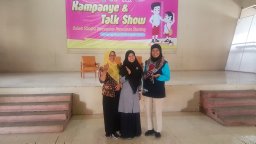 Amelya Augusthina Ayusari合作论文数Nutr Dept, Univ Sebelas Maret6
 Puguh Santoso合作论文数Dharma Husada Nursing Academy5
 Fajar Rinawati合作论文数Dharma Husada Nursing Acad5
 Risalina Myrtha合作论文数Nutr Metab & Med Res Grp, Univ Sebelas Maret5
 Reni Ambarwati合作论文数Dept Biol, Univ Negeri Surabaya5
 Ulfi Faizah合作论文数Indonesia University of Education5Erna Susilowati合作论文数4
 Hengky Irawan合作论文数4
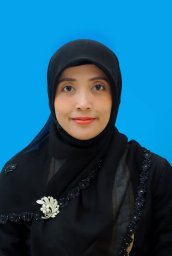 Ratih Dewi Yudhani合作论文数Gadjah Mada University4
 Tsungrong Kuo合作论文数Department of Chemistry, National Taiwan Normal University4Yulia Lanti合作论文数3
 Ema Utami合作论文数3Sutartinah Sri Handayani合作论文数Nutr Metab & Med Res Grp, Univ Sebelas Maret3
 Moh Alimansur合作论文数Fac Hlth Sci, Kadiri Univ3
 Joko Sudarsono合作论文数Nutr Metab & Med Res Grp, Univ Sebelas Maret3Kusmadewi Eka Damayanti合作论文数3
 Idham Sumarto Pratama合作论文数Research Center for Oceanography, Indonesia Institute of Sciences (LIPI),;Email: unknown.;Research Center for Oceanography, Indonesia Institute of Sciences (LIPI),3
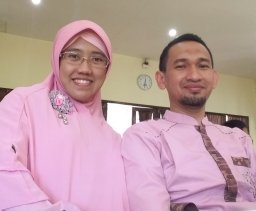 Kusumawati Ratna合作论文数3
 Dono Indarto合作论文数3
 Peter Davie合作论文数3Hsi‐Te Shih合作论文数2Ria Andriani合作论文数2Jheng-Jhang Li合作论文数2
 Muhammad Firdaus合作论文数2Murtada Naser合作论文数2Ratih Khairul Anissa合作论文数2Athiyya Nur Agistiana Azzahra合作论文数2Yaquta Maziyatin Jamilah合作论文数2Shela Sonia合作论文数2
 Ade Pujianto合作论文数Magister2
 Laila Maharani合作论文数Universitas Islam Negeri Raden Intan Lampung2
 Devi Narulitasari合作论文数Institut Agama Islam Negeri2
 Selvy Megira合作论文数AMIK Lembah Dempo, Universitas AMIKOM Yogyakarta2Ernawati Widyastuti合作论文数Research Center for Oceanography, Indonesian Institute of Sciences;Research Center for Oceanography, National Research and Innovation Agency Republic of Indonesia;Research Center for Oceanography, Indonesian Institute of Sciences2
 Anim Rahmayati合作论文数IAIN SURAKARTA2
 Tyani Fitrian合作论文数2
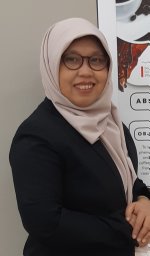 Dian Herawati合作论文数South East Asia Food & Agr Sci & Technol SEAFAST C, IPB Univ2
 Muhammad Khafid合作论文数State University of Semarang2
 Winiati Pudji Rahayu合作论文数Bogor Agricultural University2




