Abstract Primary mitochondrial myopathies (PMM) are rare, genetically-defined disorders characterised by defects of oxidative phosphorylation, predominantly affecting skeletal muscle. This Phase 1b open-label trial evaluated mavodelpar, a selective peroxisome proliferator-activated receptor delta (PPARδ) agonist, over 12 weeks (Part A), with an optional 36 week extension (Part B) in adults with PMM. The primary objective was to assess safety and tolerability, with secondary assessments of pharmacokinetics, pharmacodynamics, and exploratory performance, patient-reported, and muscle biopsy outcomes. Of the 23 participants who received mavodelpar, 17 completed Part A; none completed Part B due to premature study termination during the COVID-19 pandemic. Adverse events were mild-moderate severity, with headache and constipation most common (4/23 participants; 17.4% each). Exploratory measures showed a mean increase of 104 m in the twelve minute walk test (95% CI: 53 to 156) and a mean reduction of -10.5 points in patient-reported fatigue (95% CI: -16.3 to -4.6). No consistent changes in mitochondrial function were detected in muscle biopsies (n = 10), while transcriptomic profiling (n = 6) revealed modest upregulation of fatty acid–metabolism pathways. Although findings from this Phase 1b trial supported progression to later-phase evaluation, the subsequent Phase 2b trial did not demonstrate clinical efficacy for mavodelpar. The results reported here should be interpreted as exploratory and not indicative of therapeutic benefit. Nevertheless, this Phase 1b trial provides important methodological insights to inform future PMM clinical trial design and outcome measure development.
Background and Objectives:Mitochondrial DNA (mtDNA) disorders exhibit striking clinical variability that is poorly explained by known factors such as variant heteroplasmy, age, or sex. Nuclear genetic modifiers likely play a significant role in this heterogeneity. We aimed to characterize the nature of nuclear genetic involvement for 2 common syndromic presentations of the common pathogenic mtDNA variant, m.3243A>G: mitochondrial encephalomyopathy, lactic acidosis, and stroke-like episodes (MELAS) and maternally inherited diabetes and deafness (MIDD). Methods:We assembled a multicenter cohort of clinically ascertained carriers of m.3243A>G (total n = 488), identifying 198 individuals across 76 pedigrees suitable for genetic linkage analysis. We investigated 4 clinical features characteristic of MELAS and MIDD: diabetes, hearing impairment, stroke-like episodes, and encephalopathy. Haseman-Elston regression-based genetic linkage analysis was performed to identify regions of the nuclear genome cosegregating with these features. The effects of m.3243A>G heteroplasmy, age, and sex were accounted for using logistic regression; empirical significance thresholds were determined through feature-specific gene-dropping simulations. Association analyses were performed in 247 individuals using single-variant (SAIGE) and gene-based approaches (SAIGE-GENE+ and MAGMA) to refine candidate loci within a significant linkage region. Results:We identified significant genetic linkage to encephalopathy (chromosome 7q22; LOD = 3.72), and regions suggestive of genetic linkage on chromosomes 1, 5, 6, 11, and 13, for encephalopathy and stroke-like episodes. No linkage was identified for diabetes or hearing impairment. Association analysis within the chromosome 7 region identified variant rs62500792 (intergenic between SDHAF3 and TAC1) with the lowest p value (3.7 × 10⁻⁵), yet no variants reached the proportional significance threshold (5.3 × 10⁻⁶). Gene-based analyses highlighted PLOD3 (p = 3.9 × 10⁻³) and IMMP2L (p = 6.4 × 10⁻³) as candidates, as each showed the strongest gene-level signals within the linkage region across complementary burden-testing methods, although neither reached corrected significance thresholds. Discussion:The nuclear genetic architecture modifying m.3243A>G differs across clinical features. Severe neurologic features (encephalopathy and stroke-like episodes) may be influenced by a small number of nuclear genes with relatively large effect sizes, whereas the nuclear contribution to diabetes and hearing impairment appears more polygenic. This study highlights the value of large, well-characterized patient cohorts in identifying modifier loci and advancing knowledge of the mechanisms underlying phenotypic variability in mtDNA disease.
BACKGROUND:Losmapimod is an orally administered small molecule and selective p38α/β mitogen-activated protein kinase (MAPK) inhibitor able to reduce aberrant expression of DUX4 in vitro and thereby potentially slowing disease progression in patients with facioscapulohumeral muscular dystrophy (FSHD). OBJECTIVE:This global, randomized, placebo-controlled, double-blind phase 3 study in patients with FSHD1 and FSHD2 examined the efficacy and safety of losmapimod over a 48-week treatment period compared to placebo (NCT05397470, EUDRACT 2022-000389-16). METHODS:The primary endpoint was change in quantification of reachable workspace (RWS) expressed as relative surface area (RSA). Other endpoints included measures of muscle composition (fat content and lean muscle) using magnetic resonance imaging (MRI), muscle strength using quantitative dynamometry, and quality of life measures. RESULTS:130 participants received losmapimod and 130 participants received placebo, with 252 participants completing the 48-week treatment period. There were no statistically significant differences between groups in change in RSA and all secondary efficacy endpoints from baseline to Week 48. Losmapimod treatment was well-tolerated, and most adverse events were mild. CONCLUSIONS:Losmapimod was generally well tolerated with a favorable safety profile at a dose of 15 mg twice daily. Although none of the efficacy endpoints were met, study design and data from the study may inform future studies of FSHD therapies.
Oculopharyngodistal myopathy (OPDM) is a group of rare, hereditary myopathies characterized by ptosis, external ophthalmoplegia, facial, pharyngeal and distal limb weakness and classically with rimmed vacuoles and intranuclear inclusions on muscle biopsy. Heterozygous CCG-CGG repeat expansions in the 5' UTR of six genes are known to cause OPDM, only one of which ( ABCD3 ) has been reported in individuals of European ancestry. Here, we identify heterozygous CCG expansions in TBC1D7 , ranging from 87-134 repeats, in three unrelated families of European and mixed African European descent, establishing TBC1D7 as a new OPDM gene. Using integrated long-read and short-read sequencing technologies and large population datasets, we define the structure of the TBC1D7 tandem repeat and show that this locus is strikingly variable in the control population - a recently recognized hallmark of pathogenic repeat loci. We furthermore investigate epigenetic regulation and repeat length variability at the repeat locus, demonstrating CCG repeat methylation as plausible mechanism for the observed non-penetrance in one unapected individual carrying a large repeat expansion, while in apected patients the repeat is unmethylated. Patient-derived fibroblasts show increased TBC1D7 expression, and p62-positive intranuclear inclusions are observed on muscle biopsy, supporting a dominant toxic gain-of-function mechanism analogous to other CCG-expansion disorders. This study expands the known genetic architecture of OPDM and distal myopathies in general and reinforces the emerging paradigm in which the sequence motif and genomic context of repeat expansions, rather than gene function alone, are key drivers of disease. The identification of TBC1D7 as a repeat-expansion myopathy gene further highlights the need for systematic interrogation of noncoding repeat loci in unresolved neuromuscular disease cohorts.
Background Whole-genome sequencing (WGS) has improved the diagnosis of rare genetic disorders, yet interpretation of non-coding variants that affect splicing remains challenging. In silico predictions alone are insufficient, and short-read RNA sequencing may fail to capture complex or low-abundance splicing events. Targeted amplicon-based long-read RNA sequencing (Amp-LRS) offers a cost-effective approach for functional validation of candidate splice-altering variants. Methods We applied Amp-LRS to five patients with neurological disorders (central nervous system, peripheral nervous system, or muscle) harbouring candidate non-coding variants predicted to alter splicing. RNA was extracted from fibroblasts or peripheral blood, and full-length transcript amplicons were sequenced using Oxford Nanopore Technologies. Nonsense-mediated decay (NMD) inhibition was performed on fibroblast cultures using cycloheximide. Results Amp-LRS validated all five candidate variants, including intronic and UTR variants in POLR3A, OPA1, PYROXD1, GDAP1, and SPG11. Aberrant splicing events included exon skipping, intron retention, cryptic splice site activation, and pseudoexon inclusion, often resulting in frameshifts and premature termination codons. For POLR3A and OPA1, multiple abnormal isoforms arose from single variants, highlighting the complexity of splicing disruption. Some pathogenic effects were detectable only in a minority of reads and variably enriched by NMD inhibition, consistent with being hypomorphic. The approach was successfully applied using accessible tissues and enabled multiplexed sequencing at low per-sample cost. Conclusions Amp-LRS is a sensitive, versatile, and cost-effective method for functional assessment of non-coding splice-altering variants identified by WGS. By enabling full-length transcript analysis from accessible tissues, this approach improves interpretation of variants of uncertain significance and could enhance molecular diagnosis in rare neurological diseases. ### Competing Interest Statement The authors have declared no competing interest. ### Funding Statement The work is supported by Charcot-Marie-Tooth Association (SR-202504 to AC), AFM-Telethon (28813 to AC), European Research Council Starting Grant (101165557 to AC), National Ataxia Foundation, Medical Research Council (MR/T001712/1 to AC), Muscular Dystrophy UK (24GRO-PG24-0719-1 to JNS and AC). RC was supported by a Guarantors of Brain post-doctoral fellowship. AB thanks the European Academy of Neurology (EAN) for support via a Research fellowship 2025. GA thanks the Peripheral Nerve Society for support via a Clinical Training Fellowship 2025. SM thanks Ricerca Corrente RCR-2025 to Fondazione IRCCS Istituto Neurologico Carlo Besta for grant support. JNS is supported by Medical Research Council (MR/Y010949/1). ### Author Declarations I confirm all relevant ethical guidelines have been followed, and any necessary IRB and/or ethics committee approvals have been obtained. Yes The details of the IRB/oversight body that provided approval or exemption for the research described are given below: Northeast-Newcastle & North Tyneside 1 Research Ethics Committee (22/NE/0080) gave ethical approval for this work. I confirm that all necessary patient/participant consent has been obtained and the appropriate institutional forms have been archived, and that any patient/participant/sample identifiers included were not known to anyone (e.g., hospital staff, patients or participants themselves) outside the research group so cannot be used to identify individuals. Yes I understand that all clinical trials and any other prospective interventional studies must be registered with an ICMJE-approved registry, such as ClinicalTrials.gov. I confirm that any such study reported in the manuscript has been registered and the trial registration ID is provided (note: if posting a prospective study registered retrospectively, please provide a statement in the trial ID field explaining why the study was not registered in advance). Yes I have followed all appropriate research reporting guidelines, such as any relevant EQUATOR Network research reporting checklist(s) and other pertinent material, if applicable. Yes All data produced in the present study are available upon reasonable request to the authors
BACKGROUND:Facioscapolohumeral muscular dystrophy is characterized by a wide clinical variability; the underlying reasons and the relation between them and the genetic markers are still not clear. In fact, the different phenotypes could show a different disease progression and/or imply distinct genetic mechanisms. As clinical trials are approaching also for FSHD, the correct description and stratification of patients becomes mandatory. To address these matters, in 2016 the Italian Clinical Group for FSHD developed the Comprehensive Clinical Evaluation Form (CCEF), aimed at describing the different observed phenotypes in FSHD. METHODS:A working group composed by the former developers of the CCEF and other expert clinicians re-evaluated the whole structure of the CCEF, to develop a simplified version for use in clinical practice; also, other expert clinicians not referring to the Italian Clinical Group for FSHD read and approved the CCEF revised version for its international use. RESULTS:We present the CCEF-R, a revised and simplified version of the CCEF, that while maintaining all the core structure and items of the previous validated version, has been modified with new friendlier graphics, focused on the key anamnestic and neurological examination findings, to facilitate its understanding and use in clinical practice. CONCLUSIONS:The phenotypical classification combined with the genetic signature should be considered during the diagnostic work out for guiding genetic analysis and for genotype-phenotype correlations and genetic counseling. The CCEF could have a significant role in the clinical stratification process of patients for clinical trials and in laying the groundwork for evidence-based medical decision making.
Historically defined as non-functional copies of coding genes, pseudogenes are an abundant yet underexplored element in the human genome, despite growing evidence linking them to human diseases. From a genome-wide screen, we identified 411 gene-pseudogene pairs located in opposite orientation, an arrangement which is permissive for the occurrence of inversions, including 46 genes already associated with human disease. Next, by analysing long read sequencing (LRS) data from the 1000 Genomes Project, we confirmed that at least 3.6% of healthy individuals carry an inversion involving one of these gene/pseudogene pairs, while they were previously undetected by short read sequencing. Most importantly, we identified novel and recurrent inversions between SORD and its pseudogene SORD2P in 13 out of 151 patients (9%) affected by SORD-related Charcot-Marie-Tooth (CMT) neuropathy, including 6 out of 8 (75%) of SORD-CMT cases where only one pathogenic variant was identified on short read sequencing, making it the third most common pathogenic allele causing SORD-CMT. Of interest, gene-pseudogene pairs displaying chromatin contact in Micro-C data, including SORD/SORD2P, were found to be more likely to undergo inversion events. Overall, our results highlight gene-pseudogene inversions as a previously underrecognized type of pathogenic structural variant. Wider use of LRS could reveal their true prevalence and contribution to the missing heritability in Mendelian diseases.
PURPOSE. Primary mitochondrial disorders (PMDs) are a clinically heterogeneous group of genetic disorders that can affect many tissues, with a broad phenotypic spectrum ranging from isolated organ involvement to severe early-onset multisystem disease. Visual loss from optic atrophy is a frequent clinical manifestation of mitochondrial cytopathies. This study aimed to identify the missing heritability in previously unsolved cases of suspected isolated or syndromic optic neuropathy. Based on three recent reports on biallelic NSUN3 variants causing early-onset PMD, we explored in detail the genetic and clinical spectrum of NSUN3-associated disease. METHODS. Affected individuals were analyzed by exome or genome sequencing. In silico variant analysis and functional assays were performed to investigate the consequences of the identified variants. Detailed phenotyping data were collected from medical records and direct questioning after the identification of candidate-likely pathogenic variants. RESULTS. Interrogation of exome and genome sequencing data led to the identification of six candidate NSUN3 variants in eight affected individuals from five unrelated families (including a previously reported case). A broad phenotypic spectrum was observed ranging from isolated optic atrophy to severe early-onset PMD. Identified NSUN3 variants impairing NSUN3 activity are located within the S-adenosylmethionine-dependent methyltransferases domain and loss of function variants were associated with a more severe phenotype. Remarkably, bilateral optic atrophy was a unifying clinical feature observed in almost all affected individuals. CONCLUSIONS. Pathogenic or likely pathogenic biallelic variants in NSUN3 disrupt mt-tRNAMet methylation and mitochondrial translation leading to mitochondrial disease ranging from mild isolated optic atrophy to a severe multisystemic phenotype with possible limited life expectancy.
Solve-RD is a pan-European rare disease (RD) research program that aims to identify disease-causing genetic variants in previously undiagnosed RD families. We utilized 10-fold coverage HiFi long-read sequencing (LRS) for detecting causative structural variants (SVs), single-nucleotide variants (SNVs), insertion-deletions (indels), and short tandem repeat (STR) expansions in previously studied RD families without a clear molecular diagnosis. Our cohort includes 293 individuals from 114 genetically undiagnosed RD families selected by European Reference Network (ERN) experts. Of these, 21 families were affected by so-called "unsolvable" syndromes for which genetic causes remain unknown and for which prior testing was not a prerequisite. The remaining 93 families had at least one individual affected by a rare neurological, neuromuscular, or epilepsy disorder without a genetic diagnosis despite extensive prior testing. Clinical interpretation and orthogonal validation of variants in known disease genes yielded 12 novel genetic diagnoses due to de novo and rare inherited SNVs, indels, SVs, and STR expansions. In an additional five families, we identified a candidate disease-causing variant, including an MCF2/FGF13 fusion and a PSMA3 deletion. However, no common genetic cause was identified in any of the "unsolvable" syndromes. Taken together, we found (likely) disease-causing genetic variants in 11.8% of previously unsolved families and additional candidate disease-causing SVs in another 5.4% of these families. In conclusion, our results demonstrate the potential added value of HiFi long-read genome sequencing in undiagnosed rare diseases.
PYROXD1-associated myopathy is a rare genetic form of limb-girdle muscular dystrophy (LGMD) with only 23 previous cases having been reported in the literature. The exact role ofPYROXD1in the pathophysiology of LGMD remains unclear. We describe two brothers who presented to the neuromuscular clinic with progressive weakness of their upper and lower limbs over the preceding decades. Our case highlights how recent advancements in genetic sequencing have revolutionised the diagnostic classification process for LGMD and provided opportunities to establish diagnoses for previously unclassified myopathies. We also illustrate how the increased adoption of muscle MRI to identify disease and target muscle biopsy can provide better quality and more informative samples for classification. Finally, our report details the clinical and histopathological findings found in both cases adding valuable data to the currently limited information published onPYROXD1-associated myopathy.
Facioscapulohumeral muscular dystrophy (FSHD) is the third most common form of hereditary myopathy. Sixty per cent of the world’s population lives in Asia, so a significant percentage of the world’s FSHD participants is expected to live there. To date, most FSHD studies have involved individuals of European descent, yet small-scale studies of East-Asian populations suggest that the likelihood of developing FSHD may vary. Here, we present the first genetically confirmed FSHD cohort of Indian ancestry, which suggests a pathogenic FSHD1 allele size distribution intermediate between European and North-East Asian populations and more asymptomatic carriers of 4 unit and 5 unit FSHD1 alleles than observed in European populations. Our data provides important evidence of differences relevant to clinical diagnostics and underscores the need for global FSHD participation in research and trial-ready Indian FSHD cohorts.
Facioscapulohumeral muscular dystrophy type 1 (FSHD1) is one of the most prevalent hereditary myopathies caused by D4Z4 repeat contraction. Its etiology involves derepression of the DUX4 gene within the D4Z4 repeat in skeletal muscle, with disease severity inversely correlating with D4Z4 repeat size. The genetic mechanism of FSHD is mainly studied in patients with a European or Northeast (NE) Asian background. These studies showed a difference in the FSHD1 allele repeat size distribution, ranging from 1-10 units in European to 1-7 units in NE Asian patients, suggesting that the likelihood of developing FSHD may vary between ethnic populations. Despite this difference, the global threshold for FSHD1 for genetic counsellors is still 1-10 units and the patient's genetic background is generally not taken into account. Until now, the diagnosis of FSHD in India, with over 1.4 billion people one of the biggest populations in the world, is based predominantly on clinical diagnosis only. Here, we present the first genetically confirmed FSHD cohort of Indian ancestry collected via the International Centre for Genomic Medicine in neuromuscular diseases consortium. The ICGNMD aims to perform clinical and genetic testing for neuromuscular diseases patients in low and middle-income countries such as India. Our study revealed 54/91 (59%) probands with FSHD1 suggesting a pathogenic FSHD1 allele size distribution intermediate between European and NE Asian populations. We also identified five FSHD2 patients with mutations in SMCHD1. The possible reduced penetrance of FSHD1 in NE Asian individuals is strengthened by the substantial proportion of asymptomatic carriers with a rather short FSHD1 allele in India. Our data provides important evidence of differences relevant to clinical diagnostics and reconsideration of FSHD1 repeat size thresholds. It also underscores the need for global FSHD participation in research and the establishment of trial-ready Indian FSHD cohorts.
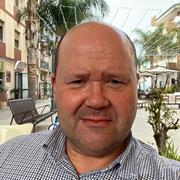 Henry Houlden合作论文数Department of Neuromuscular Diseases, Queen Square Institute of Neurology, UCL;Queen Square Centre for Neuromuscular Diseases, UCL58
 Michael Hanna合作论文数Department of Neuromuscular Diseases, University College London56
 Robert Pitceathly合作论文数Department of Neuromuscular Diseases, Queen Square Institute of Neurology, Faculty of Brain Sciences, University College London38Giovanni Meola合作论文数37Rosanna Cardani合作论文数CMN-Neuromuscular Disease Center, University of Milan31Andrea Cortese合作论文数22O.V. Poole合作论文数UCL, Ctr Neuromuscular Dis22Mary M. Reilly合作论文数20
 Alan Pittman合作论文数Institute of Neurology, London, United Kingdom19Cathy E Woodward合作论文数18
 Jasper Morrow合作论文数Queen Square Institute of Neurology, University College London;National Hospital for Neurology and Neurosurgery, University College London Hospitals NHS Foundation Trust15
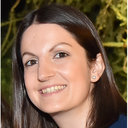 Stephanie Efthymiou合作论文数13
 Riccardo Curro合作论文数12
 Emma Matthews合作论文数12
 Annalisa Botta合作论文数Department of Biopathology, Tor Vergata University12
 Ashirwad Merve合作论文数11
 Rosaline Quinlivan合作论文数Department of Neuromuscular Diseases, UCL Queen Square Institute of Neurology11
 Chiara Pizzamiglio合作论文数11Vincenzo Angelo Donadio合作论文数Dipartimento di Scienze Biomediche e Neuromotorie, Università di Bologna11M. Hanna合作论文数10Ilaria Quartesan合作论文数10
 Stefano Facchini合作论文数Univ Milan10Alejandro Horga合作论文数Dept Neuromuscular Dis, UCL Queen Sq Inst Neurol10
 Laura Valentina Renna合作论文数10Iain P. Hargreaves合作论文数10Natalia Dominik合作论文数9
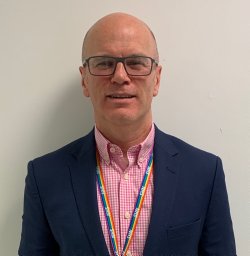 Robert McFarland合作论文数Newcastle Univ, Inst Neurosci, Wellcome Ctr Mitochondrial Res, Newcastle Upon Tyne, Tyne & Wear, England9Laurá Matilde合作论文数9Rossor Alexander M合作论文数MRC Ctr Neuromuscular Dis, UCL Inst Neurol9
 Valeria Sansone合作论文数Nemo Center, University of Milan9Robert W. Taylor合作论文数9Jana Vandrovcova合作论文数8R Liguori合作论文数8Janice Holton合作论文数Queen Square Institute of Neurology, University College London8M. Parton合作论文数8Bruno Ambrosi合作论文数8Ros Quinlivan合作论文数7
 William Macken合作论文数7R. Pitceathly合作论文数7Arianna Manini合作论文数7Horvath Rita合作论文数7James Natalie合作论文数7
 Silvère M. Van Der Maarel合作论文数Department of Human Genetics, Leiden University Medical Center7Pasquale Montagna合作论文数7
 Sabrina Corbetta合作论文数7
 Carl Fratter合作论文数6
 Antonella Spinazzola合作论文数Department of Clinical and Movement Neurosciences, Queen Square Institute of Neurology, Faculty of Brain Sciences, University College London6
 Ramdharry Gita合作论文数Institute of Neurology, University College London6
 Doug Turnbull合作论文数Faculty of Medical Sciences, Newcastle University;Newcastle upon Tyne Hospitals NHS Foundation Trust6




