This special issue addresses a critical need for anti-ableist pedagogy in psychology education. Despite people with disabilities constituting the largest minority group in the USA (almost 30% of the population), they are significantly underrepresented in higher education, including psychology programs, and content about disability is often limited in psychology curricula. Contents of this issue emphasize understanding various models of disability, which critically inform how disability is conceptualized and taught. Furthermore, the issue promotes Universal Design in Learning, a proactive approach to creating inclusive environments by removing systemic barriers and focusing on collective access. Amidst a challenging climate of backlash against diversity, equity, and inclusion initiatives, this special issue offers a vital resource, providing faculty with practical tools and insights for developing accessible, anti-ableist courses that foster disability justice. Throughout this editorial and issue, we address many topics critical to normalizing disability and create a curriculum that is inclusive for all.
People with disabilities represent one of the largest minority groups in the United States, and, as health care providers, health service psychologists will almost universally interact with people with disabilities and their families in their work. However, disability is often not well addressed in health service psychology curricula and training. In this article, we provide strategies for integrating disability throughout the health service psychology curriculum as well as ideas for partnerships that health service psychology programs can develop to increase trainee exposure to and knowledge of disability without requiring the development of new resources. We specifically discuss Veterans Health Administration hospitals and clinics, Veterans Benefits Administration Veteran Readiness and Employment programs, and University Centers for Excellence on Developmental Disabilities/Leadership and Education in Neurodevelopmental Disabilities programs as potentially strong partners for health service psychology programs.
PURPOSE:To describe different methods of asking about or determining disability status in survey methodology, including the advantages and disadvantages of each method. METHOD AND MATERIALS:We drew upon the literature on survey research studies including items regarding disability status, as well as our own experiences as rehabilitation survey researchers, and summarized common strategies of asking about disability, including their strengths and weaknesses. RESULTS:The following strategies for asking about disability are discussed in detail: self-identification of disability status; querying functional limitations; querying diagnoses received; and querying symptoms to determine possible diagnoses. Strengths, limitations, and examples of each approach are provided. The strengths and limitations of combining multiple approaches in a single survey are also discussed. CONCLUSIONS:Different strategies for querying or determining disability status in survey research may yield different results and capture different populations. Researchers should carefully consider how they ask about disability when designing survey items.
OBJECTIVE:Medical aid in dying (MAID) has long been a contentious issue in both professional ethics and within the disability community. Some view it as an affirmation of self-determination and autonomy, while others view it as a codification of ableism, potentially to the point of eugenics. With Canada's recent expansion of MAID eligibility to people with nonterminal chronic illnesses and disabilities, discussions about the ethics of MAID legislation have been renewed, particularly among people with disabilities. METHOD:This commentary reviews the common arguments for and against MAID, with a focus on the views, concerns, and opinions within the disability community. New concerns from within the disability community relating to Canada's expansion of MAID to people with nonterminal disabilities are also discussed. Finally, the relation of these concerns to the foundational principles of rehabilitation psychology is discussed. RESULTS:The disability community has historically had a divided view on MAID, with some viewing it as an enactment of ableism and others viewing it as an enactment of self-determination. Expansion of MAID eligibility to individuals with nonterminal illness and disabilities also raises concerns about governments prioritizing MAID over community support for people with disabilities. CONCLUSION/IMPLICATIONS:MAID, especially as applied to individuals with nonterminal illness, is an ethically complex issue in the disability community that addresses many of the foundational principles of rehabilitation psychology. Thus, the decision of advocating for and against MAID in people with nonterminal disabilities is a complicated decision for rehabilitation psychologists. (PsycInfo Database Record (c) 2025 APA, all rights reserved).
People with disabilities experience increased rates of interpersonal violence (IPV) across the lifespan. They also experience unique forms of, risk factors for, and barriers to reporting and addressing IPV. The COVID-19 pandemic worsened many of these risk factors and barriers, leading to new considerations for service providers. This article addresses some of those unique challenges and on ways in which the pandemic has impacted them. Additionally, suggestions are provided for how to identify and address violence against clients with disabilities and make a broader call to address the systemic and structural issues that underlie the epidemic of violence against people with disabilities.
Introduction: Positionality statements accompanying peer-reviewed publications are increasingly being implemented in academic journals across many disciplines, including psychology. These statements serve as transparent, public acknowledgments of the authors' identities, which can offer valuable insight into the authors' work in the context of their lived experiences and potential biases. However, journal editors and associated staff risk harm by uniformly adopting a policy on positionality statements without consideration of the unintended consequences of implementing such practices. Objective/Purpose: The purpose of the current article is to discuss the benefits and challenges of incorporating positionality statements, with a focus on the specific context and principles of rehabilitation psychology. Method: We reviewed the literature on positionality statements and disclosure and incorporated our own experiences as researchers and authors from marginalized and/or minoritized groups. Results: Editorial and research teams in rehabilitation psychology are encouraged to reflect on both the potential benefits of positionality statements (e.g., greater recognition of "insider perspectives," recognition of potential biases) as well as the potential negative consequences (e.g., forced disclosure of characteristics and identities in published work, minimization of the impact of intersectional identities, dissolution of dynamic identities and stages of identity development). Conclusions/Implications: Positionality statements present complex challenges for rehabilitation psychology researchers from diverse backgrounds and their colleagues; thus, authors should be given the freedom to choose if and how to include a positionality statement in their work.
Objective/Purpose: Historically, psychology trainees from marginalized communities have been underrepresented both as researchers and as participants in research on trainee experiences and outcomes. The current research can be used to develop evidence-based strategies to understand and improve the recruitment, retention, advancement, and overall training experiences of trainees with marginalized identities. Method: We review the existing literature on the experiences of psychology trainees, particularly that focused on trainees from marginalized backgrounds. Results: Quantitative, qualitative, and archival data collection and analysis methods each carry their own benefits and limitations, which must be considered and addressed intentionally to optimize the impact of research findings for multiply marginalized individuals. Mixed methods approaches are also discussed. Matching each limitation with a research design strategy is recommended, including the use of sample weights from population archival data to contextualize sample results, incorporating flexibility for reasonable accommodations for intensive qualitative studies, and other strategies. Conclusions/Implications: We provide guidance on selecting a methodology based on specific research and dissemination goals within this area and discuss implications and recommendations for both rehabilitation psychology specifically and the field more broadly. Training programs, governing bodies, faculty, researchers, and other invested parties have shared accountability to deliver diverse, equitable, and inclusive education and training experiences, and conducting high-quality research on the experiences of multiply marginalized trainees, including those with disabilities, is a key component of that process.
Purpose/Objective: People with disabilities (PWD) generally exhibit an increased risk of suicidal ideation (SI) and behaviors. Underlying cognitive states, namely perceived burdensomeness, have been identified as a contributor to the increased risk of suicidal thoughts and behaviors in PWD. However, the role of body esteem in the development of SI in this population remains unexamined, despite its salience in other populations. In this study, we examined whether the interaction of perceived burdensomeness and body esteem contributed to the perceived likelihood of future SI among PWD, and whether this relationship was further moderated by disbaility type. Method: Participants included 119 adults with self-reported vision- and mobility-related disabilities who participated in a larger study focused on disability and suicide involving interviews and self-report measures. We examined the interaction between perceived burdensomeness and disability-related body esteem on self-reported likelihood of future SI and whether this interaction was further moderated by disability type (i.e., vision- or mobility-related disability). Results: Greater perceived burdensomeness was associated with a greater perceived likelihood of future SI only for participants with vision impairments and at low levels of body esteem. Conclusions/Implications: The combination of experiences of perceived burdensomeness and low body esteem may be particularly relevant to SI among people with vision-related versus mobility-related disabilities.
Burnout of rehabilitation counselors has a negative impact on counselor’s well-being and the quality of service delivered to clients. Understanding the process of counselor burnout is critical as it can illuminate intervention development. Conceptual models of burnout exist within the literature; however, these are not unique to the counseling profession. To fill this gap, we tested and verified a model of counselor burnout (given five key dimensions in the Counselor Burnout Inventory) using path analysis based on responses from 147 rehabilitation counselors working at State Vocational Rehabilitation agencies. The findings described an interesting picture through which a negative work environment could progressively lead to various burnout symptoms in rehabilitation counselors. Moreover, the results revealed that one’s personal life could be negatively influenced by multiple elements in the model. Implications of the findings are discussed.
Individuals who identify as sexual and gender minorities, including lesbian, gay, bisexual, transgender, queer, and others (LGBTQ+) are more likely to experience poorer health than their heterosexual and cisgender counterparts. One primary source that drives these health disparities is minority stress (i.e., chronic and social stressors unique to LGBTQ+ communities' experiences adapting to the dominant culture). This stress is frequently expressed in LGBTQ+ users' posts on social media platforms. However, these expressions are not just straightforward manifestations of minority stress. They involve linguistic complexity (e.g., idiom or lexical diversity), rendering them challenging for many traditional natural language processing methods to detect. In this work, we designed a hybrid model using Graph Neural Networks (GNN) and Bidirectional Encoder Representations from Transformers (BERT), a pre-trained deep language model to improve the classification performance of minority stress detection. We experimented with our model on a benchmark social media dataset for minority stress detection (LGBTQ+ MiSSoM+). The dataset is comprised of 5,789 human-annotated Reddit posts from LGBTQ+ subreddits. Our approach enables the extraction of hidden linguistic nuances through pretraining on a vast amount of raw data, while also engaging in transductive learning to jointly develop representations for both labeled training data and unlabeled test data. The RoBERTa-GCN model achieved an accuracy of 0.86 and an F1 score of 0.86, surpassing the performance of other baseline models in predicting LGBTQ+ minority stress. Improved prediction of minority stress expressions on social media could lead to digital health interventions to improve the wellbeing of LGBTQ+ people-a community with high rates of stress-sensitive health problems.
Minority stress is the leading theoretical construct for understanding LGBTQ+ health disparities. As such, there is an urgent need to develop innovative policies and technologies to reduce minority stress. To spur technological innovation, we created the largest labeled datasets on minority stress using natural language from subreddits related to sexual and gender minority people. A team of mental health clinicians, LGBTQ+ health experts, and computer scientists developed two datasets: (1) the publicly available LGBTQ+ Minority Stress on Social Media (MiSSoM) dataset and (2) the advanced request-only version of the dataset, LGBTQ+ MiSSoM+. Both datasets have seven labels related to minority stress, including an overall composite label and six sublabels. LGBTQ+ MiSSoM (N = 27,709) includes both human- and machine-annotated la-bels and comes preprocessed with features (e.g., topic models, psycholinguistic attributes, sentiment, clinical keywords, word embeddings, n-grams, lexicons). LGBTQ+ MiSSoM+ includes all the characteristics of the open-access dataset, but also includes the original Reddit text and sentence-level labeling for a subset of posts (N = 5,772). Benchmark supervised machine learning analyses revealed that features of the LGBTQ+ MiSSoM datasets can predict overall minority stress quite well (F1 = 0.869). Benchmark performance metrics yielded in the prediction of the other labels, namely prejudiced events (F1 = 0.942), expected rejection (F1 = 0.964), internalized stigma (F1 = 0.952), identity concealment (F1 = 0.971), gender dysphoria (F1 = 0.947), and minority coping (F1 = 0.917), were excellent. Descriptive analyses, ethical considerations, limitations, and possible use cases are provided.
This study examined the impact of ableist microaggressions on the formation of a disability identity, with a heavy focus on the microinsult of presumed lack of intellect. Participants were 267 adults with cognitive and/or physical disabilities, ages 18 to 65, living in the United States. Experiences of ableist microaggressions were assessed using online survey data. Our analyses indicated ableist microaggressions appear to increase pride in a person’s disability instead of the negative impact that was originally hypothesized. However, the microinsult of presumed lack of intellect was correlated with increased shame towards disability as hypothesized, also negatively impacting one’s acceptance of their disability identity. Results also showed there is statistical significance when comparing gender differences in amount of ableist microaggressions encountered. Strengths, limitations, clinical implications, and directions for future research are discussed.
Purpose: The purpose of this study was to pilot test a survey of professionals within the justice system about their knowledge and perceptions of developmental language disorders (DLDs) and to gather initial data supporting their knowledge and perceptions. Method: One hundred thirty-six adults in Texas with law enforcement jobs, primarily police officers, participated in this study. Participants completed a survey consisting of 78 questions about their background, experiences with DLD, and beliefs about communication. Additionally, 42 adults who did not work in law enforcement completed the survey twice to establish the initial measures of survey reliability. Results: This survey demonstrated sufficient test–retest reliability with adults not in law enforcement, and results indicated the emergence of two subscales within the survey. Law enforcement professionals appeared to have limited knowledge of DLD, and many linked language-related behaviors with credibility. A majority did agree with giving accommodations to individuals who struggle with language and reported interest in receiving training to recognize and accommodate DLD. Conclusions: This pilot study demonstrates a need for collaboration between speech-language pathologists and law enforcement professionals and provides data for a survey that could be used across professional groups in the justice system to measure knowledge and perspectives of DLDs. This work represents an initial step in an iterative process of survey development for law enforcement professionals. Supplemental Material: https://doi.org/10.23641/asha.25033718
Background The optimal treatment for gender dysphoria is medical intervention, but many transgender and nonbinary people face significant treatment barriers when seeking help for gender dysphoria. When untreated, gender dysphoria is associated with depression, anxiety, suicidality, and substance misuse. Technology-delivered interventions for transgender and nonbinary people can be used discretely, safely, and flexibly, thereby reducing treatment barriers and increasing access to psychological interventions to manage distress that accompanies gender dysphoria. Technology-delivered interventions are beginning to incorporate machine learning (ML) and natural language processing (NLP) to automate intervention components and tailor intervention content. A critical step in using ML and NLP in technology-delivered interventions is demonstrating how accurately these methods model clinical constructs. Objective This study aimed to determine the preliminary effectiveness of modeling gender dysphoria with ML and NLP, using transgender and nonbinary people’s social media data. Methods Overall, 6 ML models and 949 NLP-generated independent variables were used to model gender dysphoria from the text data of 1573 Reddit (Reddit Inc) posts created on transgender- and nonbinary-specific web-based forums. After developing a codebook grounded in clinical science, a research team of clinicians and students experienced in working with transgender and nonbinary clients used qualitative content analysis to determine whether gender dysphoria was present in each Reddit post (ie, the dependent variable). NLP (eg, n-grams, Linguistic Inquiry and Word Count, word embedding, sentiment, and transfer learning) was used to transform the linguistic content of each post into predictors for ML algorithms. A k-fold cross-validation was performed. Hyperparameters were tuned with random search. Feature selection was performed to demonstrate the relative importance of each NLP-generated independent variable in predicting gender dysphoria. Misclassified posts were analyzed to improve future modeling of gender dysphoria. Results Results indicated that a supervised ML algorithm (ie, optimized extreme gradient boosting [XGBoost]) modeled gender dysphoria with a high degree of accuracy (0.84), precision (0.83), and speed (1.23 seconds). Of the NLP-generated independent variables, Diagnostic and Statistical Manual of Mental Disorders, Fifth Edition (DSM-5) clinical keywords (eg, dysphoria and disorder) were most predictive of gender dysphoria. Misclassifications of gender dysphoria were common in posts that expressed uncertainty, featured a stressful experience unrelated to gender dysphoria, were incorrectly coded, expressed insufficient linguistic markers of gender dysphoria, described past experiences of gender dysphoria, showed evidence of identity exploration, expressed aspects of human sexuality unrelated to gender dysphoria, described socially based gender dysphoria, expressed strong affective or cognitive reactions unrelated to gender dysphoria, or discussed body image. Conclusions Findings suggest that ML- and NLP-based models of gender dysphoria have significant potential to be integrated into technology-delivered interventions. The results contribute to the growing evidence on the importance of incorporating ML and NLP designs in clinical science, especially when studying marginalized populations.
PURPOSE:Children who are deaf and hard of hearing (DHH) have documented deficits with complex syntax and vocabulary knowledge. Mental state verbs (MSVs) are necessary for some kinds of complex syntax use and communicate abstract concepts needed for academic language. The purpose of this study was to examine the frequency, diversity, and syntactic context of MSV use in children who are DHH compared to children with typical hearing (CTH).METHOD:Seventy-three preschool children (23 with cochlear implants, 22 with hearing aids, and 28 with typical hearing) completed a structured language sample as part of a larger assessment battery. Samples were analyzed and compared across groups for use of MSVs, diversity in MSV use, and syntactical context for MSVs.RESULTS:Children who are DHH used significantly fewer MSV in complex syntax, a smaller diversity of MSV, and significantly fewer MSV in obligatory contexts compared to CTH. Results for the cochlear implants and hearing aid groups were not significantly different from one another despite differing levels of hearing loss.CONCLUSION:Children who are DHH demonstrate significant differences in the rate, diversity, and complexity of MSV use compared to peers with typical hearing.SUPPLEMENTAL MATERIAL:https://doi.org/10.23641/asha.24091860.
Importance:Tumor necrosis factor α (TNF) inhibitor-induced psoriasiform eruption is well recognized in adults, but few reports document this paradoxical effect in children.Objective:To characterize the clinical features and the clinical time course of TNF inhibitor-induced psoriasiform eruptions in children.Design, Setting, and Participants:A multicenter retrospective case series of children younger than 18 years seen between January 1, 2000, and December 31, 2016, who developed a new-onset psoriasiform eruption while taking a TNF inhibitor for a nondermatologic disorder. Participating sites were members of the Pediatric Dermatology Research Alliance. Data were entered into a Research Electronic Data Capture database at the Mayo Clinic (ie, the coordinating center).Results:Psoriasiform eruptions were identified in 103 TNF inhibitor-treated patients (median age, 13.8 years [IQR, 11.7-16.4 years]; 52 female patients [50%]; 57 White patients [55%]), with 67 patients (65%) treated with infliximab, 35 (34%) with adalimumab, and 1 (1%) with certolizumab pegol. Most patients had no personal history (101 [98%]) or family history of psoriasis (60 patients [58%]). Inflammatory bowel disease was the most common indication for treatment with TNF inhibitor (94 patients [91%]). The primary extracutaneous disease was under control in 95 patients (92%) who developed the eruption. Most patients (n = 85 [83%]) developed psoriasiform eruptions at multiple anatomic sites, with scalp involvement being most common (65 patients [63%]). Skin disease developed at a median of 14.5 months (IQR, 9-24 months) after TNF inhibitor initiation. To treat the psoriasiform eruption, topical steroidal and nonsteroidal medication was prescribed for all patients. Systemic therapy was added for 30 patients (29%): methotrexate for 24 patients (23%), oral corticosteroids for 8 patients (8%), and azathioprine for 1 patient (1%). For 26 patients (25%), suboptimal effectiveness with topical medications alone prompted discontinuation of the initial TNF inhibitor and a change to a second-line TNF inhibitor with cutaneous improvement in 23 patients (88%) by a median of 3 months (IQR, 2-4 months). Eight patients (31%) who started a second-line TNF inhibitor developed a subsequent TNF inhibitor-induced psoriasiform eruption at a median of 6 months (IQR, 4-8 months). Persistent skin disease in 18 patients (17%) prompted discontinuation of all TNF inhibitors; 11 patients changed to a non-TNF inhibitor systemic therapy, and 7 discontinued all systemic therapy.Conclusions and Relevance:In this case series, paradoxical TNF inhibitor-induced psoriasiform eruptions were seen in children treated with TNF inhibitors for any indication, and there appears to be a class effect among the varying TNF inhibitors. The majority of these children were able to continue TNF inhibitor therapy with adequate skin-directed and other adjuvant therapies.
Research has shown that rates of domestic violence generally increased during the coronavirus 2019 (COVID-19) pandemic, likely related to mitigation efforts that promoted staying at home and lockdown protocols. However, the link between pandemic-related domestic violence victimization and mental health outcomes has been less explored. The present study examined the possible association between exposure to domestic physical and psychological violence during the COVID-19 pandemic and depressive and post-traumatic stress symptoms (PTSS) in an online sample of American adults recruited in December 2021. Data from 604 participants were analyzed. Forty-four percent of participants (n = 266) reported experiencing physical domestic violence, psychological domestic violence, or both during the pandemic, with psychological violence more commonly reported than physical violence. Exposure to both forms of violence was associated with higher rates of depressive and post-traumatic stress symptoms. Given the high rates and negative associations between psychological domestic violence and mental health symptoms in this sample, healthcare providers should assess for domestic violence exposure even if no indications of physical abuse are present or if there were not concerns about domestic violence exposure prior to the pandemic. Potential psychological sequalae should also be assessed if a patient has a positive history of domestic violence victimization.
Purpose: This study compares responses of children who are deaf and hard of hearing (DHH) who use spoken language with responses of children who have typical hearing on a repeated word association task to evaluate lexical- semantic organization.Method: This study included 109 participants in early kindergarten or who had completed first grade. The younger group included 30 children with typical hearing, 22 with hearing aids, and 21 with cochlear implants. The older group included 16 children with typical hearing, nine with hearing aids, and 11 with cochlear implants. Children were asked to give a word associated with 24 stim-uli words. Responses were coded according to their relation to the target. Results: An analysis of variance revealed that older children, regardless of hearing status, produced more semantically related responses to prompts than younger children. Children in the younger DHH group differed from children with typical hearing in their production of non-semantically related responses: They produced errored responses at higher rates.Conclusion: This preliminary data may indicate an early deficit in recognition of semantic relations between words for children who are DHH and provides a basis for continued longitudinal study of changes in lexical-semantic organization.
Individuals with disabilities comprise one of the largest marginalized groups in the United States and experience systemic barriers in health care. In Westernized communities, disability has historically been conceptualized via the medical model, which considers disability an individual-level deficit in need of correction. Although other models of disability (e.g., social model) have been developed to address the medical model's ableist shortcomings, these fail to consistently acknowledge intersectionality. Specifically, these models fail to consider that (a) a disabled individual may hold other marginalized or oppressed identities and (b) these intersecting oppressions may exacerbate health inequities. Intersectionality, which originates from Black feminist literature, describes the ways that systems of power and oppression (e.g., racism, sexism) interact to form an individual's unique experience. To date, the intersection of disability and other marginalized identities has been neglected in psychology and related fields, leaving little guidance for how scholars, clinicians, and other stakeholders can address disability via an intersectional lens. The present article discusses how a disability-affirmative, intersectional approach can serve as a strategy for challenging and reforming oppressive systems across the field of psychology. We assert that, ultimately, this approach has the potential to optimize and expand access to equitable, inclusive mental health care, and we propose actionable steps psychologists can take in research, practice, training, and policy in pursuit of this aim. (PsycInfo Database Record (c) 2023 APA, all rights reserved).
 Katie B. Thomas合作论文数Clement J Zablocki VA Med Ctr, Milwaukee, WI USA20
 Rosemary Hughes合作论文数15
 Michael R. Nadorff合作论文数Dept Psychol, Mississippi State Univ14
 Kate Galbraith合作论文数10
 Andrews Erin E合作论文数Central Texas VA Health Care System.10
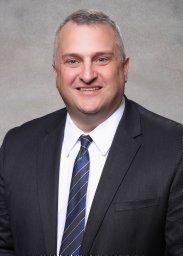 Jared C. Schultz合作论文数Dept Disabil & Psychoeduc Studies, Univ Arizona9Laurie E Powers合作论文数9
 Lauren Bouchard合作论文数Concordia Univ8Werfel Krystal L合作论文数languagelab, Vanderbilt University School of Medicine8
 Lauren Khazem合作论文数University of Southern Mississippi.8Mary Oschwald合作论文数7Susan Robinson-Whelen合作论文数7
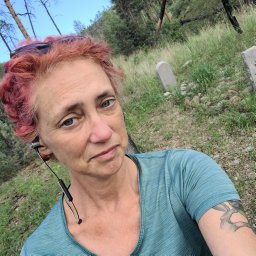 Jennifer B. Ganz合作论文数Department of Special Education, University of Texas at San Antonio7
 Joy Gabrielli合作论文数6
 Melanie Schuele合作论文数6Dalia Chowdhury合作论文数Dept Rehabil & Hlth Serv, Univ North Texas5
 Blake Jamilia J合作论文数Department of Educational Psychology, Texas A&M University;Department of Educational Psychology, Texas A&M University5
 Duran Lillian合作论文数5
 Scott W Ross合作论文数5Christina Nicolaidis合作论文数5Bob Liston合作论文数4Leanne Beers合作论文数4kathleen seader合作论文数4
 Dannie Klooster合作论文数4
 Ryan E. Flinn合作论文数Med Coll Georgia, Augusta Univ4
 Cory J Cascalheira合作论文数Department of Counseling and Educational Psychology, New Mexico State University4
 Claire Burgess合作论文数VA Boston Healthcare Syst4
 Shah Muhammad Hamdi合作论文数Georgia State Univ, Dept Comp Sci, Atlanta, GA 30302 USA4
 Christian Sabey合作论文数Special Educ, Brigham Young Univ4
 Marsha Katz合作论文数4
 Ee Rea Hong合作论文数4
 Scheer Jillian R合作论文数4Flaherty Michael C合作论文数4Shelton Rollin合作论文数4Latorre Allyn合作论文数4Holt Judith M合作论文数4
 Kathleen R. Bogart合作论文数4Christina M. Sias合作论文数3
 Ruth Nelson合作论文数3Angela M. Kuemmel合作论文数3Courtney Banks合作论文数3Yuxuan Zhao合作论文数3Danica Laprade合作论文数3erin m porcher合作论文数3
 Christopher R. DeJesus合作论文数3
 Alejandra Gonzalez合作论文数3
 Andrea Dennison合作论文数3Andy J. Johnson合作论文数3
 Theresa Kohlmeier合作论文数Univ Wisconsin Stout3




