OBJECTIVES:Catatonia occurs in critical illness, however, underlying causal mechanisms are unknown. We aim to determine if exposure to antipsychotic medication is associated with less days alive and free from catatonia in critically ill adults. DESIGN:The Delirium and Catatonia Prospective Cohort Investigation is a prospective cohort. SETTING:Single academic medical center's medical, surgical, and trauma ICUs. PATIENTS:Critically ill adult patients on mechanical ventilation or vasopressors without a major neurocognitive disorder, severe psychiatric disorder, or catatonia at baseline. INTERVENTIONS:The primary exposure was antipsychotic administration and cumulative dosage during the first 5 and 14 days from enrollment. MEASUREMENTS AND MAIN RESULTS:Catatonia was evaluated with the Bush-Francis Catatonia Rating Scale mapped to Diagnostic and Statistical Manual of Mental Disorders , Fifth Edition criteria. The primary outcome was catatonia-free days (CFDs), defined as the number of days the patient was alive and free from catatonia. Adjusted proportional odds logistic regression was used to estimate the odds ratio (OR) of outcome events. Patients ( n = 270) were enrolled with a median (interquartile range) age of 54.5 years (36.7-67.2 yr). Of patients who were exposed to antipsychotic medication ( n = 102), 27 (26%) experienced catatonia. Compared with patients who were never exposed to antipsychotics, those exposed in both the 5- and 14-day models had a 74% and 51% reduction in the odds of more CFD (OR, 0.2568; 95% CI, 0.1580-0.4173) and (OR, 0.4939; 95% CI, 0.3857-0.6325), respectively. Furthermore, those exposed to higher dosages had a 97% reduction in the odds of more CFD (OR, 0.0281; 95% CI, 0.0142-0.0556) and (OR, 0.0335; 95% CI, 0.0166-0.0673) compared with those exposed to lower dosages in both the 5- and 14-day models, respectively. CONCLUSIONS:This study may influence how intensivists approach the use of antipsychotic medications and may build upon existing evidence that dopamine blockade is an underlying biologic mechanism underlying catatonia.
BACKGROUND:Delirium afflicts 17% of older emergency department (ED) patients and 25% of older hospitalized patients. This form of acute brain failure is associated with accelerated cognitive decline. We conducted a randomized controlled trial to determine whether early cognitive intervention improved 4-month global cognition in older ED patients hospitalized with delirium. METHODS:A two-site randomized controlled trial was conducted with English-speaking patients aged 65 years or older who were delirious at enrollment. Patients were excluded if they had end-stage dementia, resided in a nursing home, or were in hospice. Patients were randomized to receive a cognitive intervention within 24 h of ED presentation or usual care in a 1:2 ratio. Patients randomized to cognitive intervention received twice-daily cognitive training sessions during hospitalization and weekly cognitive rehabilitation for up to 12 weeks after hospital discharge. The primary outcome was global cognition at 4 months using the Repeatable Battery for the Assessment of Neuropsychological Status (RBANS), with higher scores indicating better cognition. To determine the effect of the cognitive intervention on 4-month global cognition, proportional odds logistic regression was performed, adjusted for pre-illness dementia and function, and other confounders. Adjusted odds ratios (aORs) and their 95% confidence intervals (95% CIs) are reported. RESULTS:A total of 283 patients were randomized; 97 were randomized into the cognitive intervention arm, and 186 were randomized into the usual care arm. A total of 152 patients had 4-month RBANS data. The median interquartile range (IQR) RBANS score at 4 months was 67 (49, 80) and 67 (52, 83) in the intervention and usual care groups, respectively. In the adjusted analysis, the cognitive intervention was not significantly associated with 4-month RBANS (aOR = 0.86; 95% CI: 0.45, 1.65). CONCLUSIONS:Early cognitive intervention was not associated with improved 4-month global cognition in older ED patients hospitalized with delirium.
BACKGROUND:To enhance biological understanding of ARDS, pneumonia, and sepsis and to accelerate therapeutic development in these areas, the National Institutes of Health developed the ARDS, Pneumonia, and Sepsis (APS) Consortium. RESEARCH QUESTION:Is the APS Consortium study rapidly generating data and biospecimens from a large cohort of critically ill adults with ARDS, pneumonia, and sepsis that will facilitate phenotyping of these syndromes? STUDY DESIGN AND METHODS:The APS Consortium Phenotyping Study is a multicenter, longitudinal, prospective, observational cohort study aimed at enrolling 4,000 critically ill adults with ARDS, pneumonia, sepsis, or a combination thereof over 4 years. Data and biospecimens are collected to characterize many aspects of each participant's chronic health, acute illness, and long-term recovery to facilitate phenotyping, that is, subclassifying ARDS, pneumonia, and sepsis into precise biologically based subsets with shared pathophysiologic characteristics. Feasibility of the study was assessed by evaluating the first 1,000 participants in terms of recruitment pace, participant characteristics, biospecimen collection, and proportion with confirmed ARDS, pneumonia, and sepsis based on expert adjudication. RESULTS:The first 1,000 participants were recruited ahead of schedule in < 13 months. Median age was 64 years, 75% received vasopressors, 50% received invasive mechanical ventilation, and 25% died in the hospital within 4 weeks of enrollment. Biospecimen collection rates were high, with 99% of participants with blood samples, 98% with upper respiratory swabs, 37% with lower respiratory samples, 80% with urine samples, and 65% with gastrointestinal samples. Expert adjudication resulted in 40% classified with ARDS, 52% classified with pneumonia, and 89% classified with sepsis. INTERPRETATION:The APS Consortium Phenotyping Study is producing a cohort of critically ill adults with ARDS, pneumonia, and sepsis with high severity of disease and a rich set of data and biospecimens. The study will continue to full enrollment of 4,000 participants. CLINICAL TRIAL REGISTRATION:ClinicalTrials.gov; No.: NCT06521502; URL: www. CLINICALTRIALS:gov.
OBJECTIVES:ICU patients are at increased risk of inappropriate prescribing and high drug burden. These patients also often experience cognitive impairment, physical disability, and increased mortality after discharge. We investigated whether drug burden at hospital discharge was associated with worsened cognition, physical disability, and mortality among ICU survivors up to 6 months postdischarge. DESIGN:Substudy of three prospective cohort studies. SETTING:Tertiary academic medical center. PATIENTS:Adult patients with respiratory failure and/or shock discharged alive from the ICU. INTERVENTIONS:None. MEASUREMENTS AND MAIN RESULTS:Drug burden was quantified using drug burden index (DBI) at admission, ICU transfer, and hospital discharge. Cognition was assessed with validated cognitive batteries. We assessed physical disability using Katz activities of daily living (ADL) and Functional Activities Questionnaire (FAQ), and 90-day mortality via chart review and surrogate. Binary logistic regression was used to investigate the association of discharge DBI on cognitive impairment, adjusting for prespecified covariates. Multivariable proportional odds logistic regression was used to investigate the association of discharge DBI on physical disability. Cox proportional hazards regression was used to investigate 90-day mortality. A total of 676 patients were included, 478 patients with cognitive assessment and 490 with physical assessment data. Median DBI increased throughout hospitalization with admission, ICU transfer, and hospital discharge DBI 1.96, 2.42, and 3.08, respectively. We did not find a statistically significant association between hospital discharge DBI and long-term cognitive impairment (odds ratio [OR] 1.25; 95% CI, 0.89-1.76; p = 0.20). There was no association between hospital discharge DBI and Katz activities of daily living (OR 1.08; 95% CI, 0.80-1.44; p = 0.62), FAQ (OR 1.15; 95% CI, 0.89-1.49; p = 0.29), or 90-day mortality (hazard ratio 0.87; 95% CI, 0.61-1.23; p = 0.42). CONCLUSIONS:Within our cohort of ICU survivors, we did not find a significant association of centrally acting drug burden measured by the DBI with long-term cognitive impairment, physical disability, or 90-day mortality.
There is limited information on the relationship between multidisciplinary bundle compliance and long-term outcomes. We explored the association between bundle compliance and outcomes at 3 and 12 months after hospital discharge. We conducted secondary analyses of a randomized controlled trial comparing haloperidol, ziprasidone, and placebo for delirium in patients with critical illness. From 2011 to 2017, adult patients with respiratory failure and/or shock were recruited from 16 US medical centers. Participants received a daily ABCDE bundle during their critical illness. We assessed cognition, disability, mental health, quality of life, and survival over 12 months of follow-up. We analyzed data using linear mixed effects regression and Cox proportional hazards models. Among 566 participants, 418 survived to hospital discharge, 304 were assessed for 3-month outcomes, and 251 for 12-month outcomes. Median proportional bundle compliance was 97 https://clinicaltrials.gov/ct2/show/NCT01211522 .
BACKGROUND:Survivorship after critical illness is often characterised by fragmented recovery and lingering cognitive, psychological, and physical impairments collectively described as post-intensive care syndrome. Current recovery frameworks and follow-up models remain inconsistently delivered, poorly standardised, and rarely address survivors' and families' need to make sense of the intensive care unit (ICU) experience in a transparent, inclusive, and sensitive way. The Critical Illness Survivorship Programme is proposed to humanise post-intensive care by integrating generative artificial intelligence technologies with co-designed, person-centred recovery strategies. This discussion paper provides the theoretical foundation for the proposed Critical Illness Survivorship Programme, which intends to humanise post-intensive care recovery through ethically governed, artificial intelligence-enabled narrative approaches. DISCUSSION:The Critical Illness Survivorship Programme redefines recovery as both a biological and narrative process. Drawing from interpretive nursing inquiry, narrative medicine, cognitive rehabilitation, and responsible artificial intelligence design, the Critical Illness Survivorship Programme is designed to generate personalised intensive care unit journey summaries that translate complex health-record data into accessible, emotionally attuned stories, visualisations, and audio outputs. These narratives aim to support sense-making, memory integration, and emotional recovery while promoting transparency, inclusivity, and cultural sensitivity. CONCLUSIONS:The proposed Critical Illness Survivorship Programme will offer a conceptual pathway for developing ethically governed, artificial intelligence-enabled tools that bridge digital innovation and human connection in survivorship care. It emphasises interdisciplinary collaboration, trauma-informed communication, and co-design as essential safeguards for compassionate technology integration. IMPLICATIONS FOR PRACTICE:Future research should examine the feasibility, ethical oversight, and educational implications of the Critical Illness Survivorship Programme within clinical pathways. By reframing technology as a partner in empathy and understanding, the Critical Illness Survivorship Programme proposes a potential model of recovery - one that restores coherence, dignity, and meaning in life after critical illness.
While acute brain dysfunction (ABD, i.e., delirium and coma) is associated with significantly increased morbidity in critically ill patients, it presents with great heterogeneity that poses a challenge for management and prognostication. While machine learning may be promising for subgroup identification, this approach has not yet been applied to COVID-19 patients with ABD. The aim of our study was to identify distinct clusters among critically ill patients with COVID-19 based on ICU admission data and evaluate their association with clinical outcomes. We retrospectively analyzed an international multicenter database (COVID-D study) of critically ill adult patients with COVID-19 during the first pandemic wave and ABD using clinical features on day 1 of admission as input variables. We applied unsupervised machine learning in a pilot attempt to discover clusters of ABD patients. Hierarchical clustering was performed with a bootstrap-based robustness assessment after dimensionality reduction. Clusters were analyzed for differences in neurological outcomes, mechanical ventilation, and survival. We analyzed 1,631 critically ill COVID-19 patients with ABD, identifying four reproducible clusters with distinct clinical and neurological profiles. Cluster 1 ("mild respiratory failure,” n = 335) had the most favorable outcomes, with the shortest duration of delirium (4.13 days) and mechanical ventilation. Cluster 2 ("moderate ARDS," n = 508) showed a comparable delirium incidence but the longest duration (5.18 days). Cluster 3 ("early severe ARDS," n = 161) included patients who underwent prone positioning and mechanical ventilation early from the day of admission, with higher rates of coma (100
BACKGROUND:Delirium is strongly associated with subsequent dementia, but this is often assumed to reflect underlying associations of baseline health with dementia. We examined the associations of delirium on admission with incident dementia across the spectrum of long-term conditions (LTCs). METHODS:We conducted a retrospective population-based cohort study using linked primary care and hospital data for emergency admissions of patients aged 65 years or older in Lothian, Scotland, from April 1, 2017, to April 1, 2020. Delirium on admission was assessed at the bedside for all patients using the 4AT, categorised as delirium (4AT ≥4) or no delirium (4AT 0-3). The primary outcome was incident dementia, with all-cause mortality as a secondary outcome. Associations of delirium, number of LTCs (categorised as 0-1 LTCs; 2-4 LTCs; 5-6 LTCs; and ≥7 LTCs), and their interaction with incident dementia and mortality were examined using unadjusted and adjusted Fine-Gray subdistribution hazards regression and Cox proportional hazards models. FINDINGS:Of 23 558 people without pre-existing dementia, 4135 (17·6%) had an admission with delirium. Mean age was 78·9 years (SD 8·1) and 12 826 (54·4%) patients were female. Delirium was associated with higher incident dementia risk. The relative risk was highest in those without multiple LTCs (MLTCs; adjusted subdistribution hazard ratio [aHR] 3·38 [95% CI 2·46-4·63]) and decreased with an increasing number of LTCs. Delirium was also associated with increased mortality, regardless of the number of LTCs. In those without MLTCs, delirium was associated with higher early mortality (≤90 days: aHR 4·23 [95% CI 3·27-5·49]) and late mortality (>90 days: 1·64 [1·33-2·03]). INTERPRETATION:Delirium is strongly associated with incident dementia in older adults across the LTC spectrum, with the highest relative risk in people without MLTCs. Findings support routine delirium assessment on hospital admission for all older adults and highlight the need to further investigate neurodegenerative mechanisms in delirium. FUNDING:Wellcome Trust.
BACKGROUND Quality delirium care depends on monitoring and early identification. This is especially true among older adults, who are at highest risk for delirium. The electroencephalography-based delirium index (EEG-DI) is robustly associated with delirium among critically ill adults, and may contribute to improved monitoring. Yet neurophysiologic changes with aging or dementia could impact its performance. OBJECTIVE We examined the performance of the EEG-DI in a cohort of hospitalized nonagenarians, who have increased rates of dementia. We hypothesized that, consistent with prior work, delirium is associated with lower EEG-DI values, even after adjusting for history of dementia. METHODS In this retrospective observational study, we identified hospitalized patients over 90 years of age, with EEGs recorded for clinical purposes between May 2014 and January 2020. We obtained clinical and demographic data from the electronic health record. We computed EEG-DI as previously published, based on frequency composition and variability of the raw EEG signals. We used multivariable logistic regression to model the relationship between EEG-DI and presence of delirium, adjusting for confounders including dementia history. We used receiver operating characteristic (ROC) analysis to evaluate EEG-DI performance in patients with and without dementia. RESULTS The final analysis included 68 nonagenarians (mean age 92 years; 42 [62%] women), of whom 22 (33%) had dementia and 32 (47%) had delirium. Lower EEG-DI was independently associated with greater likelihood of delirium (adjusted odds ratio [aOR] 11.2, 95% CI 2.0-62.4, p=0.006). Optimism-corrected area under the ROC curve for delirium was 0.80 (95% CI 0.68-0.93) in patients without dementia and 0.65 (95%CI 0.32 to 0.90) with dementia. CONCLUSION Lower EEG-DI is strongly associated with delirium in nonagenarians, similar to the association reported in younger patients. EEG-DI showed poor discrimination for delirium in patients with dementia and may not be appropriate for use in this population.
Introduction Cognitive impairment after critical illness is a common occurrence that has a profound impact on millions of people worldwide each year. Currently, no interventions after critical illness have been found to promote cognitive recovery. Cognitive training has shown promise in other populations (eg, community-dwelling adults), predominantly in improving the trained cognitive domain (eg, memory, reasoning or executive function). In pilot work, in-person cognitive training with intensive care unit (ICU) survivors was found to not only improve the trained domain but also may reduce disabilities in daily function. Computerised cognitive rehabilitation (CCR) is a more scalable option, which we have demonstrated the feasibility of use among ICU survivors. Whether CCR is efficacious in ICU survivors remains unknown.Methods and analysis The Returning to Everyday Tasks Utilising Rehabilitation Networks-III (RETURN-III) study is a multicentre, randomised, double-blinded, parallel group controlled trial testing the hypothesis that CCR versus active control will result in less cognitive impairment after critical illness. Adult patients who recently experienced acute respiratory failure or shock in medical and surgical ICUs at two hospitals in Nashville (TN, USA) will be enrolled. Participants will be randomised within 12 weeks of hospital discharge to a 12-week home-based programme of CCR (or control), with the goal of five 30 min sessions per week. In-person assessments will be performed at baseline, 3 months and 12 months after randomisation. The primary outcome is global cognitive function 3 months after randomisation using the Repeatable Battery for the Assessment of Neuropsychological Status (RBANS) score. Secondary outcomes will include 12-month RBANS global cognitive function, 3-month and 12-month subjective cognition by the Cognitive Self-Report Questionnaire, daily function related to cognition by the Functional Activities Questionnaire and processing speed/executive function by Trail Making Test part B. With an anticipated enrolment of 160 patients, the study will have at least 80% power to detect a 7-point or higher difference in RBANS cognition scores between the two groups (<0.5 SD based on age-adjusted population norms) with a type 1 error rate of 5%.Ethics and dissemination The RETURN-III study was approved by the institutional review boards at each participating site. The results will be submitted for publication in a peer-reviewed journal and presented at one or more scientific conferences following completion of data collection.Trial registration number NCT04353804.
As individuals age, age-related biologic and physiologic changes, alterations to pharmacokinetic and pharmacodynamic variables, and multimorbidity place geriatric patients at high risk for drug-related problems. Drug therapy problems in these patients include polypharmacy, inappropriate medication use, and poor medication adherence often due to complex regimens and medication costs. Pharmacists, physicians, and advanced practice providers (APPs) are uniquely positioned to tackle drug therapy problems and must work in tandem to do so. For maximal success, routine drug assessment within the multidisciplinary team should occur across the care continuum from the intensive care unit to the general floor to the outpatient setting. Pharmacists must identify drug therapy problems through medication reconciliations performed at admission, discharge, and during transitions of care, assist with adherence strategies, and address barriers to medication access. Physicians and APPs must routinely review medication lists, deprescribe and taper pharmacotherapy when able, identify medications to avoid and their appropriate alternatives, and prevent the prescribing cascade. To do this, a variety of tools can be deployed such as the Fit for the Aged criteria, Medication Appropriateness Index, American Geriatric Society Beers Criteria, and Screening Tool of Older Persons' Prescriptions and Screening Tool to Alert to Right Treatment criteria, to aid in medication selection in older adults. This review aims to describe key geriatric physiological changes, highlight the role of the inpatient pharmacist, physician, and APP and discuss methods for assessment and optimization of drug therapy regimens in geriatric patients.
Neurological complications are common in critical illness and are increasingly recognized as major contributors to morbidity, mortality, and long-term disability among patients admitted to an intensive care unit (ICU). Even in the absence of a primary neurological diagnosis, systemic critical illness can exert substantial physiological stress on the brain through hypoxemia, hemodynamic instability, inflammation, and metabolic derangements. Delirium, stroke, seizures, and neuromuscular disorders represent frequent neurological manifestations of multi-organ dysfunction and are associated with prolonged ICU stay, persistent cognitive deficits, and impaired neuropsychological and functional recovery. Recognition of modifiable risk factors has led to targeted strategies such as standardized delirium screening, judicious sedative use, and mitigation of environmental contributors including immobility, sleep disruption, and sensory impairment. However, variability in definitions, surveillance practices, and outcome measures precise estimation of the true burden and may contribute to ongoing underrecognition. In addition, an incomplete understanding of the mechanisms of neurological injury and recovery involving the brain, peripheral nerves, and skeletal muscle further hinders progress in this field. This review synthesizes current evidence on the epidemiology, phenotypes, and risk factors of neurological complications in critical illness, highlighting key knowledge gaps and the current limitations in causal inference and therapeutic evidence, and identifying priorities for future research.
RATIONALE:How rurality may influence recovery after critical illness is unknown. OBJECTIVES:To examine the association between rurality and disability, cognitive function, and health-related quality of life in intensive care unit survivors and whether it is modified by area-level socioeconomic deprivation. METHODS:We measured rurality using Rural-Urban Commuting Area (RUCA) codes (range: 1 [most urban] to 10 [most rural]). At 3 and 12 months postdischarge, we assessed cognition, basic and instrumental activities of daily living, and quality of life. We measured area-level socioeconomic deprivation using the Area Deprivation Index (ADI). We used multivariable regression with inverse probability of attrition weighting, adjusting for prespecified covariates, including ADI. We conducted prespecified analyses assessing the interaction between rurality and ADI. MEASUREMENTS AND MAIN RESULTS:We enrolled 1040 critically ill patients, with 781 surviving to hospital discharge. Survivors had a median (IQR) age of 62 (52-71) years and RUCA score of 4 (1-7). At a 3-month follow-up, greater rurality was associated with greater odds of disability in basic activities of daily living (adjusted odds ratio, 2.16; 95% CI, 1.27-3.67; P = .02). This association remained significant at the 12-month follow-up (P = .03). We found no association between rurality and other outcomes. There was no interaction between RUCA and ADI with basic activities of daily living, suggesting that socioeconomic deprivation did not alter these associations. CONCLUSIONS:Among survivors of critical illness, greater rurality was associated with greater disability in basic activities of daily living but not cognitive function or quality of life.
BACKGROUND:Most patients with cardiogenic shock (CS) survive to hospital discharge, yet data are lacking regarding patient-centered outcomes beyond discharge, including functional status and health-related quality of life (HRQoL). OBJECTIVES:This study aims to evaluate patient-centered outcomes experienced by CS survivors. METHODS:A prospective cohort study enrolled survivors of Society of Coronary Angiography and Intervention Stage C or greater CS at 2 hospitals from December 2023 to August 2024. The primary outcome was functional disability at 3-month follow-up, defined as a modified Rankin Scale ≥2. Patient-reported HRQoL was measured at 3 months using the EQ-5D, which encompasses 5 health domains to generate a composite index score. RESULTS:A total of 141 patients enrolled, with 118 completing 3-month follow-up (87% of eligible patients). Median age was 60; 22% were women, 28% of Black race, and 20% of Hispanic ethnicity. More than one-third (36%) received temporary mechanical circulatory support. Functional disability was common at discharge (66%) and 3 months (46%). Most commonly reported problems on the EQ-5D were pain (67%), mobility limitations (48%), and anxiety/depression (35%), and 18% reported problems with self-care. Median EQ-5D Index Score was 0.84 (Q1-Q3: 0.69-0.94), relative to a U.S. population median of 0.94 for 55-64 years of age. Functional status was inversely correlated with HRQoL at 3 months (r = -0.68; P < 0.001). CONCLUSIONS:Survivors of CS experienced high rates of functional limitations through 3 months, with pain and impaired mobility particularly prevalent. Patient-reported HRQoL was below population norms and significantly associated with functional status. These findings indicate that functional impairments occur frequently after CS, and further work will be necessary to define optimal strategies to improve multidomain recovery for this population.
 Pratik Pandharipande合作论文数Department of Anesthesiology, Vanderbilt University Medical Center;Vanderbilt Burn Center, Vanderbilt University Medical Center234
 Timothy D. Girard合作论文数197James C. Jackson合作论文数168
 Ayumi Shintani合作论文数Osaka City University101
 Brummel Nathan E合作论文数Dept Med, Vanderbilt Univ85
 Robert S. Dittus合作论文数Division General Internal Medicine and Public Health, Department of Medicine, Vanderbilt University Medical Center81
 Gordon R Bernard合作论文数Department of Medicine, Vanderbilt University Medical Center;Division of Allergy, Pulmonary and Critical Care Medicine, Vanderbilt University Medical Center75Brenda T. Pun合作论文数Department of Medicine, Vanderbilt University School of Medicine75
 Vasilevskis Eduard E合作论文数Div Gen Internal Med & Publ Hlth, Vanderbilt Univ63
 Mayur B. Patel合作论文数Department of Biochemistry, Vanderbilt University Medical Center58
 Jin Ho Han合作论文数55Chandrasekhar Rameela合作论文数53Jennifer L Thompson合作论文数50
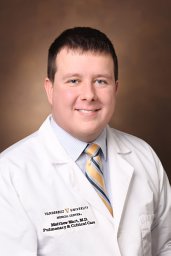 Mart Matthew合作论文数48Hughes Christopher G合作论文数47
 Wilson Jo Ellen合作论文数Department of Psychiatry, Vanderbilt University43Morandi Alessandro合作论文数39
 Jennifer L. Thompson合作论文数Department of Molecular Biology and Biochemistry, University of California38
 Joanna L Stollings合作论文数Vanderbilt University Medical Center35
 Rameela Raman合作论文数Department of Biostatistics, Vanderbilt University Medical Center33
 Leanne Boehm合作论文数School of Nursing, Vanderbilt University;Division of Allergy, Pulmonary and Critical Care, Vanderbilt University32John Kashani合作论文数27Dushyant Maharaj合作论文数27Aytekin Unlu合作论文数27Neesh Pannu合作论文数27
 Benjamin C. Sun合作论文数Department of Emergency Medicine, Perelman School of Medicine, University of Pennsylvania27
 John F. Schnelle合作论文数Vanderbilt University School of Medicine;Center for Quality Aging, Vanderbilt University Medical Center27
 Jacques Creteur合作论文数Department of Intensive Care, Erasme University Hospital, Université Libre de Bruxelles27Elisabeth Meyer合作论文数25
 John A Kellum合作论文数Department of Medicine, School of Medicine, University of Pittsburgh;Department of Critical Care Medicine, School of Medicine, University of Pittsburgh25
 Mona Hopkins合作论文数Psychology Department, Brigham Young University;Neuroscience Center, Brigham Young University;Pulmonary and Critical Care Division, Intermountain Medical Center24
 Michele Balas合作论文数School of Nursing, University of Pennsylvania24A. Morandi合作论文数23
 Shawniqua Williams Roberson合作论文数Vanderbilt University Medical Center23Kiehl Amy L合作论文数22Juan A. Asensio合作论文数22
 Edward Abraham合作论文数Guidehouse;Abraham Consulting & Advising LLC;Concord Health Partners;Acorn Credentialing Solutions;Precision Point Partners, Inc.22Charles Feldman合作论文数21Li Wang合作论文数Department of Biostatistics, Vanderbilt University21Anna Wilkes合作论文数20Alfred B. Cheng合作论文数20Parita Bhuva合作论文数20Andrea O. Rossetti合作论文数20Erin McDonough Grise合作论文数20Mihai A. Constantinescu合作论文数20Raghavan Murugan合作论文数20Todd F. VanderHeiden合作论文数20Ronald Anderson合作论文数20Martin Angele合作论文数20




