Resistant hypertension (RH) is defined as uncontrolled blood pressure despite treatment with three or more antihypertensive medications, including, if tolerated, a diuretic in adequate doses. It has been widely known that race is associated with blood pressure control. However, intense debate persists as to whether this is solely explained by unadjusted socioeconomical variables or genetic variation. In this scenario, the main aim was to evaluate the association between genetic ancestry and resistant hypertension in a large sample from a multicenter trial of stage II hypertension, the ReHOT study. Samples from 1,358 patients were analyzed, of which 167 were defined as resistant hypertensive. Genetic ancestry was defined using a panel of 192 polymorphic markers. The genetic ancestry was similar in resistant (52.0% European, 36.7% African and 11.3% Amerindian) and nonresistant hypertensive patients (54.0% European, 34.4% African and 11.6% Amerindian) (p>0.05). However, we observed a statistically suggestive association of African ancestry with resistant hypertension in brown patient group. In conclusion, increased African genetic ancestry was not associated with RH in Brazilian patients from a prospective randomized hypertension clinical trial.
The aim of this study is to compare spironolactone versus clonidine as the fourth drug in patients with resistant hypertension in a multicenter, randomized trial. Medical therapy adherence was checked by pill counting. Patients with resistant hypertension (no office and ambulatory blood pressure [BP] monitoring control, despite treatment with 3 drugs, including a diuretic, for 12 weeks) were randomized to an additional 12-week treatment with spironolactone (12.5–50 mg QD) or clonidine (0.1–0.3 mg BID). The primary end point was BP control during office (<140/90 mm Hg) and 24-h ambulatory (<130/80 mm Hg) BP monitoring. Secondary end points included BP control from each method and absolute BP reduction. From 1597 patients recruited, 11.7% (187 patients) fulfilled the resistant hypertension criteria. Compared with the spironolactone group (n=95), the clonidine group (n=92) presented similar rates of achieving the primary end point (20.5% versus 20.8%, respectively; relative risk, 1.01 [0.55–1.88]; P =1.00). Secondary end point analysis showed similar office BP (33.3% versus 29.3%) and ambulatory BP monitoring (44% versus 46.2%) control for spironolactone and clonidine, respectively. However, spironolactone promoted greater decrease in 24-h systolic and diastolic BP and diastolic daytime ambulatory BP than clonidine. Per-protocol analysis (limited to patients with ≥80% adherence to spironolactone/clonidine treatment) showed similar results regarding the primary end point. In conclusion, clonidine was not superior to spironolactone in true resistant hypertensive patients, but the overall BP control was low (≈21%). Considering easier posology and greater decrease in secondary end points, spironolactone is preferable for the fourth-drug therapy. Clinical Trial Registration— URL: http://www.clinicaltrials.gov . Unique identifier: NCT01643434.
Untreated obstructive sleep apnea (OSA) is common in patients with hypertension and may impair blood pressure (BP) and target-organ damage responses to antihypertensive therapy. In this study, we recruited hypertensive patients who underwent treatment with a 30-day regimen of hydrochlorothiazide 25 mg plus enalapril (20 mg BID) or losartan (50 mg BID) and were assessed with a baseline clinical evaluation, polysomnography, 24-hour ambulatory BP monitoring, and carotid-femoral pulse wave velocity. All the examinations except for polysomnography were repeated at 6 and 18 months of follow-up. We studied 94 hypertensive patients (mean age, 55±9 years). The frequency of OSA was 55%. Compared with baseline, we did not observe significant differences between groups in 24-hour BP, daytime systolic and diastolic BPs, or night-time systolic BP at 6 and 18 months. The BP control rate at 24 hours (<130/80 mm Hg) was similar between the groups (baseline, 42.3% versus 45.2%; 6 months, 46.9% versus 57.5%; 18 months, 66.7% versus 61.5%). However, patients with OSA had higher night-time diastolic BP decrease than did the non-OSA group (6 months, −4.9±11.8 versus −0.3±10.3 mm Hg; 18 months, −6.7±11.1 versus −1.2±10.6 mm Hg; P =0.027). There were no differences in the number and class of antihypertensive medications prescribed during follow-up. In terms of arterial stiffness, patients with OSA had higher pulse wave velocity than did patients without OSA at baseline (10.3±1.9 versus 9.2±1.7 m/s; P =0.024), but both groups had similar decreases in pulse wave velocity during follow-up. In conclusion, with combined antihypertensive treatment aimed at controlling BP, hypertensive patients with OSA had similar 24-hour BP and arterial stiffness to those without OSA.
The aim was to determine whether complaints about side effects made by stage III hypertensive patients undergoing antihypertensive therapy lead to adequate blood pressure control.Forty-eight patients were monitored by a nurse every 15 days over the course of 180 days.At baseline, both groups presented similar SBP (systolic blood pressure) (GA, 196 (5)) mm Hg and GB, 189 (6) mm Hg) and DBP (diastolic blood pressure) (GA, 122 (3) mm Hg and GB, 121 (4) mm Hg).On day 165, after a progressive decline in blood pressure levels, the two groups differed significantly from each other regarding SBP (GA, -16.9 (24) mm Hg and GB, -40.8 (31) mm Hg).At the final follow-up, the patients were allocated to two groups: without complaints (GA) and with (GB) complaints about side effects.Complaining about side effects was a decisive factor for immediate nursing intervention and improved control over BP.
Objective: Our aim was to analyze the serum measurements of five antihypertensive drugs (enalapril and its active metabolite enalaprilat, losartan and its active metabolite losartan carboxylic acid, amlodipine, spironolactone, and clonidine) from 57 resistant hypertensive (RH) patients from a clinical trial, in order to verify if there is a relation between the concentrations of these analytes and the patient's responsiveness. Design and method: From these 57 RH patients, 19 were responsive (ended the clinical trial with controlled blood pressure, less or equal to 140–90 mmHg and/or less or equal to 130–80 mmHg for measurements of ambulatory blood pressure monitoring) and 38 were nonresponsive (ended the study with uncontrolled pressure, greater/equal to the measurements cited above). The drug treatment was the association, when necessary, of until six different antihypertensives: chlortalidone, enalapril, losartan (if enalapril was contraindicated), amlodipine, clonidine, and spironolactone. The last two drugs were indicated in a randomized way. To save time in the analysis and laboratory manual work, we determine and quantify the antihypertensive drugs from lower quantities of sample by a cheaper methodology, compared to other analyzes of this species. We used untreated serum samples in an online preparation, which was performed using a column packed with restricted access carbon nanotubes in a liquid chromatograph coupled to mass spectrometer (LC-MS/MS), employing a column switching mode. Results: We have not found significant differences between the measured concentrations of each analyte in the responsive and nonresponsive patients. Possibly, it is because of our low sample number. The median measurements were: clonidine 0.959 and 1.105micrograms/L; amlodipine 18.706 and 13.939micrograms/L; enalapril 22.972 and 28.112micrograms/L; enalaprilat 19.270 and 16.082micrograms/L; losartan 45.530 and 74.398micrograms/L; losartan carboxylic acid 350.199 and 85.950micrograms/L, for the group that used clonidine. For the group of spironolactone, we had: spironolactone 63.005 and 81.522micrograms/L; amlodipine 14.932 and 14.300micrograms/L; enalapril 107.161 and 33.935micrograms/L; enalaprilat 45.121 and 10.367micrograms/L, losartan 24.207 and 106.996micrograms/L, for responsive and nonresponsive patients, respectively. Conclusions: Although we did not find differences between the measurements, the method can be used as a tool for choosing the best drug to be administered for RH patients, in a fast manner.
Introduction: Recurrent hypoxia (HPX), a hallmark of the obstructive sleep apnea (OSA), impairs autonomic balance, and increases arterial blood pressure (BP). Oxidative stress is one of the mechanisms involved in these alterations. The cumulative effect of acute intermittent HPX and the chronicity may determine whether the response crosses the threshold from having protective value to pathology. However, the impact of acute intermittent HPX-reoxygenation on markers of oxidative stress in healthy individuals remains to be fully understood. Objective: To analyze the effects of the acute intermittent HPX on the generation of neutrophil-derived superoxide, sympathovagal balance, and vascular function in healthy subjects. Methods: We applied six cycles of intermittent HPX (10% O2 and 90% N2) for 5 min followed by 2 min of room-air in 15 healthy volunteers (34 ± 2 years; 22.3 ± 0.46 kg/m2), without OSA (polysomnography), during wakefulness. During the experimental protocol, we recorded O2 saturation, end-tidal CO2, heart rate (HR), systolic, and diastolic BP, cardiac output (CO) and peripheral resistance (PR). Cardiac sympathovagal balance was determined by HR variability analysis (low frequency and high frequency bands, LF/HF). Superoxide generation in polymorphonuclear neutrophil cells were established using relative luminescence units (PMNs RLU) at baseline (pre-HPX) and immediately after hypoxia induction (post-HPX6). Results: The studied subjects had normal levels of BP, plasma glucose, lipid profile, and inflammatory marker (C-reactive protein). Acute intermittent HPX increased HR, systolic BP, CO, and decreased PR. Additionally, acute intermittent HPX increased PMNs RLU, measured post-HPX6 (470 ± 50 vs. 741 ± 135, P < 0.05). We found a similar increase in LF/HF post-HPX6 (0.91 ± 0.11 vs. 2.85 ± 0.40, P < 0.05). PR was diminished from pre-HPX to post-HPX6 (1.0 ± 0.03 vs. 0.85 ± 0.06, P < 0.05). Further analysis showed significant association between O2 saturation and PMNs RLU (R = -0.62, P = 0.02), and with LF/HF (R = -0.79, P = 0.02) post-HPX6. In addition, an association was found between PMNs RLU and PR post-HPX6 (R = 0.58, P = 0.04). Conclusion: Acute exposure to intermittent HPX not only increased superoxide generation in neutrophils, but also impaired cardiac sympathovagal balance in healthy subjects. These data reinforce the role of intermittent HPX in superoxide generation on neutrophils, which may lead to an impairment in peripheral vascular resistance.
A novel analytical method was developed to determine 5 antihypertensive drugs of different pharmacological classes (angiotensin-converting enzyme inhibitors, calcium channel blockers, α-2 adrenergic receptor agonists, angiotensin II receptor blockers, and aldosterone receptor antagonists) and some of their metabolites in human serum. The untreated samples were directly analyzed in a column switching system using an extraction column packed with restricted access carbon nanotubes (RACNTs) in an ultra-high performance liquid chromatography coupled to a mass spectrometer (UHPLC-MS/MS). The RACNTs column was able to exclude approximately 100% of proteins from the samples in 2.0min, maintaining the same performance for about 300 analytical cycles. The method was validated in accordance with Food and Drug Administration (FDA) guidelines, being linear for all the determined analytes in their respective analytical ranges (coefficients of determination higher than 0.99) with limits of detection (LODs) and quantification (LOQs) ranging from 0.09 to 10.85μgL-1 and from 0.30 to 36.17μgL-1, respectively. High recovery values (88-112%) were obtained as well as suitable results for inter and intra-assay accuracy and precision. The method provided an analytical frequency of 5 samples per hour, including the sample preparation and separation/detection steps. The validated method was successfully used to analyze human serum samples of patients undergoing treatment with antihypertensive drugs, being useful for pharmacometabolomic, pharmacogenomic, and pharmacokinetic studies.
Whether sex influences the association of obstructive sleep apnea ( OSA ) with markers of cardiovascular risk in patients with hypertension is unknown. In this study, 95 hypertensive participants underwent carotid‐femoral pulse wave velocity, 24‐hour ambulatory blood pressure monitoring, echocardiogram, and polysomnography after a 30‐day standardized treatment with hydrochlorothiazide plus enalapril or losartan. OSA was present in 52 patients. Compared with non‐ OSA patients, pulse wave velocity values were higher in the OSA group (men: 11.1±2.2 vs 12.7±2.4 m/s, P =.04; women: 11.8±2.4 vs 13.2±2.2 m/s, P =.03). The proportion of diastolic dysfunction was significant in men and women with OSA . Compared with non‐OSA patients, nondipping systolic blood pressure in OSA was higher in men (14.3% vs 46.4%) and in women (41.4% vs 65.2%). OSA was independently associated with pulse wave velocity (β=1.050; P =.025) and nondipping systolic blood pressure (odds ratio, 3.03; 95% confidence interval, 1.08–8.55; P =.035) in the regression analysis. In conclusion, OSA is independently associated with arterial stiffness and nondipping blood pressure in patients with hypertension regardless of sex.
Background: The prevalence, predictors and the best anti-hypertensive regimen for resistant hypertension (RH) are not well established especially in Countries with multiethnic profile. Our main aim was to compare spironolactone versus clonidine as a fourth drug therapy for patients with RH. Methods: This is a multicentric, randomized controlled trial comprising 26 sites in Brazil that recruited outpatients from a highly admixed population with hypertension stage 2 (≥160/100mmHg) at study entry. Medical therapy adherence was checked by pill counting. Patients with confirmed RH (no office and 24hs ambulatory blood pressure monitoring - ABPM - control despite treatment with 3 drugs including a diuretic for 12 weeks) were randomized to additional 12 weeks treatment with spironolactone (12.5-50mg once daily) or clonidine (0.1-0.3mg twice daily). The primary endpoint was blood pressure (BP) control from both office (<140/90mmHg) and 24hs ABPM (<130/80mmHg). Secondary endpoints included absolute and relative BP reductions in each study arm. Results: A total of 1597 patients were included in the analysis. We found that 14.9% (238 patients) fulfilled the RH criteria. Predictors of true RH include male gender (OR 1.43; CI 1.02-2.00), previous stroke (OR 2.81; CI 1.51-5.06), diabetes (OR 2.09; CI 1.48-2.94) and BP ≥180x110mmHg at study entry (OR 2.53; CI 1.88-3.43). Compared to patients randomized to spironolactone (n=119), those patients randomized to clonidine (n=119) presented similar rate of the primary endpoint (19.8 vs. 24%, respectively; p=0.59). Similarly, no differences were observed between groups in the blood pressure reduction analyzed either by office as well as by 24-h ABPM. No differences in the pill counting monitoring were observed in the groups. Conclusions: Appropriate treatment for stage 2 hypertension under the national universal health care conditions provided blood pressure control in 85% from a highly admixed population. Spironolactone or clonidine displayed comparable BP control as a fourth drug in patients with RH. Funding: Ministry of Health/H. Samaritano, National Research Council, Sao Paulo Research Foundation and Zerbini Foundation.
Objective: The functional and structural properties of large arteries in patients with severe hypertension, more suitable for cardiovascular complications, have not been studied. The aim of our study was to evaluate modifications of large arteries obtained by noninvasive methods (pulse wave velocity-PWV and carotid ultrasound), its major determinants and the correlations with inflammatory markers in patients with severe hypertension. Design and method: We evaluated 48 patients (age 53,6 ± 8 years; 75% white; 71% women), with stage 3 arterial hypertension, under the same antihypertensive treatment for one month. Carotid parameters (diameter, wall thickness, distension) were evaluated by radiofrequency ultrasound and arterial stiffness by PWV measurements. All patients were submitted to 24-hs ambulatory blood pressure monitoring and blood samples were collected to analyze inflammatory markers and biochemical profile. Results: The office mean arterial pressure (MAP) was 117,1 ± 17 mmHg, mean PWV 12,21 ± 2,7 m/s, intima media thickness(IMT) 0,76 ± 0,12 mm, carotid diameter 7,38 ± 1,1 mm and carotid distension 5,27 ± 2 %. We observed a significative correlation between PWV and MAP (r = 0.38, p < 0.05) while carotid distension did not correlate to MAP. PWV measurements significantly correlated to SBP during sleep period (r = 0.356, p = 0.01), the lowest SBP during sleep (0.402, p < 0.01), and morning surge (r = 0.309, p < 0.05). Carotid distension was negatively correlated to glycemia (r = -0.32, p = 0.026). Concerning inflammatory markers, PWV was inversely correlated to adiponectin levels (r = -0.306, p = 0.03). Also PWV and IMT values were significantly correlated (r = 0,32, p < 0.05). Conclusions: In patients with stage 3 hypertension arterial stiffness is correlated to nocturnal blood pressure and morning surge, and is associated to elevated glycemia and a decreased adiponectin production. The data suggests an integrative role of metabolic, inflammatory and hemodynamic changes in large arteries impairment linked to hypertension.
Although a few studies have suggested an alteration in aortic stiffness in patients with systemic sclerosis (SS), a disease characterized by immunological and microvascular changes and by tissue fibrosis, the functional properties of the large arteries have been understudied in SS. 34 women with SS [age 60±14 years, BP 123/70±17/10 mmHg] and 34 healthy age- and BP-matched women underwent determination of carotid-femoral pulse wave velocity (PWV, a direct measure of aortic stiffness) and aortic augmentation (SphygmoCor, AtCor). All participants also underwent determination of carotid-radial PWV, as a measure of stiffness of upper-limb arteries. We excluded participants with overt cardiovascular disease and concomitant important disease. Age and brachial BP were nearly identical in the 2 groups. Patients and controls did not differ by carotid-femoral PWV (9.2±3 vs 9.1 ±2 m/s, p = 0.91) or carotid-radial PWV. Aortic augmentation, was higher in women with SS; unadjusted: 16.1±8vs11.5±7, p = 0.014; adjusted for pulse pressure and heart rate (AIx@75): 30.9±16 vs 22.2±12, p = 0.012). SS independently predicted AIx@75 in a multivariate analysis. Among patients with SS, age, brachial mean BP and serum C-reactive protein all predicted carotid-femoral PWV. Age and mean BP were the only predictors of AIx@75. Organ damage scores had no significat correlation with central hemodynamics parameters. SS is associated with an increase in aortic augmentation (as a measure of the contribution of reflected wave to central waveform), but not in aortic or upper-limb arterial stiffness. Microvascular involvement might occur earlier than stiffening of the large arteries in SS.
Objective: Functional and structural properties of large arteries have been studied for the better understanding of vascular lesions linked to arterial hypertension, but patients with severe hypertension, more suitable for complications, has not been evaluated. The aim of our study was to evaluate modifications of large arteries obtained by noninvasive methods, its major determinants and the correlations with end-organ damage and the ambulatory arterial stiffness index (AASI) in patients with severe hypertension. Design and method: We evaluated 48 patients (age 53,6 ± 8 years; 75% white; 71% women), with stage 3 arterial hypertension, under the same antihypertensive treatment for one month. Carotid parameters (diameter, wall thickness, distension) were evaluated by radiofrequency ultrasound arterial stiffness by pulse wave velocity (PWV) measurements and AASI obtained by 24-hs ambulatory blood pressure monitoring. It was performed echocardiogram and biochemical profile. Results: We observed increased arterial stiffness by elevated PWV values (12.4 m/s) and AASI (0.4). It was observed a significant correlation between PWV and AASI(r = 0.10, p = 0.032). Carotid distension was lower in diabetic patients. We found that age was positively correlated with PWV (r = 0.53, p < 0.001), AASI (r = 0.35, p = 0.016) and carotid diameter (r = 0.40, p = 0.005). There was a negative correlation between blood glucose levels and carotid distension (r = -0.32, p = 0.026) and the carotid diameter was positively related to hemoglobin levels (r = 0.28, p = 0.049). We did not observe any significant correlation among laboratory variables and measures of IMT and PWV. The AASI was significantly related to blood glucose levels (r = 0.29, p = 0.045). Carotid distension was significantly lower in patients with diabetes (3.4% vs 7.3%, p = 0.03). The main independent determinant of PWV was age while glycemia was the main determinant of AASI. Conclusions: Patients with stage 3 hypertension had important modifications of functional properties of large arteries that are impaired by aging and association of diabetes.
Peripheral blood cells are an accessible environment in which to visualize exercise-induced alterations in global gene expression patterns. We aimed to identify a peripheral blood mononuclear cell (PBMC) signature represented by alterations in gene expression, in response to a standardized endurance exercise training protocol. In addition, we searched for molecular classifiers of the variability in oxygen uptake (V̇o2). Healthy untrained policemen recruits (n = 13, 25 ± 3 yr) were selected. Peak V̇o2 (measured by cardiopulmonary exercise testing) and total RNA from PBMCs were obtained before and after 18 wk of running endurance training (3 times/wk, 60 min). Total RNA was used for whole genome expression analysis using Affymetrix GeneChip Human Gene 1.0 ST. Data were normalized by the robust multiarray average algorithm. Principal component analysis was used to perform correlations between baseline gene expression and V̇o2peak. A set of 211 transcripts was differentially expressed (ANOVA, P < 0.05 and fold change > 1.3). Functional enrichment analysis revealed that transcripts were mainly related to immune function, cell cycle processes, development, and growth. Baseline expression of 98 and 53 transcripts was associated with the absolute and relative V̇o2peak response, respectively, with a strong correlation (r > 0.75, P < 0.01), and this panel was able to classify the 13 individuals according to their potential to improve oxygen uptake. A subset of 10 transcripts represented these signatures to a similar extent. PBMCs reveal a transcriptional signature responsive to endurance training. Additionally, a baseline transcriptional signature was associated with changes in V̇o2peak. Results might illustrate the possibility of obtaining molecular classifiers of endurance capacity changes through a minimally invasive blood sampling procedure.
Patients (pt) with chronic kidney disease (CKD) stage V are at high risk for major adverse cardiovascular events (MACE). We sought to determine the impact of diabetes (DM) and the presence of overt cardiovascular disease (CVD) on the long-term occurrence of MACE in pt with CKD stage V. 1,516 pt
 Maria Claudia Irigoyen合作论文数Inst Coracao, Univ Sao Paulo InCor HCFMUSP94
 Carlos Eduardo Negrão合作论文数Biodinâmica Departamento, Universidade de São Paulo70ED MOREIRA合作论文数61
 Luciano Drager合作论文数Hypertension Unit, Medical School, Universtiy of Sao Paulo;Disciplina de Nefrologia, Hospital das Clínicas da FMUSP;Instituto Do Coracao57Fernanda Marciano Consolim-Colombo合作论文数Heart Institute (InCor),, University of São Paulo52
 Heno Ferreira Lopes合作论文数Hospital das Clı́nicas, São Paulo University Medical School44F Ida合作论文数44
 Geraldo Lorenzi Filho合作论文数Faculdade de Medicina, Universidade de São Paulo;Laboratório do Sono da Disciplina de Pneumologia, Instituto do Coração41
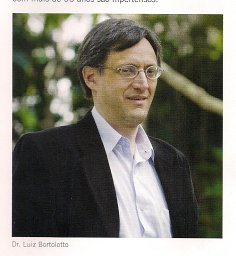 Bortolotto Luiz A合作论文数Heart Inst InCor, Univ Sao Paulo39
 Luis Henrique Wolff Gowdak合作论文数33
 Jose E Krieger合作论文数32Edson Duarte Moreira合作论文数29Lc Michelini合作论文数27
 Patricia Chakur Brum合作论文数Instituto de Ciências Biomédicas, Universidade de São Paulo27
 Dante Marcelo Artigas Giorgi合作论文数Instituto do Coração26
 Jose Jayme Galvao de Lima合作论文数Division of Urology, Hospital das Clínicas, University of São Paulo Medical School;Faculdade De Medicina, Universidade De São Paulo26
 José Jayme Galvão De Lima合作论文数25
 Cristiano Mostarda合作论文数Departamento de Educação Física, Universidade Federal do Maranhão25
 Katia De Angelis合作论文数Lab Translat Physiol, Univ Nove de Julho24
 Helio Cesar Salgado合作论文数Department of Physiology, Ribeirão Preto Medical School, University of São Paulo24
 Luiz Antonio Machado César合作论文数Departamento de Cardiopneumologia Incor, Universidade de São Paulo19LA Bortolotto合作论文数18Fulvio Pileggi合作论文数18Vll Oliveira合作论文数17
 Rodrigo P Pedrosa合作论文数Medical School, University of São Paulo17
 Alexandre da Costa Pereira合作论文数Laboratory of Genetics and Molecular Cardiology, Institute of Heart, University of Sao Paulo16
 José Antonio Franchini Ramires合作论文数Hospital das Clínicas da Faculdade de Medicina da Universidade de São Paulo16VMA Farah合作论文数15Franchini Kleber G合作论文数15
 Arantes Rodolfo Leite合作论文数15Maria Urbana P B Rondon合作论文数Instituto do Coração;Hospital das Clínicas;Hospital das Clínicas, Instituto do Coração15IA Cestari合作论文数13JJG De Lima合作论文数13
 Ivani Credidio Trombetta合作论文数Heart Institute (InCor),, University of São Paulo Medical School13J. J. G. De Lima合作论文数12Costa-Hong Valéria合作论文数12Dma Giorgi合作论文数11Ed Moreira合作论文数11
 Lewis J. Greene合作论文数Centro Interdepartamental de Quı́mica de Proteı́nas, Universidade de São Paulo11MCC Irigoyen合作论文数10
 Holly Middlekauff合作论文数University of California, Los Angeles10Kc Mattos合作论文数9Hb Silva合作论文数9RAS Santos合作论文数9Jaf Ramires合作论文数9MT BEDRANDECASTRO合作论文数8E Moreira合作论文数8Rd Moreira合作论文数8Mco Salgado合作论文数8




