As the field of pediatric sports medicine continues to evolve, there are several advances in the management of anterior cruciate ligament tears, tibial spine fractures, juvenile osteochondritis dissecans, and patellar instability. The role of limb alignment and guided growth is increasingly recognized as an important determinant of clinical outcomes. It is important to review the latest information on each of these injuries and conditions, based on recently published studies and current practices.
BACKGROUND:Stable osteochondritis dissecans (OCD) lesions are primarily treated nonoperatively. Nonoperative treatment includes several recommendations, including the use of an unloader brace. However, little is known about the clinical effectiveness of unloader bracing and its influence on OCD healing, return to sports, and patient-reported outcomes (PROs). The purpose of this investigation was to evaluate the impact of unloader bracing on patients with stable medial femoral condyle (MFC) OCD lesions treated nonoperatively. PURPOSE:To investigate the influence of valgus unloader bracing on the success of treating stable MFC OCD with nonoperative treatment strategies. STUDY DESIGN:Cohort study; Level of evidence, 2. METHODS:The authors used a prospective cohort of patients receiving nonoperative care for stable MFC knee OCD lesions. The primary variable of interest was the efficacy of bracing. The primary outcomes were transition from nonoperative care to surgical intervention, return-to-play (RTP) clearance, and PROs. Bivariate testing was used to determine if there were differences between groups. Chi-square testing was used to determine if there were differences in rates of transition to surgery by group. The timing of the transition by each group was assessed using a Wilcoxon rank-sum test, given the nonparametric nature of the data. Kaplan-Meier survival analysis was used to calculate time at risk, incidence rate, and survival times for each group. RESULTS:A total of 185 knees (bracing group: 123 [66.5%] knees; no-bracing group: 62 [33.5%] knees) were analyzed. Overall, 142 (76.8%) knees were successfully treated nonoperatively. Transition to surgery occurred in 43 (23.2%) knees. There were no differences in transition to surgery by groups, with no differences seen by group. Of the knees that did not transition to surgical care, 65 (71.4%) in the bracing group and 38 (74.5%) in the no-bracing group received RTP clearance (P = .693). PRO scores were similar between the 2 groups at the time of RTP clearance. CONCLUSION:The inclusion of an unloader brace in the nonoperative treatment for stable MFC OCD lesions did not decrease the likelihood of patients undergoing surgical intervention or improve their PRO scores at the time of RTP clearance. REGISTRATION:NCT02771496 (ClinicalTrials.gov identifier).
BACKGROUND:A reliable measure of bone age is of critical importance when planning anterior cruciate ligament reconstruction (ACLR) in a pediatric population. The Greulich and Pyle (G&P) method is still the most common method for bone age determination; however, it is based on radiographs from healthy Caucasian children of high socioeconomic status (SES) in Cleveland, Ohio, in the 1920s to 1940s and may not reflect the modern diverse United States population. The aim of our study was therefore to assess the degree of agreement between chronological age and bone age measured using G&P and further investigate whether there are any systematic differences across race, ethnicity, or SES. METHODS:This was a retrospective subanalysis of PLUTO (Pediatric ACL: Understanding Treatment Options), a prospective multicenter cohort study investigating outcomes in pediatric ACLR. All patients with bone age scores using the G&P method preoperatively were included. Data on race, ethnicity, biological sex, BMI, and SES [using a composite marker known as the area deprivation index (ADI)] were collected. Bland-Altman analysis was used to assess the agreement between chronological-measured and G&P-measured age. Systematic bias was defined as a significant mean difference between chronological-measured and G&P-measured age and was determined using Student t test for the cohort and within strata; and differences across strata were determined using a one-way ANOVA. P -values across strata were adjusted using the method of Benjamini and Hochberg to control the false discovery rate. RESULTS:A total of 472 patients were included in the final analysis. Chronological age at evaluation was lower than the determined bone age for the cohort with a systematic bias of 2.9 months (SD, 12.8) ( P <0.001). The Bland-Altman 95% limits of agreement between bone age and chronological age were ∼2 years. There was significant variation in agreement in those aged 11 to 12 ( P <0.001), 13 ( P =0.008), and 15 years ( P =0.008). Female patients had a 3.9-month greater bias compared with males ( P =0.003). Underweight patients exhibited nearly 15.9 months lower bone age versus chronological age ( P =0.008). No systematic biases were detected across ethnicity ( P =0.21), race (0.13), or ADI index quartiles ( P =0.23). CONCLUSION:Our study supports the continued use of G&P for bone age assessment across different racial, ethnic, and sociodemographic groups, with no significant differences detected across these strata. The observed ∼2-year limits of agreement between G&P bone age and chronological age reinforce the importance of skeletal age assessment in this cohort, particularly during the peripubertal period where large differences between chronological and skeletal age can exist. Systematic biases were found in certain age strata, between sexes, and in patients with low BMI. Clinicians should be aware of these variations and consider using multiple methods of assessing skeletal maturity when making growth-sensitive clinical decisions. LEVEL OF EVIDENCE:Level III-retrospective cohort.
Background:Tibial spine fractures (TSFs) are uncommon injuries in pediatric patients, often requiring operative fixation. While complications such as arthrofibrosis and anterior cruciate ligament (ACL) insufficiency have been previously reported, the risk factors associated with unplanned reoperation remain incompletely understood. Purpose:To identify the most common complications leading to reoperation and to evaluate associated risk factors, using a multicenter quality improvement registry. Study Design:Case-control study; Level of evidence, 3. Methods:A multicenter registry of operatively treated pediatric TSFs was retrospectively reviewed from July 2018 to March 2025 across 27 institutions. Grade 3 complications were defined as complications resulting in reoperation, unplanned hospitalization, or interventional radiologic procedures. Complication types, patient and injury characteristics, fixation methods, and intraoperative findings were analyzed. Bivariate and multivariate logistic regression analyses were performed to identify independent risk factors for Clavien-Dindo grade 3 complications. Results:A total of 532 patients were included (mean age, 12.1 years; 73.4% men). Overall, 56 patients (10.5%) underwent reoperation. The most common reasons for reoperation were stiffness (4.9%) and ACL insufficiency (3.6%). Screw fixation of TSFs was associated with a 4.5-fold increased risk of grade 3 complications compared with suture fixation (P = .009). Both suture and anchor fixation (P = .045) and longer operative times (P = .020) were also associated with higher complication rates. Meniscal or intermeniscal ligament entrapment was significantly associated with increased stiffness-related reoperation (P = .045). Patients who underwent delayed ACL reconstruction (ACLR) were older (P = .041) and more likely to have concomitant meniscal tears (P = .011) at the time of their TSF. Conclusion:Stiffness and ACL insufficiency represented the most frequent indications for reoperation after TSF fixation. Screw fixation, meniscal entrapment, and prolonged operative time were significant predictors of reoperation. Older age and concomitant meniscal injuries increased the risk of delayed ACLR.
BACKGROUND:When treated early with cast immobilization, adolescent scaphoid fractures have excellent outcomes; however, nonunion may occur, particularly in patients with a delayed presentation. The purpose of this study is to evaluate the radiographic outcomes and to determine factors associated with time till union in adolescent scaphoid fracture nonunions treated with open reduction and internal fixation (ORIF) with distal radius cancellous autograft interposition. METHODS:Children with scaphoid fracture nonunions treated at a single center were identified through an electronic database from 2010 to 2021, who underwent scaphoid nonunion repair through ORIF with a distal radius autograft were included. Exclusion criteria included a subject age of 19 years or older and a <6-month follow-up. Preoperative data included the interval between injury and surgery and initial x-ray and CT findings, including the presence of deformity, displacement, or avascular necrosis. Perioperative data included grafting, tourniquet time, and estimated blood loss. Pre- and postoperative carpal alignment were assessed. Postoperative data included immobilization time and time to union. RESULTS:Thirty-five wrists in 35 patients met inclusion criteria (33 males, 2 females) with a mean age at presentation of 15.9±1.6 years (range 12.0 to 18.6 y) with a mean duration of radiographic follow-up of 11.1±4.9 months (range: 6.2 to 24.5 mo). Union was achieved in all wrists at a mean of 3.3±1.4 months (range: 1.3 to 7.7) postsurgery. Two wrists (6%) achieved union at ≥6 months post-op. Mean scapho-lunate angle decreased from preoperative (62.5±14.7 degrees) to postoperative (52.5±12.7 degrees), P<0.001. Mean radio-lunate angle decreased from preoperative (17.8±12.4 degrees) to postoperative (9.7±7.6 degrees), P<0.001. No intraoperative complications were noted. All but 3 subjects returned to activities at a mean of 9.6±4.4 months postsurgery. CONCLUSIONS:Adolescent patients with scaphoid nonunion treated with ORIF with distal radius autograft have good outcomes, including a high rate of union, improved radiographic wrist parameters, and return to sport. Although achieving this positive outcome may take more than a year postoperatively, success is seen in 94% of adolescents. LEVELS OF EVIDENCE:Level IV-case control study.
BACKGROUND:Premature physeal arrest of the distal radius (PPAR) is a rare but serious complication following pediatric fractures that may result in ulnar impaction syndrome. The purpose of this study was to compare outcomes following distal ulnar epiphysiodesis between those identified without deformity (early cohort) and those identified with deformity (late cohort). The hypothesis was that treating children before deformity development would improve patient-reported outcomes (PROs). METHODS:All patients younger than 18 years of age who underwent ulnar epiphysiodesis due to PPAR from 2011 to 2022 were identified through a query of the electronic medical record. Demographics were collected, final QuickDASH (Disabilities Arm, Shoulder, Hand) and SANE (Single Assessment Numerical Evaluation) scores, and final ulnar variance. Two cohorts were developed based on whether or not they required a concomitant corrective osteotomy: the early cohort, without meaningful deformity at surgery; and the late cohort, with meaningful deformity (angular deformities outside the normal range for articular position or abnormal ulnar variance). Patients with >1 year of radiographic follow-up were divided into ≥2.5 and <2.5 mm ulnar variance at final follow-up, and PROs were compared. RESULTS:A total of 63 wrists (60 patients), 39 males and 40% Hispanic, were followed for a mean of 6.4±3.4 years (range: 2.0 to 12.3 y). The mean QuickDASH scores for the early (n=41 wrists) and late (n=22 wrists) cohorts were 6.7±12.1 and 5.7±9.0, and the mean SANE scores were 90.4±14.5 and 87.9±14.5, respectively. The ≥2.5 mm final ulnar variance cohort (n=7), and the <2.5 mm final ulnar variance cohort (n=12) were determined at a mean of 22.5±8.8 months (range: 12.4 to 50.5 mo) follow-up, with no difference in QuickDASH or SANE scores between these radiographic outcome cohorts. CONCLUSIONS:Both early-presenting (requiring no osteotomy) and late-presenting (osteotomy required) wrists with premature physeal arrest of the distal radius experienced similar functional outcomes at short-term duration of follow-up, suggesting that correction of the deformity and restoration/maintenance of radiographic parameters to the wrist are more important than timing of the ulnar epiphysiodesis. LEVEL OF EVIDENCE:Therapeutic, level IV.
Salter-Harris type III (SH-III) distal femur fractures are challenging to manage given their intra-articular nature and physeal involvement. Inadequate reduction of these injuries can potentiate growth disturbances, including premature physeal closure and subsequent deformity. Existing literature lacks a description of a standardized reduction technique for this fracture pattern. In this report, we use a cadaver knee to demonstrate a structured reduction maneuver for the SH-III medial femoral condyle fracture, designed to facilitate anatomic alignment of the epiphyseal fragment via closed or minimally invasive means. The technique involves manipulating the fracture with the knee in a gently flexed position. In this position, the lower leg is externally rotated while a varus force is applied to the knee. This allows the medial meniscus to aid in reducing the medial femoral condyle into its anatomic position. We also present clinical cases demonstrating the in vivo success of the maneuver in achieving reduction of SH-III medial femoral condyle fractures. This technique strategically uses the local anatomy to achieve anatomic reduction without the need for aggressive manipulation. Key Concepts (1)Anatomic reduction of Salter-Harris type III distal femoral fractures is critical to preserving physeal integrity and joint congruity.(2)An external rotation maneuver of the leg, while applying a varus force to the knee, can reproducibly restore alignment in a Salter-Harris type III medial femoral condyle fracture.(3)The technique exploits the juxtaposition of the medial meniscus to aid in condylar reduction.(4)The reduction method may allow percutaneous fixation with minimal intraoperative soft-tissue dissection and may reduce the need for extensive open reduction.
BACKGROUND:The lateral collateral ligament (LCL) sign is known to be correlated with greater anterior tibial translation (ATT) and internal tibial rotation in the setting of anterior cruciate ligament (ACL) tear. The LCL sign has also been correlated to risk for graft failure following ACL reconstruction, but its association with global joint hyperlaxity or concomitant injury such as ramp lesions or Segond fractures has not been assessed. This study aims to determine whether generalized joint hyperlaxity, ramp lesion, or Segond fractures are associated with a higher incidence of the coronal LCL sign in pediatric ACL-deficient knees. METHODS:A retrospective review of ACL reconstruction patients less than 19 years old with clinically reported Beighton scores was performed over 8 years. The presence of the LCL sign was determined from magnetic resonance imaging, and cohorts were developed based on Beighton scores into a "lax" cohort (Beighton ≥6) or "normal" cohort (Beighton <6). RESULTS:A total of 100 children met criteria (42% female, mean age 14.6±2.1 y, range: 9.0 to 18.5 y) with 87 normal and 13 lax patients. The LCL sign was identified in 64% of patients with a similar presence in the lax (62%) and normal (64%) cohorts ( P =1.0). There was no significant difference in the proportion of ramp lesions in the positive LCL sign (55%) and negative LCL sign cohorts (42%) ( P =0.211). Further, there was no significant difference in the proportion of Segond fractures in the lax (0%) and normal (6%) cohorts ( P =1.0). CONCLUSIONS:The LCL sign appears to be an independent predictor of ACL pathology that is not affected by generalized ligamentous laxity, presence of ramp lesions, or Segond fractures. In combination, these results suggest that the LCL sign may be specific to the type of instability introduced by an ACL tear, independent of other concomitant sources of knee instability (traumatic or atraumatic). Moreover, the LCL sign is potentially an independent predictor of potential ACL graft failure. LEVEL OF EVIDENCE:Level IV-case series.
Background: First rib fractures are an infrequently encountered injury, especially in the young athlete. Incidence and natural history of those with first rib fractures sustained during sport is poorly elucidated in the literature, contributing to variability of treatment of this injury. Thus, the purpose of this study was to characterize first rib fractures and their treatment outcomes, specifically among a case-series of young athletes. Hypothesis: Adolescent athletes with first rib fractures will have favorable outcomes that can be achieved with a variety of conservative treatment measures. Methods: A retrospective review of patient charts identified via electronic health record diagnosis code query resulted in 248 patient charts from one tertiary children’s hospital, and 5 additional patients were added from a second tertiary children’s hospital, as identified by review of clinic visits. Inclusion criteria were designated as patients under age 18 and with injuries sustained during athletic participation. Patient characteristics and information related to injury and recovery courses were collected. Results: A total of 13 children met inclusion criteria. Mean age at presentation was 15.4 ± 1.2 years old. Of those, 69.2% (9/13) were female. Nine were traumatic in nature, and 4 were stress fractures. Injuries occurred across both contact sports (football, lacrosse, wrestling) and non-contact sports (softball, baseball, volleyball). Over half (7/13, 53.8%) were prescribed physical therapy (PT), but only 4 out of those actually attended physical therapy, with an average of 2.6 ± 4.1 PT sessions attended. While 5 patients (38.5%) presented with an initial strength deficit related to their injury, all 5 patients regained full strength by final follow-up visit. All 13 patients experienced full symptom free return to activities at a mean duration of 3 months (range 1 day to 15 months). Conclusion: First rib fractures in adolescent athletes may vary in clinical presentation, though outcomes appear to be largely favorable. While physical therapy can be an important component of rehabilitation for select patients, a successful recovery may still be achieved with conservative measures that do not include physical therapy. Additional research may be warranted to further delineate factors contributing to incidence of and recovery from first rib fractures in the young athlete, but prescribed time off from sport via activity modification appears to be safe and effective in management.
BACKGROUND:Outcomes of arthroscopic management of bony Bankart (BB) lesions may result in higher reinjury rates, revision surgeries, and return-to-sport outcomes compared with adolescent patients with no bony Bankart (NBB) lesions. METHODS:Adolescent patients undergoing arthroscopic stabilization (2010 to 2023) with a minimum of 2 years follow-up were categorized into BB and NBB cohorts based on MRI and intraoperative findings. Preinjury glenoid diameter was estimated using a best-fit circle technique. Data collected included demographics, injury details, surgical techniques, and surgical outcomes. Patient-reported outcomes were assessed using single assessment numeric evaluation (SANE), pediatric/adolescent shoulder survey (PASS), and quick Disabilities of the Arm Shoulder and Hand (qDASH) scores. RESULTS:Fifty patients were analyzed (25 BB, 25 NBB), with mean age 16.9±0.9 years (BB) and 16.6±1.0 years (NBB) ( P =0.32), and overall mean follow-up 4.2 years. BB was associated with males ( P =0.02) and collision mechanisms of injury ( P =0.02). BB utilized more suture anchors (6.0±1.2 vs. 4.9±1.4) ( P =0.005). Preinjury glenoid diameter was larger in the BB (29.9±2.6 vs. 26.2±2.3 mm) ( P <0.001). Mean sagittal width of the BB fragment measured 5.7±1.5 mm (range: 3 to 10 mm) and represented a mean glenoid bone loss of 18.9%±4.5%. Surgery failure rates (32% BB vs. 32% NBB), revision surgery rates (12% BB vs. 4% NBB), and return to sport rates (88% BB vs. 80% NBB) were not significantly different. SANE scores were higher with BB (91.2±9.9 vs. 85.2±12.8) ( P =0.03), yet no differences were found in PASS and qDASH outcomes. CONCLUSIONS:BB was associated with larger glenoid diameters, male sex, and collision injuries, but outcomes did not appear to vary when compared with NBB shoulders, refuting the hypothesis that bony Bankart shoulders would have poorer short-term to mid-term outcomes over time compared with those with only soft-tissue injury. Recurrent instability and revision surgery rates remain high in this youthful population regardless of the presence of a bony Bankart-associated anterior instability.
Background: Drug overdose and poisoning deaths in the pediatric and adolescent population have recently surpassed cancer as the third-leading cause of death, resulting in the opioid epidemic being declared a public health emergency. Federal mandates, such as the Controlled Substance Utilization Review and Evaluation System (CURES) database that followed, were created to improve monitoring of opioid prescriptions. The impact of CURES on pain management for children and adolescents undergoing common arthroscopic procedures has not been assessed. Hypothesis: Post-CURES reduction in opioid prescriptions will not result in additional postsurgical triage contacts or additional prescription needs in a pediatric and adolescent cohort undergoing arthroscopic procedures. Study Design: Cohort study; Level of evidence, 3. Methods: Pediatric and adolescent patients (ages 10-19 years) undergoing common arthroscopic knee and shoulder procedures by a single surgeon at a single, tertiary care pediatric hospital from 2013 through 2023 were reviewed. Demographics, surgical details, and postoperative outcomes were compared across pre- (before 2018) and post-CURES (2018 and later) cohorts defined as before and after implementation of a change in opioid prescription habits that occurred in response to the mandatory reporting in CURES. Primary outcomes included phone calls or messages to the triage nurse related to pain. Secondary outcomes included additional opioid prescriptions required to manage pain. Results: The post-CURES cohort (N = 224) was prescribed significantly fewer morphine milligram equivalents (total MMEs prescribed) compared with the pre-CURES cohort (N = 244) (89.4 ± 8.3 vs 444.3 ± 66.0; P < .001). Patients in the post-CURES cohort were more likely to call regarding pain (13% vs 7%; P = .03). However, there were no differences in additional pain prescriptions required (4% pre- vs 4% post-CURES; P ≥ .99) to manage pain. Conclusion: Despite a nearly 5-fold decrease in total MMEs prescribed, there was no increase in additional pain prescriptions required even though there was a 2-fold increase in messages related to pain to the triage nurse via education and reassurance. The hypothesis was upheld in part, suggesting that effective pain management can be achieved with fewer opioids, but that the postoperative care of adolescents undergoing arthroscopy could be further improved.
BACKGROUND:Pediatric acute compartment syndrome (PACS) is a challenging condition to diagnose and can result in significant morbidity for children. Our aims were to: (1) determine if overnight observation is warranted in isolated diaphyseal tibial fractures; (2) identify risk factors of PACS. METHODS:Acutely managed children with isolated tibial diaphyseal fractures +/- fibula fractures from 2012 to 2023 were reviewed. This cohort was cross-referenced with a list of children undergoing fasciotomies. Demographic information and the mechanism of injury were documented. Fractures were classified using the AO-OTA system and measured for translation and angulation. RESULTS:A total of 339 children were included for analysis, of whom 217 children were admitted for overnight observation without the intent to operate and developed PACS at a frequency of 2.8%. We observed that the children who developed PACS in this cohort were older (14.0±1.5 vs. 10.1±4.0 y, P=0.015) and had lower sagittal angulation (2.2±2.6 vs. 6.3±7.1 degrees, P=0.03). One hundred twenty-two children were admitted with the intent to operate, and developed PACS at a frequency of 3.3%. Among the children admitted with the intent to operate, those who sustained a high-energy injury developed PACS at a higher rate (9%) than those that sustainied a low-energy injury (0%) (P=0.017). All fasciotomies were performed at the time of initial treatment. CONCLUSION:PACS in children is fortunately an uncommon condition, providing the clinician with an opportunity to manage their tibial diaphyseal fractures without an overnight observation, as long as appropriate nonoperative management is initiated. At this time, initial displacement or fracture complexity cannot guide the clinician's decision for admission, but future research in a multicenter, prospective fashion could hold the key to better understand which predictor is most important related to the development of pediatric acute compartment syndrome in tibial diaphyseal fractures. LEVEL OF EVIDENCE:Level III.
Background:Recovery from orthopaedic surgery in the adolescent population can be complicated by socioeconomic barriers and known health care disparities prevalent among racial/ethnic groups. Such barriers can negatively affect patient outcomes, particularly if accessibility to postoperative physical therapy (PT) is affected. Purpose:To determine the effect of race, ethnicity, language spoken, or Child Opportunity Index (COI) on recovery from glenohumeral labral repair in the pediatric population. Study Design:Cohort study; Level of evidence, 3. Methods:Patients who underwent glenohumeral labral repair at a single center between September 2009 and December 2018 were reviewed. The inclusion criteria were pre- and postoperative data available at the time of chart review, with a minimum of 2 postoperative appointments with the surgeon. Charts were reviewed to gather demographic and clinical data, including age, sex, race, ethnicity, pre- and postoperative visits with the surgeon, and PT data. Cohorts of Hispanic or Latino (HL) and non-Hispanic (NH) were analyzed along with COI classification levels and outcomes. Results:A total of 132 patients met the inclusion criteria-61(46%) women and 40 (30%) HL patients-with a mean age of 15.5 years. There was no difference between HL and NH patients regarding the time from injury to initial visit, the time from initial visit to surgery, and the number of postoperative clinic visits with the surgeon (P > .05). The NH cohort had more PT sessions completed postoperatively (24 sessions) than the HL cohort (19 sessions) (P = .024). There was a significant difference in the rate of PT cancellations based on COI, with the high and very high opportunity groups having the most cancellations (P = .029). When COI was added as a covariate, no differences were observed based on ethnicity regarding any of the outcome variables (P > .05). Conclusion:Ethnicity appears to independently factor into postoperative PT session attendance. Patients living in areas with the highest opportunity index had higher rates of postoperative PT cancellations. Future studies should focus on longer-term outcomes, rather than the ability to attend postoperative PT, to further identify whether ethnicity is truly a factor for any discrepancies in health care related to glenolabral repair in the pediatric population.
Background: Suture tape reinforcement (STR) as an adjunct to hamstring anterior cruciate ligament (ACL) reconstruction in adolescent athletes has demonstrated improved patient-reported outcome (PRO) scores up to 2 years postoperatively. Our hypothesis is that STR in ACL reconstruction would result in similar PROs at intermediate follow-up (minimum of 3 years) compared to reconstruction without STR in adolescent athletes. Methods: A retrospective review was conducted on adolescent patients who underwent hamstring autograft ACL reconstruction at a single institution with and without STR with a minimum of 3-year follow-up duration, as long as PROs were available. The collected PRO measures included Lysholm, the Single Assessment Numeric Evaluation (SANE), Tegner, pain, and patient satisfactions scores. Return to sport (RTS) was defined as the patient-reported ability to return to pre-injury level of sport. Complications included graft failure, meniscus pathology, arthrofibrosis, STR failure, or feelings of knee instability. Results: Forty-two patients (21 STR and 21 no-STR) had completed PROs at a mean of 5.1 ± 1.2 years (STR mean 6.2 ± 0.3 years versus no-STR mean 3.9 ± 0.7 years; P < .001). Non–graft-related complications were similar among the two cohorts (6/21 STR patients and 5/21 no-STR patients, P = 1.0). There was no significant difference in the Lysholm score, the SANE, the Tegner score, pain, or satisfaction between cohorts (P > .09). STR ACL reconstructions satisfactorily returned to pre-injury sport in 20 of 21 STR patients (95%) compared to only 10 of 21 no-STR patients (48%; P = .001). Conclusion: STR in ACL hamstring autograft reconstruction is associated with a higher likelihood of RTS even with a longer duration of follow-up. PROs were not diminished with longer duration follow-up and the absence of complications related to utilization of a suture tape appears to support the utilization of STR for this high-risk adolescent athlete population undergoing autograft hamstring ACL reconstruction. Key Concepts: (1) Anterior cruciate ligament reconstruction with and without suture tape reinforcement (STR) have similar patient-reported outcomes. (2) STR maintains reduced graft failure rates. (3) STR may increase the likelihood of return to sports. Level of Evidence: III, case-control series
Background: Long-bone fractures in children can lead to premature physeal bar formation and growth disturbance. Bar excision has been studied, but data on prophylactic tissue interposition into physeal fractures are limited. This study used an established animal model to evaluate acute placement of fat autograft. The number of animals was selected to give 80% power on the basis of pilot data on induction of radiographic bars in physeal fractures. Methods: Proximal tibial fractures were created in 30 rabbits by placing pins in the epiphysis and levering the distal tibia, propagating the fracture through the physis. Twenty fracture sites had interposed fat autograft (fat group), and 10 did not (fracture group). The 30 untreated contralateral limbs were the control group. Radiographs were assessed preoperatively and immediately, 10 days, and 6 weeks following fracture. Radiographic measurements were compared using repeated-measures analysis of variance. Micro-computed tomography (microCT) 3D reconstructions and histologic analysis further characterized the healing and control tibial physes. Results: Fat and fracture groups were similar (age, weight, body length, surgical duration, and weight and body length increases over 6 weeks). No difference was observed in the probability of radiographic bar formation between the fat (12 of 20) and fracture (7 of 10) groups (p = 0.702). On the basis of the medial-lateral side difference, fat (0.66 ± 1.64 mm) and fracture (0.53 ± 1.36 mm) groups demonstrated increased valgus growth compared with controls (−0.74 ± 1.16 mm) (p = 0.002 and p = 0.04). Six weeks following fracture, tibial length was less in the fat group compared with the control group (fat: 101.4 ± 3.1 mm, control: 103.7 ± 2.6 mm, p = 0.02). MicroCT 3D reconstructions demonstrated no difference in bone bridging between fat and fracture groups, and the fat group having more bone bridging than controls (83 ± 102 versus 11 ± 49, p = 0.004). Histologic analysis showed disorganized tissue without evidence of physeal cartilage preservation for most limbs in both treatment groups. Conclusions: Fat autograft interposition did not reliably prevent radiographic bar formation or angular deformity when placed during physeal fracture reduction. 3D reconstructions and histology indicated that the fat was converted to bone just as readily as if a disrupted physis had no interposition, yet with a reduction in the surface area of bone bar formation that did not reach significance. Clinical Relevance: Given these findings, we do not necessarily advocate for acute prophylactic fat interposition into physeal fractures for bar prevention in pediatric fractures.
Background:There is no pain management standard for anterior cruciate ligament reconstruction (ACLR) or one that addresses posterior capsule pain from hamstring autograft collection. IPACK (Infiltration of local anesthetic between the Popliteal Artery and Capsule of the Knee) is a novel peripheral nerve block designed as an analgesic for the posterior capsule. IPACK use has been beneficial in decreasing reported pain and medications needed for adult total knee arthroplasty; thus, it may be helpful for ACLR. Hypothesis:We hypothesized that adding IPACK to the adductor canal block (ACB) would decrease pain levels and opioids provided for adolescents who undergo ACLR with hamstring autografts as compared with local infiltration analgesia (LIA) or ACB only. Study Design:Cohort study; Level of evidence, 3. Methods:A retrospective chart review was conducted for 153 adolescent patients, aged 10 to 18 years, who underwent ACLR with hamstring autografts at a single hospital over 17 months. The type of regional block was determined by the surgeon's preference, and patients received LIA only, ACB only, or IPACK + ACB. They were compared across these groups to identify the efficacy of each analgesic. Results:Patients across the entire cohort received a mean of 31.6 ± 12.9 morphine milligram equivalents (MME); the MME did not differ significantly based on regional blocks of LIA only, ACB only, and IPACK + ACB (P = .234). Pain levels in the postanesthesia care unit (PACU) were not significantly different from the first (P = .293), last (P = .845), highest (P = .816), or lowest (P = .235) pain scores. Patients who received both opioids and non-steroidal anti-inflammatory drugs (NSAIDs) received more MME than patients who only received opioids (10.7 ± 7.1 vs 7.8 ± 4) (P = .003) in the PACU but received similar MME overall (P = .38). In the PACU, patients who received opioids + NSAIDs had a higher highest pain score than those who received opioids only (7 ± 2.1 vs 5.5 ± 2.4) (P < .001). Conclusion:Overall, the amount of MME used at this institution was relatively low; however, the use of IPACK + ACB did not decrease opioid usage or pain levels after ACLR as compared with LIA or ACB only for the adolescent population. Use of any regional block was not superior to LIA for MME or reported pain levels. Given that IPACK + ACB did not decrease MME, it is not recommended to add an IPACK block for ACLR in adolescent patients.
Background: ACL injuries are being seen with increased frequency in pediatric and adolescent patients. Understanding patient and injury characteristics as well as treatment strategies are important to help guide future surgical decisions in the care of these young patients. Hypothesis/Purpose: To report the demographic characteristics and descriptive epidemiology of a large cohort of skeletally immature patients with complete ACL tears through a prospective, multicenter study. Methods: At 10 geographically diverse institutions in the United States, consecutive skeletally immature patients diagnosed with complete ACL tears between January 2016 and April 2020 were enrolled. Treatment was provided by one of 23 participating orthopedic surgeons. Patient demographics, including chronological and skeletal age, sex, race, ethnicity, as well as anthropometric measures, mechanism of injury, and ACL treatment type were collected. Results: 748 skeletally immature patients were included in the final cohort; the mean chronological age was 12.3 years, and 62.3% were male. Mean skeletal age (13.2 years) was on average 0.9 years higher than mean chronological age (p<0.001). The median BMI percentile for the cohort was 71st (IQR, 45-88), and 10.8% were classified as obese (≥95th percentile). 5.3% reported a previous ipsilateral knee injury, and 32.5% had a family history of ACL injuries. Sport was the predominant mechanism of injury (89.4%), with non-contact injuries the most common (61.5%). When stratified by sex, non-contact injury was significantly higher in females (68.3%) than males (57.4%) (p=0.005). The most common sport resulting in an ACL tear among males was football (41.2%) and among females was soccer (44.2%) (p<0.001). 99.9% percent of skeletally immature patients were treated surgically by one of four reconstruction techniques: transphyseal (52.7%), partial transphyseal (7.1%), all-epiphyseal (13.1%), and the physeal sparing iliotibial band (ITB) technique (27.0%). One patient underwent non-operative treatment. The most common surgical techniques for patients with a bone age younger than 13 years were physeal sparing with ITB (56.7%) and all-epiphyseal (21.8%), while in patients with a bone age of 13 years and older, transphyseal (71.1%) and physeal sparing with ITB (11.9%) were most common (p<0.001). Conclusion: This multicenter, prospective study is the first to describe the characteristics of an exclusively skeletally immature cohort with complete ACL tears. Almost all patients were injured during sports, surgical treatment was overwhelmingly the treatment of choice, and preferred surgical techniques varied based on skeletal age.
Background: The optimal treatment of distal tibia physeal fractures in pediatric patients remains controversial. Traditionally, after a closed reduction is performed, a long leg cast (LLC) is used to provide rotational control and prevent loss of reduction. Recent retrospective data suggest that short leg casts (SLC) may be equally effective. This study compares outcomes of SLC versus LLC in treating these fractures in pediatric patients. Methods: This prospective study enrolled patients from a pediatric level I trauma center with displaced distal tibia physeal fractures requiring reduction. Ten surgeons declared their predetermined preference for either SLC (n=5) or LLC (n=5), and patients were treated based on the on-call surgeon’s preference. Inclusion criteria included patients with open growth plates and distal tibia physeal fractures. Exclusion criteria included systemic bone disease, pathologic fractures, and open fractures. Patients underwent closed reduction and were immobilized in either SLC or LLC. Follow-up assessments included clinical evaluations, radiographs, and patient-reported outcomes. Results: Forty patients participated, with a mean age of 12.5 years (mean follow-up of 9.4 mo). 17/40 were female. Twenty-four patients were treated with SLC and 16 with LLC. None of the fractures lost reduction. At 1 week, there were no significant differences in pain scores or satisfaction ( P >0.19). At cast removal, the LLC group reported significantly higher pain scores compared with the SLC group ( P =0.033), though satisfaction scores remained similar ( P =0.786). At the final follow-up, all outcomes of interest were comparable between the 2 groups ( P >0.09). Thirty-eight percent (15/40) of our cohort developed a premature physeal closure (PPC), 3 of which (20%) required subsequent surgery. There was no significant difference in the proportion of PPC among the SLC and LLC groups ( P =0.495). Conclusion: SLCs are effective in treating displaced distal tibia physeal fractures, with no increased risk of loss of reduction or premature physeal closure (PPC) compared with LLCs. Regardless of cast type, the risk of PPC is significant enough to require close follow-up. Level of Evidence: Level II—prospective cohort study.
Multidirectional instability (MDI) of the shoulder is a complex condition with a high rate of recurrence after surgical intervention in the younger population. This study was undertaken to determine the best treatment strategy for adolescent patients who fail their index surgical capsulorrhaphy. Patients managed surgically over a 6-year period for MDI at a pediatric facility with 2 years minimum follow-up were evaluated via demographics, arthroscopic findings, and patient-reported outcomes (PROs): qDASH (short form Disabilities Arm, Shoulder, and Hand), PASS (Pediatric and Adolescent Shoulder Survey), and SANE (Single Assessment Numerical Evaluation). Treatment failure was defined as the need for a revision procedure, a PASS score less than 85, or a SANE score less than 75. Three cohorts were developed for comparison: successful, and unsuccessful (those electing a revision surgery, and those without a revision surgery). A total of 27 patients (34 total shoulders) with a mean age 16.1±2.0 years (70% female) were identified who met criteria with a mean overall follow-up duration of 6.3±2.4 years. 50% (17/34) had a failed initial procedure with 5 electing to undergo revision surgery. The successful cohort mean qDASH 1.3±2.3, PASS 94.7±3.8, and SANE 92.8±6.7 scores were better than the unsuccessful cohorts ( P <0.001), who had similar mean outcome scores ( P >0.2) between revision and no revision cohorts, respectively: qDASH (12.4±5.9 vs. 13.6±11), PASS (74.7±12.0 vs. 71.8±23.8), and SANE (74.3±8.2 vs. 65.6±25.0). However, 1/5 (20%) of the revision cohort did achieve acceptable PROs after the revision surgery. A revision surgery following failed index MDI procedure does not appear to improve patient-reported outcome scores for all adolescents. Surgeons should counsel patients and families on the potential outcomes of the primary and/or revision surgery for this condition to improve the shared decision-making process. Future study into risk factors for failure, improved patient selection criteria, and even utilization of open techniques is warranted for adolescents with MDI and involuntary instability of their shoulders. Level III—comparative study.
Background: Skin tenting is a commonly utilized surgical indication for clavicular fractures. The impact of skin tenting on fracture outcomes has not been investigated in adolescents. The present study compared the clinical and patient-reported outcome measures (PROMs) of nonoperatively and operatively treated adolescent clavicular fractures with skin tenting at presentation. Methods: Patients 10 to 18 years old with completely displaced midshaft clavicular fractures managed at 8 participating institutions from 2013 to 2022 were filtered to identify a cohort with either of 2 categories of skin tenting at initial presentation: (1) "skin tenting" or (2) "skin-at-risk for necrosis" (i.e., tented, white, and hypovascular). Demographics, fracture characteristics, treatment, complications, time to return to sport, and PROMs (i.e., American Shoulder and Elbow Surgeons score; Quick Disabilities of the Arm, Shoulder and Hand; Marx Shoulder Activity score; and European Quality of Life visual analog scale [EQ-VAS]) were analyzed at a minimum of 1-year follow-up. Results: A total of 88 (12%) of 764 prospectively enrolled adolescents with completely displaced midshaft clavicular fractures presented with skin tenting. Patients with skin tenting had older age and greater comminution, shortening, and superior displacement than those without skin tenting. A total of 58 patients with skin tenting (66%) underwent open reduction and internal fixation (ORIF), and 30 (34%) underwent nonoperative treatment, none of whom developed skin-related complications. However, 3 patients in the nonoperative cohort (10%) underwent early conversion to ORIF at a mean of 27 days (range, 6 to 62 days) post-injury. Although the nonoperative cohort was an average of <1 year younger than the ORIF cohort (nonoperative cohort, 14.5 years; ORIF cohort, 15.4 years; p = 0.04), there were no differences in sex (p = 0.23), shortening (p = 0.13), superior displacement (p = 0.14), or comminution (p = 0.32) between groups. PROMs were available for 63% of patients 1 or 2 years post-injury, with no differences in the PROMs European Quality of Life 5 Dimensions 5 Level Version (EQ-5D-5L) and EQ-VAS, complications (p = 0.76), or time to return to sport (p = 0.80) between treatment groups. Conclusions: In this large cohort of prospectively enrolled adolescent patients with clavicular fractures, 12% of patients with completely displaced clavicular fractures presented with skin tenting, approximately one-third of whom were definitively treated nonoperatively, though 10% of the initial nonoperative cohort underwent early conversion to ORIF. Adolescents with skin tenting treated nonoperatively demonstrated no differences in PROMs, complications, or time to return to sport, compared with patients who underwent ORIF.
 Andrew T. Pennock合作论文数82
 Tracey P. Bastrom合作论文数Rady Children’s Hospital and Health Center50Bomar James D合作论文数41Benton E. Heyworth合作论文数36
 Henry Chambers合作论文数Southern California Cerebral Palsy Center, Rady Children's Hospital-San Diego;UC San Diego School of Medicine24
 Philip Wilson合作论文数23Roocroft Joanna H合作论文数21
 Henry Bone Ellis合作论文数Department of Orthopedic Surgery, The University of Texas Southwestern Medical Center21
 Kevin Shea合作论文数Department of Orthopaedic Surgery, Stanford University21
 Jeffrey J Nepple合作论文数Dept Orthopaed Surg, Washington Univ18Theodore J. Ganley合作论文数Department of Orthopaedic Surgery, University of Pennsylvania (JMF, TJG, JPD)17Crystal A Perkins合作论文数16
 Mininder Kocher合作论文数Sports Medicine Division, Children's Hospital Boston;Orthopedic Center, Children's Hospital Boston;Harvard Medical School16
 Nirav K Pandya合作论文数16eric j wall合作论文数15
 Vidyadhar V Upasani合作论文数14Brendon C Mitchell合作论文数13Donald S. Bae合作论文数13
 Christine L Farnsworth合作论文数13
 G Ying Li合作论文数Department of Orthopaedic Surgery, University of Michigan12Parikh Shital N合作论文数12
 Matthew D Milewski合作论文数12
 Alyssa N. Carroll合作论文数11
 David Spence合作论文数11
 Coleen S Sabatini合作论文数Department of Orthopedic Surgery, University of California11Jessica L Hughes合作论文数9Peter D Fabricant合作论文数9Matthew Y Siow合作论文数9
 Carl W. Nissen合作论文数Sports Medicine, Elite;Connecticut Children ' s Medical Center;Elite Sports Medicine, Connecticut Children ' s Medical Center9John D. Polousky合作论文数School of Medicine, University of Southern California9Tracey P Bryan合作论文数7Samuel C Willimon合作论文数7John A. Schlechter合作论文数6
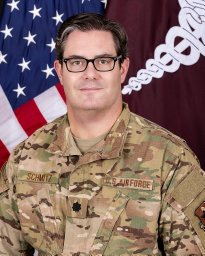 Matthew R Schmitz合作论文数San Antonio Military Medical Center6
 Samuel Clifford Willimon合作论文数Department of Orthopaedic Surgery, Duke University School of Medicine6Grimm Nathan L合作论文数6
 Scott J. Mubarak合作论文数Rady Children's Hospital;Department of Orthopaedic Surgery, University of California, San Diego6Doan Joshua D合作论文数6Carey James L合作论文数Department of Orthopaedic Surgery, University of Pennsylvania6Roger Lyon合作论文数6M Morgan Dennis合作论文数5Sarah A. Fogleman合作论文数5Elizabeth S. Liotta合作论文数5Paul Saluan合作论文数5
 Gregory D. Myer合作论文数SPORT Center, Cincinnati Children’s Hospital Medical Center;The Human Performance Laboratory for the Division of Sports Medicine, Cincinnati Children’s Hospital Medical Center;Rocky Mountain University;Sport Performance and Research Center, Department of Orthopaedics, School of Medicine, Emory University;Department of Orthopedic Surgery, College of Medicine, University of Cincinnati;Department of Pediatrics, College of Medicine, University of Cincinnati5Kevin C. Parvaresh合作论文数5
 Christian N Anderson合作论文数5Allison E Crepeau合作论文数4Eric A Eisner合作论文数4




