BACKGROUND:Climate change is a global health emergency, with substantial carbon emissions coming from health care. This study compares the carbon footprint of in-person versus virtual orthopaedic care at a large, urban, academic healthcare system. METHODS:Data were abstracted from the billing and claims database for orthopaedic clinic visits from 2018 to 2023 at a large, urban, academic medical center and its suburban satellite clinics. Carbon footprint per in-person visit was determined by combining emissions from supplies, facility energy use, and patient travel. The reduction in emissions of virtual visits was calculated compared with if all visits occurred in person. RESULTS:Overall, 508,394 orthopaedic clinic visits (94.3% in-person, 5.7% virtual) were recorded. The average in-person visit resulted in 7.12 vs. 0.026 kg CO2e for the average virtual visit. Actual carbon emissions were estimated to be 3,411,206 kg CO2e compared with 3,714,565 kg if all visits occurred in person (8.2% reduction). Most emissions (99.8%) were attributed to patient travel, with 0.2% coming from supplies and <0.1% from facility energy use. The peak of the COVID-19 pandemic in 2020 saw the greatest reduction in carbon emissions at 19.5%, with emissions increasing each year thereafter (8.3% reduction in 2023). CONCLUSION:The carbon footprint of clinic-based orthopaedic care is large and can be reduced by transitioning from in person to virtual care. Although virtual orthopaedic care has limitations, the environmental benefits are clear. Further research into virtual outpatient orthopaedic care should consider environmental impacts in addition to safety, effectiveness, and patient satisfaction.
Climate change presents a significant threat to global health, with the healthcare sector contributing notably to greenhouse gas emissions. This study quantifies the carbon footprint associated with the 2019 all-in-person American Board of Orthopaedic Surgery Part II Oral Board examination and estimates the potential reduction in emissions associated with transitioning to a virtual format. Carbon emissions from attendee travel and lodging for the 2019 ABOS Part II Oral Board Examination in Chicago were estimated. In-person emissions calculations considered examinees, examiners, and ABOS staff. For virtual exam calculations, emissions from network data transfers and technology usage were estimated. In total, 997 people attended the 2019 in-person examination. This event resulted in 600.8 tons of CO2e emissions, with the majority (89.6%) being from air travel. In contrast, an all-virtual examination was estimated to produce 12.2 tons CO2e, representing a 98% reduction compared to in-person examinations. The 2019 ABOS all-in-person Part II Oral Board examination had a substantial carbon footprint. Transitioning to a virtual format appears to be a promising alternative to reduce the examination’s environmental impact.
The syndesmosis is a complex joint and plays a critical role in ankle stability. Disruption of the syndesmosis most commonly occurs when the foot is in a dorsiflexed position, and an external rotation force is applied. Injuries can be obvious or subtle, and appropriate imaging is paramount for diagnosis. Weight-bearing radiographs, stress radiographs, magnetic resonance imaging, and weight-bearing computed tomography scans are used to evaluate the integrity of the syndesmosis. Ankle arthroscopy can also be used for diagnosis; however, it is inherently more invasive. Once the diagnosis is made, reduction and fixation of the syndesmosis should be anatomic to limit any abnormal stresses at the ankle joint. Reduction can be achieved using direct visualization and intraoperative fluoroscopy, including radiographs of the contralateral, uninjured extremity, and ankle arthroscopy. Once appropriately reduced, the syndesmosis is stabilized with flexible fixation, such as a suture button device, or rigid fixation with screws based on surgeon preference.Level of Evidence:Diagnostic level V. See Instructions for authors for a complete description of levels of evidence.
Background: Extremity surgeons frequently operate on the preoperative stretcher rather than the operating room (OR) table. This study sought to identify differences between stretcher-based (SB) and OR table–based (TB) procedures with regard to time efficiency and OR team member preferences. Methods: We conducted a prospective randomized controlled trial comparing the efficiency of SB vs OR TB foot and ankle procedures. Fifty-two patients undergoing a hardware removal, isolated gastrocnemius recession, soft tissue procedure, or foreign body removal at our day surgery unit were included. Start time and exit time were recorded. “Start time” was the number of minutes between the patient entering the OR and first incision. “Exit time” was the number of minutes between the procedure ending and the patient exiting the OR. Surveys were disseminated to OR staff who participated in the included cases. Results: The total measured time in the OR was an average 6 minutes shorter in the Stretcher group compared to the OR Table group (10 minutes vs 16 minutes, P < .001). SB procedures were associated with a significantly shorter start time (median difference = 4 minutes, P = .001), but not exit time (median difference = 1 minute, P = .058). No difference was found in actual surgical time. Thirty (96.8%) OR team members perceived SB procedures as enhancing OR efficiency, and 30 (96.8%) respondents considered SB procedures to be equal or superior to OR TB procedures in terms of patient safety. All would recommend or strongly recommend SB procedures. Conclusion: We found SB foot and ankle procedures to require less room time than OR TB procedures. Particularly for high-volume specialties, an average 6 minutes saved per case may meaningfully improve overall OR efficiency. Most OR team members believed that SB surgery improves OR efficiency and is the safer option for OR team members. Level of Evidence: Level II, randomized controlled trial, survey.
Background: Climate change poses a substantial threat to human health, and operating rooms (ORs) have an outsized environmental impact. The Program for Research in Sustainable Medicine (PRiSM) designed a protocol for minor foot and ankle surgery intended to reduce waste, streamline instrument trays, and minimize laundry. We conducted a randomized controlled trial to compare the carbon footprint of procedures performed using the PRiSM protocol vs a traditional protocol. Methods: Forty adult patients undergoing foreign body removal, hammertoe correction, toe amputation, hardware removal, mass excision, or gastrocnemius recession were randomized to the PRiSM or our “Traditional” protocol. The PRiSM protocol used a smaller instrument tray, fewer drapes and towels, and minimal positioning blankets. No changes were made to surgical site preparation or operative techniques. Environmental impact was estimated using the carbon footprint, measured in kilograms of carbon dioxide equivalents (CO2e). Emissions associated with OR waste, instrument processing, and laundry were calculated. Results: On average, PRiSM cases had a smaller carbon footprint than Traditional cases (17.3 kg CO2e [SD = 3.2] vs 20.6 kg CO2e [SD = 2.0], P < .001). Waste-associated emissions from PRiSM cases were reduced (16.0 kg CO2e [SD = 2.7] vs 18.4 kg CO2e [SD = 1.8], P = .002), as were modeled instrument processing–related emissions (0.34 vs 0.91 kg CO2e). One superficial surgical site infection occurred in each group. Conclusion: We found a small but statistically significant reduction in the environmental impact of minor foot and ankle surgery when using the PRiSM vs Traditional protocol. The environmental impact of these cases was dominated by plastic waste–related emissions. Orthopaedic surgeons should think critically about what components of their surgical setup are truly necessary for patient care, as minor changes in product utilization can have significant impacts on waste and greenhouse gas emissions. Level of Evidence: Level I, randomized controlled trial.
BACKGROUND:Musculoskeletal consultations constitute a growing portion of primary care physician (PCP) referrals. Optimizing communication between PCPs and orthopaedists can potentially reduce time spent in the electronic medical record (EMR) as well as physician burnout. Little is known about the preferences of PCPs regarding communication from orthopaedic surgeons. Hence, the present study investigated, across a large health network, the preferences of PCPs regarding communication from orthopaedists. METHODS:A total of 175 PCPs across 15 practices within our health network were surveyed. These providers universally utilized Epic as their EMR platform. Five-point, labeled Likert scales were utilized to assess the PCP-perceived importance of communication from orthopaedists in specific clinical scenarios. PCPs were further asked to report their preferred method of communication in each scenario and their overall interest in communication from orthopaedists. Logistic regression analyses were performed to determine whether any PCP characteristics were associated with the preferred method of communication and the overall PCP interest in communication from orthopaedists. RESULTS:A total of 107 PCPs (61.1%) responded to the survey. PCPs most commonly rated communication from orthopaedists as highly important in the scenario of an orthopaedist needing information from the PCP. In this scenario, PCPs preferred to receive an Epic Staff Message. Scenarios involving a recommendation for surgery, hospitalization, or a major clinical change were also rated as highly important. In these scenarios, an Epic CC'd Chart rather than a Staff Message was preferred. Increased after-hours EMR use was associated with diminished odds of having a high interest in communication from orthopaedists (odds ratio, 0.65; 95% confidence interval, 0.48 to 0.88; p = 0.005). Ninety-three PCPs (86.9%) reported spending 1 to 1.5 hours or more per day in Epic after normal clinical hours, and 27 (25.2%) spent >3 hours per day. Forty-six PCPs (43.0%) reported experiencing ≥1 symptom of burnout. CONCLUSIONS:There were distinct preferences among PCPs regarding clinical communication from orthopaedic surgeons. There was also evidence of substantial burnout and after-hours work effort by PCPs. These results may help to optimize communication between PCPs and orthopaedists while reducing the amount of time that PCPs spend in the EMR.
Category: Ankle; Trauma Introduction/Purpose: Achilles tendon rupture is a common ankle injury. Patients who suffer a rupture may be treated operatively or nonoperatively. Nonoperative treatment with functional rehabilitation has grown in popularity over the last decade. However, re-rupture remains a known complication with this treatment. The current literature review explored time to re-rupture (TTR) in patients treated with functional rehabilitation for an Achilles tendon rupture. So that orthopaedists can optimally counsel patients with regard to return to activity, our primary goal was to investigate the time from initial injury to re-rupture. Secondary endpoints included the mechanism of re-rupture as well as the age, athletic status, and sex of patients who re-ruptured. Methods: A literature search was performed using PubMed. Articles examining functional rehabilitation published in English after 2010 with data on TTR were included. Mechanism of re-rupture, athletic status, and treatment method were collected. Studies where patients were immobilized for longer than four weeks were excluded. When TTR was reported as a range, authors were contacted, and data were used only if specific TTR was available. Results: Eleven articles were included. Of the 1,653 patients, 78 sustained a re-rupture (4.7%). The average TTR was 9 weeks (range, 2 to 28 weeks). Seventy-seven of the patients (98.7%) re-ruptured at or prior to 20 weeks (4.6 months), with a single re-rupture at 28 weeks. Most patients were male (77.5%). There was no significant difference in TTR by re-rupture mechanism (high energy vs low energy, p=0.09), age (≥40 vs < 40, p=0.35), sex (male vs female, p=0.53), and athlete status (non-athlete/unknown vs athlete, p=0.42). Re-rupture was more often treated operatively than nonoperatively (72.5% vs 27.5%). Conclusion: This data adds to our understanding of re-rupture following functional rehabilitation for Achilles tendon rupture. Orthopaedists can counsel patients that the vast majority of re-ruptures occur within 20 weeks of injury and are rarely seen after 6 months. Summary of Included Patients Experiencing Re-Rupture After Functional Rehabilitation
Introduction/Purpose: This study sought to establish normative values for baseline physical and mental health by foot and ankle diagnosis using validated Patient-Reported Outcomes Measurement Information System (PROMIS) scores and to compare the correlation between these two outcomes across common foot and ankle diagnoses. Additionally, it investigated the effect of specific foot and ankle diagnoses on self-reported mental health at first presentation. Methods: We retrospectively reviewed baseline PROMIS Physical Function Short Form 10a (PF10a) and PROMIS Global-Mental (PGM) scores of 14,374 patients who had one of the 10 most common foot and ankle diagnoses seen at our institution between 2016 and 2021. Pearson correlation coefficients were calculated to assess the relationship between PF10a and PGM by diagnosis. A multivariable regression model was also used to determine the effect of each diagnosis on PGM score. Results: On unadjusted analysis, patients diagnosed with an ankle fracture had the lowest mean physical function, while patients with hallux valgus had the highest (PF10a=33.9 vs 46.7). Patients with foot/ankle osteoarthritis had the worst mean self-reported mental health, while patients with hallux rigidus had the best (PGM=49.9 vs 53.4). PF10a and PGM scores were significantly positively correlated for all diagnoses; the correlation was strongest in patients diagnosed with foot/ankle osteoarthritis or hammertoes (r=0.511) and weakest in patients with ankle fractures (r=0.239) or ankle sprains (r=0.287). Chronic conditions, including hammertoes (β=-4.9, 95%CI [-5.6, -4.2], p< 0.001), foot/ankle osteoarthritis (β=-4.8, 95%CI [-5.5, -4.1], p< 0.001), and hallux valgus (β=-4.6, 95%CI [-5.3, -3.9], p< 0.001) were associated with the largest negative effects on patients’ self-reported mental health. Conclusion: Self-reported physical function and mental health varied across common foot and ankle diagnoses and were more tightly correlated in chronic than acute conditions. The effect of diagnosis on mental health scores appears to be worse for more chronic diagnoses, including those that are generally associated with relatively unimpaired physical function. Comparison of mean unadjusted PROMIS Physical Function 10a and PROMIS Global-Mental scores by diagnosis.
Introduction Bluman et al., flatfoot classification is based on posterior tibial tendon (PTT) dysfunction leading to a chronological appearance of several foot deformities. An expert consensus recently proposed a new classification named Progressive Collapsing Foot Deformity (PCFD) in which the focus was shifted to five different independent foot and ankle deformities and their flexibility or rigidity. The aim of this study was to compare Bluman and PCFD classifications. We hypothesize that both classifications will be reliable and that the PCFD classification will allow a larger distribution of the different types of foot deformity. Materials and methods We performed a retrospective IRB-approved study including 92 flatfeet. Three foot and ankle surgeons reviewed patient files and radiographs to classify each foot using both classifications. Bluman classification was performed one time as initially described and a second time after removing the Angle of Gissane sclerosis sign. Interobserver reliabilities were determined with Fleiss’ kappa values. Results Interobserver reliabilities of Bluman and PCFD classifications were, respectively, substantial 0.67 and moderate 0.55. PCFD Class C and D reliabilities were, respectively, slight 0.07 and fair 0.28. The 276 readings were spread into 10 substages in Bluman and 65 subclasses in PCFD. The progressivity of the Bluman classification prevented the combination of flexible hindfoot valgus (II Bluman, 1A PCFD), midfoot abduction (IIB, 1B) and medial column instability (IIC, 1C) which was frequent in our study (112/276 readings, 40.6%). By removing the Angle of Gissane sclerosis sign from the Bluman classification, the prevalence of stage III decreased from 44.2 to 10.1%. Conclusions Bluman and PCFD classifications were reliable. The PCFD classification showed a larger distribution of different types of flatfeet but Classes C and D need better definition. The progressivity of Bluman classification causes inconsistencies and Gissane angle sclerosis sign is inappropriately used and might lead to incorrect surgical indications.
Background Professional society conferences are integral to the medical profession. However, airline travel is a major contributor to greenhouse gas production, and the environmental impact of in-person attendance at an orthopaedic conference has yet to be described. With growing concern about the climate crisis, we sought to quantify the carbon footprint of in-person attendance to help potential attendees more consciously consider in-person attendance, inform strategies to minimize greenhouse gas emissions during travel to annual meetings, and increase awareness about and momentum for efforts in orthopaedic surgery to reduce the carbon footprint of society conferences. Questions/purposes (1) What was the magnitude of greenhouse gas production resulting from all-in-person 2019 American Orthopaedic Foot and Ankle Society (AOFAS) annual meeting attendance in Chicago, IL, USA? (2) What was the magnitude of greenhouse gas production resulting from the all-virtual 2020 AOFAS annual meeting, and how does it compare with the 2019 AOFAS annual meeting carbon footprint? (3) To what extent could an alternative in-person meeting model with four or seven hubs decrease greenhouse gas production resulting from round-trip air travel compared with the 2019 AOFAS annual meeting? Methods A list of the postal codes and countries of all 1271 registered participants attending the four-day 2019 AOFAS annual meeting in Chicago, IL, USA, was obtained from AOFAS headquarters. The 2019 conference was chosen because it was the last pre-COVID meeting and thus attendance was more likely to resemble that at prepandemic in-person conferences than more recent meetings because of pandemic travel restrictions. We estimated carbon dioxideequivalent (CO(2)e) production from round-trip air travel using a publicly available internet-based calculator (Myclimate: https://co2.myclimate.org/en/flight_calculators/new). Emissions produced by the conference venue, car travel, and hotel stays were estimated using published Environmental Protection Agency emission factors. To estimate emissions produced by the all-virtual 2020 AOFAS annual meeting (assuming an equal number of attendees as in 2019), we used the framework published by Faber and summed estimated network data transfer emissions, personal computer and monitor emissions, and server-related emissions. Using the 2019 registrant list, we modeled four-hub and seven-hub in-person meeting alternatives to determine potential decreased round-trip air travel greenhouse gas production. Meeting hub locations were selected by visualizing the geographic distribution of the 2019 registrants and selecting reasonable meeting locations that would minimize air travel for the greatest number of attendees. Registrants were assigned to the nearest hub location. Myclimate was again used to estimate CO(2)e production for round-trip air travel for the hub meeting models. Results The total estimated emissions of the all-in-person 2019 AOFAS annual meeting (when accounting for travel, conference space, and hotel stays) was 1565 tons CO(2)e (median 0.61 tons per attendee, range 0.02 to 7.7 tons). The total estimated emissions of the all-virtual 2020 meeting (when accounting for network data transfer emissions, personal computer and monitor emissions, and server-related emissions) was 34 tons CO(2)e (median 0.03 tons per attendee). This corresponds to a 97.8% decrease in CO(2)e emissions compared with the in-person conference. The model of a four-hub in-person meeting alternative with meetings in Chicago, Santiago, London, and Tokyo predicted an estimated 54% decrease in CO(2)e emissions from round-trip air travel. The seven-hub meeting model with meetings in Chicago; Washington, DC; Dallas; Los Angeles; Santiago; London; and Tokyo was predicted to diminish the CO(2)e emissions of round-trip air travel by an estimated 71%. Conclusion The 2019 AOFAS annual meeting had an enormous carbon footprint and resulted in many individuals exceeding their annual allotted carbon budget (2.5 tons) according to the Paris Agreement. Hosting the meeting virtually greatly reduced the annual meeting carbon footprint, and our hub-based meeting models identified potential in-person alternatives for reducing the carbon footprint of conference attendance. Clinical Relevance Professional societies must consider our responsibility to decarbonizing the healthcare sector by considering innovative approachesperhaps such as our multihub proposalsto decarbonize carbon-intensive annual meetings without stalling academic progress.
Background: Hallux valgus (HV) is commonly treated with proximal or distal first metatarsal osteotomy. Despite good correction, these procedures have inherent risks such as malunion, nonunion, metatarsal shortening, loss of fixation, and avascular necrosis. Suture button fixation has been used for HV treatment. It avoids the risks of corrective osteotomies while maintaining reduction of the intermetatarsal angle (IMA). The goal of this study was to assess the radiographic and functional outcomes of patients undergoing HV correction with a distal soft tissue procedure and proximal suture button fixation. Methods: The authors retrospectively reviewed the charts and radiographs of 22 patients who had undergone HV correction using a distal soft tissue correction and proximal fixation with a miniature suture button device (Mini TightRope; Arthrex, Inc, Naples, FL). Mean follow-up was 27.7 months. The IMA, hallux valgus angle (HVA), and sesamoid station were measured on radiographs obtained preoperatively as well as in the immediate postoperative period and at final follow-up. Preoperative and postoperative Short Form-36 (SF-36) and Foot and Ankle Ability Measure (FAAM) scores were collected. Postoperative complications, and any additional operative procedures performed were also recorded. Results: The mean preoperative IMA and HVA were 16.9 and 32.6 degrees, respectively. The mean immediate postoperative IMA was 5.2 degrees ( P < .0001) and the mean HVA was 9.8 degrees ( P < .0001). At final follow-up, the mean IMA was 8.2 degrees ( P < .0001) and the mean HVA was 16.7 degrees ( P < .0001). The average change in HVA from preoperative to final follow-up was 16.0 degrees and the average change in IMA from preoperative to final follow-up was 8.6 degrees ( P < .0001). Sesamoid station assessment at the 2-week follow-up showed that 22 patients (100%) were in the normal position group; at final follow-up, 17 patients (77%) had normal position and 5 patients (23%) had displaced position. Although there were no clinically symptomatic recurrences, asymptomatic radiographic recurrence was noted in 5 patients (23%) who had a final HVA >20 degrees. All components of the FAAM and the SF-36 showed improvement from preoperative to final follow-up, although these changes were not statistically significant. Three patients experienced complications, including an intraoperative second metatarsal fracture, a postoperative second metatarsal stress fracture, and a postoperative deep vein thrombosis. Conclusion: The use of a distal soft tissue procedure in conjunction with proximal suture button fixation is a safe and effective procedure for treating symptomatic HV deformity. Our results show that this technique can correct the IMA, HVA, and sesamoid station without the need for osteotomy. Level of evidence: Level IV.
Ankle arthroscopy has seen increased utilization and application in recent years. Through the advent of improved instrumentation and techniques, indications have been expanded to include the management of traumatic, degenerative, inflammatory, and neoplastic conditions. It is important to review anterior and posterior ankle arthroscopies along with the history, pertinent anatomy, techniques, indications, and complications as well as gain insight into the future of ankle arthroscopy.
Background: Foot and ankle surgeons often perform minor surgeries on the preoperative stretcher instead of the operating room table. We examined whether stretcher-based and operating room table-based procedures differed with respect to operating room efficiency and staff perceptions. Methods: We retrospectively reviewed medical records of patients undergoing minor foot and ankle surgery at an ambulatory surgery centre. We collected ‘time to start’, the duration between patient arrival in the operating room and incision time, and ‘time to exit’, the duration between procedure end time and patient exit from the operating room. Staff were surveyed regarding their perceptions of stretcher-based and operating room table-based procedures. Results: ‘Time to start’ was significantly shorter for stretcher-based procedures, but ‘time to exit’ was not. Seventeen (81%) staff members thought stretcher-based procedures increased operating room efficiency. Thirteen (62%) thought stretcher-based procedures bettered staff safety. Nineteen (91%) thought stretcher-based procedures were equivalent to or better than operating room table-based procedures for patient safety. Most (67%) would recommend stretcher-based procedures. Conclusion: We found small but significant time savings associated with stretcher-based procedures. Without adapting surgical scheduling practices, the impact of stretcher-based procedures on overall operating room efficiency is questionable. Nevertheless, the majority of OR staff think stretcher-based procedures increase OR efficiency and are safer for staff. Level of Evidence: Level IV, Retrospective case series.
Category: Other Introduction/Purpose: Musculoskeletal consultations constitute a growing portion of primary care physician (PCP) referrals. Optimization of communication between PCPs and orthopaedists can potentially reduce the time PCPs spend in the electronic medical record (EMR). This, in turn, may help reduce burnout. However, little is known about the preferences of PCPs regarding communication from orthopaedic specialists. The current study therefore investigated the preferences of PCPs across a large health network regarding communication from orthopaedists. Methods: One hundred and seventy-five PCPs across 15 practices within our health network were surveyed. These providers universally used the Epic Systems EMR. PCPs were asked to report their years in practice, panel size, typical number of electronic clinical messages received each day, time spent in the EMR after normal clinical hours, and burnout level. Likert scales and top-box scores were used to assess the PCPs’ perceived importance of communication from orthopedists in specific clinical scenarios. PCPs were further asked to report their preferred method of communication in each scenario and overall interest in communication from orthopaedists. Regression analyses were performed to determine if any PCP characteristics are associated with communication preferences and overall PCP interest in communication from orthopaedists. Results: A total of 107 (61%) PCPs completed the survey. PCPs most commonly rated communication from orthopaedists as highly important when the orthopaedist needed information from the PCP. In this scenario, PCPs preferred to receive an Epic Staff Message. Other scenarios rated as important included: the decision for surgery, hospitalization, and a major clinical change. In these scenarios, a CC’d Chart rather than Staff Message was preferred. Increased EMR use after-hours was associated with diminished odds of having high interest in communication from orthopaedists (odds ratio=0.65, 95% confidence interval: 0.48-0.88, P=0.005). Ninety-three PCPs (86.9%) reported spending at least 1 hour a day in Epic after normal clinical hours. Twenty-seven (25.2%) spent more than 3 hours. Forty-six PCPs (42.9%) reported experiencing at least one symptom of burnout. Conclusion: In the current study, there were distinct preferences among PCPs regarding clinical communication from orthopaedic surgeons. In addition, there was evidence of substantial burnout and after-hours work effort by PCPs. Our results may be helpful in optimizing communication between PCPs and orthopaedists, while also reducing time spent in the EMR by PCPs. Keywords Interprovider communication , Burnout , Electronic medical record
Category: Ankle Arthritis Introduction/Purpose: Despite advancements in surgical techniques, implants, and biologics, nonunion remains the most common major complication of ankle arthrodesis. While previous studies have reported delayed union or nonunion rates, few have elaborated on the clinical course of patients experiencing delayed union. We sought to better understand the trajectory of patients with delayed union by determining the rate of clinical success and failure and whether the extent of fusion on computed tomography (CT) was associated with outcomes. Methods: Delayed union was defined as incomplete ( < 75%) fusion seen on CT scan between 2 and 6 months postoperative. A total of 36 patients met inclusion criteria: isolated tibiotalar arthrodesis with delayed union. Patient-reported outcomes were obtained and patients were asked about satisfaction with their fusion. Success was defined as patients who were not revised and reported satisfaction with the procedure. Failure was defined as patients who progressed to revision or reported being not satisfied. Fusion was assessed by measuring the percent of osseous bridging across the joint on CT scan. The extent of bony bridging was categorized as absent (0%-24%), minimal (25%-49%), or moderate (50%-74%). Results: We determined the clinical outcome in 28 of the 36 eligible patients (78%) with mean follow-up of 5.6 years (range, 1.3 to 10.2 years). The majority (71%) of patients failed. A mean of 3.9 months (standard deviation, 1) elapsed between time of surgery and CT scan. Patients with minimal or moderate fusion on CT were more likely to succeed clinically than those with ‘absent’ fusion (X2 = 4.215, p = 0.040). Of those with absent ( < 25%) fusion, 11 of 12 (92%) failed. In patients with minimal or moderate fusion, 9 of 16 (56%) failed. Conclusion: We found that 71% of patients with a delayed union at roughly 4 months after ankle fusion required revision or were not satisfied. Patients with less than 25% osseous bridging on CT had an even lower rate of clinical success. These findings may help surgeons in counseling and managing patients experiencing a delayed union after ankle fusion.
It is important to identify and describe practical applications of arthroscopy in the management of foot and ankle pathology. Utilization of the arthroscope provides a minimally invasive means of evaluating and addressing pathology. It obviates the need for a large open approach, which has additional value in the setting of a multiprocedure surgery. In addition to reducing surgical time, arthroscopy provides a potentially enhanced field of view and an adequate working space to address injury. As interest in minimally invasive options grows, the need for safe, effective tendoscopic and arthroscopic options in the foot and ankle increases. A clear and high-yield reference is needed with which to approach these procedures.
Background: Intraarticular corticosteroid injections (ICIs) are widely used to treat foot and ankle conditions. Although laboratory studies indicate certain corticosteroids and local anesthetics used in ICIs are associated with chondrotoxic effects, and selected agents such as ropivacaine and triamcinolone may have less of these features, clinical evidence is lacking. We aimed to identify the patterns of drug selection, perceptions of injectate chondrotoxicity, and rationale for medication choice among surgeons in the American Orthopaedic Foot & Ankle Society (AOFAS). Methods: An e-survey including demographics, practice patterns, and rationale was disseminated to 2011 AOFAS members. Frequencies and percentages were calculated for demographic data, anesthetic and steroid choice, rationale for injectate choice, and perception of chondrotoxicity. Bivariate analysis was used to identify practice patterns significantly associated with perceptions of injectate risk and rationale. Results: In total, 387 surveys were completed. Lidocaine and triamcinolone were the most common anesthetic and corticosteroid used (51.2% and 39.3%, respectively). Less than half of respondents felt corticosteroids or local anesthetics bear risk of chondrotoxicity. Respondents agreeing that corticosteroids are chondrotoxic were more likely to use triamcinolone ( P = .037). Respondents agreeing local anesthetics risk chondrotoxicity were less likely to use lidocaine ( P = .023). Respondents choosing a local anesthetic based on literature were more likely to use ropivacaine ( P < .001). Conclusion: Corticosteroid and local anesthetic use in ICIs varied greatly. Rationale for ICI formulation was also variable, as the clinical implications are largely unknown. Those who recognized potential chondrotoxicity and who chose based on literature were more likely to choose ropivacaine and triamcinolone, as reflected in the basic science literature. Further clinical studies are needed to establish guidelines that shape foot and ankle ICI practices based on scientific evidence and reduce the variation identified by this study. Level of Evidence: Level IV, cross-sectional survey study.
Background: To assess the safety of minimally invasive surgery (MIS) for orthopedic spinal, upper limb and lower limb procedures, this systematic review of systematic reviews compared their complications with open procedures. Materials and methods: A literature search was conducted electronically (PubMed, Cochrane library and Web of Science; May 8, 2021) without language restriction in the past five years. Reviews that consulted at least two databases, compared MIS with open orthopedic surgery, and reported the following: intraoperative, postoperative or total complications, function, ambulation, pain, hospital stay, reoperation rate and operation time were included. Article selection, quality assessment using AMSTAR-2, and data extraction were conducted in duplicate on predesigned forms. In each review, a subset analysis focusing on prospective cohort and randomized studies was additionally performed. PROSPERO: CRD42020178171. Results: The search yielded 531 articles from which 76 reviews consisting of 1104 primary studies were included. All reviews were assessed as being low quality. Compared to open surgery, MIS had fewer total, postoperative and intraoperative complications in 2/10, 2/11 and 2/5 reviews of spinal procedures respectively, 1/3, 1/4 and 1/2 reviews of upper limb procedures respectively, and 4/6, 2/7 and 0/2 reviews of lower limb procedures respectively. Conclusions: MIS had greater overall safety compared to open surgery in spinal procedures. In upper limb and lower limb procedures, MIS was not outright superior to open procedures in terms of safety hence a general preference of MIS is not justified on the premise of a better safety profile compared to open procedures.
Category: Other Introduction/Purpose: Patient Reported Outcome Measures (PROMs) are used to inform treatment, payment, and health policy decisions. As such, it is crucial to develop a robust understanding of extrinsic factors influencing PROM scores. Prior studies suggest sociodemographic factors are associated with variation in outcome scores not only in response to treatment, but also at initial presentation. The purpose of this study was twofold: first, to deepen our understanding of sociodemographic factors affecting baseline PROMs in a foot and ankle population; and second, to assess the extent to which modifiable sociodemographic factors may explain perceived racial and ethnic disparities in outcomes. Increased understanding of the complex relationships between health and social factors may facilitate conscientious use of PROMs and help identify points of intervention for reducing healthcare disparities. Methods: We retrospectively reviewed baseline Foot and Ankle Ability Measure (FAAM) and PROMIS Global-Mental scores of 26,409 foot and ankle patients within our institutional database from 2015 to 2021. Primary predictors included age, sex, race, ethnicity, primary language, education level, median household income, and Charlson Comorbidity Index. All continuous predictors were transformed into categorical variables for analyses. Descriptive analyses, two-tailed T-tests, and Bonferroni post hoc analyses were utilized to assess variation in unadjusted baseline PROM scores stratified by sociodemographic factors. Multivariable modeling was utilized to investigate the independent correlations with and relative importance of the predictors in accounting for variability in outcome scores while adjusting for confounding by all. To examine if the effects of race and ethnicity were modulated by related predictors, we used a series of sequential regression models and evaluated the change in race and ethnicity parameter estimates and R2 values upon including additional predictors in the models. Results: On unadjusted analysis, our data revealed differences in FAAM and PROMIS Global-Mental scores that exceeded the minimal clinically important differences (MCIDs) when stratified by educational level and primary language spoken, but not age, sex, race, ethnicity, median household income, or Charlson Comorbidity Index. Our models accounted for less than 20% of the observed variation in PROM scores. In adjusted models, education level was most prominently associated with baseline scores. Black vs White race had a minor effect in unadjusted models, well below the MCID, and appears to be influenced by differences in education level and household income, which do importantly impact outcomes. Hispanic ethnicity had a larger effect than race in unadjusted analyses and appears to be explained by primary language spoken, education level, and median household income. Conclusion: FAAM and PROMIS Global-Mental baseline scores differed by amounts exceeding the MCID when stratified by educational level and primary language spoken. In adjusted models, race and ethnicity did not independently correlate with clinically significant variations in PROMs scores. Interventions to eliminate disparities among racial and ethnic groups should address modifiable factors such as improving health literacy and removing language and financial barriers to care. To avoid widening health disparities, differences in education level and primary language spoken should be acknowledged when using PROMs as a metric in research, clinical care, or health policy.
Category: Other; Basic Sciences/Biologics Introduction/Purpose: Greenhouse gas production is the major driver of anthropogenic climate change (ACC). To counteract the current trends in ACC, climate experts recommend no more than 2 tonnes of CO2 be generated/person/year. Currently, the global average is 4 tonnes/person/year. Current approximate per capita national average for CO2 production in the U.S. is 20 tonnes/person/year. Airline travel is a major contributor to greenhouse gas production. Although many factors contribute to CO2 production by academic conference attendees, air travel is by far the greatest contributor. Prior to the COVID-19 pandemic the AOFAS annual meeting (AOFASAM) was held in-person without a virtual attendance option. We estimated and characterized the greenhouse gas production generated by attendance at the last all-in-person (2019) AOFASAM. Methods: We estimated departure airports for all registered participants attending the 2019 AOFASAM using a de-identified list of postal addresses. For each address, the nearest large airport (origin) was determined using a publicly available web-based locator. Using this origin, CO2 production for each round-trip flight to Chicago was determined using a publicly available web- based calculator. Total and average CO2 production for all registrants at the AOFASAM was calculated. Results: There were a total of 1271 registrants for the 2019 AOFASAM. Because of their proximity, 64 individuals were estimated to not have used air travel. A total of 1206.67 tonnes of CO2 was estimated to have been generated by round-trip flights for AOFASAM registrants. This averages to 0.95 tonnes CO2 generated per AOFASAM registrant (range 0.06 to 6.3 tonnes). No registrant with a U.S. address was estimated to have generated more than 1.04 tonnes of CO2. Individually, international registrants generated between 0.35 and 6.3 tonnes of CO2. A majority (58%) of registrants were estimated to have generated >1 tonne of CO2 (n=321 [25%], 1-2 tonnes; n=295 [23%], 2-3 tonnes and n=122 [10%], >3 tonnes). Conclusion: Travel to the AOFASAM results in substantial CO2 production. One-third of attendees exceeded the WHO recommended annual CO2 production/person/year by attending the meeting; another 25% generated 50-100% of this limit. To meet WHO guidelines for CO2/person/year production, and set a good example for the rest of society, we need to consider alternatives to in-person meetings or pay for offsets to do our part in curbing ACC. Reducing in-person conference attendance has potential negative social and networking consequences to be overcome. Interactions with industry partners will also need to adapt. Further development of virtual reality may help mitigate these consequences.
 Christopher P. Chiodo合作论文数44Smith Jeremy T合作论文数39Elizabeth A. Martin合作论文数13Emily B. Parker合作论文数7
 Mark Myerson合作论文数Steps2Walk;The Foot and Ankle Association Inc.7Cornelia Keyser合作论文数5
 Lauren V. Ready合作论文数5
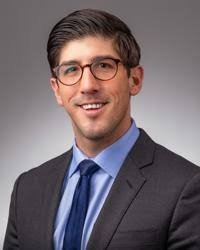 Tyler Gonzalez合作论文数Department of Orthopaedics, Prisma Health/University of South Carolina School of Medicine5Eric Giza合作论文数5Erica Fisk合作论文数4Ma Caligiuri合作论文数4Palms David A合作论文数4Edward D. Arrington合作论文数4
 John Femino合作论文数4Christopher P. Miller合作论文数3Brandon J. Hayes合作论文数3Laura Raymond合作论文数3Jessica J M Telleria合作论文数3Kenneth W DeFontes合作论文数3Boyer Kevin合作论文数3Robert H Haralson合作论文数3Sluka Patrick合作论文数3
 Lorraine Boakye合作论文数Hosp Special Surg, 535 E 70th St, New York, NY 10021 USA3Sara Anderson合作论文数3Wies Janet L合作论文数3Turkelson Charles M合作论文数3
 Josef K Eichinger合作论文数3William C. Watters合作论文数3Gregory E. Lause合作论文数Department of Orthopaedic Surgery, University of Toledo Medical Center3
 Mark Glazebrook合作论文数3Bruce E. Cohen合作论文数3Michelle M. Porter合作论文数3
 Emily Parker合作论文数Institute of Fundamental Sciences, Massey University3Michael J. Goldberg合作论文数3
 Bharti Khurana合作论文数2Jeremy Smith MD合作论文数2Kimberly K Broughton合作论文数2Michael J Healey合作论文数2Thomas Dowd合作论文数2
 Jennifer Baima合作论文数2BR AVALOS合作论文数2Sr Frankel合作论文数2William Ciurylo BA合作论文数2
 James Ficke合作论文数2
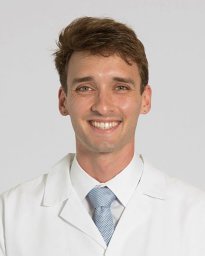 Brady Greene合作论文数Cleveland Clinic Lerner College of Medicine, Case Western Reserve University2
 Ellen Almirol合作论文数Semel Inst, Univ Calif Los Angeles2
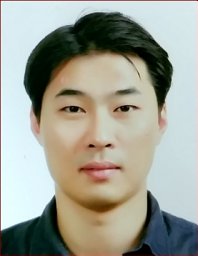 Hee Young Lee合作论文数Carver College of Medicine, University of Iowa2Michael Keith合作论文数2Matthieu Lalevée合作论文数Research Center for Sports and Athletic Activities Transformations, University of Rouen Normandy2




