Narratives surrounding urban green space management have experienced significant shifts in recent years. While the command-and-control approach to urban green space management was once a dominant narrative, alternative understandings have emerged over time. The emerging narrative on urban wilding presents a unique opportunity to expand on our current understandings and approaches to urban green space management. This research explores how participation in experiential workshops that engage with urban wild spaces (UWS) through deliberative methods may influence our narratives of urban green spaces and their management. This is achieved by examining the human-nature dynamics of the workshops, which employ methods of wild transect walks, storytelling, and multispecies role-playing, framed by social-ecological traits to facilitate the translation of perceptions and values. The workshops gathered data on the interplay between the participating human stakeholders. Based on a narrative analysis, the findings suggest that an initial disconnect between humans and ecology appears during engagement with UWS. Throughout the sense-making and sharing process, participants begin to connect with the spaces through sensory effect traits, such as auditory elements, tactile sensations, and visual characteristics, as they recount childhood memories and stories about the ecosystem's ecology. Narratives then shift as the workshops progress; participants move from descriptions of practical management and control toward a more ethical understanding of cohabitation. The article concludes by suggesting directions for future research to further understand the driving factors behind these shifting narratives. Plain language summary This research examines how people’s ideas about managing urban green spaces are evolving. In the past, management often focused on control, maintaining order and tidiness in nature. Recently, new approaches have emerged, such as urban wilding, which promotes allowing nature to grow and evolve more freely. This study tested whether workshops could alter people’s perceptions of urban green spaces. During the workshops, participants explored urban wild areas through activities like wild walks, storytelling, and role-playing as different species. These activities encouraged individuals to notice sensory details (such as sounds, textures, sights), and to share personal memories and stories. At first, many participants felt disconnected from the wild areas. But as the workshops progressed, they began to connect more deeply, moving away from seeing nature as something to control towards seeing it as something to live alongside and share. The study concludes that these kinds of participatory workshops can help people develop more ethical and coexisting relationships with urban nature. It also suggests more research is needed to understand what drives these shifts in perspectives.
As urban populations grow and densify, the multifunctional demands placed on urban green-blue infrastructure (uGBI) are intensifying, raising concerns about sustainability, ecological degradation, and equal accessibility. This qualitative study investigates how goals of sustainable outdoor recreation are operationalised in the planning and governance of multifunctional uGBI in the rapidly urbanising Stockholm region. Through 11 semistructured interviews with municipal and regional officials, supplemented by workshops, a desktop overview, and a focus group, we identify key barriers and enablers shaping current practice. The results highlight a growing implementation gap: sustainable outdoor recreation is widely valued yet structurally underprioritised in planning processes. Key constraints include institutional fragmentation, limited strategic capacity, unclear responsibilities, and insufficient long-term funding. Despite national and regional policy ambitions, outdoor recreation is often taken for granted, poorly integrated into land use planning, and rarely supported by dedicated roles or operational tools. However, the study also reveals emerging opportunities. Several municipalities are beginning to align sustainable outdoor recreation with public health, climate adaptation, and urban attractiveness goals. The findings offer actionable pathways for more integrated, strategic, and just governance of sustainable outdoor recreation in multifunctional urban landscapes. Practitioners call for new governance models, such as outdoor recreation strategists, cross-sector councils, and innovative planning tools like a "recreation factor" or "recreation guarantee" for children and youth. These insights point to the need for a shift in urban planning culture - one that recognises nature not as a competing land use, but as essential infrastructure for public health, social cohesion, and long-term urban resilience.
Our Editorial team reflects on the journals’ first five years and discusses our continued aspiration to be an outlet for thought provoking and effective syntheses of essential advances in urban sustainability science and policy.
‘Stewardship’ is widely promoted as a potentially transformative practice to foster more sustainable human-nature relationships. However, much of the evidence relates to collaborative, consensus-based initiatives where the cared-for nature, like gardens or parks, is domesticated or considered to be aligned with human norms and interests. This article uses cities and their complex and often contested nature(s) to investigate how the conceptualization of stewardship could be expanded to better address how to work with, and benefit from, plurality and tensions. Drawing on and synthesizing the recent advances and insights into stewardship and more-than-human agency and entanglements, the article takes a relational perspective on stewardship in recognition of agency in others, people as well as non-humans, and ways of living with tensions between these different actors and agencies. The study concludes with a discussion about stewardship as a compass for relating to others and finding acceptable and constructive ways of working with and around differences to make cities more livable for all their current and future inhabitants.
This article explores how design can reintroduce elements of wildness into urban environments through artifacts that foster multispecies interaction. Wildness is not defined as a return to nature, but as a relational and semiotic rupture of control. It is an opportunity for nonhuman agency to emerge within human-managed spaces. Drawing on theories of affordances, play, cultural heritage, and metacommunication, we investigate how artifacts can function as semiotic prompts for interspecies encounters, and how cultural familiarity can afford ecological disruption. We use design interventions in a Stockholm allotment garden as our example, where prototypes created as habitat elements for newts also provoked human curiosity, connections to gardening traditions, and multispecies activity. We argue that design should prioritize attunement, ambiguity, and divergence over mastery or harmony, thus supporting new forms of cohabitation within the constraints of urban life.
Abstract As climate change intensifies, resilience in social-ecological systems becomes increasingly important for sustaining the provision of nature’s contributions to people. Decades of research identify three dimensions of social-ecological resilience, that is, the capacity to cope, adapt, and transform under changing conditions. Here, we examine how response diversity supports these three dimensions by investigating the resilience of nature’s contributions to people in the Vindelälven-Juhttátahkka Biosphere Reserve in northern Sweden. By drawing on semi-structured interviews we show that actors in the region focus on climate change adaptation but are limited in their capacity to cope with shocks or transform away from undesirable trajectories. We find that, when measured only as the number of different responses, high response diversity does not reflect the resilience needed to navigate increasingly intense and frequent disturbances. Instead, assessing how response diversity supports all three resilience dimensions captures its role more meaningfully and deepens our understanding of how to build resilience under climate change.
Theoretical and methodological developments in the field of fragmentation-biodiversity research continue to rely on the central concept of the habitat patch where patch size and number are considered particularly relevant to spatially structured ecological communities. However, although great interest has been shown in the effects of habitat fragmentation, appropriate methods for the spatial delineation of habitat have not received equal attention. In this paper, we argue that existing methods are not consistent with a functional definition of habitat as they fail to address key methodological challenges. These relate to the need to acknowledge a) the contribution of multiple resource types to habitat, b) the influence of neighbouring land cover types and c) the continuity-contiguity problem (the tendency of habitat to exhibit properties of gradation and aggregation). In this second of two papers on this topic, we present an application of a new methodological framework outlined by Dennis et al. (this issue) that offers a route to a more functional definition and delineation of habitat through the use of spatial kernels and the generation of Type 1 and 2 fuzzy sets from landscape classification algorithms. We present a demonstration of the framework applied to a real-world landscape, in which we illustrate the impact of adopting alternative perspectives with respect to habitat delineation on the ecological process of habitat connectivity. We demonstrate the functional delineation of habitat for a focal generic woodland species (FGWS) in a real-world landscape classified through the application of a fuzzy Random Forest classifier. We employ nesting, foraging and dispersal parameters relevant to the FGWS to achieve a functional estimate of habitat. We test the influence of habitat fragmentation (number of patches controlling for total habitat amount) on potential functional connectivity for the FGWS based on contiguous (emphasising aggregation and homogeneity), continuous (emphasizing gradation) and functional (integrating multiple resource types and neighbourhood effects) habitat perspectives. Our results indicate large discrepancies between the three perspectives on habitat delineation across key fragmentation-relevant metrics (total area, number of patches and potential functional connectivity). Importantly, a functional habitat perspective supports markedly different conclusions (compared to contiguous and continuous perspectives) with respect to the relationship between fragmentation (number of patches) and connectivity, and estimates of the contribution of individual habitat patches to landscape-scale connectivity. The functional habitat perspective, operationalized by harnessing uncertainty in landscape classification and employing spatial kernels to parameterise neighbourhood effects based on species-specific parameters, achieves a functional delineation of habitat. Our study suggests that such a view has major implications for our understanding of habitat fragmentation because it requires that the latter also be assigned a functional definition. The framework centred on functional habitat delineation is generalizable to a wide range of landscape contexts and advances current methods in spatial ecology. This opens up opportunities for inquiry and the development of new theoretical positions within the fragmentation-biodiversity debate.
Nature-Based Solutions (NbS) harness the dynamics of ecosystems to address the rising vul-nerabilities in urban areas under planetary change. While they have been widely implemented and studied in cities of Europe and Northern Americas, their potential in Latin American cities is less understood.. But Latin American cities shared colonial histories that have laid the groundwork for social, political, and economic arrangements that limit current NbS interventions from fostering urban resilience. These barriers stem from entrenched gov-ernance and land-use regimes that have sidelined local knowledge and priorities, undermined urban ecosystems, and produced fragmented land management that continues to constrain bio-diversity conservation and ecological resilience. To evaluate this thesis, we use mostly cases from Mexico City and São Paulo to identify the political and social barriers shaping the design and implementation of NbS in Latin American cities. These include limited financial resources; weak coordination among involved government agencies; insufficient consultation mechanisms; absent policies to prevent gentrification or displacement; and the need for experts to help elected officials understand the co-benefits of ecological systems. Moving forward, increasing NbS implementation and performance in Latin America will require addressing historical tensions between the State and residents—especially Indigenous communities—through participatory processes that build trust, embrace local knowledge, and foster agreements among diverse ac-tors to support the adaptive management of NbS over time. Such processes should adopt a transdisciplinary approach, provide open data, and ensure equitable distribution of interventions across cities, focusing on high-vulnerability areas and promoting local leaders who understand and apply community knowledge.
Abstract Production forests play an important role in addressing many of our current sustainability challenges. Therefore, how these forests are managed and what motivates the people who are managing them are important for sustainability. 47 per cent of forests in Europe are privately owned. Private landowners are known to be motivated by diverse values and interests. The Swedish notion of hembygdskänsla, or sense of home landscape, is likely to play a role, but is so far poorly understood in relation to the stewardship practices of this actor group. This study uses a virtual photo elicitation exercise to explore how hembygdskänsla motivates private, non‐industrial forest owners to engage in stewardship practices in the Helgeå catchment, southern Sweden. We developed a conceptual model of stewardship practice and used it to construct narratives based in the places where our participants feel hembygdskänsla. Our findings describe multiple co‐occurring pathways to forest stewardship, guided by recurring narratives that are rooted in diverse and relational values. These narratives capture how private forest owners' motivations range from sustaining their own livelihoods, responsibilities to maintain and care for historic landscapes, to striving for long‐term resilience in the forest ecosystem. Policy implications: Policies for promoting sustainability must acknowledge diverse values and motivations. Flexible policy instruments that target multiple values and foster relationships, while still allowing for autonomy, would encourage private landowners to practice stewardship and support personal motivations to care for their land. Additionally, leveraging hembygdskänsla and other related culture‐specific terms to describe human‐nature relationships would support stewardship and biocultural diversity. Such terms could be used for cross‐site learning for sustainability transformations. Read the free Plain Language Summary for this article on the Journal blog.
The effective delineation of habitat is crucial for understanding drivers of habitat loss and fragmentation, and their effects on biodiversity outcomes at local to global scales. The concept of the habitat patch is central to this process but presents both theoretical and methodological challenges related to the seemingly irreconcilable tendency of habitat to simultaneously exhibit characteristics of both gradation and aggregation. This apparent contradiction, recently described as the continuity-contiguity problem in landscape ecology, presents a problem of classification in which the associated ambivalence is analogous to that surrounding the fate of Schrödinger’s Cat. This is the first of a pair of papers that aim to address the theoretical and methodological challenges associated with the habitat patch concept. This first paper aims to (a) articulate the theoretical and practical limitations of working with the habitat patch concept and (b) set out a framework based on a functional definition of habitat that captures the tendency of resources to exhibit both discrete and continuous spatial characteristics. The second paper (Dennis et al. this issue) presents a demonstration of this framework applied to a real-world landscape, in which the impact of adopting alternative perspectives on habitat delineation on potential functional connectivity is revealed. We present a new methodological approach that integrates alternative gradient and patch-based models of habitat in landscape ecology. We achieve this integration by leveraging the notion of geographical vagueness and the application of fuzzy set theory to land cover classification. We apply this approach to simulated landscapes that contain information on membership values to different land cover classes and their associated uncertainty. We then demonstrate the functional delineation of habitat from these landscapes based on the use of species-specific parameters, the leveraging of spatial kernels, and type-1 and type-2 fuzzy sets. The possibility of incorporating this approach into subsequent workflows is then described using estimates of between-patch distances and potential functional connectivity as examples. Our method provides a functional spatial delineation of habitat that reflects both resource-based and patch-based habitat perspectives and can be applied to any gradient or patch-based landscape modelling method. This approach achieves the integration of multiple resource types, habitat complementarity associated with neighbouring cover types, and negative edge effects. We refer to this measure of habitat as Functional Habitat so-called as it reflects the total availability of habitat accounting for the influence of all land cover types and positive and negative neighbourhood effects. This paper describes a functional approach to habitat delineation and its integration into the computation of fragmentation-related metrics. This methodological framework achieves, for the first time, (1) a multivariate delineation of habitat based on type-1 fuzzy membership and the operationalising of neighbourhood effects and (2) the harnessing of uncertainty in land cover classification (type-2 fuzzy membership) to achieve a distribution of possible outcomes that resolves the continuity-contiguity problem. This new methodology provides a long-awaited functional definition of habitat patches for those seeking to understand the role of habitat fragmentation in biodiversity outcomes.
Around the world, many environmental and social problems often appear together, such as biodiversity loss, soil degradation, and livelihood precarity. Integrated landscape approaches have emerged as a powerful way to tackle these intertwined crises at the scale of whole landscapes, but success depends on a factor often overlooked: the motivation of people to collaborate. The objective of this study is to review and synthesize the available scientific evidence of the reasons why actors choose to collaborate in multifunctional protected landscapes. Building on existing literature, we developed an analytical framework that views collaboration as a dynamic interplay between actor-level motivators (ranging from non-material relations to nature, community or organizational ties, to material benefits) and network-level motivators (shared goals, interdependence, trusted networks, effective interactions, and clear achievements). These drivers are further shaped by broader forces such as agency, legal frameworks, social and political context, the socioeconomic conditions, and biophysical contexts. Our findings reveal a crucial insight: sustainable collaboration cannot rest on a single motivator, such as financial gain, but thrives when a "bundle of motivators" is activated. To help organizations unlock this potential, we identify seven practical levers to strengthen collaboration and maximize the impact of integrated landscape approaches. By understanding and intentionally fostering these layered motivations, landscape management can move from fragmented efforts to transformative, long-term solutions for both people and nature.
The long-term viability of much of the current investment in nature restoration and protection as ‘nature-based solutions’ (NbS) to a host of societal challenges hinges on assumptions and hope that people will see value in often latent or indirectly ‘beneficial’ functions. However, we contend that for NbS to truly make sense to people — and to engage communities more actively in long-term maintenance — NbS need to be activated and imbued with meanings and practices more directly connected to contemporary and traditional life frames and habits. Once socio-culturally activated, continued care and biocultural management practices may help fill the still problematic gap in terms of long-term maintenance of NbS.Adopted and adapted biocultural practices, especially as they pertain to Indigenous perspectives and local ecological knowledge, may help tackle this dual challenge and make the current push for urban NbS deliver an infrastructure embedded in traditions and practices that invite stewardship and meaningful engagement, as well as support processes of recovery and restoration.
Education for sustainability is widely recognised as a critical pathway for driving the transformations needed to address today’s polycrisis. Despite growing theoretical and conceptual advancements in sustainability education, current approaches have not achieved the deep systemic changes required. While university networks and individual institutions increasingly integrate sustainability into their education, concerns persist that transformative learning agendas often remain superficial. In particular, they frequently fail to equip learners with the emotional resilience and skills necessary to engage effectively with complex global challenges, as well as educators with the pedagogical framework to facilitate such learning. This article emphasises the need to advance transformative learning in sustainability science and practice in higher education by addressing the inner dimensions of sustainability: our individual and collective values, beliefs, worldviews, and associated transformative qualities and capacities. This means targeting deep leverage points and meaningful change by supporting more relational approaches, including an integrated inner–outer change in being, thinking, and acting. We provide seven operational principles for supporting the inner–outer transformation towards sustainability in learning and teaching sustainability science and practice, especially in geography and related fields. These principles highlight the importance of nurturing five clusters of transformative qualities and capacities—awareness, connection, insight, purpose, and agency—guided by relational approaches required to support profound and integrative learning experiences. We provide concrete examples of how to implement these principles. The proposed principles aim to inspire educators and learners to deeply engage with sustainability challenges to contribute to transformative change across individual, collective, and system levels.
Adaptation to climate change is a social-ecological process: it is not solely a result of natural processes or human decisions but emerges from multiple relations within social systems, within ecological systems and between them. We propose a novel analytical framework to evaluate social-ecological relations in nature-based adaptation, encompassing social (people-people), ecological (nature-nature) and social-ecological (people-nature) relations. Applying this framework to 25 case studies, we analyse the associations among these relations and identify archetypes of social-ecological adaptation. Our findings revealed that adaptation actions with more people-nature relations mobilize more social and ecological relations. We identified four archetypes, with distinct modes of adaptation along a gradient of people-nature interaction scores, summarized as: (i) nature control; (ii) biodiversity-based; (iii) ecosystem services-based; and (iv) integrated approaches. This study contributes to a nuanced understanding of nature-based adaptation, highlighting the importance of integrating diverse relations across social and ecological systems. Our findings offer valuable insights for informing the design and implementation of adaptation strategies and policies.This article is part of the discussion meeting issue 'Bending the curve towards nature recovery: building on Georgina Mace's legacy for a biodiverse future'.
Extreme weather events are on the rise, increasingly impacting cities and their urban populations. In response, urban greening and nature-based solutions (NbS) have emerged as key approaches for reducing risks from multiple types of extreme climate and weather events while making a positive impact on urban social and environmental inequities. NbS interventions are high on urban agendas worldwide, but in practice, they often are hyper-local and contain novel ecological entities, with unknown capacity to deal with different pressures and disturbances. Thus, there is an urgent need to build knowledge around how, when, and under what circumstances different NbS can be expected to perform their functions as intended. One step towards building, and then constantly updating, such knowledge is to establish practices for monitoring and evaluating NbS.In this study, we showcase a novel approach based on wireless sensor technology that harnesses hyperlocal data in real time to understand the direct impact of NbS on the local climate across seasonal variation and under extreme weather conditions. We aimed to quantify to what extent NbS are contributing to ecosystem services such as cooling.To answer this, we installed eighteen microsensor weather stations across the biggest and most recent sustainable urban development in Sweden - Stockholm Royal Seaport. We investigated five distinct types of NbS - forest parks, green courtyards, rain gardens, green roofs, and lawns, during the summer of 2021 to examine whether real-time temperature changes varied between NbS site types. Despite large differences in vegetation and urban landscape, we did not observe a clear trend in air temperature differences between sites, even for experimental reference sites. Our analysis reveals that forest parks are the coolest and the green roofs are the warmest green places overall. The largest differences in daytime temperatures reached up to 2°C difference between sites in summer, which gradually disappeared during cooler months. Our results suggest that regional weather dynamics dominate over the Stockholm Royal Seaport’s micro-climate, leading to a relative similarity in NbS cooling performances. Though the district overall may be too homogeneous to affect air temperature variation and local NbS too small to alter the regional weather patterns, we nonetheless conclude that ecosystem services of NbS should not be taken for granted. Results suggest that NbS interventions, almost regardless of type, need to be considered and implemented at larger district scales to add up to the substantial total green cover needed to impact local and regional temperatures.
Underpinned by systemic thinking, social-ecological systems (SES) research has emerged as a critical field for addressing the challenges of the Anthropocene, marked by a cross-scale focus, inter-and transdisciplinary approaches, and a strong emphasis on place-based work. Thanks to the efforts of many networks and institutes, the field has advanced new theoretical and methodological approaches, fostered dedicated journals, and spurred educational programs. It has also significantly influenced sustainability initiatives and policy from local to global scales, and has richly informed place-based efforts. Despite this progress, SES research faces persistent challenges, including conceptual and methodological fragmentation, difficulty in scaling localized insights to global frameworks (and vice versa), and capturing cross-scale connections and processes while retaining contextual relevance. Inclusivity also remains a critical issue, with regional, Indigenous, and local contributions often underrepresented, as there is still a reliance on short-term, inequitably distributed grant funding for much of the research in the field. This paper introduces the Society for Social-Ecological Systems (SocSES), a global platform designed to build on and connect to the rich legacy of SES networks. SocSES aims to advance and support SES-based research, practice, and action toward a just and sustainable future. We outline how SocSES will provide a home for SES institutes, networks, researchers, and practitioners working at the science-practice-policy interface to connect and amplify existing efforts through thematic streams, regional hubs, an institutional hub, an early-career professionals hub, and synthesis groups. The society will provide a stable infrastructure to foster interdisciplinary and transdisciplinary collaboration, enhance the generalizability and policy relevance of SES research, bolster education, research, and knowledge co-production, and support the next generation of SES professionals. By addressing the persistent challenges facing the field and fostering transformative spaces and communities for innovation and action, SocSES aspires to support and leverage SES knowledge as a cornerstone of global sustainability science. In line with the society's commitment to linguistic diversity and equitable access, this abstract has been translated into 12 languages by authors of this paper and additional contributors. These translations are available in Appendix 2 and at https://socses.org/about/paper.
Peri-urban landscapes are the meeting point of a wide range of human activities, power dynamics, and social-ecological processes in the Anthropocene. Multiple interests, as well as differences in governance regimes and decision-making processes increase the complexity of peri‑urban landscapes. With this complexity as a background, we place our focus on the interactions between two highly desirable human activities in peri‑urban landscapes: outdoor recreation and biodiversity conservation. The multifunctional role peri‑urban landscapes can fulfill to respond to biodiversity conservation and outdoor recreation goals has the capacity to minimize the potential clash between these two functions. Despite this, little attention has been paid to the realization of multifunctionality in peri‑urban landscapes when addressing the recreation-conservation nexus. In this Perspective, we provide a foundation for further inter-disciplinary explorations in this area by identifying knowledge gaps and priorities for future research on the recreation-conservation nexus in peri‑urban landscapes with particular emphasis on the “spatial” dimension.
Multispecies sustainability and justice can serve as narratives to support and transform nature conservation. Using discourse analysis, we study whether and how three major stakeholders engaged with such narratives to address the representation and agency of swifts (Apus apus). We focus on a debate on mandating ‘swift bricks’ to mitigate the loss of their nesting sites in the UK. Representation refers to acknowledging and articulating the diversity of human and swift interests. Agency refers to recognising and positioning nonhuman actors as subjects of justice. The activist-conservationist gave an imaginary voice to swifts and thus attempted to focus public attention on what these birds demand. The policymakers did not relate to realities other than human and remained impervious to nonhuman rights. We suggest creatively addressing the multispecies perspective in the standard political debates on infrastructural improvements and biodiversity net gain by rethinking the role of built infrastructures for nature conservation and restoration.
Biodiversity conservation needs to adjust and keep adjusting to changing conditions. This is largely a matter of connections-across land uses, between people and the landscapes they inhabit, and between sectors and governance levels. Connections play an important role in shaping landscape dynamics and in the ability of conservation practitioners to be able to draw on resources outside their often limited mandates or authority. Focusing on disruptions, in this study, we discuss the current understanding of three interlinked aspects of conservation where active work with building and strengthening connections can help make recovery easier: landscape cohesion, societal appreciation and support for conservation, and the ability to rewire collaborations and bridge organizational and administrative boundaries. Specifically, we highlight how emerging insights on temporal shifts in connections, from spatial ecology to environmental psychology and crisis preparedness, inform and outline a research agenda for better situating conservation in complex landscapes undergoing frequent changes and disruptions.
Peri-urban landscapes are increasingly expected to support both outdoor recreation and biodiversity conservation. Different trade-offs and potential synergies between these two objectives call for a clear, interdisciplinary, and comprehensive framework for the design, management, and stewardship of such landscapes to better support outdoor recreation and biodiversity conservation. The aim of this work was to explore the most important interdisciplinary priorities for advancing peri-urban recreation ecology research in relation to policy and practice, and provide a basis for investigating the interrelations among these priorities to assess compatibility and coherence. We designed and ran a session about the future of peri-urban recreation ecology, held in September 2024, at the 12th International Conference on Monitoring and Management of Visitors in Recreational and Protected Areas. In the session, we explored the most important limitations and opportunities in this field and identified ten priorities for the future. After the session, we continued the discussions virtually, from September 2024 to June 2025 and complemented them with a review of the recent literature. We propose ten priorities for the future: (1) conceptualizing a social-ecological system approach, (2) developing a comprehensive, interdisciplinary framework, (3) enhancing participatory and data-driven knowledge, (4) developing indicators, metrics and models, (5) measuring the impacts of urban-nature proximity, (6) developing site-specific land-use strategies, (7) understanding the impacts of social media, (8) building capacity for unforeseen changes, (9) improving sustainable multifunctionality, and (10) supporting environmental justice.
 Dagmar Haase合作论文数Geography Department, Faculty of Mathematics and Natural Sciences, Humboldt-Universitat zu Berlin;Geographisches Institut, Mathematisch-Naturwissenschaftliche Fakultät, Humboldt-Universitat zu Berlin31
 Timon Mcphearson合作论文数Environmental Studies Department, College of Arts & Science, New York University;Climasens;Stockholm Resilience Centre28
 Hans-Christer Holmberg合作论文数Division of Health, Medicine and Rehabilitation, Department of Health, Education and Technology, Luleå University of Technology;Mid Sweden University;University of British Columbia;University of Tromsø26
 Thomas Elmqvist合作论文数Stockholm Resilience Centre, Stockholm University25
 Jakub Kronenberg合作论文数Department of International Economics;University of Lodz;Department of International Economics, University of Lodz18
 Sara Borgström合作论文数Division of Strategic Sustainability Studies, Department of Sustainable Development, Environmental Science and Engineering, School of Architecture and the Built Environment, KTH Royal Institute of Technology16
 Sarah Jean Willis合作论文数14
 Langemeyer Johannes合作论文数13
 Manuel Wolff合作论文数Lab for Landscape Ecology, Humboldt Universität zu Berlin9
 Oyvind Sandbakk合作论文数Dept Neuromed & Movement Sci, Norwegian Univ Sci & Technol9
 Ørtenblad Niels合作论文数Institute of Sports Science and Clinical Biomechanics, University of Southern Denmark9
 Stephan Barthel合作论文数Stockholm Resilience Ctr, Stockholm Univ9
 Niki Frantzeskaki合作论文数Utrecht University9
 Johan Colding合作论文数Beijer International Institute of Ecological Economics, Royal Swedish Academy of Sciences9
 Edyta Łaszkiewicz合作论文数Faculty of Economics and Sociology, University of Lodz8
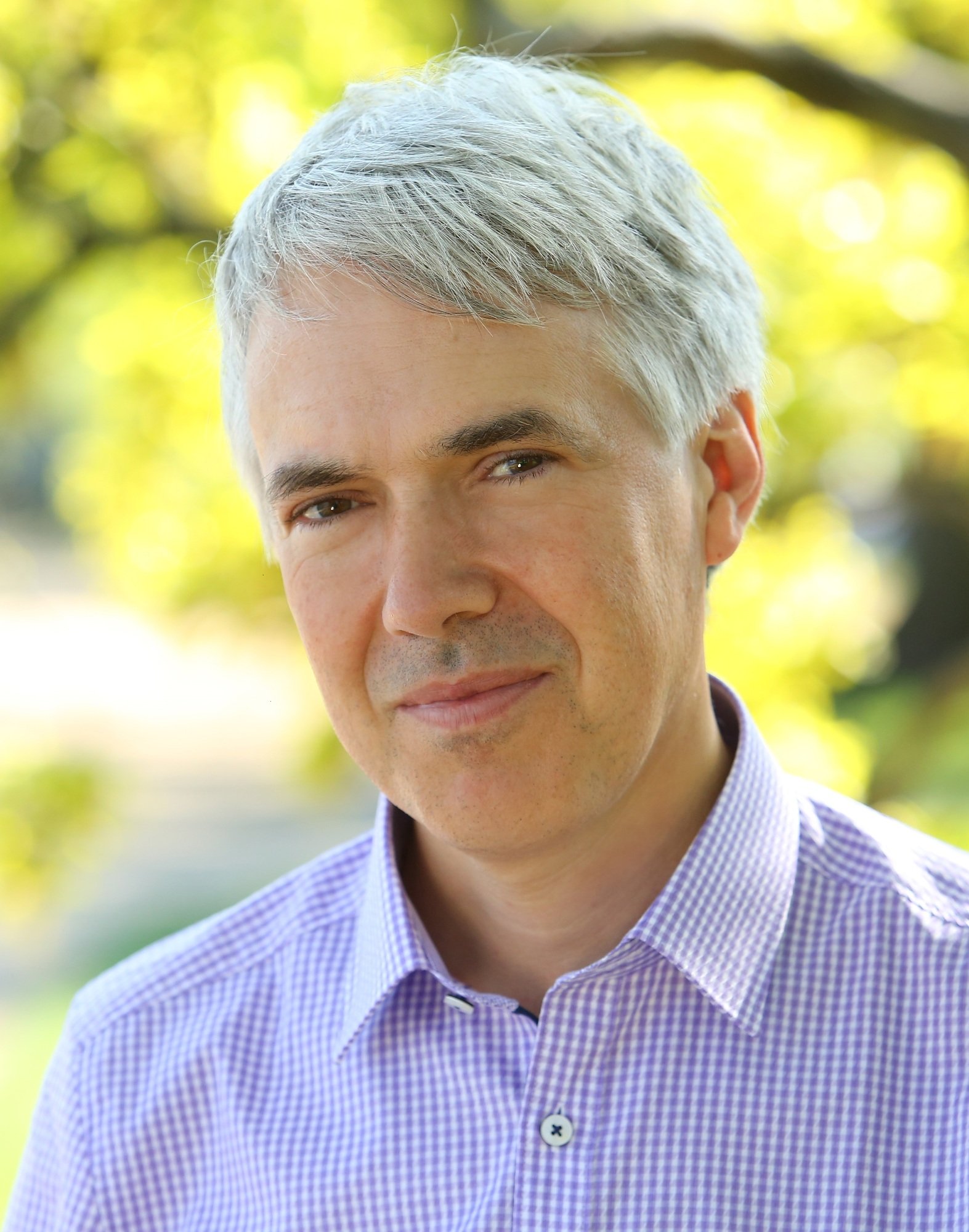 Tobias Plieninger合作论文数Faculty of Organic Agricultural Sciences, Universität Kassel;Department of Agricultural Economics and Rural Development, Georg-August-Universität Göttingen8
 David N. Barton合作论文数Norwegian Institute for Nature Research (NINA),8
 Kremer Peleg合作论文数8
 Andre Mascarenhas合作论文数Faculdade de Ciências e Tecnologia, Universidade do Algarve7
 Maria Tengo合作论文数Stockholm University;Swedish University of Agricultural Sciences;Stockholm University, Swedish University of Agricultural Sciences7
 Jesper Sjokvist合作论文数6
 Cibele Queiroz合作论文数Stockholm Resilience Ctr, Stockholm Univ6
 Stephan Pauleit合作论文数Department of Civil, Geo and Environmental Engineering, Technische Universität München6
 Kasper Gejl合作论文数6
 Pippin Ml Anderson合作论文数African Centre for Cities, University of Cape Town6
 Birgit Elands合作论文数Forest and Nature Conservation Policy Group, Wageningen University6
 Thomas Stoggl合作论文数6
 Ingo Kowarik合作论文数Institute of Ecology, Technical University of Berlin6
 Erik Gomez-Baggethun合作论文数Norwegian University of Life Sciences5
 Anton Olafsson合作论文数Department of Geosciences and Natural Resource Management, Faculty of Science, University of Copenhagen5
 Julie Goodness合作论文数5
 Jan J. Kuiper合作论文数Dept Aquat Ecol, Netherlands Inst Ecol NIOO KNAW5
 Francesc Baro合作论文数Institute of Environmental Science and Technology (ICTA),, Autonomous University of Barcelona (UAB),5
 Rieke Hansen合作论文数5
 Kati Vierikko合作论文数Department of Biological and Environmental Sciences, University of Helsinki5
 Carl Folke合作论文数Beijer Institute of Ecological Economics, Royal Swedish Academy of Sciences;Stockholm Resilience Centre, Stockholm University5Kerry McGawley合作论文数5Jakob Lundberg合作论文数5
 Leonie K Fischer合作论文数5
 Brenda Lin合作论文数Commonwealth Scientific and Industrial Research Organisation5
 Christopher M. Raymond合作论文数Centre for Rural Health and Community Development, University of South Australia5
 Thilo Wellmann合作论文数Lab for Landscape Ecology, Humboldt Universität zu Berlin4
 Katja Malmborg合作论文数4
 My Sellberg合作论文数4
 Henrik Ernstson合作论文数Division of Strategic Sustainability Studies, Department of Sustainable Development, Environmental Science and Engineering, School of Architecture and the Built Environment, KTH Royal Institute of Technology4
 Barbara Pellegrini合作论文数4
 Garry Peterson合作论文数Stockholm Resilience Centre, Stockholm University4
 Asa Gren合作论文数Beijer Institute of Ecological Economics, Royal Swedish Academy of Sciences;Beijer Institute of Ecological Economics, Royal Swedish Academy of Sciences4
 Lars G Hvid合作论文数Institute of Sports Science and Clinical Biomechanics, University of Southern Denmark4




