Veterans of Operation Desert Storm/Desert Shield - the 1991 Gulf War (GW) - are a unique population who returned from theater with multiple health complaints and disorders. Studies in the U.S. and elsewhere have consistently concluded that approximately 25-32% of this population suffers from a disorder characterized by symptoms that vary somewhat among individuals and include fatigue, headaches, cognitive dysfunction, musculoskeletal pain, and respiratory, gastrointestinal and dermatologic complaints. Gulf War illness (GWI) is the term used to describe this disorder. In addition, brain cancer occurs at increased rates in subgroups of GW veterans, as do neuropsychological and brain imaging abnormalities. Chemical exposures have become the focus of etiologic GWI research because nervous system symptoms are prominent and many neurotoxicants were present in theater, including organophosphates (OPs), carbamates, and other pesticides; sarin/cyclosarin nerve agents, and pyridostigmine bromide (PB) medications used as prophylaxis against chemical warfare attacks. Psychiatric etiologies have been ruled out. This paper reviews the recent literature on the health of 1991 GW veterans, focusing particularly on the central nervous system and on effects of toxicant exposures. In addition, it emphasizes research published since 2008, following on an exhaustive review that was published in that year that summarizes the prior literature (RACGWI, 2008). We conclude that exposure to pesticides and/or to PB are causally associated with GWI and the neurological dysfunction in GW veterans. Exposure to sarin and cyclosarin and to oil well fire emissions are also associated with neurologically based health effects, though their contribution to development of the disorder known as GWI is less clear. Gene-environment interactions are likely to have contributed to development of GWI in deployed veterans. The health consequences of chemical exposures in the GW and other conflicts have been called "toxic wounds" by veterans. This type of injury requires further study and concentrated treatment research efforts that may also benefit other occupational groups with similar exposure-related illnesses.
Neurons in the central and peripheral nervous system, including the peripheral autonomic neurons, and neurons of the diffuse gastroenteric nervous system communicate chemically at specialized junctions called synapses. The agents released by the presynaptic neurons to communicate activity to the postsynaptic neuron are called neurotransmitters.
This chapter overviews the field of neuroscience, the structure of the scientific disciplines that constitute the field, the organization of the brain, and the major areas of current research in the neurosciences at the molecular, cellular, systems, and behavioral levels of resolution. The chapter concludes with an overview of pathophysiology of brain disease and bio-medical ethical considerations pertinent to those who investigate the brain.
Previous articleNext article No AccessNew Biological BooksExperimental Models in Serotonin Transporter Research. Edited by Allan V. Kalueff and Justin L. LaPorte. Cambridge and New York: Cambridge University Press. $110.00. xii + 367 p. + 8 pl.; ill.; index. ISBN: 978-0-521-51487-3. 2010.Floyd E. BloomFloyd E. BloomMolecular & Integrative Neuroscience, Scripps Research Institute, La Jolla, California Search for more articles by this author Molecular & Integrative Neuroscience, Scripps Research Institute, La Jolla, CaliforniaPDFPDF PLUSFull Text Add to favoritesDownload CitationTrack CitationsPermissionsReprints Share onFacebookTwitterLinkedInRedditEmail SectionsMoreDetailsFiguresReferencesCited by The Quarterly Review of Biology Volume 86, Number 1March 2011 Published in association with Stony Brook University Article DOIhttps://doi.org/10.1086/658437 Views: 11Total views on this site Copyright © 2011 by The University of Chicago Press. All rights reserved.PDF download Crossref reports no articles citing this article.
Throughout his long productive scientific career, Erminio Costa demonstrated several scholarly traits that illustrate a pattern for paths of successful achievement that should guide young scientists. Not only did he seek excellent training, he got and gave good mentoring. That guidance allowed him to ask important questions and to develop the methods necessary to obtain definitive answers by pursuing those questions in depth. Without question, he blazed trails in neuropharmacology that have been an inspiration to many others and me.This article is part of a Special Issue entitled 'Trends in Neuropharmacology: In Memory of Erminio Costa'.
 George F. Koob合作论文数Department of Neuroscience, The Scripps Research Institute;National Institute on Drug Abuse, National Institutes of Health;National Institute on Alcohol Abuse and Alcoholism, National Institutes of Health49
 Steven j Henriksen合作论文数Department of Neuropharmacology, The Scripps Research Institute35
 John H. Morrison合作论文数California National Primate Research Center, University of California, Davis;Department of Neurology, Davis School of Medicine, University of California, Davis35
 William J. Shoemaker合作论文数33
 Roger Guillemin合作论文数Salk Institute in La Jolla31George R. Siggins合作论文数29Ly Koda合作论文数27Warren G. Young合作论文数21Barry J. Schwartz合作论文数U. Miami18Elena Battenberg合作论文数18Christopher C. Gallen合作论文数18
 J. Gregor Sutcliffe合作论文数Department of Molecular Medicine, The Scripps Research Institute18
 Jacqueline F. Mcginty合作论文数Department of Neurosciences, College of Medicine, Medical University of South Carolina;Neuroscience Institute, Medical University of South Carolina17Pp Sanna合作论文数16
 Pierre Magistretti合作论文数Biological and Environmental Science and Engineering Division, King Abdullah University of Science and Technology15
 Michel Le Moal合作论文数Université de Bordeaux15Stephen L Foote合作论文数14
 Frederick Murphy合作论文数Department of Pathology, University of Texas Medical Branch at Galveston13nicholas c ling合作论文数12
 Aaron Ettenberg合作论文数Department of Psychological and Brain Sciences, University of California, Santa Barbara11Barry J Hoffer合作论文数11
 Jacob Raber合作论文数School of Medicine, Oregon Health & Science University;College of Pharmacy, Oregon State University11Alejandro Bayon合作论文数11
 John Polich合作论文数NeuroFocus11
 Nicholas Ling合作论文数11Susan Iversen合作论文数10
 Wylie Walker Vale合作论文数Salk Institute for Biological Studies10R Benoit合作论文数9
 Quentin Pittman合作论文数Department of Physiology and Pharmacology, Cumming School of Medicine, University of Calgary;Hotchkiss Brain Institute;Alberta Children’s Hospital Research Institute9
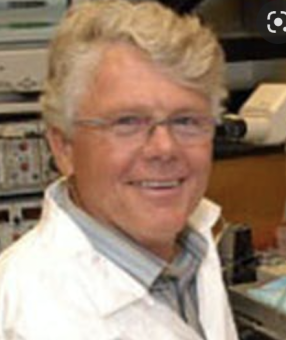 Gary Aston-Jones合作论文数School of Graduate Studies, Rutgers University;Brain Health Institute, Rutgers University9Alain Trembleau合作论文数Université P. & M. Curie, Institut des Neurosciences CNRS (URA 1488), Département Neurobiologie des Signaux Intercellulaires, 7 quai St Bernard 75252 Paris Cedex 05, France9Marilee K. Shelton-Davenport合作论文数8Frances E. Sharples合作论文数8Lora K. Taylor合作论文数8Andrew M. Pope合作论文数8H. Russell Bernard合作论文数8Edward E. Harlow合作论文数8Sharon Terry合作论文数8Diana E Pankevich合作论文数8Alex R. Repace合作论文数8Robert H. Roth合作论文数8J Rossier合作论文数8
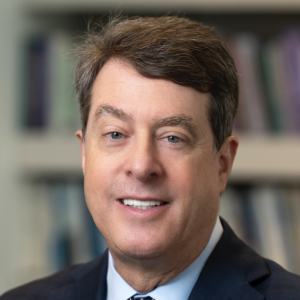 Jeffrey Kahn合作论文数Johns Hopkins Berman Institute of Bioethics;Johns Hopkins Bloomberg School of Public Health8
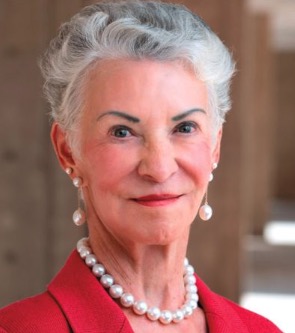 Catherine Rivier合作论文数The Clayton Foundation Laboratories for Peptide Biology, Salk Institute for Biological Studies8Altevogt Bruce M合作论文数8
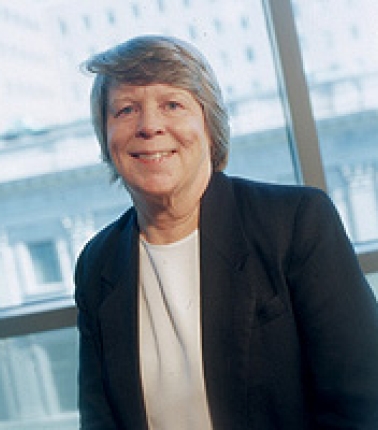 Diane E. Griffin合作论文数Department of Molecular Microbiology and Immunology, Bloomberg School of Public Health, Johns Hopkins University;Center for Global Health, Johns Hopkins University8Jay R Kaplan合作论文数Wake Forest School of Medicine8
 Robert Sapolsky合作论文数Department of Biological, Stanford University8
 John G. Bartlett合作论文数Johns Hopkins University8




