The growing use of large language models (LLMs) across research workflows, including literature review, evidence synthesis, peer-review support, citation validation, and research evaluation, has intensified debates about research integrity, accountability, transparency, and the boundary between legitimate assistance and inappropriate delegation. While LLMs may enhance the efficiency and semantic depth of scientometric and scholarly review practices, their use also raises concerns about hallucinated evidence, fabricated references, biased evaluation, unclear authorship, inadequate disclosure, and the erosion of human responsibility. This study conducts a workflow-oriented systematic scoping review with qualitative thematic synthesis to map and critically synthesize the emerging literature on LLMs in scientometrics and scholarly review processes, rather than a comprehensive review of AI and research integrity as a whole. Following PRISMA-informed procedures, searches were conducted in Scopus, the Web of Science Core Collection, and IEEE Xplore for English-language publications published from 2023 to 2025. After eligibility-based screening and backward citation searching, 74 studies were included as an analytical sample. The review maps five conceptual and methodological approaches: human-in-the-loop and hybrid architectures, retrieval-augmented generation, autonomous and multi-agent research systems, semantic and ontological integration, and prompt engineering with structured evaluation frameworks. It also identifies five major application clusters, review automation and intelligent screening, automated review generation and agentic research workflows, quality assessment and peer-review support, data extraction and semantic classification, and citation analysis and source validation, alongside a governance-oriented category addressing disclosure, confidentiality, accountability, and responsible-use frameworks. The scoping synthesis suggests that retrieval-grounded, domain-adapted, and human-supervised systems offer more reliable pathways than unsupported general-purpose generation, especially for citation-sensitive, evaluative, and high-stakes scholarly tasks. Quantitative performance indicators reported in individual studies were treated descriptively as part of mapping evaluation practices, rather than as directly comparable outcomes for pooled estimation. As a normative implication of the scoping synthesis, the review argues that responsible LLM use should be framed as accountable human–machine collaboration grounded in traceable evidence, transparent disclosure, domain-specific validation, fairness auditing, reproducibility, and non-delegable human responsibility.
Traditional scientometric indicators often assess researchers through isolated dimensions, yielding fragmented or biased evaluations. To address this, we propose a multi-dimensional taxonomic framework that systematically integrates Productivity, Impact, Collaboration, and Prestige into a coherent set of fusion metrics. Using a systematic literature review, we identified 57 candidate metrics, which were validated by 12 scientometrics experts via the Fuzzy Delphi method and subsequently prioritized using Fuzzy TOPSIS. This process yielded 36 novel integrated metrics that capture synergies across overlapping dimensions—such as “Collaboration–Impact–Productivity.” Results show strong expert consensus (disagreement < 0.2), with the impact dimension and the Collaboration–Impact–Productivity integrated metric ranking highest, while Prestige consistently ranked lowest. The novelty of this framework lies in its comprehensive integration: the extensive breadth of 57 metrics (surpassing prior limited, scope composites), the innovative modeling of dimensional overlaps through fusion metrics (extending independent treatments in existing indices), and the unique sequence of methods—literature review, Fuzzy Delphi validation, and Fuzzy TOPSIS prioritization—applied for the first time in scientometric researcher evaluation (differentiating from domain-specific applications like journal selection). Crucially, this taxonomy not only fills critical gaps in existing evaluation systems but also provides research administrators, funding agencies, and science policymakers with a transparent, robust, and multi-faceted toolkit to move beyond simplistic indicators toward holistic, evidence-based assessment of scholarly performance at scale.
The open research information (ORI) concept is based on the need for open access to research outputs and promotes more inclusive and comprehensive scholarly metadata. This research aims to identify the obstacles and incentives for implementing ORI in library and information science (LIS) faculty members of Iranian universities. This applied research utilized an analytical survey method. The data were collected through a 42-item questionnaire, developed in accordance with the Barcelona Declaration on Open Research Information, Leiden University’s Seven Guiding Principles for ORI, and the United Nations Educational, Scientific and Cultural Organization (UNESCO) Recommendation on Open Science. A strong response rate of 83.67
Objective: In addition to extracting the seventeen United Nations Sustainable Development Goals (SDGs), the present study also emphasizes the translation and localization of these goals. The study uses thesauruses from the Iranian Documentation Center (Irandoc) database and searches within the Islamic World Science & Technology Monitoring and Citation Institute (ISC) comprehensive database to enhance the vocabulary. It employs search terms from the Scopus database. The United Nations' Sustainable Development Goals are part of the 2030 Agenda, aimed at ending poverty, protecting the planet, improving lives, and achieving peace and prosperity by 2030. Methodology: The current research is an applied study and utilizes content analysis and document study to compile a five-stage list of phrases, keywords, and terms related to sustainable development indicators. The data collection method involved structured (systematic) observation, which was formal and non-participatory. The data collection tool included a researcher-made checklist, designed and validated using terms and keywords from the 17 Sustainable Development Goals (SDGs). It is important to note that the expansion of vocabulary in this project was facilitated by Irandoc's specialized thesauruses, which offered electronic search capabilities. Scopus was utilized to extract related keywords and translate them into Persian, further enhancing the vocabulary associated with the SDGs. Findings: The current research has developed a vocabulary list including natural and controlled language terms for use in innovation and technology platforms. This list can be employed to label various ideas and needs. By mapping each idea and need to this vocabulary, we can align them with the needs and ideas in technology and innovation systems related to the SDGs. The separate lists created for each SDG are intended to facilitate matching innovation and technology platforms with these goals. The current list can be utilized across all databases and citations to index various sources, including articles and theses. By applying this list on multiple platforms and databases in the Persian language, it will be possible to observe and monitor national scientific publications concerning the SDGs. The Needs and Answers Network (NAN) has now completed the research, technology, and innovation chain, playing a crucial role in needs-oriented research activities. By using the list developed on this platform and aligning the identified needs and ideas with the SDGs, we may clearly understand the country’s research performance in this area. Conclusion: This research can serve as a basis for a new research direction and compare the effectiveness of indexing based on these lists in various innovation and technology platforms with other methods of scientific indexing and organization.
Circulation, Inter-Library Loan (ILL) and resource sharing are critical components of modern library services, and they play a crucial role in ensuring equitable access to information for all users. Libraries have increasingly moved towards digital lending and resource sharing, which have become especially important during the COVID-19 pandemic. While these services face challenges, there are opportunities for libraries to expand and improve access to materials through partnerships, technological advancements, and improved funding. Overall, circulation, ILL, and resource sharing are essential services that help libraries fulfil their mission of information dissemination for all.
Purpose: Today, researchers encounter challenges in scientific collaboration and the alignment of results with their peers. This study aims to evaluate the accuracy of identification and the extent of researchers' genuine participation in the convergence of multi-authored articles written by aerospace researchers, utilizing the three-dimensional Collaborative Author Writing Hierarchy (CAWH). Author associativity is a concept closely linked to scientific collaboration and multi-authored publications. The complexity of knowledge and the increasing demand for specialization and interdisciplinary skills have shaped scientific participation. Aerospace researchers and specialists are pivotal in conducting scientific and industrial research within the aerospace sector, focusing on technology development and providing support and guidance to fellow researchers. The aerospace industry is multi-faceted, strategic, and dynamic, possessing significant potential for wealth generation, economic development, enhancing national competitiveness on the global stage, job creation, and export opportunities. In various fields of study, numerous indicators have been established for observing, monitoring, and quantitatively and qualitatively evaluating researchers' publications, leading to the introduction of diverse metrics accordingly.Methodology: The research is applied in nature and employs an analytical approach. To assess the improvement in accurately identifying the author's true contributions in published articles, a composite measure that examines multiple dimensions has been utilized. The research outputs of aerospace researchers were analyzed, drawing on data categorized under "Engineering, Aerospace" in the Web of Science Core Collection (WOSCC). English-language articles published from 1945 to 2021 were extracted for this study. Data extraction was conducted on February 4, 2022, a Friday. The current research community encompasses all aerospace researchers from 1945 to 2021, comprising 153,994 records indexed in the Web of Science Core Collection (WOSCC). The total number of authors is 161,156, of whom 154,450 researchers with identifiable names (without sampling) were examined. The total number of citations is 2,617,712. Data extracted from the scientific website during the research period were analyzed. In this research, two tools, namely the "MiMFa Scraper, were employed to gather detailed information about each author. Additionally, another tool was utilized to match the gauge information with PHP (Hypertext Preprocessor). This tool is considered part of the DataLab software suite. Ravar PreMap software was also used to standardize the data. To normalize the data, the codes developed in the DataLab software were implemented. Excel 2016 was also utilized to extract data from various websites using PHP. The CAWH measure is defined as the average number of weighted citations based on co-author credit for a researcher.Findings: The results of the H-weighted co-authorship index indicate "Florian Menter" (from ANSYS Germany GmbH), "Chae M. Rhie" (from Raytheon Technologies USA), "Philippe R. Spalart" (from Boeing), "Edward F. Crawley" (from Massachusetts (from the Institute of Technology (MIT)), "Irving Reed" (from university (from Southern California) are in rank fifth ranks of among based on the CAWH index. This measure was used to calculate the utilizing assessment of each author in writing a multi-author article.Conclusion: The emphasis on recognizing researchers' contributions in article writing will be beneficial and effective for both researchers and the scientific community. Acknowledging researchers' involvement in writing allows them to showcase their contributions and achievements fairly and transparently. This approach enables researchers to properly receive their scientific credit and build their reputation, thereby gaining a competitive advantage within scientific communities. Within research teams, the implementation of this measure will enhance collaboration, facilitate the division of labor, and more equitably determine the rights and benefits of each team member. This approach fosters active collaboration and enhances the productivity of research teams. It enables research organizations and universities to conduct more accurate scientific evaluations of individuals and allocate resources based on equitable distribution and participation. Additionally, this method can improve transparency and build trust within research organizations. Consequently, it can help cultivate a culture of participation and cooperation within scientific communities. This approach can foster healthy, justice-oriented competition in science and enhance the quality of research. The evaluation offers readers and the scientific community detailed information about the authors and their collaborators involved in the research. This transparency enables readers to better assess the contributions and expertise of the article’s authors, thereby increasing their trust in the results and citations presented. Overall, acknowledging the participation of researchers in writing articles supports the scientific process and advances the field of science. This approach offers guidance for justice, transparency, cooperation, and the enhancement of research quality within scientific communities. It fosters an environment conducive to scientific development and progress, which can be assessed and refined using the index introduced in this study.
The aerospace industry and technology are always considered one of the country’s most important and valuable industries. The research area of "Aerospace" is among the priorities of the grand science and technology development strategies, and addressing it is strategically vital. The present research aims to estimate and predict the appropriate algorithm for identifying high-quality aerospace researchers based on Advanced Ensemble Classifier Techniques (AECT) in data mining on the outputs of scientometric analyses and predicting the most essential scientometric-related metrics to identify high-quality researchers. The present study was performed using the protocols of applied research and multiple methods. The studied population includes all aerospace researchers (1945 and 2021) indexed in "The Web of Science Core Collection (WOSCC)". DataLab software and multiple programming languages have been applied in this research. All three algorithms have an accuracy of 0.96 and an F1-score of 0.97, which indicates that the models have high accuracy, validity, sensitivity, and predictive power. The "Blending" algorithm is considered a suitable and predictive model. The output of the LightGBM algorithm is that the most important and robust metric in the evaluation of prominent researchers is a metric from the researchers' effectiveness dimension, the Q parameter. According to the knowledge obtained from the ability to predict AECT in the prediction of high-quality researchers, it is possible to use the metrics mentioned in the evaluation of researchers in the field of scientometrics for more accurate and comprehensive prediction. An algorithm that can lead to the optimal and efficient classification of researchers provides the possibility of in-depth analysis of the available data about researchers and smooths the predictive power of the most high-quality researcher. The use of the proposed algorithms in this research, while suggesting the appropriate algorithm, led to reliable and valuable knowledge in classifying high-quality aerospace researchers.
Background and aim: Word co-occurrence is a method for studying the intellectual structure of knowledge in various subjects. Experts in science assessment studies use it to map the relationship between concepts and ideas in basic and social sciences. The main goal of the present research is to draw the intellectual structure of library and information science books based on book citation index. Materials and methods: The present study is an applied research based on word co-occurrence and social network analysis. The statistical population of this research includes 16499 books indexed in the field of librarianship and information in Web of Science. BibExcel, UCINET, and NetDraw were used in this study to homogenize and analyze the data. Findings: The most frequent co-word pairs were "ISO 9001-Quality Management Systems with a frequency of 12" and "Librarian-Web 2 with a frequency of 10." Cluster analysis showed six clusters of "scientific communication and digital publications," "library management and social participation," "information policy and technology management," "education and leadership in information services," "management and governance," and "digital network and development of the library and information science profession" in this study. Also, the keywords participation, library and information literacy had the highest degree centrality with 68, 55 and 47. The keywords research case, information and politics had the highest close centrality with 254, 253 and 252. Finally, the keywords participation, information literacy and library had the highest centrality index with 826/582, 518/835 and 512/802. The findings also indicate that about 16% of the books published in this subject area aligned with the fourth goal of sustainable development, quality education. Conclusion: The keywords "participation," "library," "information literacy," "university library," and "librarian" play a significant and decisive role in social network of librarianship and information books in drawing the map of science.
Objective: The system of ideas and needs to fulfill their missions (facilitating the application of knowledge, monitoring and processing the needs of the country, the participation of experts in problem-solving, completing the chain of ideas until the commercialization of innovations), regular communication channel. It is active and dynamic, creating interaction between the "need holder" and "idea provider." The main goal of the current research is the applicability of the ideas and needs platforms with an exploratory approach based on the opinions of subject experts. Methodology: The type of current research is applied. This research was done with a survey method and an exploratory approach. An exploratory approach has been used because the national "NAN" system has been investigated in this research. In this research, which was conducted with Nielsen's 10-point applicability exploratory evaluation model, the system of ideas and needs (NAN) was investigated in an exploratory manner. The data collection tool in the present study is a researcher-made questionnaire designed based on the ten components of Nielson's exploratory usability model. In order to check the content validity, the questionnaire was given to five subject experts, who were asked to evaluate and edit the items after reading the questionnaire. The content validity index was calculated to check content validity. The content validity index for the whole questionnaire was 0.97. Cronbach's alpha coefficient was used in SPSS to check the reliability of the questionnaire. Cronbach's alpha coefficient was 0.86. Data analysis was done at two descriptive and inferential levels. At the descriptive level, frequency and percentage, mean and standard deviation were used, and at the inferential level, repeated measurement, independent t, and Mann-Whitney U tests were used. SPSS version 26 was used for data analysis. Findings: The evaluators of the Nan system found that this system is in a "favorable" state regarding web usability. Based on this, the average answer of the participants is equal to 210.45, which is significantly larger than the theoretical average (192) (P = 0.02). In evaluating the web usability of the NAN system, gender (P = 0.50) and experts' work experience do not make a significant difference (P = 0.40). Between academic and non-academic experts, only three components of the studied components, helping the user in identifying, diagnosing, and compensating for errors, preventing errors, and diagnosing instead of reminding (P = 0.03 and P = 0.04 and P = 0.01) is a statistically significant difference. Conclusion: The NAN system is favorable in most evaluated components based on the experts’ idea. This finding shows that the designers of this system paid attention to the design standards of web systems and user interfaces at the time of design. It is worth noting that the systems that are in good condition from various perspectives must be evaluated continuously and regularly, and the necessary measures must be taken to redesign and update the system with continuous interaction with the end users.
Background and aim: Open Government Data is essential for today's civil society. The aim of this article is scientometric analysis of political documents based on open government data in Overton database. Materials and methods: This applied research was conducted based on scientometric indices and content analysis. Data from 2007 to 2023 were extracted from the Overton database. The research community includes 2493 documents related to open government data. The data were analyzed using Chi-square, Spearman's correlation coefficient, and Mann–Whitney U tests. Data analysis was conducted using SPSS Statistics 24. Findings: The Organization for Economic Cooperation and Development (OECD), with 514 citations, and the Guardian News Agency, with 291 citations, stand out as the most effective organizations and news agencies in the present research. Furthermore, a notable positive correlation exists between GDP and the quantity of government documents concerning open government data at the national level. Additionally, a significant positive yet weak correlation exists between SJR and the number of citations obtained from government documents. Conclusion: In recent years, there has been a significant increase in government publications on open government data. This is in line with the global open government paradigm. The results showed that human activities, economy, technology, innovation, and governance have had the most significant impact on issues related to government documents published as open government data.
We investigated reasons for retraction, pre-and post-retraction citations and Altmetrics indicators of retracted publications in the medical sciences from 2016 to 2020. Data were retrieved from Scopus (n = 840). The Retraction Watch database was used to identify the reasons for retraction and the time that elapsed from publication to retraction. The findings showed that intentional errors were the most prevalent reasons for retraction. China (438), the United States (130), and India (51) have the largest share of retractions. These retracted publications were cited 5,659 times in other research publications, of which 1,559 citations occurred after the retraction, which should raise concern. These retracted papers were also shared in online platforms, mainly on Twitter and by members of the general public. We recommend that the early detection of retracted papers may help to reduce the rate of citation and sharing of these publications, and minimize their negative impact.
Objective: This research aimed to measure the dependence and independence of documents in an Ego-centered citation network to evaluate the quality of scientific outputs in two subject areas "aerospace engineering" and "nuclear technology."Methodology: The present study is applied research and belongs to the category of scientometrics research. In the first step, the required data for creating ego-centric citation networks were extracted and stored from the Web of Science Core Collection (WOSCC) through web scraping (automated data extraction from websites) using the Mimfa Scraper (a software for automated data extraction) and the JavaScript programming language. Afterward, algorithm coding was performed in the MiMFa RAVAR DataLab, and the programming language C# was utilized to answer the research question.Findings: The research findings showed that the study conducted by Allison (2016) with 1535 citations is the most cited document in the field of nuclear technology and ranks first in terms of absolute dependence index. In comparison to the number of references in Allison's paper, 80 percent of the alters in Li's research (2018), the second most cited paper in terms of the absolute dependence index (512 citations), cited ego-related references (58 references); however, this percentage is 46 percent in Allison's paper. A study conducted by Shin has obtained the highest absolute independence index (2015 citations) compared to other highly cited articles in the field of nuclear technology. Leppanen's study (2015) ranks first in terms of the relative independence index with a score of 98 percent compared to other highly cited documents in the field of nuclear technology. Ricker (2015), along with 57 co-authors, has the highest number of citations (1542 citations) in aerospace engineering. Among these citations, 647 alters have cited the documents cited by the ego and obtained the highest absolute dependence index score. Wang's research (2020), with 52 citations, is the first paper to rank the relative independence index in the field of aerospace engineering.Conclusion: The results indicate that the level of relative dependence was higher than independence in both subject areas. Moreover, as the number of citations increases, both absolute dependence and independence increase; however, relative dependence decreases. Additionally, in recent years, the absolute dependence and independence indices have lower values than older years. However, the relative dependence index positively correlates with the year of publication. Moreover, the relative independence index positively correlates with the number of citations; its value has increased in recent years and the number of ego sources does not directly correlate with the increase in the dependence index.
Background:Analyzing co-occurrence is an effective way to monitor the overview of topic spreading. The present study aimed to conduct a co-occurrence analysis of scientific publications related to COVID-19, emphasizing Global Health Governance (GHG).Materials and Methods:This applied research with an analytical approach was carried out on all the scientific publications related to COVID-19, emphasizing GHG (51056 records), extracted from PubMed Central on 26/01/2022. The research population consisted of all the scientific publications related to COVID-19, emphasizing GHG (51056 records), extracted from PubMed Central on 26/01/2022. The data were analyzed using BibExcel, UCINET, Excel, and SPSS software, and Spearman's test was used to confirm correlations.Results:The co-word network of the thematic area of COVID-19 includes 226 nodes and 7292 edges. COVID-19 and the pandemic formed the most co-word pairs with 2224 connections. The COVID-19* mental health and COVID-19* anxiety, with 1019 and 925 connections, are ranked next, respectively. The term COVID-19 is ranked first with a centrality index of 225. The keywords of pandemic and public health are ranked second and third with the centrality index of 217 and 206, respectively.Conclusion:The global approach of studies related to COVID-19 is more inclined to the epidemiological and public health fields. Assuming the GHG, detailed and comprehensive planning should be performed to strengthen these studies and pave the way for international cooperation, determining research requisites, and developing applied research studies.
The present study investigates the consolidation or disruption of the global publication of information creation (IC) and the continuity of citations and bibliographic coupling of focal papers. This investigation is applied research performed using citation analysis, bibliographic coupling, and triple DI’s (DI, DI* , and DI^# ) indicators. The present study is an applied research performed using scientometric techniques and indicators. Citation analyzes, bibliographic coupling techniques, and disruption index were used in the present study to highlight the continuity, consolidation, or disruption in the co-citation network of IC papers. Srinivasan and Swink (2018) ( DI* = 0.596) caused significant interference to citation continuity in IC publications. Carter et al., (2017) ranked the highest DI to be 0.720, and Farooq, Zhu, and QY (2018) ranked the highest DI^# to be 0.769. The USA, University of London, Journal of Physics conference series, and National Natural Science Foundation of China were the top country, university, publication, and funding agency in the field of IC. The use of improved indicators (in terms of performance and efficiency) led to the presentation of valuable results and knowledge in the focal points of knowledge creation in library and information science research. In the co-citation network of the IC domain, some articles are always cited and lead to the formation of “consolidation” and “continuity”. Disruption indexes (DI) are new multidimensional indicators measuring the impact of focal papers (FPs) by examining the number of citations received and the references cited in publications. Citation analyses often focus on counting the number of citations to a focal paper (FP). Therefore, the analysis of co-citation networks provides valuable knowledge for policy-making.
Objective: The purpose of the paper is to study the role of social media in journals and the impact of journals on social media in the six subject areas of OECD.Methodology: This applied research was conducted in 2023 with scientometric indicators and approaches. The research population includes 380 titles from world journals and 41 Iranian journals, which have quartile (Q) and belong to one of the six subject areas of OECD. The data were collected using Web of Science Core Collection (WOSCC), InCite, and altmetrics, which were analyzed using Access, Excel, SPSS, and Data wrapper.Findings: The findings showed that medical and natural sciences journals have a higher rank regarding the variety of social media and the frequency of social citations. Twitter, patents, and news agencies are the most important social media. In world journals, there is a strong correlation between the number of received citations and the number of social citations of natural sciences, engineering, medical sciences, agricultural sciences, and humanities journals, and a moderate correlation with social science journals. In Iranian journals, there was a strong correlation between the number of standard and social citations of Iranian journals in engineering and medical sciences. The variety of media used in Iranian journals is lower than that of world journals, and the gap between the social citations of Iranian journals and the world is vast. The United States and Great Britain users are the most social citers on Twitter and Facebook.Conclusion: The results highlight the necessity of familiarizing the country's researchers and research policymakers with the advantage of social media in promoting and highlighting research outputs and improving the country's scientific status in the long term.
Purpose The purpose of this study was a longitudinal study on knowledge organization (KO) realm structure and cluster concepts and emerging KO events based on co-occurrence analysis. Design/methodology/approach This longitudinal study uses the co-occurrence analysis. This research population includes keywords of articles indexed in the Web of Science Core Collection 1975–1999 and 2000–2018. Hierarchical clustering, multidimensional scaling and co-occurrence analysis were used to conduct the present research. SPSS, UCINET, VOSviewer and NetDraw were used to analyze and visualize data. Findings The “Information Technology” in 1975–1999 and the “Information Literacy” in 2000–2018, with the highest frequency, were identified as the most widely used keywords of KO in the world. In the first period, the cluster “Knowledge Management” had the highest centrality, the cluster “Strategic Planning” had the highest density in 2000–2018 and the cluster “Information Retrieval” had the highest centrality and density. The two-dimensional map of KO’s thematic and clustering of KO topics by cluster analysis method indicates that in the periods examined in this study, thematic clusters had much overlap in terms of concept and content. Originality/value The present article uses a longitudinal study to examine the KO’s publications in the past half-century. This paper also uses hierarchical clustering and multidimensional scaling methods. Studying the concepts and thematic trends in KO can impact organizing information as the core of libraries, museums and archives. Also, it can scheme information organizing and promote knowledge management. Because the results obtained from this article can help KO policymakers determine and design the roadmap, research planning, and micro and macro budgeting processes.
Editorial board members (EBMs) of journals play a pivotal role in authentic international scientific journals. Editorial Board Interlocking (EBI) phenomenon reflects the effectiveness and importance of the scholarly journal's editorial boards in various scientific fields. The primary purpose of this paper is to conduct a Social Network Analysis (SNA) of EBI phenomena from the perspective of astronomy and astrophysics journals. The present study is applied research based on EBI, SNA, and the descriptive-analytical approach. The statistical population of this study consists of the editorial board members of all journals of astronomy and astrophysics indexed in the JCR and official journal websites. There are 1597 job positions in 67 astronomy and astrophysics journals occupied by the 1394 scholars. Data analysis shows EBI for 95 scholars and 79 organizations. "Aleksei A. Starobinsky" from Russia and the Russian Academy of Sciences, "Daniel J. Scheeres" from the United States, and the University of Colorado Boulder have the highest EBI contributions in five journals. "Daniel J. Scheeres," with a centrality of 39, has the highest degree of centrality measurement among the EBMs. The presence of more than five times as many men as women indicates that astronomy and astrophysics journals are considered "masculine" by the editorial board. The EBI phenomenon is observed in astronomy and astrophysics journals due to the limited number of peop le eligible for the editorial board. Due to EBI, a limited number of famous scholars are made macro-policies such as publishing the articles, referees selections, and the reviewing process. Astronomy and astrophysics journals have "elite" academic networks. Gender inequality exists among EBMs, and the majority of them are male. Accordingly, these journals are "men's journals."
Objective The significant increase in the number of COVID-19 publications, on the one hand, and the strategic importance of this subject area for research and treatment systems in the health field, on the other hand, reveals the need for text-mining research more than ever. The main objective of the present paper is to discover country-based publications from international COVID-19 publications with text classification techniques. Methods The present paper is applied research that has been performed using text-mining techniques such as clustering and text classification. The statistical population is all COVID-19 publications from PubMed Central® (PMC), extracted from November 2019 to June 2021. Latent Dirichlet allocation (LDA) was used for clustering, and support vector machine (SVM), scikit-learn library, and Python programming language were used for text classification. Text classification was applied to discover the consistency of Iranian and international topics. Results The findings showed that seven topics were extracted using the LDA algorithm for international and Iranian publications on COVID-19. Moreover, the COVID-19 publications show the largest share in the subject area of “Social and Technology in COVID-19” at the international (April 2021) and national (February 2021) levels with 50.61% and 39.44%, respectively. The highest rate of publications at international and national levels was in April 2021 and February 2021, respectively. Conclusion One of the most important results of this study was discovering a common trend and consistency of Iranian and international publications on COVID-19. Accordingly, in the topic category “Covid-19 Proteins: Vaccine and Antibody Response,” Iranian publications have a common publishing and research trend with international ones.
The primary aim of the present study is to provide a comparative-analytical analysis of the proposed results of the Manuscript Matcher with the responses of Library and Information Science experts to select the most appropriate journal for manuscript submission. This study is a kind of applied research conducted using the survey-analytical method with a comparative approach. Data were collected using a researcher-made questionnaire. The designed questionnaire was sent to 38 Library and Information Science (LIS) experts. Moreover, snowball sampling was employed to select a sample of 38 people. Twelve articles published in 12 WOSCC-indexed LIS journals were randomly selected for the Manuscript Matcher analysis. Abstracts and bibliographic data of the articles were sent to the experts. Moreover, the abstracts and titles of the 12 articles were entered in the manuscript matcher, and the results were analyzed and compared with those obtained from experts' opinions. Frequency distribution, percentage, chi-squared (χ2) test, and SPSS software (version 26) were employed for data analysis. More than 70% of the statistical population were assistant professors, 36.8% of experts had more than 40 published articles, 5% had received more than 300 citations, and 2.6% of LIS experts had an h-index above 20. Compared with 62% congruent responses of experts in the target journal selection, the Manuscript Matcher showed an inferior performance of 53% congruent responses. Furthermore, no significant relationship was found between the number of citations and the experts’ h-indexes with the rate of their congruencies in selecting the target journal. Experts were more successful than Manuscript Matcher in selecting the target journal. However, the Manuscript Matcher included comprehensive coverage of publications that can facilitate the selection of a journal for researchers due to the limited knowledge of all journal finders and the time-consuming distinct search processes.
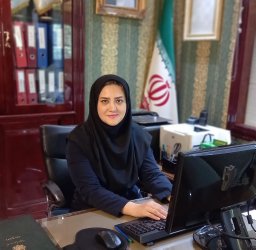 Somayeh Ghavidel合作论文数Shaanxi Provincial People's Hospital16
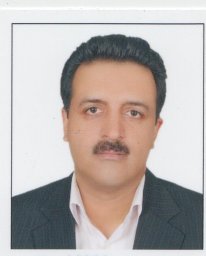 Faramarz Soheili合作论文数Payamenour University12
 Forough Rahimi合作论文数Sch Allied Med Sci, Shahid Beheshti Univ Med Sci7
 Meisam Dastani合作论文数Infectious Diseases Research Center, Gonabad University of Medical Sciences6
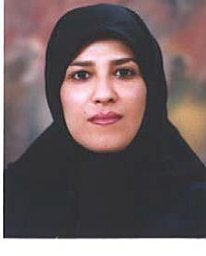 Nosrat Riahinia合作论文数5
 Rahmatollah Fattahi合作论文数Dept . of Library and Information Science;Ferdowsi University of Mashhad;Dept . of Library and Information Science, Ferdowsi University of Mashhad4
 Ali Mardani-Nejad合作论文数3
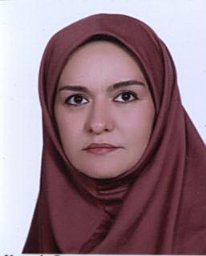 Afshar Mina合作论文数3
 Amir Reza Asnafi合作论文数3
 Abdolreza Noroozi Chakoli合作论文数Shahed University;Department of National Research Institute3
 Alireza Isfandyari-Moghaddam合作论文数Hamedan Branch, Islamic Azad Univ3Faezeh Mesrinejad合作论文数2Mohammad Hossein Dayani合作论文数2
 Mohammad Ghorbani合作论文数2
 Shahnaz Khademizadeh合作论文数Shahid Chamran Univ2
 Maryam Pakdaman Naeini合作论文数International Institute of Earthquake Engineering and Seismology2
 Zahedi Razieh合作论文数Medical library and information Science, Tehran University of Medical Sciences2
 Maryam Emami合作论文数School of Computer Science;McGill University;School of Computer Science, McGill University2
 Ali Akbar Khasseh合作论文数2Ali Ekrami合作论文数1Abdolmajid Omrani合作论文数1
 Ali Hamidi合作论文数1Narjes Vara合作论文数1mardaninezhad ali合作论文数1Saeedizadeh Marzieh合作论文数1
 Ali Azimi合作论文数1
 Alireza Rahimi合作论文数1
 Abdolrasool Khosravi合作论文数Faculty of Paramedicine, Bushehr University of Medical Sciences1
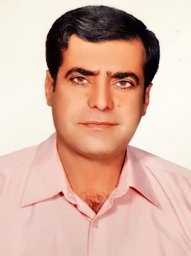 Saleh Rahimi合作论文数Razi University1
 Mojgan Zareivenovel合作论文数Lorestan University of Medical Sciences1
 Samira Esmaeili合作论文数1
 Khadijeh Shabankareh合作论文数Health Information Technology Research Center, Isfahan University of Medical Sciences1
 Karen Santos-d'Amorim合作论文数Univ Fed Pernambuco1
 Leili Allahbakhshian Farsani合作论文数Res & Technol, Isfahan Univ Med Sci1
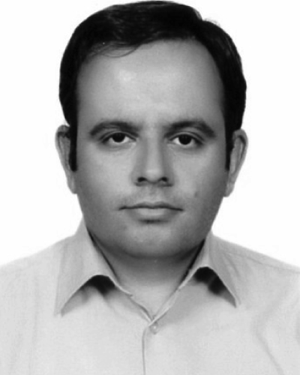 Seyyed Mohammad Reza Darbani合作论文数1
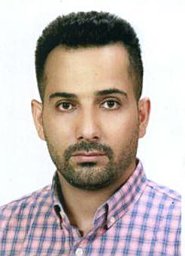 Abolfazl Taheri合作论文数Hlth Informat Technol Res Ctr, Isfahan Univ Med Sci1
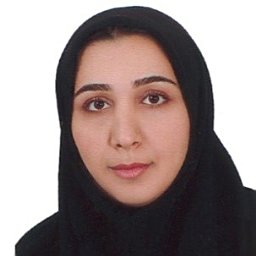 Masoomeh Latifi合作论文数Hormozgan Health Institute, Hormozgan University of Medical Sciences1
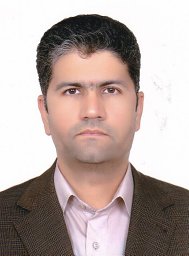 Rasool Nouri合作论文数Health Information Management, Tehran University of Medical Sciences1
 Brady D. Lund合作论文数Emporia State Univ, Sch Lib & Informat Management, Emporia, KS 66801 USA1
 Roghayeh Ghazavi合作论文数Res & Technol, Isfahan Univ Med Sci1
 Nadia Hadji-Azizi合作论文数1
 Vahhab Piranfar合作论文数1
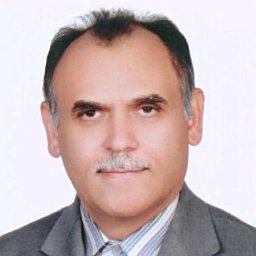 Mohammad Reza Ghane合作论文数Center for Science and Technology1
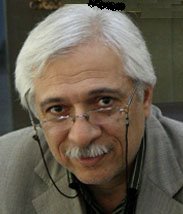 A. Hossein Farajpahlou合作论文数1
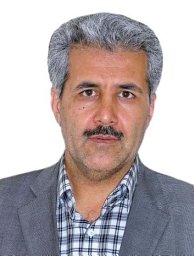 Mohsen Nowkarizi合作论文数1Afsaneh Shafiei合作论文数1




