Electrical impedance tomography (EIT) is a non-invasive imaging technique that is promising for multiphase flow detection and biomedical monitoring; however, its nonlinear inverse problem is highly ill-posed. Deep learning-based image reconstruction methods have gained considerable attention; however, many suffer from excessive computational costs or blurred boundary recovery, limiting their real-time performance. This study proposes a physics-guided pyramidal refinement and coarse correction network (PIPRC-Net) to balance geometric robustness, reconstruction fidelity, and efficiency. Embedding classical EIT regularization principles, it decouples global localization and detail refinement, using a bias-free learned linear inverse module for coarse physical priors and a ResUNet with a squeeze-and-excitation attention for nonlinear residual refinement. Evaluated on 145 627 EIDORS-generated samples, PIPRC-Net achieved an root mean squared error of 0.1076, Structural Similarity of 0.9685, and Dice coefficient of 0.8925, while maintaining clear boundaries under 20 dB noise. The results were further supported by expanded comparisons, ablation studies, and preliminary physical phantom validation after supervised fine-tuning of the measured EIT voltage-mask pairs. With 2.934 million parameters and 3.17 ms inference latency, PIPRC-Net provides a compact real-time-capable framework under the evaluation protocol.
Abstract Electrical resistance tomography (ERT) is a non-intrusive method used to determine internal conductivity distributions using measurement voltage acquired from electrodes positioned along a boundary. Although, ERT delivers distinct strengths, reliably generating high-resolution conductivity distributions continues to be demanding owing to unstable and complex non-linear structure of inverse problem. In response, a deep neural network architecture, termed SURE-Net (spatially up-sampled residual encoder network), is proposed to enhance image clarity and shape integrity in ERT image reconstruction. The framework integrates hierarchical feature extraction with electrode-adjacency alignment, residual-based refinement, and a non-learnable feature expansion stage to promote spatially consistent reconstruction. The SURE-Net further maintains stable reconstruction behavior under limited input conditions and preserves fine structural boundaries that are typically blurred in traditional approaches. Through extensive simulation and experimental evaluations, including robustness tests under varying signal-to-noise conditions, SURE-Net demonstrates consistent conductivity reconstruction with improved feature clarity. The model reflects high accuracy under different conductivity distributions and challenging structures. Moreover, effective model adaptation from restricted inputs is supported by its design, ideally suited in practical ERT applications.
Ultrasonic tomography (UT) is a non-invasive and radiation-free imaging technique for oil-water flow monitoring for its fast-acquisition and low-cost features. Conventional UT utilizes ray-based models, which simplify the ultrasonic wave propagation by neglecting wave-related phenomena such as refraction and interference. As a result, the simplification can lead to shape distortion and image artifacts in reconstructed images, particularly in oil-water flow where wave effects are significant. In this paper, we investigate ultrasonic wave propagation in oil-water flow through numerical simulations and lab-scale experiments. We first discuss the modeling inaccuracies in conventional ray-based model, which lead to significant errors in the forward problem. To address this issue, the ray-based model is replaced with the wave-based model, thereby improving the accuracy of forward wave propagation modeling. Subsequently, full waveform inversion (FWI) is introduced to solve the inverse problem of UT in industrial oil-water flow. Both simulation and experiment demonstrate that time-domain FWI with an adjoint field formulation is applicable to suppress the artifacts and provide reliable UT reconstruction in industrial oil-water flow.
Affected by factors such as load fluctuations and external disturbances, modern industrial processes often exhibit significant nonstationary characteristics, which may conceal fault features and mask local incipient anomalies. To address these issues, this paper proposes a local-global fusion monitoring method based on fault likelihood weighting. First, a refined grouping strategy is implemented on high-dimensional monitoring data to ensure that variables within each group share strong correlations and similar dynamic evolutionary characteristics. Second, overcoming the limitation of traditional methods that directly discard nonstationary components, potential validity information is simultaneously extracted from both stationary and nonstationary subspaces to maximize the preservation of fault features. On this basis, local monitoring models are constructed for each subgroup to achieve precise localization of faulty groups and key features. Finally, a global monitoring model is established by fusing local statistics via a fault likelihood weighting mechanism, thereby realizing a comprehensive assessment of the overall operating status of the industrial process. Numerical simulations and experiments on the Tennessee-Eastman Process (TEP) demonstrate the superiority of the proposed method.
Magnetic induction tomography (MIT) is a promising medical imaging technology for initial diagnosis in emergency and bedside monitoring of hemorrhagic stroke. To alleviate the computational burden of MIT inverse problem in 3-D hematoma reconstruction and enhance the reconstruction accuracy, this article proposes an adaptive Gaussian width parametric level set (AGW-PLS) method. Through the low-order parametric representation of the conductivity distribution within the reconstruction region, the computational burden is alleviated. Simultaneously, by adaptively calculating the optimal Gaussian width of the radial basis function individually for each position, shape details of the 3-D hematoma are captured while excessive sharpening of the reconstructed images is avoided. To evaluate the performance of the AGW-PLS method, 3-D simulation models and head phantom models of hemorrhagic stroke with different hematoma shapes were established. The influence of the Gaussian widths of the radial basis functions on 3-D hematoma reconstruction and the shape evolution process during reconstruction is analyzed. The 3-D reconstruction performance of the AGW-PLS method for hemorrhagic stroke under both time-difference (td) MIT and multifrequency difference (mfd) MIT is tested, which is compared with the Tikhonov regularization (TR), space-constrained optimized TR (SOTR), and parametric level set (PLS) methods. The simulation and experimental results show that the proposed AGW-PLS method effectively improves the reconstruction accuracy and realizes the shape reconstruction of the hematomas. The scope of this work is the improvement of MIT image reconstruction methods in response to the characteristics and detection requirements of hemorrhagic stroke, along with a preliminary feasibility study through simulations and phantom experiments. Its significance lies in providing a higher performance MIT image reconstruction method, thereby establishing a technical foundation for the potential future clinical applications of MIT.
In deep-sea natural gas extraction, the stratified gas-liquid two-phase flow composed of natural gas and water is under high-temperature and high-pressure conditions, and the fluid conductivity changes with the depth of the seabed, temperature, pressure, and the extraction cycle, which poses a great challenge to the monitoring of water holdup. In this paper, a transient/frequency domain dual-modal electromagnetic detection method is proposed. By combining theoretical analysis, simulation and experiments, we studied the law of the induction magnetic field response parameter changing with the water holdup of gas-liquid two-phase flow under different conductivity benchmarks. Then we constructed the joint numerical equations between the electromagnetic field response parameter and the water holdup and conductivity. The results of joint equations show that the dual-modal electromagnetic method has a good precision for detecting the water holdup and the conductivity. And we realized the purpose of measuring the aqueous phase holdup under different conductivity conditions.
Oil-gas-water three-phase flow process exhibits randomness and transience. Under varying flow conditions and environmental factors, the process presents a dual challenge in state monitoring: data distribution discrepancies between source and target domains, along with the presence of unknown states in the target domain. Therefore, a cross-domain open-set state monitoring method based on multigrained adversarial network with hierarchical attribute causality (MANHAC) is presented in this work. A domain adversarial architecture is designed to distinguish unknown from known target flow states, in which the weighted thresholding method based on information entropy can adjust the decision boundary adaptively. Besides, to mitigate conditional distribution mismatch and negative transfer caused by forced global domain alignment, MANHAC introduces hierarchical causal attributes for describing different flow states, where attribute features are influenced by upstream cause attribute and optimized through competition with multiple discriminators. The proposed MANHAC employs a dual-alignment mechanism to achieve both global and fine-grained domain adaptation, which can effectively carry out cross-domain open set state identification. More importantly, it can describe unknown states by attribute vectors, providing more meaningful monitoring information. Dynamic experiments of three-phase flow demonstrate its effectiveness and superiority.
Asymmetric uncertainty disturbances in industrial processes frequently induce centroid shifts and structural distortions in data, leading to degraded monitoring performance. To address this challenge, a distribution-aware interval principal component analysis (DAIPCA) monitoring model is proposed. By adaptively co-optimizing bilateral shape and variance parameters, this framework constructs probability density functions that accurately characterize asymmetric uncertainties. Consequently, single-valued data are transformed into interval-valued representations based on specific distribution information, effectively mitigating original structural distortions. Furthermore, by embedding asymmetric distribution characteristics directly into the interval covariance matrix, the model significantly enhances its capability to extract robust structural features. Unlike conventional methods such as centers PCA or interval-valued functional PCA which often rely on symmetric assumptions, DAIPCA flexibly captures diverse interval patterns including significant asymmetry. Experimental results demonstrate that DAIPCA achieves an average improvement of 3.87% in accuracy and a reduction of 7.74% in missed detection rate within the numerical system, while further reducing the average FAR by 7.99% in the Tennessee Eastman process compared to traditional benchmarks.
Electrical resistance tomography (ERT) uses a network of boundary electrodes to visualize and analyze processes involving multiphase flow effectively. Nonlinearity and ill-posed problems are challenging for ERT reconstruction. However, reconstruction image accuracy is in demand. Due to a lack of suitable training, the existing deep learning network for ERT image reconstruction depends on sparse information flow and gradient flow. It is challenges to represent the structural topological link among internal conductivity characteristics using the usual reconstruction approach. By propagating feature representation across topological connections, the non-Euclidean structure of the ERT measurement encodes the problems. Capturing spatial and topological dependencies requires adaptive learning to handle irregular prominent feature positions and conductivity domains. The adaptive learning is modulated by edge priority for different graph states in a dynamic graph where edge features embed spatial constraints and graph geometry. Therefore, a multi-head attention mechanism is incorporated into the graph convolutional network to maintain the local smoothness while preserving sharp transitions. The dynamic graph is learned through edge weights jointly with node features using the RMSprop optimization method. Adaptive edge learning can identify object geometries and real-time flow patterns. Using extensive numerical simulation and experiment results, the proposed algorithm improves the imaging accuracy compared to the traditional methods without dense connections. It is compared with existing deep learning methods.
Electrical impedance tomography (EIT) is a noninvasive, radiation-free, and real-time functional imaging technique with significant potential for pulmonary monitoring. While 3-D reconstruction offers comprehensive impedance information of the lungs over 2-D reconstruction, it faces challenges from increased unknown conductivity parameters, domain expansion, and severe ill-posedness of the inverse problem. To address these, we propose physics-guided diffusion reconstruction (PGDR), a novel framework integrating generative diffusion models with physical constraints. PGDR leverages diffusion models to learn 3-D conductivity priors and incorporates voltage measurements into the sampling process for consistency with both voltage measurements and predictions. We employ score-based diffusion models (SDMs) and denoising diffusion implicit models (DDIMs) with PGDR, comparing against Graz consensus (GREIT), Tikhonov, and U-2-Net algorithms via simulations and phantom experiments. In simulation experiments, the physics-guided DDIM reconstruction (PGDDIR) method demonstrates superior performance, achieving peak signal-to-noise ratio (PSNR) gains of 18.949, 29.978, and 34.397 dB over U-2-Net, Tikhonov, and GREIT, respectively, and structural similarity index (SSIM) improvements of 0.138, 0.059, and 0.463 compared to these methods. Its pixel accuracy (PA) and intersection over union (IoU) rank second. In tissue-mimicking phantom experiments, PGDDIR attains the highest PA and IoU values, with PSNR and SSIM ranking second. These findings underscore diffusion-based frameworks' promise for accurate, robust 3-D EIT lung imaging.
Transfer learning has been widely applied to intelligent fault diagnosis to address the challenge of insufficient labeled data. However, the efficacy of existing semi-supervised domain adaptation (SSDA) methods is often constrained by their critical dependence on pseudo-label quality and the adoption of indiscriminate global alignment strategies. To address the negative transfer induced by these limitations, a deep gated network (DGN) for targeted transfer learning is proposed in this article. First, an anchor-guided manifold clustering (AGMC) method is developed to generate high-quality pseudo-labels by exploiting both the local manifold structure and anchor supervision in the target domain. Subsequently, a feature extractor is constructed to learn discriminative representations from the source domain, integrate high-quality supervisory information from the target domain, and impose constraints on the feature space. Furthermore, a gated domain alignment strategy is designed to achieve precise class-level transfer. This strategy incorporates an integrated gating mechanism to selectively filter out domain-specific features while employing the local maximum mean discrepancy (LMMD) to align the conditional distributions across domains. Finally, the effectiveness and superiority of the proposed method are validated through transfer experiments on both cross-machine bearing and cross-condition two-phase flow datasets.
Stored pulverized coal is prone to oxidation, leading to internal temperature rise and increased risks of spontaneous combustion. Therefore, accurate monitoring of the internal temperature is of critical importance. Acoustic thermometry is regarded as a promising technique for tracking internal temperature changes within stored pulverized coal, owing to its high penetration ability, non-invasive nature, rapid response and low equipment cost. Nonetheless, the effectiveness of its penetration hinges on employing low-frequency sound waves, which may suffer from measurement inaccuracy due to reverberation interference and ambient noise, especially for temperature monitoring in enclosed spaces. To address this issue, this study developed a deep learning dereverberation and parameter extraction algorithm using CNN-Transformer. Experimental results demonstrate that the method effectively suppresses reverberation in enclosed spaces and enables high-precision recovery of temperature-related acoustic parameters. These improvements are expected to support subsequent acoustic tomography, in which accurate parameter estimation is essential for reconstructing the temperature distribution of stored pulverized coal.
Accurate measurement of the solid phase fraction in liquid–solid two-phase flow remains a significant challenge in industrial applications. Traditional methods are often constrained by the prerequisite for precise physical parameters and the inherent complexities of hydrodynamic modeling, which collectively hinder accurate online measurement. To address this, a novel data-driven framework is proposed whose core innovation lies in the unique combination of the empirical wavelet transform (EWT) and the light gradient boosting machine (LightGBM) for ultrasonic solid phase fraction estimation. This synergistic approach overcomes traditional limitations by combining EWT’s adaptive feature extraction for complex signals with LightGBM’s efficient and robust prediction, achieving rapid and reliable online measurement. The proposed method adaptively extracts features from ultrasonic signals via energy partitioning using EWT. Then, a regression model is constructed using LightGBM to enable rapid prediction of the solid phase fraction, which provides an efficient, precise, and robust solution for real-time online measurement in liquid–solid two-phase system. To validate the proposed methodology, circulating flow experiments were conducted using polystyrene particles and water. Various feature extraction methods and regression models were tested and compared, using the combined McClements and Bouguer–Lambert–Beer–Law model (MCBL model) as a performance benchmark. Results demonstrate that EWT-based energy partitioning (EWT-EP) yields superior performance in feature extraction, while LightGBM achieves higher prediction accuracy and robustness. For instance, at a single ultrasonic frequency of 7.5 MHz, the EWT-EP combined with the LightGBM model achieved a coefficient of determination ( R 2 ) of 0.975, representing a substantial 71.78% improvement over the MCBL model. In addition, the implementation of a multifrequency fusion strategy enhanced overall model performance by providing richer feature representations, result in improving both prediction accuracy and generalization capability, with R 2 increasing to 0.978.
Gas-water two-phase flow exhibits both typical and transitional flow statuses. However, disturbances in the external environment or fluctuations in phase flow rates can trigger dynamic evolution. The long-term, dynamic and multimodal nature of the evolution process presents significant challenges for accurate flow status prediction performance and good fluid evolution tracking ability. Therefore, it is of great significance to predict the flow status evolution direction for early warning of dangerous situations and improving production efficiency and safety. In this work, an adaptive update prediction strategy based on recursive Gaussian mixture regression (RGMR) is designed to predict the multimode gas-water two-phase flow. Firstly, sparse local Fisher discriminant analysis is adopted to analyze the multi-sensor data and calculate the discriminant index to represent the flow evolution. Secondly, the initial global prediction model is established by RGMR based on the discriminant index, where all known directions of fluid evolution are integrated to achieve long-term prediction of flow status. When unacceptable prediction error occurs, a local prediction model is established from the data selected by the second-order similarity to capture real-time evolution properties. Then, Kullback-Leibler (KL) divergence based adaptive strategy is developed to update the global flow status prediction model, which divides into fusion and addition update strategies. When cumulative prediction error occurs with time lapse, fusion update strategy finds the mixed components of global model with similar distribution to the local model according to KL divergence and adjusts the global prediction parameters. For the emergence of new flow status, addition update strategy supplements the unknown components by learning the new evolution to track the dynamic change of fluid. The results show that the prediction strategy can obtain the future information required for flow process management with high accuracy.
Electrical impedance tomography (EIT) has emerged as a promising technique across various fields; however, its imaging quality is highly contingent upon the contact quality between electrodes and the subject. To address the challenges of artifact interference and measurement-space error coupling induced by electrode failure in practical applications, this study presents a sparse-decoupled diagnostic scheme for EIT faulty electrode monitoring, incorporating an adaptive strategy to rectify erroneous data. Specifically, a measurement-space error vector is constructed by leveraging reciprocity errors and waveform distortion features. By establishing an electrode-measurement coupling matrix and employing a sparse inversion algorithm, channel errors are mapped into the physical electrode space, thereby achieving the decoupling of faulty data. Furthermore, an adaptive thresholding strategy based on difference comparison is introduced to alleviate the decision ambiguity caused by interference from adjacent faulty electrodes. Experimental results demonstrate that the proposed framework consistently achieves accurate faulty electrode identification under various scenarios, including single-fault, multi-fault, and adjacent-coupled-fault conditions. When integrated with image reconstruction algorithms, the results indicate that the compensated data significantly mitigate noise artifacts, thereby enhancing the robustness and imaging quality of the EIT system in complex operating environments.
Medical image segmentation is of great importance in medical treatment, and accurate segmentation is helpful for disease diagnosis, treatment planning and surgery performance, etc. Segment Anything Model (SAM), as a basic segmentation model in the field of natural images, shows great potential in medical image segmentation. However, due to the differences between medical images and natural images, SAM encounters certain limitations when applied directly to medical images. This review focuses on the efforts made in the last two years to explore the potential of SAM in medical image segmentation tasks. And this review has two important innovations. First, the cited literatures are all from the recent research, which closely follows the latest dynamics in the field. Second, according to the applicable types of model variants, a new classification method is proposed, which classifies SAM variants into generalized/specialized, modality-specific, and organ/task-specific. This paper also highlights the optimization methods for their application to medical image segmentation and summarizes the current challenges and future directions, which will provide valuable references for future research in this field.
The detection and monitoring of oil-gas-water three-phase flow is highly demanded in oil-gas well industry. Concentrating on combining the three substates of oil, gas, and water to form a holistic flow state, a monitoring framework based on graph-guided partial representation is proposed while maintaining linkage among flow states. In this framework, a differential pressure (DP)-pulse wave ultrasonic Doppler (PWUD) system is designed for obtaining information on the three-phase structure and the intrinsic relationships among different phases, so as to accurately characterize the substates of oil, gas, and water. Furthermore, within the unified paradigm of variational mode decomposition (VMD), standard VMD and reduced-order VMD (rVMD) are, respectively, utilized in the information mining of DP mode depicting 1-D flow fluctuations and PWUD mode representing 2-D spatiotemporal flow field. The time-varying nonstationarity of flow evolution is then quantified using statistical analysis. Based on converting flow data to flow features, graph guidance- and part-based nonnegative matrix factorizations (NMFs) are integrated to model and monitor the flow states in complicated oil-gas-water flow process. The proposed novel scheme about graph-guided partial representation-based horizontal oil-gas-water flow state monitoring via dual-modal detection is verified by dynamic experiments on a three-phase flow loop at Tianjin University.
Gas-liquid two-phase flow is widely prevalent in industrial production. Because of safety and cost constraints, the lack of sufficient training samples for certain flow states in real industrial environments makes traditional data-driven flow state identification methods no longer feasible. To address this issue, a generative zero-shot learning model for industrial gas-liquid two-phase flow state identification is proposed. This approach leverages generative models to learn the relationship between semantic descriptions and data distributions, thereby enabling the recognition of invisible classes through the classifier trained by pseudo-data or pseudo-features generated through their semantic representations. In addition, for reducing the impact caused by domain shift problem when performing the generalized zero-shot learning task, the gating model is trained by using visible flow state samples and invisible flow state pseudo-samples to distinguish between the visible and invisible classes, so that recognition can be achieved respectively. Experiments were implemented on gas-liquid two-phase flow state data collected in the laboratory, and the results demonstrated the effectiveness of the proposed method.
Oil-gas-water three-phase flow is a dynamic and coupled process with numerous flow states, which is often monitored by multiple sensors. Different evolutions of flow states will impact various combinations of variables, resulting in local process correlations. Additionally, effective monitoring of three-phase flow requires a global analysis of phase relations (oil-water relation and gas-liquid relation) hidden in the coupled process data. For a comprehensive monitoring of three-phase flow process, this work proposes an interpretable local-global monitoring network (MoniNet) based on convolutional independent slow and steady feature analysis (Conv-IS2FA). In this MoniNet, Conv-IS2FA integrates the concepts of static independence and dynamic slowness, simultaneously exploring the high-order statistics and temporal correlation to extract latent Gaussian or non-Gaussian components from mixed multi-sensor signals. Firstly, the initial layer of MoniNet extracts local intra-block correlations among adjacent variables, emphasizing subtle local fluctuations. Then, the higher layer integrates low-level features to learn correlations among all variable blocks, capturing global phase relations in two subspaces representing distinct static and dynamic information. The convolutional operations in these layers are both conducted by Conv-IS2FA with physical interpretability in an unsupervised manner. Finally, the monitoring statistics are designed in both local and global layers, and Bayesian inference is employed to produce intuitive results and support decision fusion. Dynamic experiments of three-phase flow show the effectiveness of the proposed MoniNet.
Crush injuries are, unfortunately, a common occurrence during natural disasters such as earthquakes. Apart from direct injuries to vital organs such as the brain and heart, crush injuries resulting from compression of the body by collapsed infrastructure are a major cause of fatalities. Early diagnosis and prompt treatment of crush injury at the disaster scene can, therefore, reduce mortality. Electrical impedance tomography (EIT) is a functional imaging technique that reconstructs the internal conductivity distribution of a body based on external electrical measurements. Applying different excitation-measurement patterns results in differences in sensitivity and spatial resolution. This article designs and fabricates a flexible planar sensor array featuring a rectangular electrode configuration, accompanied by the proposal of two excitation-measurement patterns. The efficacy of these patterns was evaluated through numerical simulations in terms of sensitivity index and image reconstruction quality. Further assessment of image reconstruction quality was conducted using agar-based tissue-mimicking phantoms as biomimetic physical models. The flexible array employing the optimal excitation-measurement pattern was, moreover, experimentally applied to detect crush-induced electrical property changes in Sprague-Dawley (SD) rats, thereby preliminarily validating its feasibility for in vivo applications.
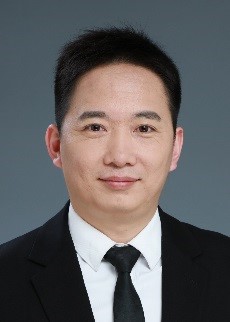 Chao Tan (谭超)合作论文数School of Electrical and Information Engineering, Tianjin University244
 Shangjie Ren (任尚杰)合作论文数School of Electrical and Information Engineering, Tianjin University74
 Shumei Zhang (张淑美)合作论文数School of Electrical and Information Engineering, Tianjin University38
 Guanghui Liang (梁光辉)合作论文数Department of Automation, School of Electrical and Information Engineering, Tianjin University27
 Xuewei Shi (史雪薇)合作论文数Department of Automation, School of Electrical and Information Engineering, Tianjin University19
 Jiang Wang (王江)合作论文数School of Electrical and Information Engineering, Tianjin University19
 Hao Liu合作论文数Tianjin Key Lab Proc Measurement & Control, Tianjin Univ17
 Hongyi Wang (王红一)合作论文数School of Artificial Intelligence, Tiangong University17
 Hao Wu合作论文数17
 Lijun Xu (徐立军)合作论文数School of Instrumentation and Optoelectronic Engineering, Beihang University17
 Yaoyuan Xu合作论文数17
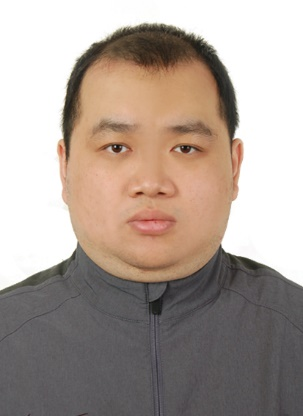 Yong Bao (鲍勇)合作论文数Department of Automation, School of Electrical and Information Engineering, Tianjin University15
 Yanqiu Che (车艳秋)合作论文数TianJin University of Technology and Education, Tianjin University of Technology and Education14
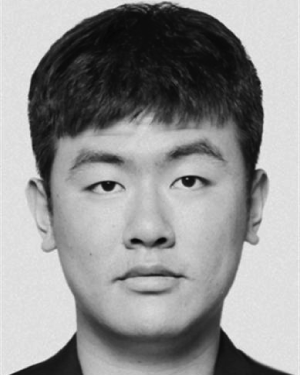 Linghan Li合作论文数13
 Dong Xiaoxiao (董虓霄)合作论文数13
 Yanbin Xu (许燕滨)合作论文数Faculty of Environmental Science and Engineering,Guangdong University of Technology,Guangzhou ,China13
 Yu Wang合作论文数12
 ZHANG Fu-Sheng合作论文数11
 Bin Deng (邓斌)合作论文数School of Electrical and Information Engineering, Tianjin University11Ling-An Xu合作论文数11
 Wentao Wu合作论文数10
 Xile Wei (魏熙乐)合作论文数School of Electrical and Information Engineering, Tianjin University10HuiYan Li (李会艳)合作论文数9Cong Xu合作论文数9
 Yan Fu (付雁)合作论文数School of Chemical Engineering and Technology, Tianjin University9
 Hanrui Zhang合作论文数8
 Limei Song (宋丽梅)合作论文数School of Artificial Intelligence, Tiangong University8
 Huaxiang Wang (王化祥)合作论文数Tianjin University8Zhiqiang Zhang (张志强)合作论文数7
 Xianhua Liu (刘宪华)合作论文数School of Environmental Science & Engineering, Tianjin University7
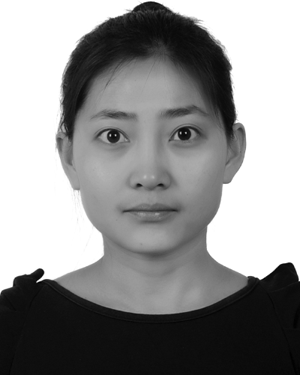 ZhiLi Xiao合作论文数7
 Xizi Song (宋西姊)合作论文数Medical School of Tianjin University;Department of Graduate, Tianjin University of Sport7
 Jia Zhao (赵佳)合作论文数Faculty of Psychology, Southwest University7
 Qian Su合作论文数6Yang Li合作论文数6Can Wei合作论文数6BinBin Wang合作论文数6
 Han Yu合作论文数6
 Xinjun Zhu (朱新军)合作论文数School of Artificial Intelligence, Tiangong University6Pingping Zhang合作论文数6
 Yuchen Bian合作论文数Amazon;Data Analytics Lab, College of Information Sciences and Technology, The Pennsylvania State University6Jun Han (韩骏)合作论文数College of Education, Capital Normal University6
 Yuichi Murai (村井祐一)合作论文数Division of Energy & Environmental Systems, Graduate School of Engineering, Hokkaio University6
 Shengnan Zhang合作论文数6LA Xu合作论文数5Yb Xu合作论文数5Xuelian Yu合作论文数5




