A novel knowledge-guided neural network framework is proposed to accelerate the design of biodegradable functional materials. By transforming domain expertise from static prior knowledge into embeddable architectural components and constraint conditions, the model is enabled to proceed from a foundation of domain cognition. The knowledge-guided neural network framework was applied to high-performance, recyclable, reprocessable and biodegradable shape memory poly(butylene succinate-butylene terephthalate) (PBST)/polylactic acid (PLA) foams prepared using supercritical foaming technology. By matching the knowledge-guided neural network framework with the black-box characteristics of the foaming process-property relationship, the correlations among processing, structure, and performance of foams are effectively revealed. By using measurable morphological features as intermediate predictive outputs, the model's interpretability is enhanced. A multi-objective optimization genetic algorithm was employed to predict the optimal solution that balances shape memory performance and degradation performance, achieving a shape fixing ratio (Rf) of 93.5%, a shape recovery ratio (Rr) of 93.6%, and a degradation rate of 4.374%. Recycled and reprocessed PBST/PLA foam maintains over 95% of its shape memory performance. By integrating domain expertise with neural network, the knowledge guided neural network framework is applicable not only to foams, but can also be extended to performance prediction and optimization of a wider range of materials, including porous materials, gel materials, and fiber materials, as well as to more complex design scenarios. The knowledge-guided neural network framework represents a paradigm shift from traditional "trial and error" to inverse design, enabling the sustainable and intelligent development of biodegradable functional materials.
Ethylene cracking furnace systems play an essential role in the petrochemical industry as the primary unit for ethylene production from diverse hydrocarbon feeds. However, significant CO2 emissions are generated by these systems throughout the cracking cycle, influenced by varying feed properties and thereby posing substantial environmental challenges. Variations in yields, coking rates, fuel gas consumption, and CO2 emissions across different feeds require distinct scheduling strategies for furnace groups. These strategies determine feed allocation, processing duration, and decoking sequences. As a result, scheduling decisions strongly affect both the operational efficiency and environmental performance. In this study, high-precision, data-driven models are developed to predict product yields, coking rates, and fuel gas consumption. These models are embedded into a mixed-integer nonlinear programming framework that explicitly accounts for CO2 emissions from both cracking and decoking stages. The resulting model is solved using the Branch-And-Reduce Optimization Navigator (BARON). It maximizes the daily net profit while incorporating full-cycle carbon emission costs. By integrating feed-specific regression models with emission accounting, the framework enables adaptive scheduling strategies that balance economic and environmental objectives. By prioritizing low-emission feeds and optimizing processing duration, the proposed approach achieves a 3.56% reduction in daily CO2 emissions with only a 0.94% decrease in economic benefits compared to conventional scheduling. This work proposes a scheduling strategy for ethylene cracking furnace systems that balances economic benefits with environmental performance, providing crucial technical support for achieving a lower-carbon operation in chemical production processes.
Brain–computer interface (BCI) technology, which controls external devices by directly decoding brain activities, has made important progress and practical applications in recent years in many fields. However, the domain bias issue in cross-domain applications remains a significant challenge in the practical implementation of BCI technology. This is particularly acute in scenarios where target data are unavailable, largely because of the noise sensitivity and acquisition limitations inherent in electroencephalography (EEG) signal data. When processing nonstationary EEG signals, existing domain generalization methods face limitations: Adversarial training may compromise model stability, while global feature alignment approaches struggle to sufficiently decouple category-dependent and category-independent features, thereby constraining generalization performance. Therefore, in this paper, we propose a hybrid approach based on domain-invariant feature learning and data enhancement. We introduce a “fixed” structure enhancement method that combines domain-invariant feature learning with data enhancement strategies, decouples domain-invariant features from other features, optimizes cross-domain feature extraction, and reduces the effect of noise in data. Through extensive experimental validation on multiple publicly available datasets, the model proposed in this paper outperforms the existing state-of-the-art methods, providing a novel and effective solution to the domain bias problem in BCI.
Renewable energy-powered direct air capture with subsequent utilisation offers a sustainable decarbonisation strategy for a circular economy. Whereas current liquid-based capture technology relies on natural gas combustion for high-temperature calcination, restricting the transition to fully renewable operation. In this study, we show a 1MtCO2/year solar-driven process that adopts a hydrogen fluidised solar calciner with onsite catalytic conversion of CO2 into sustainable aviation fuel. We find that replacing fossil-fuel heating with solar thermal energy lowers electricity consumption by 63% and reduces onsite CO2 emissions by 59%. The analysis shows that the production cost of sustainable aviation fuel is cost-effective (US$4.62/kg) compared to the conventional process. Geographical sensitivity analysis indicates favourable deployment locations are low-risk countries with high solar irradiance and low hydrogen cost. The predicted results also outline potential economic viability for policymakers and industry investors.
Energy storage technology encompasses advanced methods for storing energy in a specific form and releasing it when required. Amidst the significant transformation of the global energy structure, the role of energy storage in power systems has become increasingly prominent. Its importance is further amplified with the widespread adoption of renewable energy sources. Energy storage technology serves multiple functions, including eliminating the disparity in power demand between day and night, ensuring stable power output, facilitating peak shaving and frequency regulation, and providing backup capacity. These functions ensure the stability and safety of renewable energy generation, effectively preventing the curtailment of wind and solar power. Although extensive literature has explored various energy storage technologies, these technologies are at different stages of maturity. Some have already been successfully implemented in commercial applications. Despite detailed explanations in most energy storage review papers, there remains a need for more information regarding the practical application of these technologies in the energy storage sector. This comprehensive review systematically analyzes energy storage technologies across technical, economic, and implementation dimensions, proposing commercialization pathways through policy-case study integration.
The performance degradation of modular devices during scaling up necessitates rational design of the integration structure. However, its complex structure makes it challenging to reveal the mechanism of the effect of hierarchical multi-scale structural parameters on performance. This study proposes a data-driven framework to analyze structure-performance relationships and identify optimal scale-up patterns, using a CO2 reduction microreactor as a case study. A quantitative relationship between structure and performance is established using extreme gradient boosting tree combined with the Shapley additive explanations analysis, elucidating the regulatory mechanisms of structural parameters on performance. While a classification model is utilized to define the criteria for identifying optimal structures. Additionally, optimal scale-up design patterns under various scenarios are uncovered using K-means clustering. The results indicate that Small-sized few-stack parallel structures and large-sized single-stack structures s are the scaling-up patterns that can balance cost and performance. This approach provides important insights for the industrial scale design of modular devices.
This paper investigates the resilient secondary control problem of battery energy storage systems (BESSs) in an islanded microgrid by proposing an intermittent event-triggered control (ETC) scheme that maintains effectiveness under false data injection (FDI) attacks in the controller-actuator channel. To mitigate such attacks, an attack compensator is first constructed to estimate the FDI attack signals. Moreover, to conserve communication resources among BESSs and enhance the responsiveness of the control scheme, a resilient intermittent ETC incorporating the designed attack compensator is proposed. In this framework, the control protocol is active only during control intervals, while no control operation is performed in rest intervals. Subsequently, a sufficient condition is derived to guarantee state-of-charge (SoC) balancing and active power sharing for BESSs. Furthermore, to further decrease the overall control duration of BESSs, an iterative algorithm is introduced to determine the minimum average control rate. Finally, the proposed control scheme is implemented in a case study to demonstrate its practical utility. Note to Practitioners-This paper addresses the practical challenges of maintaining secondary control in battery energy storage systems (BESSs) within islanded microgrids, specifically focusing on communication constraints and cyber-security. We propose a resilient intermittent event-triggered control (ETC) scheme that ensures state-of-charge (SoC) balancing and accurate power sharing even when the controller-actuator channels are compromised by false data injection (FDI) attacks. By integrating an attack compensator, the system can autonomously estimate and neutralize malicious signals. Unlike traditional continuous control, our intermittent framework activates the control protocol only during predefined intervals, significantly reducing communication bandwidth usage and hardware wear. Additionally, an iterative algorithm is provided to help engineers determine the minimum control rate required for stability, offering a clear trade-off between resource conservation and operational reliability in harsh cyber-physical environments.
Planned unit shutdowns are critical to refinery operations. Careful scheduling is required to balance maintenance needs, safety inspections, and regulatory compliance. At the same time, it is essential to ensure production stability. Traditional refinery scheduling models primarily focus on economic objectives. The operational challenges introduced by shutdown conditions, such as variations in unit flow rates and inventory instability, are often overlooked in these models. Existing approaches predominantly utilize deterministic optimization frameworks. The frameworks fail to adequately address the uncertainties in process yields which arise from variations in feedstock properties and operational conditions. Also, Frequent unit transitions and inventory fluctuations is not considered in those frameworks. In order to overcome these limitations, a novel optimization strategy which explicitly incorporates stability considerations into shutdown scheduling is proposed in this paper. A new metric based on discrete switching event counts is introduced, which quantifies and limits the variability of unit flow rate. This metric helps reduce unnecessary adjustments and operational disruptions, as evidenced by few unit flow rate transitions observed in the optimized scheduling. Additionally, a two-stage stochastic optimization model is developed to handle unit yield uncertainties. The model improves the robustness of schedules by mitigating the impacts of uncertainty on key operational variables. The proposed method is validated using real industrial case studies. The scheduling results demonstrate that the proposed method has better performance on improving operational stability during refinery shutdowns.
X-ray diffraction (XRD) is a powerful analytical technique for identifying crystalline phases in unknown mixtures. However, traditional phase identification methods are time-consuming and require substantial human intervention. To accelerate this process, machine learning has become increasingly important in XRD phase identification. By framing phase identification as an image classification task, Convolutional Neural Network (CNN)-based methods have achieved notable performance. However, the inherent limitation of CNN on capturing long-range dependencies made it difficult to process multiphase identification tasks in which the characteristic peaks may be widely separated. The Vision Transformer (ViT) architecture, with its self-attention mechanism, offers a promising alternative by effectively modeling global relationships. However, the difference between XRD data and natural image limits ViT's model performance in the phase identification task. To align ViT architectures with XRD domain knowledge, we proposed the XRD-VisionTransformer (XViT), a new network for multiphase identification of XRD patterns. Additionally, to address ViT's sensitivity to datasize, we introduced a statistical positional embedding module in XViT that encodes crystallographic position priors using global intensity statistics rather than fully learnable embeddings. This ensures that the application runs on smaller data sets while maintaining performance. Furthermore, to better catch the interpeak dependencies, we introduced a deep classifier tail that uses all of the features in the last transformer layer. This ensures that the relationships between different characteristic peaks are well learned and gives a better phase (combinations of characteristic peaks) identification result. Comprehensive experiments on two inorganic data sets demonstrate that XViT outperforms both CNN and ViT models in XRD phase identification.
Graph neural networks (GNNs) have played an increasingly important role in molecular property prediction. However, GNN models are prone to face the oversmoothing problem. By reviewing existing works on addressing oversmoothing, we noticed that those methods are designed for graph data and often break the original topological structure. However, it is not acceptable in molecule data which the real physicochemical meanings are lost. Motivated by this, to address the problem of oversmoothing and fill the gap in molecule property prediction, we proposed AdapGNN, a novel model-agnostic framework that designed for molecule property prediction specially. This is achieved through the integration of original node feature into the message-passing step of GNN models. Besides, to emphasize the crucial part of a molecule during predicting and further enhance the explainability of our model, we proposed a weight projection module to generate node-specific weight when merging node features. Furthermore, to validate the efficiency of our method and addressing the problem that existing benchmark data set lacks of the ground-truth of atom importance. We proposed MolExplain, a new benchmark data set for quantitative explainability evaluation in molecule property prediction. Experimental results show that the AdapGNN significantly improves the explainability of GNN models while maintaining high predictive accuracy.
Hydrogen is central to a low-carbon energy future, yet its high diffusivity and low density increase the risk of leakage, accumulation in confined spaces, and explosion. Accurate source term estimation (STE) based on sensor data is therefore critical for safe hydrogen operations. However, conventional STE methods require more sensors than potential leak sources-an assumption impractical for hydrogen systems, where extensive infrastructure and hydrogen's small molecular size create far more possible leak points than deployable sensors. Here, we present a sensor-efficient, data-driven STE framework that enables reliable leak localization and quantification under sparse sensing conditions. By integrating physics-informed modeling with data-driven inference, the method reconstructs leak source terms from limited hydrogen concentration measurements. The framework is validated using both high-fidelity computational fluid dynamics simulations of a hydrogen-fueled turbine generator and controlled experiments in a fuel cell vehicle garage. Remarkably, the STE is theoretically achievable with as few as two sensors, significantly reducing sensing requirements compared to existing approaches. This work provides a practical and scalable solution for real-time hydrogen leak source reconstruction in indoor industrial and community environments, advancing safety management and supporting the broader deployment of hydrogen energy systems.
Predicting molecular structures with target properties and specific reaction conditions is a critical task in drug discovery and material science. Simplified molecular input line entry system (SMILES) representation, widely used in molecular generation tasks, encodes molecular graph structures as linear sequences of characters. This redundancy introduces ambiguity in feature mapping, potentially confusing generation models. To address this issue, we propose a pretrained contrastive learning-based SMILES Transformer Encoder (Contras-STE) to capture invariant, high-level features. This approach guides the SMILES generation model in learning the inherent structure of SMILES while maintaining a differentiable conversion process. To avoid nondifferentiability, we sample the generated SMILES from the token distribution using Gumbel-Softmax and input them into Contras-STE to compute the InfoNCE loss, which quantifies the similarity between the generated SMILES, target SMILES, and irrelevant SMILES. We test Contras-STE on MoleculeNet benchmarks against existing fingerprint-based methods and RNN-based methods, and the results show that Contras-STE outperforms other methods in most cases. To evaluate the performance of the SMILES generation model with Contras-STE, we test models on the OSDAs prediction task under synthesis conditions and the properties of zeolites production, and the results demonstrate that Contras-STE can highly improve the validity rate and novelty rate of generated SMILES.
Abnormal hydrogen leakages (AHLs) can pose significant risks to industrial operations and public safety. Detection and assessment of AHLs are therefore essential for issuing necessary warnings and conducting accident analysis. To address this, numerous multivariate statistical process monitoring and machine learning-based methods have been developed. However, these approaches are primarily limited to qualitatively identifying the presence of excessive leakage and are unable to quantitatively assess the overall leakage conditions, which is required for accurate alarm generation and comprehensive post-accident analysis. To address this challenge, this study proposes a novel data-driven approach for the detection and quantitative assessment of AHLs in settings where minor hydrogen leakages commonly occur under normal operating conditions-situations frequently observed in indoor hydrogen-related industrial and community systems. The key idea is to apply linear independence analysis to historical hydrogen concentration data collected from a sensor network, to identify data corresponding to independent hydrogen leakage scenarios (IHLSs). An IHLS-based "hydrogen leakage score" is then developed to enable both detection and quantitative assessment of AHLs. The performance of the proposed approach is evaluated using data from computational fluid dynamics simulations as well as real-world experiments and is compared with three state-of-the-art methods. The results demonstrate the effectiveness and robustness of the proposed approach, highlighting its advantages and potential for detecting and quantitatively assessing AHLs in indoor hydrogen-related industrial and community systems.
Chemical process industries are transitioning toward green energy systems, where renewablepowered alkaline water electrolysis is essential for decarbonizing hydrogen supply and accommodating wind and photovoltaic generation. Coordinating multiple electrolyzers remains challenging as shared lye circulation and thermal coupling govern nonlinear state transitions and hydrogen production efffciency in utility-scale power-to-hydrogen plants. This study proposes a thermodynamic-aware day-ahead scheduling strategy for multi-electrolyzer systems coordinated with a battery energy storage system (BESS). A scheduling-oriented electrolyzer model is developed that explicitly captures lye circulation, multi-state transitions, and thermodynamic nonlinearity. Historical cumulative operating time balances electrolyzer utilization, while BESS coordination enhances ffexibility and reduces thermal-cycling stress. A scalable two-stage optimization framework addresses large-scale deployment. Case studies show that renewable energy consumption rate gains of 2.88%, 3.14%, and 2.31% over simple start-stop, cycle rotation, and fast start-stop strategies, respectively, with a 6 MWh BESS identiffed as an ideal conffguration for the proposed system.
Proton exchange membrane water electrolyzers (PEMWEs) play a crucial role in the long-term utilization of large-scale, intermittent renewable energy sources such as wind and solar power. This study addresses the critical, unresolved issue of optimizing megawatt-scale PEMWE cluster architectures by developing an equivalent transport resistance network model that incorporates the coupled multi-scale flow and electric fields. Within 5 % error and with full techno-economic metrics returned in minutes, a systematic comparison of hierarchical PEMWE layouts pinpoints the pivotal role of the bipolar plate-electrolysis cell configuration; an optimized 1 MW module with fewer stacks can deliver greater than 231 Nm3/h of hydrogen at a cost of less than 1.50 CNY/Nm3. Our approach establishes a theoretical foundation and provides practical design insights for implementation of advanced commercial-scale water electrolysis technologies towards net-zero energy and chemicals production.
Machine learning (ML) holds great promise for discovering catalysts; however, simultaneously possessing high interpretability, prediction accuracy, and catalyst discovery efficiency remains a substantial challenge. Here, an ML framework with thermodynamic guidelines from scratch is constructed to explore superior multimetallic catalysts for the representative reverse water-gas shift (RWGS) reaction. A normalization approach is employed to redefine the elemental physicochemical properties, leveraging the advantages of the elemental and property features of active metals. This not only enables accurate predictions but also derives the value range of each feature through deep insights into the catalytic mechanisms. More importantly, a genetic algorithm (GA)-based multiobjective optimizer is developed for reverse engineering the compositions of multimetallic catalysts. Specifically, by enforcing explicit thermodynamic constraints and self-correcting by experimentally validated results into the ML models, both rigorous discovery of catalysts within the training data set and extrapolation are successfully achieved. After two rounds of self-corrections, optimal ternary-metallic catalysts are experimentally validated with a superior CO yield close to the equilibrium limitation. Therefore, this ML framework is a promising paradigm for catalyst research, as highlighted by intrinsic theoretical guidance and experimental validation.
Probabilistic time series forecasting plays a crucial role in supporting decision-making across various domains. While most existing methods focus on modeling the raw time series, modeling step-wise differences (Deltas) offers a complementary perspective, as Deltas tend to be more stationary and easier to learn. However, modeling the Deltas and reconstructing the original series through recursive accumulation may lead to error propagation, impairing prediction accuracy. In this work, we propose DeltaDiffusion, a diffusion-based framework that is built on modeling Deltas instead of raw series to better exploit their stationarity. To mitigate error accumulation, we leverage a pretrained point prediction model as an anchor for calibration. To enhance the modeling of Deltas, a variance-aware noise scheduling strategy is introduced to capture uncertainty. Furthermore, a cyclic denoising network that injects phase-aware priors into the attention layers is designed to extract periodic patterns in Deltas. Extensive experiments demonstrate the effectiveness of our method across various forecasting horizons and evaluation metrics.
Accurate anomaly detection and localization in distribution systems enable the timely event identification and the implementation of appropriate response strategies, which could minimize potential damage. However, many existing methods rely on extensive sensor data, requiring comprehensive measurement variables for data preprocessing and fusion, which limits their applicability in real-world scenarios. Moreover, prior methods often lack the necessary adaptive mechanisms to account for the variability of anomalies, which lead to inconsistent performance across tasks. To address these challenges, we propose a data-driven time-frequency domain adaptive model (TFDA) that incorporates both time-domain and frequency-domain features, only utilizing voltage magnitudes. The model introduces a spatial patch embedding block, which integrates sensor spatial information as graph priors and processes time-series data through patch-based operations to mitigate the impact of multi-resolution data. In the frequency-domain block, an adaptive thresholding technique is applied to eliminate less informative parts of the frequency spectrum. In the time-domain block, an adaptive weighting is utilized to balance the contributions of interchannel and intra-channel anomaly information. We perform simulations on hardware-in-the-loop testbed to generate data that closely approximates real-world scenarios and demonstrate the superiority of our method over the baseline.
This article studies privacy-preserving distributed Nash equilibrium (NE) seeking for aggregative games over directed graphs, where agents' cost functions contain sensitive information. A novel differentially private algorithm using decaying Laplace noise is developed to address two key issues: 1) how to design a distributed algorithm over directed graphs that achieves linear convergence while satisfying differential privacy requirements and 2) how to characterize the tradeoff between convergence accuracy and the privacy budget. First, sufficient conditions for linear convergence are established through the appropriate design of constant step sizes and convex combination parameters. Second, the differential privacy properties of the algorithm are analyzed without assuming bounded gradients, and a quantitative relationship between convergence accuracy and privacy budget is characterized. Furthermore, under additional restrictions on adjacent functions, the cumulative privacy budget admits an explicit expression and remains finite over an unbounded horizon, while the proposed algorithm is proven to converge to the exact NE. Finally, the effectiveness of the proposed algorithm is validated through a Nash-Cournot game and comparative simulations, which demonstrate its superior convergence performance compared to existing methods.
Overexploitation of fossil fuels leads to issues of energy security and environmental pollution. Integrating carbon capture and utilisation (CCU) with biomass and waste plastics pyrolysis/gasification offers a promising route for simultaneous hydrogen production and CO2 mitigation. However, hydrogen yield is often limited in such integrated systems. This study developed an Aspen Plus model to evaluate the effects of carbon-based additives, steam flow rate, and reforming temperature on H2 production and process economics. Results show that application of CCU to pyrolysis/gasification decreases H2 yield from 5.28 to 4.61 mol/hr, and only a small quantity of carbon additives (0.13 additives-to-feed ratio) can restore the H2 yield to 5.33 mol/hr, which is higher than the original level of 5.28 mol/hr when no CCU is applied. An optimal steam flowrate is required to balance enhanced H2 generation against the undesired increase in CO2 formation that may offset the benefit of carbon capture. 600 degrees C is identified as the optimal temperature with the highest H2 yield. Economic analysis also indicates the levelized cost of hydrogen (LCOH) at different operating conditions. A multi-objective optimisation was also performed to find an optimal operating point at 1.50 g/min carbon addition, 8.75 g/min steam flowrate, and 669.92 degrees C reforming temperature, corresponding to an H2 yield of 14.04 mol/h and an LCOH of 3.49 $/kg. The findings provide quantitative guidance for optimising integrated pyrolysis/gasification-CCU systems toward industrial deployment.
 Wenli Du (杜文莉)合作论文数School of Information Science and Engineering, East China University of Science and Technology;National School of Elite Engineers, East China University of Science and Technology218
 Weimin Zhong (钟伟民)合作论文数School of Information Science and Engineering, East China University of Science and Technology;Key Laboratory of Smart Manufacturing in Energy Chemical Process, Ministry of Education, East China University of Science and Technology103
 Wangli He (和望利)合作论文数School of Information Science and Engineering, East China University of Science and Technology59
 Yang Tang (唐漾)合作论文数Department of Automation, School of Information Science and Engineering, East China University of Science and Technology52
 RongBin Qi (祁荣宾)合作论文数49
 Zhenlei Wang (王振雷)合作论文数School of Information Science and Engineering, East China University of Science and Technology;Key Laboratory of Smart Manufacturing in Energy Chemical Process, Ministry of Education, East China University of Science and Technology49
 Na Luo (罗娜)合作论文数School of Information Science and Engineering, East China University of Science and Technology36
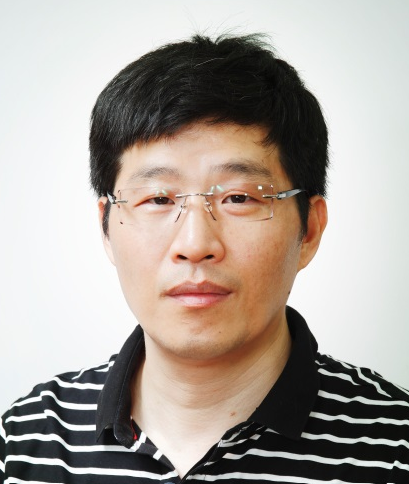 Xue-Feng Yan (颜学峰)合作论文数Key Laboratory of Smart Manufacturing in Energy Chemical Process, Ministry of Education, East China University of Science and Technology;School of Information Science and Engineering, East China University of Science and Technology34
 Liang Zhao (赵亮)合作论文数School of Information Science and Engineering, East China University of Science and Technology;Key Laboratory of Smart Manufacturing in Energy Chemical Process, Ministry of Education, East China University of Science and Technology32
 Minglei Yang (杨明磊)合作论文数School of Information Science and Engineering, East China University of Science and Technology;School of Chemical Engineering, East China University of Science and Technology27
 Hui Cheng (程辉)合作论文数School of Information Science and Engineering, East China University of Science and Technology;Key Laboratory of Smart Manufacturing in Energy Chemical Process, Ministry of Education, East China University of Science and Technology26
 Shaojun Li (李绍军)合作论文数School of Information Science and Engineering, East China University of Science and Technology;Key Laboratory of Smart Manufacturing in Energy Chemical Process, Ministry of Education, East China University of Science and Technology24
 Zhencheng Ye (叶贞成)合作论文数School of Information Science and Engineering, East China University of Science and Technology;School of Chemical Engineering, East China University of Science and Technology22
 Meihong Wang合作论文数School of Chemical, Materials and Biological Engineering, University of Sheffield21Guihua Hu (胡贵华)合作论文数School of Information Science and Engineering, East China University of Science and Technology19
 Xin Peng (彭鑫)合作论文数School of Information Science and Engineering, East China University of Science and Technology18Xin Wang (王昕)合作论文数上海交通大学电子信息与电气工程学院17Bing Wang (王冰)合作论文数School of Information Science and Engineering, East China University of Science and Technology15
 Yu Zhang合作论文数15Xiangdong Kong合作论文数14
 Qinglong Han合作论文数Swinburne University of Technology14
 Zhi Li (李智)合作论文数School of Information Science and Engineering, East China University of Science and Technology13
 Hong He (何宏)合作论文数College of Mechanical and Electronic Engineering, Shanghai Normal University13
 Vladimir Mahalec合作论文数Dept Chem Engn, McMaster Univ13
 Xiaoxia Zheng合作论文数13
 Zhou Tian (田洲)合作论文数School of Information Science and Engineering, East China University of Science and Technology;Key Laboratory of Smart Manufacturing in Energy Chemical Process, Ministry of Education, East China University of Science and Technology12
 Chenxi Cao (曹晨熙)合作论文数School of Information Science and Engineering, East China University of Science and Technology12
 Ke Meng合作论文数University of Sydney12
 Luolin Xiong合作论文数11Xuhua Shi合作论文数11
 Jian Long (隆建)合作论文数School of Information Science and Engineering, East China University of Science and Technology;School of Chemical Engineering, East China University of Science and Technology11
 Mandan Liu (刘漫丹)合作论文数School of Information Science and Engineering, East China University of Science and Technology11
 Hongwei Ge (葛宏伟)合作论文数School of Computer Science and Technology, Dalian University of Technology11Fan Sun合作论文数10
 Yuxing Ding (丁宇星)合作论文数School of Information Science and Engineering, East China University of Science and Technology10
 Shuai Mao合作论文数East China Univ Sci & Technol, Key Lab Adv Control & Optimizat Chem Proc, Minist Educ, Shanghai 200237, Peoples R China10
 Ziqiang Lang (郎自强)合作论文数Department of Automatic Control and Systems Engineering, University of Sheffield10
 Kevin M. Van Geem合作论文数Laboratory for Chemical Technology, Department of Materials, Textiles and Chemical Engineering, Faculty of Engineering and Architecture, Ghent University10
 Yangkun Jin合作论文数9Yurong Liu合作论文数9Juan Yu (余娟)合作论文数9
 Zhao Yang Dong (董朝陽)合作论文数Department of Electrical Engineering, City University of Hong Kong9
 Chen Fan (范琛)合作论文数School of Information Science and Engineering, East China University of Science and Technology;Key Laboratory of Smart Manufacturing in Energy Chemical Process, Ministry of Education, East China University of Science and Technology9
 Jun Hu (胡军)合作论文数School of Chemistry and Molecular Engineering, East China University of Science and Technology9
 Honggang Wang (王宏刚)合作论文数GE Res, Niskayuna, NY 12309 USA8Xiaoqiang Wang合作论文数8
 Lili Tao合作论文数8
 Guy B. Marin合作论文数Centre for Sustainable Chemistry, Department of Materials, Textiles and Chemical Engineering, Faculty of Engineering and Architecture, Ghent University/Laboratory for Chemical Technology, Ghent University8
 Chaoqiang Zhao合作论文数East China University of Science and Technology7




