Brucellosis is an important zoonotic disease affecting animals and subsistence harvesters in the circumarctic. We investigated recent trends (2015-2022) of brucellosis seropositivity in caribou (Rangifer tarandus) and muskoxen (Ovibos moschatus) in the Central Canadian Arctic by using data from community-based wildlife health surveillance programs. The overall sample prevalence of Brucella antibodies was 10.0% (n = 271) in muskoxen and 15.5% (n = 277) in caribou. Sample seroprevalence in muskoxen varied geographically with an increasing trend of exposure on NW Victoria Island (from 0% to 36.8% between 2016 and 2022; Kendall tau = 0.283, p = 0.001). The presence of Brucella suis biovar 4 was confirmed by culture from clinical cases in this area. Our results indicate that Brucella suis biovar 4 continues to circulate in the Central Canadian Arctic in caribou and muskoxen and may be now circulating in muskoxen independently from caribou. These findings highlight the need to better understand the ecology and drivers of brucellosis emergence in Arctic multi-host systems.
Leishmania infantum is a zoonotic protozoan parasite distributed worldwide that is transmitted by phlebotomine sandflies. Dogs are the main reservoir for human infections. However, in recent years, the capacity of lagomorphs to contribute to Leishmania transmission has been confirmed. The present study aimed to assess Leishmania spp. exposure and infection in lagomorphs and sympatric domestic dogs in NE Spain. Sera from European hares, European rabbits, and rural dogs were tested for antibodies against L. infantum using an in-house indirect ELISA. PCR analysis targeting Leishmania spp. was performed in spleens from L. europaeus. Antibodies against Leishmania spp. were detected in all the species analyzed. Total sample prevalence was significantly higher in O. cuniculus (27.9%) than in L. europaeus (2.0%). Results of the PCR were all negative. The present study expands knowledge about Leishmania infections in free-ranging lagomorphs in the Iberian Peninsula, suggesting a more important role of O. cuniculus in the study area. Given the strong correlation between lagomorph densities and human leishmaniasis outbreaks in Spain, the high rabbit and human densities in NE Spain, and the high Leishmania spp. seroprevalence in rabbits, it becomes imperative to establish surveillance programs for lagomorphs in this region.
Treponema spp. are associated with infectious lameness in livestock and wild ruminants. While extensive research has been conducted on cattle, investigations in wild ruminants are scarce. Hoof disease is common in caribou populations (Rangifer tarandus), but investigations are limited due to the remoteness of the Arctic. Our study aimed to assess the presence of Treponema spp. associated with bovine digital dermatitis in caribou. DNA was extracted from coronary band tissues from forty-eight caribou without visible hoof lesions and analyzed using two PCR methods (qPCR and nPCR). Treponema spp. were detected in low copy numbers/mg of tissue (3.6 to 6.6 x 101). T. phagedenis was the most prevalent and abundant species in 58% of samples by qPCR, followed by T. medium (44%), and T. pedis (10%). The qPCR and nPCR agreement ranged between 65% and 75% (Cohen's kappa 0.22-0.51). Sanger sequencing of thirteen nPCR products confirmed that treponemes in caribou are remarkably similar to those found in domestic ruminants and wild elk. Our study highlights the colonization of treponemes in healthy hooves of a wild ruminant in the Arctic, where there is no presence of livestock, and expands knowledge on the host range and distribution of treponemes. These findings also emphasize the need for further research into the multifactorial nature of treponema-associated hoof diseases and the putative role of treponemes in infectious lameness affecting caribou.
The range of tularemia, a disease caused by the bacterium Francisella tularensis, may expand alongside climate change in the North. Transmission occurs via biting arthropods, contaminated water sources, infected animal tissues and fluids and even aerosolized bacteria. Little research has been published on F. tularensis in northern Canada. We investigated whether Rangifer (caribou and reindeer) in Canada and Alaska are exposed to F. tularensis, as they provide significant cultural and subsistence value. From 2016 to 2020, 336 serum samples were collected from Rangifer across 17 herds, including captive reindeer in Alaska (n = 30) and wild caribou across Canada (n = 306) during collaring or harvesting efforts. Using a microagglutination test, we detected antibodies against F. tularensis in 7% of captive reindeer (CI95 2–21), 6% of migratory tundra caribou (CI95 4–11) and 10% of mountain woodland caribou (CI95 6–17), with the highest seroprevalence observed in animals from Nunavut (17%) and British Columbia, Canada (18%). Ten of the herds (n = 10/17; 59%) had at least one positive animal. Evidence of exposure to F. tularensis indicates that further studies are needed to characterize sources of transmission for Rangifer species and any potential health effects following infection.
Toxoplasma gondii is a generalist zoonotic parasite that involves a wide range of warm-blooded animals as intermediate hosts and felines as definitive hosts. Recent studies have proved significant positive associations between human population density and T. gondii seroprevalence in wildlife. However, there is limited data regarding T. gondii wildlife in urban areas, where the highest human density occurs. The present study aimed to analyse the T. gondii exposure in urban hedgehogs from the Metropolitan Area of Barcelona, NE Spain. One hundred eighteen hedgehogs were analysed for the presence of antibodies (modified agglutination test; n = 55) and parasite DNA (qPCR; heart = 34; brain = 60). Antibodies were detected in 69.09% of hedgehogs. T. gondii DNA was not detected in any of the analysed samples. The present study reports a high T. gondii seroprevalence in urban hedgehogs in areas surrounding Barcelona, the most densely human-populated area of NE Spain, reinforcing the association between human population density and environmental T. gondii oocysts. The lack of detection by molecular techniques warrants more studies. In the last few decades, the distribution and abundance of European hedgehogs have declined, including their urban populations. Further research is needed to investigate the impact of T. gondii on hedgehog populations.
Northern Canada is warming at 3 times the global rate. Thus, changing diversity and distribution of vectors and pathogens is an increasing health concern. California serogroup (CSG) viruses are mosquitoborne arboviruses; wildlife reservoirs in northern ecosystems have not been identified. We detected CSG virus antibodies in 63% (95% CI 58%-67%) of caribou (n = 517), 4% (95% CI 2%-7%) of Arctic foxes (n = 297), 12% (95% CI 6%-21%) of red foxes (n = 77), and 28% (95% CI 24%-33%) of polar bears (n = 377). Sex, age, and summer temperatures were positively associated with polar bear exposure; location, year, and ecotype were associated with caribou exposure. Exposure was highest in boreal caribou and increased from baseline in polar bears after warmer summers. CSG virus exposure of wildlife is linked to climate change in northern Canada and sustained surveillance could be used to measure human health risks.
Foodborne pathogens are an important cause of morbidity and mortality worldwide. To assess the presence of Salmonella, Campylobacter and Arcobacter spp. in livestock, wildlife, and humans from different regions across western Uganda, 479 faecal samples were tested by PCR. Salmonella and Campylobacter spp. were more frequently detected in livestock (5.1% and 23.5%, respectively) compared to wildlife (1.9% and 16.8%, respectively). Wildlife from remote areas showed lower Salmonella and Campylobacter spp. occurrence than in areas where interactions with livestock are common, suggesting that spill-over may exist from livestock or humans. Further studies are needed to better understand the transmission dynamics of these pathogens at the wildlife-livestock-human interface in western Uganda.
EDITORIAL article Front. Vet. Sci., 07 March 2023Sec. Veterinary Infectious Diseases Volume 10 - 2023 | https://doi.org/10.3389/fvets.2023.1132176
Assessing wildlife health in remote regions requires a multi-faceted approach, which commonly involves convenient samplings and the need of identifying and targeting relevant and informative indicators. We applied a novel wildlife health framework and critically assessed the value of different indicators for understanding the health status and trends of an endangered tundra caribou population. Samples and data from the Dolphin and Union caribou herd were obtained between 2015 and 2021, from community-based surveillance programs and from captured animals. We documented and categorized indicators into health determinants (infectious diseases and trace elements), processes (cortisol, pathology), and health outcomes (pregnancy and body condition). During a recent period of steep population decline, our results indicated a relatively good body condition and pregnancy rates, and decreasing levels of stress, along with a low adult cow survival. We detected multiple factors as potential contributors to the reduced survival, including Brucella suis biovar 4, Erysipelothrix rhusiopathiae and lower hair trace minerals. These results remark the need of targeted studies to improve detection and investigations on caribou mortalities. We also identified differences in health indicators between captured and hunter sampled caribou, highlighting the importance of accounting for sampling biases. This integrative approach that drew on multiple data sources has provided unprecedented knowledge on the health in this herd and highlights the value of documenting individual animal health to understand causes of wildlife declines.
Identifying the role that host species play in pathogen transmission and maintenance is crucial for disease control, but it is a difficult task, in particular for vector-borne and multi-host pathogens, and especially when wildlife species are involved. This is the case for a Crimean-Congo hemorrhagic fever virus (CCHFV) hotspot in north-eastern Spain, where Iberian ibex (Capra pyrenaica) and wild boar (Sus scrofa) are involved, but their roles in disease transmission are unclear. In this context, we studied the dynamics of CCHFV transmission in these two species during the collapse of an Iberian ibex population due to a sarcoptic mange outbreak. We carried out a repeated cross-sectional study measuring the trends of CCHFV seroprevalence in Iberian ibex and wild boar and their abundances. In addition, we identified the tick species present in this area on the vegetation and on wild boars, and evaluated relevant meteorological factors. Results show that while the trends in CCHFV seroprevalence in Iberian Ibex and density of wild boars remained constant (p = 1.0 and p = 0.8, respectively), both the trends in Iberian ibex census and CCHFV seroprevalence in wild boars decreased significantly (p = 0.003 and p = 0.0001, respectively), and were correlated (Spearman's rank, 0.02 < p-adjusted<0.05). The correlation between the patterns of reduction of Iberian ibex abundance and the decrease of seroprevalence in wild boars suggests some sort of shared transmission cycle between the two species. Data from tick species in the area suggest a possible role of Rhipicephalus bursa in CCHFV transmission. The dynamics of CCHFV were unlikely caused by changes in meteorological variables such as temperature or water vapor pressure deficit. Further studies will be needed to confirm these hypotheses.
Streptococcus ruminantium is a recent reclassification of the former Streptococcus suis serovar 33. Although knowledge about S. suis is extensive, information on S. ruminantium host range and pathogenic potential is still scarce. This bacterium has been isolated from lesions in domestic ruminants, but there are no reports in wild animals. Here, we provide information on lesions associated with S. ruminantium in Pyrenean chamois (Rupicapra pyrenaica) and domestic sheep from NE Spain, as well as phenotypic biopatterns and antimicrobial resistance (AMR) of the isolates. Overall, lesions caused by S. ruminantium were similar to those caused by S. suis, excluding polyserositis. Heterogeneity of the phenotypic profiles was observed within the S. ruminantium strains by VITEK-2, resulting in only two tests common to all S. ruminantium isolates and different from S. suis: Alpha-Galactosidase and Methyl-B-D-Glucopyranoside, both positive for S. suis and negative for S. ruminantium strains. Isolates from Pyrenean chamois were susceptible to all antimicrobials tested, except danofloxacin, whereas the domestic sheep isolate was resistant to tetracycline. In conclusion, S. ruminantium can cause infection and be associated with pathology in both wild and domestic ruminants. Due to its phenotypic diversity, a specific PCR is optimal for identification in routine diagnosis.
Campylobacter spp. and Salmonella spp. are the most reported zoonotic agents in Europe. They can be transmitted from wildlife to humans, and wild boars (Sus scrofa) can harbour them. In the Metropolitan Area of Barcelona (MAB, NE Spain) wild boars are found in urbanized areas. To assess the potential public health risk of this increasing wild boar population, we collected stool samples from 130 wild boars from the MAB (June 2015 - February 2016), to determine the Campylobacter and Salmonella occurrence and the antimicrobial susceptibility of the isolates. We also investigated the genetic diversity and virulence potential of Campylobacter. Campylobacter prevalence in wild boars was 61%. Forty six percent of wild boars carried Campylobacter lanienae, 16% carried Campylobacter coli, and 1% carried Campylobacter hyointestinalis; 4% carried both C. lanienae and C. coli, and 1% carried both C. lanienae and C. hyointestinalis. This is the first report of C. hyointestinalis in wildlife in Spain. Using pulse-field gel electrophoresis and multilocus sequence typing, we observed a high genetic diversity of Campylobacter and identified new sequence types. Thirty-three percent of C. coli and 14% of C. lanienae isolates showed a high virulence potential. All of the Campylobacter isolates analysed were resistant to at least one antimicrobial agent. Multidrug resistance was only detected in C. coli (67%). Salmonella enterica subsp. enterica was detected in four wild boars (3%) and included a S. Enteritidis serovar (1/4 wild boars) and a multidrug-resistant (ASSuT) monophasic S. Typhimurium serovar (1/4 wild boars) which is associated with human infections and pig meat in Europe. The characteristics of some of the Campylobacter and Salmonella isolates recovered suggest an anthropogenic origin. Wild boars are a reservoir of Campylobacter and have the potential to spread antimicrobial resistant Campylobacter and Salmonella in urbanized areas in the MAB.
Alpine grasslands are essential for carbon sequestration and food supply for domestic and wild herbivores inhabiting mountainous areas worldwide. These biomes, however, are alternatively threatened by the abandonment of agricultural and livestock practices leading to a fast-growing shrubification process while other mountain grasslands are suffering from the impacts of overgrazing. The functioning of alpine meadow ecosystems is primarily driven by climatic conditions, land-use legacies and grazing. However, although it is critically important, the role of large herbivores on the aboveground biomass and protein content of palatable plants is poorly understood for most alpine meadows. In this work, we explore the effects of grazing on grassland vegetation at two different spatial and temporal scales in the Eastern Pyrenees, Spain. Remote sensing was used to assess the effect of high and moderate grazing (HG and MG respectively) on grass biomass using the leaf area index (LAI) at the meso-scale (patches between 2.3 and 38.7 ha). We also explored the impact of null (NG), overgrazing (MO, mimicked overgrazing) and high (HG) grazing intensities at local scale setting eighteen 1 m2 exclusion boxes in six meadows (three boxes each) commonly used by domestic and wild ungulates. Historical satellite data showed that LAI values are greater in high than in low grazed areas (HG, mean = 0.66, LG, mean = 0.55). Along the same lines, high and moderate grazing pressures improved biomass production at the local-scale (HG, mean = 590.3 g/m(2), MO, mean = 389.3 g/m(2) and NG, mean = 110.8 g/m(2)). Crude protein content reached higher values under MO pressure than under HG pressure. Our results confirm that grazing intensity exerts significant changes on the above-ground biomass production and the protein content of plants consumed by domestic (cattle and horses) and wild ungulates (Southern Chamois, Rupicapra pyrenaica). We can conclude that ungulates sustain biomass and nutritive values of grass exerting a negligible effect on biomass and protein content of woody vegetation. Our results will inform management guidelines to support profitable grazing activities and promote conservation of the open landscapes in the alpine ecosystems under the current global change scenario.
Tick-borne pathogens (TBPs) constitute an emerging public health concern favoured by multidimensional global changes. Amongst these, increase and spread of wild boar (Sus scrofa) populations are of special concern since this species can act as a reservoir of zoonotic pathogens and promote tick abundance. Thus, we aimed to make a first assessment of the risk by TBPs resulting from wild boar and ticks in the vicinity of a highly populated area. Between 2014 and 2016, we collected spleen samples and 2256 ticks from 261 wild boars (out of 438 inspected) in the metropolitan area of Barcelona (MAB; northeast Spain). We morphologically identified four tick species: Hyalomma lusitanicum (infestation prevalence: 33.6%), Dermacentor marginatus (26.9%), Rhipicephalus sanguineus sensu lato (18.9%) and R. bursa (0.2%). Ticks were pooled according to species and individual host. A total of 180 tick pools and 167 spleen samples were screened by real-time PCR and/or reverse line blot hybridization assay for Ehrlichia sp., Anaplasma sp., Babesia sp., Rickettsia sp., Borrelia burgdorferi sensu lato and Coxiella burnetii. Seventy-two out of the 180 tick pools were positive to Rickettsia spp. (minimum prevalence of 8.7%), including Rickettsia massiliae, R. slovaca and R. raoultii. We did not detect Rickettsia spp. in wild boar spleens nor other TBPs in ticks or wild boars. Since the ticks identified can bite humans, and the recorded spotted fever group (SFG) rickettsiae are zoonotic pathogens, there is a risk of SFG rickettsiae transmission for MAB inhabitants. Our results suggest a broader distribution of H. lusitanicum, competent vector for the Crimean-Congo haemorrhagic fever virus than previously known. Wild boar is not a Rickettsia spp. reservoir according to the spleen negative results. However, its abundance could favour tick life cycle and abundance, and its proximity to humans could promote the infection risk by Rickettsia spp.
Antimicrobial resistance (AMR) has spread worldwide due to the inappropriate use of antimicrobial drugs in human and veterinary medicine, becoming a public health problem. However, little is known about its occurrence and maintenance in wild animals, and very few studies have been carried out in ecosystems subjected to low human pressure. In our study, nasal and lung swabs were collected from hunted Pyrenean chamois (Rupicapra pyrenaica), and nasal swabs from sympatric domestic sheep were also collected. The swabs were cultured in agar plates to obtain bacterial isolates from the Pasteurellaceae family. The presence of AMR was assessed in a total of 28 Pasteurellaceae isolates from 45 Pyrenean chamois, and 9 isolates from sympatric domestic sheep found in the National Hunting Reserve of Freser-Setcases (Northeastern Pyrenees, Spain). The isolates belonged to one of the following three species: Pasteurella multocida, Mannheimia haemolytica and Bibersteinia trehalosi. Some P. multocida and M. haemolytica isolates tested positive for AMR. The statistical analysis revealed no differences between the AMR levels from chamois and domestic sheep isolates. However, one P. multocida of chamois origin presented resistance to cephalosporins and fluoroquinolones, which are antibiotics of critical importance for human health. Further studies are required to elucidate potential routes of dissemination of AMR genes in natural environments and assess any significant persistence in wildlife to design risk mitigation actions.
Urbanisation is a global human-induced environmental change and one of the most important threats to biodiversity. To survive in human-modified environments, wildlife must adjust to the challenging selection pressures of urban areas through behaviour, morphology, physiology and/or genetic changes. Here we explore the effect of urbanisation in a large, highly adaptable and generalist urban adapter species, the wild boar (Sus scrofa, Linnaeus 1758). From 2005 to 2018, we gathered wild boar data and samples from three areas in NE Spain: one urban (Barcelona municipality, n = 445), and two non-urban (Serra de Collserola Natural Park, n = 183, and Sant Llorenç del Munt i Serra de l'Obac Natural Park, n = 54). We investigated whether urbanisation influenced wild boar body size, body mass, body condition, and the concentration of serum metabolites, considering also the effect of age, sex and use of anthropogenic food resources. Wild boars from the urban area had larger body size, higher body mass, better body condition, and a higher triglyceride and lower creatinine serum concentrations than non-urban wild boars. In addition, urban wild boars consumed food from anthropogenic origin more frequently, which suggests that differences in their diet probably induced the biometric and the metabolic changes observed. These responses are probably adaptive and suggest that wild boars are thriving in the urban environment. Our results show that urbanisation can change the morphological and physiological traits of a large mammal urban adapter, which may have consequences in the ecology and response to urban selection pressures by the species. The phenotypic plasticity shown by wild boars provides both further and new evidence on the mechanisms that allow urban adapter species of greater size to respond to urbanisation, which is expected to continue growing globally over the coming decades.
Infections by Chlamydiae are associated with ocular disease in humans and animals. In this study, the presence and diversity of Chlamydia spp. was assessed in diseased and healthy eyes of domestic sheep and wild ruminants that share mountain habitats in northern Spain. The presence of Chlamydia spp. was tested by real-time PCR in 1786 conjunctival swabs collected from both eyes of 893 animals from mountain habitats in northern Spain, and chlamydial species were identified in the positive samples by ArrayTube microarray methods. Chlamydial DNA was detected in 0.6% (CI95% 0.2–1.3) of the Pyrenean chamois (Rupicapra pyrenaica) and 1.4% (CI95% <0.01–8.1) of the sheep (Ovis aries) sampled, with Chlamydia pecorum the only chlamydial species identified. No association of C. pecorum with ocular disease or co-infection with Mycoplasma conjunctivae was found. Further studies on the pathogenesis of infectious keratoconjunctivitis are needed to better understand the ecology of C. pecorum and its possible role as a ruminant pathogen at the wildlife–livestock interface.
BACKGROUND:Wild boar (Sus scrofa) populations are increasing worldwide and invading urban areas. Live-capture can improve the management of this challenge, maximising efficiency, allowing scientific studies and potentially improving animal welfare. This study assesses teleanaesthesia, drop-net, corral trap and cage trap to live-capture wild boar in urban and peri-urban areas, evaluating efficiency and animal stress through haematology and serum biochemistry.METHODS:From 2012 to 2018, 655 wild boars were captured in 279 operations (drop-net=17, teleanaesthesia=186, cage trap=66 and corral trap=10) in the urban and peri-urban areas of Barcelona (Spain). Haematological and serum biochemical variables were determined in 145 wild boars (42 drop-netted, 41 teleanaesthetised, 38 cage-trapped and 24 corral-trapped).RESULTS:Performance (wild boars captured per operation) was highest for drop-net, followed by corral and cage traps, and finally teleanaesthesia. The three physical capture methods were more stressful than teleanaesthesia, causing a more intense physiological reaction, muscular damage, renal function impairment and homeostasis adaption. Stress response was predominantly adrenergic for drop-net and cortisol-induced for cage and corral traps.CONCLUSION:Teleanaesthesia is the choice in reactive urban situations thanks to its adaptability; drop-net effectively targets wild boars in peri-urban environments; cage and corral traps are useful as long-term methods in specific areas.
In the recent past, peste des petits ruminants (PPR) emerged in East Africa causing outbreaks in small livestock across different countries, with evidences of spillover to wildlife. In order to understand better PPR at the wildlife–livestock interface, we investigated patterns of peste des petits ruminants virus (PPRV) exposure, disease outbreaks, and viral sequences in the northern Albertine Rift. PPRV antibodies indicated a widespread exposure in apparently healthy wildlife from South Sudan (2013) and Uganda (2015, 2017). African buffaloes and Uganda kobs <1-year-old from Queen Elizabeth National Park (2015) had antibodies against PPRV N-antigen and local serosurvey captured a subsequent spread of PPRV in livestock. Outbreaks with PPR-like syndrome in sheep and goats were recorded around the Greater Virunga Landscape in Kasese (2016), Kisoro and Kabale (2017) from western Uganda, and in North Kivu (2017) from eastern Democratic Republic of the Congo (DRC). This landscape would not be considered typical for PPR persistence as it is a mixed forest–savannah ecosystem with mostly sedentary livestock. PPRV sequences from DRC (2017) were identical to strains from Burundi (2018) and confirmed a transboundary spread of PPRV. Our results indicate an epidemiological linkage between epizootic cycles in livestock and exposure in wildlife, denoting the importance of PPR surveillance on wild artiodactyls for both conservation and eradication programs.
 Oscar Cabezón合作论文数Departament de Medicina i Cirurgia Animals, Facultat de Veterinària, Universitat Autònoma de Barcelona31
 Santiago Lavin合作论文数Department of Animal Medicine and Surgery, Universidad Autónoma de Barcelona28
 Jorge Ramon Lopez-Olvera合作论文数27
 Colom-Cadena Andreu合作论文数24
 Gregorio Mentaberre合作论文数Facultat de Veterinària, Universitat Autònoma de Barcelona24
 Emmanuel Serrano合作论文数19
 Roser Velarde合作论文数Facultat de Veterinaria;Universitat Autonoma de Barcelona;Centre de Recuperaciod ' Animals Marins;Centre de Recuperaciod ' Animals Marins, Universitat Autonoma de Barcelona18
 Ignasi Marco合作论文数Facultat de Veterinària, Universitat Autònoma de Barcelona16
 Johan Espunyes Nozieres合作论文数Wildlife Conservation Medicine research group (WildCoM),, Universitat Autònoma de Barcelona12
 Diana Gasso合作论文数UAB),, Universitat Autònoma de Barcelona10
 Raquel Castillo-Contreras合作论文数Wildlife Ecol & Hlth Grp, Univ Autonoma Barcelona9
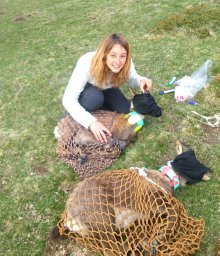 Maria Puig Ribas合作论文数8
 Sonia Almeria合作论文数Centre de Recerca en Sanitat Animal (CReSA),, Autonomous University of Barcelona6
 Susan J Kutz合作论文数Faculty of Veterinary Medicine, University of Calgary6Rosa Rosell合作论文数6Mathieu Garel合作论文数6
 Jitender Dubey合作论文数Animal Parasitic Diseases Laboratory, Beltsville Agricultural Research Center, Agricultural Research Service, U.S. Department of Agriculture5Luca Rossi合作论文数5
 Jordi Bartolome合作论文数Departament de Ciencia Animal i dels Aliments, Universitat Autònoma de Barcelona5
 Arturo Galvez Ceron合作论文数4Lisa-Marie Leclerc合作论文数4
 Mattia Begovoeva合作论文数Food & Agr Org United Nations, European Commiss Control Foot & Mouth Dis4
 Elena Albanell合作论文数Departament de Ciència Animal i dels Aliments, Universitat Autònoma de Barcelona (UAB),4
 Ignacio García Bocanegra合作论文数Departamento de Sanidad Animal, Facultad de Veterinaria, Universidad de Córdoba4
 Joachim Frey合作论文数Institute of Veterinary Bacteriology, Vetsuisse Fakultat, Universitat Bern4
 Nora Navarro-Gonzalez合作论文数Servei d' Ecopatologia de Fauna Salvatge (SEFaS), Universitat Autònoma de Barcelona (UAB)4Victor Ramiro合作论文数3
 Carles Conejero Fuentes合作论文数3
 Carlos Gonzalez-Crespo合作论文数Wildlife Ecol & Hlth Grp, Univ Autonoma Barcelona UAB3
 Jesus Cardells合作论文数3
 Matilde Tomaselli合作论文数Polar Knowledge Canada, Canadian High Arctic Research Station3
 Richard Anthony Kock合作论文数Royal Veterinary College3
 Dolores Gavier-Widen合作论文数Department of Pathology and Wildlife Disease, National Veterinary Institute (SVA),3Fernández-Sirera Laura合作论文数3
 Guillem Molina-Vacas合作论文数3Villamuelas Miriam合作论文数3
 Gholipour H合作论文数3D. Ferrer合作论文数3Tomas Meijer合作论文数3
 Joaquim Segalés合作论文数Departament de Sanitat i Anatomia Animals, Facultat de Veterinaria, Universitat Autonoma de Barcelona;Centre de Recerca en Sanitat Animal, Institut de Recerca i Tecnologia Alimentaries3Joan Pujols合作论文数3Eva Osterman Lind合作论文数3
 Virginia Aragon合作论文数3Roland Mattsson合作论文数3Fabien Mavrot合作论文数Institute for Animal Pathology, University of Bern3
 Heather Fenton合作论文数3Marta Cerda-Cuellar合作论文数3
 Mathieu Pruvot合作论文数Center for International Cooperation in Agronomical Research for Development (CIRAD), Department of Biological Systems (Bios), UMR177-Trypanosomes (IRD-CIRAD), Montpellier F-34000, France3Jesús Muro合作论文数2




