This paper provides an overview of the knowledge and applicability of results of significant studies on patient satisfaction. We have conducted an integrative review of the patient satisfaction research and attempted to identify the areas which are not covered by researchers so far. By presenting an overview of the previous research, we found that patient satisfaction was variable to different aspects of medical care characteristics of a doctor. The frequency of patient satisfaction research publication remained high in last two decades and seems to be growing continuously. Most of the studies in developing countries are included in the grey literature that can be characterized as disconnected from international empirical research. Only a few studies have been conducted by researchers from non-medical background, while the majority of these studies present the perspectives of medical experts evaluating the medical consultation. The gender perspective is not highlighted in the majority of the cases. There are essential tasks which belong to the professional duties of a physician in order to address the key concerns of patients. There is no uniform survey and measurement system for patient satisfaction applicable universally that would be conducted by a multi-country organization that would cover 195 countries in the world.
Objectives:The surge in publications increases screening time required to maintain high-quality literature reviews. One of the most time-consuming phases is title and abstract screening. Machine learning tools have semi-automated this process for systematic reviews, with limited success for scoping reviews. ChatGPT, a chatbot based on a large language model, might support scoping review screening by identifying key concepts and themes. We hypothesize that ChatGPT outperforms the semi-automated tool Rayyan, increasing efficiency at acceptable costs while maintaining a low type II error. Materials and Methods:We conducted a retrospective study using human screening decisions on a scoping review of 15 307 abstracts as a benchmark. A training set of 100 abstracts was used for prompt engineering for ChatGPT and training Rayyan. Screening decisions for all abstracts were obtained via an application programming interface for ChatGPT and manually for Rayyan. We calculated performance metrics, including accuracy, sensitivity, and specificity with Stata. Results:ChatGPT 4.0 decided upon 15 306 abstracts, vastly outperforming Rayyan. ChatGPT 4.0 demonstrated an accuracy of 68%, specificity of 67%, sensitivity of 88%-89%, a negative predictive value of 99%, and an 11% false negative rate when compared to human researchers' decisions. The workload savings were at 64% reasonable costs. Discussion and Conclusion:This study demonstrated ChatGPT's potential to be applied in the first phase of the literature appraisal process for scoping reviews. However, human oversight remains paramount. Additional research on ChatGPT's parameters, the prompts and screening scenarios is necessary in order to validate these results and to develop a standardized approach.
Scoping reviews are increasingly used for evidence synthesis, yet a comprehensive overview of benchmarks for their conduct is lacking. This study aimed to extract and analyze key metrics of preregistered scoping reviews to aid researchers in planning, resource allocation, methodological rigor, and innovation. We examined 2,038 scoping review protocol registrations on the Open Science Framework between April and August 2024, identifying 891 corresponding publications. Extracted variables included review type (e.g., rapid scoping review), information about the number of studies in the screening process, methodological practices, and funding. Using Stata, we calculated process metrics such as review duration, yield rate, and team composition. Qualitative analysis was applied to further metrics, including aims and eligibility criteria frameworks. Among the 891 publications, 91.47% were published as scoping reviews. On average, reviews involved 6.11 authors and took 80.41 weeks from registration to publication, with rapid scoping reviews completed in 55.63 weeks. Most publications (80.13%) originated from high-income countries, where funding was more common. An average of 5.19 databases were searched, identifying a mean of 6,920.66 potential inclusions, with 92.64 studies ultimately included (yield rate: 5.68%). Endnote was the most frequently employed screening tool. Language restrictions were reported in 37.60% of cases, and 75.42% did not conduct or report critical appraisal. This study provides valuable insights into common practices within scoping review processes, offering researchers a foundation to allocate resources more efficiently and enhance research quality through methodological benchmarks. It underscores the need for greater transparency and improved methodological rigor.
With social isolation, physical and mental activity, and digital literacy being crucial issues for older adults, new technologies and development approaches emerge. Gamification in technology shows promise in promoting these aspects, enhancing social well-being and lifelong learning. Involving older adults through participatory design processes of gamified technologies can help create technologies that meet the wishes and needs of this population. This scoping review aims to explore the current state of knowledge and provide an overview of the practiced participation levels when developing gamified technologies for older adults in participatory design. A scoping review was conducted using the databases PubMed, Scopus, CINAHL from EBSCO, and ACM. A total of 54 studies were included. We applied content and thematic analysis depending on the specific identified themes and delivered qualitative summaries. Most studies emerged from Western countries. Despite claimed as participatory approaches, most studies fall under the category of “degree of tokenism”. It can furthermore be noted that with one exception there were no reports on the theoretical background of the gamification elements used. Diversity in this setting was still practiced very selectively with a focus on cultural diversity and binary gender diversity. Despite the rising popularity of gamification and participatory design, a lack of standardization and transparency persists. With issues on diversity and inclusion, technological barriers for older adults, and additional factors of vulnerability in old age, a need for better reflection and more transparent reporting becomes evident.
In developing countries, the prevalence of postpartum depression can range from being comparable to that of developed nations to twice as high. The ‘Thinking Healthy Program’ (THP) is an evidence-based intervention specifically designed to address perinatal depression. This study aimed to evaluate the effectiveness of THP in reducing antenatal depression among pregnant women in Pakistan. We recruited 220 participants from the obstetrics and gynecology outpatient department of a tertiary care hospital in Lahore, Pakistan. Depression was screened using the Patient Health Questionnaire (PHQ-9), identifying 80 women (36
IntroductionThe digital transformation has substantially altered the competencies required of public health professionals. In Germany, digital public health (DiPH) content is inconsistently integrated into public health degree programs, reflecting the absence of a unified educational framework. To address this gap, this study aimed to establish expert consensus on core teaching content for a DiPH curriculum tailored to public health education in Germany.MethodologyA multi-stage Delphi study was conducted between May 2024 and May 2025, involving public health experts from various public health settings to address scientific and practice-related expertise. Three online Delphi rounds were conducted. Experts rated the relevance of predefined and participant-generated teaching content on a 9-point Likert scale. Consensus was defined a priori as a mean score ≥7.0. Teaching content was iteratively included, excluded, or re-evaluated across rounds and clustered into eleven predefined public health topic areas. In the final round, experts additionally prioritized teaching content within topic areas and identified the ten most important content areas overall.ResultsAcross the three Delphi rounds, 129 teaching contents were assessed. Consensus was achieved on 80 core teaching content items, spanning 11 public health topic areas. Most content reached consensus after their first presentation. The largest number of teaching content was identified in the domain “Methods in the social sciences,” followed by “Health communication” and “Health promotion, education, and prevention.” Prioritization exercises highlighted participatory and user-centered approaches, the development and evaluation of DiPH interventions, foundational concepts of digital health and DiPH, and ethical and legal requirements for digital innovations as among the most important teaching content. The final top ten teaching content represented nine of the eleven topic areas.ConclusionThis study provides a comprehensive, consensus-based set of core teaching content for DiPH education within public health degree programs that can be applied beyond the German context. The findings reflect the breadth and interdisciplinarity of public health in the digital age and emphasize competencies related to co-creation, evaluation of digital interventions, digital health literacy, ethics, and health system transformation. The resulting core curriculum provides a structured foundation for harmonizing DiPH education and preparing the next public health workforce.
Importance Elevated low-density lipoprotein cholesterol (LDL-C) is a modifiable risk factor for cardiovascular disease, the leading cause of premature death worldwide. Assessing the LDL-C–related burden is critical for guiding prevention and treatment strategies. Objectives To estimate the global, regional, and national burden of ischemic heart disease and ischemic stroke attributable to elevated LDL-C (relative to 35-54 mg/dL) from 1990 to 2023 and to quantify the contributions of population growth, aging, risk-deleted burden, and exposure changes to burden trends. Design, Setting, and Population This comparative risk assessment, part of the Global Burden of Disease Study 2023, estimated population-level LDL-C exposure and associated health loss in 204 countries and territories. Mean LDL-C levels were estimated using spatiotemporal gaussian process regression based on 806 studies across 161 countries. Relative risks were derived from meta-analyses of 38 randomized clinical trials. Population-attributable fractions for deaths and disability-adjusted life-years (DALYs) were estimated by age and sex for adults aged 25 years or older from 1990 to 2023, with 95% uncertainty intervals. Exposure Population-level LDL-C concentrations. Main Outcomes and Measures Population-attributable fractions, counts, and rates (all ages and age standardized per 100 000) of LDL-C–attributable deaths and DALYs from ischemic heart disease and ischemic stroke, with uncertainty intervals. Results In 2023, elevated LDL-C accounted for 3.6 million deaths (95% uncertainty interval, 2.2-5.4 million; 6.0% of global mortality) and 90.7 million DALYs (95% uncertainty interval, 58.9-123.3 million; 3.2% of DALYs). Although global all-ages rates remained stable, age-standardized death and DALY rates decreased by 45.6% and 39.5%, respectively, since 1990. In 2023, age-standardized LDL-C–attributable DALY rates were highest in Eastern Europe and lowest in high-income Asia-Pacific. One-third of the global LDL-C burden occurred in India and China. Population growth and aging drove the increasing burden, with notable regional disparities in LDL-C exposure and risk-deleted DALY rates shifting toward middle-sociodemographic settings. Conclusions and Relevance Despite declining age-standardized rates, the absolute LDL-C burden has increased since 1990 due to demographic changes and has shifted toward middle-sociodemographic countries. Measurement and surveillance gaps persist. Strengthened prevention, diagnosis, and treatment access strategies are essential to mitigate the health burden of LDL-C.
Pakistan faces high maternal and child mortality rates, with semi-urban and rural areas particularly affected. Community-based initiatives that emphasize local participation can address these challenges by fostering community ownership and sustainability. This study evaluated a community-based education (CBE) module, developed through a university-community partnership, in improving maternal and child health indicators in a semi-urban locality. The study was conducted in four phases in Lahore, Pakistan: Phase one included a pre-assessment survey to identify health needs among 253 women and 371 children under-five. Phase two involved developing a CBE module based on these findings with input from key stakeholders. In phase three, the module was implemented, followed by a post-assessment in phase four with 222 mothers and 318 children to evaluate the CBE intervention. Descriptive and repeated measures analyses were performed using SPSS version 22. Significant changes were observed in child growth indicators, including height (p < 0.001), weight (p < 0.001), head circumference (p < 0.001), and mid-upper arm circumference (p < 0.001). The prevalence of malnutrition decreased from 28
BackgroundThe increasing complexity of patient care and workforce shortages in healthcare systems necessitate improved interprofessional interaction. Digital technologies offer promising solutions to facilitate such interaction across healthcare settings.ObjectivesThis scoping review aimed to identify, categorize, and assess digital technologies that support interprofessional interaction among healthcare professionals, using the NASSS framework to evaluate their implementation context and impact.MethodologyA systematic search was conducted across five databases. The eligible studies examined digital tools enabling interaction between different professional groups in healthcare. Data from 407 studies were extracted and coded using four NASSS domains (Condition, Technology, Value Proposition, and Adopter System). Thematic analysis and visualizations were employed to synthesize findings.ResultsSeven primary technology categories were identified. Most technologies were implemented at the organizational level, primarily within hospital and intersectoral care settings, with oncology being the most common clinical focus. While many tools showed positive impacts on workflow efficiency, access to specialist expertise, and team communication, challenges relating to usability, data privacy, role ambiguity, and staff workload were also reported. Value propositions and impacts on staff varied significantly across technologies.ConclusionDigitally supported interprofessional interaction holds promise for enhancing communication, collaboration, and efficiency in delivering healthcare. However, successful adoption depends on aligning technological design with clinical workflows, involving end-users in development, and addressing regulatory, ethical, and organizational challenges.
BACKGROUND: Scoping reviews, especially the screening phase, are time-consuming. Due to an exponential increase in the number of scientific articles related to health issues being published each year, the time burden is also expected to rise. In parallel, there is a gap in machine learning tools specifically tailored to support screening processes within scoping reviews. Large language models, such as ChatGPT, have shown promise in accelerating this process. Given the reliance of artificial intelligence on structured inputs, this study aims to refine eligibility criteria and analyse ChatGPT’s performance in abstract screening for a scoping review on digital tools supporting interprofessional interactions in healthcare. METHODS: We conducted a thematic analysis of ChatGPT 4.0’s explanations based on a previously conducted scoping review and developed three refined sets of eligibility criteria (narrow, wide, and balanced). ChatGPT reassessed these criteria using the human reviewers’ decisions as the gold standard. We calculated performance metrics such as sensitivity, specificity, and accuracy. Additionally, we combined decisions using majority voting and human conflict resolution to assess their combined performance. RESULTS: Rephrasing the eligibility criteria using the Population-Concept-Context framework revealed challenges in each category: the complexity of healthcare provider interactions (population), ambiguities in defining digital tools (concept), and difficulties in identifying the healthcare setting (context). For example, ChatGPT was sometimes overinclusive, including individuals such as politicians, while at other times applying overly rigid boundaries, excluding healthcare groups like palliative care providers. The wide set of eligibility criteria achieved the highest sensitivity, while the narrow set had the highest specificity, with the original and balanced sets performing between these extremes. Combining decisions provided a good balance between sensitivity and specificity, effectively identifying ambiguous abstracts for manual review. The combination of balanced and narrow criteria resulted in a lower overall workload compared to other combinations. CONCLUSION: Refining and structuring the eligibility criteria as well as combining different sets improved ChatGPT’s decision-making accuracy, highlighting the importance of well-defined and well-formulated criteria for such tasks. The formulation of eligibility criteria directly impacted screening outcomes: broad criteria maximized sensitivity at the expense of specificity, while narrow criteria produced the opposite effect. Combining different approaches may enable screening by one human reviewer accompanied by an AI-assisted screening for the major part and to include a second human reviewer in cases of discrepancies. However, challenges such as trust and transparency persist and need to be addressed for full integration into the review process.
IMPORTANCE Nontraumatic subarachnoid hemorrhage (SAH) represents the third most common stroke type with unique etiologies, risk factors, diagnostics, and treatments. Nevertheless, epidemiological studies often cluster SAH with other stroke types leaving its distinct burden estimates obscure. OBJECTIVE To estimate the worldwide burden of SAH. DESIGN, SETTING, AND PARTICIPANTS Based on the repeated cross-sectional Global Burden of Disease (GBD) 2021 study, the global burden of SAH in 1990 to 2021 was estimated. Moreover, the SAH burden was compared with other diseases, and its associations with 14 individual risk factors were investigated with available data in the GBD 2021 study. The GBD study included the burden estimates of nontraumatic SAH among all ages in 204 countries and territories between 1990 and 2021. EXPOSURES SAH and 14 modifiable risk factors. MAIN OUTCOMES AND MEASURES Absolute numbers and age-standardized rates with 95% uncertainty intervals (UIs) of SAH incidence, prevalence, mortality, and disability-adjusted life-years (DALYs) as well as risk factor-specific population attributable fractions (PAFs). RESULTS In 2021, the global age-standardized SAH incidence was 8.3 (95% UI, 7.3-9.5), prevalence was 92.2 (95% UI, 84.1-100.6), mortality was 4.2 (95% UI, 3.7-4.8), and DALY rate was 125.2 (95% UI, 110.5-142.6) per 100000 people. The highest burden estimates were found in Latin America, the Caribbean, Oceania, and high-income Asia Pacific. Although the absolute number of SAH cases increased, especially in regions with a low sociodemographic index, all age-standardized burden rates decreased between 1990 and 2021: the incidence by 28.8% (95% UI, 25.7%-31.6%), prevalence by 16.1% (95% UI, 14.8%-17.7%), mortality by 56.1% (95% UI, 40.7%-64.3%), and DALY rate by 54.6% (95% UI, 42.8%-61.9%). Of 300 diseases, SAH ranked as the 36th most common cause of death and 59th most common cause of DALY in the world. Of all worldwide SAH-related DALYs, 71.6% (95% UI, 63.8%-78.6%) were associated with the 14 modeled risk factors of which high systolic blood pressure (population attributable fraction [PAF]=51.6%; 95% UI, 38.0%-62.6%) and smoking (PAF=14.4%; 95% UI, 12.4%-16.5%) had the highest attribution. CONCLUSIONS AND RELEVANCE Although the global age-standardized burden rates of SAH more than halved over the last 3 decades, SAH remained one of the most common cardiovascular and neurological causes of death and disabilities in the world, with increasing absolute case numbers. These findings suggest evidence for the potential health benefits of proactive public health planning and resource allocation toward the prevention of SAH.
We show various sharp Hardy-type inequalities for the linear and quasi-linear Laplacian on non-compact harmonic manifolds with a particular focus on the case of Damek-Ricci spaces. Our methods make use of the optimality theory developed by Devyver/Fraas/Pinchover and Devyver/Pinchover and are motivated by corresponding results for hyperbolic spaces by Berchio/Ganguly/Grillo, and Berchio/Ganguly/Grillo/Pinchover.
Normal aging is associated with alterations of functional connectivity (FC) in brain neuronal networks. Altered network connectivity may be associated with accelerated cognitive decline. Physical activity is considered a beneficial lifestyle factor for maintaining cognitive health. Higher intensities of physical activity may induce structural and functional changes in the brain, particularly in regions involved in cognitive functions, such as memory, attention and executive functions. However, the underlying neural mechanisms are not widely investigated. Our aim was to examine the association between resting-state FC of brain networks and baseline physical activity in healthy older adults. We analyzed baseline resting-state fMRI and baseline physical activity data of 149 healthy older adults (mean age: 68 years) from the AgeGain study. Physical activity was measured by using actigraphs worn for 7 days. Different intensities were measured, such as light, mean and moderate-to-vigorous activity (min/d). We used Independent Component Analysis (ICA) and seed-based approaches to examine brain network activity in the Default Mode Network (DMN), Salience Network (SAL), Central Executive Network (CEN), Visual Network (VN) for cognitive effects and Sensorimotor Network (SMN) for physical effects. We observed statistically significant associations between functional activation within SMN and light physical activity and spatially restricted effects for DMN and moderate-to-vigorous physical activity ( p <.01 uncorrected). In addition, we observed an overlap on frontal activation across DMN, SMN and SAL. Results of the seed-based analysis will be presented at the conference. Light to higher intensities of physical activity showed an association with higher functional activation of networks previously associated with cognitive decline and physical activity. This agrees with the notion that physical activity may be a protective factor against cognitive decline. Further research is needed to test the replicability of these results.
BackgroundDigital tools for communication, coordination, cooperation, and collaboration (D4C), including electronic health records and specialized apps, are increasingly used in health care to ensure continuity of care across professional boundaries. Despite their growing adoption, there is a lack of precise and clear definitions, and no common understanding of D4C within health care. ObjectiveThis study aims to explore the concepts and definitions of digitally supported communication, coordination, cooperation, and collaboration by mapping the individual attributes to build a foundation for the operationalization of these concepts and to generate a clear and precise understanding of these concepts in research, practice, and policy. MethodsA scoping review was conducted across MEDLINE, CINAHL, Embase, PsycINFO, and Scopus to identify studies on D4C. We included peer-reviewed studies in English, French, German, Portuguese, and Spanish published since 2012. Definitions of the modes of interaction (communication, coordination, cooperation, and collaboration) and the digital tool supporting these interactions, along with their definitions in cited references, were extracted and analyzed. ResultsOf the 407 identified papers addressing D4C, 6.1% (n=25) defined the digital concept and 6.6% (n=27) defined the interaction supported by the digital tool, with even fewer being backed by a reference. The analysis of the definitions revealed a hierarchical framework, detailing dimensions, requisites, and goals for each mode of interaction and the digital tool. It delineates progression from communication to collaboration: communication enables the exchange of information; coordination involves organizing people, resources, and activities; cooperation focuses on dividing tasks to achieve shared goals; and collaboration, at the apex, involves jointly addressing care needs. Each mode of interaction can be supported by digital tools. ConclusionsThe proposed framework offers a structured approach to establish a shared understanding of the concept of D4C. This unified understanding can serve as a foundation for developing objectives related to the implementation and evaluation of digital tools aimed at fostering interprofessional interactions in health care. As such, it can inform stakeholders in their understanding of D4C, possibly improving workflows and patient care. Further research is needed to operationalize and validate the framework across health care settings. International Registered Report Identifier (IRRID)RR2-10.2196/45179
As digitization progresses, citizens, patients and providers increasingly encounter digital or hybrid prevention or care services and digitally supported health information. Under these circumstances, electronic health literacy (eHL) as an extension of health literacy (HL) is a crucial skill that entails searching, finding, understanding, evaluating and applying health information based on digital sources when encountering challenges to health. There are currently multiple definitions that do not take into account newer digital applications in particular. The aim of part I of this article by the members of the Digital Health working group of the German Network for Health Services Research (DNVF) is to derive a working definition of eHL which is founded on known definitions of (e-)health literacy and on dimensions of relevant framework models and theories. Particular attention is paid to the delimitation and similarities between HL and eHL. Also, this article looks at the operationalization of eHL in the context of internationally proven approaches. Here, eHL is viewed as a relational construct that can be approached via multidimensional operationalization at the individual, interaction-related and system levels.
Mit ihren Kompetenzen nehmen Community Health Nurses eine Schlüsselrolle in der Primärversorgung ein. Dabei handeln sie bevölkerungsorientiert und wohnortnah. Sie initiieren Prozesse autonom und präventiv und binden relevante Akteur*innen der Gesundheitsversorgung gezielt ein.
BACKGROUND:People in need of care and their relatives have a high need for information, especially at the beginning of a need for care. The aim of this qualitative study was to explore the use of digital information and support services by informal caregivers from the perspective of medical assessors at the Bavarian Medical Service (MD Bayern), who conduct numerous home visits. METHOD:From June to July 2024, four guided online-based focus group interviews were conducted with 29 medical assessors from MD Bayern. The data were transcribed, pseudonymized, and evaluated using qualitative content analysis. RESULTS:The medical assessors' experience show that digital care-related services are only used to a limited extent by people in need of care, despite the existing need. Use is more widespread among relatives, especially the so-called "care degree calculator". The experts believe that the main reasons for the low use are older age, lack of digital skills, and limited infrastructure in rural areas. Experts assessed an information flyer as a suitable means of informing caregiving households specifically about digital services. CONCLUSION:In order to increase the use of digital services in the context of home care, targeted information campaigns and measures to promote digital literacy are essential. In addition, these services need to be more closely aligned with the heterogeneous needs of the target group.
 Ali Mokdad合作论文数Department of Epidemiology, School of Public Health, University of Washington80
 Rubeena Zakar合作论文数School of Public Health, Bielefeld University72
 Yousef Saleh Khader合作论文数Department of Public Health, Community Medicine, Faculty of Medicin, Jordan University of Science and Technology66
 JB Jonas合作论文数Medical Faculty Mannheim, Heidelberg University;Institute of Molecular and Clinical Ophthalmology Basel64
 N. Yonemoto合作论文数63
 Simon I. Hay合作论文数Department of Health Metrics Sciences, School of Medicine, University of Washington;Institute for Health Metrics and Evaluation62
 Hamidi Samer合作论文数Hamdan Bin Mohamed Smart University62
 Christopher J.L. Murray合作论文数School of Public Health, University of Washington;Department of Health Metrics Sciences, School of Medicine, University of Washington;Institute for Health Metrics and Evaluation, University of Washington60
 Theo Vos合作论文数Department of Health Metrics Sciences, University of Washington;Institute for Health Metrics and Evaluation, University of Washington59
 Shafiu Mohammed合作论文数Universität Heidelberg, Universität Heidelberg56
 Lalit Dandona合作论文数Department of Health Metrics Sciences, University of Washington;Institute for Health Metrics and Evaluation, University of Washington55
 Rakhi Dandona合作论文数Department of Health Metrics Sciences, University of Washington;Institute for Health Metrics and Evaluation, University of Washington;Public Health Foundation of India52
 Mohsen Naghavi合作论文数Department of Health Metrics Sciences, University of Washington;Institute for Health Metrics and Evaluation, University of Washington52Masood Ali Shaikh合作论文数51
 G Anil Kumar合作论文数Health Studies Area, Centre for Human Development, Administrative Staff College of India, Hyderabad, India50
 Bach Xuan Tran合作论文数Bloomberg School of Public Health, Johns Hopkins University49
 Salman Rawaf合作论文数School of Public Health, Faculty of Medicine, Imperial College London48
 Reza Malekzadeh合作论文数Digestive Disease Research Institute, Tehran University of Medical Sciences;Department of Internal Medicine, Shariati Hospital;Center for Cancer Research, National Institutes of Health;Institute of Medical Sciences, University of Toronto46
 Sadaf G. Sepanlou合作论文数Digestive Diseases Research Institute, Tehran University of Medical Sciences45
 Kasaeian Amir合作论文数Tehran University of Medical Sciences, Tehran University of Medical Sciences45
 Olagunju Andrew T合作论文数College of Medicine, University of Lagos;Department of Psychiatry, Lagos University Teaching Hospital;University of Lagos, Lagos University Teaching Hospital45
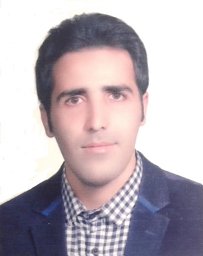 Arabloo Jalal合作论文数School of Public Health, Tehran University of Medical Sciences45Catalá-López F合作论文数44
 A.M. Samy合作论文数University of Kansas, University of Kansas42
 Ejaz Ahmad Khan合作论文数42
 Meretoja Tuomo J合作论文数Department of Plastic Surgery and Breast Surgery Unit, Helsinki University Central Hospital41
 Vafa Rahimi-Movaghar合作论文数Sina Trauma and Surgery Research Center, Tehran University of Medical Sciences41
 Gholamreza Roshandel合作论文数Research Center of Gastroenterology and Hepatology, Golestan University of Medical Sciences41
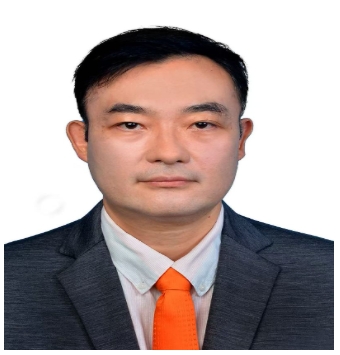 Yun Jin Kim合作论文数40Nelson Alvis-Guzman合作论文数40
 Azeem Majeed合作论文数Department of Primary Care & Public Health, School of Public Health, Imperial College London;Faculty of Medicine, Imperial College London40
 Ai Koyanagi合作论文数Sant Joan de Déu Research Institute40Walter Mendoza合作论文数39
 Farzadfar Farshad合作论文数Non-Communicable Disease Research Center, Tehran University of Medical Sciences;Shariati Hospital39
 Ali Bijani合作论文数39Lorenzo Monasta合作论文数39
 Chuanhua Yu (宇传华)合作论文数School of Public Health, Wuhan University39Anwar Rafay合作论文数38Alaa Badawi合作论文数38
 Samath D. Dharmaratne合作论文数Department of Health Metrics Sciences, Institute for Health Metrics and Evaluation, School of Medicine, University of Washington;Department of Community Medicine, Faculty of Medicine, University of Peradeniya, Sri Lanka38
 Maheswar Satpathy合作论文数37
 Farshad Pourmalek合作论文数University of British Columbia37
 Seyed-Mohammad Fereshtehnejad合作论文数University of Ottawa37
 Jagdish Khubchandani合作论文数Department of Nutrition and Health Science, Ball State University37
 Rafael Tabares Seisdedos合作论文数Department of Medicine, University of Valencia37Sawhney Monika合作论文数Marshall University37Isabela M. Bensenor合作论文数37
 Foad Abd-Allah合作论文数36
 Cuong T. Nguyen合作论文数Institute for Preventive Medicine and Public Health, Hanoi Medical University36




