Male infertility remains a major global health concern. Conventional semen analysis offers limited explanatory power, with most cases remaining idiopathic, underscoring the urgent need for novel biomarkers and mechanisms. Exosomes, 30–150 nm extracellular vesicles that transfer proteins, RNAs, and bioactive molecules, have emerged as pivotal regulators of male reproductive function. Epididymosomes promote sperm maturation and capacitation by delivering proteins and antioxidants. Prostasomes act post-ejaculation, supporting capacitation, the acrosome reaction, and immune protection within the female reproductive tract. Testicular exosomes regulate early spermatogenesis, particularly by modulating spermatogonial stem-cell proliferation and differentiation. Seminal-vesicle exosomes influence motility and fertilization, while bulbourethral exosomes may modulate seminal pH, ion balance, and viscosity. Dysregulation of these exosomal pathways has been linked to oligozoospermia, asthenozoospermia, and teratozoospermia. This review integrates mechanistic and translational evidence across seminal plasma exosome subtypes, emphasizes their reproductive functions, and highlights their diagnostic and therapeutic potential, offering a foundation for exosome-based precision medicine in male infertility.
To evaluate the efficacy and safety of Linggui Yangyuan Paste (LG) in treating male infertility caused by asthenozoospermia (AZS) and oligoasthenozoospermia (OAZS) associated with the Chinese medicine (CM) pattern of Shen (Kidney) deficiency and blood stasis. This randomized, double-blind, double-dummy, parallel-group, multicenter clinical trial enrolled 162 male infertility patients at 5 hospitals in China from June 2023 to February 2024. Using block randomization within strata, participants were assigned (1:1) to LG + Wuzi Yanzong Oral Solution (WZ) placebo or WZ + LG placebo for 12 weeks (each LG 1 sachet and WZ 1 vial, twice daily), with a 12-week follow-up. The primary outcome was the change in total progressive motile sperm count (TPMSC) from baseline to week 12. Secondary outcomes included pregnancy rate, CM symptom score (CMSS), and semen parameters including semen volume (SV), sperm concentration (SC), total sperm count (TSC), progressive motility (PR), and PR + non-progressive motility (NP). Prespecified subgroup analyses on cumulative pregnancy rate and semen parameters were performed for participants with AZS and OAZS. Safety was monitored throughout the trial. Of 162 randomized participants, 145 completed the trial (75 in the LG group and 70 in the WZ group) and were included in the per-protocol analysis. At week 12, the LG group showed significantly greater improvement in TPMSC compared to the WZ group, with an adjusted between-group difference of 8.81 × 10⁶ sperm (P<0.05, 95
This study aimed to establish Diagnostic criteria for kidney Yang deficiency syndrome in male infertility(referred to as "this criteria"). A preliminary questionnaire item pool was constructed through literature retrieval, in combination with male infertility-related textbooks, existing national standards, guidelines, and expert consensus documents, as well as expert interviews and group discussions. Two rounds of questionnaire surveys were conducted using the Delphi method to standardize the diagnostic criteria item pool and complete item supplementation and screening. Expert questionnaires were collected using the analytic hierarchy process(AHP) to statistically determine item weights and diagnostic thresholds. Finally, a diagnostic test was conducted by enrolling 105 participants to evaluate the diagnostic criteria, with sensitivity, specificity, accuracy, positive predictive value, negative predictive value, positive likelihood ratio, and negative likelihood ratio used as indicators of diagnostic efficacy at the established threshold. Based on the results of expert discussions, this criteria was established. After systematic literature screening, 66 articles were included. By incorporating textbooks, national standards, and consensus documents, all items were summarized, merged, and classified, resulting in an initial diagnostic criteria item pool of 39 items. The first round of the Delphi method retained 29 important items, and the second round retained 18 important items. AHP identified three levels of item weights, i.e., high, medium, and low. The primary symptoms for diagnosing kidney Yang deficiency syndrome in MI were finally determined as aversion to cold, soreness and weakness of the lower back and knees, a pale and swollen tongue, and a thin white tongue coating. The secondary symptoms were decreased libido, cold sensation in the lower abdomen or genital region, increased nocturnal urination, and a deep and weak pulse or a deep and slow pulse. Patients presenting all primary symptoms were diagnosed with this syndrome; patients presenting two primary symptoms together with any two manifestations from the secondary symptoms, physical signs, or pulse conditions were also diagnosed with this syndrome. After establishment of this criteria, 105 MI patients from the Department of Andrology, Xiyuan Hospital of China Academy of Chinese Medical Sciences were enrolled. Eligible participants were diagnosed using both the evaluated this criteria and the reference diagnostic criteria. The diagnostic efficacy of this criteria showed a sensitivity of 0.91, specificity of 0.88, and accuracy of 0.89. This study established Diagnostic criteria for kidney Yang deficiency syndrome in male infertility and completed clinical validation, providing a reference basis for the clinical diagnosis of MI with kidney Yang deficiency syndrome.
Background: Chronic prostatitis/chronic pelvic pain syndrome (CP/CPPS) is a heterogeneous condition with limited ideal therapeutic options. Acupuncture has shown clinical benefits for CP/CPPS, yet its molecular basis remains insufficiently characterized. Purpose: To elucidate potential molecular mechanisms of acupuncture in CP/CPPS using a network acupuncture strategy. Methods: Acupuncture-induced bioactive substances relevant to CP/CPPS were identified through a systematic literature search, and their putative high-affinity targets were predicted using the STRING database. CP/CPPS-associated genes were collected from GeneCards and DisGeNET with integrated screening. Overlapping targets were obtained via Venn analysis. Protein-protein interaction (PPI) networks and an "Acupuncture-Active Substance-Target-CP/CPPS" network were constructed in Cytoscape, and key targets were prioritized using the Maximal Clique Centrality (MCC) algorithm. Functional enrichment analyses were performed using the Database for Annotation, Visualization and Integrated Discovery (DAVID), which is commonly used for gene functional annotation and enrichment analysis. Results: We identified 655 shared targets between acupuncture-related components and CP/CPPS. PPI analysis highlighted IL6, IL1B, IFNG, TNF, IL10, CD4, IL4, CXCL10, IL2, and CXCL8 as the top hub targets, and enrichment yielded 1878 significant Gene Ontology (GO) terms, including 214 Kyoto Encyclopedia of Genes and Genomes (KEGG) pathways. Conclusion: Acupuncture may exert therapeutic effects in CP/CPPS through coordinated network-level regulation of immune inflammation, tissue repair, and central nervous system remodeling.
Varicocele is a common cause of male infertility, but the mechanisms by which it disrupts testicular homeostasis and impairs spermatogenesis remain incompletely elucidated. This article reviews current evidence on the multifactorial disturbances in the testicular microenvironment induced by varicocele, with a focus on hemodynamic, biochemical, and structural abnormalities. Anatomical predisposition, venous valve incompetence, and impaired venous return collectively lead to chronic venous hypertension, causing progressive dilation of the pampiniform plexus and severe hemodynamic dysregulation. These primary vascular abnormalities subsequently establish a foundation for downstream cellular damage, including testicular hyperthermia, hypoxia, and metabolic stress. Among these pathological processes, oxidative stress is widely recognized as a central mediator of testicular injury. Excessive reactive oxygen species overwhelm intrinsic antioxidant defenses, disrupt mitochondrial function, damage germ cell DNA, and impair epididymal sperm maturation, ultimately leading to reduced sperm concentration, motility, and viability. Simultaneously, elevated inflammatory cytokines and immune dysregulation further compromise Sertoli and Leydig cell function, activate inflammasome signaling and amplify inflammatory injury. These inflammatory signals also synergize with oxidative damage to disrupt the blood–testis barrier, resulting in increased permeability, autoimmune activation, and accelerated loss of germ cells. Structural impairment of the seminiferous epithelium, mitochondrial dysfunction, and the activation of intrinsic and extrinsic apoptotic pathways further exacerbate spermatogenic failure. Ultimately, varicocele induces a multifaceted and sustained cycle of testicular microenvironment disruption, impairing spermatogenesis at multiple levels—from Sertoli cell function and blood–testis barrier integrity to germ cell survival and sperm DNA stability.
To investigate the therapeutic effect of Kushen Tongguan Pill (KSTG) on benign prostatic hyperplasia (BPH) induced by castration combined with testosterone propionate in rats, and to explore its underlying mechanism associated with the Toll-like receptor 4/nuclear factor κB (TLR4/NF-κB) signaling pathway. A rat BPH model was established by castration combined with subcutaneous injection of testosterone propionate. Rats were randomly divided into sham group, BPH group, and low-, medium-, and high-dose KSTG groups (2.52, 5.04, and 10.08 g/kg). After 4 weeks of intervention, prostate wet weight was weighed and prostate index was calculated; histopathological changes were observed by hematoxylin-eosin (HE) staining; collagen deposition and fibrosis were evaluated by Masson’s trichrome staining; the expression of α-smooth muscle actin (α-SMA) was detected by immunohistochemistry; serum testosterone (T), estradiol (E2), and dihydrotestosterone (DHT) levels were measured by enzyme-linked immunosorbent assay (ELISA); peripheral white blood cell and neutrophil counts were measured using an automated hematology analyzer; toluidine Blue staining was performed to observe mast cell infiltration in prostate tissue to assess local chronic inflammation. RT-qPCR was used to detect the mRNA expression of key pathway molecules including TLR4, NF-κB p65, IKKα, and IKKβ, as well as inflammatory markers TNF-α, IL-1β, MCP-1, and iNOS in prostate tissue. Western blotting was performed to analyze the protein expression of key pathway molecules including TLR4, MyD88, IκBα, p-IκBα, NF-κB p65, and p-NF-κB p65, as well as the inflammatory marker iNOS in prostate tissue. For in vitro experiments, KSTG-containing serum was used to treat LPS/IFN-γ-induced THP-1-derived macrophages. The mRNA expression of M1 polarization markers (CD86, TNF-α, IL-6) in macrophages was determined by RT-qPCR. Subsequently, the conditioned medium from each macrophage group was collected, and its effect on WPMY-1 cell proliferation was evaluated by CCK-8 assay. Compared with the BPH group, KSTG dose-dependently reduced prostate volume, wet weight, and prostate index (P < 0.05) and improved the pathological morphology of glandular hyperplasia and interstitial thickening. KSTG dose-dependently reduced serum E2 levels and the E2/T ratio, and significantly decreased the abnormally elevated serum DHT levels (P < 0.05). KSTG also reduced peripheral white blood cell and neutrophil counts, downregulated the mRNA expression of TNF-α and IL-1β, and decreased the protein expression of iNOS in prostate tissue (P < 0.05). Toluidine blue staining further revealed that KSTG treatment reduced mast cell infiltration in the prostate, corroborating the alleviation of local inflammation (P < 0.05). Western blotting showed that KSTG significantly inhibited the protein expression of TLR4 and MyD88 in prostate tissue and suppressed the phosphorylation of IκBα and NF-κB p65 (P < 0.05). In vitro, KSTG-containing serum inhibited the mRNA expression of M1 polarization markers CD86, TNF-α, and IL-6 in THP-1-derived macrophages (P< 0.05). Moreover, the conditioned medium of macrophages pretreated with KSTG significantly attenuated the pro-proliferative effect on WPMY-1 cell proliferation (P < 0.05). This study has demonstrates that the KSTG Pill can significantly regulate M1 macrophage polarization to alleviate the prostatic hyperplasia and related hormonal level in the BPH rats. Its therapeutic mechanism is closely related to suppression of aberrant activation of the TLR4/MyD88/NF-κB signaling pathway in the prostate tissue, thereby reducing the polarization of macrophages to the M1 phenotype and the release of downstream pro-inflammatory factors. These findings provides experimental support for its clinical application, and and valuable insights for the development of novel BPH treatment strategies targeting the immune-inflammatory microenvironment.
The incidence of obesity and male infertility continues to rise, and a complex pathophysiological association exists between the two. However, the comorbid molecular mechanisms remain incompletely elucidated. In this study, bioinformatics and machine learning methods were integrated to systematically explore the shared mechanisms of obesity and male infertility, and to predict natural compounds and TCMs with therapeutic potential based on multi-omics data. Datasets of male infertility and obesity were obtained from the GEO database, and 43 intersecting genes were identified through differential expression analysis. Using three machine learning algorithms, including random forest, least absolute shrinkage and selection operator(LASSO) regression, and support vector machine(SVM), five Hub genes(MAP4K4, GPT2, ADSSL1, PAIP2, and GINS3) were screened. The combined diagnostic model achieved an area under the curve(AUC) greater than 0.8, indicating good diagnostic performance. Functional enrichment analysis revealed that these genes are mainly involved in key biological processes such as amino acid metabolism, cell migration, and DNA replication. Immune infiltration analysis showed a significant upregulation of central memory CD4~+ T cells in both diseases, suggesting that chronic immune activation is an important basis for their comorbidity. Single-cell sequencing and pseudotime analyses demonstrated disordered cell differentiation trajectories in the adipose tissue of obese patients and the testicular tissue of infertile patients. Based on the connectivity map(CMap) database, ten natural compounds, including berberine, curcumin, and ginsenosides, were predicted and further validated by molecular docking to have strong binding affinities with the Hub genes. Integration with the traditional Chinese medicine systems pharmacology(TCMSP) platform enabled the construction of a "target-natural compound-herbal medicine" interaction network, identifying 38 corresponding herbal medicines. Property and meridian analysis indicated a predominance of warm nature, sweet flavor, and liver meridian tropism, consistent with the TCM therapeutic principles of "resolving phlegm and dampness, strengthening the spleen, and tonifying the kidney". This study reveals, at the molecular level, the comorbid mechanisms of obesity and male infertility in immune-inflammatory regulation and cell differentiation dysfunction, providing a theoretical basis and potential drug targets for precise TCM intervention in obesity-related male infertility.
Background:Male infertility accounts for nearly half of infertility cases, with abnormal semen quality being a major cause. Pentoxifylline (PTX), a methylxanthine derivative with antioxidant and anti-inflammatory properties, has been proposed to improve semen parameters, but evidence remains inconsistent. This systematic review and meta-analysis aimed to assess the efficacy and safety of oral PTX supplementation compared with placebo in improving semen parameters and reproductive hormone profiles in infertile men. Methods:PubMed, Embase, Web of Science, and the Cochrane Central Register of Controlled Trials were searched from inception to July 2025. Randomized controlled trials (RCTs) comparing oral PTX with placebo in infertile men were included. Risk of bias was assessed using the Cochrane Risk of Bias 2 tool. Primary outcomes included semen parameters (sperm concentration, total motility, morphology, semen volume). Secondary outcomes comprised serum hormones [testosterone, follicle-stimulating hormone (FSH), luteinizing hormone (LH)]. Data were pooled calculating mean difference (MD) with 95% confidence intervals (CIs). Results:Five RCTs involving 455 participants were included. PTX dosages ranged from 800 to 1,200 mg/day, with treatment durations of 3 to 6 months. PTX supplementation correlated with increased total sperm motility (MD =10.44, 95% CI: 3.57-17.30) and normal morphology (MD =3.86, 95% CI: 1.01-6.71). Sperm concentration transiently improved at 3 months but did not differ significantly from placebo at 6 months. No significant differences were observed in testosterone (MD =0.22, 95% CI: -0.23 to 0.67) or FSH (MD =-1.51, 95% CI: -4.16 to 1.14) levels, whereas LH decreased marginally (MD =-0.97, 95% CI: -1.45 to -0.49). Reported adverse events were predominantly mild and gastrointestinal. Conclusions:PTX supplementation appears to enhance sperm motility and morphology in infertile men with a favorable safety profile. Its effects on sperm concentration and reproductive hormones are less consistent, and evidence on ultimate clinical effectiveness regarding pregnancy and live birth rates remains unproven. Larger, high-quality trials with reproductive endpoints are needed to clarify its clinical role.
Varicocele adversely affects male fertility by impairing semen quality, yet there remains no unified approach that combines advanced imaging and laboratory markers for clinical stratification. To develop a uniform clinical stratification system, we conducted a review of the literature across major databases. Shear wave elastography thresholds above 5.235 kPa and spermatic vein diameters exceeding 2.5 mm on color Doppler ultrasound demonstrated strong, independent correlations with decreased sperm concentration, motility, and morphology. Among laboratory tests, elevated follicle-stimulating hormone, low inhibin B, and others were consistently linked to poorer semen quality. Biomarkers such as cysteine-rich secretory protein 3 showed potential. We propose a multimodal stratification framework integrating evidence‑based cutoffs for shear wave elastography and color Doppler ultrasound with key laboratory indices. Adoption of standardized protocols and consensus guidelines will facilitate personalized diagnosis, improve prognostic accuracy, and guide management of varicocele‑decreased semen quality.
This article reviews recent advances of Aesculi Semen (AS), focusing on its phytochemistry, pharmacology, clinical application, and toxicity. We searched several databases using specific keywords in PubMed, Web of Science, Cochrane Library, Embase, China National Knowledge Infrastructure, Wanfang Data, and China Science and Technology Journal. The search terms encompassed Aesculi Semen, Suo luozi, Aesculus wilsonii Rehd, Chinese Buckeye Seed, etc., including dissertations, books, and Ph.D. and M.D. theses published from 1958 to 2024. Over 300 chemical constituents have been isolated and characterized from AS. Saponins are the primary characteristic components, alongside flavonoids, coumarins, fatty acids, and sterols. AS and its extracts display a range of pharmacological activities, including anti-inflammatory, anti-edema, antitumor, neuroprotective, gastrointestinal, and vascular regulatory properties. They are widely used clinically to manage inflammation, tumors, cardiovascular diseases, and gastrointestinal disorders. Although generally well tolerated, AS and its extracts can exhibit mildly toxic, which can be mitigated through appropriate dosing and formulation. AS is a valuable herb in Traditional Chinese medicine with considerable therapeutic potential. However, further research is needed to elucidate its clinical efficacy, identify its toxic components and target organs, and characterize its pharmacokinetic profile. It is also essential to establish rigorous quality control standards and to comprehensively analyze active ingredients beyond aescin present in both raw and processed AS preparations.
Background:Lycii Fructus (dried goji berry), the dried ripe fruit of Lycium barbarum L., has long been used in traditional Chinese medicine for its functions of tonifying the kidney, nourishing essence, soothing the liver, and improving vision. It has been widely applied to enhance male reproductive function. In recent years, modern pharmacological studies have revealed that Lycii Fructus is rich in various bioactive metabolites, particularly Lycium barbarum polysaccharides, betaine, carotenoids, and flavonoids, which exhibit antioxidant, anti-apoptotic, and hormone-regulating effects. This review aims to systematically summarize existing clinical and mechanistic studies on the protective effects of Lycii Fructus and its key metabolites on male infertility. Methods:A literature survey was conducted on studies reporting the effects of Lycii Fructus and its bioactive metabolites on male reproductive parameters, including spermatogenesis, hormone regulation, testicular structure, and molecular signaling pathways. Results:Evidence suggests that Lycii Fructus and its metabolites can improve male reproductive function and sperm quality by modulating the hypothalamic-pituitary-gonadal axis, alleviating oxidative stress, inhibiting testicular cell apoptosis, suppressing pro-inflammatory factors, reducing testicular fibrosis, and regulating autophagy. Animal studies have shown that these effects may be mediated through key signaling pathways such as PI3K/Akt, SIRT1/Nrf2, and AMPK/PGC-1α, thereby enhancing testicular steroidogenesis and antioxidant capacity, among other benefits, and mitigating reproductive damage induced by diabetes, obesity, radiation, and environmental toxins. Although clinical evidence supporting the use of Lycii Fructus alone to improve male infertility is still lacking, traditional Chinese medicine compound formulas containing Lycii Fructus have demonstrated good efficacy and safety in treating oligoasthenozoospermia. Given the increasing attention to the safety and preventive health potential of natural botanical medicines, Lycii Fructus is emerging as a promising natural therapeutic agent for the treatment of male infertility. Conclusion:Lycii Fructus and its metabolites show promising therapeutic potential for male infertility by improving sperm quality, protecting testicular structure and function, and mitigating damage induced by various stressors.
BACKGROUND:The monocyte-to-high-density lipoprotein cholesterol ratio (MHR), an indicator of inflammation and lipid metabolism, has demonstrated significant clinical potential. The study aims to investigate the association between the MHR and total testosterone (TT) levels, as well as testosterone deficiency (TD) risk, utilizing data from the NHANES. METHODS:We analyzed data from 6,194 adult men from NHANES 2011-2016. Multivariate linear and logistic regression analyses were conducted to evaluate associations of MHR with TT levels and TD risk, respectively. Restricted cubic spline (RCS) analyses and subgroup analyses further assessed the robustness of our findings. RESULTS:In the fully adjusted model, each unit increase in log-transformed MHR was associated with a decrease in TT (β = -47.91, 95% CI: -62.39, -33.43, P < 0.001) and an increase in TD risk (OR = 1.81, 95% CI: 1.46, 2.24, P < 0.001). RCS analysis confirmed a linear relationship, and the findings were consistent across subgroup analyses. CONCLUSIONS:This study showed that in the United States (US) adult men, a high MHR is linked to low TT levels and a higher TD risk. These findings suggest MHR could be a useful marker for early detection of low testosterone and TD risk, warranting further prospective research for confirmation.
Background:Benign prostatic hyperplasia (BPH), as a cause of various lower urinary tract symptoms (LUTS), can improve patients' quality of life when effectively controlled. To elaborate on the effect of dietary calcium intake on BPH, we investigated the association between dietary calcium intake and the risk of BPH using data from the National Health and Nutrition Examination Survey (NHANES). Methods:Data from the NHANES conducted from 2003 to 2008 were utilized. BPH was identified through self-reported questionnaires, and dietary calcium intake was calculated based on the mean of two 24-hour dietary recall interviews. Multivariable logistic regression analyses were performed to assess the association, supplemented by restricted cubic spline analysis and subgroup analyses. Results:A total of 590 males aged 40 years and older were included in the study, of whom 138 had BPH. After adjusting for all covariates, a higher dietary calcium intake was associated with an increased risk of BPH [odds ratio (OR), 1.05; 95% confidence interval (CI): 1.01-1.09; P=0.04], and those without hypertension. Conclusions:The study found a positive association between dietary calcium intake and the risk of BPH among U.S. men aged 40 years and older. High calcium intake may be associated with the occurrence of BPH, particularly in older individuals. These findings underscore the importance of monitoring dietary calcium intake as part of BPH prevention strategies.
Background:Asthenozoospermia is a leading cause of male infertility with limited treatment options. Emerging evidence implicates epigenetic alterations, particularly DNA methylation, in its pathogenesis. The Qixiong Formula (QXF) has shown clinical efficacy in improving sperm motility, yet its underlying epigenetic mechanism remains unclear. This study therefore aimed to investigate the therapeutic effects of QXF and its regulation of genome-wide sperm DNA methylation in a rat model of asthenozoospermia. Methods:Asthenozoospermia was induced in male Sprague-Dawley rats via oral administration of ornidazole (400 mg/kg/day) for 28 days. Rats were treated with low, medium, or high doses of QXF. Semen parameters, testicular and epididymal histology, organ coefficients, and liver and kidney function were assessed. Reduced representation bisulfite sequencing (RRBS) was used to profile genome-wide DNA methylation in sperm and identify differentially methylated regions (DMRs), followed by Gene Ontology (GO) and Kyoto Encyclopedia of Genes and Genomes (KEGG) pathway enrichment analyses. Results:QXF significantly improved sperm motility without affecting sperm concentration or systemic toxicity. Histological analysis showed partial recovery of epididymal architecture in QXF-treated rats. RRBS revealed that QXF induced a shift toward global hypomethylation in sperm DNA, reversing the hypermethylation pattern observed in the model group. Enrichment analyses implicated several key signalling pathways in QXF's action, particularly cAMP, cGMP-PKG, and PI3K/Akt pathways, which are known to regulate sperm motility and survival. Conclusions:QXF improves sperm motility and reverses aberrant methylation patterns in a rat model of asthenozoospermia. These findings suggest that QXF exerts its therapeutic effect through dual regulation of DNA methylation and activation of sperm-related signalling pathways, offering new insights into the epigenetic basis of its action.
ETHNOPHARMACOLOGICAL RELEVANCE:Kidney-tonifying herbal formulas have a long history of use in China and other Asian countries for enhancing sperm motility. However, the therapeutic mechanisms involving seminal plasma exosomes (sEVs) remain unexplored. AIM OF THE STUDY:This study employs the kidney-tonifying Chinese herbal medicine Linggui formula (LG) as a representative to investigate its mechanism in treating asthenozoospermia (AS) through the modulation of sEVs. MATERIALS AND METHODS:In vitro, sEVs were isolated from AS patients, AS patients post-LG treatment, and healthy subjects, followed by analysis of differential Wnt protein expression. Spermatozoa from AS patients were cultured with these sEVs to assess motility and uptake, and sperm p-LRP6, p-GSK3, and Septin4 expression after sEVs treatment was evaluated. In vivo, the Wnt signaling effects of sEVs from different rat epididymal segments, testis, and prostate were compared to identify the therapeutic target of LG for AS. RESULTS:sEVs were successfully isolated and characterized, revealing that sperm retain the capacity to receive signals in vitro, allowing sEVs-mediated influence on their activity. LG upregulated sEVs-mediated Wnt signaling, activating the phosphorylation of sperm LRP6, reducing GSK3 activity, and promoting Septin4 polymerization, thereby enhancing sperm motility. In vivo studies demonstrated the presence of multiple Wnt ligands with distinct expression patterns across different locations within the reproductive system. CONCLUSION:LG may enhance sperm motility by modulating Wnt proteins in the epididymis, testis, and prostate, thereby upregulating sEVs-mediated Wnt signaling via the LRP6/GSK3/Septin4 pathway.
[This corrects the article DOI: 10.3389/fphar.2025.1613156.].
BACKGROUND:The ancient Chinese corpus of sexual knowledge, known as Fangzhongshu (ancient Chinese sexual techniques, ), encompasses a variety of concepts related to sexual physiology and psychology, sexual behavior techniques, and therapeutic approaches to sexual dysfunctions. As a part of the traditional Chinese medicine (TCM), Fangzhongshu has been representing an essential guideline for sexual health in large parts of the Oriental context, albeit focusing predominantly on male sexual health. OBJECTIVES:This study aims to analyze the ancient Chinese literature and available articles related to Fangzhongshu and to provide a unique perspective of an integrated Western and TCM treatment approach for male sexual dysfunctions (MSDs). MATERIAL AND METHODS:We performed a narrative review on the topic by retrieving the relevant literature from both English and Chinese databases to identify studies or classical texts discussing Fangzhongshu and related sexual practices. RESULTS:Fangzhongshu has undergone significant evolution across the centuries, integrating sexual practices with the principles of health preservation and longevity, ultimately forming a comprehensive theoretical and practical system that aligns with each of the four stages of the Masters and Johnson's sexual response cycle: excitement, plateau, orgasm, and resolution. Fangzhongshu offers distinctive behavioral techniques for managing MSD, particularly premature ejaculation, that parallel-but also enrich-Western methods. For instance, the "Three Peaks Foreplay" (stimulating tongue, breasts, and vulva sequentially) resembles Western sensate focus, offering a structured approach grounded in traditional theories of energy regulation. CONCLUSIONS:The future development of Fangzhongshu faces several challenges, including integrating it with contemporary therapeutic models and establishing standardized protocols and guidelines for clinical practice. High-quality randomized controlled trials are needed to validate its efficacy and safety. Nevertheless, Fangzhongshu offers a unique perspective for sexual medicine research and holds potential for enhancing sexual health and well-being.
Background: Traditional Chinese Medicine (TCM) has been utilized for the treatment of sexual dysfunction in China for thousands of years, and in recent years, despite advancements in this field, the efficacy of phosphodiesterase-5 inhibitors (PDE5i) for managing diabetes mellitus erectile dysfunction (DMED) remains limited. Therefore, many patients with type 1 DMED or type 2 diabetes mellitus erectile dysfunction (T2DMED) are turning to combination therapy involving PDE5i and TCM. The Hongjing Qiwei (HJQW) formula, a traditional TCM formulation, has been used to address DMED based on TCM principles. Methods: This study presents a randomized, controlled, double-blind, single-dummy clinical trial protocol designed to evaluate the efficacy and safety of combining TCM with PDE5i in the treatment of T2DMED. The participants will be randomly assigned to one of two groups: the treatment group, receiving tadalafil 5 mg combined with the HJQW formula, and the control group, receiving tadalafil 5 mg combined with a placebo mimicking the HJQW formula. The intervention will be administered over 6 consecutive weeks, with an additional 4 weeks allocated for follow-up. Primary and secondary outcomes will be assessed at baseline and at weeks 2, 4, 6 and 10. Results: Although emerging evidence suggests that TCM therapies may enhance erectile function in patients with sexual dysfunction, their specific efficacy in T2DMED remains underexplored. Conclusions: This study aims to address this gap and provide empirical evidence supporting the use of combination therapy in treating male sexual dysfunction. Clinical Trial Registration: This study was registered with http://www.chictr.org.cn as: ChiCTR2400085314.
BackgroundMale infertility (MI) has become a global public health challenge, and varicocele (VC) is considered a common cause of male reproductive disorders. Although scientific research on MI has increased in recent years, there is still a significant lack of systematic integration and analysis of related publications.ObjectiveThis study employs bibliometric methods to conduct a comprehensive visual analysis of research on MI and VC from 2004 to 2024, aiming to depict the evolutionary trajectory, knowledge framework, and research frontiers in this field.MethodsTools such as VOSviewer, CiteSpace, Scimago Graphica, Pajek, R-bibliometrix, and R packages were used for bibliometric analysis and visualization of literature retrieved from the Web of Science database.ResultsFrom 2004 to 2024, publications on MI and VC have shown exponential growth, with the most pronounced increase occurring in 2020. At the national level, United States and China were the major contributors. Institutionally, the Cleveland Clinic and McGill University emerged as leading research centers. At the author level, Agarwal A. and Esteves S.C. were identified as the most influential contributors. Regarding journals, Andrologia and Fertility and Sterility served as major publication platforms. Keyword analysis delineated the key research domains within MI and VC. High-frequency keywords such as oxidative stress, DNA fragmentation, and spermatogenesis underscored the central research focus on oxidative damage and spermatogenic mechanisms, whereas terms such as varicocelectomy and microsurgery highlighted the sustained clinical interest in surgical interventions. Burst detection suggested a recent shift of research hotspots toward inflammation, lipid peroxidation, obesity, and antioxidant therapies such as vitamin E. Strategic diagram analysis further demonstrated that this field integrates both fundamental and interdisciplinary characteristics. Core topics such as testis and apoptosis were identified, along with well-developed but relatively isolated directions, collectively reflecting a trend of progressive integration from mechanistic exploration to clinical application.ConclusionThrough bibliometric analysis, this study reveals a significant upward trend in research on MI and VC, reflecting the growing academic attention to multiple directions within the field. Moreover, it systematically maps the intellectual structure and developmental trajectory of the discipline, providing a comprehensive framework for understanding its current status, research foci, and emerging trends.
Background: Premature ejaculation (PE) is a largely prevalent sexual complaint that can lead to distress in couple relationships and can significantly reduce patients' quality of life. Despite the considerable progress in PE research in the last decades, there is still a lack of visual and summarized literature for comprehensive understanding.Objective: This study aims to identify collaboration patterns among different authors, countries, and institutions in PE research and explore the hotspots and prospects in the field.Methods: On January 22, 2024, we conducted a search of all relevant literature in the Web of Science Core Collection (WoSCC) database from January 1, 2004, to December 31, 2023, and supplemented the search with PubMed database for author publication volumes. Visual analyses of authors and keywords were performed using the bibliometrix R package, CiteSpace, and VOSviewer software.Results: In the field of PE, 5457 authors contributed to 1760 articles published across 442 journals. The number of publications gradually increased from 2004 to 2023, with a relatively stable trend in the past 5 years. The Journal of Sexual Medicine (340 papers) had the highest number of publications, and positive collaboration was observed among countries and institutions. Several core author groups emerged, including Jannini EA (60 WoSCC/67 PubMed papers), Waldinger MD (59 WoSCC/90 PubMed papers), and Rowland DL (51 WoSCC/68 PubMed papers), contributing significantly to the literature. The United States was the major contributor, with 384 papers. Keyword cluster analysis revealed that research focuses on PE diagnosis, pharmaceutical treatment (e.g., selective serotonin reuptake inhibitors [SSRIs] and antidepressants), etiology (e.g., serotonin [5-HT], NOS, and vas deferens), and relationships with prostate, thyroid, anxiety, depression, and other risk factors.Conclusion: Based on the knowledge map, this study provides an intuitive representation of the recent 20 years of PE research, offering a preliminary analysis of major research teams and exploring research hotspots, frontiers, and trends. This analysis aims to guide researchers and serve as a reference for future research on PE.
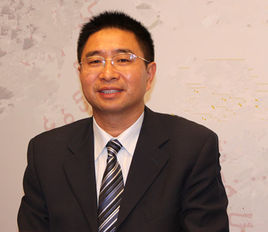 Jun Guo (郭军)合作论文数中国中医科学院西苑医院88
 QingHe Gao (高庆和)合作论文数73JiWei Zhang (张继伟)合作论文数57ShengJing Liu (刘胜京)合作论文数43Bin Yan (晏斌)合作论文数42Qiang Geng (耿强)合作论文数34Guo-Jin Yu合作论文数26DU Guanchao (杜冠潮)合作论文数25Qiang HAN (韩强)合作论文数23Hao Wang合作论文数20ZHAO Feng (赵丰)合作论文数20Hao WANG (王浩)合作论文数18Dongyue Ma合作论文数17Ziwei Zhao合作论文数17Yin Ceng (曾银)合作论文数17YANG Jiutian (杨九天)合作论文数13
 Elena Colonnello合作论文数13XiuJu Zhang (张修举)合作论文数13JunFeng Qiu (邱俊峰)合作论文数13Yu Liu (刘煜)合作论文数12DENG Ying-jun (邓楹君)合作论文数11YU Wenxiao (于文晓)合作论文数10
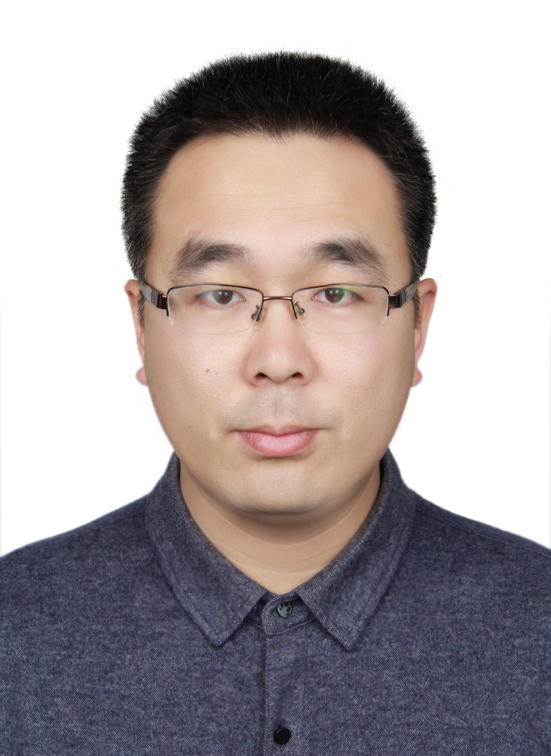 Jiayou Zhao (赵家有)合作论文数Graduate School of China Academy of Chinese Medical Sciences/Xiyuan Hospital, China Academy of Chinese Medical Sciences10Emmanuele A. Jannini合作论文数9ZHAO Ming (赵明)合作论文数8
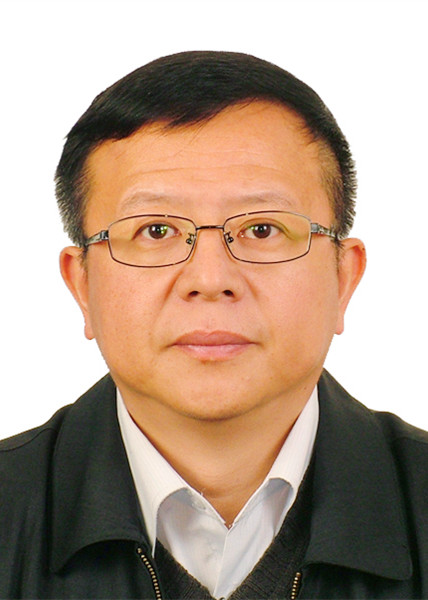 Chunsheng Song (宋春生)合作论文数中国中医科学院研究生院8Ren Kai (任凯)合作论文数7Boda Guo合作论文数7Qiang Zhang (张强)合作论文数7
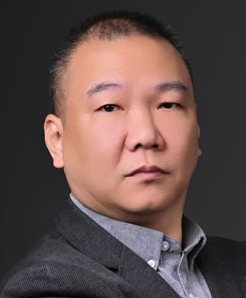 Hui Zhang (张辉)合作论文数School of Intelligent Systems Engineering, Sun Yat-Sen University7
 HeTian Wang (王和天)合作论文数Beijing Hospital of Traditional Chinese Medicine7WANG Ren-yuan (王任远)合作论文数5Yin Zeng合作论文数5DianChi Liu (刘殿池)合作论文数5
 Andrea Sansone合作论文数5Chong-fu ZHONG (仲崇副)合作论文数4Shaofeng CHEN (陈少峰)合作论文数4XiuQuan Wu (吴秀全)合作论文数4Zhong Li (李重)合作论文数4Yu Zhao (赵玉)合作论文数4
 Degui Chang (常德贵)合作论文数成都中医药大学4
 Liping Kang (康利平)合作论文数National Resource Center for Chinese Materia Medica, China Academy of Chinese Medical Sciences4CHEN Yazhou (陈亚洲)合作论文数3Guangdong Hou合作论文数3ChunHe Zhang (张春和)合作论文数3Yong Wang (王永)合作论文数3
 Jianlin Yuan (袁建林)合作论文数Air Force Medical University3




