Sleep quality assessment is crucial for health monitoring, yet traditional polysomnography remains expensive and inaccessible for continuous monitoring. This study investigates machine learning and deep learning approaches for predicting sleep efficiency from easily measurable behavioral and physiological parameters. We evaluated three architectures—Random Forest Classifier, Long Short-Term Memory (LSTM) networks, and Feedforward Neural Networks—on a dataset of 452 individuals containing demographic, sleep pattern, and lifestyle data. The data underwent preprocessing and binary classification at a 0.55 sleep efficiency threshold, with models trained on an 80-20 train-test split. Results demonstrated that the LSTM architecture achieved superior performance with 94% test accuracy, outperforming Random Forest (92%) and Feedforward Neural Network (91%). The LSTM effectively captured complex, non-linear relationships between sleep-related features, while Random Forest provided competitive performance with greater computational efficiency. These findings validate the effectiveness of deep learning architectures for sleep quality prediction and demonstrate the feasibility of developing accessible, accurate sleep monitoring systems based on readily available measurements, potentially democratizing sleep health assessment without requiring specialized laboratory equipment.
The rapid modernization of precision agriculture has introduced sophisticated and autonomous platforms. However, the human-machine interface (HMI) for these systems often remains a bottleneck. Complex Radio Frequency (RF) controllers, characterized by multi-axis joysticks and non-intuitive switchgear, impose a steep cognitive load on operators, particularly in the demographics typical of the farming sector. This study proposes a bio-intuitive control framework for the CAMeL agricultural robot, a quad-motored platform developed at Obuda University, and describes a methodology to decode neuromuscular intent using Surface Electromyography (sEMG) to translate natural hand gestures into steering commands. The system employs a signal conditioning pipeline that addresses specific artifacts i.e. DC offset and baseline wander, followed by a hybrid Deep Learning architecture. By cascading 2D Convolutional Neural Networks (CNN) for spatial feature extraction from 8 sEMG channels, with Long Short-Term Memory (LSTM) networks for temporal sequence modeling, the presented model achieves robust classification of dynamic gestures achieving accuracies of 80.5% and 84.8% for horizontal and vertical wrist rotation, respectively. While the fist activity is estimated with 99.59% of accuracy. Preliminary results suggest that the proposed approach offers a fluid and natural alternative to complex joystick maneuverability.
This review synthesizes current research on Large Language Model (LLM)-enhanced curriculum design, examining frame-works, methodologies, and practical implementations across diverse educational contexts. We analyze prominent LLM platforms including GPT-4, Claude, and Gemini, their applications in content generation, assessment development, and instructional design automation. Key findings indicate that available evidence suggests Human-in-the-Loop (HITL) approaches offer advantages over fully automated systems in maintaining pedagogical quality and domain accuracy. Critical success factors include structured prompt engineering, multi-stage validation protocols, and platform-agnostic design principles. Technical challenges encompass token capacity limitations, mathematical content formatting, and platform-specific knowledge gaps. Evidence suggests that optimal outcomes emerge from iterative human-AI collaboration within HITL frameworks, rather than complete or minimally supervised automation, with educator supervision remaining essential for quality assurance, while identified re-search gaps point to promising future directions for AI-assisted educational content development.
Bayesian calibration of process-based models requires a prior distribution for each model parameter. Despite decades of methodological work, researchers almost always fall back on uniform priors. The main reason is that building informative priors from scientific literature is slow and needs both domain and statistical expertise. We present Distribird, an agentic web application that automates this process. Given a parameter name, physical description, and domain context, Distribird deploys a multi-agent pipeline that searches the literature, extracts and weights reported values by domain relevance, and fits a probability distribution via AIC model selection. When no literature is available, the system falls back to sensible uninformative alternatives, and clearly reports both the evidence behind and the confidence level of every prior it produces. It is designed for the problems where the models have physically interpretable parameters, where domain knowledge exists in the published literature. We evaluate the tool on 24 parameters across 10 scientific domains comparing three open-weight models (Qwen3.6 27B, Gemma 4 31B, Mistral Small 4 119B) with a single-prompt LLM baseline. On prior quality the full pipeline matches this baseline. Every prior is traced to the specific papers and values from which it was constructed; a built-in validity layer declines to produce priors for out-of-scope requests, whereas the single-prompt baseline returns confident but unfounded priors for them in 11 of 30 model–parameter cases; and every language-model call runs locally, so no parameter description or unpublished modelling detail is transmitted to a third-party LLM provider (only generated search terms reach the public literature databases). For scientific use, we argue these properties matter more than a marginal improvement in point-estimate accuracy.
This study investigates the public's awareness and perception of innovation ecosystems in Hungary, a non-mature economy where university-owned Science Parks (SPs) are central policy instruments. By integrating the Quadruple Helix Model with the consumer co-creation megatrend, our research provides a novel conceptual framework for understanding stakeholder engagement. The key research question is „How does the public's perception of universities as innovation drivers and their awareness of Science Parks vary across different demographics and sectors in Hungary?" We use a quantitative survey with a nationally representative sample of Hungarian adults. The findings reveal a significant lack of awareness of Science Parks, which is correlated with key demographic variables like age and education level. In addition, statistically significant difference was found in the perceived innovativeness of education sector versus further business sectors. The paper offers actionable recommendations for Science Park managers and policymakers to foster public engagement and generate shared value by focusing on tangible outcomes and community integration. This research provides a foundational empirical basis for future studies on consumer-driven innovation in emerging economies.
The post-pandemic evolution of education involving mechatronics and machine learning has shifted the demand for robotic hardware from centralized laboratories to accessible laboratories in home environments. This paper presents a portable three-wheeled holonomic robotic platform designed for remote research and home office experimentation. The proposed system utilizes a modular design and low-cost philosophy comprising a custom embedded control system driven by an ESP32-WROOM microcontroller, which manages a closed-loop PID velocity controller using Hall effect feedback from three DC micromotors. In contrast, external nodes allow the reception, conditioning, and classification of 8-channel surface electromyography (sEMG) data sampled at 500 Hz. To address the non-stationarity and stochastic noise in raw sEMG signals, this study implements a hybrid Deep Learning (DL) architecture that complements 2D Convolutional Neural Networks (CNN) for spatial feature extraction with Long Short-Term Memory (LSTM) networks for temporal context awareness. This model decodes the neuromuscular intent of the user into real-time holonomic velocity vectors, achieving validation accuracies of 80.51% for horizontal movement, 84.86% for vertical translation, and 99.56% for the Fist/no-Fist state. By synthesizing advanced AI-based teleoperation with a portable design, this study establishes a scalable framework for the next generation of “laboratory-at-home” educational tools and research regardless of physical location.
The constant daily management of diabetes often leads to a heavy psychological toll known as diabetes distress, which affects a substantial portion of the patient population and actively worsens blood sugar management. Although the standard Diabetes Distress Scale serves as the primary clinical tool for evaluating this mental strain, limited consultation time and self-reporting inaccuracies severely restrict its practical use.To address this, our research presents an innovative, fully automated clinical support system. By combining Large Language Models and Retrieval-Augmented Generation, the framework constructs a psychological "digital twin" for individual patients. Utilizing the LangGraph architecture, this tool estimates subjective distress levels by evaluating various objective factors, including clinical history, demographics, and lifestyle habits.When elevated psychological risk is identified, the system automatically queries a vectorized repository of major clinical guidelines to generate tailored, evidence-based interventions. By analyzing distinctly different patient profiles - one struggling with significant distress and another showing optimal disease control - the study demonstrates the framework’s possible ability to deliver precisely targeted psychosocial care rather than broad, generic advice.Although currently functioning as a proof-of-concept that requires further validation across broader datasets, this design suggests a potentially scalable method for embedding mental health assessments directly into routine medical visits, ultimately aiding healthcare providers in identifying and treating diabetes distress proactively.
Tailoring cancer treatment to individual patients is very difficult because drugs, tumor growth, and immune responses, and cytokine signals interact, all of which are complicated by the unique biology of each patient. To solve this, this work introduces a simulation tool using Simulink that models these interactions to help pick the best treatment strategy. At its core, is a 15-equation ordinary differential equation (ODE) model, which include various processes, including pharmacokinetics, immune activation, T-cell maturation delays, IL-2 signaling, cytokine signaling, T-cell exhaustion, and tumor-growth kill dynamics. To ensure the model truly translates to real-world clinical settings, its individual components were carefully calibrated using a mix of in vitro immune data, cytokine release assays, and preclinical datasets, subsequently refining the uncertain variables through Bayesian and non-linear mixed-effects (NLME) estimation. The simulations successfully mirrored key biological realities, such as drug decay profiles, the precise timing of immune responses, and the delayed regression of tumors. These findings highlight the model's strong capacity to accurately capture patient-to-patient differences in treatment response, as well as the phenomenon of immune-driven tumor relapse. Ultimately, this framework serves as a robust and adaptable in silico platform for evaluating multidrug cancer treatments, laying crucial groundwork for the future development of patient-specific computational models in precision medicine oncology.
Accurate, reliable, and efficient estimation of blood glucose dynamics from real-world data is challenging due to the time-varying nature, high uncertainty, and nonlinear interplay of complex processes. In this study, we propose and investigate a stochastic representation of a virtual population by fitting a hierarchical Bayesian model. In total, we use 500 24h-long sequences, 50 from each of the 10 patients with type 1 diabetes on multiple daily injection therapy. We model uncertainty on multiple levels, in physiology and in self-reported events, and take into account intra- and interday variability, and the effect of physical activity as well. The root-mean-square error between the glucose measurements and the mean of the posterior predictive distribution using the fitted low-rank multivariate normal guide is 12.44 mg/dL. We show that the posterior distributions can be used to simulate realistic intra-, and interday variability in terms of the investigated patient cohort.
Containerized microservice architectures have become prevalent in modern distributed systems, yet accurate resource sizing remains challenging due to fluctuating workloads. This paper presents ContSysSim, an open-source Python framework that enables simulation-driven optimization of containerized systems through discrete-event modeling with integrated fluctuation effects and temporal resource reservations. We introduce a workflow combining real-world measurement collection via an Analyzer component with simulation to support infrastructure design decisions. Experimental validation demonstrates 26% resource reduction while maintaining performance. Case studies show that ContSysSim effectively models resource patterns and enables data-driven capacity planning for containerized infrastructures.
Workload and psychological stress, which industrial workers perceived as stressors, affected their performance after they were exposed to the work content. A model simulating the stress-performance of a working individual is a beneficial tool for work task design and production management, enabling long-term Human Resource Development. Current models and concepts lack the construction of work-content components, human centricity, and the mechanism of stress transformation and effect; therefore not able to reproduce subtle human behaviors. This paper formulates this problem with a multi-disciplinary literature review, and proposes a conceptual qualitative system dynamics model to simulate the stress and performance of workers in a given work environment and conditions. By replicating the changes in work content with associated effects, human-centric solutions and interventions can be designed. A use case in the Vensim environment with different simulated scenarios returned behavior and tendency in the outputs that aligned with phenomena reported in relevant studies. The model enables analysis of human factors in complex manufacturing systems, especially the effect of work content on individual workload-stress perception, benefiting future development of Human Digital Twins. This research calls for experiments and clinical trials to strengthen the existing associations between model factors and more effort for developing realistic mechanisms for modeling human factors in Industry 5.0.
Large language models (LLMs) are transforming medical artificial intelligence (AI) through three deployment paradigms. Text-only LLMs achieve near-expert performance on medical licensing benchmarks but cannot process images directly. Vision-language models (VLMs) enable radiology report generation, dermoscopic diagnosis, and fundus image grading through joint image-text representations, though at the cost of large annotated corpora and limited interpretability. Agentic LLMs employ a central model that orchestrates specialised external modules for segmentation, classification, and knowledge-graph reasoning, delivering superior modularity and auditability but introducing inference latency and orchestration complexity. We compare these paradigms across four medical domains (neuro-oncology, dermatology, ophthalmology, and cardiology) along eight dimensions. We conclude with a research agenda for hybrid architectures leveraging the complementary strengths of all three paradigms.
Several prior studies focused on the estimation of the probability of Type 2 Diabetes Mellitus (T2DM) complications. None of the references used sophisticated mathematical models to simulate the long-term progression of the disease when estimating the probability of a complication. This study extends an existing T2DM model to predict the probability of Diabetic Retinopathy. The benefit of this approach is that we will need much less information to predict the probability of a complication than in a standalone model, as the progression of diabetes will be estimated with an identifiable model. To expand the model, a detailed qualitative analysis was required first to write the model equation along with relationships that can be supported by the pathogenesis of diabetes and the biological background of the development of complications. Then the collection of data necessary for setting up the model, which in the course of our present work was implemented by quantitative analysis of publicly available data releases. The next step was to write the model and identify it using the available data. Finally, we validated the model using a data set from a data source independent of the previous ones and evaluated the results. In the course of our present work, we focused on the probability of developing Diabetic Retinopathy. The completed model is suitable for supplementing the simulation of the initial model in such a way as to estimate the probability of retinopathy appearing in a patient during the progression of the disease.
Automated brain tumor classification has garnered considerable attention as a research area, with Convolutional Neural Networks (CNN) and deep learning emerging as the standard tools for developing cutting-edge solutions. In this paper, we propose a Vision Transformer (VIT) architecture and examine their efficacy and limitations. Our evaluation process encompasses various parameter configurations, including different image size, transformer block number, and patch size. We conduct training and testing on a publicly available brain tumor classification dataset containing 3064 images across three tumor classes: meningioma, glioma, and pituitary tumor. Through rigorous evaluation, we find that our proposed VIT model can achieve competitive performance compared our previous CNN model. The best results include an overall Dice similarity score and correct decision rate of 98.9%, with AUC values exceeding 99.6% for each tumor class.
Large Language Models (LLMs) offer new opportunities to improve nearly every phase of academic research, from ideation and literature discovery to experimental design, manuscript preparation, and peer review. This survey examines how LLMs have been used as research assistants over the past two years, integrating findings from multiple academic databases to identify best practices and emerging methodologies. To clarify the scope of the review, we address the following research questions: (1) In what ways have LLMs been used to support or automate different stages of the research lifecycle? (2) What challenges and ethical concerns arise from the use of LLMs in academic research? (3) What trends and promising directions can guide the responsible integration of LLMs as research assistants?By analyzing peer-reviewed studies and selected reports from the past two years, we identify patterns of adoption, emerging methods, and concerns about accuracy hallucination, and authorial integrity. We find that while LLMs significantly reduce time spent on routine tasks, their use must be accompanied by human oversight and rigorous validation frameworks.These insights lay the groundwork for the discussion that follows, which begins by contextualizing the current research environment and the role of LLMs within it. While LLMs cannot replace human expertise, they hold promise in transforming scholarly inquiry into a more efficient, collaborative, and innovative process.
In light of the demographic shift towards an aging population, there is an increasing prevalence of dementia among the elderly. The negative impact on mental health is preventing individuals from taking proper care of themselves. For individuals requiring hospital care, those receiving home care, or as a precaution for a specific individual, it is advantageous to utilize monitoring equipment to track their biological parameters on an ongoing basis. This equipment can minimize the risk of serious accidents or severe health hazards. The objective of the present research project is to design an armband with an accurate location tracking system. This is of particular importance for individuals with dementia and Alzheimer’s disease, who frequently leave their homes and are unable to find their way back. The proposed armband also includes a fingerprint identification system that allows only authorized personnel to use it. Furthermore, in hospitals and healthcare facilities the biometric identification system can be used to trace periodic medical or nursing visits. This process improves the reliability and transparency of healthcare. The test results indicate that the armband functions in accordance with the desired design specifications, with performance evaluation of the main features including fall detection, where a hit rate of 100% was obtained, a fingerprint recognition test demonstrating accuracy from 88% to 100% on high-quality samples, and a GPS tracking test determining position with a difference of between 1.8 and 2.1 m. The proposed solution may be of benefit to healthcare professionals, supported housing providers, elderly people as target users, or their family members.
This paper introduces an integrated Hardware-In-the-Loop (HIL) testing framework, combining the UVA/Padova Type 1 Diabetes Simulator with AndroidAPS, an open-source artificial pancreas system. This integration forms a testing environment capable of evaluating insulin regulation algorithms under both virtual and real hardware conditions. The FDA-approved UVA / Padova Simulator models glucose-insulin dynamics and meal digestion. Paired with AndroidAPS, the system can actuate real-world insulin pumps to test insulin delivery control algorithms. The framework is tied together by various REST APIs and uses the Flask framework for efficient data exchange and system connectivity. The HIL approach provides a robust platform for functional and reliability testing of these algorithms. The developed APIs are open-source: https://github.com/OE-Diab/AP-HIL
Deep Learning (DL) techniques have revolutionized the processing and analysis of electroencephalography (EEG) signals in brain-computer interface (BCI) technologies, particularly for motor execution and imagery paradigms. This review provides a comprehensive analysis of deep learning methods for EEG signal processing, examining various preprocessing techniques, feature extraction approaches, and classification methodologies for BCI frameworks. We systematically compare signal processing pipelines, neural network architectures, and their effectiveness for specific motor tasks. The paper examines the progression from traditional signal processing techniques to modern convolutional neural networks and hybrid architectures. By identifying current limitations and future research directions, this work can serve as a valuable reference for researchers developing novel applications in rehabilitation, assistive technologies, and human-computer interaction [1].
 Levente Kovacs合作论文数116
 Lehel Denes-Fazakas合作论文数28
 Máté Siket合作论文数Institute for Computer Science and Control, Budapest 1111, Hungary28
 Laszlo Szilagyi合作论文数25
 Imre J. Rudas合作论文数University Research and Innovation Center, Obuda University24
 József K. Tar合作论文数Antal Bejczy Ctr Intelligent Robot, Obuda Univ19
 Balazs Barta合作论文数15
 Ferenc Tolner合作论文数15
 Dániel Andras Drexler合作论文数14
 Laszlo Barkai合作论文数Pediatric Clinic11
 Arpad Varga合作论文数Óbuda University,Doct. School of Appl. Inf. and Appl. Math.,Budapest,Hungary9
 Barbara Simon合作论文数8
 Tamas Ruppert合作论文数ELKH PE Complex Syst Monitoring Res Grp, Univ Pannonia8Ádám Hartveg合作论文数7Kamilla Novák合作论文数7
 Péter Galambos合作论文数7
 Peter Pausits合作论文数7
 Tamas Haidegger合作论文数Antal Bejczy Ctr Intelligent Robot, Obuda Univ7Miklos Kozlovszky合作论文数6
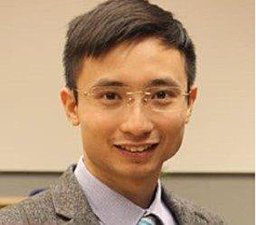 Tuan-anh Tran合作论文数Dept Mech Engn, Vietnam Maritime Univ6
 Vladik Kreinovich合作论文数Department of Computer Science, University of Texas at El Paso6
 Peter Szalay合作论文数Department of Control Engineering and Information Technology, Budapest University of Technology and Economics6
 Tamas Ferenci合作论文数5
 Miklos Mezei合作论文数5
 Abonyi János合作论文数Folyamatmérnöki Intézeti Tanszék, Pannon Egyetem5
 O. Csiszár合作论文数5p sas合作论文数4Adam Gyula Nemes合作论文数4
 Bence Czakó合作论文数Eotvos Lorand Res Network ELKH, Inst Comp Sci & Control SZTAK, Budapest, Hungary4László Szücs合作论文数Univ Res & Innovat Ctr, Obuda Univ4
 Marta Takacs合作论文数4
 Hamza Khan合作论文数4
 Gabor Csiszar合作论文数Department of Materials Physics, Eötvös University Budapest4Janos Abonyi合作论文数the Department of Process Engineering at the University of Pannonia.4
 Olga M. Kosheleva合作论文数STEM Education Division, Department of Teacher Education, University of Texas at El Paso;Department of Electrical and Computer Engineering, University of Texas at El Paso4
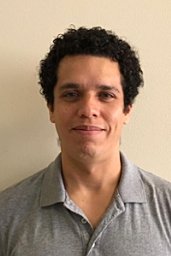 Julio C. Urenda合作论文数Mathematics Department, New Mexico State University4J. Dombi合作论文数Hungarian Academy of Sciences and University of Szeged4István Böjthe合作论文数3Rebeka Tóth合作论文数3Erick Noboa合作论文数3Rita Fleiner合作论文数John von Neumann Faculty of Informatics, Obuda University3
 Zsombor Zrubka合作论文数12 Magyar Személyre Szabott Egészségügy Fejlesztéséért Alapítvány3Balazs Kurtan合作论文数3László Szilágyi合作论文数University of Debrecen3Aniko Szakal合作论文数3
 Péter Odry合作论文数Polytechnical Engineering College3Gyõzõ Kocsis合作论文数3Oliver Rácz合作论文数Faculty of Medicine, Šafárik University3
 Gergely Marton合作论文数Hungarian Academy of Sciences, Research Institute for Technical Physics and Materials Science3




