Behçet syndrome is a complex systemic immune-mediated form of vasculitis characterized by diverse clinical manifestations and a variable disease course. The treat-to-target (T2T) concept has emerged as a pivotal approach in managing various systemic autoimmune rheumatic diseases; however, its application in Behçet syndrome requires further work. Despite the limited literature on this subject, advancements from clinical trials have underscored the necessity for a T2T approach in Behçet syndrome. This article proposes an evidence-based perspective on the T2T strategy in Behçet syndrome, featuring a multidisciplinary and comprehensive collaboration of international experts, including rheumatologists, immunologists, ophthalmologists, gastroenterologists and neurologists. By adopting an organ-based approach to tackling crucial challenges, we aim to define treatment goals for organ involvement, discuss outcome measures that can be used as targets and definitions of remission and relapse, and also propose monitoring strategies (including treatment targets). The goal of this Perspective is to pave the way for future research and clinical practice, enhance the management of this complex condition and ultimately improve patient outcomes.
KEY POINTS:Among 72 patients with childhood-onset ANCA-associated vasculitis, kidney transplant survival was good (86%). ANCA-associated vasculitis relapse occurred in 8 patients (11%), a median of 71 months after transplantation and resulted in graft failure in only one case. Positive ANCA at the time of transplantation did not predict graft failure but was associated with a higher risk of relapse and worse graft function. BACKGROUND:ANCA-associated vasculitis (AAV) is rare in children, and results in kidney failure in up to one third of cases. There is very limited knowledge on kidney transplantation in childhood-onset AAV. We assessed kidney transplantation outcomes and prognostic factors in a multicenter cohort of patients with childhood-onset AAV. METHODS:Patients diagnosed with AAV during childhood (≤18 years) who received a kidney transplant were included in this retrospective study. We determined patient and graft survival, rates of chronic graft dysfunction (defined as eGFR <60 ml/min per 1.73 m 2 for ≥3 months) and AAV relapse, and assessed determinants of outcome with logistic regression models. Patients were matched 1:2 for age, sex, and era of transplantation with non-AAV recipients from the Hospital for Sick Children in Toronto, Canada, and their graft survival was compared. RESULTS:We included 72 patients, of whom 53 (74%) had microscopic polyangiitis and 19 (26%) granulomatosis with polyangiitis. Their median age (interquartile range at the time of diagnosis and transplantation was 12 (9-14) and 14 (12-16) years, respectively. After a median post-transplant follow-up of 53 months (interquartile range, 25-97), 70 patients (97%) were alive, 62 (86%) had a functioning graft, 28 (39%) had developed chronic graft dysfunction, and 8 (11%) had experienced AAV relapse. Graft survival was comparable between AAV and non-AAV recipients. Acute rejection was the only independent predictor of graft failure (hazard ratio [HR], 12.11; 95% confidence interval [CI], 1.19 to 122.49). Positive ANCA at the time of transplantation was significantly associated with a chronic graft dysfunction (HR, 4.16; 95% CI, 1.71 to 10.13) and AAV relapse (HR, 23.1; 95% CI, 2.67 to 200.28). CONCLUSIONS:Patients with childhood-onset AAV show good overall and graft survival after kidney transplantation and a low rate of post-transplant relapse. Further studies are warranted to confirm whether positive ANCA at the time of transplantation is associated with poorer graft outcomes.
BACKGROUND:Anifrolumab is a type I interferon receptor antagonist approved for the treatment of systemic lupus erythematosus (SLE). However, real-world evidence on its use, especially from large, unselected cohorts, is scarce. The ongoing REVEAL study is designed to collect real-world data on anifrolumab use. The data reported here are the pre-specified 6-month interim analysis, which aims to provide a phenotypic characterisation of a large real-world cohort of patients with SLE initiating anifrolumab, and to evaluate early treatment response in routine clinical practice. METHODS:REVEAL is a 5-year, multicentre, prospective observational study conducted in 25 tertiary rheumatology centres across Italy. A pre-specified interim analysis was planned when the first 50 patients completed the first 6 months of follow-up; this analysis includes all patients who initiated anifrolumab by the data cutoff of Feb 10, 2025. Patients with SLE were consecutively enrolled on the day of their first infusion of anifrolumab, prescribed according to clinical judgement and Italian indications for use. Eligible patients were aged 18 years or older, had a clinical diagnosis of SLE fulfilling at least one set of established classification criteria valid at the time of diagnosis (1997 American College of Rheumatology [ACR], 2012 Systemic Lupus International Collaborating Clinics, or 2019 European Alliance of Associations for Rheumatology-ACR), had active disease warranting anifrolumab treatment (including compassionate use programmes), and were naive to anifrolumab. Data were collected at baseline and at 1 month, 3 months, and 6 months. The primary outcome was the number of patients reaching remission (defined according to the Definition of Remission in SLE criteria as a clinical SLEDAI-2K score of 0, physician global assessment score of <0·5 [on a 0-3 scale], with a prednisone-equivalent dose ≤5 mg per day, and stable antimalarials or immunosuppressants), Lupus Low Disease Activity State (LLDAS; defined as a SLEDAI-2K ≤4 [with no activity in major organ systems and no new disease activity], physician global assessment ≤1·0, and a prednisone-equivalent dose ≤7·5 mg per day), and LLDAS5 (a modified version of the LLDAS with a prednisone-equivalent dose ≤5 mg per day) at 6 months. Adverse and serious adverse events were also recorded. No people with lived experience of SLE were involved in designing or conducting the study. This study is registered with ClinicalTrials.gov (NCT07215754) and with the Italian Medicines Agency (Agenzia Italiana del Farmaco; ID number 247) and recruitment is ongoing. FINDINGS:Between May 25, 2023, and Feb 10, 2025, 236 patients were recruited and included in this interim analysis. Of these, 219 (93%) were female, 17 (7%) were male, 218 (92%) were White, and the median age was 46·9 years (IQR 36·0-53·6). At baseline, the median SLEDAI-2K was 7 (IQR 6-9), and the main indications for anifrolumab were mucocutaneous (157 [67%]) and articular (116 [49%]) involvement. At 6 months, 37 (26%) of 140 patients reached remission, 80 (57%) reached LLDAS5 and 93 (66%) reached LLDAS. One patient was excluded from the outcome analysis due to missing physician global assessment data. 108 adverse events were recorded during the 6-month follow-up period; of these, 83 (77%) were infections. Five serious adverse events occurred, resulting in six hospitalisations. INTERPRETATION:This study provides the first large-scale real-world evidence of anifrolumab use in patients with SLE, supporting its clinical benefit and rapid onset of action in routine care. FUNDING:None.
Objective Schnitzler syndrome (SchS) is a rare autoinflammatory disease characterised by a primary pathogenic involvement of interleukin (IL)-1. Therefore, IL-1 blockers are currently considered the optimal therapeutic option for SchS patients. However, while IL-1 blockers are first-line for SchS, long-term real-world evidence is limited by the rarity of the disease. We assessed the long-term effectiveness and safety of the IL-1 inhibitors anakinra and canakinumab used in SchS, also looking for variables capable of affecting global effectiveness and drug retention over time. Methods Data analysed in this study were drawn from the international AutoInflammatory Disease Alliance (AIDA) Registry dedicated to SchS. Results 28 SchS patients corresponding to 37 treatment lines were included in the study. Complete and partial responses occurred in 73.1% and 29.9% of anakinra-treated patients, and 66.8% and 33.3% with canakinumab. The overall anakinra and canakinumab drug retention rates at 12-, 36-, and 60-month follow-up were 85.6%, 81.7% and 64.7%, respectively; the probability of discontinuing IL-1 inhibitors at 12-, 36-and 60 months due to loss of effectiveness was 9.6%, 13.7% and 24.5%, respectively. The maximum IgG M-protein levels were found to be significantly higher in patients achieving partial response compared to those benefiting from complete response (p=0.032). Lymphadenopathy independently predicted anti-IL-1 discontinuation due to loss of effectiveness (HR 7.78, 95% CI: 1.27-47.9; p=0.027). Conclusion The present study confirms the high effectiveness of IL-1 inhibitors in controlling SchS, including the complete and partial response rates and the long-term survival. Elevated IgG M-protein levels and the presence of lymphadenopathy should be considered as potential indicators for identifying patients more likely to exhibit a partial response and a possible loss of treatment efficacy.
BACKGROUND:Systemic lupus erythematosus (SLE) shows marked heterogeneity in epidemiology across regions and over time. Understanding temporal changes in incidence, prevalence and patient characteristics is important to interpreting disease burden and assessing the performance of care systems. OBJECTIVES:To evaluate changes after 12 years (2010 vs 2022) in epidemiology, demographic, clinical and therapeutic features of SLE in a general practitioner (GP)-based cohort in Tuscany, Italy. METHODS:We conducted two cross-sectional surveys among GPs in the Florence District (Tuscany, Italy) to identify SLE cases. We assessed temporal variations in incidence and prevalence rates, as well as in sociodemographic, clinical and treatment variables. RESULTS:SLE incidence doubled from 2010 to 2022, from 5.4 to 10.9 per 100 000 person-years; prevalence increased from 75 to 120 per 100 000 persons. Most diagnoses remained in adults aged 18-60, though non-negligible proportions had paediatric or late onset. Joint, skin and haematological involvement were most frequent, while renal involvement declined from 22% to 16%. Use of biologic therapies grew substantially over time, while glucocorticoids remained pivotal in management. Notably, the proportion of patients not receiving any treatment (glucocorticoids included) increased, indicating a shift towards glucocorticoid-sparing strategies. Furthermore, despite 12 years of demographic change in the general population, the ethnic composition of the SLE cohort remained largely stable, with most patients of Caucasian origin. CONCLUSIONS:Over a decade, this GP-based study shows an increase in SLE prevalence and incidence within participating practices, accompanied by evolving therapeutic strategies and an increasing proportion of patients off treatment, including glucocorticoids. These findings have implications for health planning and support the value of GP-based epidemiologic studies.
OBJECTIVE:To assess efficacy of voclosporin (VCL) from a retrospective, observational, clinical-practice-based, nationwide multicentre study of patients with LN. METHODS:Patients with biopsy-proven LN were enrolled from November 2023 to April 2025 from tertiary Rheumatology and Nephrology Italian Centres. Those with uncontrolled arterial hypertension and eGFR < 30 ml/min/1.73 m2 were excluded. Patients received oral 23.7 mg VCL BID and MMF 1 g BID. Glucocorticoid schedule followed existing recommendations for LN management. Clinical and serological data were collected at SLE diagnosis, VCL initiation and after 6, 12, 24 and 48 weeks. Complete renal response (CRR) was defined as eGFR ≥ 60 ml/min/1.73 m2, <20% eGFR decrease from baseline, 24-h proteinuria <0.5 g/day, no rescue therapy, prednisone ≤5 mg/day and partial renal response (PRR) as a 50% decrease of 24 h proteinuria and <20% eGFR decrease. RESULTS:Forty-two patients from 14 centres were enrolled, 26 females (61.9%), mean age 43.1 ± 11.9 years, follow-up 6.6 ± 5.1 months. A total of 31.5% of patients achieved CRR or PRR at 6 weeks, 68.9% at 12 weeks, 83.3% at 24 weeks and 91.6% at 48 weeks of follow-up. A significant decrease in 24-h proteinuria was observed at 6 weeks (P = 0.006) and at all subsequent time points. A mild eGFR decrease was observed at 6 (P = 0.008) and 24 weeks (P = 0.01), but not at 48 weeks. Significant decrease was also observed in anti-dsDNA positivity at 6 (P = 0.0016) and 12 weeks (P = 0.0009), and in SLEDAI-2K after 24 (P = 0.008) and 48 weeks (P = 0.05). CONCLUSIONS:VCL may provide a valuable therapeutic option in LN management, achieving early 24 h-proteinuria response consistent with clinical trial data.
Objectives The objective of this study was to evaluate and update the evidence on pharmacologic and interventional treatments for major organ involvement in Behçet syndrome (BS), in order to inform the 2025 update of the European Alliance of Associations for Rheumatology recommendations. Methods A systematic literature review was conducted using 2 distinct search strategies for pharmacologic and surgical/interventional therapies, covering major databases from October 2015 to November 2024. Controlled studies comparing active interventions with placebo or another active treatment were included. If no controlled trials were available for a specific research question, uncontrolled studies or case series with at least 10 patients with BS were included. Results Of 7128 citations, 69 studies on major organ involvement and tapering/withdrawal of immunosuppressives were included. Only 5 were randomised controlled trials (RCTs), 4 of them included patients with eye involvement, and 1 included patients with vascular or nervous system involvement. RCTs and comparative observational studies for eye involvement supported the use of monoclonal tumour necrosis factor alfa inhibitors and interferon alfa. The RCT that included patients with vascular or nervous system involvement favoured infliximab over cyclophosphamide based on complete response rates and safety. Observational data additionally supported the use of interferon alfa for venous thrombosis, whereas the role of adjunctive anticoagulation remains unclear. Noncomparative observational studies showed benefit with monoclonal tumour necrosis factor alfa inhibitors in patients with gastrointestinal involvement. Conclusions This systematic literature review provided evidence on the management of major organ involvement to inform the task force for developing the 2025 update of the European Alliance of Associations for Rheumatology recommendations for the management of BS.
Key Points Among 72 patients with childhood-onset ANCA-associated vasculitis, kidney transplant survival was good (86%). ANCA-associated vasculitis relapse occurred in 8 patients (11%), a median of 71 months after transplantation and resulted in graft failure in only one case. Positive ANCA at the time of transplantation did not predict graft failure but was associated with a higher risk of relapse and worse graft function. Background ANCA-associated vasculitis (AAV) is rare in children, and results in kidney failure in up to one third of cases. There is very limited knowledge on kidney transplantation in childhood-onset AAV. We assessed kidney transplantation outcomes and prognostic factors in a multicenter cohort of patients with childhood-onset AAV. Methods Patients diagnosed with AAV during childhood (≤18 years) who received a kidney transplant were included in this retrospective study. We determined patient and graft survival, rates of chronic graft dysfunction (defined as eGFR <60 ml/min per 1.73 m 2 for ≥3 months) and AAV relapse, and assessed determinants of outcome with logistic regression models. Patients were matched 1:2 for age, sex, and era of transplantation with non-AAV recipients from the Hospital for Sick Children in Toronto, Canada, and their graft survival was compared. Results We included 72 patients, of whom 53 (74%) had microscopic polyangiitis and 19 (26%) granulomatosis with polyangiitis. Their median age (interquartile range at the time of diagnosis and transplantation was 12 (9–14) and 14 (12–16) years, respectively. After a median post-transplant follow-up of 53 months (interquartile range, 25–97), 70 patients (97%) were alive, 62 (86%) had a functioning graft, 28 (39%) had developed chronic graft dysfunction, and 8 (11%) had experienced AAV relapse. Graft survival was comparable between AAV and non-AAV recipients. Acute rejection was the only independent predictor of graft failure (hazard ratio [HR], 12.11; 95% confidence interval [CI], 1.19 to 122.49). Positive ANCA at the time of transplantation was significantly associated with a chronic graft dysfunction (HR, 4.16; 95% CI, 1.71 to 10.13) and AAV relapse (HR, 23.1; 95% CI, 2.67 to 200.28). Conclusions Patients with childhood-onset AAV show good overall and graft survival after kidney transplantation and a low rate of post-transplant relapse. Further studies are warranted to confirm whether positive ANCA at the time of transplantation is associated with poorer graft outcomes.
OBJECTIVES:To characterize prevalence, patterns, and clinical correlates of cardiac involvement in a cohort of patients with Behçet's syndrome (BS) undergoing clinically driven cardiological assessment. METHODS:This retrospective study included adult patients with BS, followed at a tertiary referral centre (Florence, Italy), who underwent clinically driven cardiological evaluation. Clinical, demographic and therapeutic characteristics were compared in patients with and without evidence of cardiac involvement. Timing, type of cardiac involvement, disease activity, cardiovascular risk factors and treatments were analysed. RESULTS:Among 312 patients with BS, 90 underwent cardiological assessment and 49 had confirmed cardiac involvement. Arrhythmias were the most frequent manifestation (n = 15), followed by pericarditis (n = 12) and ischaemic heart disease (n = 8). Cardiac involvement occurred a median of 6.1 (2.5-8.7) years after BS diagnosis, although in a proportion of patients it preceded or coincided with diagnosis. Most patients had active systemic disease at the time of the cardiac involvement (93.9%) and were receiving immunosuppressant treatment (84%). Over 80% had at least one traditional cardiovascular risk factor, yet <40% were receiving cardiovascular primary prevention therapy before the first event. Male patients more frequently experienced ischaemic manifestations, while arrhythmias were more common in females. No cardiac-related deaths were observed. CONCLUSION:Cardiac involvement in BS is more common than traditionally reported when actively investigated. Cardiac involvement frequently occurs during active disease and in patients with a high burden of cardiovascular risk factors but suboptimal preventive therapy. These findings support the need for integrated cardio-rheumatologic management in BS.
ObjectiveBehçet’s disease (BD) may initially manifest solely with mucocutaneous involvement. This study aimed to identify demographic and clinical factors associated with subsequent intestinal involvement in patients presenting exclusively with mucocutaneous manifestations during early disease stages.MethodsData were obtained from the International AutoInflammatory Disease Alliance Network registry dedicated to BD; a Bayesian statistical approach was employed to address the limited sample size resulting from subgroup stratifications.ResultsIn total, 328 BD patients with exclusively mucocutaneous onset were enrolled; of these, 46 (14%) developed intestinal involvement over time. The risk of ocular involvement was higher among patients with intestinal manifestations (OR: 3.02, 95% CrI: 1.24–6.08; posterior probability: 99.3%). Minor aphthous ulcers without major aphthosis were protective towards intestinal involvement (OR: 0.47, 95% CrI: 0.22–0.98; posterior probability: 97.98%). Conversely, major aphthous ulcers increased the risk (OR: 3.25, 95% CrI: 1.50–7.02; posterior probability: 99.7%), along with the combination of oral major aphthosis with: i) genital aphthosis (OR = 2.77, 95%CrI: 1.14-6.58; posterior probability: 98.45%); ii) pseudofolliculitis (OR = 3.18, 95%CrI: 1.15-8.33; posterior probability: 98.72%); iii) genital aphthosis plus pseudofolliculitis (OR = 5.22, 95%CrI: 1.71-16.35; posterior probability of 99.77%). Pseudofolliculitis plus cutaneous manifestations other than erythema nodosum were protective against intestinal involvement (OR = 0.01, 95%CrI: 0.0-0.98; posterior probability: 97.55%).ConclusionMajor aphthosis was the strongest factor associated with intestinal involvement in BD patients initially presenting with mucocutaneous symptoms only. In such patients, intestinal involvement correlated with increased risk of ocular inflammation.
OBJECTIVES:To assess the feasibility on remission maintenance, safety and patient acceptance following switching from intravenous (IV) infliximab (IFX) to subcutaneous (SC) IFX in patients with Behçet's disease (BD) in sustained remission. METHODS:We conducted a multicentre, retrospective observational study across four Italian referral centres. Patients with BD in stable remission on IV-IFX were transitioned to SC-IFX (120 mg every two weeks). Inclusion criteria were age ≥18 years, fulfilment of the International Criteria for Behçet's Disease (ICBD), at least 12 months of prior IV-IFX therapy, and a minimum of six months of SC-IFX treatment. Clinical and laboratory variables, including C-reactive protein (CRP), erythrocyte sedimentation rate (ESR), Behçet's Disease Current Activity Form 2006 (BDCAF 2006), prednisone use, and adverse events, were monitored longitudinally. Patient experience was assessed through the Self-Injection Assessment Questionnaire (SIAQ). RESULTS:Ten patients were included (median age 44 years; 60% male). Median IV-IFX duration before switch was 83.5 [IQR 24.7-145.3] months, median post-switch follow-up was 15.5 [IQR 7.50-19.00] months. Across follow-up, CRP, ESR, and BDCAF 2006 did not show major changes. Two relapses occurred, and both patients resumed IV therapy. Prednisone use decreased from 50% to 20%. Infections occurred in three patients. No significant systemic adverse events were reported. Patient feedback among respondents was generally positive, with high satisfaction scores regarding ease of use, self-confidence, and quality of life improvement associated with SC administration. CONCLUSIONS:Switching stable BD patients from IV to SC-IFX was feasible and well-tolerated, with preliminary signals suggesting that disease control may be maintained in many patients.
OBJECTIVES:To investigate cutaneous manifestations in Still's disease patients, evaluating any correlation with ethnic origin, age at disease onset, disease patterns, occurrence of macrophage activation syndrome (MAS) and systemic activity scores. METHODS:Data were retrospectively drawn from the International AutoInflammatory Disease Alliance (AIDA) Network Registry dedicated to Still's disease. RESULTS:A total of 518 patients (41.3% males) were enrolled. Salmon-coloured evanescent skin rash (n = 304, 63.9%), macules (n = 40, 7.7%), urticarial eruptions (n = 31, 5.9%), erythema (n = 27, 5.2%) and persistent pruritic papules and plaques (PPPP) (n = 25, 4.8%) accounted for the most frequent skin manifestations observed in Still's disease. Overall, atypical skin rash were described in 110 (21.2%) patients. Salmon-coloured evanescent skin rash and pruritus were more common among patients aged <16 years compared with patients aged 16-60 (P = 0.002 and P = 0.008, respectively). Pruritus was significantly more frequent among White than among Arab patients (P = 0.008) and in polycyclic vs monocyclic course (P = 0.049). Hispanics showed a significantly higher rate of atypical skin manifestations compared with Arabs (P = 0.036) and White (P = 0.036). Also, macules were more frequent among Hispanics than White (P = 0.027), while PPPP was more frequent among Hispanics than Arabs (P = 0.023) and White (P = 0.002). Salmon-coloured evanescent skin rash was significantly more frequent among patients with a systemic activity score ≥7 (P < 0.001). CONCLUSION:The present study enhances dermatologists' awareness of the diverse cutaneous lesions that may represent heterogeneous manifestations of Still's disease, shedding new light on the difference related to the age at disease onset, the patients' ethnic origin and the severity of the disease.
BACKGROUND:Acute myocarditis is an inflammatory disease of the myocardium with an annual incidence of 4-14 per 100,000 individuals, predominantly affecting young adults. Its clinical features are frequently nonspecific, mimicking acute coronary syndrome, which makes early recognition and management challenging. The disease results from infectious (predominantly viral) and noninfectious triggers, including autoimmune disorders, immune checkpoint inhibitors and mRNA vaccines. Pathophysiology involves a dysregulated interplay between innate immunity and adaptive immunity. CLINICAL FEATURES AND DIAGNOSIS:Presentation is typically dominated by chest pain, with dyspnea and syncope reported less frequently. Cardiac magnetic resonance (CMR), with the 2018 updated Lake Louise criteria, has become the cornerstone of noninvasive diagnosis, whereas endomyocardial biopsy (EMB), in experienced centres, remains the gold standard for histological characterization and guiding immunosuppressive therapy. OUTCOMES AND MANAGEMENT:Uncomplicated myocarditis usually resolves spontaneously. However, approximately 25% of patients with myocarditis have left ventricular systolic dysfunction, ventricular arrhythmias or acute heart failure. Mortality ranges from 1% to 7%, depending on presentation, aetiology and specific populations. Treatment centers on guideline-directed heart failure therapy, with immunosuppression reserved for complicated presentations and virus-negative, autoimmune or histologically specific subtypes. Mechanical circulatory support is critical in fulminant cases, where mortality is high. CONCLUSIONS:This clinical review synthesizes recent guideline updates and emerging trial data, primarily from literature published in the past 10 years, to support a phenotype-driven approach to acute myocarditis, in which management is guided by clinical severity, suspected aetiology, selective use of CMR and EMB and targeted therapy. Ongoing trials investigating corticosteroids, targeted biologics and novel therapies may further refine personalized immunomodulatory strategies.
Objective To assess the effectiveness of belimumab (BEL) in improving anaemia, thrombocytopenia, lymphopenia and leucopenia in patients with SLE.Methods The BeRLiSS (Belimumab in Real Life Setting Study) 2.0 cohort included patients with SLE from 14 Italian referral centres treated with BEL for active joint or skin involvement, based on physician judgement, between June 2013 and May 2024. Clinical and laboratory parameters were recorded at baseline and every 6 months. Patients were eligible if they had baseline haematological abnormalities defined according to British Isles Lupus Assessment Group (BILAG) (grade C or higher): haemoglobin (Hb) ≤10.9 g/dL, platelets (Plts) ≤149×109/L, lymphocytes (Lym) ≤1.0×10⁹/L or leucocytes (Leuc) ≤3.0×10⁹/L. Follow-up data up to month 48 were available for 33 patients with anaemia, 20 with thrombocytopenia, 44 with lymphopenia and 18 with leucopenia.Results At baseline, 76 patients had anaemia, 44 thrombocytopenia, 107 lymphopenia and 53 leucopenia. Hb levels increased significantly from 9.9±0.6 g/dL to 11.7±1.4 g/dL at month 48 (p<0.001). Platelet counts rose from 110.2±38.1×10⁹/L to 176.6±88.7×10⁹/L (p=0.004), Lym counts from 0.72±0.21×10⁹/L to 1.14±0.45×10⁹/L (p<0.001) and leucocyte counts from 2.437±0.533×10⁹/L to 4.732±1.897×10⁹/L at 48 months (p<0.001). Improvement in Hb (p=0.97), Plts (p=0.12), Lym (p=0.86) and Leuc (p=0.73) was similar regardless of the use of concomitant immunosuppressants. Glucocorticoid (GC) doses decreased significantly across all manifestations, except for leucopenia: anaemia (12.9±12.1 to 3.6±4.9 mg/day, p=0.003), thrombocytopenia (10.8±9.6 to 4.4±5.5 mg/day, p=0.004), lymphopenia (10.6±8.6 to 3.1±3.2 mg/day, p<0.001). Proportion of GC users declined over 48 months: anaemia 96.1–60.7%, thrombocytopenia 93.1–80%, lymphopenia 96.3–70.3% and leucopenia 95.3–80%.Conclusion In this real-world cohort, BEL treatment was associated with improvement in anaemia, thrombocytopenia, lymphopenia and leucopenia with over half of patients achieving normalisation of blood counts. Haematological responses were similar regardless of concomitant immunosuppressive therapy, supporting the role of BEL as a therapeutic option for haematological abnormalities in SLE.
OBJECTIVES:Real-world practice patterns of eosinophilic granulomatosis with polyangiitis (EGPA) remain poorly defined. This study aimed to describe current diagnostic and therapeutic approaches across experienced European centres, identifying areas of convergence and variability to inform future standardization of care. METHODS:We distributed a 44-item online survey covering diagnostic evaluation, treatment strategies, patient-reported outcome measures (PROMs) and the role of patient advocacy groups. The survey was reviewed by an expert panel and disseminated within the European EGPA Study Group. Responses were collected anonymously between April and August 2025 for statistical analysis. RESULTS:Fifty-four experts from six countries participated, most with long-standing experience and substantial EGPA caseloads. Multidisciplinary care and screening for cardiac and renal involvement were widely adopted; histological confirmation was reported in fewer than 25% of cases. Treatment strategies varied considerably: over half of respondents initiated anti-IL-5 therapy at diagnosis, and the combination of glucocorticoids, rituximab and mepolizumab was the preferred induction regimen in severe disease. CS tapering protocols differed, with most clinicians targeting withdrawal within 12 months. PROMs and disease-specific questionnaires were used inconsistently, despite broad recognition of their value. Advocacy groups were viewed as crucial, particularly for patient education and referral. CONCLUSION:This first multinational survey reveals substantial heterogeneity in real-world diagnostic and therapeutic practice, reflecting gaps in validated criteria, standardized activity measures and treatment algorithms. These findings highlight the need for coordinated prospective research and harmonized evidence-based guidance to optimize outcomes for patients with EGPA.
OBJECTIVE:Eosinophilic granulomatosis with polyangiitis (EGPA) is a small vessel vasculitis characterized by eosinophilia, asthma, and ear, nose, and throat (ENT) involvement. Although glucocorticoids (GCs) are effective in controlling symptoms, relapses and GC dependence are common. The aim of this study was to develop predictive models for vasculitis relapse and GC-dependent asthma and/or ENT symptoms. METHODS:This multicenter European retrospective cohort study included patients with EGPA fulfilling the 2022 American College of Rheumatology/EULAR criteria. Using Fine-Gray and logistic regression, we developed two multivariable prediction models, one for vasculitis relapse and another for GC-dependent asthma and/or ENT symptoms at 2 Internal validation was performed using bootstrapping. RESULTS:A total of 809 patients were observed for a median of 72 months (interquartile range 37-115). Vasculitis relapse occurred in 228 patients with a 12-year cumulative incidence of 41.2% (95% confidence interval 36.3-46.8). GC-dependent asthma and/or ENT symptoms were observed in 66.4% at two years. Predictors of vasculitis relapse included age (nonlinear), GC-dependent asthma before EGPA diagnosis (hazard ratio [HR] 1.57), arthralgia (HR 1.27), myocarditis (HR 1.74), peripheral neuropathy (HR 1.39), myeloperoxidase-antineutrophil cytoplasmic antibody (HR 1.56), and baseline eosinophil count (nonlinear). Predictors of GC-dependent asthma and/or ENT symptoms included older age (odds ratio [OR] 0.98 per year), GC-dependent asthma at diagnosis (OR 1.50), chronic sinusitis (OR 1.78), and baseline eosinophil count (OR 0.70 per 109/L). CONCLUSION:Using a large cohort with EGPA, we developed predictive models for vasculitis relapse and GC-dependent asthma and/or ENT symptoms. These tools may help guide treatment decisions. Prospective external validation in the current therapeutic era is warranted.
Eosinophilic granulomatosis with polyangiitis (EGPA) is a rare, chronic disease that significantly affects quality of life (QoL). Despite improved survival, many patients experience persistent symptoms and complex care needs. Patient-reported data on QoL and perceived care quality remain limited, particularly in Italy. This study aimed to assess health-related QoL and patient-perceived care quality among Italian EGPA patients and to identify distinct patient profiles through cluster analysis to inform personalized, multidisciplinary care strategies. We conducted a cross-sectional, 77-item online survey among adult EGPA patients (self-reported diagnosis) between December 2024 and January 2025. The survey, developed with APACS APS (Associazione Pazienti con Sindrome di Churg-Strauss), was distributed via the SurveyMonkey platform. It included validated instruments: SF-36 for health-related QoL and PACIC (with PACIC-5As) for perceptions of chronic care. Additional demographic, clinical, and disease impact data were collected. Descriptive statistics and group comparisons were performed. SF-36 and PACIC domains were analyzed using principal component analysis (PCA), followed by k-means clustering to identify patient subgroups. Seventy-two patients completed the survey (mean age 56; 65
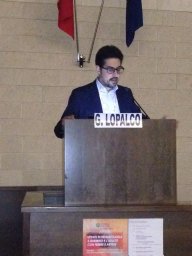 Lopalco Giuseppe合作论文数Rheumatol Unit, Univ Bari135
 Elena Silvestri合作论文数129
 Augusto Vaglio合作论文数School of Medicine, Emory University118
 Domenico Prisco合作论文数Dipartimento di Medicina Sperimentale e Clinica, University of Florence112
 Florenzo Iannone合作论文数Dipartimento di Medicina di Precisione e Rigenerativa e Area Jonica, University of Bari Aldo Moro108
 Maria Letizia Urban合作论文数Department of Experimental and Clinical Medicine, University Hospital of Firenze;Dipartimento di Medicina Sperimentale e Clinica, Università di Firenze102
 Marco Gattorno (马可·加托诺)合作论文数Istituto Gianina Gaslini94
 Vitale Antonio合作论文数88
 Bruno Frediani合作论文数Università degli Studi di Siena83
 Fabiani Claudia合作论文数81Alessandra Bettiol合作论文数78Carlo Salvarani合作论文数Divisione di Reumatologia, Università degli Studi di Modena e Reggio Emilia65
 Marcello Govoni合作论文数Sezione di Reumatologia;Dipartimento di Medicina Clinica e Sperimentale, Università degli Studi di Ferrara;Dipartimento di Medicina Clinica e Sperimentale, Università degli Studi di Ferrara62Donato Rigante合作论文数58
 Jurgen Sota合作论文数55Lorenzo Emmi合作论文数55
 Dagna Lorenzo合作论文数Facoltà di Medicina e Chirurgia, Università Vita-Salute San Raffaele;Unit of Immunology, Rheumatology, Allergy, and Rare Diseases, IRCCS San Raffaele Scientific Institute;Dipartimento di Medicina Generale e Specialistica, IRCSS Ospedale San Raffaele54
 Sara Monti合作论文数54
 Irene Mattioli合作论文数50
 Renato Alberto Sinico合作论文数Department of Medicine and Surgery, Università degli Studi di Milano-Bicocca;Centro Diagnostico Humanitas Lab, Humanitas Research Hospital50Piero Ruscitti合作论文数48
 Franco Franceschini合作论文数Servizio di Reumatologia e Immunologia Clinica;Cattedra di Reumatologia;Servizio di Reumatologia e Immunologia Clinica, Cattedra di Reumatologia47
 Luca Quartuccio合作论文数DPMSC, Azienda Ospedale Universitario “S. Maria della Misericordia”,46Marta Mosca合作论文数44
 Roberto Giacomelli合作论文数41Elena Bartoloni合作论文数Department of Clinical and Experimental Medicine, University of Perugia40Paola Parronchi合作论文数39
 Stefano Gentileschi合作论文数37Carla Gaggiano合作论文数37
 Matteo Becatti合作论文数Department of Experimental and Clinical Medicine, University of Florence;Department of Biomedical, Experimental and Clinical Sciences, University of Florence;University of Florence, University of Florence37
 Francesco Ciccia合作论文数Department of Internal Medicine, University of Palermo37
 Maria Cristina Maggio合作论文数Department of Scienze per la promozione della Salute "G. D'Alessandro", University of Palermo35
 Mauro Galeazzi合作论文数Department of Medical Sciences, Surgery and Neuroscience, University of Siena35
 Carlomaurizio Montecucco合作论文数34
 Claudia Fiorillo合作论文数34Gerardo Di Scala合作论文数34
 Fabrizio Conti合作论文数34
 Matteo Piga合作论文数Pirelli Labs33Terris B合作论文数32Gian Marco Tosi合作论文数32
 David Jayne合作论文数University of Cambridge;Cambridge University Hospitals NHS Foundation Trust31
 Silvana Guerriero合作论文数Department of Ophthalmology and Otorhinolaryngology, University of Bari Medical School31Ombretta Viapiana合作论文数31
 Abdurrahman Tufan合作论文数31
 Gaafar Mohamed Ragab合作论文数Universit, Tokyo Medical University30L. Cantarini合作论文数29
 Alberto Balistreri合作论文数Bioengineering and Biomedical Data Science Lab, University of Siena29
 Mario Milco D’Elios合作论文数Dept Expt & Clin Med, Univ Florence29
 Doria Andrea合作论文数Dipartimento di Medicina - Dimed, Università Degli Studi Di Padova;Academic Postgraduate School of Rheumatology, School of Medicine, Padova University29




