Li–Fraumeni syndrome (LFS) is defined by the early emergence of tumors and is associated with mutations in the tumor suppression gene known as tumor protein 53 ( TP53). Information is scarce regarding the psychosocial challenges encountered by individuals with LFS and how it affects their treatment decisions. A 21-year-old woman developed multiple breast tumors over a period of nine years. Genetic testing identified a heterozygous missense substitution in exon 6 of the TP53 gene, specific variant chr17:7578190T>C c.659A>G (p.Tyr220Cys) listed in the dbSNP database. The report also highlights the psychosocial implications of the diagnosis at a young age and the patient’s reluctance to undergo the recommended bilateral mastectomy. The patient exhibited a significantly higher incidence of secondary tumors, underscoring the importance of comprehensive screening and timely diagnosis for managing LFS. This case highlights the challenges faced and the importance of emotional and psychological support after the diagnosis of hereditary syndromes, especially among young women.
Type 2 diabetes (T2DM) presents an enormous global healthcare challenge, especially among rural communities due to limited access. To overcome this, many low- and middle-income countries are resorting to task shifting, using community health workers (CHWs) for diabetes management. However, its successful implementation depends on the practice behaviours and knowledge of these workers. This cross-sectional study from rural South India aimed to evaluate the proficiency of 275 CHWs in diabetes screening and management. A customized questionnaire, developed through experts and government was used to evaluate the practice behaviours and knowledge. Analytical methodologies consisted of descriptive statistics, logistic regression, and mosaic plots for comprehensive data interpretation. Results showed significant deficiencies of mean correct practice behaviours at 48 and 50% respectively. The identified gaps included diabetes diagnosis, HbA1c testing, diet, self-management, complications screening and risk assessment. In several areas, correct practice behaviour was reported by a relatively large number of CHWs despite incorrect answers to the related knowledge questions such as referral to the health centres, self-management and calculation of diabetes risk assessment. Addressing these deficiencies requires a thorough needs assessment and tailored training for improved diabetes management by CHWs. Training of CHWs, should not only identify prior knowledge and/or behaviour but also their interrelationship to help create a robust and flexible set of practice behaviours.
Background Diabetes is a growing concern worldwide, particularly in low- and middle-income countries (LMICs). Type 2 diabetes mellitus constitutes a significant proportion of cases and is associated with debilitating microvascular complications. Type 2 diabetes mellitus is steadily increasing among the LMICs where many barriers to health care exist. Thus, task shifting to community health workers (CHWs) has been proposed as a solution to improve diabetes management in these settings. However, CHWs often lack the necessary training to manage diabetes effectively. Thus, a systematic review is required to present evidence of the highest degree for this intervention. Objective This study aims to establish the protocols for a systemic review. Methods Using the Participants Intervention Comparator Outcome Time Study Design (PICOTS) framework, this study outlines a systematic review aiming to evaluate the impact of training programs for CHWs in diabetes management in LMICs. Quantitative studies focusing on CHWs, diabetes training, focusing on diabetes management outcomes like hemoglobin A1c levels and fasting blood glucose levels, between January 2000 and December 2023 and found on databases such as PubMed, Ovid MEDLINE, Evidence Based Medicine Reviews, BASE, Google Scholar, and Web of Science will be included. We will include randomized controlled trials but will also include observational studies if we find less than 5 randomized controlled trials. An author committee consisting of 3 reviewers will be formed, where 2 reviewers will conduct the review independently while the third will resolve all disputes. The Cochrane Methods Risk of Bias Tool 2 will be used for assessing the risk of bias and the Grading of Recommendations, Assessment, Development and Evaluation approach for the meta-analysis and narrative synthesis analysis will be used. The results will be presented in a PRISMA (Preferred Reporting Items for Systematic Reviews and Meta-Analyses) diagram. Results The review will begin in May 2024 and conclude in 3 months. Conclusions The review will synthesize existing evidence and provide insights into the effectiveness of such programs, informing future research and practice in diabetes care in LMICs. Trial Registration PROSPERO CRD42022341717; https://tinyurl.com/jva2hpdr International Registered Report Identifier (IRRID) PRR1-10.2196/57313
PURPOSEThe burden of cervical cancer in India is enormous, with more than 60,000 deaths being reported in 2020. The key intervention in the WHO's global strategy for the elimination of cervical cancer is to aim for the treatment and care of 90% of women diagnosed with cervical lesions. The current screen-and-treat approach as an option for resource-limited health care systems where screening of the cervix with visual inspection with acetic acid application (VIA) is followed by immediate ablative treatment by nurses in the case of a positive test. This approach often results in overtreatment, owing to the subjective nature of the test. Unnecessary treatments can be diminished with the use of emerging computer-assisted visual evaluation technology, using artificial intelligence (AI) tool to triage VIA-positive women. The aim of this study was (1) to develop a VIA-AI tool using cervical images to identify and categorize the VIA-screen-positive areas for eligibility and suitability for ablative treatment, and (2) to understand the efficacy of the VIA-AI tool in guiding the nurses to decide on treatment eligibility in the screen-and-treat cervical screening program.METHODSThis was an exploratory, interventional study. The VIA-AI tool was developed using deep-learning AI from the image bank collected in our previously conducted screening programs. This VIA-AI tool was then pilot-tested in an ongoing nurse-led VIA screening program.RESULTSA comparative assessment of the cervical features performed in all women using the VIA-AI tool showed clinical accuracy of 76%. The perceived challenge rate for false positives was 20%.CONCLUSIONThis novel cervical image-based VIA-AI algorithm showed promising results in real-life settings, and could help minimize overtreatment in single-visit VIA screening and treatment programs in resource-constrained situations.
Purpose Prophylactic HPV vaccines are one of the most effective methods of prevention against cervical cancer. However, their effectiveness reduces in the presence of existing HPV infection. This review aims to underscore the potential of therapeutic HPV vaccines in alleviating the burden of cervical cancer in India. Methods An extensive search was performed in PubMed and Google Scholar using keywords “prophylactic HPV vaccine”, “cervical cancer”, “immunotherapy”, “vaccine hesitancy”, “therapeutic HPV vaccine”, “screening”, “cervical cancer trends”, “HPV vaccine coverage”. Results The burden of cervical cancer is highest but underreported in LMICs, where the HPV vaccination coverage is also poor. In India, there is a considerable cohort of unvaccinated women who can benefit from therapeutic HPV vaccine for the prevention as well treatment for cervical cancer. Conclusions Therapeutic HPV vaccines could serve as a safe and effective intervention, synergizing with prophylactic HPV vaccine to aid India’s efforts towards the global elimination of cervical cancer.
BACKGROUND:The Delphi consensus study was carried out under the auspices of the International and Asia-Pacific Hepato-Pancreato-Biliary Associations (IHPBA-APHPBA) to develop practice guidelines for management of gallbladder cancer (GBC) globally. METHOD:GBC experts from 17 countries, spanning 6 continents, participated in a hybrid four-round Delphi consensus development process. The methodology involved email, online consultations, and in-person discussions. Sixty eight clinical questions (CQs) covering various domains related to GBC, were administered to the experts. A consensus recommendation was accepted only when endorsed by more than 75% of the participating experts. RESULTS:Out of the sixty experts invited initially to participate in the consensus process 45 (75%) responded to the invitation. The consensus was achieved in 92.6% (63/68) of the CQs. Consensus covers epidemiological aspects of GBC, early, incidental and advanced GBC management, definitions for radical GBC resections, the extent of liver resection, lymph node dissection, and definitions of borderline resectable and locally advanced GBC. CONCLUSIONS:This is the first international Delphi consensus on GBC. These recommendations provide uniform terminology and practical clinical guidelines on the current management of GBC. Unresolved contentious issues like borderline resectable/locally advanced GBC need to be addressed by future clinical studies.
PURPOSE:To study the epidemiology and clinical presentation of allergic eye diseases (AEDs) and Vernal Keratoconjunctivitis (VKC). METHODS:A cross-sectional- cum-cohort study was conducted in rural and urban areas in different geographical locations (plains, hilly, high-altitude and coastal) in India. Children (5-15 years) were included, information on exposure to environmental factors gathered, participants screened for AED and VKC on torch light, followed by a comprehensive eye examination. Cases were compared with controls. Physical environmental parameters (ultraviolet A/UVA flux) were also measured. RESULTS:In all, 8231 participants were screened, 410 had AED (56 % males, mean age 13.7 ± 4.5 years) and 92 had VKC (66.3 % males, mean age 14.5 ± 4.4 years). The likelihood of AED was higher for ages 11-16 years (OR 1.51, p < 0.03, urban areas (OR 1.44, p = 0.049), poor socioeconomic status (OR 1.5, p = 0.007), exposure to smoke of incense sticks (OR 1.88, p = 0.001), bright sunlight (OR 3.56, p < 0.0001), dust/pollution exposure (OR 2.49, p = 0.001) and winter season (OR 2.73, p = 0.003). AEDs were less likely in coastal areas (OR 0.14, p < 0.001). Exacerbating influences for VKC were windy weather (OR 4.35, p = 0.01) and spring season (OR 13.45, p = 0.001). VKC prevalence was higher in rural (69.6 %) than urban areas (30.4 %) (p = 0.03); with 11.9 % visual impairment. Palpebral VKC was the commonest type (82.6 %). Maximum UVA mean flux was noted in plains. CONCLUSION:The prevalence of AEDs and VKC in the community is 4.98 (95%CI: 4.51-5.45)% and 1.11 (95%CI: 0.89-1.34)%, respectively. AEDs have association with pollution or dust exposure and winter season. Palpebral VKC is the commonest clinical form of VKC.
Background: Type 2 diabetes (T2DM) poses an enormous global health care challenge, especially among rural communities. Healthcare in these areas can be inadequate and inaccessible due to socio-demographic barriers. To overcome this situation, many low- and middle-income countries are resorting to task shifting, using community health workers (CHWs) for diabetes management. However, its successful implementation depends on the practice behaviours and knowledge of these workers. Objective: This cross-sectional study aimed to evaluate the proficiency of CHWs involved in diabetes screening and management in rural South India by identifying the existing practice behaviours and knowledge gaps. Methods: Employing a customised questionnaire, developed through inputs from experts and government officials, we assessed practice behaviours and the corresponding knowledge base of 275 CHWs. Analytical methodologies consisted of descriptive statistics, logistic regression, and mosaic plots for comprehensive data interpretation. Results: The study showcased significant deficiencies in both practice behaviours (97%) and knowledge (95%) with current mean levels ranging from 48 to 50%, respectively, among the participants. The identified areas of insufficiency were broadly representative of the core competencies required for effective diabetes management, encompassing diabetes diagnosis and referral, HbA1c testing, diabetes diet, diabetes type and self-management, microvascular complications and their screening, peripheral neuropathy management, and diabetes risk assessment. In several areas, correct practice behaviour was reported by a relatively large number of CHWs despite incorrect answers to the related knowledge questions such as referral to the health centres, self-management, and calculation of diabetes risk assessment. Conclusion: This study highlights widespread deficiencies (97% CHWs) in diabetes management practices and knowledge (95% CHWs). To overcome these deficiencies, a thorough needs assessments is vital for effective CHW training. Training of CHWs should not only identify prior knowledge and/or behaviour but also their interrelationship to help create a robust and flexible set of practice behaviours.
Background: The prevalence of Human Epidermal Growth Factor Receptor 2 positive (HER2+) breast cancer (BC) in India ranged from 11% to 17%. A combination of intravenous (IV) pertuzumab, trastuzumab and docetaxel in HER2+ BC reported a significant increase in the overall survival rate. However, the time taken for infusion of these drugs is lengthy. PHESGO, a combination of these two drugs along with hyaluronidase is provided subcutaneously and the time taken is 5-8 minutes. Despite patient preference for PHESGO, its efficacy and satisfaction levels in the Indian context remain unexplored. This case series investigates the efficacy of PHESGO with chemotherapy and assesses the level of satisfaction reported by HER2+ BC patients. Methods: HER2+ BC patients were identified retrospectively from January 2022 to November 2023. Interviews during follow-ups assessed patient satisfaction. Efficacy was evaluated based on Positron Emission Tomography (PET) scans for metastatic/adjuvant settings and pathological complete response (pCR) rate for neoadjuvant cases. Results: In total 27 HER2+ BC patients received PHESGO treatment with a median age of 54.5 years. Patients who received PHESGO with chemotherapy in neoadjuvant and metastatic settings were 44.4% and 51.9% respectively. The median cycle of PHESGO with chemotherapy was 5. Neoadjuvant patients showed an 83.3% pCR rate, while 85.7% of metastatic patients reported partial response after three cycles. Among 25 patients, 92% were satisfied with subcutaneous administration of PHESGO. Conclusion: The findings support the potential of PHESGO as an effective and convenient treatment option for HER2+ BC patients. However, further research, including larger prospective studies and long-term follow-ups, is warranted to comprehensively evaluate the safety profile, quality of life, and comparative effectiveness of PHESGO versus intravenous administration.
INTRODUCTION:Improved breast cancer treatments have increased survival rates, but prolonged and costly therapies strain survivors financially. This study addresses the dearth of research on financial difficulties among breast cancer survivors (BCS) in India. METHODS:A mixed-methods study was employed; we assessed financial hardship (FH) using the Comprehensive Score for Financial Toxicity-Functional Assessment of Chronic Illness Therapy (COST-FACIT), a validated 12-item questionnaire. The minimum score represents FH (FH was categorized based on scores <27). RESULTS:Out of 80 surveyed BCS, 60% experienced FH and had a median age of 48 years (40.5-56.5 years). Factors such as occupation, education, income, expenditures, insurance coverage, and impact on savings exhibited significant associations with FH. With only one-third having health insurance and 43.8% self-funding treatment, this research sheds light on the urgent need for targeted support and policies to alleviate the financial burdens faced by BCS in the Indian context. CONCLUSION:Financial hardship harms the mental and physical health of BCS. Collaborative efforts among policymakers, healthcare professionals, and insurers are crucial to establishing a compassionate healthcare system that addresses both immediate health and long-term financial concerns.
Background and aim The Telangana cancer care program is a proactive, comprehensive initiative encompassing infrastructure development, human resource skilling and ensuring financial protection to those below poverty line. The broad aim of this exercise was to identify modalities to augment the Telangana State Cancer Control Plan to implement a sustainable comprehensive cancer care model for Telangana. Methods We conducted in-depth interviews of stakeholders (17 patients and 25 health care providers) to identify barriers and challenges to access existing cancer care system in Telangana; calculated the magnitude of cancer and commensurate workload (in terms of visits to tertiary cancer care system for cancer management and human and equipment requirement) for the next 15 years (from 2022 to 2037). Using the anecdotal evidence and information from stakeholders’ interviews, we developed patient-journey funnels for oral, breast, and cervical cancer patients to highlight patient leakages at various levels of cancer care. Results We estimated a 13%, 28%, and 44.7% increase in the number of new cancer cases and the resultant workload (number of visits to health care centre, chemotherapy sessions, radiotherapy sessions, surgeries, specialized human resources and equipment), for the year 2027, 2032, and 2037, respectively, compared to the year 2022. The stakeholders mentioned ‘delayed access’ to healthcare system as the main reason for the poor prognosis of patients. The common reasons cited for ‘delayed access’ were: poor cancer-literacy including prevailing myths and misconception, financial barriers, and rural residence. The patient journey funnel for cancer care revealed a major leakage from ‘screened-positive’ to ‘diagnosis confirmation’ step. The estimated patient leakage varied from ~70% to 90% from ‘screened-positive’ till ‘treatment completion’. Conclusion In this study, we anticipated a steady increase in the number of new cancers cases and resultant workload for the state of Telangana from the year 2022 to 2037. This may further be accompanied with limited access or utilization of cancer care system. To manage this public health issue, government should take appropriate measures to improve cancer literacy at the community level as well as increase human resources and necessary equipment.
Mental health disorders were reported in more than 33% of stroke survivors, which lead to increased comorbidities, delayed care, affect recovery, and impact physical and social functioning. Furthermore, it diminishes the quality of life and has impact on the well-being of both their families and caregivers. However, existing screening tools available for diagnosis of mental health disorders post-stroke detect many undiagnosed and underreported stroke survivors. Globally and in India, there has been a significant prevalence of post-stroke depression and anxiety. Pseudobulbar affect (PBA) ranged from 11% to 34%, worldwide. However, in India, only few case reports were reported for post-stroke psychosis, mania, and PBA. Although guidelines exist in developed countries for screening, referral, and rehabilitation of mental health disorders, there are lack of such resources in India. Also, the District Mental Health Program (DMHP) has received conflicting evaluations regarding its successes and shortcomings. Hence, this situation highlights the need for robust evidence-based strategies to develop effective screening, referral, and rehabilitation guidelines tailored to the Indian context. Also, by leveraging existing resources and collaborating with experts in the field, India can develop a comprehensive and effective approach to addressing post-stroke mental health disorders.
In India, the incidence of breast cancer accounted for 1,78,361 cases, whereas ovarian cancer accounts for 45,701 cases, according to Globocan Report 2020. These cancers are known to have a hereditary basis, and >10% of them are associated with pathogenic BRCA1 and BRCA2 mutations. The prevalence of BRCA1 and BRCA2 varies across various Indian studies and is reported to be 2.9–28%. However, gene mutations other than BRCA1 and BRCA2 which are shown to increase the risk of hereditary breast and ovarian cancer (HBOC) are underreported. Objectives: The objective of this study was to estimate the prevalence of deleterious germline mutations among women with breast and/or ovarian cancer. Material and Methods: A cross-sectional study was conducted in the department of oncology at a super specialty hospital. Patients were enrolled based on the current National Comprehensive Cancer Network guidelines for genetic risk and evaluation of HBOC. Demographic and clinical information was extracted from the electronic medical records of the hospitals from 2018 to 2021. Next-generation sequencing (NGS) was performed on the extracted DNA using a custom capture kit and classified based on the American College of Medical Genetics. Results: A total of 94 patients suspected of having HBOC were examined for deleterious germline mutations. The median age of the patient was 46 years (range: 38–57 years). Breast and ovarian cancer patients constituted 64.9% and 35.1%, respectively. The overall mutation detection rate was 25.5%. The positive mutation detection rate was 26.2% and 24.2% in breast and ovarian cancer, respectively, whereas the variant of uncertain significance rate was 18.03% and 24.2%, respectively. Among the pathogenic mutations, BRCA1 was the most common mutation in women with breast cancer (81.3%). In ovarian cancer, it was 50%. BRCA2 mutation was more prevalent in ovarian cancer (50%). Conclusion: Our study reports a higher prevalence of germline BRCA1 and BRCA2 mutations in breast and ovarian cancer as compared to other studies. Genetic testing can be offered to high-risk women regardless of family history. This will be useful during diagnosis and help physicians in planning subsequent treatment.
The Washington Group short set (WG-SS) questions are increasingly integrated into national household surveys, censuses, and international survey programs. They enable the monitoring of disability rights and the production of internationally comparable statistics. Disability statistics on prevalence and inequalities can be estimated using different cut-offs on the degree of functional difficulties based on the WG-SS. This commentary discusses what cut-offs to adopt for the purpose of investigating and monitoring disability gaps. We recommend a three-way disaggregation comparing persons with (a) no difficulty, (b) some difficulty and (c) a lot of difficulty or unable to do. In cases where sample sizes are small for disaggregated analysis, we recommend comparing persons with no difficulty to persons with any level of difficulty (i.e. persons with any disability).
Background: There is a paucity of data to assess the impact of the COVID-19 pandemic on persons with disabilities (PwDs) in India. About 27.4 million cases were reported as of 27 May 2021. The continuing pandemic in the form of subsequent waves is expected to have negative repercussions for the disabled globally, particularly in India, where access to health, rehabilitation, and social care services is very limited. Therefore, this study aimed to assess the impact of the COVID-19 pandemic and lockdown restrictions on PwDs in India. Objective: To determine the level of disruption due to COVID-19 and the associated countrywide lockdown restrictions on PwD in India during the first wave. Methods: Using a cross-sectional, mixed-methods approach, data were collected from a representative sample of 403 persons with disabilities in 14 states in India during the COVID-19 first wave at two different points in time (Lockdown and post-lockdown phase). Factors associated with the negative impact were examined using the Chi-square test for associations. The paired comparisons between 'lockdown' with the 'post-lockdown' phase are presented using McNemar's test and the marginal homogeneity test to compare the proportions. Additionally, a subsample of the participants in the survey was identified to participate in in-depth interviews and focus group discussions to gain in-depth insights on the study question and substantiate the quantitative findings. The framework approach was used to conduct a thematic analysis of the qualitative data. Results: About 60% of the PwDs found it difficult to access emergency medical services during the lockdown, and 4.6% post lockdown (p < 0.001). Likewise, 12% found it difficult to access rehabilitation services during the lockdown, and 5% post lockdown (p = 0.03). About 76% of respondents were apprehensive of the risk of infection during the lockdown, and this increased to 92% post lockdown (p < 0.001). Parents with children were significantly impacted due to lockdown in the areas of Medical (p = 0.007), Rehabilitation (p = 0.001), and Mental health services (p = 0.001). The results from the qualitative study supported these quantitative findings. PWDs felt that the lockdown restrictions had negatively impacted their productivity, social participation, and overall engagement in everyday activities. Access to medicines and rehabilitation services was felt to be extremely difficult and detrimental to the therapeutic benefits that were gained by them during the pre-pandemic time. None of the pandemic mitigation plans and services was specific or inclusive of PWDs. Conclusions: COVID-19 and the associated lockdown restrictions have negatively impacted persons with disabilities during the first wave in India. It is critical to mainstream disability within the agenda for health and development with pragmatic, context-specific strategies and programs in the country.
Purpose The Maternal Antecedents of Adiposity and Studying the transgenerational role of Hyperglycaemia and Insulin cohort in Bengaluru, South India, aims to understand the transgenerational role of increased circulating glucose levels or hyperglycaemia and other nutrients and psychosocial environment, on the risk of childhood obesity, as an early marker of chronic diseases. Participants Through this paper, we describe the baseline characteristics of the cohort participants and their children, along with plans and challenges. A total of 5694 pregnant women were screened, with 4862 (85.4%) eligible pregnant women recruited at baseline. We assessed anthropometry, Haemoglobin status, Oral Glucose Tolerance Test (OGTT), dietary practices, depressive symptoms using the Edinburgh Postnatal Depression Scale and social support in all women. Follow-up visits involved assessing anthropometry and the health profile of mothers and children. Findings to date Among 4862 eligible participants recruited, 3260 (67%) underwent OGTT, while 2962 participants completed OGTT (90.9%). During the pregnancy, 9.7% of women were obese (>90th percentile of skinfold thickness), and 14.3% had gestational diabetesmellitus. Moreover, 6.2% and 16.8% of women had symptoms suggestive of depression during pregnancy and the immediate postnatal period, respectively. We found that 3.3% of children were small for gestational age, 10.8% were large for gestational age and 9.7% of children were obese at birth. Future plans We have completed recruitment and baseline data collection in 2019, and are conducting annual follow-ups until age 4 of the participant’s children. For delineating causal pathways of childhood obesity, blood aliquots are stored in the biorepository. The study will inform policy formulation and community awareness in the prevention and control of non-communicable diseases and health promotion.
Objectives: The burden of type 2 diabetes mellitus in India is increasing to epic proportions with 74.2 million living with diabetes. More individuals from lower socio-economic backgrounds and from rural/semi-urban backgrounds are presenting with the condition. Healthcare affordability and accessibility is often a challenge for such individuals. Hence, Accredited Social Health Activists and Auxiliary Nurse Midwives/Multipurpose Health Worker cadres of health workers in India have been entrusted with Non-Communicable Diseases portfolio. A randomized controlled trial was designed to train these health workers. The aim of the study is to pilot the training module developed for the RCT trial and revise the same according to the feedback received. Materials and Methods: Ethical clearance and trial registration were obtained from IIPHH and CTRI respectively. The pilot was conducted at a neutral venue with ASHA and ANM/MPHA cadres using a tool for feedback for each of the training sections. Results: All the participants found the module useful. Certain modifications were suggested and the same were incorporated into the final training module. Conclusion: The training module was successfully validated.
 Clare E Gilbert合作论文数London School of Hygiene & Tropical Medicine34
 Pant Hira B合作论文数22Hannah Kuper合作论文数22Giridhara R Babu合作论文数16
 Rajan Shukla合作论文数15Sanjay Kinra合作论文数London School of Hygiene and Tropical Medicine, London, United Kingdom13
 Praveen Vashist合作论文数Dr. Rajendra Prasad Center for Ophthalmic Sciences, All India Institute of Medical Sciences13
 Islay Mactaggart合作论文数Faculty of Infectious &amp;International Centre for Evidence in Disability, London School of Hygiene &Tropical Medicine, London, UK.;Faculty of Infectious &amp; Tropical Diseases, London School of Hygiene &amp; Tropical Medicine10
 Sureshkumar Kamalakannan合作论文数9Anirudh Gaurang Gudlavalleti合作论文数9
 Sarah Polack合作论文数9
 Sanjeev Gupta合作论文数8
 R Deepa合作论文数Indian Inst Publ Hlth8
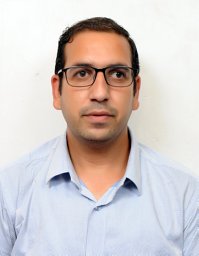 Varun Agiwal合作论文数Indian Institute of Public Health8
 Karl Blanchet合作论文数International Centre for Eye Health, London School of Hygiene and Tropical Medicine8
 Vikram Patel合作论文数Blavatnik Institute Global Health & Social Medicine, Harvard Medical School;Department of Global Health and Social Medicine, Harvard Medical School;Department of Global Health and Population, Harvard T.H. Chan School of Public Health8Sandeep Bhuttan合作论文数7Sunil Settinayake合作论文数7K. R. T. C. Bandara合作论文数7M. D. Priyangani合作论文数7Nimal Edirisinghe合作论文数7Saman Senanayake合作论文数7
 Joerg Guenter Weber合作论文数7K Suresh Kumar合作论文数7
 Sally Diane Hartley合作论文数7
 Damodar Bachani合作论文数7
 Valentina Iemmi合作论文数Department of Health Policy, London School of Economics and Political Science7
 Radhika Tandon合作论文数Dr. Rajendra Prasad Centre for Ophthalmic Sciences, All India Institute of Medical Sciences7S. A. H. K. Wimalarathne合作论文数6K. M. K. Gamage合作论文数6R. P. Kumara合作论文数6
 Melissa Glenda Lewis合作论文数Indian Inst Publ Hlth6Schmidt Erik Berg合作论文数6Singh Samiksha合作论文数1-Amar Coop Society, Indian Institute of Public Health6Pat Doyle合作论文数6
 Shamanna Br合作论文数6
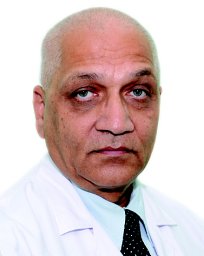 Taraprasad Das合作论文数Smt. Kanuri Santhamma Retina Vitreous Centre, L.V. Prasad Eye Institute6Ramachandran Rajalakshmi合作论文数5K. Edussuriya合作论文数5Abhilash Patra合作论文数5
 Vivek Gupta合作论文数5A. Y. Nirupama合作论文数5
 Prafulla Shriyan合作论文数y hospital, Indian Institute of Public Health- Bengaluru5
 Eunice Lobo合作论文数Indian Inst Publ Hlth5Shailaja Tetali合作论文数shailaja_c@yahoo.com5
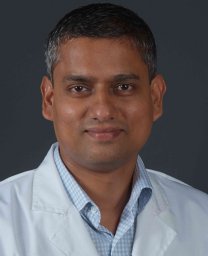 Behera Umesh Chandra合作论文数L V Prasad Eye Institute5Oye Joseph合作论文数5
 Sirshendu Chaudhuri合作论文数5Astrid E Fletcher合作论文数Department of Epidemiology & Population Health, London School of Hygiene & Tropical Medicine5




