BACKGROUND:Evidence on the long-term impact of urban green and blue spaces (UGBS) interventions remains limited. This study is a 15-year evaluation of an urban greenway development in Belfast (United Kingdom), assessing the potential effects of this UGBS intervention on physical activity (PA), mental wellbeing and co-benefits. METHODS:Using natural experimental design, a repeated cross-sectional survey was conducted in 2010 (baseline), 2017 (post-opening) and 2023 (long-term follow-up) with about 1200 adults participated each wave. Outcomes included PA, mental wellbeing, general health, quality of life, social capital and environmental perception. Multilevel mixed-effect regressions were performed to examine within-group changes at long-term follow-up. Difference-in-differences analysis investigated the between-group changes that might be attributed to the greenway. Additional comparative analyses included distance-decay analysis and comparison with population trends in Northern Ireland. RESULTS:At six years after completion, the greenway intervention appears to buffer a decline in duration of PA - mainly from moderate-intensity activity (decline lower by 118.6 min/week, 95%CI: 3.9-232.2) but with no significant impact on the proportion of the population meeting the recommended PA level. The intervention is associated with a smaller decline in self-rated health (4.98 units; 95%CI: 0.62-9.34) relative to control group. Intervention association with mental wellbeing was positive but not significant (p = 0.30). The greenway also showed positive effects on social capital and environmental perceptions, with impacts most evident in improving safety and trust in the local area. CONCLUSION:This study provides evidence to support the public health impact of UGBS and its long-term health and social benefits.
Introduction Urban green and blue space (UGBS) interventions, such as the development of an urban greenway, have the potential to provide public health benefits and multiple co-benefits in the realms of the environment, economy and society. This paper presents the protocol for a 5-year follow-up evaluation of the public health benefits and co-benefits of an urban greenway in Belfast, UK.Methods and analysis The natural experiment evaluation uses a range of systems-oriented and mixed-method approaches. First, using group model building methods, we codeveloped a causal loop diagram with stakeholders to inform the evaluation framework. We will use other systems methods including viable systems modelling and soft systems methodology to understand the context of the system (ie, the intervention) and the stakeholders involved in the development, implementation and maintenance phases. The effectiveness evaluation includes a repeat cross-sectional household survey with a random sample of 1200 local residents (adults aged ≥16 years old) who live within 1 mile of the greenway. The survey is complemented with administrative data from the National Health Service. For the household survey, outcomes include physical activity, mental well-being, quality of life, social capital, perceptions of environment and biodiversity. From the administrative data, outcomes include prescription medications for a range of non-communicable diseases such as cardiovascular disease, type II diabetes mellitus, chronic respiratory and mental health conditions. We also investigate changes in infectious disease rates, including COVID-19, and maternal and child health outcomes such as birth weight and gestational diabetes. A range of economic evaluation methods, including a cost-effectiveness analysis and social return on investment (SROI), will be employed. Findings from the household survey and administrative data analysis will be further explored in focus groups with a subsample of those who complete the household survey and the local community to explore possible mechanistic pathways and other impacts beyond those measured. Process evaluation methods include intercept surveys and direct observation of the number and type of greenway visitors using the Systems for Observing Play and Recreation in Communities tool. Finally, we will use methods such as weight of evidence, simulation and group model building, each embedding participatory engagement with stakeholders to help us interpret, triangulate and synthesise the findings.Ethics and dissemination To our knowledge, this is one of the first natural experiments with a 5-year follow-up evaluation of an UGBS intervention. The findings will help inform future policy and practice on UGBS interventions intended to bring a range of public health benefits and co-benefits. Ethics approval was obtained from the Medicine, Health and Life Sciences Research Ethics Committee prior to the commencement of the study. All participants in the household survey and focus group workshops will provide written informed consent before taking part in the study. Findings will be reported to (1) participants and stakeholders; (2) funding bodies supporting the research; (3) local, regional and national governments to inform policy; (4) presented at local, national and international conferences and (5) disseminated by peer-review publications.
The deliberative futures workshop is both a method and a model of engagement that is designed to support transformative change, thinking ahead, and getting communities involved in shaping their future. It promotes collaboration with experts, stakeholders, and communities in a co-productive process that aligns with deliberative action research. The process seeks to be inclusive of everyone with a stake in the future by facilitating the development of multiple tools for their involvement in the planning and decision-making processes, following the deliberative principles of equality, inclusion, and reasoned argument. The deliberative futures workshop embraces a diversity of communication and practices that recognize the systemic turn in deliberative democratic theory. The various techniques proposed draw upon multiple experiences, voices, and perspectives with a view to increasing and enhancing the number of “deliberative” moments within the process.
Evidence has shown the importance of built environment features in shaping park use and physical activity behaviour. However, it is unclear what impacts built environment features within and around parks have on older adults' park visits. To address this gap, this study employs an interpretable machine learning model to investigate a variety of built environment features within and around parks and their association with device-measured park visits of older adults. We found that macroscale built environment features around parks (i.e. intersection density) had an important role in shaping older adults' park visits and were generally more important than microscale built environment features within (i.e. amenities) and around parks (i.e. park access). Additionally, the macroscale built environment features of neighbourhoods were more predictive of older adults' park visits than those of park buffers. Among the microscale built environment features studied, park sports facilities appear to be the most influential, followed by aesthetic features. Research findings suggest that key built environment features influence older adults' park visits in combination, highlighting the importance of a more holistic perspective when considering built environment influences on behaviour, including understanding the wider neighbourhood context of parks, and integrating such perspectives in future research and policymaking.
Background:Health-focused research funders increasingly support multi-country research partnerships that study health, urban development and equity in global settings. To develop new knowledge that benefits society, these grants require researchers to integrate diverse knowledges and data, and to manage research-related aspects of coloniality, such as power imbalances and epistemic injustices. We conducted research to develop a transdisciplinary study proposal with partners in multiple middle and high income countries, aiming to embed equity into the methodology and funding model. Methods:Parallel to literature review, we used participatory and social research methods to identify case study cities for our primary study and to inform our study design. We conducted semi-structured interviews with informed and consented sustainable urban development experts in the USA (n=23). We co-developed our research approach with our global advisory group (n=14) and conducted a participatory workshop (n=30) to identify case study sites, also informed by conversations with international academic experts in sustainable development (n=27). Results:Through literature review we found that there is a need to study the contextual pre-conditions of urban transformation, the influence of coloniality on understandings of how cities can change and the failure of standard development practices to meet the needs of all residents and the planet. Through expert input and literature we found that decolonial and storytelling methods may help us show the complexities behind stories of urban transformation, particularly the role of marginalized populations in creating long-term change. Conclusions:There are multiple benefits of conducting research to develop an equitably designed multi-country research collaboration. We built new partnerships and co-developed our research approach, creating new understanding of diverse collaborators' disciplinary perspectives and institutional requirements. By investigating the informational needs of U.S. sustainable development actors and designing our study to meet these needs, we have increased the likelihood that our research will create impact.
IntroductionMaintaining cognitive health in later life is a global priority. Encouraging individuals to make health behaviour changes, such as regular physical activity, and providing supportive urban environments can help maintain cognitive health, thereby preventing or delaying the progress of dementia and cognitive decline. However, the mechanistic pathways by which the urban environmental exposome influences cognitive health outcomes are poorly understood. The aim of this study is to use granular measures of the urban environment exposome (encompassing the built, natural and social environment) and physical activity to explore how these interact with a person’s biology to ultimately influence cognitive health outcomes.Methods and analysisThis ongoing study uses a cohort design, recruiting participants from the Northern Ireland Cohort for the Longitudinal study of Ageing and the Harmonised Cognitive Assessment Protocol study. Participants (n=400 at each wave) will be aged ≥65 years and have the capacity to provide written informed consent. Measures include device-measured physical activity (Actigraph wGT3XP-BT), environmental location data (Global Positioning System, Qstarz BT-Q1000XT), linked to a battery of neuropsychological tests, including the Mini Mental State Examination and the Centre for Epidemiological Studies Depression Scale. Blood-derived biochemical, genetic and epigenetic data will be included in multimodal analyses. These data will be integrated with urban environment Geographic Information System data and analysed using causal inference and mediation methods to investigate plausible mechanistic pathways.Ethics and disseminationThis study has been approved by the Queen’s University Belfast, Faculty of Medicine, Health and Life Sciences Research Ethics Committee (MHLS 21_72). Alongside peer-reviewed publications in high-ranking international journals, dissemination activities include conference presentations, project videos, working papers, policy briefing papers, newsletters, summaries and case study stories.
• Positivity is no different for residents across wind energy development models. • Positivity is highly variable by case, requiring nuanced interpretation. • Distributive and procedural justice variables are significant, but inconsistent. • Aesthetics and links to climate change mitigation are the strongest predictors. • Community-based wind energy garners positivity when developer control is limited.
A step change is needed in the deployment of renewable energy if the triple challenge of ensuring climate change mitigation, energy security, and energy affordability is to be met. Yet, social acceptance of infrastructure projects and policies remains a key concern. While there has been decades of fruitful research on the social acceptance of wind energy and other renewables, much of the extant research is cross-sectional in nature, failing to capture the important dynamic processes that can make or break renewable energy projects. This paper introduces a Special Issue of Energy Policy which focusses on the neglected topic of the dynamics of social acceptance of renewable energy, drawing on contributions made at an international research conference held in St. Gallen (Switzerland) in June 2022. In addition to introducing these papers and drawing out common themes, we also seek to offer some conceptual clarity on the issue of dynamics in social acceptance, taking into account the influence of time, power, and scale in shaping decision-making processes. We conclude by highlighting a number of avenues of potential future research.
ABSTRACT Background Given that the majority of the world’s population live in cities, it is essential to global health efforts that we design them in ways that both reduce non-communicable diseases (NCDs) risk and that facilitate adoption and maintenance of healthy lifestyles. Current approaches tend to focus on the relationship between urban design-related factors that affect health at the local or neighbourhood level but few studies have explored this relationship both within and across entire cities, nor explored the causal pathways between urban-designed related factors and NCDs. The aim of this research program is to use computer vision, causal inference, and public health modelling methods for understanding the causal relationship between urban design and health at the neighbourhood level, and to explore intervention approaches at the city scale. Methods Phase 1 will use machine learning and computer vision techniques to analyse gridded, local-level aerial images (with an optical resolution of <20cm), of all UK and Australian cities with populations over 100,000. It will identify a variety of urban features within these images and derive associations between them and NCD incidence and risk factors identified through location-based health surveys. Phase 2, using data from prospective health cohorts and linked objective built environment data, will apply Bayesian networks to investigate the possible causal pathways between built environment, lifestyle factors, and NCD incidence. Phase 3 will estimate the health impacts of actionable changes in urban design. Using health impact assessment modelling, we will calculate the NCD burden that could be prevented if cities were to adopt urban features of healthier counterparts. A similar approach will be applied on finer-grained scale within all case study cities, enabling assessment of health impacts of changes in individual locations. Phase 4 will develop an interactive web-based toolkit to enable urban designers, planners and policymakers to inform the decision-making cycle, co-designed with intended users involving participatory workshops. Discussion We use state-of-the-art approaches to: (i) generate evidence on the impacts of urban planning and design in NCDs and health inequalities in UK and Australian cities, and (ii) provide stakeholders with tools for advocacy and designing healthier cities. Trial registration Not applicable.
Physical activity is critical for older adults' health and was particularly important during the coronavirus (COVID-19) pandemic. To slow the spread of COVID-19, built environment modifications were introduced in public spaces including one-way walking systems, social distancing, and the restricted use of public toilets and seating. These modifications intended to encourage safe exercise but may have reduced walkability and inadvertently hindered older adults' physical activity. We aimed to investigate whether Covid-related built environment modifications reduced older adults' physical activity. We surveyed 282 older adults in the UK using a mixed methods Concurrent Triangulation Design. Physical activity decreased during COVID-19. Older adults believed many Covid-related built environment modifications negatively affected physical activity because of safety or accessibility issues. These negative modifications were more prominent in areas of higher walkability and associated with reduced physical activity. However Covid-related Traffic Reduction and some elements of One-Way Walking Systems were largely considered positive modifications that helped facilitate physical activity. We concluded common Covid-related built environment modifications hindered exercise, reduced walkability, and possibly contributed to reduced physical activity in older adults. If similar modifications are required in the future, older adults' needs must be accommodated to avoid discouraging physical activity and compromising long-term health.
This paper in using a novel application of the Delphi panel method, explores and consolidates the future visions of a low carbon and climate resilient future in Ireland through community-based visioning processes that emerged through co-created, deliberative approaches at local level. It embraces a visioning process that applies a transdisciplinary approach, which aims to match different visions and stakeholder needs, combining bottom-up and top-down perspectives. Community visions were articulated by means of a series of deliberative futures workshops facilitated by the transdisciplinary project research team. Through iterations of the Delphi feedback loop, the notion of deep and shallow agreement is explored to examine the spectrum of consensus to dissent around the co-developed future visions and pathways of climate action, articulated by the Irish community case study. This approach enables a critical exploration of the conventional science-policy-practice nexus through the use of innovative creative communication and engagement methods. Findings suggest that more deliberative forums which bring together a diverse range of stakeholders are needed to develop a shared vision for the future; the importance of language use and the creation of a shared vocabulary of climate action; and the power of civic imaginaries in helping to create useful future narratives.
The 'second phase' of the energy transition involves large-scale rollout of renewables, raising wider questions about arrangements for the management and ownership of such resources and how costs and benefits should be distributed. Ideas and practices such as 'community energy' and 'prosumption' capture the potential for more decentralised systems of ownership and control inherent in renewable energy technologies. However, until now, ownership and control of the key biophysical resources (e.g., wind, wave, solar, geothermal) underpinning the transition have received surprisingly little attention, given the potential for wealth creation and issues of justice that underpin their use. This paper explores this issue using the idea of 'wind rights', which highlights the numerous social actors who have rights or claims to use and benefit from wind resources. Key among these are landowners who are silently enclosing the 'windy commons' to extract 'wind rents' from monopoly property rights. This has profound (but undertheorised) distributive and structural ramifications for the energy transition. Despite this, and with some recent notable exceptions, much energy transition research in social science and humanities portrays landowners as taken-for-granted, apolitical, and sometimes marginal (ised) stakeholders. Combining a Marxist, class-based approach to landownership and wind rent with Ostromian institutional analysis, this paper reviews and expands the (predominantly legal) literature on wind rights. This deepens the understanding of the concept of 'wind rights', highlighting that in many instances wind resources are de facto privatised/enclosed via 'proxy wind rights' for landowners. We also indicate some alternative wind rights configurations, including nationally and commonly managed wind resources. This analysis leads to a consideration of the potential long-term benefits of alternative socially orientated property rights arrangements, including community wind rights or nationalisation of the wind resource. These social wind rights arrangements could play a key role in securing a more just and widely supported transition.
Age-friendly cities and communities have emerged as a significant policy, participative and governance response to ageing and its spatial effects. This paper argues that it has important benefits in mobilizing older people, placing age on the urban agenda and building recognition across politicians, policy makers and programme managers. Based on the experience of Belfast (UK), the analysis suggests, however, that it needs to be understood within wider urban restructuring processes, the importance of the property economy and how planning practices favour particular groups and modes of development. Drawing on demographic data, policy documents and in-depth interviews, it evaluates the relationship between age and urban regeneration, research-based advocacy and central-local relations in health and place-based care. The paper concludes by highlighting the importance of knowledge in competitive policy arenas and the need to focus on the most excluded and isolated old and where and how they live.
Background Transition discourses are gaining prominence in efforts to imagine a future that adequately addresses the urgent need to establish low carbon and climate resilient pathways. Within these discourses the 'public' is seen as central to the creation and implementation of appropriate interventions. The role of public engagement in societal transformation while essential, is also complex and often poorly understood. The purpose of this paper is to enhance our understanding regarding public engagement and to address the often superficial and shallow policy discourse on this topic. Main text The paper offers a review of evolving literature to map emergent public engagement in processes of transition and change. We adopt a pragmatic approach towards literature retrieval and analysis which enables a cross-disciplinary and cross-sectoral review. We use a scoping review process and the three spheres of transformation framework (designated as the practical, political and personal spheres) to explore trends within this complex research field. The review draws from literature from the last two decades in the Irish context and looks at emergence and evolving spaces of public engagement within various systems of change including energy, food, coastal management and flood adaptation, among others. Conclusions The results highlight the siloed and fragmented way in which public engagement in transitions is carried and we propose a more cross-sectoral and cross-disciplinary approach which depends on bringing into dialogue often contrasting theories and perspectives. The paper also illustrates some shifting engagement approaches. For instance, nexus articles between the practical and political spheres suggest deeper forms of public engagement beyond aggregated consumer behaviour to align technological delivery with institutional and societal contexts. While most articles in the practical sphere draw largely on techno-economic insights this influence and cross-disciplinarity is likely to draw in further innovations. Nexus articles between the political and personal sphere are also drawing on shifting ideas of public engagement and largely stress the need to disrupt reductive notions of engagement and agency within our institutions. Many of these articles call attention to problems with top-down public engagement structures and in various ways show how they often undermine and marginalise different groups.
Many countries have ambitious plans for increasing the generation of electricity from offshore wind energy in the coming decades. Realising these ambitions requires concerted, often innovative, political action across several policy domains. To understand the unique political challenges facing offshore wind deployment, this article presents a case study of the Republic of Ireland, where decades of sporadic political ambition to support offshore wind energy has not yet translated into commercial deployment. We use the Multiple Streams Framework to guide data collection, 29 elite interviews and extensive documentary analysis, and offer an historical explanation for why political actors did not meet long-standing market ambition. We analyse the battle of ideas between alternative policy approaches that emerge through distinct policy networks and institutions spanning marine planning, grid development, and energy price support. In Ireland, two key drivers restrained political support for offshore wind for over a decade: competition with onshore wind for limited grid connection capacity and resilience, and calibration of policy instruments to attain decadal renewable energy target at least cost. The study shows the value of a deviant case to demonstrate the political complexities of developing and adopting technology-specific policy instruments to support offshore wind energy in the context of long-term climate change targets, grid development, and grid system services plans.
Natural environments, such as parks, woodlands and lakes, have positive impacts on health and wellbeing. Urban Green and Blue Spaces (UGBS), and the activities that take place in them, can significantly influence the health outcomes of all communities, and reduce health inequalities. Improving access and quality of UGBS needs understanding of the range of systems (e.g. planning, transport, environment, community) in which UGBS are located. UGBS offers an ideal exemplar for testing systems innovations as it reflects place-based and whole society processes, with potential to reduce non-communicable disease (NCD) risk and associated social inequalities in health. UGBS can impact multiple behavioural and environmental aetiological pathways. However, the systems which desire, design, develop, and deliver UGBS are fragmented and siloed, with ineffective mechanisms for data generation, knowledge exchange and mobilisation. Further, UGBS need to be co-designed with and by those whose health could benefit most from them, so they are appropriate, accessible, valued and used well. This paper describes a major new prevention research programme and partnership, GroundsWell, which aims to transform UGBS-related systems by improving how we plan, design, evaluate and manage UGBS so that it benefits all communities, especially those who are in poorest health. We use a broad definition of health to include physical, mental, social wellbeing and quality of life. Our objectives are to transform systems so that UGBS are planned, developed, implemented, maintained and evaluated with our communities and data systems to enhance health and reduce inequalities. GroundsWell will use interdisciplinary, problem-solving approaches to accelerate and optimise community collaborations among citizens, users, implementers, policymakers and researchers to impact research, policy, practice and active citizenship. GroundsWell will be shaped and developed in three pioneer cities (Belfast, Edinburgh, Liverpool) and their regional contexts, with embedded translational mechanisms to ensure that outputs and impact have UK-wide and international application.
Dual-task walking may lead to gait instability and a higher fall risk in older adults, particularly when walking in a busy city street. Challenging street features such as narrow sidewalks not only discourage walking, but are also likely to be taxing for older adults' cognitive resources and gait characteristics. The aim of this study was to assess the way older adults' gait characteristics are affected by walking on a narrow path while performing a challenging cognitive task in lab conditions imitating common urban environments. Nineteen young and eighteen older adults walked on a narrow (40cm) and a wide (80cm) path and performed a cognitive (n-back) task individually adjusted to 80% accuracy. The two tasks were performed separately (Single-Task) and concurrently (Dual-Task). Both groups walked faster, and their step width was narrower on the narrow path. During dual-task walking on the narrow path, older adults showed significant dual-task costs in the cognitive task, gait speed, step width, and stride length. Dual-task walking was associated with decreased gait speed and stride length in both age groups, suggesting that dual-task walking may adversely affect gait, particularly when walking on narrow paths. These conditions may lead to gait instability and an increased fall risk for older adults, particularly when walking along the narrow sidewalks commonly found within the built environment. However, more research is needed in an urban setting to determine the extent of the fall risk narrow sidewalks present for older adults.
 Ruth F. Hunter合作论文数25
 Claire Lyne Cleland合作论文数22
 Richard Cowell合作论文数School of Geography and Planning, Cardiff University22
 Peter A. Strachan合作论文数Robert Gordon University19
 Rodrigo Siqueira Reis合作论文数Programa de Pós-graduação em Educação Física;Universidade Federal do Paraná;Programa de Pós-graduação em Educação Física, Universidade Federal do Paraná16
 Brendan Murtagh合作论文数School of Planning;University of Belfast;School of Planning, University of Belfast16Sara Ferguson合作论文数15
 Frank Kee合作论文数School of Medicine, Dentistry and Biomedical Sciences, Queen's University Belfast11Robin Curry合作论文数10
 Peter Feindt合作论文数Umwelt10
 Fionnguala Sherry-Brennan合作论文数School of Geography, University of Exeter10
 Carsten Daugbjerg合作论文数Department of Food and Resource Economics, Faculty of Science, University of Copenhagen9
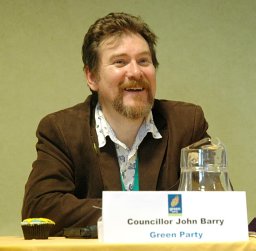 John Barry合作论文数School of History, Anthropology, Philosophy and Politics, Queen’s University Belfast9
 David Toke合作论文数The School of Social Science, University of Aberdeen9
 Joseph Szarka合作论文数9
 Adriano Akira Ferreira Hino合作论文数8
 Wesley Flannery合作论文数7Manoj Roy合作论文数7
 Charles Warren合作论文数School of Geography and Sustainable Development, University of St Andrews7Akira Hino合作论文数5
 Hermes Koller De Paiva合作论文数5Christina Kelly合作论文数5
 Añez Ciro Romelio Rodriguez合作论文数5
 Alex Franklin合作论文数5
 Andrea Gerlak合作论文数Guilford College5Bruno Czestschuk合作论文数4
 Rogerio Cesar Fermino合作论文数federal university of parana4Clive Robinson合作论文数4
 Jasper Schipperijn合作论文数Denmark4
 Mark Tully合作论文数School of Medicine, Ulster University;Institute of Nursing and Health Research, Ulster University;Faculty of Life & Health Sciences, Ulster University;Queen's University Belfast4william neill合作论文数3Ruibing Kou合作论文数3Stefanie Huber合作论文数3
 Evan Boyle合作论文数Environmental Research Institute3
 Selin Akaraci合作论文数Centre for Public Health, Queen’s University Belfast3Alexandra Revez合作论文数Environmental Research Institute, University College Cork3
 Barry O'Dwyer合作论文数Natl Univ Ireland, Univ Coll Cork3
 Connor Mcgookin合作论文数School of Engineering and Architecture, University College Cork3
 Stephen Flood合作论文数Department of Geography, Maynooth University3
 Niall Dunphy合作论文数3
 Michael Donnelly合作论文数3
 Mike Clarke合作论文数School of Medicine, Dentistry and Biomedical Sciences, Queen's University Belfast3
 Ciaran O'Neill合作论文数3
 Fionn Rogan合作论文数Environmental Research Institute, University College Cork3
 Alberto Longo合作论文数Gibson Institute for Land Food and Environment;School of Biological Sciences;University Belfast;Gibson Institute for Land Food and Environment, Queen ' s University Belfast3
 Patrick Devine Wright合作论文数College of Life and Environmental Sciences, University of Exeter3
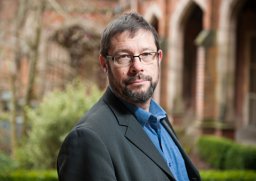 Dominic Bryan合作论文数Centre for the Study of Conflict;University of Ulster;Centre for the Study of Conflict, University of Ulster3
 Clodagh Harris合作论文数Department of Government;University College;Department of Government, University College Cork3
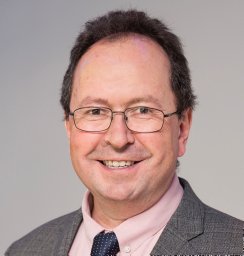 Brian P. Ó Gallachóir合作论文数Sustainable Energy Research Group, University College Cork3




