Background:Leishmaniasis is a neglected tropical disease influenced by a complex interplay of biological, environmental, and social factors. This study aimed to review the evidence on social determinants of health SDH associated with leishmaniasis worldwide. Methods:This systematic review was conducted in accordance with the Preferred Reporting Items for Systematic Reviews and Meta-Analyses (PRISMA) guidelines. A search was carried out in national databases (IranMedex and Magiran), the Google Scholar search engine, as well as international databases (PubMed, Scopus and Web of Science). The quality of the studies was assessed using the Newcastle-Ottawa Scale (NOS). Results:Out of 5538 retrieved articles, 36 studies met the inclusion criteria. The findings indicated that poverty, inadequate housing conditions, residence in rural or marginalized areas, low educational attainment, and limited access to healthcare services were among the influential SDH associated with a risk of leishmaniasis. Analysis within the WHO SDH framework revealed that social determinants, particularly those at the structural level (socioeconomic status) and intermediary level (housing conditions, health behaviors, and access to services), played a critical role in shaping the incidence and spatial distribution of leishmaniasis in the studied populations. Conclusion:The available evidence underscores that leishmaniasis is not solely an infectious disease but also a condition deeply rooted in social and economic inequalities. Strengthening health equity policies, improving living conditions, enhancing educational opportunities, and expanding access to healthcare services can substantially contribute to the global prevention and control of leishmaniasis.
Background and Objectives: Over the past century, multiple pandemics have caused the deaths of millions and inflicted serious harm upon the global economy, and humanity is still concerned about the emergence of future pandemics. This paper aims to provide an overview of the upcoming challenges in public health by reviewing previous pandemics and threats, examining past experiences, and analyzing current conditions. Methods: In this non-systematic review, the Google Scholar search engine was searched using suitable keywords, and studies relevant to the subject were selected. Results: With increasing population and closer human interactions, the risk of outbreaks of infectious diseases is felt more than in the past. The existence of thousands of pathogens in wildlife, along with the impacts of climate change, globalization, lifestyle, hunting, and environmental destruction, raises the probability of human exposure to these agents. If these encounters lead to genetic changes in pathogens and create new species, the risk of emerging and transmissible diseases to humans will increase. In addition to natural factors, human-related factors including bioterrorism and drug resistance (while not considered direct human actions, they result from human misconduct) must also be considered. Conclusion: Among various pathogenic microorganisms, viruses are highlighted as the principal agents of future pandemics due to their ability for rapid mutation, persistence in wildlife reservoirs, and the lack of effective preventive and therapeutic tools. What is crucial for countries is to utilize the lessons learned from previous pandemics to increase preparedness through strengthening health systems, employing the one health strategy, and mobilizing all capacities for future pandemics
Preparing a precise report of disease outbreak investigation is an important step to share the acquired experiences about causes of outbreaks and control measures for control and prevention of current and further outbreaks. Assessing the quality of published reports of measles outbreak investigation. Three databases including PubMed, Web of Science, and Scopus were systematically searched to retrieve studies published between 2005 and 2022 on measles outbreak investigation reports. Data were elicited using inclusion criteria and assessing the guidelines for outbreak investigation reports. The results for mentioning each item in studies were reported by percentage. Sixty-four studies were assessed for the quality of measles outbreak investigation reports. Studies encompass a broad span of geographic areas. Funding revealed that outbreak investigation details are reported in most studies but some of them like type of study(37.5
Objectives Urinary tract infections (UTIs) are very common infections in humans, and Escherichia coli ( E. coli ) is the commonest pathogen leading to UTIs. The generation of beta-lactamase enzymes in this bacterium results in its resistance against many antibiotics. This study compares three doses of amikacin on alternate days with a daily dose of meropenem in the same period for the treatment of UTIs with E. coli in a double-blind clinical trial. Methods The current double-blind clinical trial compares three doses of amikacin on alternate days with a daily dose of meropenem in the same period for the treatment of UTIs with E. coli. The patients were assigned to two groups: Intervention (receiving a single dose of amikacin once a day at 48-h intervals for a week, three doses) and control (receiving meropenem for 1/TDS for a week). Results The E. coli infection frequency was 61 (21 cases of non-ESBL and 40 cases of ESBL-positive infections) and the frequency of the other infections was 52 (46%). In the patients with ESBL E. coli infection, ciprofloxacin (21; 70%) showed the highest antibiotic resistance, and nitrofurantoin (33; 91.7%) showed the highest sensitivity. The baseline variables between the control and intervention groups indicated no significant difference (p > 0.05). The frequency of signs and symptoms showed no significant difference between the amikacin and meropenem groups in the first 24 h and the first week. In the second week of follow-up, no clinical signs or symptoms were observed in the two groups. Conclusion The results of this study showed that treatment with amikacin, 1 g q48h, for one week (three doses) has the same result as meropenem, 1 g q8h, for one week (21 doses). The results are the same for the treatment of UTIs with ESBL positive and ESBL negative. Amikacin can be used once every 48 h to treat UTIs, is less expensive and can be administered on an outpatient basis. Trial registration This study was registered in the Iranian Registry of Clinical Trials (IRCT) with ID number: IRCT20170417033483N2 on the date 2018-02-13.
In this study, the electrochemical properties of aqueous chlorpromazine hydrochloride (CPZ) in the presence of Fe (II) were investigated by cyclic voltammetry at a boron-doped diamond (BDD) electrode. The results showed that an EC′ reaction mechanism occurs, where electrochemically generated CPZ species (cation radical) are reduced by Fe (II) back to the parent CPZ, and Fe (II) is oxidized to Fe (III). The detection limit, sensitivity, and dynamic concentration ranges were 2.8 μM, 0.0188 μA μM ^−1 and 10–166 μM. Based on the electrochemical results, the interaction of chlorpromazine (CPZ), a widely used antipsychotic tranquillizer, with the allosteric protein, hemoglobin, has been studied. First, four groups of six female rats weighing 400–450 g were selected. The rats were injected with different concentrations of chlorpromazine over a 3-week period, and the concentrations of hemoglobin, methemoglobin, red blood cells (RBCs), and hematocrit (HCT) were analyzed in the blood of each rat. After injection of different concentrations of the drug, the amount of hemoglobin) as a source of Fe (II)) decreased, but the amount of methemoglobin (as a source of Fe (III) increased. In addition, UV spectroscopic measurements in the range of 200–700 nm indicate the conversion of hemoglobin to methemoglobin in chlorpromazine-treated rats compared to the normal sample, and there was a direct relationship between the increasing methemoglobin concentration of chlorpromazine. Furthermore, the amount of RBC and HCT was measured. The results showed that RBC (21.05%–56.52%) and HCT (10.04%–53.19%) decreased. Finally, this study demonstrates a new mechanism for the effects of CPZ on hemoglobin iron in rat blood based on electrochemical results.
The aim of this study was to compare the outcomes of SARS-CoV-2 RT-PCR-positive and RT-PCR negative Patients in Iran. This cohort study performed on 81393 patients with COVID-19 in six provinces of Iran during 2020. The studied variables include demographic and clinical. To examine the associations between RT-PCR test and death or ICU admission as dependent variable the multiple Bayesian logistic regression model was used by R software. 81393 individual (44.9 % female) with a mean age of 52.98 ± 20.8 years were included to the analysis. At all, 25434 tests (31.2 %) were positive RT-PCR, including 10772 men (44.9%) and 14662 women (55.1%). The multiple Bayesian logistic regression model showed a significant positive association between RT-PCR test results and COVID-19 mortality rate (OR: 1.46; 95% Crl: 1.29- 1.64). Also, males, older age, individual with chronic disease have higher risk of COVID-19 death, however, negative association observed between history of contact and COVID-19 death. We observed a significant inverse association between RT-PCR test results and ICU admission, while, the risk of ICU admission increased significantly by 1.2 times (95% Crl for odds ratio: 1.09, 1.34) among patients with negative RT-PCR test compared to positive RT-PCR test. People with positive RT-PCR test, male gender, older age, having a history of underlying disease have a higher risk of death and hospitalization in the ICU. Therefore, paying attention to these factors will be effective in reducing the risk of death and hospitalization in ICU.
Introduction: In infectious diseases, there are essential indices used to describe the disease state. In this study, we estimated the basic reproduction number, R0, peak level, doubling time, and daily growth rate of COVID-19. Methods: This ecological study was conducted in 5 provinces of Iran. The daily numbers of new COVID-19 cases from January 17 to February 8, 2020 were used to determine the basic reproduction number (R0), peak date, doubling time, and daily growth rates in all five provinces. A sensitivity analysis was conducted to estimate epidemiological parameters. Result: The highest and lowest number of deaths were observed in Hamedan (657 deaths) and Chaharmahal and Bakhtiari (54 deaths) provinces, respectively. The doubling time of confirmed cases in Kermanshah and Hamedan ranged widely from 18.59 days (95% confidence interval (CI): 17.38, 20) to 76.66 days (95% CI: 56.36, 119.78). In addition, the highest daily growth rates of confirmed cases were observed in Kermanshah (0.037, 95% CI: 0.034, 0.039) and Sistan and Baluchestan (0.032, 95% CI: 0.030, 0.034) provinces. Conclusion: In light of our findings, it is imperative to tailor containment strategies to the unique epidemiological profiles of each region in order to effectively mitigate the spread and impact of COVID-19. The wide variation in doubling times underscores the importance of flexibility in public health responses. By adapting measures to local conditions, we can better address the evolving dynamics of the pandemic and safeguard the well-being of communities.
Background: Cancer is one of the principal causes of death in most countries of the world. Lung cancer is the deadliest and most expensive cancer in the world. In this study, the incidence of lung cancer in Kurdistan province was investigated for the first time in a specific period. Methods: In this cross-sectional study, 815 cases of lung cancer were investigated in Kurdistan province between 2005 and 2016. Reported cases of lung cancer were extracted at the Cancer Registry Center by gender, age, and morphology. Considering the population of 2005 as the standard population, the expected incidence rate was calculated, and the standardized incidence rate was estimated directly. Results: The results showed that the highest incidence of lung cancer was observed in 2016 and 2014 with 153 and 136 cases, respectively, and the lowest in 2009 and 2005, with 11 and 18 cases, respectively. The frequency of cases was observed in the age groups of 75-79 years in 2012 with 23 cases (22.77%) and in the age group of 70-74 years with 28 cases (18.30%) in 2016. The highest crude incidence was observed in 1394 with 12.47 and the lowest in 2013 with 1.10. Conclusion: According to the results of the present study, the incidence of lung cancer was higher in men than women and the incidence of the disease was higher in older ages. Analytical studies are necessary to find the causes of the disease and solve the problems related to this disease.
Background and Aim: Helicobacter pylori is one of the most common human infections. Although the association between H.pylori infection and Alzheimer's disease has been suggested in some studies, few studies have dealt with the association between Helicobacter pylori infection and memory function. The aim of this study was to evaluate the memory function in the students with H.pylori infection. Material and Methods: This case-control study was performed in Sanandaj universities. 106 H.pylori positive and 119 H. pylori negative students were compared using Wechsler memory test. In order to analyze the data, independent t-test and multiple regression were used. Results: The results of this study showed that there was no statistically significant relationship between Wechsler memory final score and H.pylori infection (p = 0.24). But there was a statistically significant relationship between the visual memory subscale (p = 0.01) and mental control (p =0.003). By controlling the confounding effect of age, H. pylori had a negative effect on mental control (P = 0.03). Also, male gender (p = 0.02) and Helicobacter pylori infection (p = 0.007) had a negative effect on the visual memory. Conclusion: In our study H.pylori infection was not significantly related to the overall memory function of the individuals, but due to the association of this infection with some subscales of memory, further studies are recommended.
This article is part of the Research Topic Health Systems Recovery in the Context of COVID-19 and Protracted Conflict. Risk communication and community engagement (RCCE) is an essential component of emergency preparedness and response. In Iran, RCCE is a relatively new area of public health. During the COVID-19 pandemic in Iran, the national task force relied on conventional methods, which is to utilize existing primary health care (PHC) structure to implement RCCE activities around the country. The PHC network and the community health volunteers embedded in it enabled the country to bridge the health system and communities from the very beginning of the COVID-19 pandemic. The RCCE strategy to respond to COVID-19 was adapted over time with the development of a national program, commonly known as the "Shahid Qassem Soleimani" project. This project consisted of six steps including case detection, laboratory testing through the establishment of sampling centers, scale up of clinical care to vulnerable groups, contact tracing, home care for vulnerable population, and COVID-19 vaccination roll out. Nearly 3 years into the pandemic, the importance of designing RCCE for all types of emergencies, allocating a dedicated team to RCCE, coordinating with different stakeholders, improving the capacity of RCCE focal points, practicing more efficient social listening, and using social insight for better planning were identified as some lessons learned. Further, Iran's RCCE experience during the COVID-19 pandemic underscores the importance of continuing to invest in the health system, particularly PHC.
Introduction: Iran is one of the malaria-prone countries. Malaria transmission is likely to be affected by many factors, including meteorological variables. This study aimed to evaluate the effect of climate variables on malaria incidence. Methods: A secondary analysis was conducted to examine the relation between malaria and meteorological variables in Zahedan district from 2000 to 2019. We built univariate and multivariate Seasonal Autoregressive Integrated Moving Average (SARIMA) models and Generalized Additive Models (GAM)/ Generalized Additive Mixed Models (GAMM) using R software. AIC, BIC and residual tests were used to test the goodness of fit of SARIMA models, and R 2 was used to select the best model in GAM/GAMM. Results: The SARIMA multivariate (1,0,1) (0,1,1) 12 model, including the mean temperature and minimum humidity variables without lag, was the best fit. In nonlinear analysis, the number of malaria cases positively correlated with the month from January and peaked in May (edf=6.29). There was a generally negative correlation between malaria and time in years (edf=8.41). The mean temperature, between 20 to 30°C had the highest and slightly positive relation with the incidence of malaria (edf=7.55). Rainfall showed a negative association with small fluctuations between 20 and 45 mm and a positive association over 50 mm (edf=7.52). Mean relative humidity from above 50% had a negative relation with the number of cases (edf=6.93). The hours of sunshine in a month, until 235 hours, had a negative correlation and above 340 hours had a positive correlation with the incidence of malaria (edf=7.4). Conclusion: Meteorological variables can affect malaria occurrence.
Different drugs have different effects on the prognosis of patients with COVID-19. This study aimed to evaluate the effect of different drug regimens on patients with COVID-19, hospitalized in Sanandaj city. In this retrospective cohort study, 660 patients with COVID-19, hospitalized in the Tohid, Kowsar and Besat hospitals located Sanandaj (Kurdistan Province, Iran) were studied from February 2020 to February 2021 with clinical symptoms and positive test results. The results of multivariate regression analysis showed the days of hospitalization for patients who had received the drug regimen 2 (Interferons (ReciGen/Ziphron) or Interferon Vectra (lopinavir/ritonavir)) was 1.92 times higher than those who had received the drug regimen 1 (hydroxychloroquine group or a combination of chloroquine and azithromycin) while a significant association was observed (OR = 1.92, 95% CI: 1.16–3.16, P = 0.011). Also, the hospitalization in ICU was longer in patients treated by the drug regimen 2 (Interferons (ReciGen/Ziphron) or Interferon Vectra (lopinavir/ritonavir)) (OR = 4.63, 95% CI: 1.80–11.82, P = 0.001), however, drug regimens did not show a significant effect on mortality and use of ventilator in patients (P > 0.05). The study results showed the drug regimens 2 and 5 increased the days of hospitalization and hospitalization in ICU, respectively, while the other drug regimens had no significant effect on mortality and use a ventilator in the studied patients and none of the drug regimens had an effect on reducing mortality compared to other ones.
Smoking has dangerous and sometimes irreversible effects on various body tissues, including the reproductive system. We conducted this research to determine the in vivo effects of cigarette smoke condensate (CSC) on reproduction in mice. In this experimental in vivo study, 32 male and female NMRI mice were divided into four groups. The mice were injected with CSC (CSC-1R3F) for 28 days. The mice were mated 1 day after the last injection and observed daily for 1 week for the presence of a vaginal plug to track mating. We evaluated mating success rate, and sperm and oocyte quality, pregnancy outcome, childbearing status, and in vitro fertilization (IVF). The results showed a decrease in successful mating in female mice that received the CSC injections. CSC significantly influenced the number of offspring born to males. When the CSC was injected into male mice, there was a significant increase in the number of offspring compared with the group in which only the females received CSC injections. According to the results, there was a negative effect of CSC on morphological parameters in male and female mice. Also, successful IVF after exposure to CSC was significantly decreased in the female mice treated group. The results indicated that CSC significantly affected the number of offspring and fecundity success in females.
Background and Aims:During the coronavirus disease 2019 (COVID-19) pandemic, about seven million people were infected with the disease, of which more than 133,000 died. Health policymakers need to know the extent and magnitude of the disease burden to decide on how much to allocate resources for disease control. The results of this investigation could be helpful in this field. Methods:We used the secondary data released by the Kurdistan University of Medical Sciences between February 2020 to October 2021 to estimate the age-sex standardized disability-adjusted life years (DALY) by the sum of the years of life lived with disability (YLD) and the years of life lost (YLL). We also applied the local and specific values of the disease utility in the calculations. Results:The total DALY was estimated at 23316.5 and 1385.5 per 100,000 populations The YLD and YLL constituted 1% and 99% of the total DALY, respectively. The DALY per 100,000 populations was highest in the men and people aged more than 65 years, but the prevalence was the highest in people under the age of 40. Conclusions:Compared to the findings of the "burden of disease study 2019," the burden of COVID-19 in Iran is ranked first and eighth among communicable and noncommunicable diseases, respectively. Although the disease affects all groups, the elderly suffer the most from it. Given the very high YLL of COVID-19, the best strategy to reduce the burden of COVID-19 in subsequent waves should be to focus on preventing infection in the elderly population and reducing mortality.
Background:Excessive screen time has been associated with a variety of negative health outcomes. We aimed to evaluate screen time and phone and tablet use in Iranian adolescents and their relation to the socioeconomic status of adolescents' families in 2018.Methods:This descriptive-analytical study was carried out on 10-12-year-old adolescents from Kurdistan, Fars, and Markazi provinces. Cluster sampling was used for sampling. Data were collected by completing demographic questionnaires, calculating the BMI of adolescents and phone and tablet use, screen time, and socioeconomic status of the families. We used linear and logistic regression to estimate the final model. The concentration index was used to measure inequality and the Oaxaca decomposition to examine the different determinants of the inequality.Results:1590 adolescents (52.58% boys) were enrolled in our study. Screen time activities were significantly higher in boys, older adolescents, higher BMIs, more educated mothers, and 35< year-old fathers (P < 0.05). The use of mobile phones and tablets was significantly higher among boys, ten-year-olds, families with four or fewer members, higher BMIs, adolescents with higher levels of parental education, and more educated mothers (P < 0.05). In addition, the concentration index for screen time activities (C = 0.083) and phone and tablet use (C = 0.536) showed that screen time and phone and tablet use activities were higher in adolescents with high socioeconomic status.Conclusion:Screen time, phone and tablet use were higher in adolescents with high socioeconomic status. Also, many other factors like gender, age, BMI, parents' education and age can affect screen time, phone and tablet use in adolescents.
Background:Despite of the remarkable achievement in control of tuberculosis, it is still a challenging health problem in Iran. Success in any health program depends on monitor the diseases epidemiology and finding the gaps. We aimed to describe the epidemiological profile of TB patients in Iran to find the gaps in the TB program and using the finding to set the program activities.Methods:This cross-sectional study was performed based on the data of tuberculosis patients registered in Iran in 2016-2017. The information of all TB patients is registered in the TB registry software. The patients were followed during the treatment phase. The data were analyzed by SPSS 23 software using Chi-Square test.Results:Overall 12% of cases were Afghans and 72.3% of patients had pulmonary tuberculosis. There was a significant difference in the success rate of treatment in smear-positive pulmonary patients by gender, HIV status, marital status, history of hospitalization and incarceration (P <0.01). The highest prevalence of antibiotic resistance was related to isoniazid (9.9%). In close contact persons who requiring prophylaxis, 65.3% of adults and 73.6% of children received full period of prophylaxis.Conclusion:Despite of the TB treatment success and low prevalence of MDR cases, TB incidence has not been decreased significantly in Iran. Delay in diagnosis, high TB burden in refugees and close contact investigation and prophylaxis are important issues in the TB control program in Iran to be considered in the control planning.
Background and Aim: A comprehensive understanding of the current state of geriatric care in Iran is necessary in order to strengthen and align it for responding to the current and future needs of the elderly in the country. The purpose of this study was to identify the challenges and barriers in the elderly care system in Iran.
Background: Acute lymphoblastic leukemia (ALL) is among the most prevalent type of hematologic malignancy in children. The Children’s Oncology Group protocol recognizes methotrexate (MTX) as a therapy for this problem in children, despite its several complications. The relationship between MTX toxicity and ATP-binding cassette subfamily B member 1 (ABCB1) SNPs in ALL children patients has been investigated in many studies. Objectives: Regarding the controversial findings reported by these studies, the present work aims to evaluate Methotrexate toxicity and its association with ABCB1 Genetic Polymorphism in ALL pediatric patients. Methods: Blood samples were collected from pediatric ALL patients. Next, DNA was extracted and polymerase chain reaction (PCR) was conducted using 300 μMol/μL of direct primers in 50 µL as the ultimate volume. ABCB1 gene was amplified using the PCR technique, and 0.5% agarose gel electrophoresis was used to identify reaction products. Afterward, the PCR fragments’ length was proved by observing through UV-transilluminator. Finally, liver and blood toxicity was studied in all cases under treatment with MTX. Results: In the present study, 81 children with ALL (36 females and 45 males) with a mean age of 6.32 ± 3.08 years old were examined. The ABCB1 1199 G->A gene mutation frequency and the ABCB1 3435 C->T gene mutation frequency was 4.9 and 70.4%, respectively. The results showed no statistically significant difference between leukopenia, gastrointestinal toxicity, renal toxicity, hepatotoxicity, anemia, thrombocytopenia, and neutropenia in cases having homozygous heterozygous ABCB1 3435 C->T and ABCB1 1199 G->A mutant polymorphisms than those having ordinary polymorphism. Conclusions: Overall, it seems that C3435 T, G1199A, and ABCB1 are not significant MTX toxicity markers in pediatric ALL cases.
The aim of the present study was to investigate the effect of cigarette smoke condensate (CSC) on in vitro development of mouse embryos. In total 3000 NMRI mice 2PN embryos were divided into six groups (n = 500). The test group was exposed to 20, 40, 80, 160 or 320 μg/ml of CSC. In the control group, CSC was not added to the culture medium during the development of 2PN embryos. The effects of 20 and 80 μg/ml of CSC on genes involved in pluripotency and apoptosis, and also, the aryl hydrocarbon receptor gene was assessed in the blastocysts. Our results showed that CSC had an adverse effect on the viability of mouse embryos at the concentrations of 80, 160 and 320 μg/ml compared with the control group (P < 0.05). In contrast, it had positive effects on the viability of mouse embryos at the concentrations of 20 and 40 μg/ml compared with the control group (P < 0.05). The 20 and 80 μg/ml concentrations of CSC increased the expression of pluripotency, apoptotic, and aryl hydrocarbon receptor genes in the blastocyst embryo stage compared with the control group (P < 0.05). It can be concluded that concentrations higher than 40 μg/ml of CSC have an adverse effect on mouse embryo development in the preimplantation stages. Also, 20 and 80 μg/ml concentrations of CSC have a significant effect on the expression of pluripotency, apoptotic, and the aryl hydrocarbon receptor genes in the blastocyst embryo stage compared with the control group.
 Ghobad Moradi合作论文数38
 Mohsenpour Behzad合作论文数School of Medicine, Kurdistan University of Medical Sciences.22
 Roshani Daem合作论文数Medical School, Kurdistan University of Medical Sciences;Medical School, Kurdistan University of Medical Sciences;Kurdistan University of Medical Sciences, Kurdistan University of Medical Sciences18
 Shahla Afrasiabian合作论文数Liver and Gastroenterology Research Centre;Sanandaj;Liver and Gastroenterology Research Centre; Sanandaj, Islamic Republic of Iran.10
 Mohammad Reza Ansari合作论文数10GH Moradi合作论文数9Hajibagheri Katayon合作论文数9
 Nader Esmailnasab合作论文数School of Medicine, Kordestan University of Medical Sciences9Jalil Omidian合作论文数Faculty of Medicine, Kermanshah University of Medical Sciences8
 Bakhtiar Piroozi合作论文数Social Determinants Hlth Res Ctr, Kurdistan Univ Med Sci8
 Nikkhoo Bahram合作论文数Faculty of Medicine, Kurdistan University of Medical Sciences8
 Nasiri Kalmarzi Rasoul合作论文数Children's Medical Center, Tehran University of Medical Sciences8Farrokh Rad合作论文数Kurdistan University of Medical Sciences8
 Mohammad Mehdi Gouya合作论文数Center for Disease Control, Ministry of Health and Medical Education8
 Farzin Rezaei合作论文数Dept Psychiat, Kurdistan Univ Med Sci7
 Abolfazl Mohammadbeigi合作论文数Epidemiology and Biostatistics Department, Qom University of Medical Sciences7
 Ehsan Mostafavi合作论文数Department of Epidemiology, Pasteur Institute of Iran7Ahmadi Amjad合作论文数Student of Research Committee, Kurdistan University of Medical Sciences7
 Sana Eybpoosh合作论文数Research Center for Modeling in Health, Kerman University of Medical Sciences7
 Maroufi Azad合作论文数Department of Psychiatry, Kurdistan University of Medical Sciences7
 Kambiz Hassanzadeh合作论文数7KH Rahmani合作论文数6
 Bijan Nouri合作论文数Kurdistan University of Medical Sciences6Elham Goodarzi合作论文数Social Determinants Hlth Res Ctr, Lorestan Univ Med Sci6
 Mohammad Aziz Rasouli合作论文数Kurdistan University of Medical Sciences6
 Amjad Mohamadi Bolbanabad合作论文数Social Determinants of Health Research Center, Research Institute for Health Development University of Medical Sciences6
 Payam Khomand合作论文数Tohid Hospital, Kurdistan University of Medical Sciences6Narges Mohammad-Salehi合作论文数6Pedram Ataee合作论文数Res Inst Hlth Dev, Kurdistan Univ Med Sci5
 Ebrahim Mohammadi合作论文数Res Inst Hlth Dev, Kurdistan Univ Med Sci5
 Zaher Khazaei合作论文数Social Determinants of Health Research Center, Kurdistan University of Medical Sciences5
 Mahshid Nasehi合作论文数Disease Control Department, Iranian Ministry of Health and Medical Education;School of Public Health, Iran University of Medical Sciences;School of Public Health, Iran University of Medical Sciences5
 Ansari Hossein合作论文数Health Promotion Research Center, Zahedan University of Medical Sciences5Shams Alizadeh Narges合作论文数5
 Shokri Azad合作论文数5
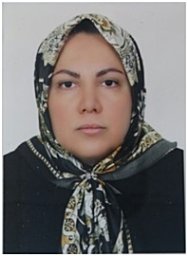 Farnaz Zandvakili合作论文数5Farid Daneshgar合作论文数5M Nasehi合作论文数4fariba sheikhi合作论文数4MM Gouya合作论文数4Bushra Zareie合作论文数4
 Manoochehr Karami合作论文数4Mohammad Abdi合作论文数4Ramesh Rahehagh合作论文数Kurdistan Univ Med Sci4
 Sairan Nili合作论文数Kurdistan University of Medical Sciences4
 Borhan Moradveisi合作论文数Canc & Immunol Res Ctr, Kurdistan Univ Med Sci4
 Nasseri Karim合作论文数Faculty of Nursing and Midwifery, Kurdistan University of Medical Sciences4
 Farhadifar Fariba合作论文数Faculty of Medicine, Kurdistan University of Medical Sciences4
 Mazaher Khodabandehloo合作论文数Department of Microbiology, Faculty of Medicine &amp;Cellular and Molecular Research Center, Kurdistan University of Medical Sciences;Faculty of Medicine &amp;Cellular and Molecular Research Center, Kurdistan University of Medical Sciences4




