Several universities in Indonesia are trying to integrate an entrepreneurial curriculum that encourages incubation programs to improve startup performance. This paper aims to analyze Startup performance under a university incubation program. This study examined the role of institutional pressure as a mediator variable toward startup performance. The study uses a quantitative research method-based survey. Ninety newborn startups participated in this study. Data was analyzed using Structural Equation Modeling-Partial Least Square (SEM-PLS). The findings explain the relationship between internal organizational factors and institutional pressures toward Startup Performance. This study also recommends an evaluation model of the entrepreneurial program on university business incubators that integrates incubator businesses and supports a startup sustainable ecosystem.
Purpose This study aims to examine the socioeconomic strategies used by Indonesian women entrepreneurs to enter and maintain participation in international markets. Design/methodology/approach This study uses an integrative theoretical framework combining the resource-based view, institutional theory and social identity theory. Using a qualitative design with a netnography and narrative inquiry approach, data was collected from nine publicly available YouTube interviews featuring Indonesian women entrepreneurs. Findings Four key dimensions emerge: women as agents of local-to-global transformation, resilience amid structural and gender-based barriers, digital adaptation and community-based social impact. This study revealed that many women entrepreneurs demonstrate exceptional resilience, despite facing constrained finances and limited institutional support, often as single parents or from underprivileged educational backgrounds. Originality/value This study addresses the issue of women entrepreneur leaders in Indonesia, a key global south economy.
This study examines the integration of local arts and traditions in the development of cultural entrepreneurship through the Banyuwangi Ethno Carnival (BEC), a cultural event held in Banyuwangi, one of the regions in Indonesia known for its rich Osing heritage. This study uses a qualitative case study method; six informants were interviewed, including cultural officials, local entrepreneurs, and artists. Data were analyzed using the Gioia methodology and framed by Schumpeter's Creative Destruction Theory. Findings show that BEC effectively transforms traditional cultural elements into economic opportunities while involving the local community. However, concerns about authenticity loss and unequal economic impact persist. This research contributes to the discourse on culture-based development and offers recommendations for inclusive and sustainable festival management.
Former inmates face significant challenges in reintegrating into society, including social stigma and economic difficulties. This study explores the role of entrepreneurship education in facilitating their reintegration. This study uses a qualitative method. Semi-structured interviews were conducted with nine former prisoners in Bandung, West Java. The findings indicate that entrepreneurship education enhances economic capabilities, self-efficacy, and social identity while reducing reliance on illicit activities. Social support from communities and institutions further strengthens successful reintegration. Entrepreneurship education equips individuals with skills and knowledge, alleviating financial challenges and lowering recidivism rates. This study emphasizes the importance of providing economic and social skills to ensure long-term reintegration and well-being, offering valuable insights for academics and practitioners in rehabilitation and reintegration efforts.
This study aims to examine the influence of green innovation implementation on sustainable business and explore the mediating role of environmental awareness. A quantitative method was employed by distributing questionnaires to 132 Micro, Small, and Medium Enterprises (MSMEs) in Bandung City. Using Partial Least Square-Structural Equation Modeling (PLS-SEM) for data analysis, this study finds that green innovation positively and significantly affects sustainable business, both directly and indirectly mediated by environmental awareness. This study indicates that implementing green innovation can enhance the sustainability of MSMEs. This study provides academic and practical implications by highlighting the potential and importance of green innovation in supporting sustainable business, serving as a reference for policymakers to improve MSME competitiveness and sustainability.
PurposeMicro, small and medium enterprises (MSMEs) are crucial for economic growth in developing countries like Indonesia. However, many MSMEs face difficulties when trying to enter international markets, mainly because of limited resources and strategic capabilities. This study aims to investigate the internal mechanisms that affect the export capabilities of MSMEs, focusing on technological, innovation and entrepreneurial orientation. Using the resource-based view (RBV) as a framework, this study examines how entrepreneurial orientation affects the relationship between technological and innovation capabilities and export readiness. Design/methodology/approachThis study used a quantitative approach, distributing questionnaires to MSMEs in West Java. Data were collected from 400 respondents using purposive sampling technique, exceeding the minimum sample size calculated using G*Power. The data were then analyzed using partial least squares-structural equation modeling (PLS-SEM) to examine cause-and-effect relationships among the constructs. FindingsThe results indicate that entrepreneurial orientation has a significant positive effect on export capability. Innovation capability enhances entrepreneurial orientation; however, it does not directly affect export capability. Its influence is entirely mediated by entrepreneurial orientation. Technological capability directly enhances export capability; however, it does not affect entrepreneurial orientation, suggesting its role is primarily operational rather than strategic. The results indicate that entrepreneurial orientation is the primary mechanism for converting innovation into export readiness, whereas technological capability primarily enhances operational efficiency and compliance with export standards. Originality/valueThis research adds to the existing knowledge in international entrepreneurship by examining how internal capabilities affect the export capabilities of MSMEs in developing countries. It highlights the importance of behavioral factors in how a firm’s capabilities translate into international market participation, thus expanding the RBV within the context of SME internationalization. This study distinguishes between the strategic and operational aspects of export readiness. It provides insights into how capabilities develop and informs policies and management strategies that support MSMEs in international markets.
This study aims to examine the influence of environmental awareness capability on business sustainability by integrating green innovation as a mediating mechanism and gender and business scale as boundary conditions. Grounded in the literature on business strategy and development, this study uses a quantitative design. It used survey data from 132 owners and managers of micro, small, and medium enterprises (MSMEs) in West Java, Indonesia. The analysis employs Partial Least Squares Structural Equation Modeling (PLS-SEM). The findings show that environmental awareness capability strongly drives green innovation and directly improves business sustainability. Green innovation also partially mediates this relationship. Business scale negatively impacts the link between environmental awareness and green innovation. This suggests that sustainability-oriented strategies are more effective for smaller firms, while gender does not moderate their effectiveness. This study provides new empirical evidence from a subnational developing economy context. It clarifies how strategic capabilities interact with organizational scale to affect sustainability outcomes. The findings offer actionable insights for MSME strategists and policymakers aiming to develop context-sensitive sustainability strategies.
Digital transformation has increasingly emerged as a critical concern for firms globally, especially within the intensely competitive pharmaceutical sector. Company X is a prominent over-the-counter pharmaceutical firm in Indonesia. This study seeks to evaluate the influence of digital transformation on the business performance of Company X. A quantitative methodology was employed to gather data through questionnaires from employees across multiple levels. The research investigates the impact of digital transformation success factors on the business performance of Company X, employing digital transformation as a mediating variable. PLS-SEM was employed to predict and evaluate relationships. This study identifies three critical success factors—technological capability, organizational knowledge capability, and technology resources—that significantly influence digital transformation and have a positive correlation. Technological capability significantly influences corporate performance, although organizational knowledge competency and technology resources do not. Digital transformation has demonstrated its role as a mediator between success determinants and corporate performance.
This study examines the impact of Chatbot Optimization Strategies (COS) and Technology-Enabled Value Co-Creation Capability (TVCC) on Competitiveness in Indonesia’s tourism sector. The findings reveal that optimized chatbot strategies enhance customer satisfaction, service efficiency, and business performance, while TVCC fosters customer engagement and resource integration, strengthening market competitiveness. This research extends the Technology Acceptance Model (TAM), Resource-Based View (RBV), and Service-Dominant Logic (SDL) by demonstrating how technology-driven interactions contribute to sustainable competitive advantages. The study provides practical insights for tourism entrepreneurs and policymakers, emphasizing chatbot optimization and value co-creation as strategic tools for achieving business resilience in Indonesia’s archipelagic tourism landscape.
PurposeThis research examines previous studies on the relationship between social capital and community-based financing (CBF), focusing on the essential role of social capital in enabling an inclusive financial ecosystem. The antecedent, mediator/moderator, outcome (AMO) framework will delineate the functions of these concepts to clarify the positioning of social capital within the empirical model related to CBF. Design/methodology/approachThis research employs a rigorous bibliometric–systematic literature review (B–SLR) to examine a range of prior studies dating back to 2024. This study carefully identifies the keywords for extracting data from the dataset. Therefore, three inclusion criteria – suitability to research questions, publication type, and publication quality – were utilised to extract the data. To analyse the data, this review employs both bibliometric analysis, a quantitative approach, and content analysis, a qualitative approach. FindingsWe identified 120 articles that fulfilled our criteria. Our bibliometric analysis reveals a consistent increase in publications examining the relationship between social capital and CBF from 1995 to 2024. The content analysis revealed a strong correlation between CBF and social capital. We propose a framework for forthcoming social capital and CBF research using the AMO framework. Originality/valueThis research makes a distinct contribution by systematically examining the role of social capital in CBF through the AMO framework. It offers valuable insights into the impact of social capital on the effectiveness of such financing models. The findings enhance scholarly comprehension and provide actionable recommendations for policymakers and practitioners to strengthen financial inclusion and bolster socio-economic resilience through CBF for local businesses.
This study explores succession planning to ensure the long-term sustainability of family businesses, a critical issue given the high failure rate linked to ineffective leadership transitions. Focusing on Sedap Catering, a family business established in 1987 in Bandung, West Java, Indonesia, the research aims to analyze the stages and dynamics of succession, specifically how the founding generation applies strategies to potential successors. Family businesses are crucial to the Indonesian economy, but they often face challenges in maintaining leadership continuity. Theoretical frameworks include family business theory, succession planning, and stewardship theory, offering insights into the motivations of family leaders during the succession process. A qualitative approach is used with a single case study, involving in-depth interviews, observations, and document studies. Five key respondents were selected through purposive sampling. Data analysis is conducted using thematic analysis, triangulation, and member checking to ensure reliability. The results show that Sedap Catering’s succession process is informal yet structured, reflecting the family’s values of trust, continuity, and service quality. Successors are selected based on character, competence, and commitment, with gradual integration into the business and continuous evaluation. This method ensures smooth leadership transfer, strong employee loyalty, and family harmony. The study provides practical insights for family businesses in Indonesia and contributes to academic understanding of succession planning.
Purpose This study aims to systematically review articles discussing innovation in cooperative organisations by examining research profile (trends in publications, journal quality, theoretical foundations, methodology and geographic distribution), constructing input–process–output framework and revealing future research opportunities. Design/methodology/approach This research uses bibliometric analysis using a total of 96 articles from Scopus and EBSCO databases. Content analysis is used to identify existing research streams, uncover research gaps and explore future research opportunities. Research themes are organised into clusters that were generated through data processing using VOS viewer. Findings This research found that the first article on this topic emerged in 1979 and steadily increased. Most articles were published in leading journals. Theories and methodologies are diverse. In addition, we identified eight main themes in this study which include: the role of cooperative’s innovation in society, cooperative’s innovation to further sustainability, innovation adoption in cooperative, linking cooperative’s innovation to market, cooperative’s challenges related to innovation process, innovation and change in cooperative, the role of information sharing in cooperative’s innovation and cooperative’s resource and performance. Originality/value This research is expected to fill the research gap in this topic. Accordingly, this research provides a comprehensive overview of this topic for academics and practitioners, and offers potential opportunities for future research.
Water is fundamental to life; however, it is contaminated by numerous human activities. This issue extends to campus settings where canteen wastewater contributes to environmental pollution. Telkom University, a leading private institution in Indonesia, significantly emphasizes waste management. This study sought to identify solutions for the canteen wastewater problem at Telkom University's main Dayeuh Kolot, Bandung campus, and assess the outcomes. Additionally, this study aimed to uncover the critical success factors for sustaining the program. Design Thinking guides solution development for wastewater, while the analysis of program success factors employs the 5M + E framework, which considers Man, Machine, Method, Material, Money, and Environment. This study used qualitative methods such as observation, interviews, water acidity tests, open questionnaires, and focus group discussions with individuals involved in campus waste processing, and conducted a comparative analysis of the effectiveness of wastewater solutions before and after implementation. This study presents a prototype solution for canteen wastewater, utilizing a multistage filtration system crafted from environmentally friendly materials consisting of banana stems, coconut fiber, red bricks, and charcoal. This system significantly enhances water and ditch quality, curbs pollution, and revitalizes aquatic life. The study also highlighted three crucial factors for the program's success: material selection, environmental considerations, and human resources, with the latter exemplified by the team leader’s commendable competence. This research illustrates that human-centered approaches rooted in social sciences can effectively address water quality issues, even without relying directly on watery scientific disciplines.
In the digital era, the rise of social media marketing exposes young women to cosmetic advertisements, often triggering impulsive purchases. This study aims to explore the psychological and social factors influencing impulsive buying, focusing on how mindfulness affects beauty product purchases among young Indonesian women. Using a quantitative survey approach, data were collected from 321 Indonesian women aged 13–24 who use cosmetics. A non-probability sampling method was applied, and validity and reliability tests were conducted. Data analysis employed the Structural Equation Modelling (SEM) approach using IBM AMOS 26.0. Findings indicate that mindfulness does not directly influence impulsive buying but operates through fear of negative evaluation (FNE) and emotional intelligence (EI) as mediators. Mindfulness reduces impulsive purchases by lowering FNE, while EI has a significant negative effect on impulsive buying. This study underscores the importance of ethical marketing in the cosmetics industry, advocating for consumer education to curb impulsive spending and foster brand loyalty. Additionally, it highlights the need for emotional intelligence training to help young consumers make informed decisions. By revealing the indirect role of mindfulness through FNE and EI, this study contributes novel insights to the literature on adolescent women’s consumer behavior in Indonesia.
The growing focus on environmental sustainability pushes small and medium enterprises (SMEs) in the tourism sector, especially in emerging economies like Indonesia, to adopt sustainable practices. Although sustainability has received significant attention, research on its application within tourism SMEs is limited. This study explores how enviropreneurship, which integrates environmental priorities with entrepreneurship, can enhance green innovation and supply chain management (GSCM). It highlights that adopting enviropreneurship improves performance, operational efficiency, cost reduction, and competitiveness. However, challenges like limited access to technology and resources remain, suggesting the need for government support to strengthen sustainability efforts in tourism SMEs.
Kegiatan pengabdian masyarakat ini bertujuan untuk meningkatkan pemahaman dan keterampilan siswa dalam mengelola keuangan pribadi melalui edukasi perencanaan keuangan digital. Metode kegiatan meliputi analisis kebutuhan melalui wawancara dengan pihak sekolah dan siswa, penyuluhan materi literasi keuangan digital, workshop penggunaan aplikasi keuangan digital (e-wallet, mobile banking), serta evaluasi menggunakan pre-test dan post-test. Hasil kegiatan menunjukkan peningkatan signifikan pada aspek literasi keuangan digital, pemasaran digital, branding, serta kemampuan menyusun anggaran pribadi. Peningkatan pemahaman terlihat dari perubahan kategori pengetahuan peserta, antara lain dari fair menjadi good pada aspek pemasaran digital dan fungsi pemasaran digital, serta dari bad menjadi good pada aspek strategi branding. Pelatihan ini terbukti efektif dalam membantu siswa memahami penggunaan teknologi keuangan untuk mendukung pengelolaan keuangan yang lebih terstruktur dan mendukung kesiapan mereka dalam bekerja maupun berwirausaha. Diperlukan pendampingan lanjutan agar siswa dapat mengaplikasikan keterampilan tersebut secara optimal dalam kehidupan nyata. Secara keseluruhan, program ini memberikan kontribusi positif dalam meningkatkan literasi keuangan digital dan mempersiapkan kemandirian finansial siswa SMK YPPS Sumedang.
This research investigates the impact of the integration of Green Supply Chain Management (GSCM) and Environmental Management Practices (EMP) in enhancing Enviropreneurship Performance (EP) in SMEs in the Indonesian tourism sector. This research also explores the role of Firm Size in moderating the relationship between GSCM and EMP. This research aims to examine how these variables influence each other and contribute to implementing sustainable practices. This research used a quantitative approach, with data collection through an online survey conducted on 278 SMEs in Indonesian tourism sector. The data was analyzed using Partial Least Squares Structural Equation Modeling (PLS-SEM) to test the research model and the proposed hypothesis. The results showed that implementing GSCM and EMP positively and significantly influenced EP. In addition, EMP was proven to act as a mediator in the relationship between GSCM and EP. Meanwhile, Firm Size was also proven to moderate the relationship between GSCM and EMP, which shows that larger firms have more resources to implement sustainable practices effectively. The scope of this research is limited to SMEs in Indonesian tourism sector. Therefore, the findings may not fully reflect conditions for other sectors or countries. This research provides empirical evidence of the positive effect of implementing sustainable practices on business performance and provides practical insights for SMEs to integrate sustainable practices into their business operations.
 Dini Turipanam Alamanda合作论文数Telkom University38
 Anggraeni Permatasari合作论文数Fac Business, President Univ20
 Veland Ramadani合作论文数Fac Business & Econ, South East European Univ14
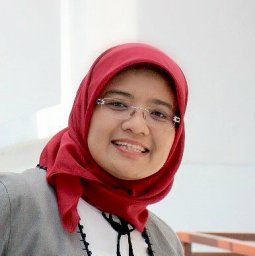 Nurul Indarti合作论文数13
 Leo Aldianto合作论文数Sch. of Bus. & Manage., Bandung Inst. of Technol.;c;Sch. of Bus. & Manage., Bandung Inst. of Technol.10
 Mediany Kriseka Putri合作论文数Telkom University7
 Abdullah Ramdhani合作论文数Fac Social Sci & Polit Sci, Garut Univ7
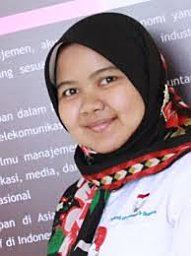 Ratih Hendayani合作论文数Sch Business & Econ, Telkom Univ7
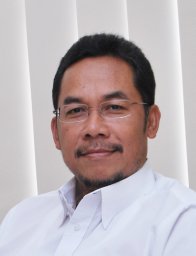 Bachruddin Saleh Luturlean合作论文数Telkom University6
 Werda Bagus Profityo合作论文数Bandung Inst Technol5
 Christina Wirawan合作论文数Ind Engn Dept, Univ Kristen Maranatha5
 Hani Gita Ayuningtias合作论文数Sch Econ & Business, Telkom Univ5
 Santi Novani合作论文数School of Business and Management, Institut Teknologi Bandung5
 Vanessa Ratten合作论文数Department of Management and Marketing, La Trobe Business School, La Trobe University5
 Wawan Dhewanto合作论文数5
 Astri Ghina合作论文数Telkom University4
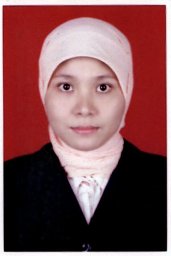 Ratri Wahyuningtyas合作论文数Telkom University4
 Arif Partono Prasetio合作论文数Dept Business Management Telecommun & Informat, Univ Telkom4
 Lili Adi Wibowo合作论文数Sch Postgrad, Univ Pendidikan Indonesia4
 Ikeu Kania合作论文数Fac Social & Polit Sci, Garut Univ3
 Adi Asmariadi Budi合作论文数School of Business and Management, Bandung Institute of Technology3Hardo Firmana Given Grace Manik合作论文数3Rina Djunita Pasaribu合作论文数2Rina D. Pasaribu合作论文数2
 Sri Widiyanesti合作论文数School of Economics and Business, Telkom University2
 Sisca Eka Fitria合作论文数Telkom Univ2
 Aang Noviyana Umbara合作论文数School of Business and Management,, Institut Teknologi Bandung2
 Lia Yuldinawati合作论文数Telkom University2
 Yuhana Astuti合作论文数Telkom University2
 Dodie Tricahyono合作论文数Magister Management, Telkom University2
 Yuyu Yuningsih合作论文数ID SCOPUS : 57204321675, Center fo State Civil Apparatus Training and Development and Competency Mapping2
 Donald Crestofel Lantu合作论文数Sch Business & Management, Inst Teknol Bandung2
 Agus Rahayu合作论文数School of Postgraduate, Universitas Pendidikan Indonesia2Vania Nur Rizqi合作论文数Sch Business & Management, Inst Teknol Bandung2
 Hendrati dwi Mulyaningsih合作论文数Faculty of Economics and Business, Universitas Islam Bandung2
 Sri Herliana合作论文数School of Business and Management,, Institut Teknologi Bandung2
 Husni Amani合作论文数Fac Ind Engn, Telkom Univ2
 Ade Irma Susanty合作论文数Telkom University2
 Adhi Prasetio合作论文数Fac Econ & Business, Telkom Univ2
 Gadaf Rexhepi合作论文数South East European Univ Tetovo2
 Ubaidillah Zuhdi合作论文数Dept Ind Adm, Tokyo Univ Sci2
 Leo Dana合作论文数Faculty of Management, Dalhousie University2
 Kyoichi Kijima合作论文数Tokyo Institute of technology
Publication: Pacific Asia Conference on Information Systems 1993
SOFT Science and Technology: Its Aims, Scope and Implementation
Kyoichi Kijima, Tokyo Institute of Technology2Raswyshnoe Boing Kotjoprayudi合作论文数1Rasim Zuferi合作论文数1Ghina Sulthanah Maulida合作论文数1Reza Ramadan合作论文数1Tri Djatmiko合作论文数1Cici Cyntiawati合作论文数1
Kyoichi Kijima合作论文数Tokyo Institute of technology
Publication: Pacific Asia Conference on Information Systems 1993
SOFT Science and Technology: Its Aims, Scope and Implementation
Kyoichi Kijima, Tokyo Institute of Technology2Raswyshnoe Boing Kotjoprayudi合作论文数1Rasim Zuferi合作论文数1Ghina Sulthanah Maulida合作论文数1Reza Ramadan合作论文数1Tri Djatmiko合作论文数1Cici Cyntiawati合作论文数1




